Tattoo Ideas
Animal Tattoo Ideas
A practical guide to Animal tattoos: what they mean, who they suit, the styles that work, real community designs and AI prompts you can use right now to generate your own.
About Animal tattoos
Animals have always sat at the heart of tattooing. Sailors inked swallows for safe returns, soldiers carried lions for courage, and indigenous traditions across the world used animal markings to signal clan, role, or spiritual companion. A Animal tattoo continues that long conversation between humans and the creatures we live alongside, fear, eat, work with, and love. Modern Animal tattoos range from photo-real pet portraits to mythic beasts and stylized totem animals. People mark their dogs after they pass, the species they have devoted their careers to studying, the creatures tied to their family stories, and the predators or birds whose qualities they want to channel. The category is enormous because the animal kingdom is — and because almost every culture on earth has built meaning around at least a few of its members.
What makes a great Animal tattoo
If it is a pet, use a great reference photo — same rules as portraiture, with sharp focus and good lighting. If it is a wild animal, choose an artist who has rendered that species before, because anatomy errors are obvious to anyone who knows the creature. Decide early whether you want naturalistic accuracy or a stylized interpretation — a watercolor wolf and a hyperreal wolf are entirely different commitments. Avoid hollow choices: tattooing an animal because it appears in a list of spirit-animal meanings produces shallow work, while marking a creature you actually have a relationship with produces something lasting.
Styles that work well for Animal
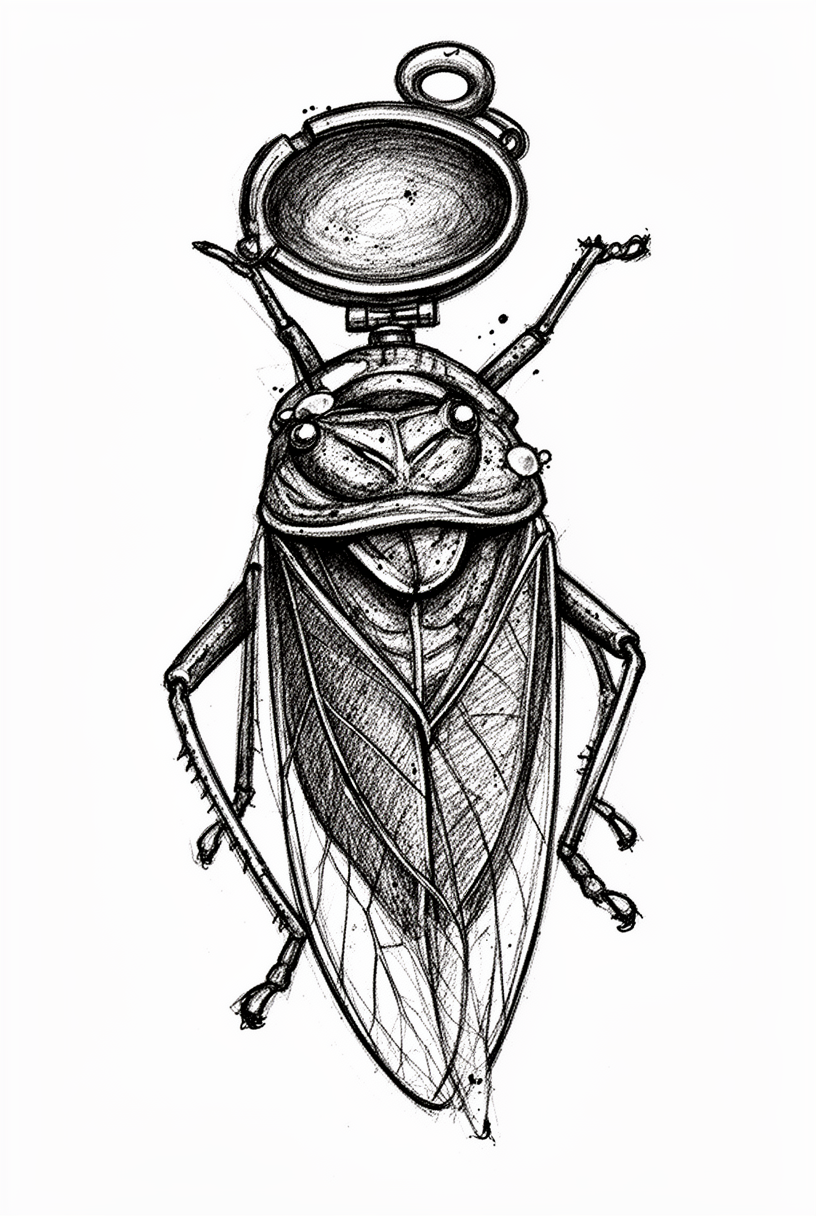
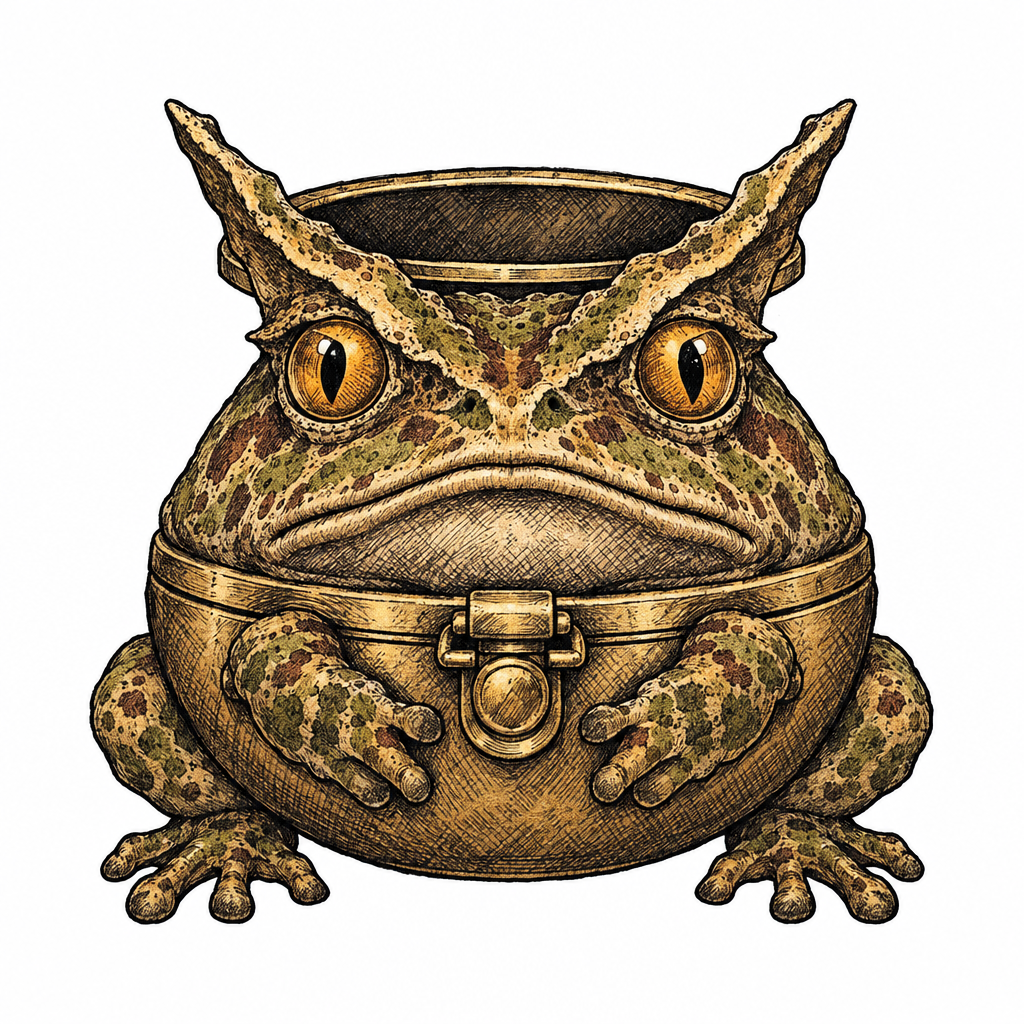
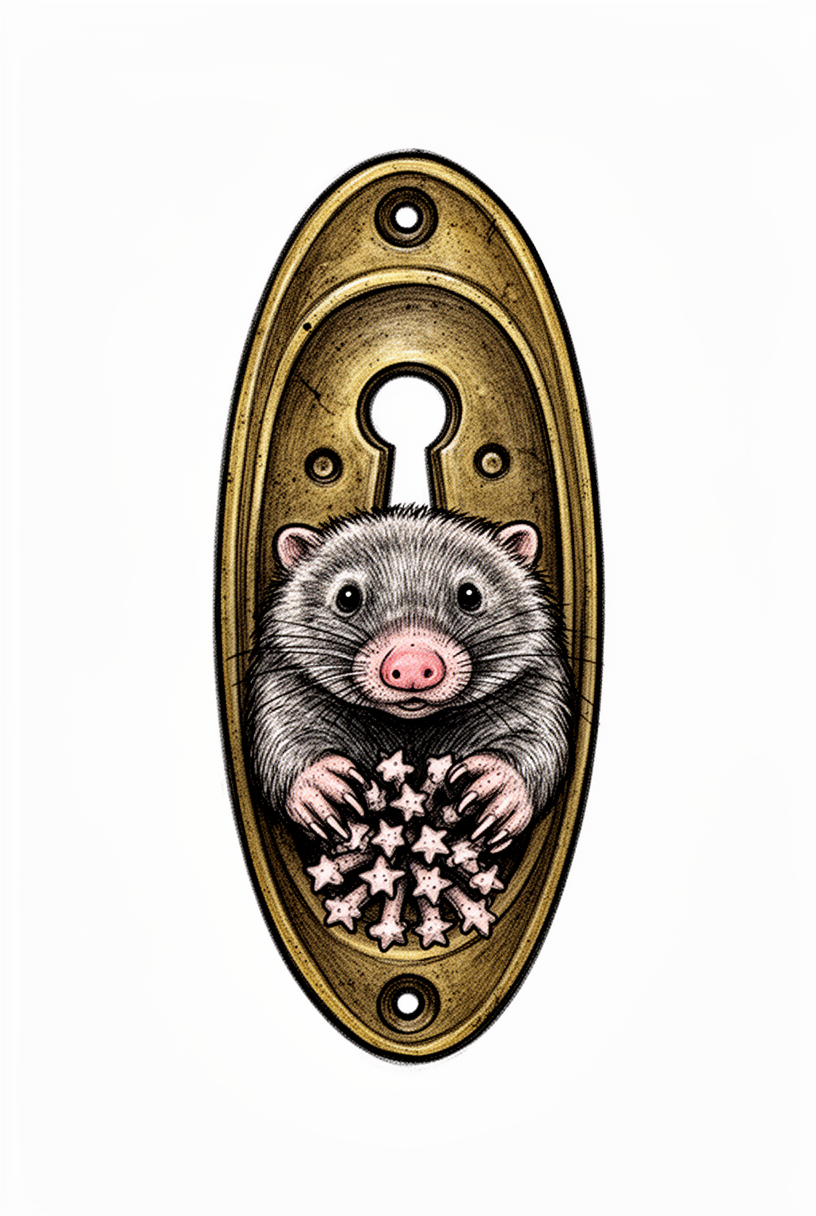
Fine line suits Animal tattoos for delicate, illustrative renderings — birds, insects, small mammals drawn as if from a naturalist's notebook. Realism is the choice for pet portraits and species you want rendered accurately, with all the technical demands realism carries. Illustrative styles let artists push character and story, ideal for stylized predators, mythic creatures, and animals woven into surrounding imagery. Traditional handles classic animal iconography — eagles, panthers, snakes, swallows — with bold linework that ages exceptionally well.
At a glance
| Placement | Forearm, Shoulder, Calf |
|---|---|
| Size | Medium |
| Recommended styles | Fine Line, Realism, Illustrative, Traditional |
AI prompt ideas for Animal tattoos
- “Fine line hummingbird mid-flight with delicate flower details”
- “Realistic portrait of a black cat with bright eyes, soft shading”
- “Illustrative wolf head surrounded by pine branches and stars”
- “Traditional panther crawling down the upper arm, bold lines”
- “Minimalist single-line silhouette of a horse in motion”
Animal designs from the community
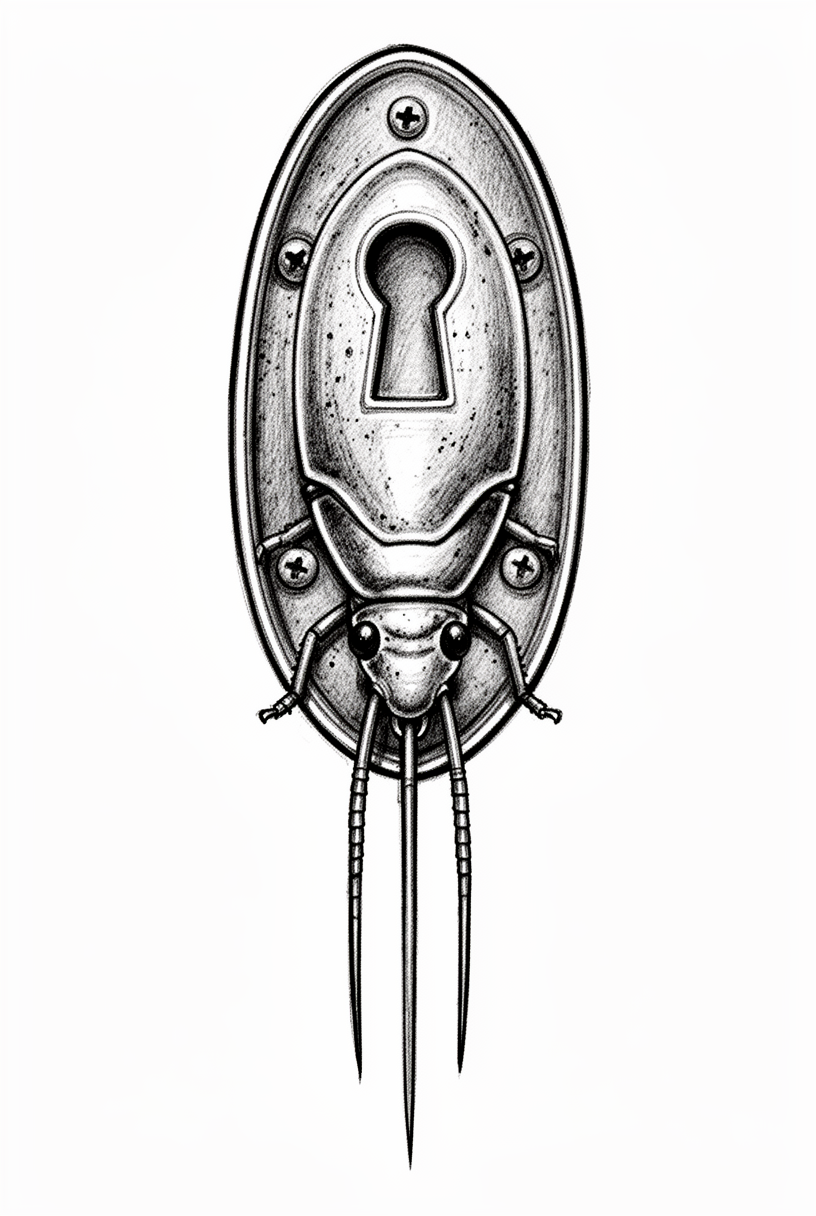
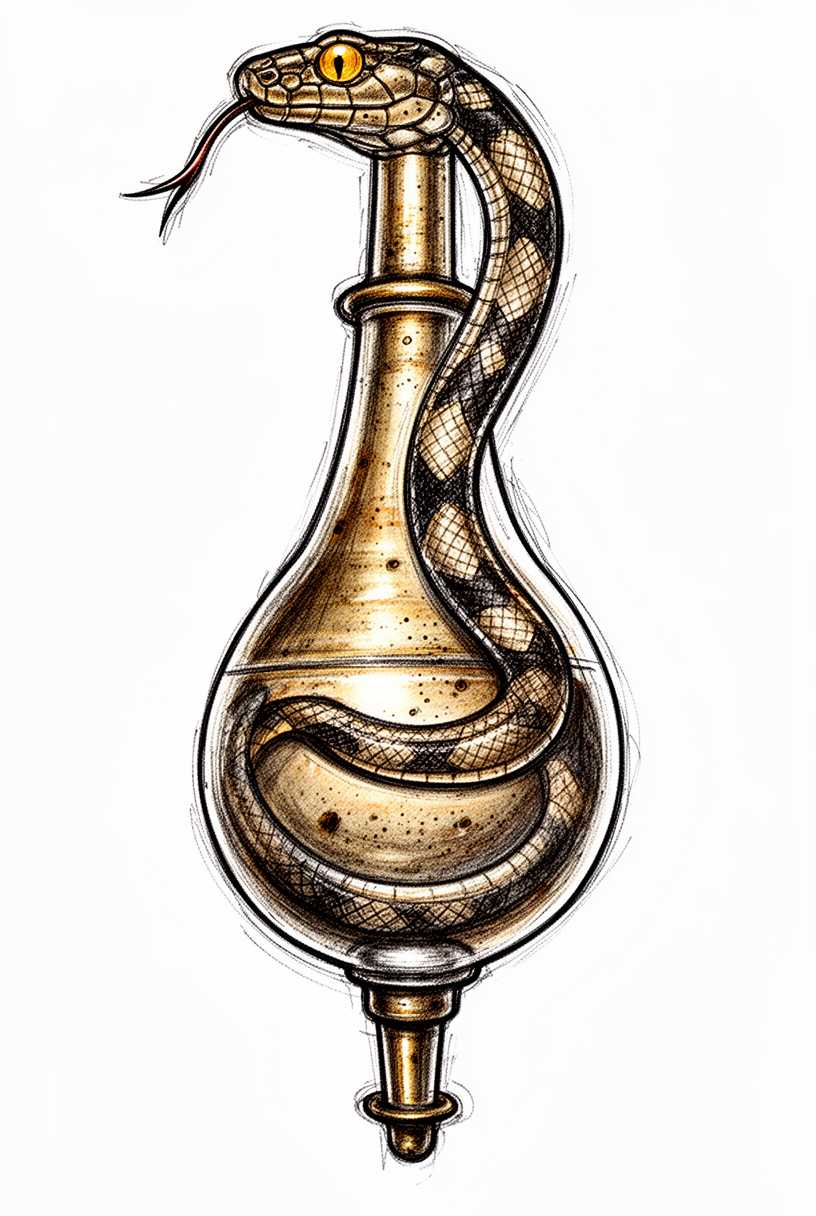
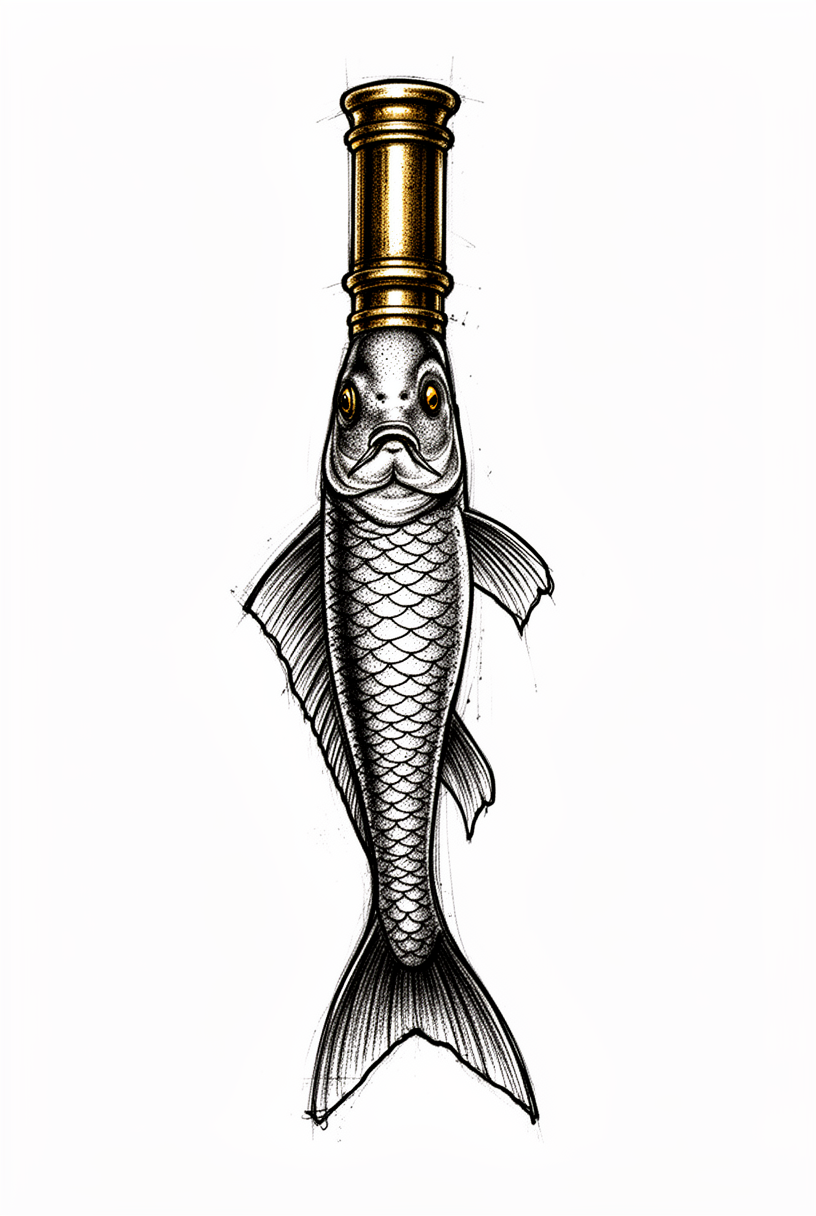
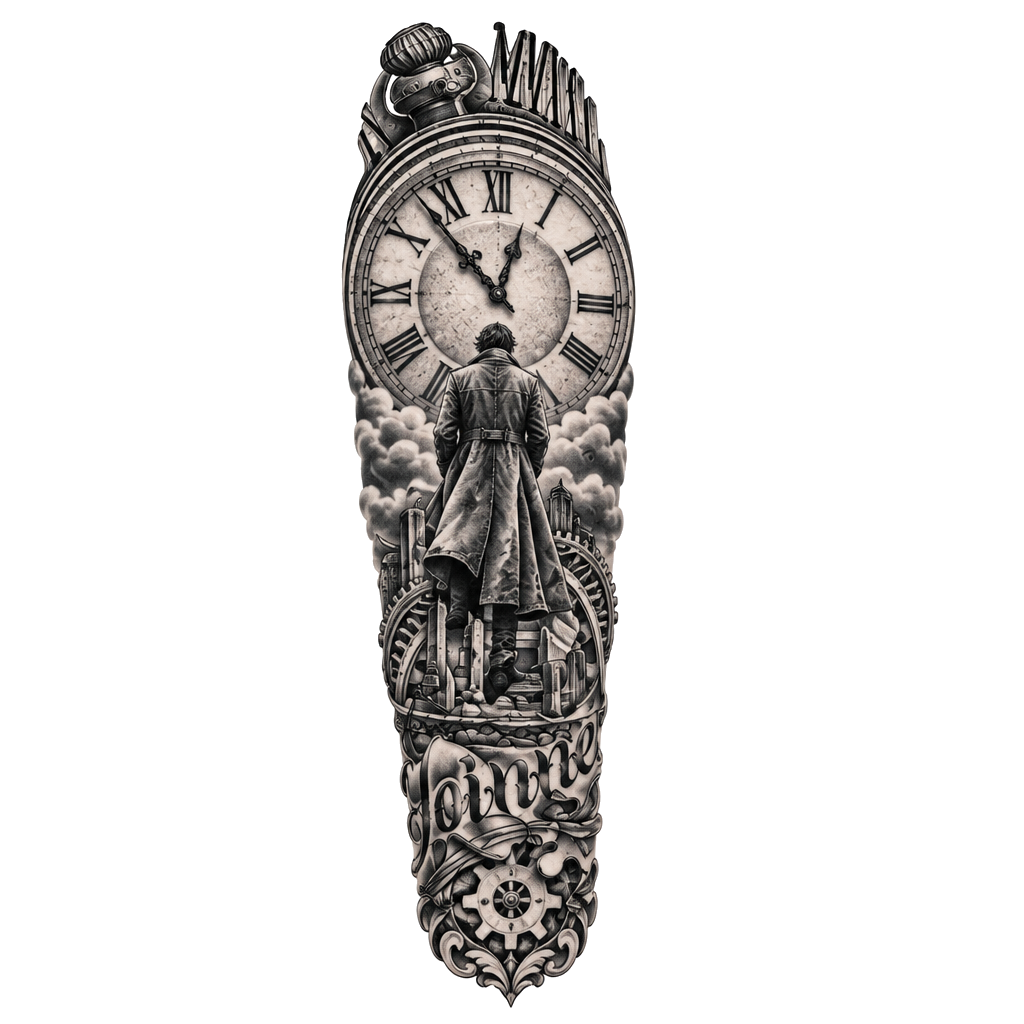
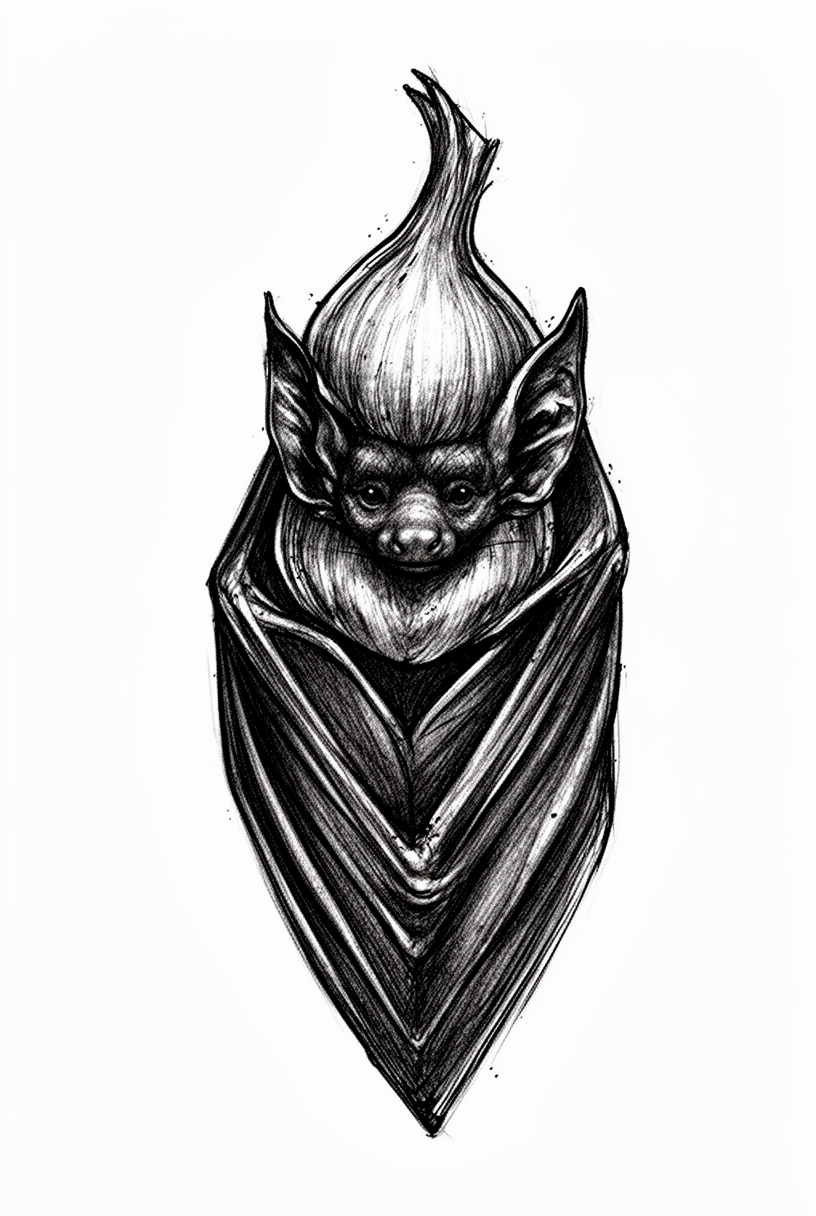
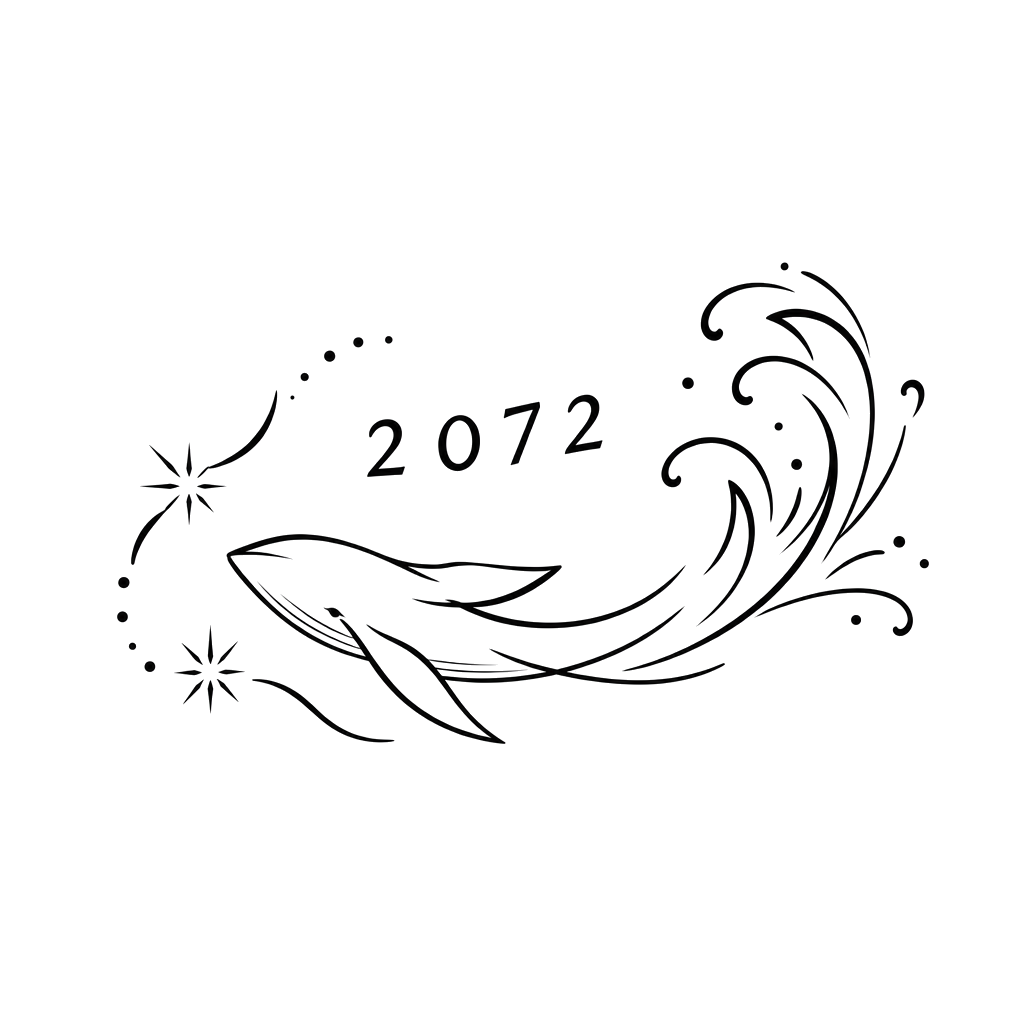
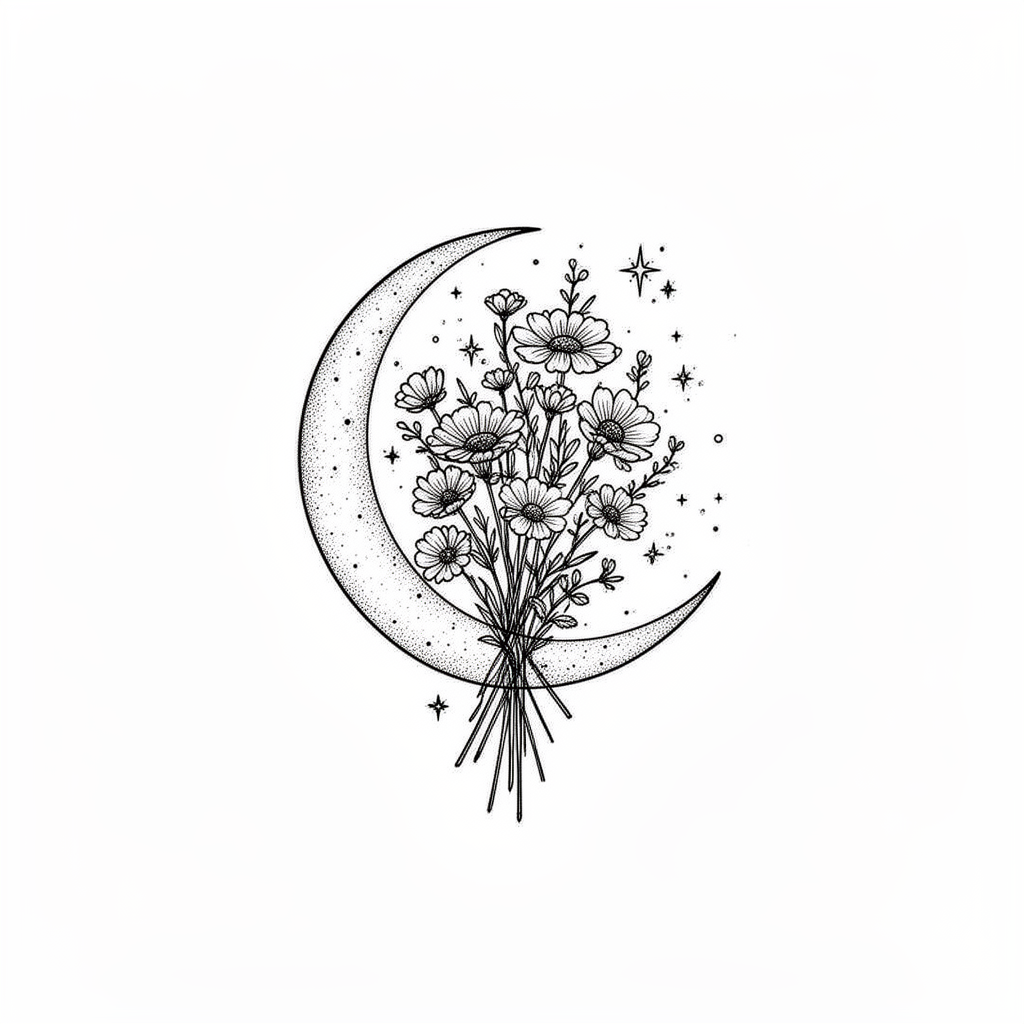
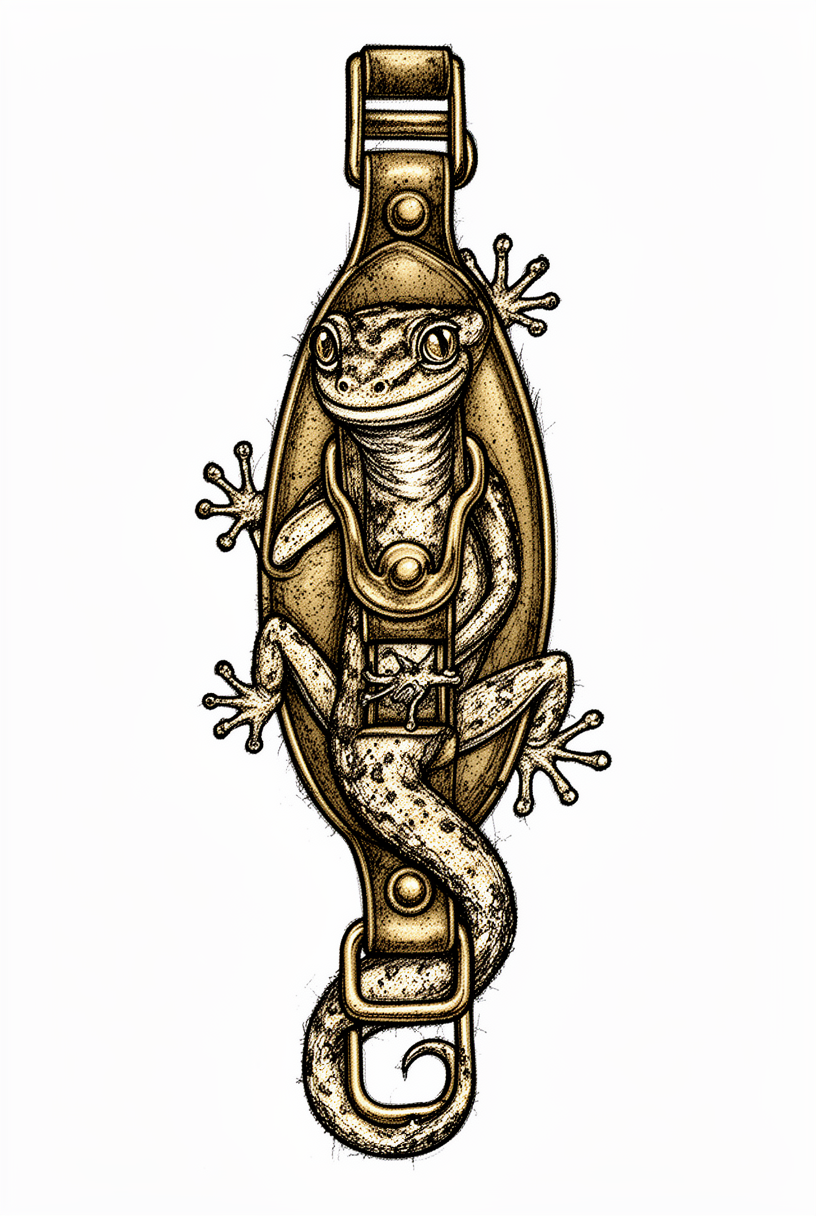
Related ideas
Animal tattoo FAQ
- What is a Animal tattoo, really?
- A Animal tattoo depicts a specific creature — a pet, a wild species, a mythological beast, or a totemic animal — chosen for love, memorial, identity, or the qualities the wearer wants to carry.
- Who picks a Animal tattoo?
- Pet owners memorializing a companion, biologists and conservationists, people whose family stories include a specific creature, and anyone who feels a deep connection to a particular species or animal symbol.
- Which styles do Animal tattoos look best in?
- Fine line for delicate naturalistic work, realism for accurate pet and species portraits, illustrative for stylized interpretation, and traditional for classic bold animal iconography.
- What size and placement does a Animal tattoo call for?
- Small animals — insects, birds, fish — scale beautifully on wrists, ankles, and ribs. Larger creatures need real estate; portraits of dogs, cats, and predators look best on forearms, thighs, calves, or chest panels where features can be rendered clearly.
- Any aftercare worth noting for a Animal tattoo?
- Standard aftercare. If your tattoo is a pet portrait done in realism, expect long-term touch-ups every several years to preserve the subtle shading that holds the likeness together.
- Could a Animal tattoo be a good first tattoo?
- Depends on the style. A small fine line bird or a simple traditional animal makes an excellent first tattoo. A photo-real pet portrait is a poor first choice — start smaller and save the demanding realism work until you know your artist well.