Tattoo Ideas
Sleeve Tattoo Ideas
A practical guide to Sleeve tattoos: what they mean, who they suit, the styles that work, real community designs and AI prompts you can use right now to generate your own.
About Sleeve tattoos
The Sleeve is one of the oldest commitments in tattooing — a full arm given over to a single visual idea that travels from shoulder to wrist. Sailors, soldiers, and craft tattooers in the early twentieth century stacked small flash pieces up the arm until the skin became a scrapbook of where they had been. Modern sleeves descend from two distinct lineages: the Japanese irezumi tradition, where dragons, koi, and waves wrap the limb as a unified mythology, and the Western collage sleeve, where individual icons are tied together by background filler, smoke, or geometry. What makes the Sleeve different from a single large tattoo is rhythm. The eye has to be led around the arm, which means the design has to read from every angle, including the inner bicep and the back of the elbow. People choose a Sleeve when they want their body decoration to feel deliberate and authored rather than collected piece by piece — a long-form statement rather than a stack of small ones.
What makes a great Sleeve tattoo
A successful Sleeve has a clear visual hierarchy: one or two focal pieces, supporting mid-ground elements, and connective tissue that fills the negative space without crowding it. Plan the composition with the natural breaks of the arm — the deltoid cap, the inner elbow, the wrist — so the work flows instead of fighting the anatomy. Commit to one stylistic family early; mixing photorealism with bold traditional rarely settles. Leave breathing room: a sleeve that is dense from day one has nowhere to age into. Avoid tiny detail near the elbow ditch where ink migrates fastest.
Styles that work well for Sleeve
Japanese is the canonical sleeve language because its waves, wind bars, and clouds were built to wrap a limb and carry the eye. Blackwork suits people who want a heavy, graphic statement that reads from across a room and ages predictably over decades. Neo-traditional offers bold outlines with richer palettes and ornamental detail, ideal for a narrative sleeve of figures and flora. Illustrative gives a sketchbook quality with looser line weights and storybook subjects. Realism works when one or two portrait-grade focal pieces anchor the arm, supported by quieter surrounding work.
At a glance
| Placement | Forearm, Shoulder |
|---|---|
| Size | Large |
| Recommended styles | Japanese, Blackwork, Neo-Traditional, Illustrative, Realism |
AI prompt ideas for Sleeve tattoos
- “Japanese sleeve with koi ascending through breaking waves and chrysanthemums”
- “Blackwork forearm sleeve of geometric mountains and dotwork constellations”
- “Neo-traditional sleeve of a fox, peonies, and lanterns wrapping the bicep”
- “Illustrative sleeve of botanical specimens with vintage scientific labels”
- “Realism sleeve centered on a portrait of a wolf with smoke filler”
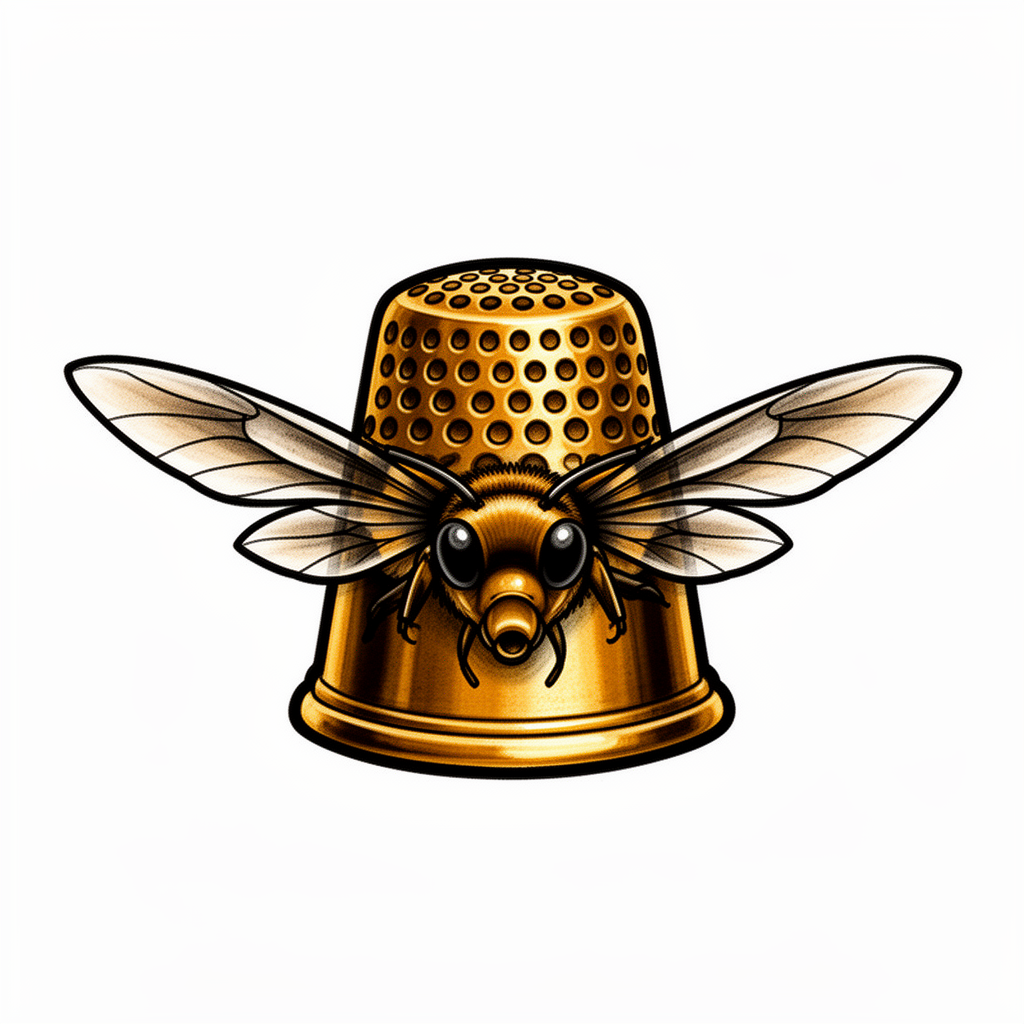
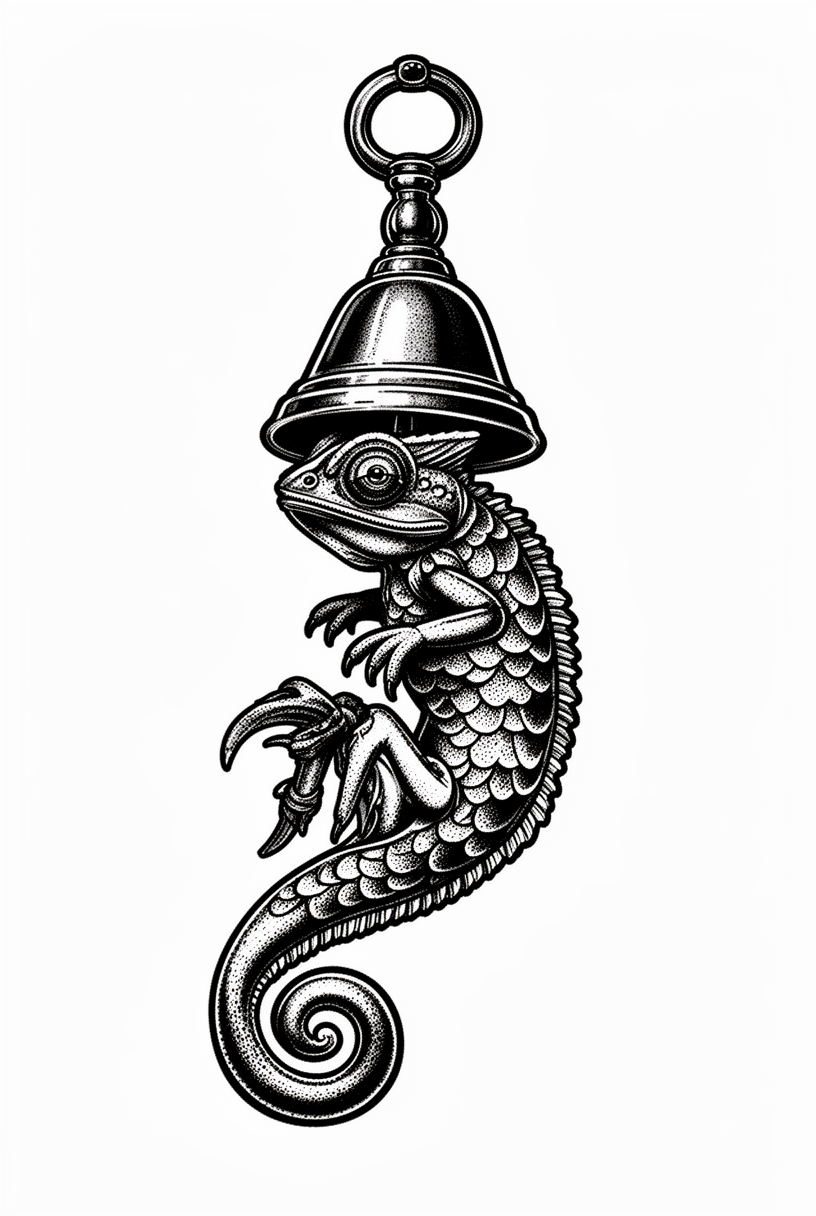
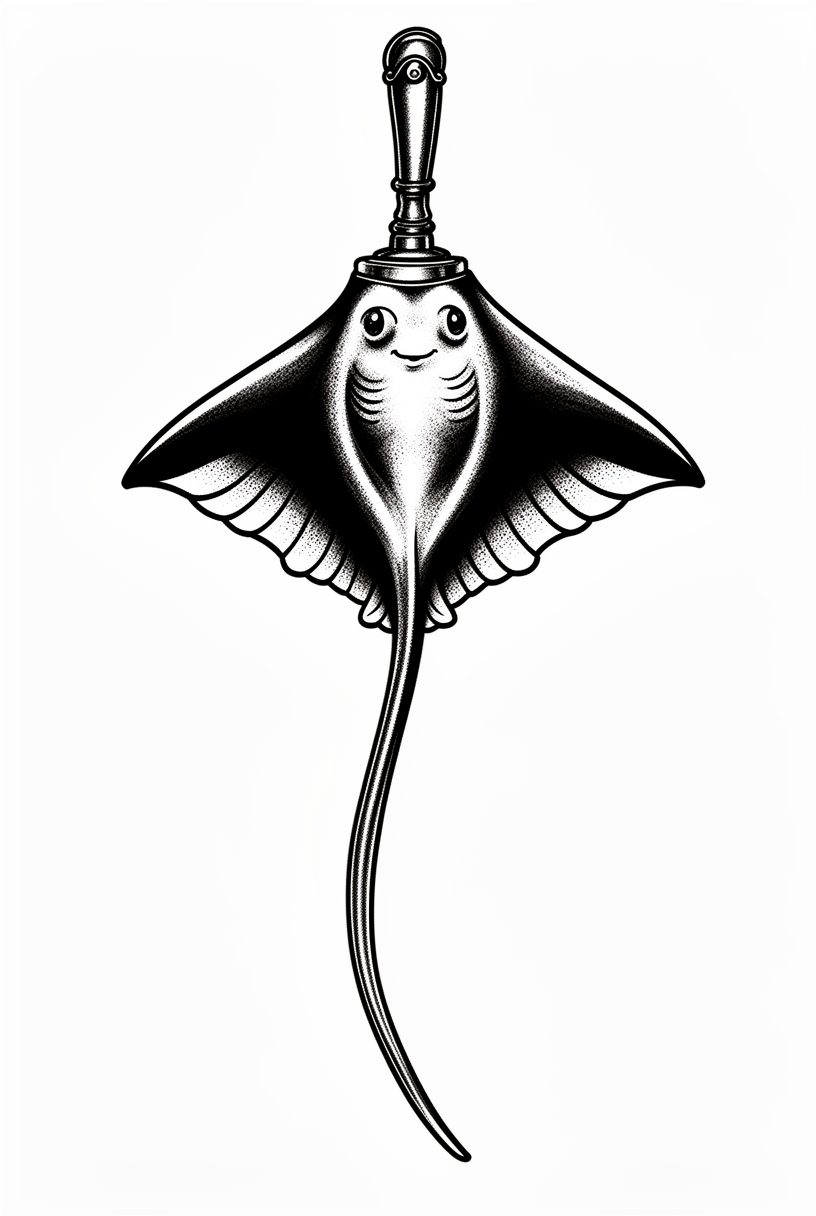
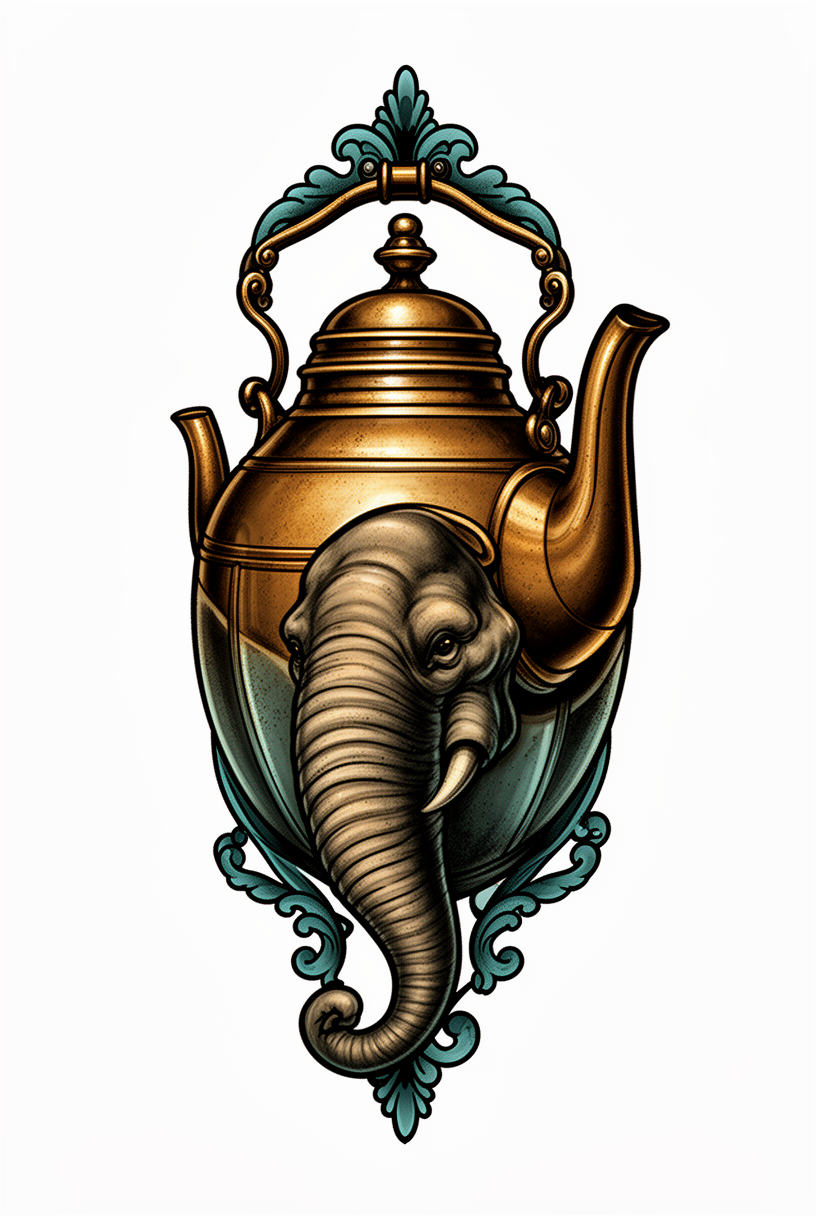
Sleeve designs from the community
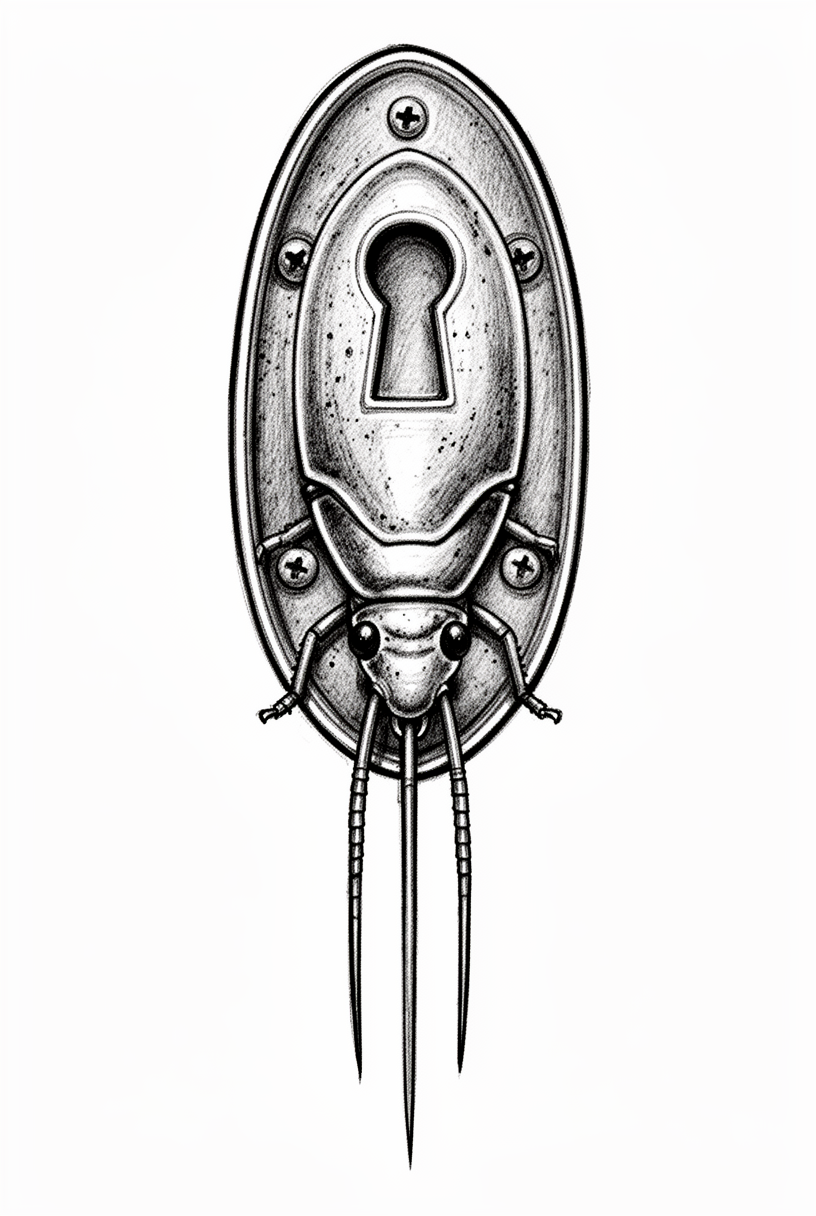
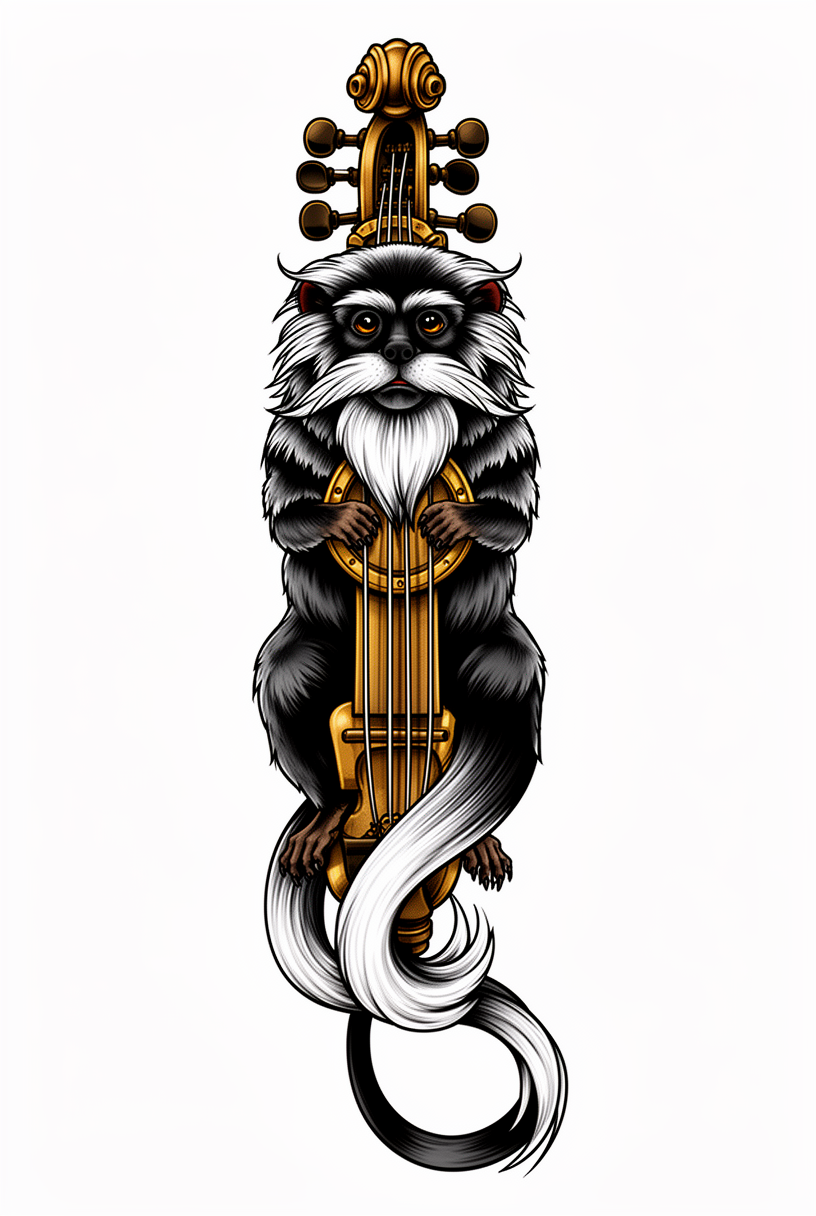
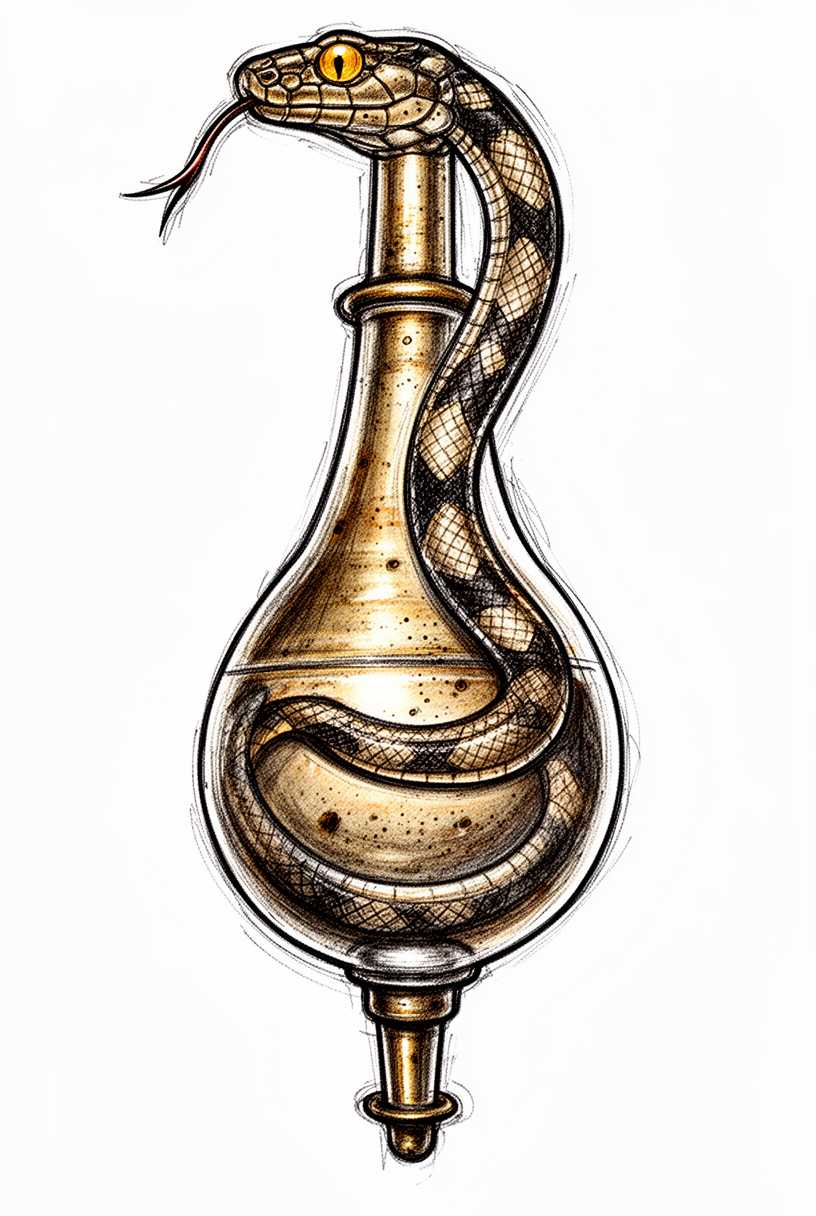
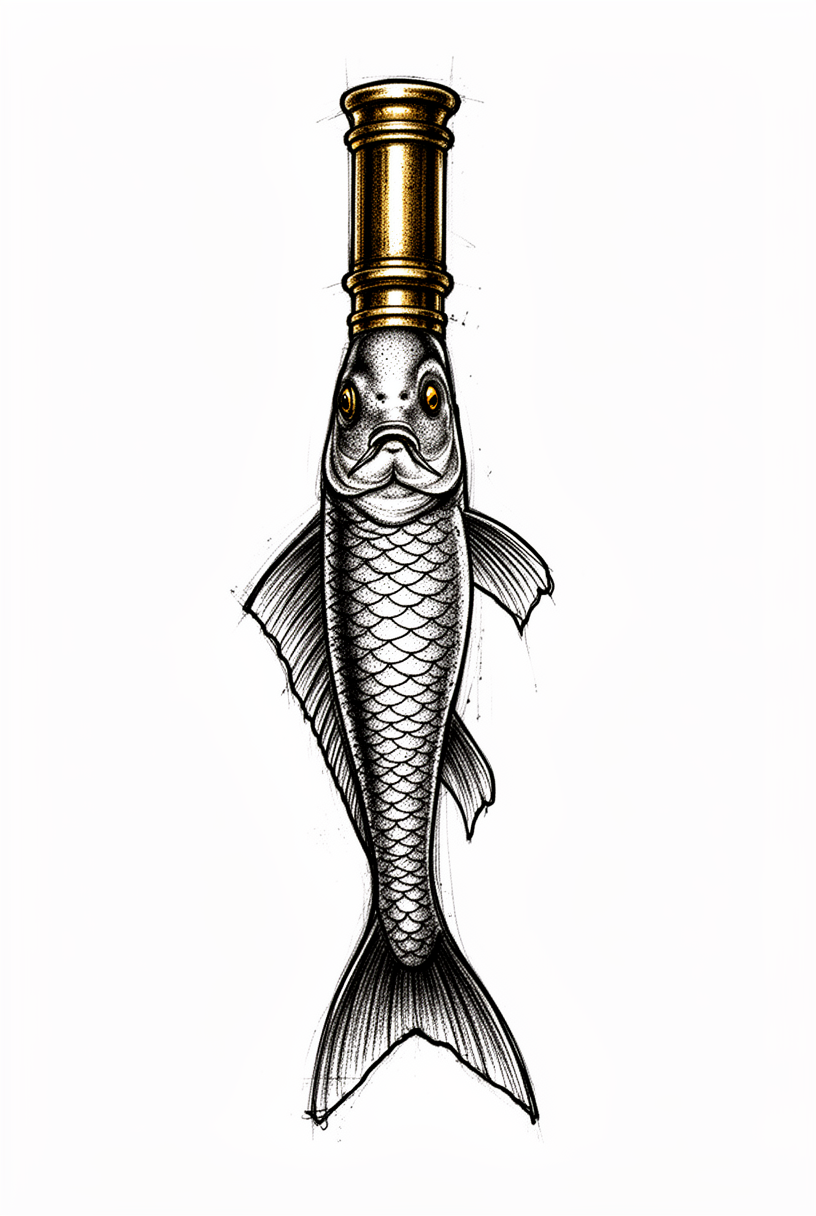
Related ideas
Sleeve tattoo FAQ
- What is involved in a Sleeve tattoo?
- A Sleeve is a tattoo that covers most or all of the arm as a single connected composition, rather than a collection of separate pieces. Full, half, and quarter sleeves describe how much of the arm is used.
- Who should consider a Sleeve tattoo?
- People ready for a multi-session, long-term project who already know what visual language speaks to them. A Sleeve works best when you have a clear theme rather than a list of unrelated images you want to fit somewhere.
- Which styles are strongest for a Sleeve tattoo?
- Japanese, blackwork, neo-traditional, illustrative, and realism are the proven sleeve languages because they handle long flowing compositions, wrap the limb cleanly, and age well across the decades the work has to live on you.
- How much space and which placement does a Sleeve tattoo need?
- Plan the whole arm before the first session even if you only start with the bicep or forearm. Leave the elbow ditch and inner wrist relatively open; they hold detail poorly and are the most painful areas to revisit.
- What aftercare does a Sleeve tattoo call for?
- Because sessions are long and the area is large, swelling and weeping are heavier than on a small piece. Keep the arm elevated, sleep on the opposite side, and avoid gym work for at least a week per session.
- Is a Sleeve tattoo wise as a first tattoo?
- Usually no. Start with a smaller standalone piece on the arm to learn how your skin heals and whether you actually enjoy the chair, then plan the Sleeve once you know your tolerance and your taste have settled.