Tattoo Ideas
Cultural Heritage Blackwork Tattoo Ideas
Why Blackwork works for Cultural Heritage tattoos, with real designs and prompts.
Why Blackwork suits Cultural Heritage tattoos
Blackwork pairs naturally with Cultural Heritage tattoos because the two have compatible visual priorities. Blackwork has deep, plural roots: ancient and indigenous black tattooing across many cultures, the bold linework of tribal traditions, and the high-contrast logic of printmaking. Its modern form took shape as artists began treating black not as an outline colour but as the entire medium, foregrounding pattern, silhouette and negative space. There is no single inventor — it is better understood as a global, historical approach to black ink that contemporary artists have organised into a recognisable modern style. A Cultural Heritage tattoo is about lineage — honoring the people, place, and traditions you actually come from. For diaspora communities, indigenous people reconnecting with ancestral practice, and anyone whose family carries a specific cultural inheritance, these tattoos are an act of belonging rather than decoration. They mark who you are, who your grandparents were, and the threads of identity you want to carry forward. This is fundamentally different from borrowing imagery because it looks striking. A Cultural Heritage tattoo asks you to do the work: learn the names of motifs in your own language, understand what they meant in your family's region, and where possible, get the work done by an artist from that tradition. In many cultures — Polynesian tatau, Filipino batok, indigenous practices across the Americas, and others — there are specific marks reserved for specific roles, families, or rites. Wearing them without permission is not honoring a culture, it is taking from one. Put together, a Blackwork Cultural Heritage tattoo gives you the visual language of one and the emotional intent of the other — a design that reads at a glance and still carries meaning up close.
About Blackwork tattoos
Blackwork has deep, plural roots: ancient and indigenous black tattooing across many cultures, the bold linework of tribal traditions, and the high-contrast logic of printmaking. Its modern form took shape as artists began treating black not as an outline colour but as the entire medium, foregrounding pattern, silhouette and negative space. There is no single inventor — it is better understood as a global, historical approach to black ink that contemporary artists have organised into a recognisable modern style.
About Cultural Heritage tattoos
A Cultural Heritage tattoo is about lineage — honoring the people, place, and traditions you actually come from. For diaspora communities, indigenous people reconnecting with ancestral practice, and anyone whose family carries a specific cultural inheritance, these tattoos are an act of belonging rather than decoration. They mark who you are, who your grandparents were, and the threads of identity you want to carry forward. This is fundamentally different from borrowing imagery because it looks striking. A Cultural Heritage tattoo asks you to do the work: learn the names of motifs in your own language, understand what they meant in your family's region, and where possible, get the work done by an artist from that tradition. In many cultures — Polynesian tatau, Filipino batok, indigenous practices across the Americas, and others — there are specific marks reserved for specific roles, families, or rites. Wearing them without permission is not honoring a culture, it is taking from one.
AI prompt ideas for Cultural Heritage Blackwork tattoos
- “Blackwork: Irezumi-style koi rising through stylized waves, traditional palette”
- “Blackwork: Family-line tribal patternwork on the upper arm, inspired by Pacific traditions”
- “Blackwork: Chicano fine line portrait of a grandmother with roses and lettering”
- “Blackwork: Blackwork rendering of a regional folk motif from grandparents' homeland”
- “Blackwork: Ornamental floral mandala drawn from heritage textile patterns”
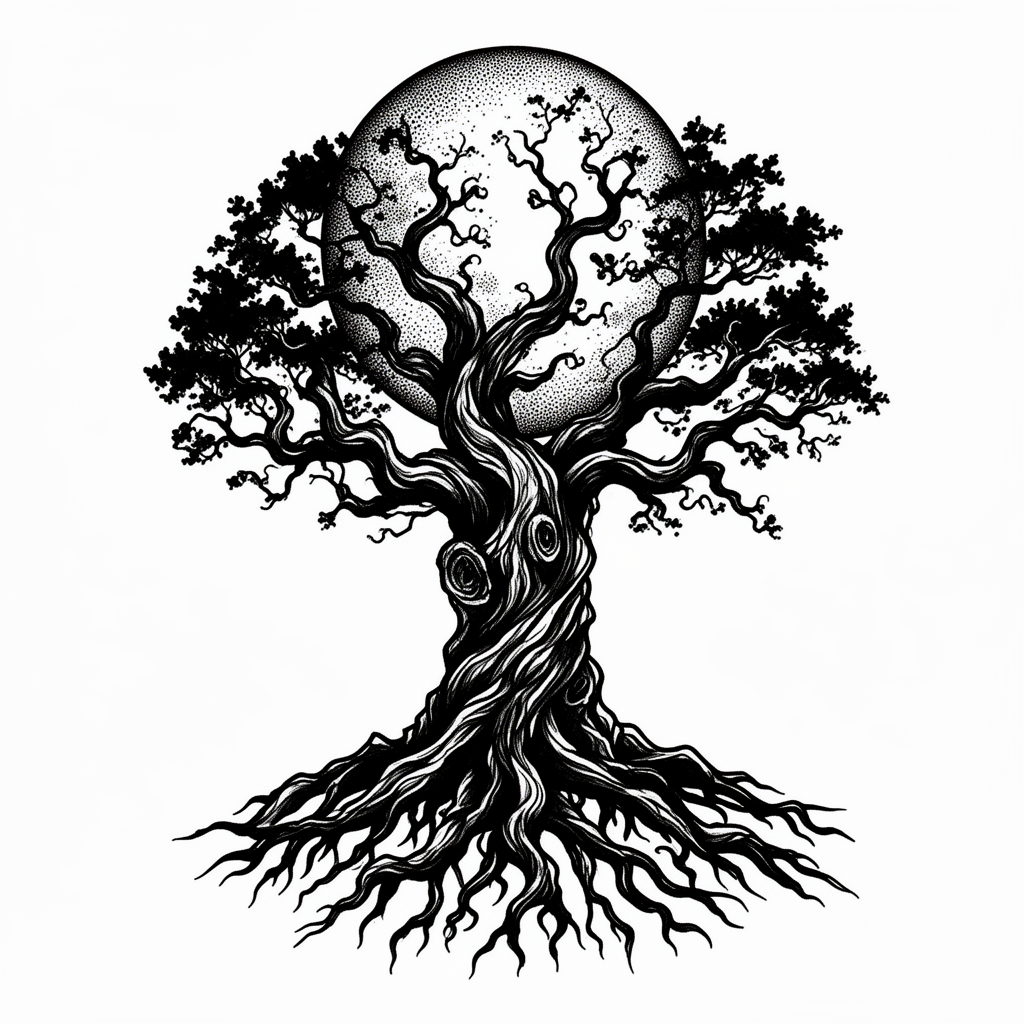
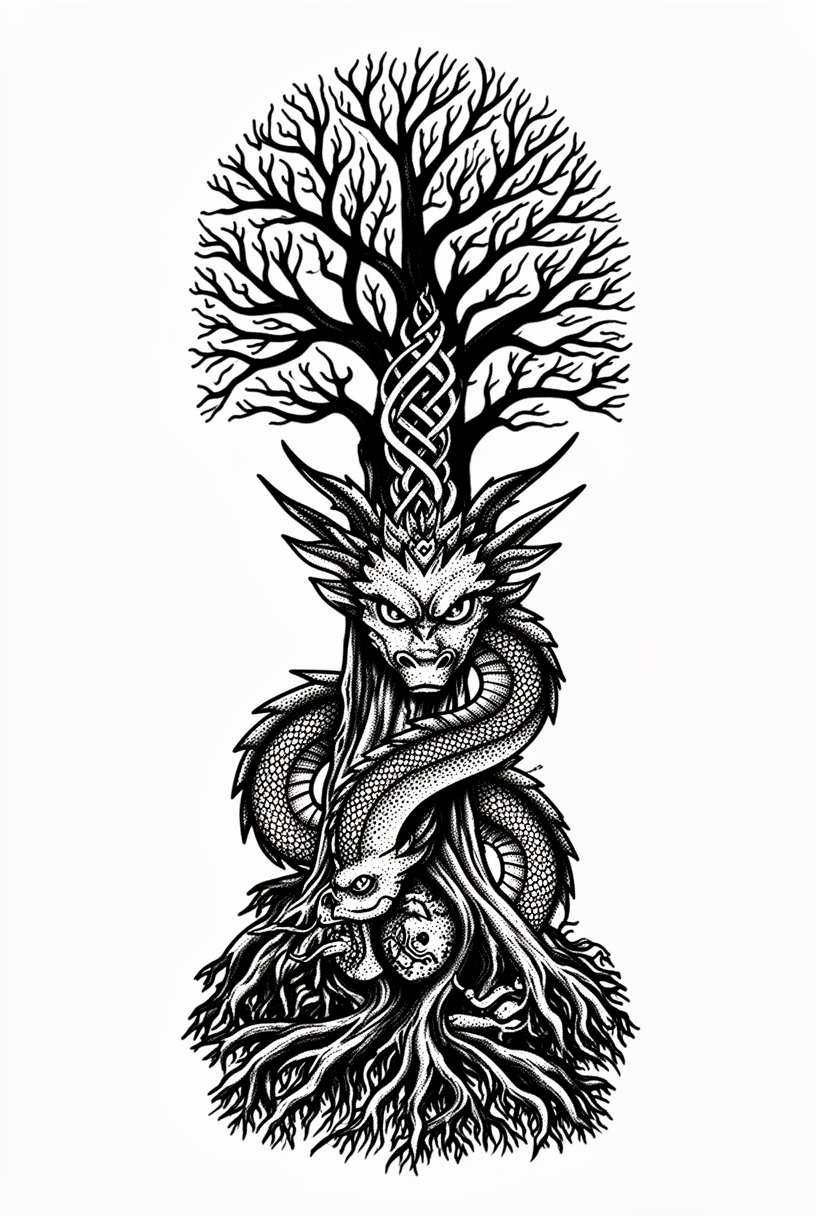
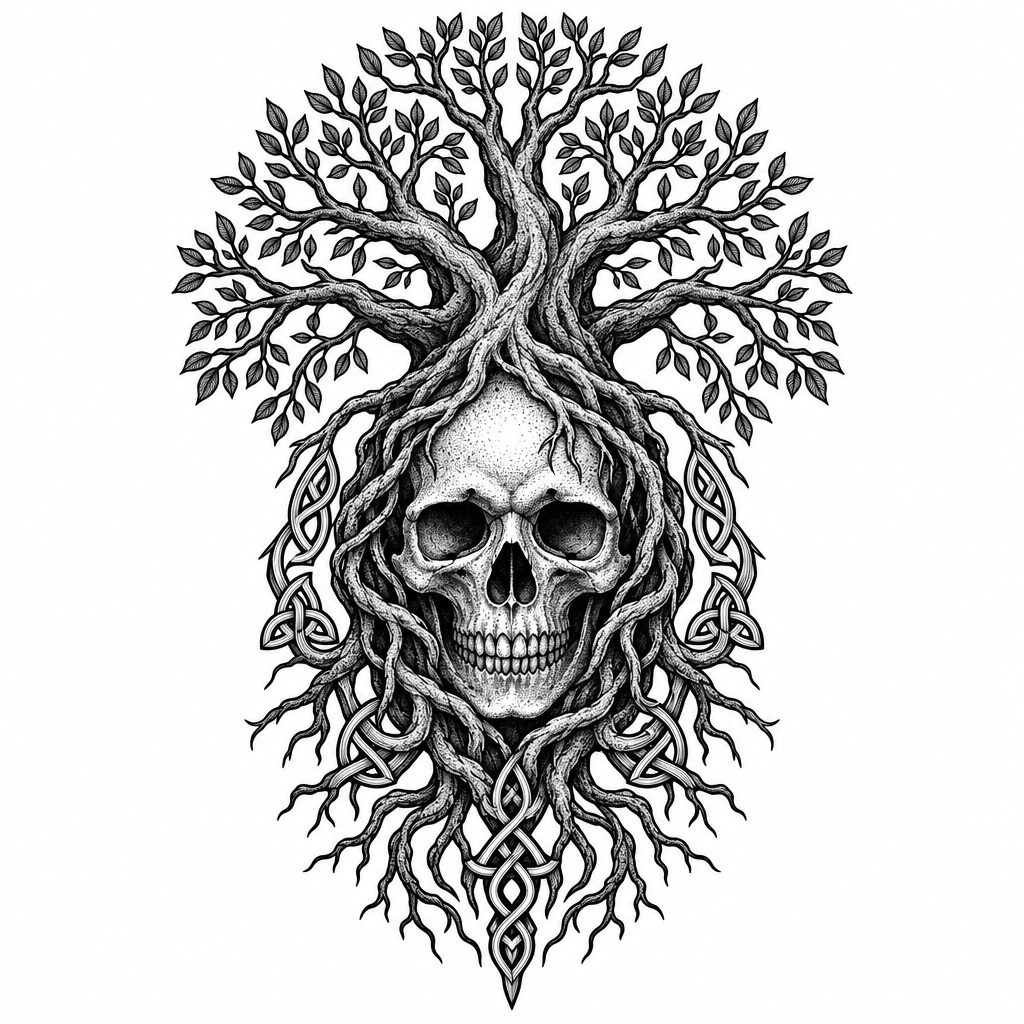
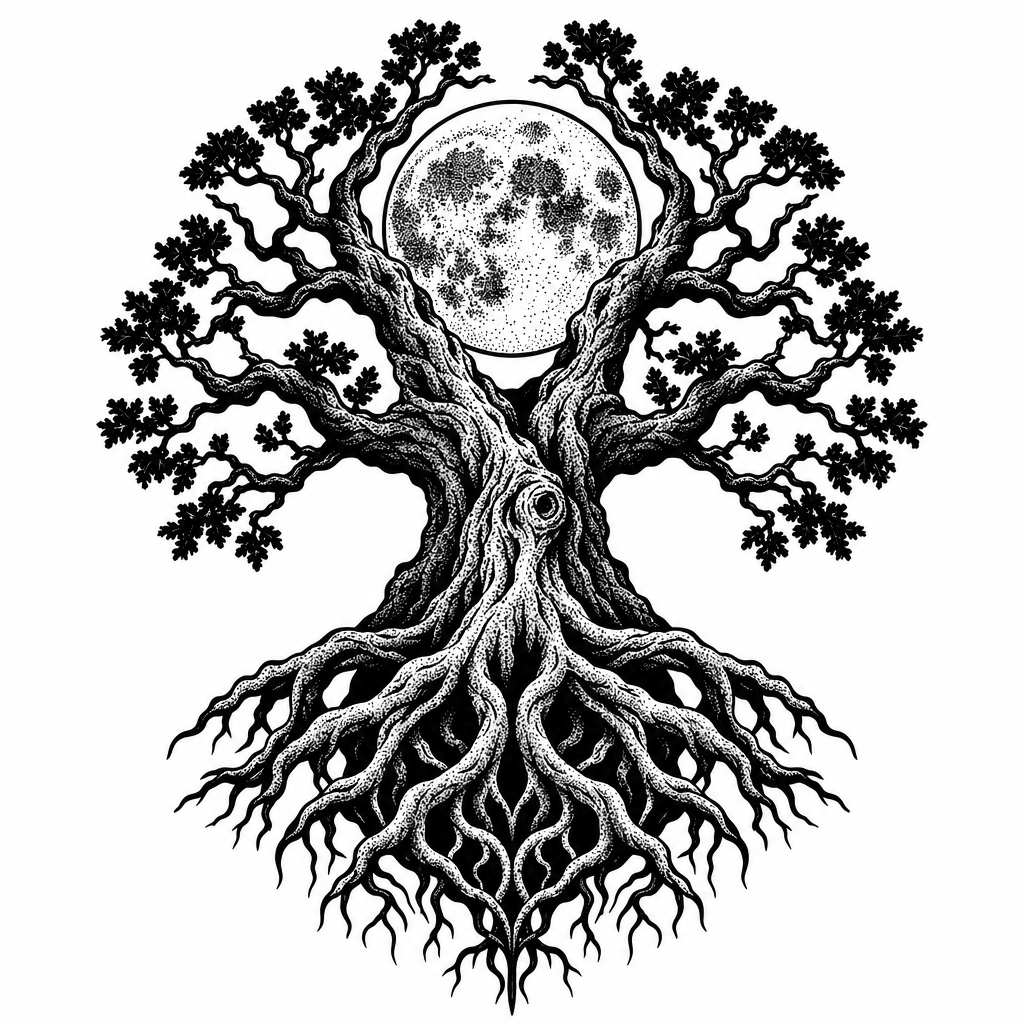
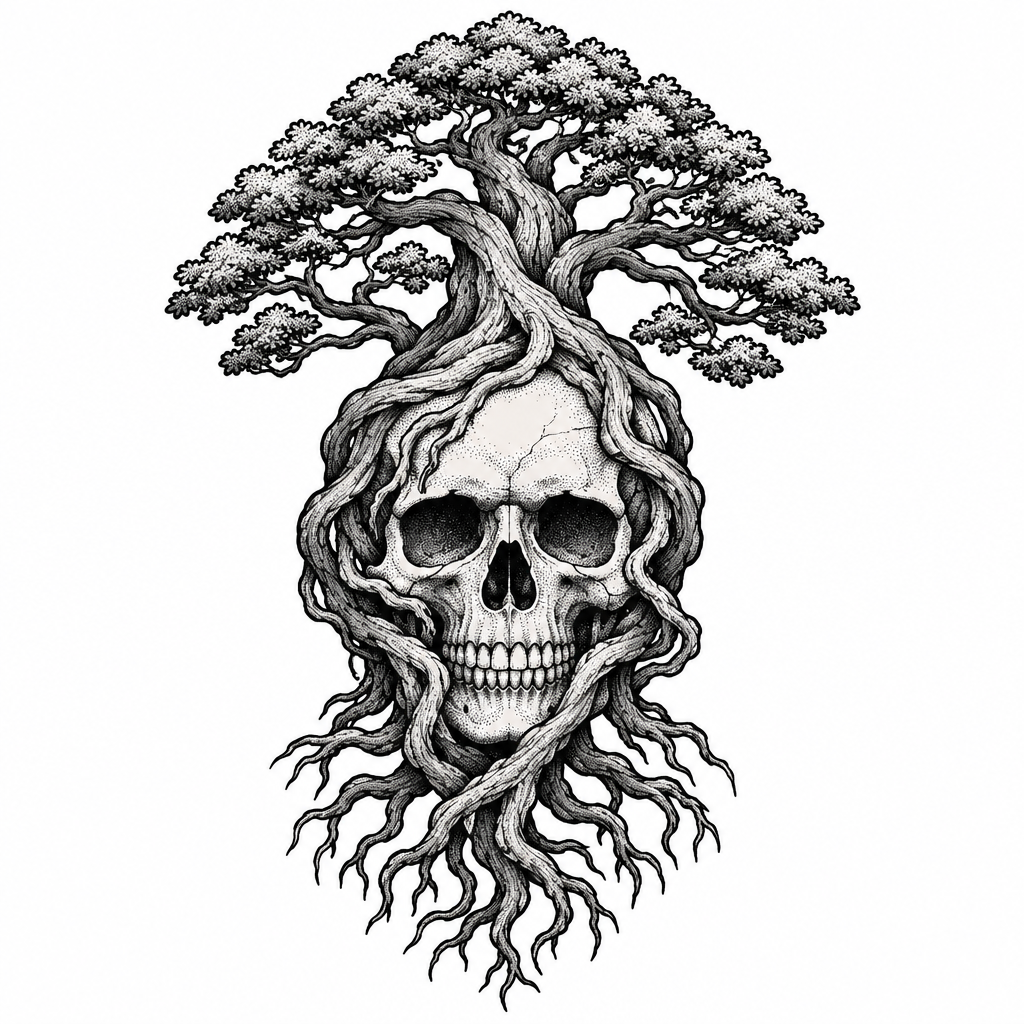
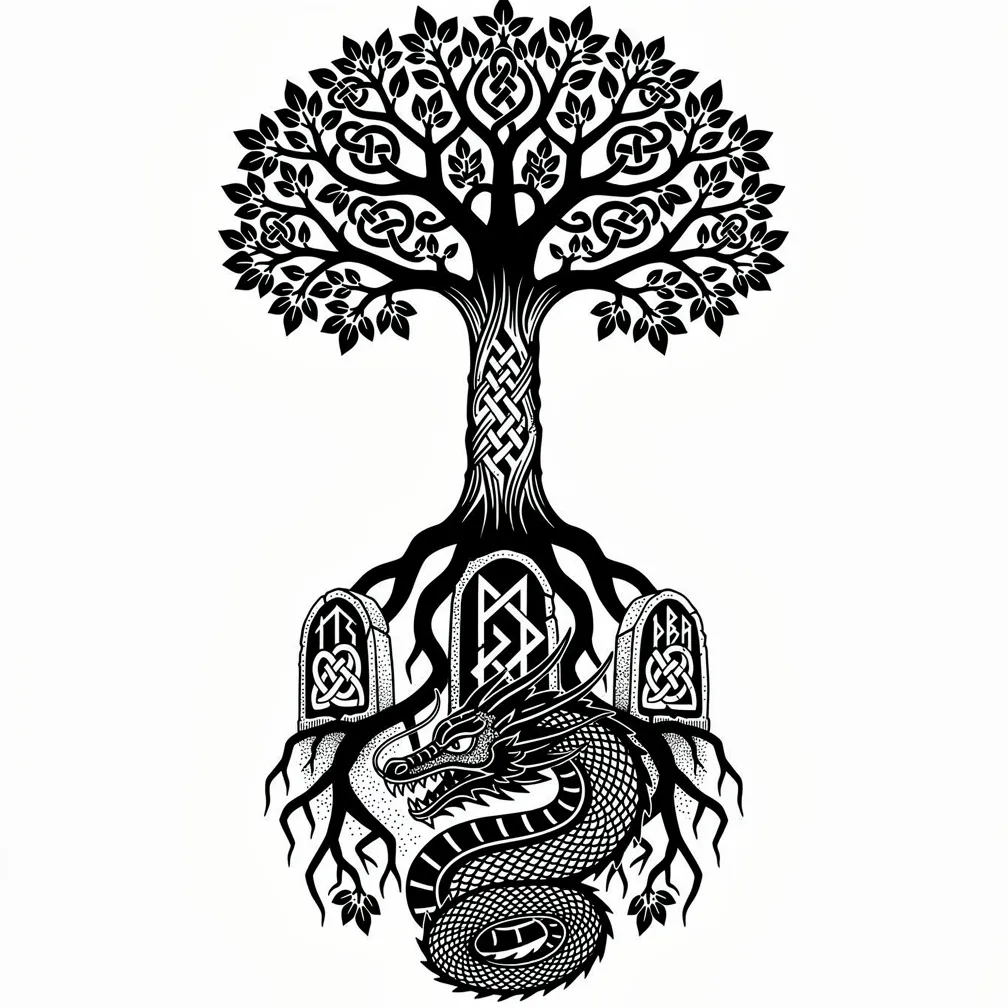
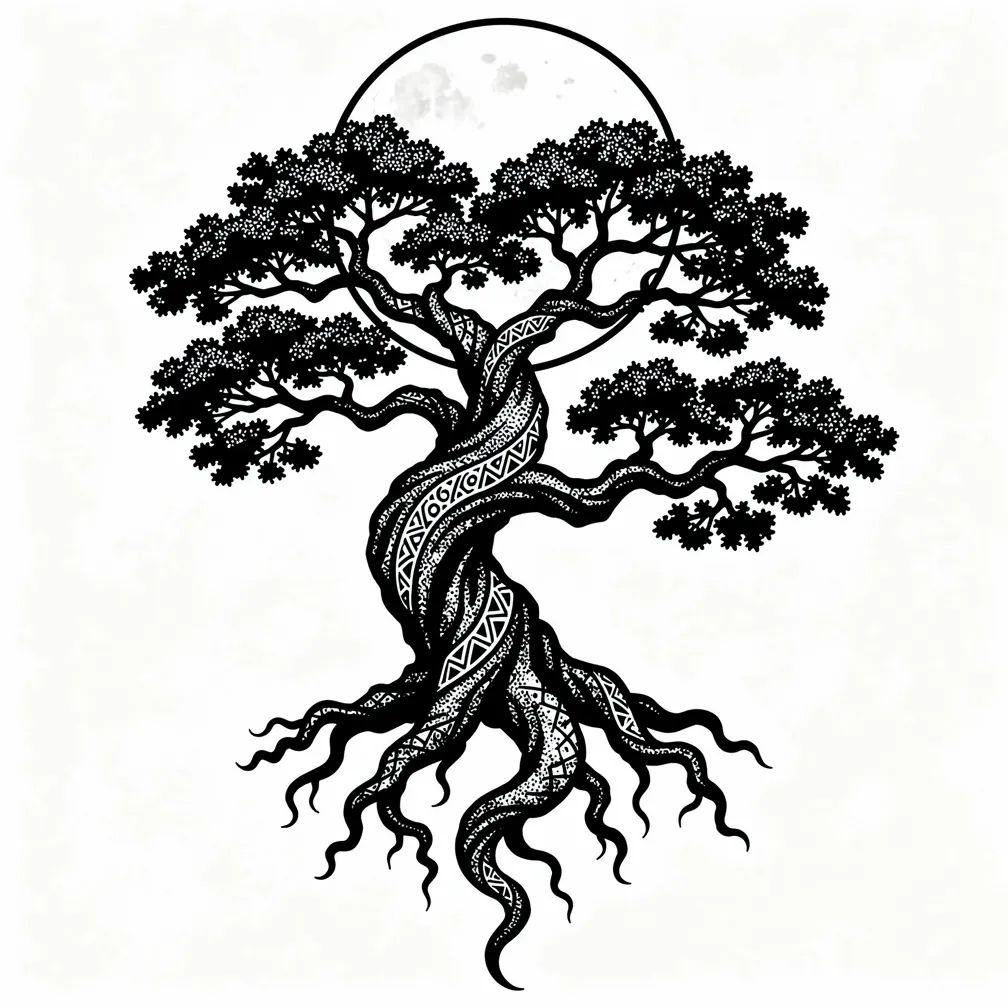
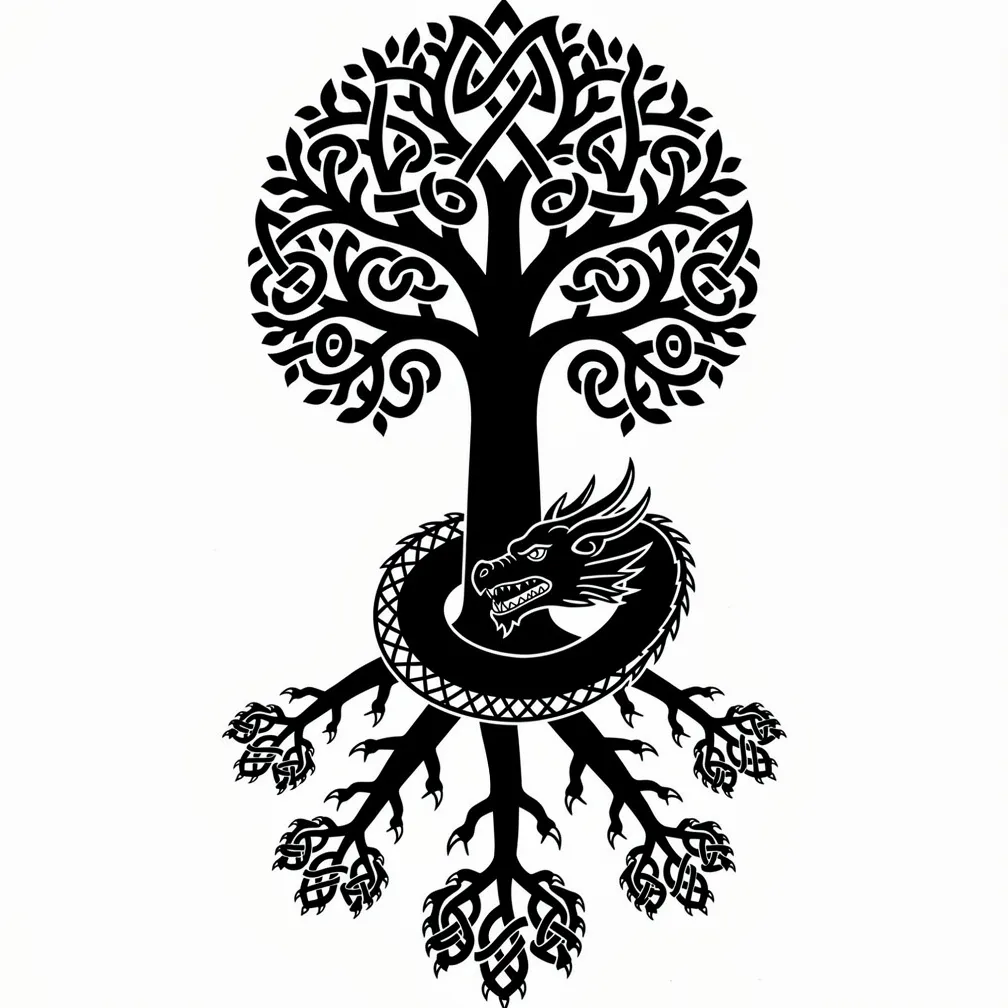
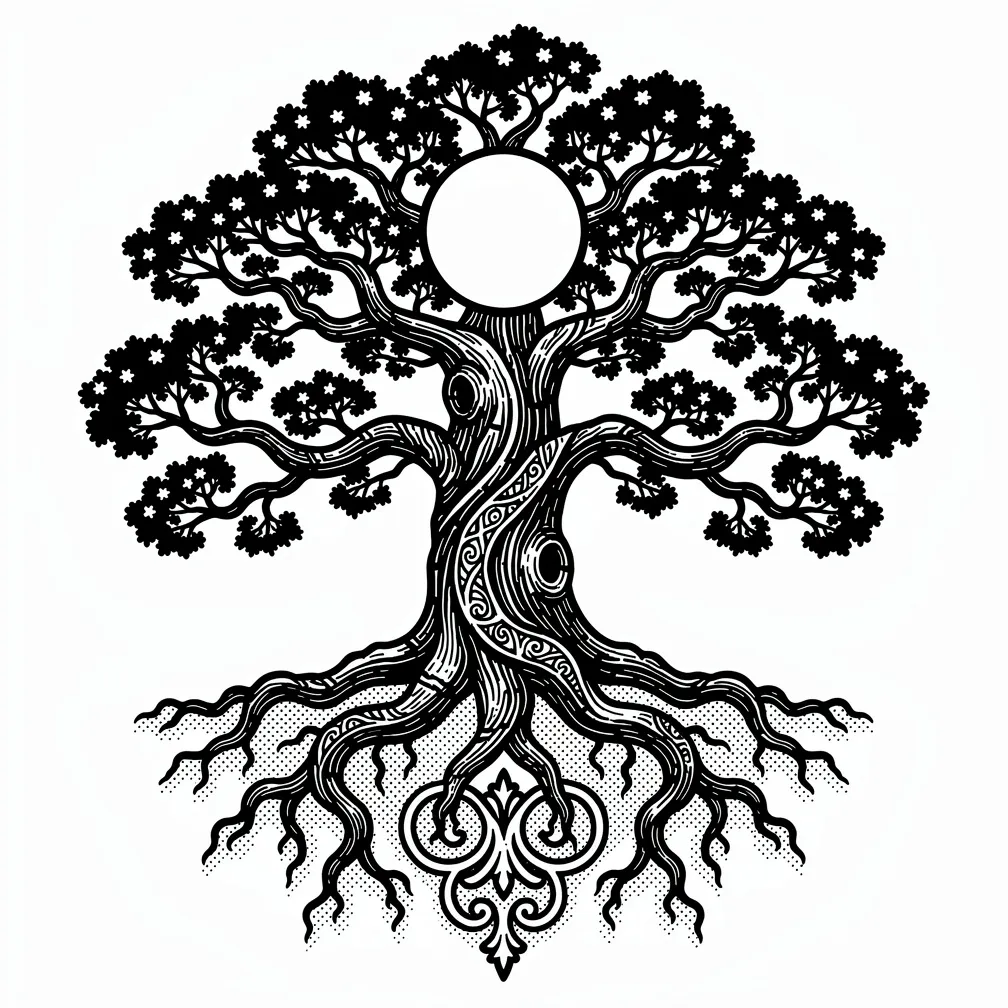
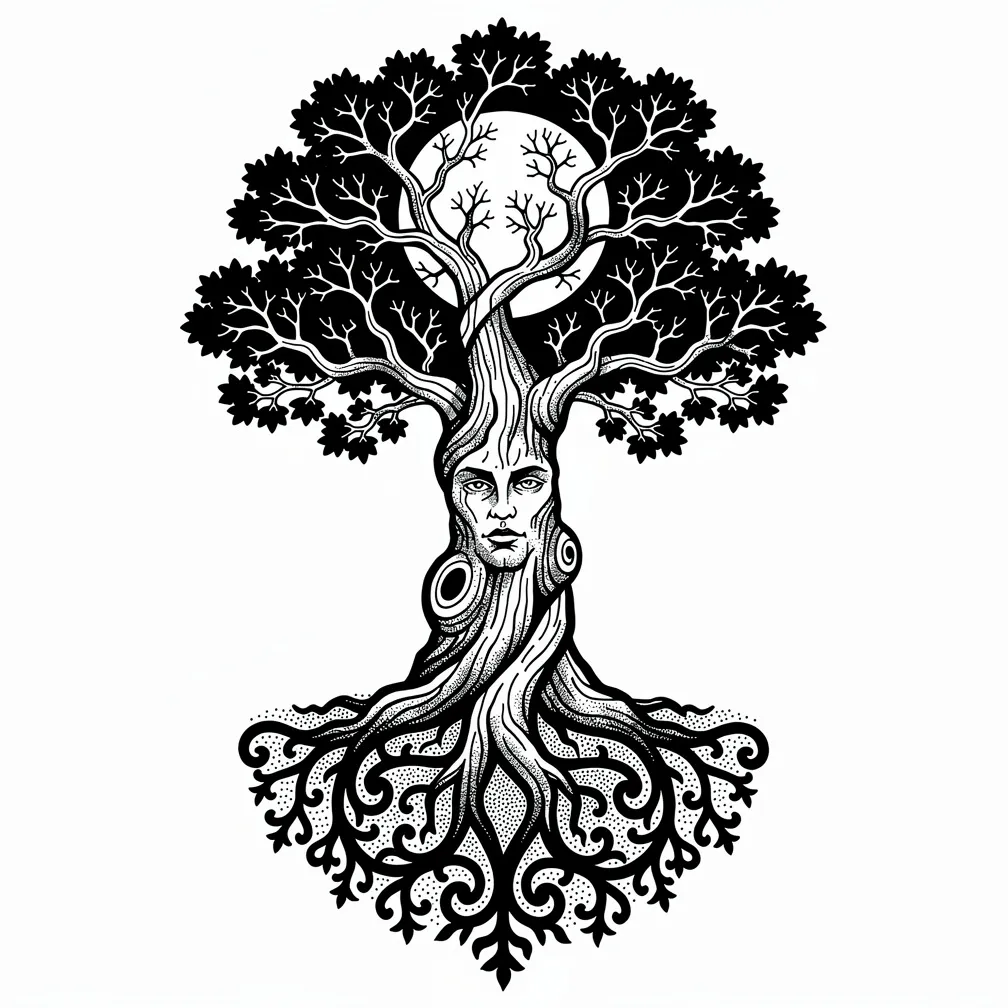
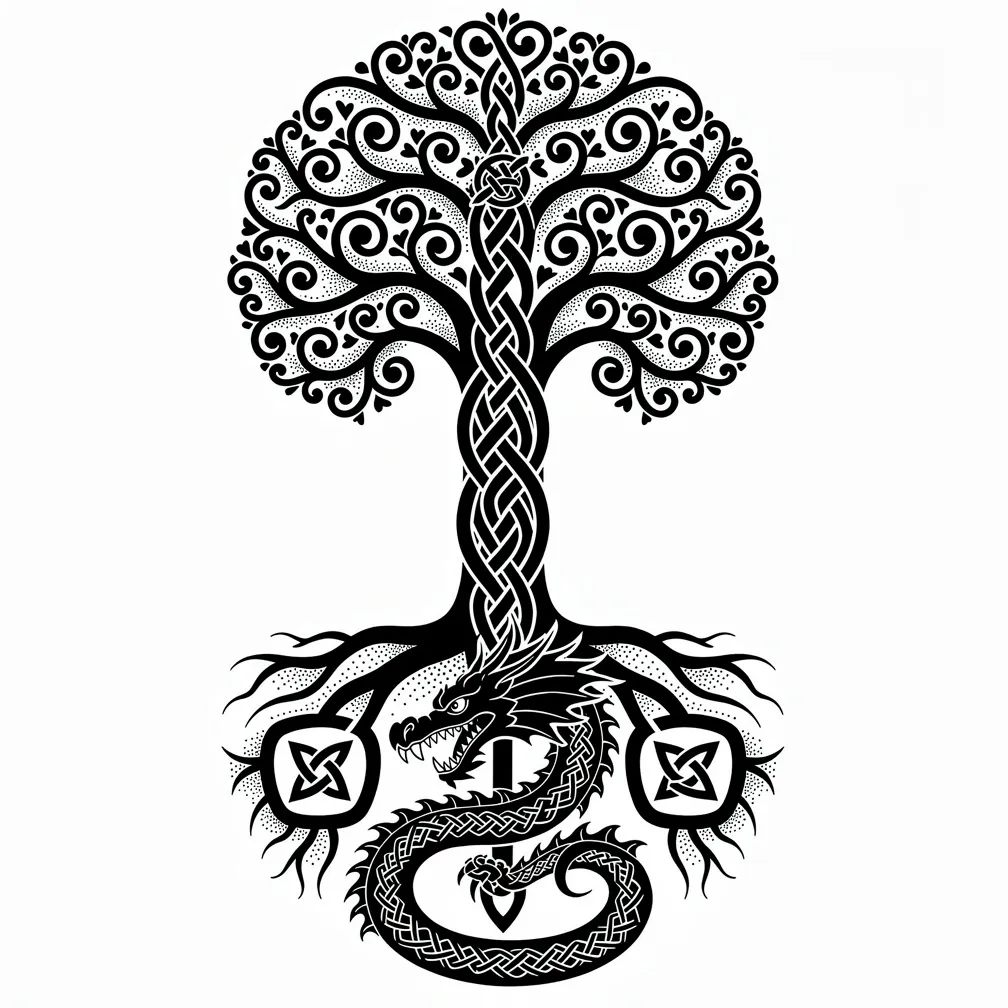
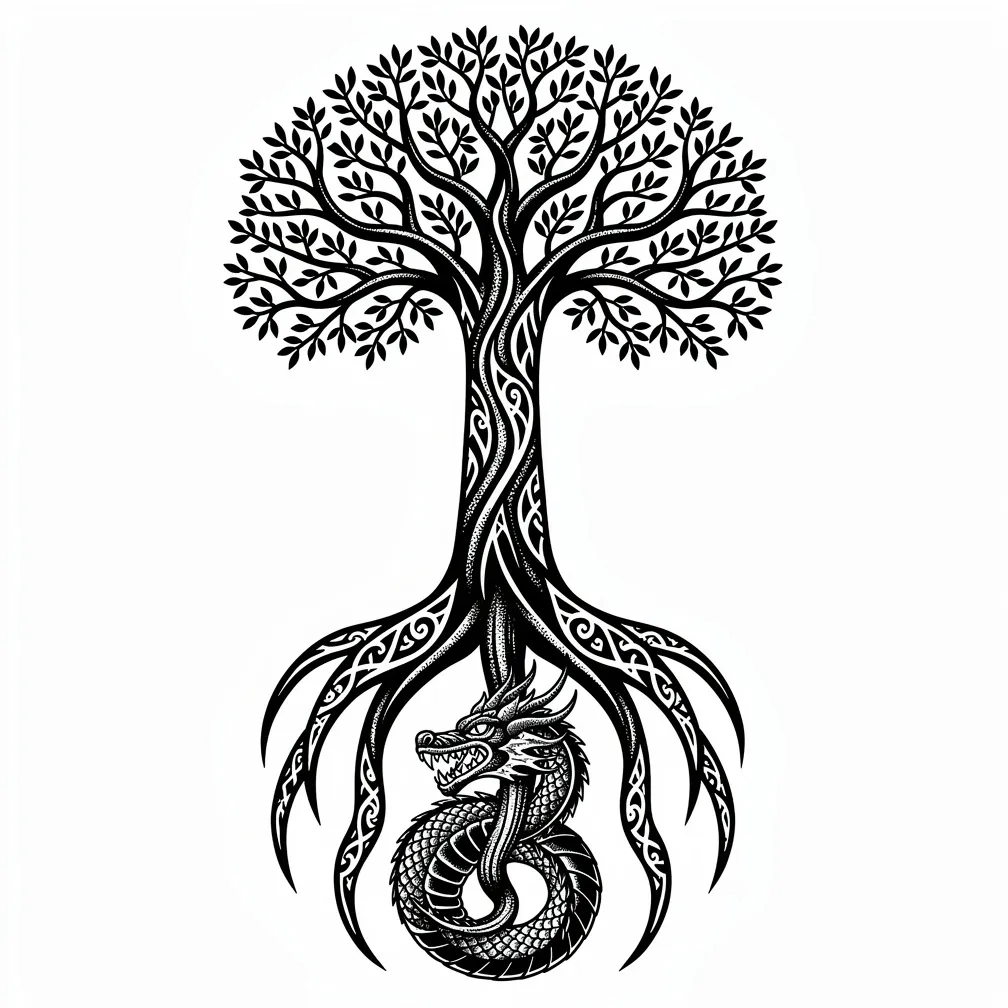
Cultural Heritage Blackwork designs from the community
Related combos
Cultural Heritage Blackwork questions
- What is a Cultural Heritage tattoo?
- For a Blackwork Cultural Heritage tattoo specifically: A Cultural Heritage tattoo honors your own ancestry — the people, region, language, and traditions you descend from. It is identity work, not aesthetic borrowing.
- Who is a Cultural Heritage tattoo good for?
- People reconnecting with their own roots, diaspora members marking belonging across distance, and anyone whose family history holds visual or symbolic traditions they want to carry. It is not for borrowing imagery from cultures you have no tie to.
- What styles work best for a Cultural Heritage tattoo?
- It depends entirely on the tradition you are honoring. Japanese, tribal lineages, chicano, ornamental, and blackwork all carry specific cultural contexts. The best style is one practiced by artists from your own heritage.
- What size and placement work best?
- Many cultural traditions have placement rules — certain motifs go on specific limbs, others are reserved for the back or chest, and some are tied to roles within a community. Follow the tradition, not just aesthetics.
- Any aftercare specific to a Cultural Heritage tattoo?
- Standard aftercare covers the healing, but some traditions include cleansing ceremonies, prayers, or community acknowledgement that go alongside the physical care. Ask your artist if those practices apply.
- Is a Cultural Heritage tattoo a good first tattoo?
- It can be — especially if the tradition itself includes a first mark — but the research load is heavier than a typical first tattoo. Do not rush it; an ancestry tattoo carries weight long after the appointment.