Tattoo Style
Blackwork Tattoos
A practical guide to Blackwork tattoos: where the style comes from, what makes it recognisable, prompt ideas, real community examples, and answers to the questions people ask before they commit.
Blackwork tattoos at a glance
- Colour
- Black & grey
- Line weight
- Bold
- Skill level
- Intermediate
- Best placement
- Large, flowing areas
The history of Blackwork tattoos
Blackwork is defined by one rule: solid, pure black ink, used with intention. That can mean bold geometric fields, dense illustrative scenes, heavy ornamental patterning, or large negative-space compositions where untouched skin becomes the drawing. Because there is no colour and little or no grey, contrast and shape carry everything, and the style reads with enormous graphic power. Contemporary blackwork pulls from many traditions at once — woodcut and engraving, sacred geometry, blackout work, and tribal patterning — recombined into something deliberately modern and stark. It is one of the most versatile families in tattooing: the same toolkit can produce a delicate etched botanical or a bold full-sleeve blackout. Its strength is also its commitment. Large black areas are a serious skin investment and are difficult to lighten later, so blackwork rewards confident, well-planned design and punishes indecision.
Where Blackwork comes from
Blackwork has deep, plural roots: ancient and indigenous black tattooing across many cultures, the bold linework of tribal traditions, and the high-contrast logic of printmaking. Its modern form took shape as artists began treating black not as an outline colour but as the entire medium, foregrounding pattern, silhouette and negative space. There is no single inventor — it is better understood as a global, historical approach to black ink that contemporary artists have organised into a recognisable modern style.
AI prompt ideas for Blackwork tattoos
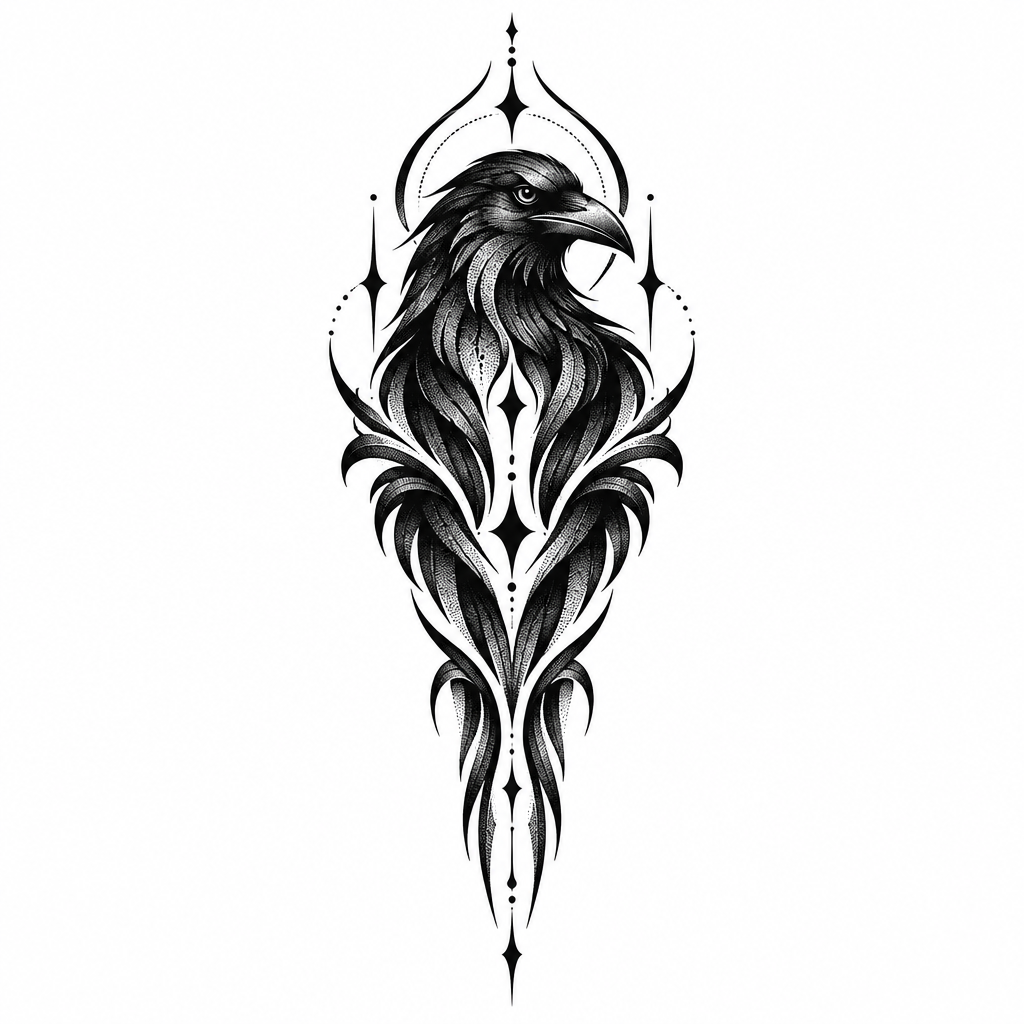
- “A blackwork raven built from solid black shapes with sharp negative-space highlights, high contrast”
- “An ornamental blackwork mandala, dense linework, pure black, symmetrical”
- “A woodcut-style blackwork mountain and forest scene, engraving texture”
- “A bold blackwork snake coiling the forearm, solid fill, no grey, no colour”
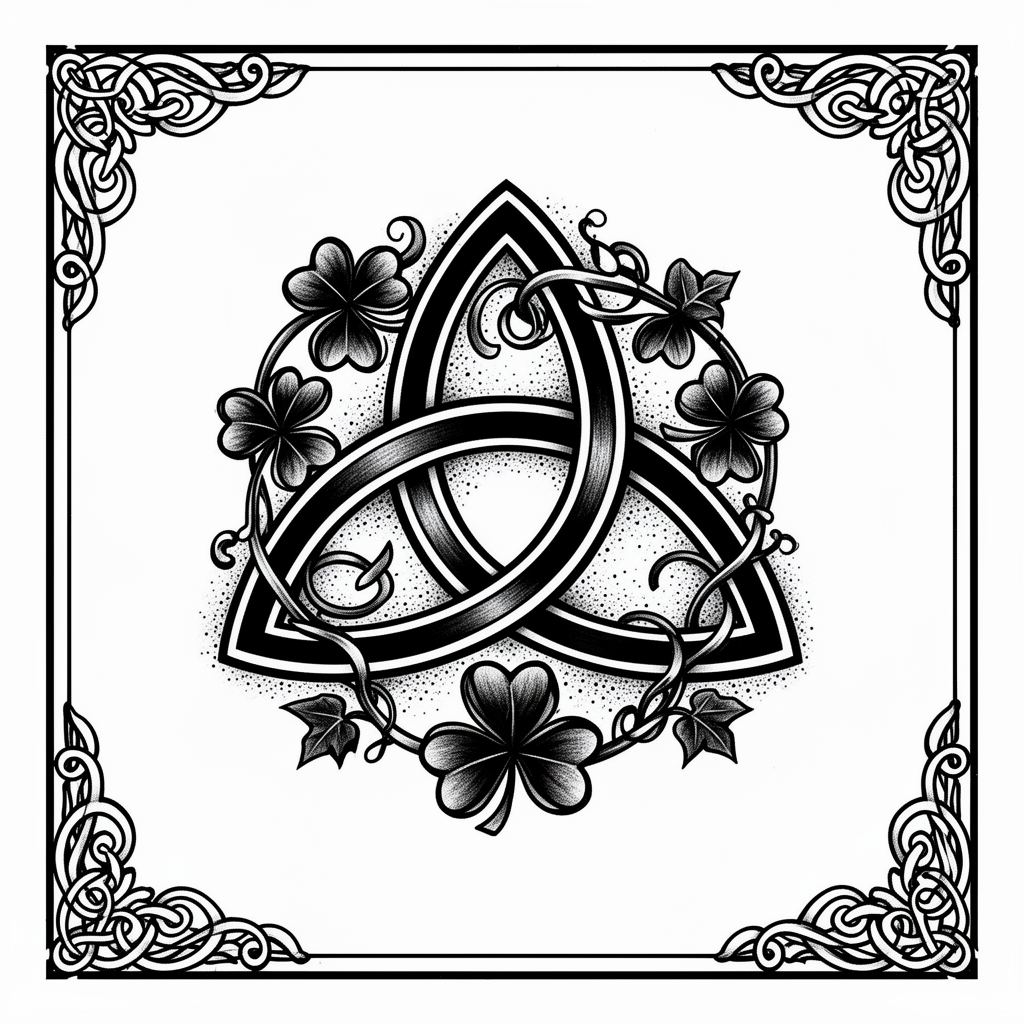
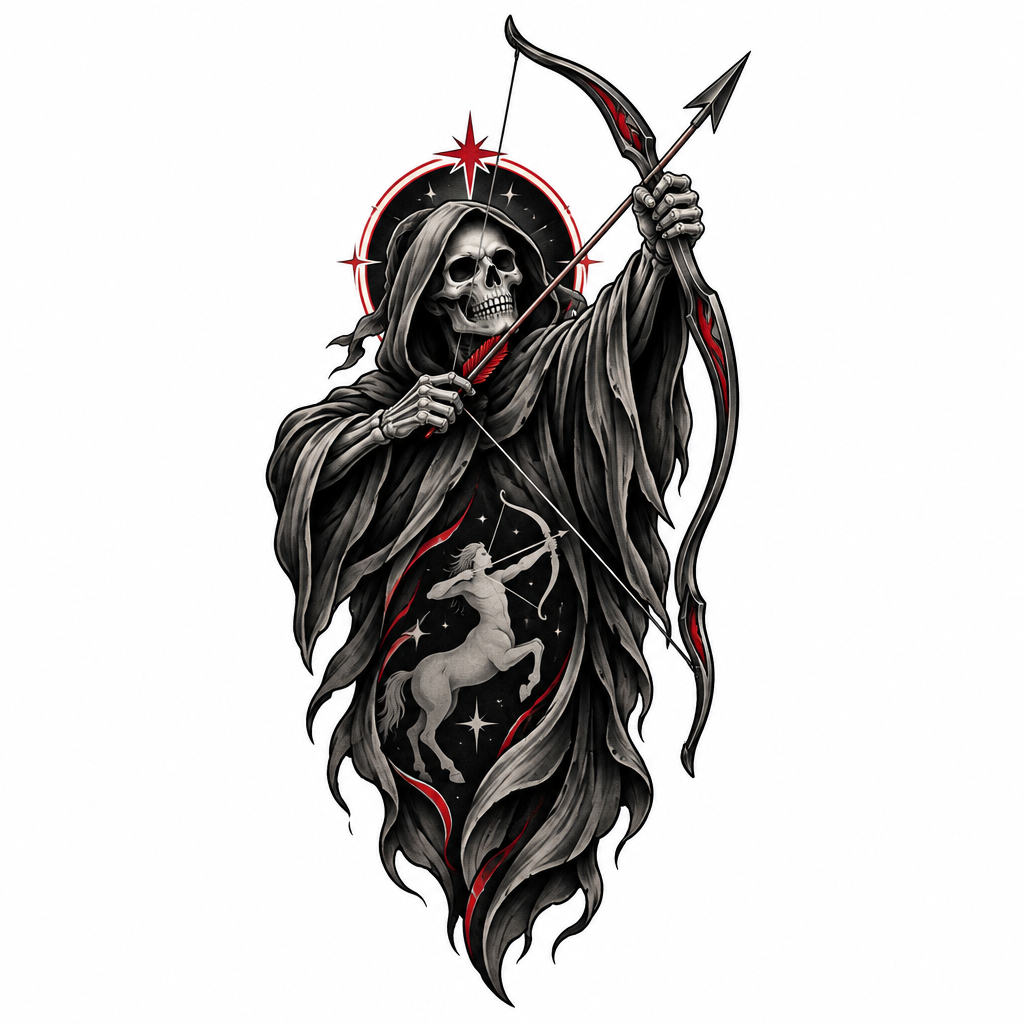
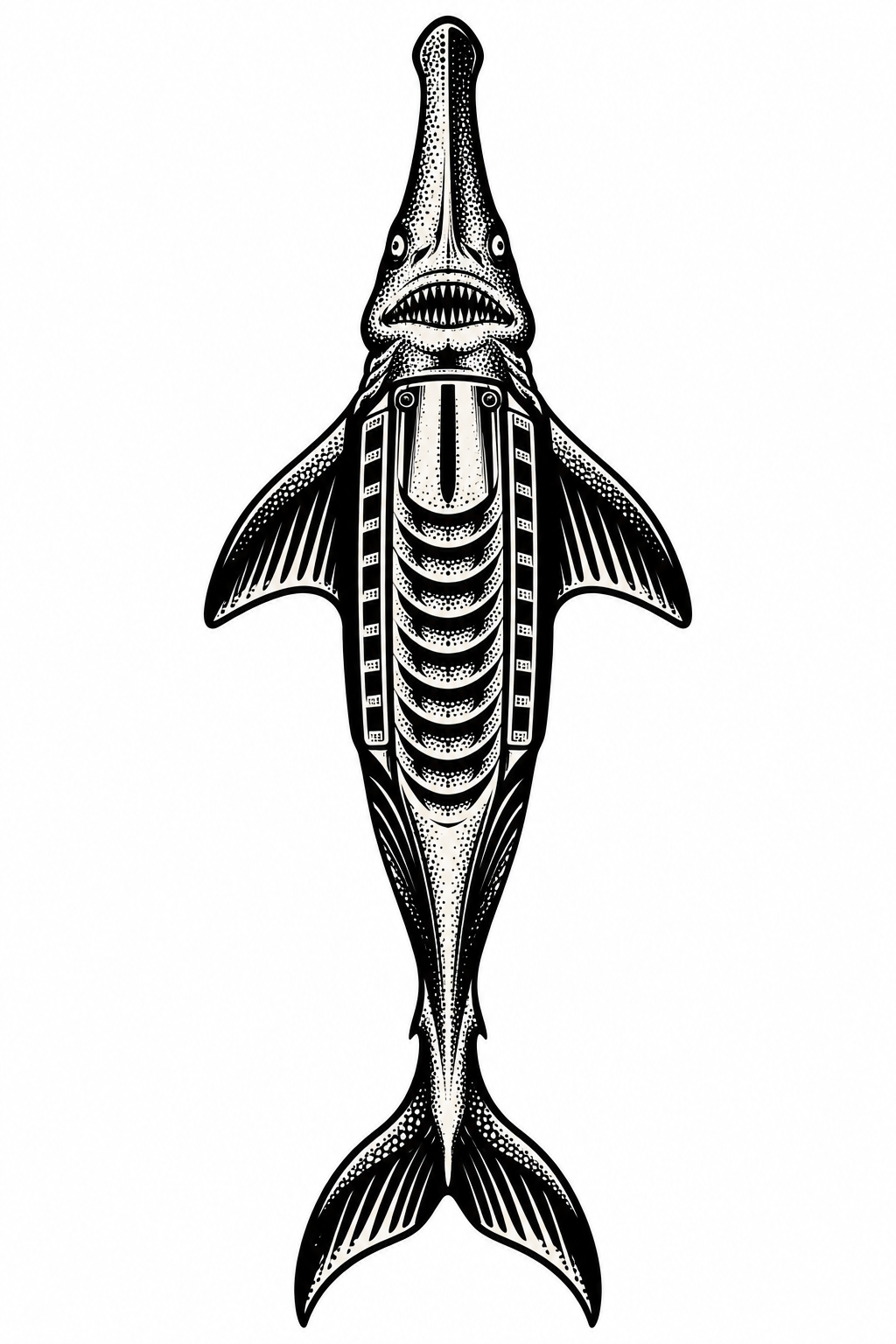
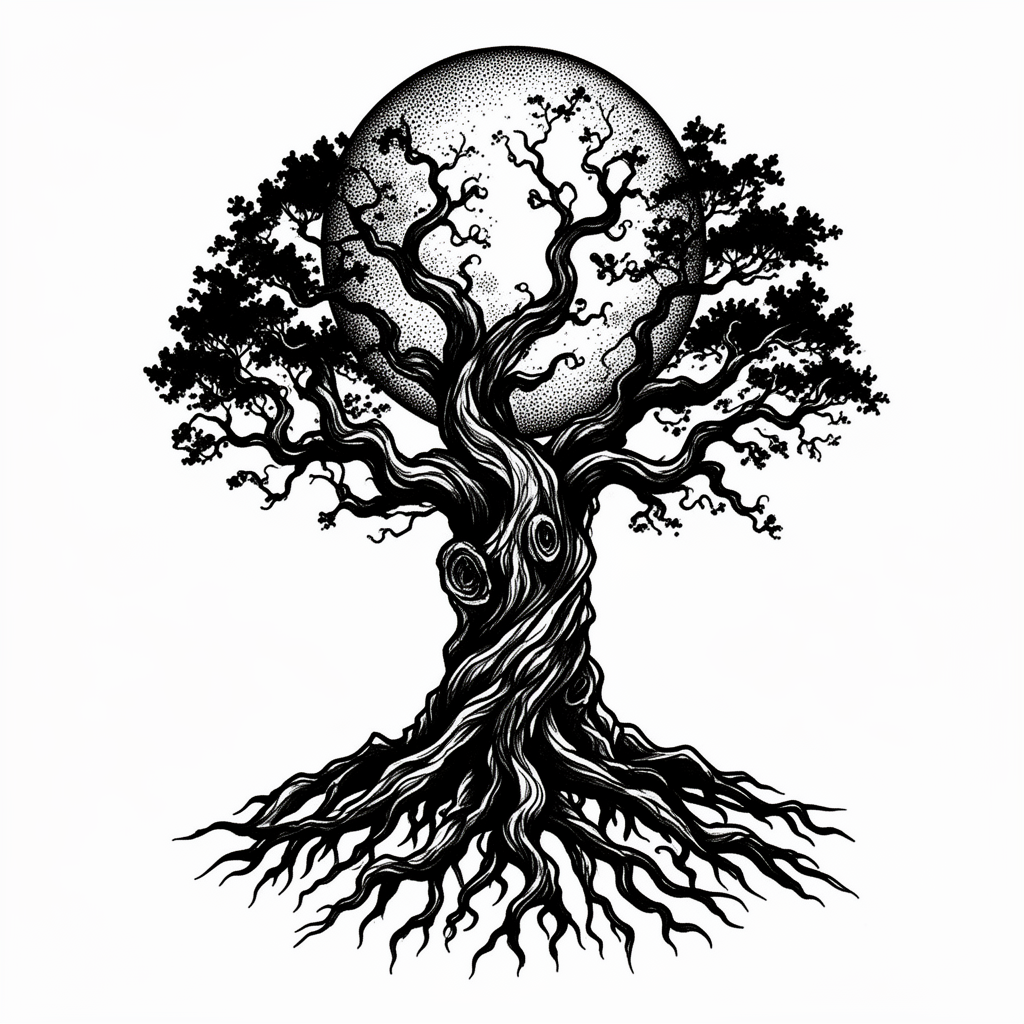
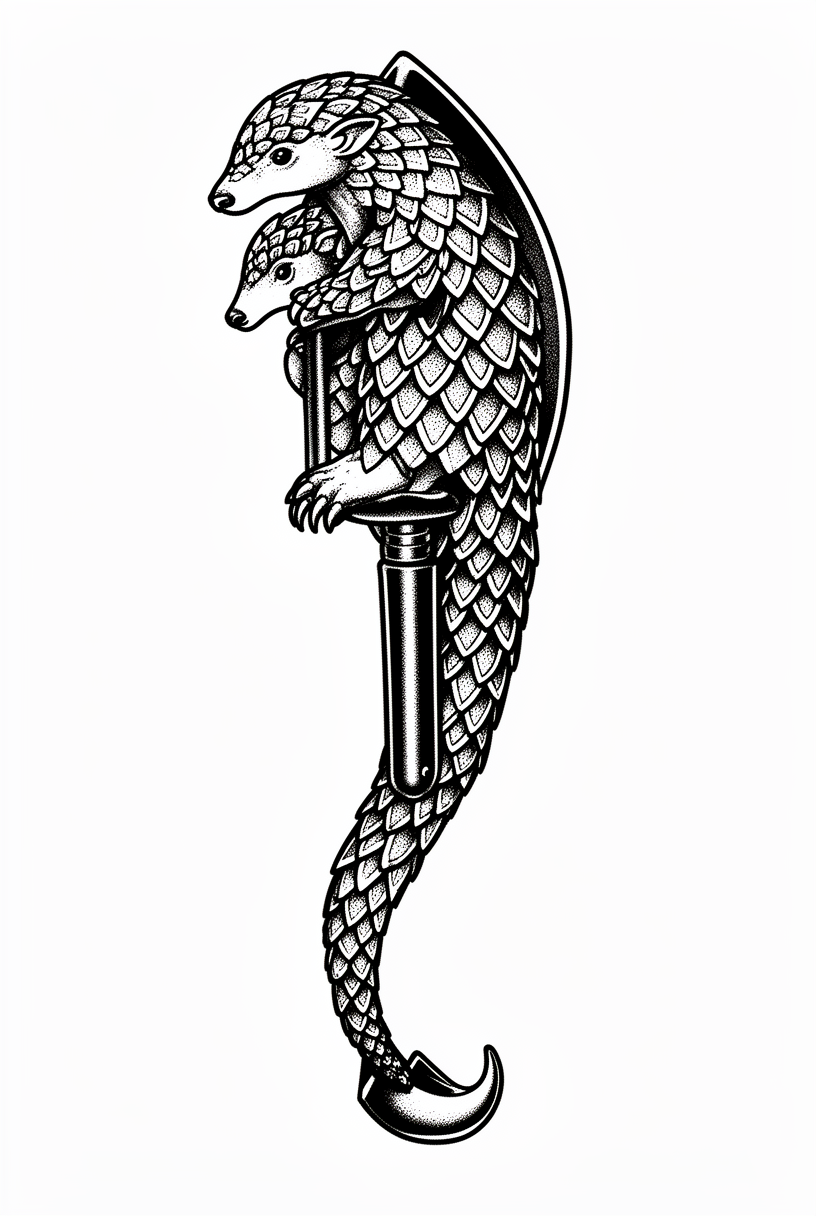
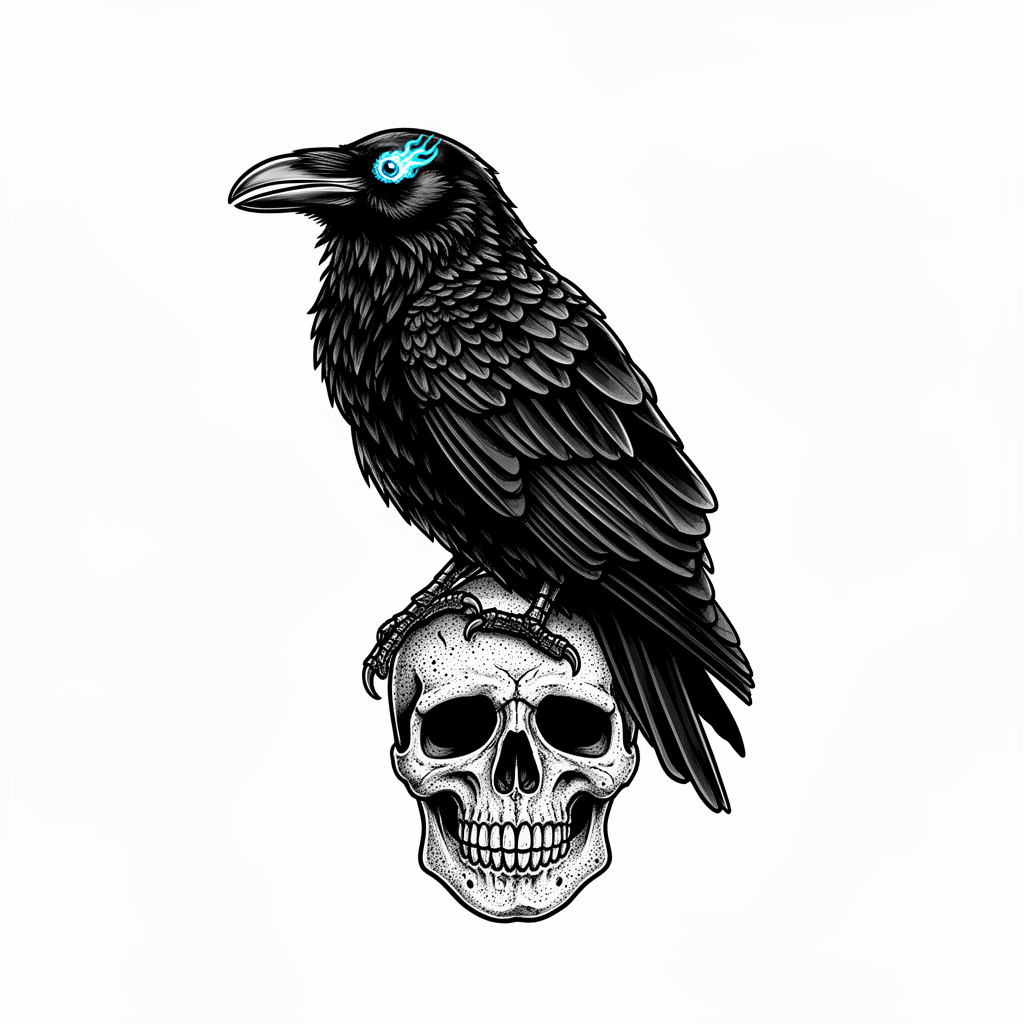
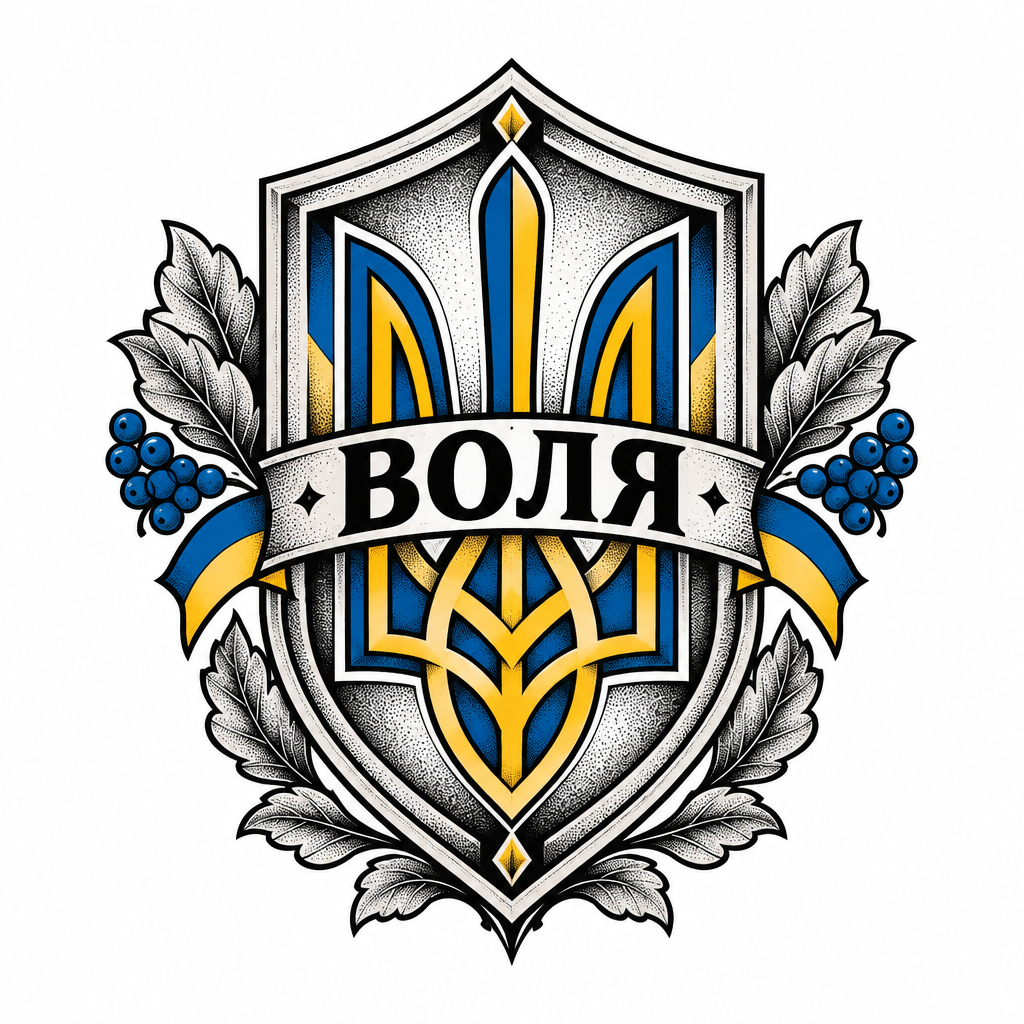
Blackwork designs from the community
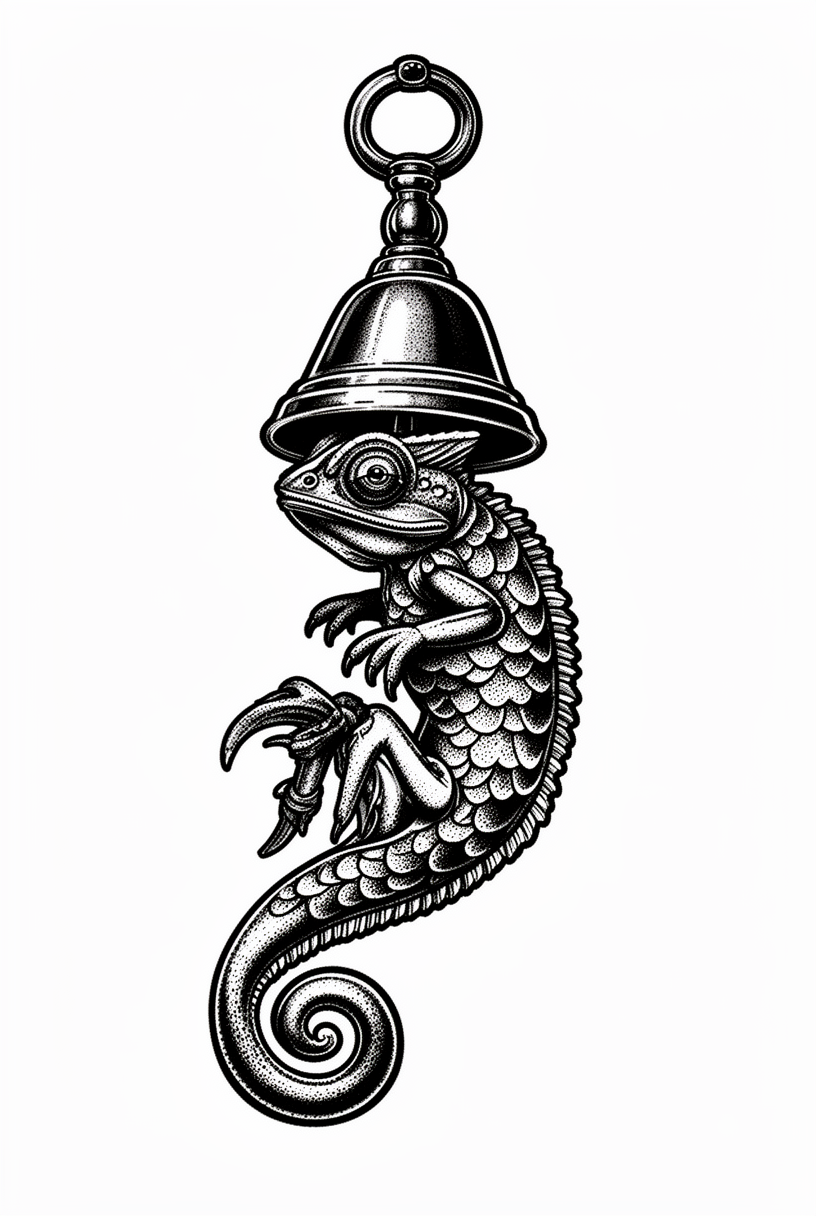
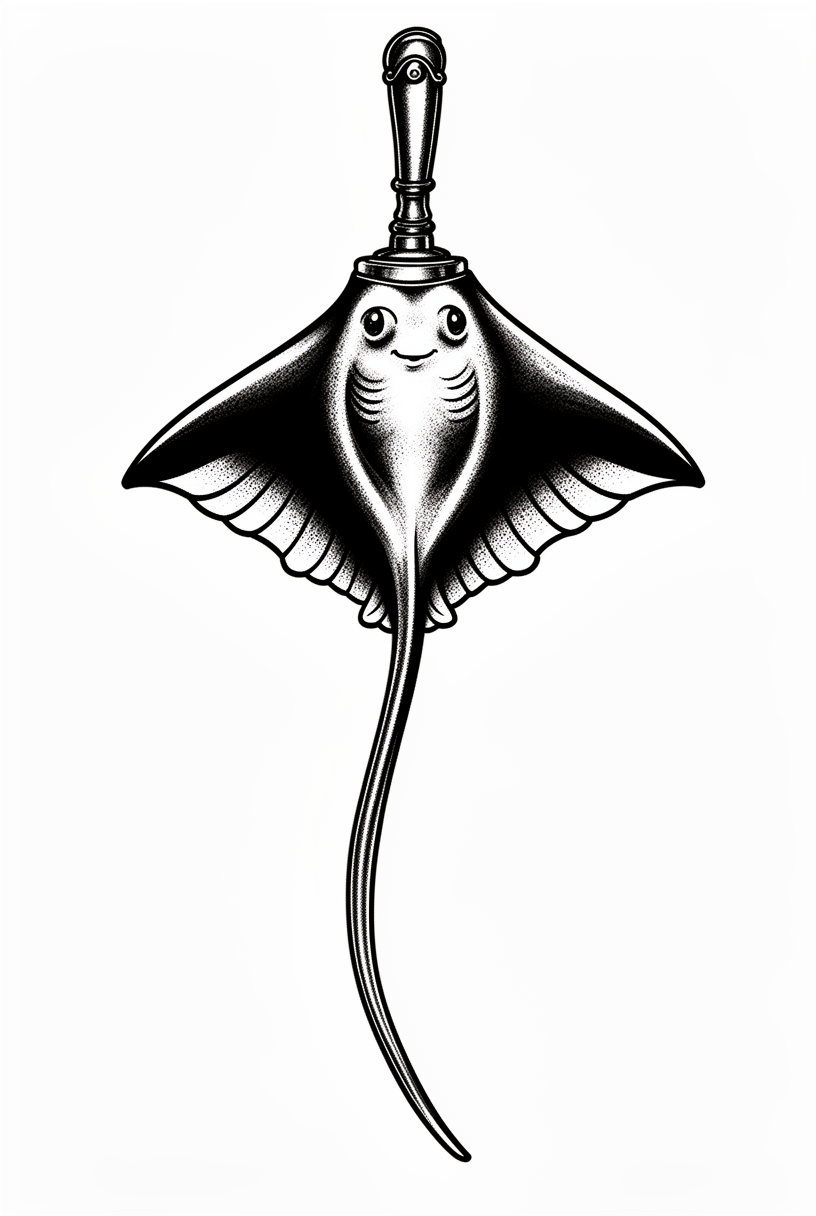
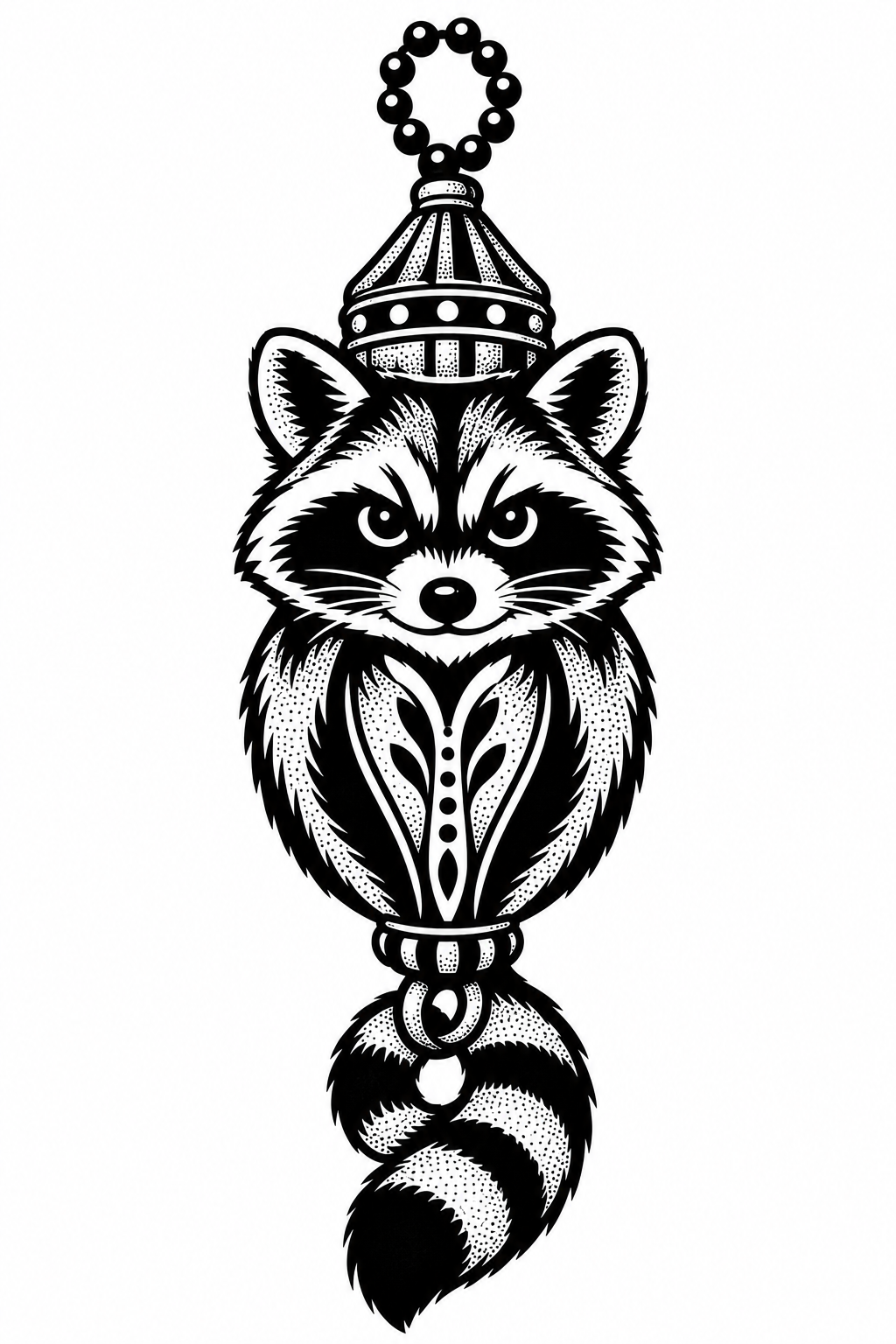
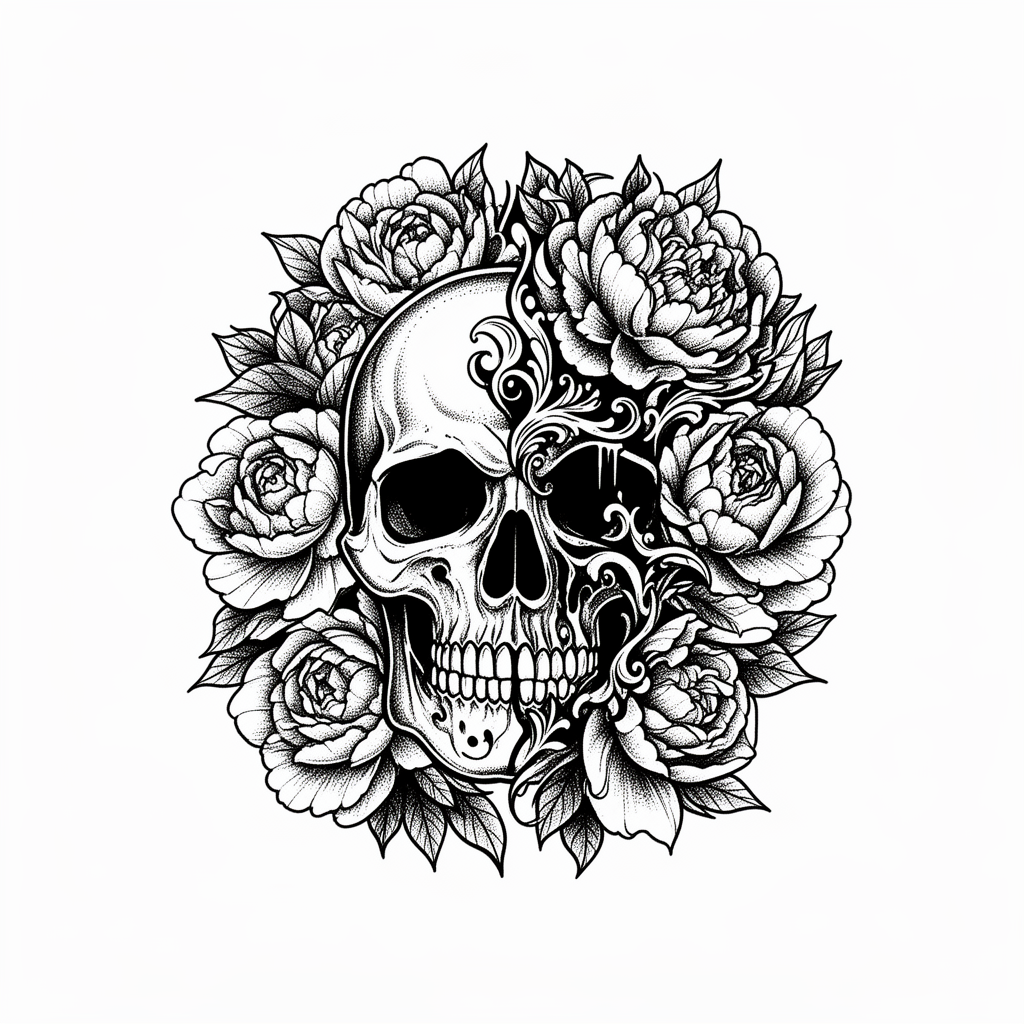
Related tattoo styles
Blackwork tattoo FAQ
- What defines a Blackwork tattoo?
- Solid black ink as the whole medium — no colour and usually no grey. Impact comes from shape, contrast and negative space rather than shading.
- Is Blackwork hard to remove or cover later?
- Large solid-black areas are among the hardest tattoos to lighten or cover, so blackwork is best treated as a long-term commitment and planned accordingly.
- Where do Blackwork tattoos look best?
- Large, relatively flat canvases — forearms, calves, backs and chest — where big black shapes and negative space have room to breathe and stay crisp.
- Are Blackwork tattoos more painful because of the black fill?
- Large saturated fills mean repeated passes over the same skin, so big blackwork can feel more intense and take longer than a linework piece of similar size.
- Is Blackwork suitable for a first tattoo?
- A small, contained blackwork piece is fine for a first tattoo; a large blackout or full panel is a bigger commitment that most people build up to.
- How do I prompt the AI for a Blackwork design?
- State the subject, then add solid black, high contrast and negative space. Explicitly exclude colour and grey shading so the generator commits to the style.