Tattoo Ideas
Cover-Up Tattoo Ideas
A practical guide to Cover-Up tattoos: what they mean, who they suit, the styles that work, real community designs and AI prompts you can use right now to generate your own.
About Cover-Up tattoos
A Cover-Up is the art of turning an existing tattoo you no longer want into one you do. Cover-up work has existed as long as tattooing itself — sailors, soldiers, and early enthusiasts have always needed ways to disguise names, regrettable designs, or amateur work. What has changed is the craft: modern artists combine pigment science, deliberate composition, and sometimes a few sessions of laser lightening to achieve results that no longer scream "there is something underneath." A successful Cover-Up is rarely a like-for-like swap. The new design usually has to be larger, darker, and more visually complex than the original, because the artist needs enough ink density and detail to break up the old shape. This is why cover-ups are one of the most technically demanding categories in tattooing — and also why a good one can feel almost magical. The piece you walk out with often becomes more meaningful than a fresh start would have been, because it carries a story of choice and transformation.
What makes a great Cover-Up tattoo
A great Cover-Up starts with realism about what the old tattoo can become. Dark, dense work needs either laser lightening sessions first or a much larger, darker design over the top. Trust your artist's veto: if they say a delicate watercolor will not hide a heavy tribal piece, believe them. Plan for size — most cover-ups end up two to three times the area of the original. Bring reference, but stay flexible on specifics. The strongest cover-ups are designed around the existing shape, not against it, so the old work becomes invisible inside something new.
Styles that work well for Cover-Up
Cover-up work depends on coverage power, so styles with dense ink and bold composition win. Blackwork is the heavy artillery — large areas of solid black can hide almost anything, including old tribal and faded color work. Traditional offers thick outlines and saturated color that mask irregular shapes well. Realism, particularly black and grey, uses smoke, fabric, and shadow to absorb old lines into a new scene. Neo-traditional sits between the two, giving you the boldness of traditional with the detail and palette to design organically around what is already there.
At a glance
| Placement | Shoulder, Back, Calf |
|---|---|
| Size | Large |
| Recommended styles | Blackwork, Traditional, Realism, Neo-Traditional |
AI prompt ideas for Cover-Up tattoos
- “Blackwork floral sleeve with heavy negative space, designed to absorb an old tribal piece”
- “Neo-traditional rose and dagger composition, saturated reds and deep greens”
- “Realism black and grey raven with swirling smoke, large forearm placement”
- “Traditional eagle with spread wings and bold black outline, chest placement”
- “Blackwork geometric mandala with dense shading over an existing faded design”
Cover-Up designs from the community
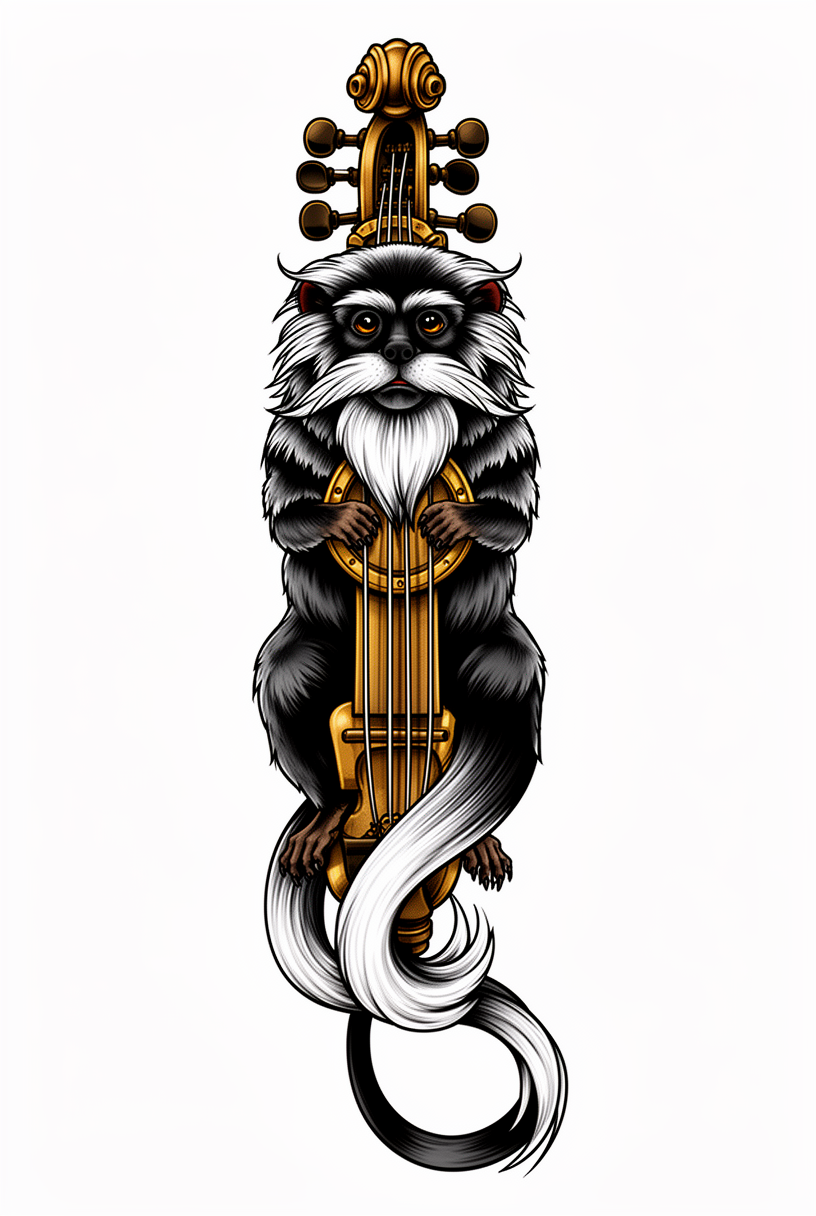
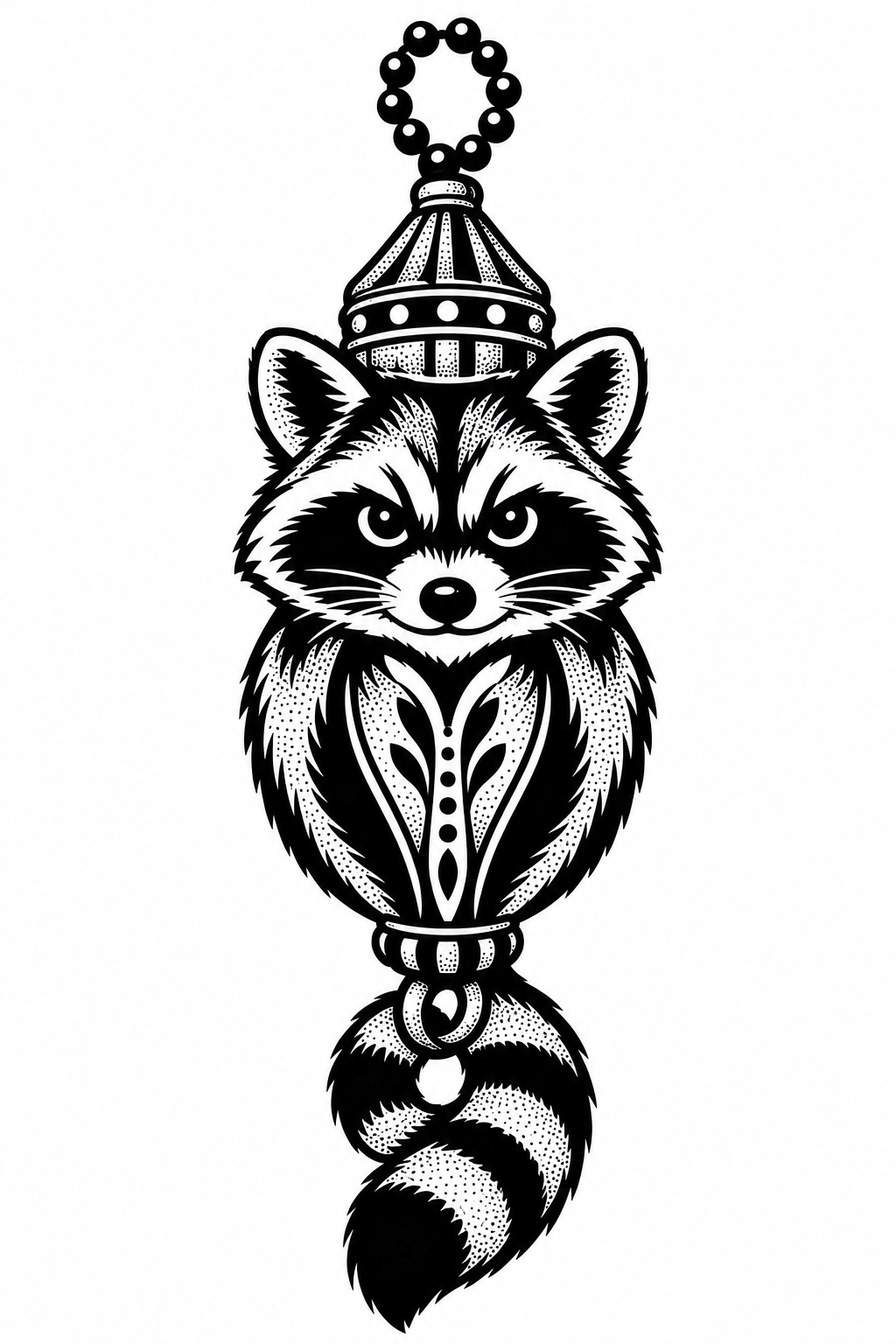
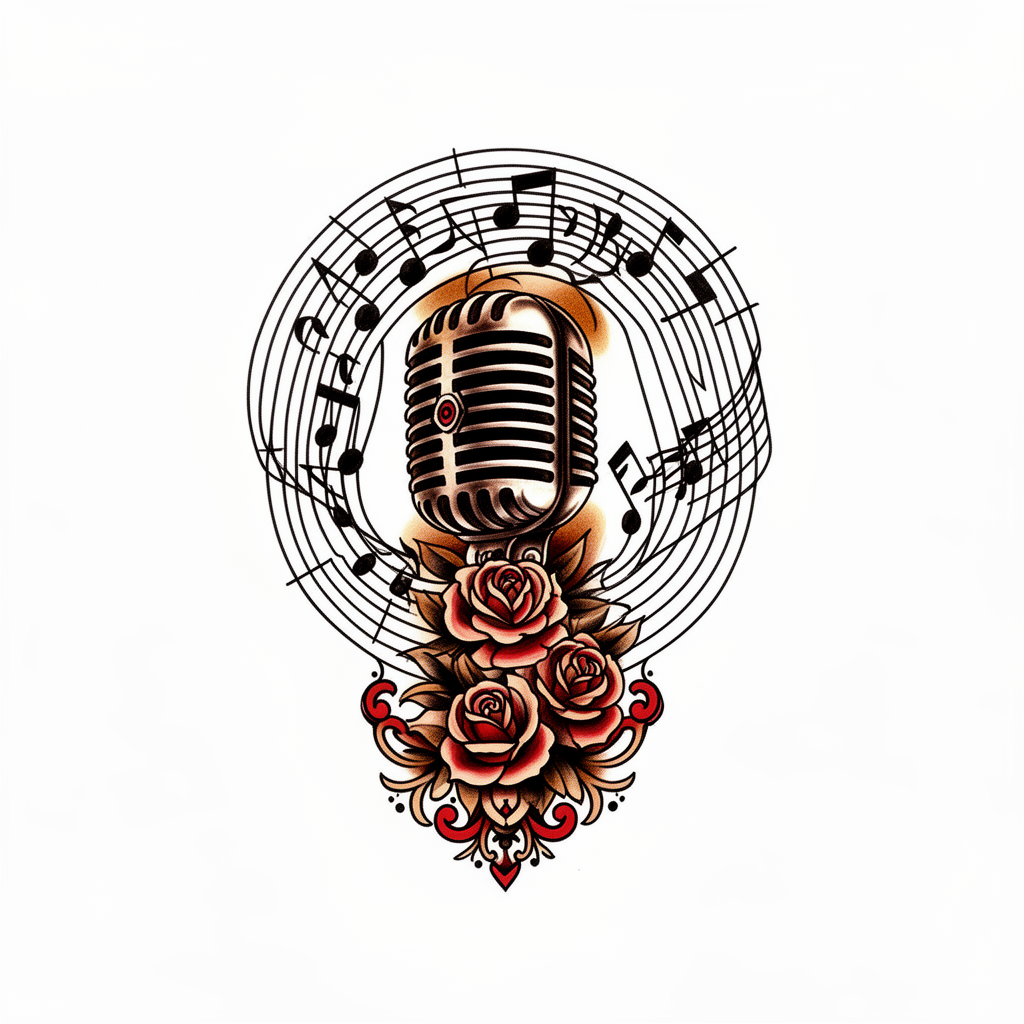
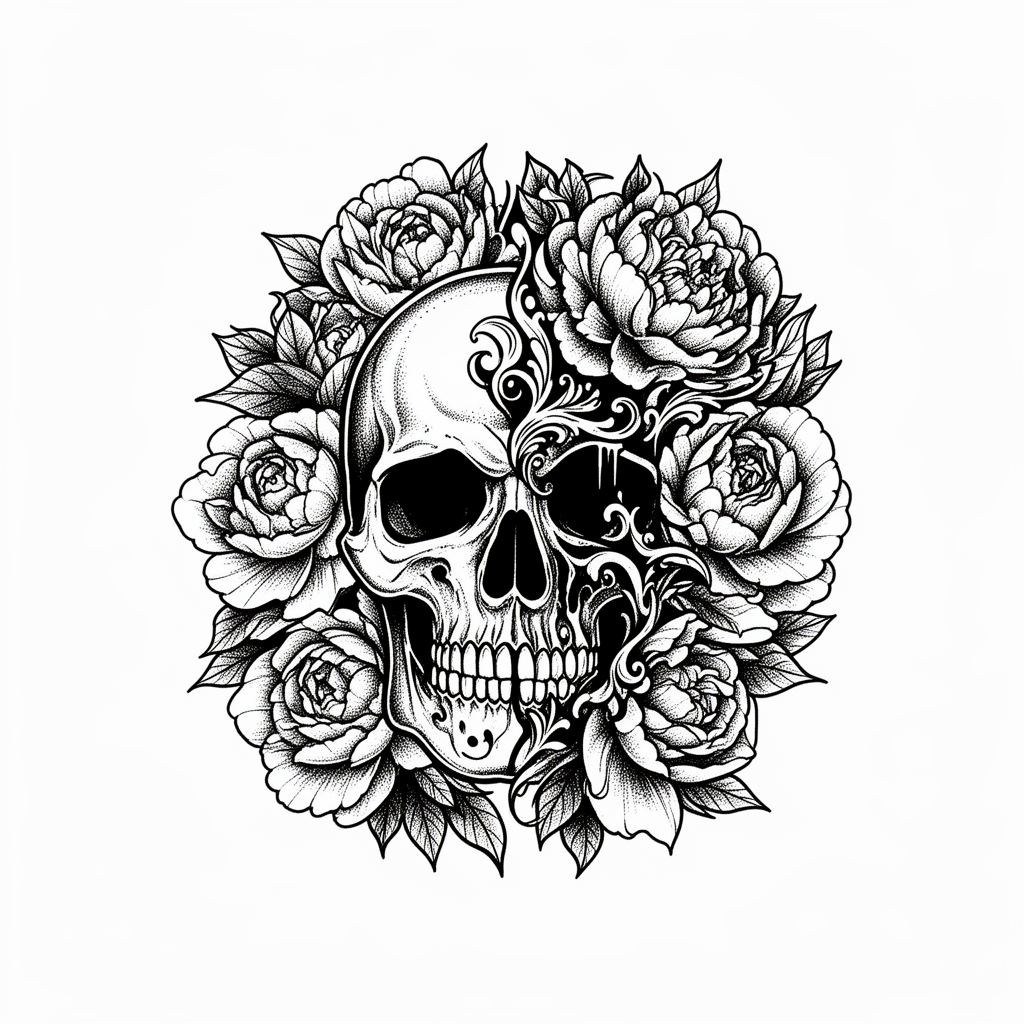
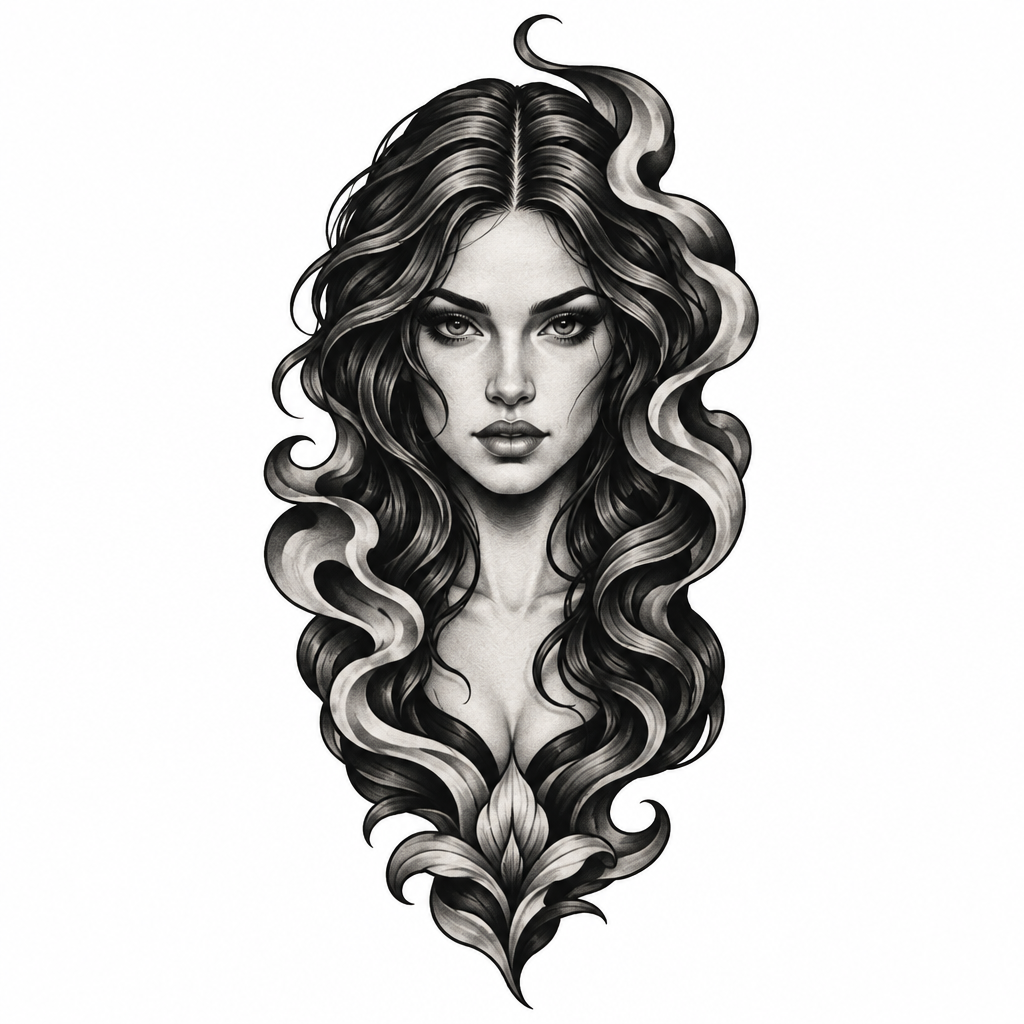
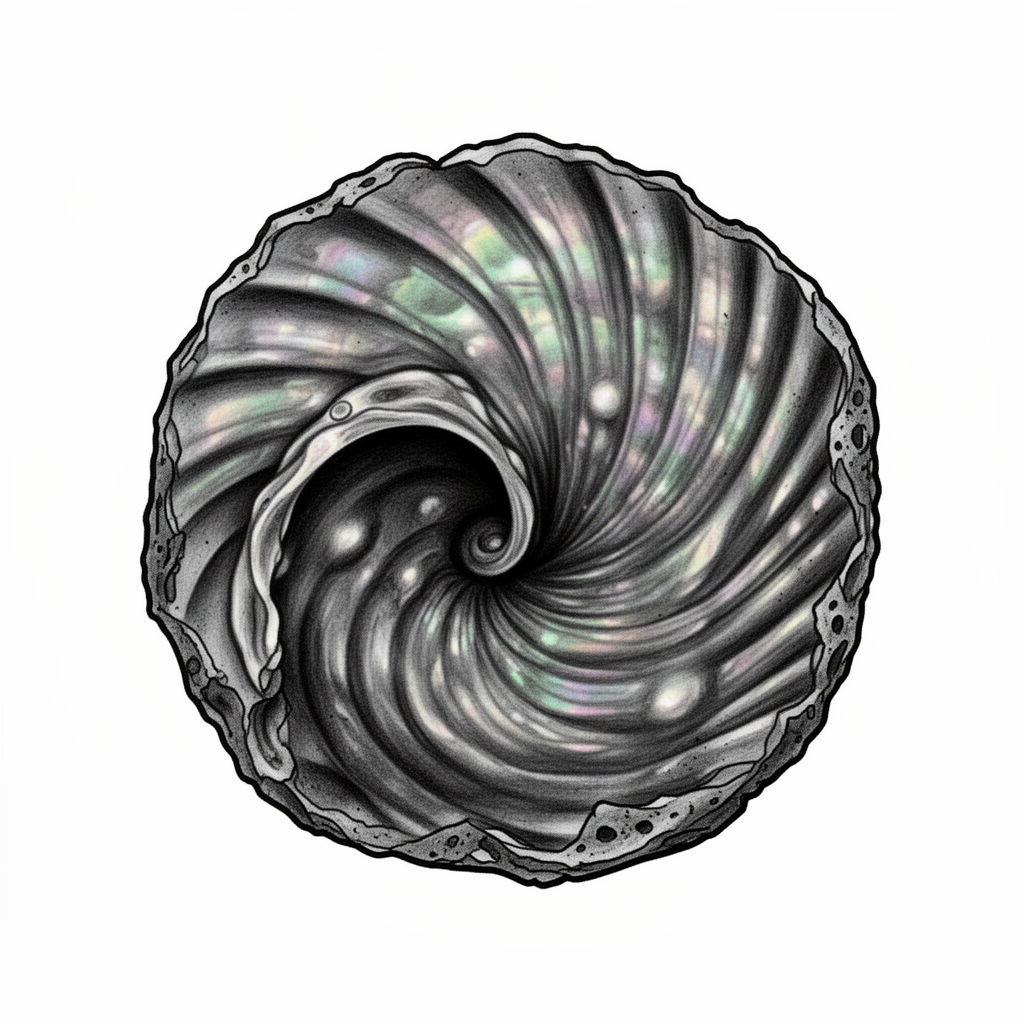
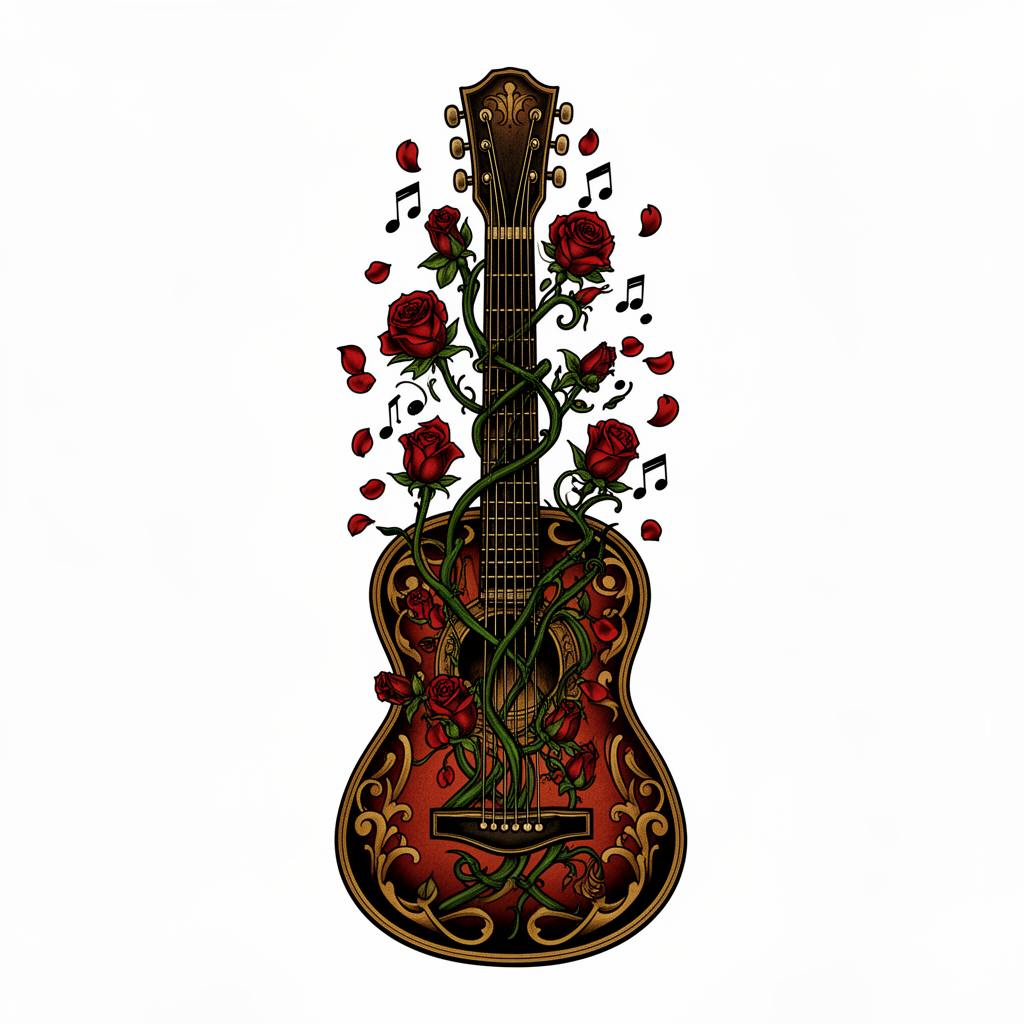
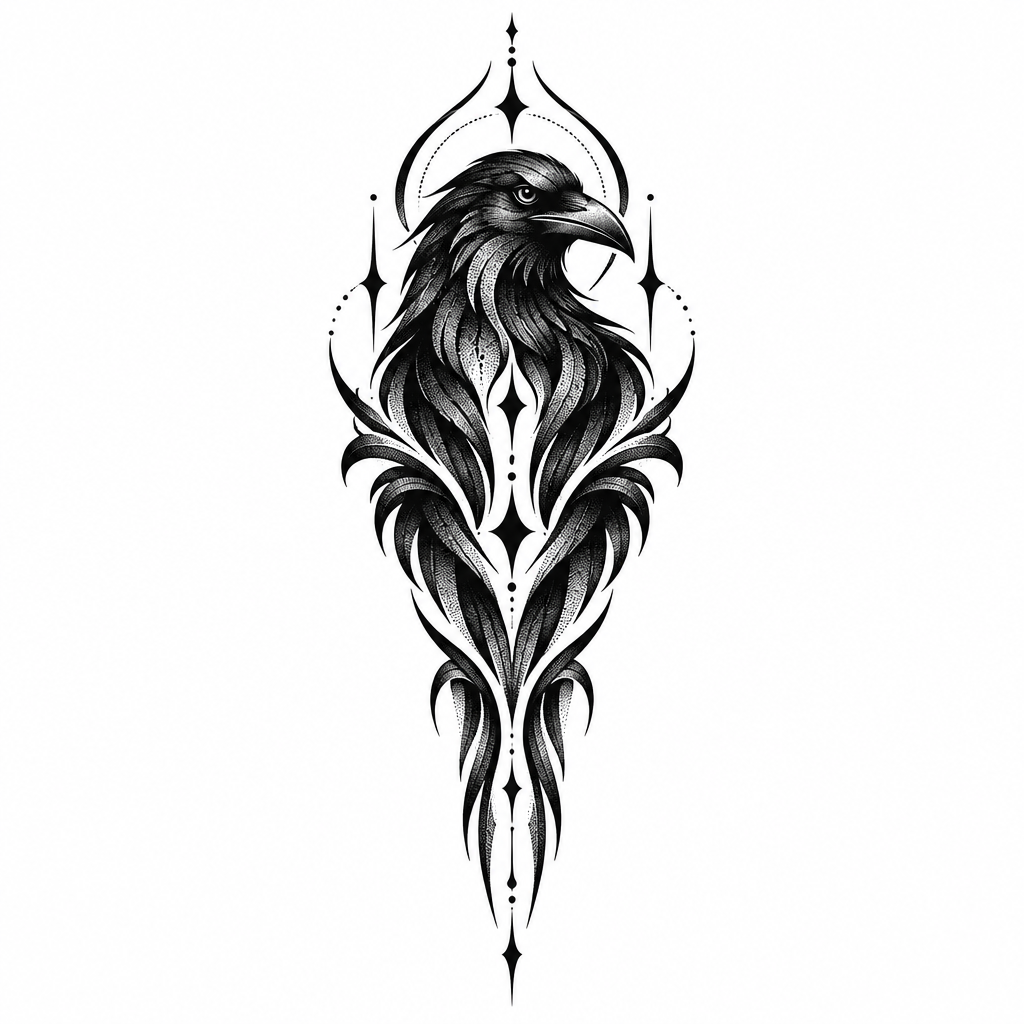
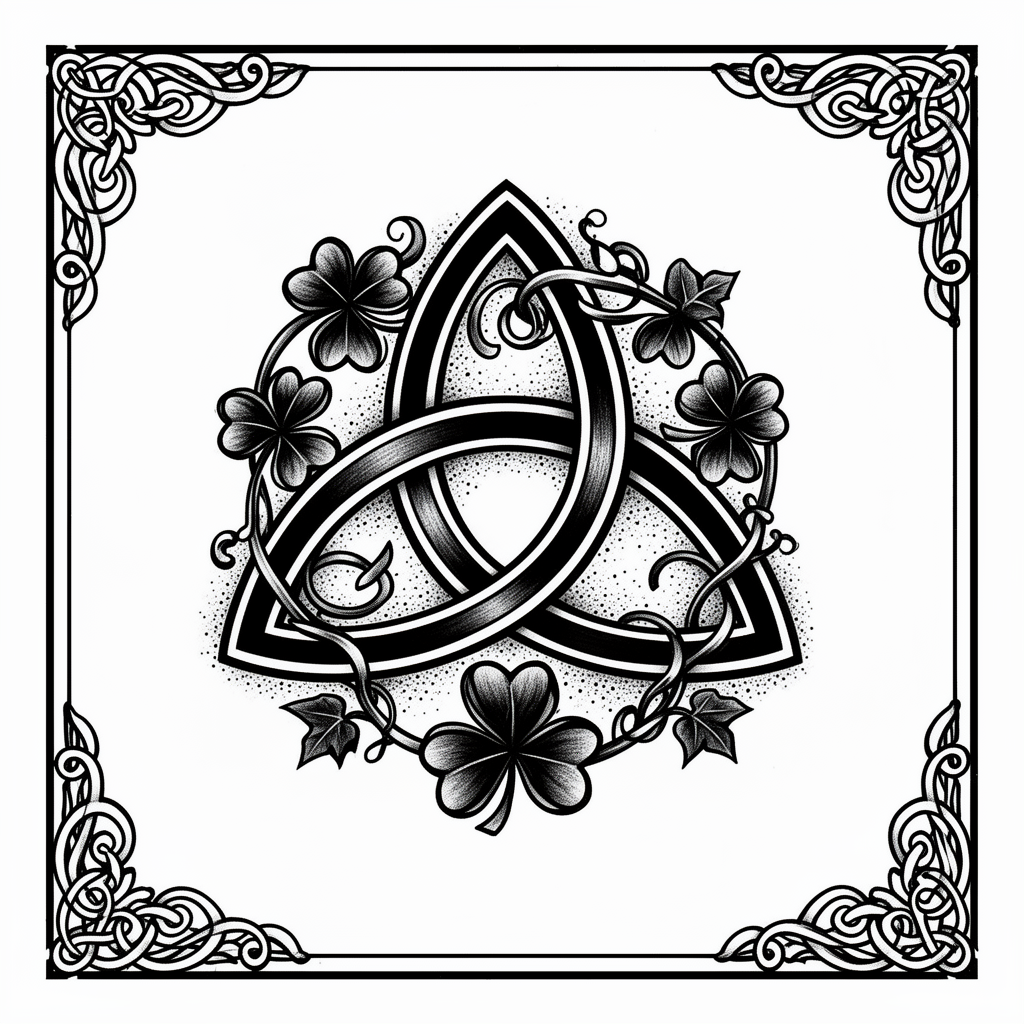
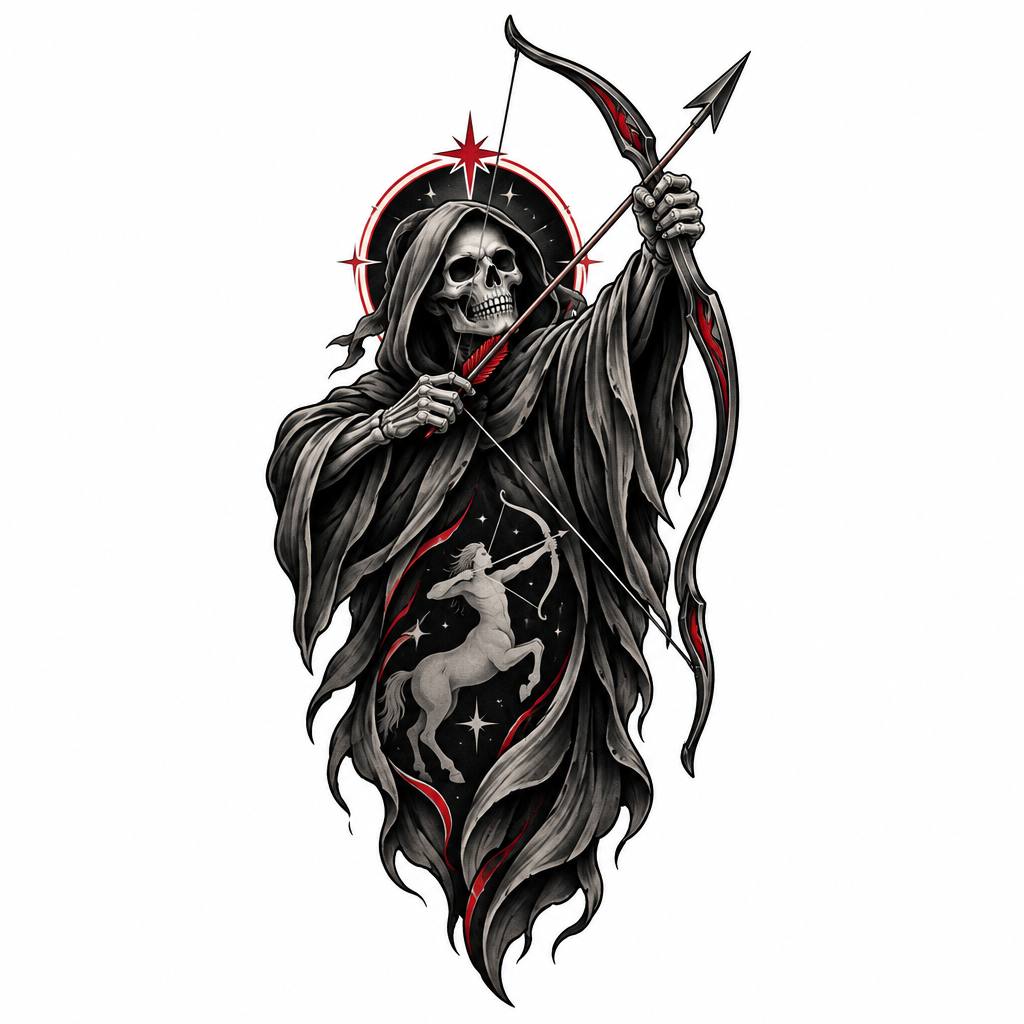
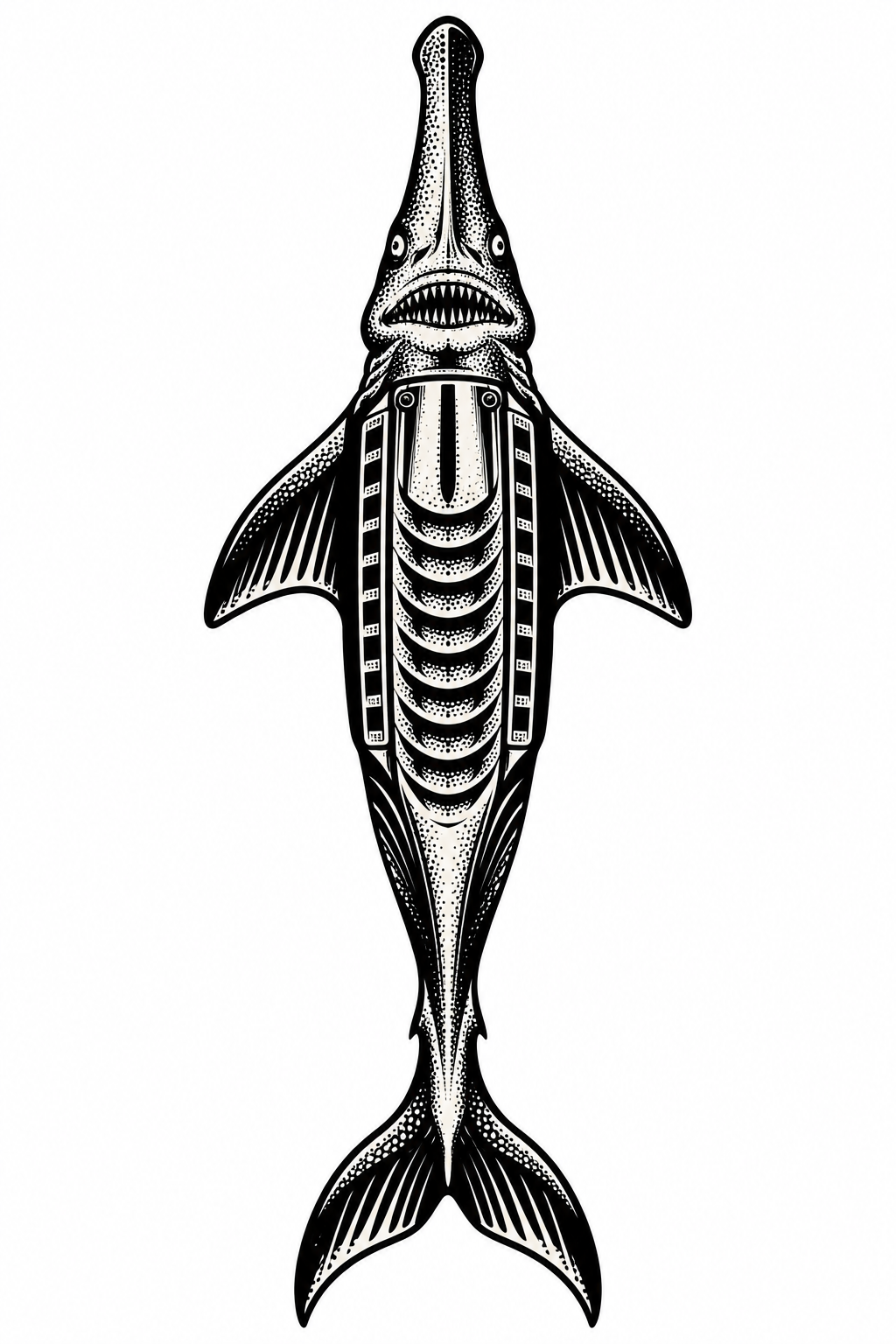
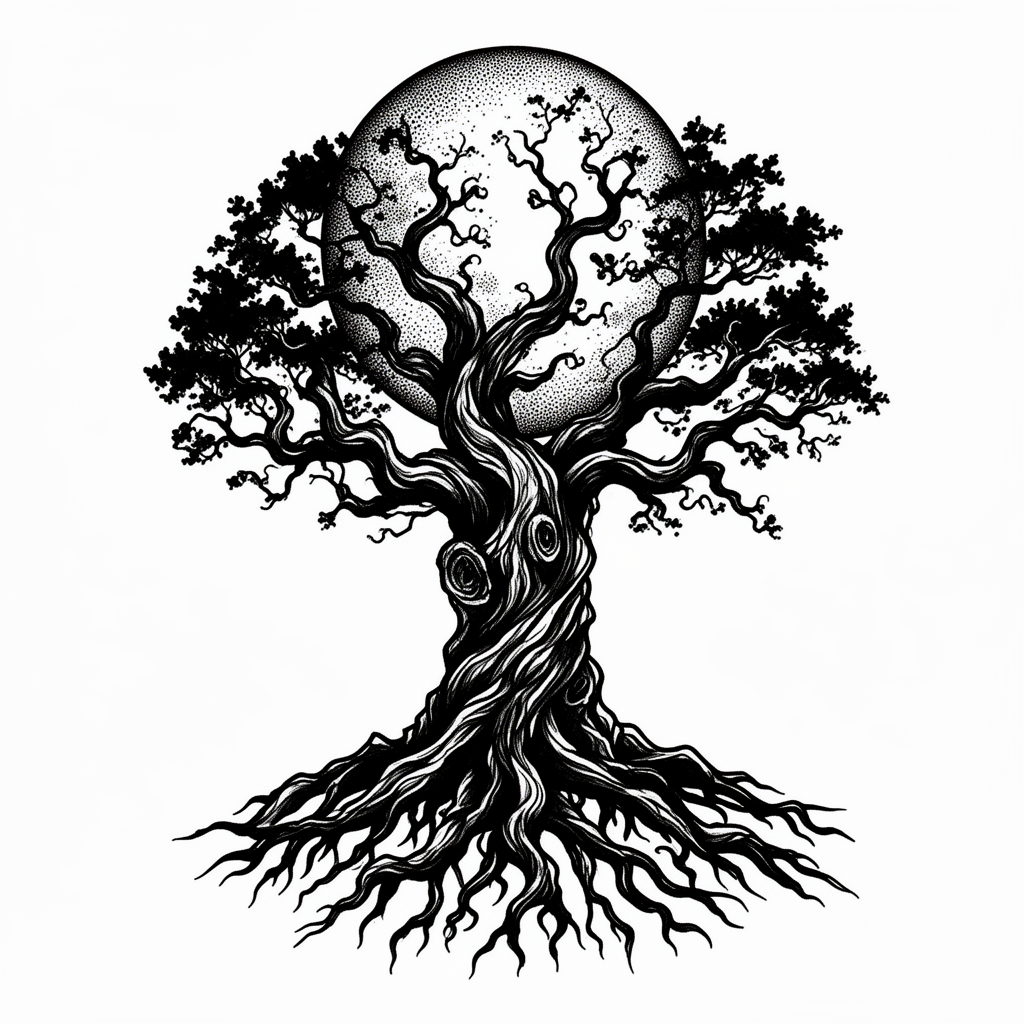
Related ideas
Cover-Up tattoo FAQ
- What is involved in a Cover-Up tattoo?
- A Cover-Up is a new tattoo designed specifically to hide an older one. It uses size, darkness, and composition to make the original tattoo disappear inside the new artwork.
- Who should consider a Cover-Up tattoo?
- Anyone with a tattoo they regret — outdated names, amateur work, faded designs, or pieces that no longer reflect who they are — and who would rather transform it than remove it entirely.
- Which styles are strongest for a Cover-Up tattoo?
- Blackwork, traditional, realism, and neo-traditional all offer the ink density needed to hide existing work. Fine line and minimalist styles almost never have enough coverage power to fully conceal old tattoos.
- How much space and which placement does a Cover-Up tattoo need?
- Expect the new piece to be significantly larger than the original — typically two to three times the area. Placement is dictated by the existing tattoo, so flexibility on size matters more than chasing a specific location.
- What aftercare does a Cover-Up tattoo call for?
- Heavily inked cover-ups can take longer to heal because the skin is absorbing more pigment in a single session. Follow standard aftercare strictly and expect more peeling and scabbing than a fresh tattoo.
- Is a Cover-Up tattoo wise as a first tattoo?
- Generally no — by definition you already have a tattoo. But if you are considering laser removal versus cover-up for a first regrettable piece, a skilled cover-up artist can often save you that journey.