Tattoo Ideas
Geometric Dotwork Tattoo Ideas
Why Dotwork works for Geometric tattoos, with real designs and prompts.
Dotwork is on the Artisan plan and above.
Why Dotwork suits Geometric tattoos
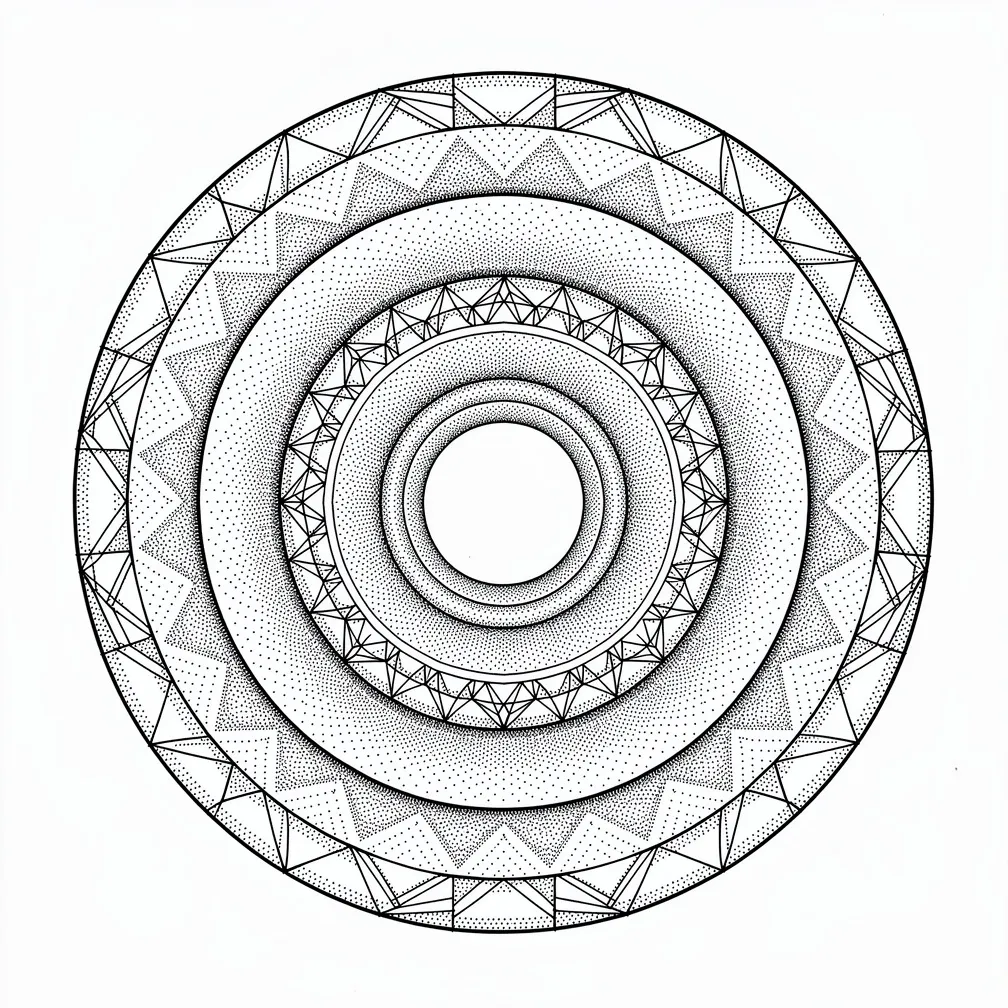
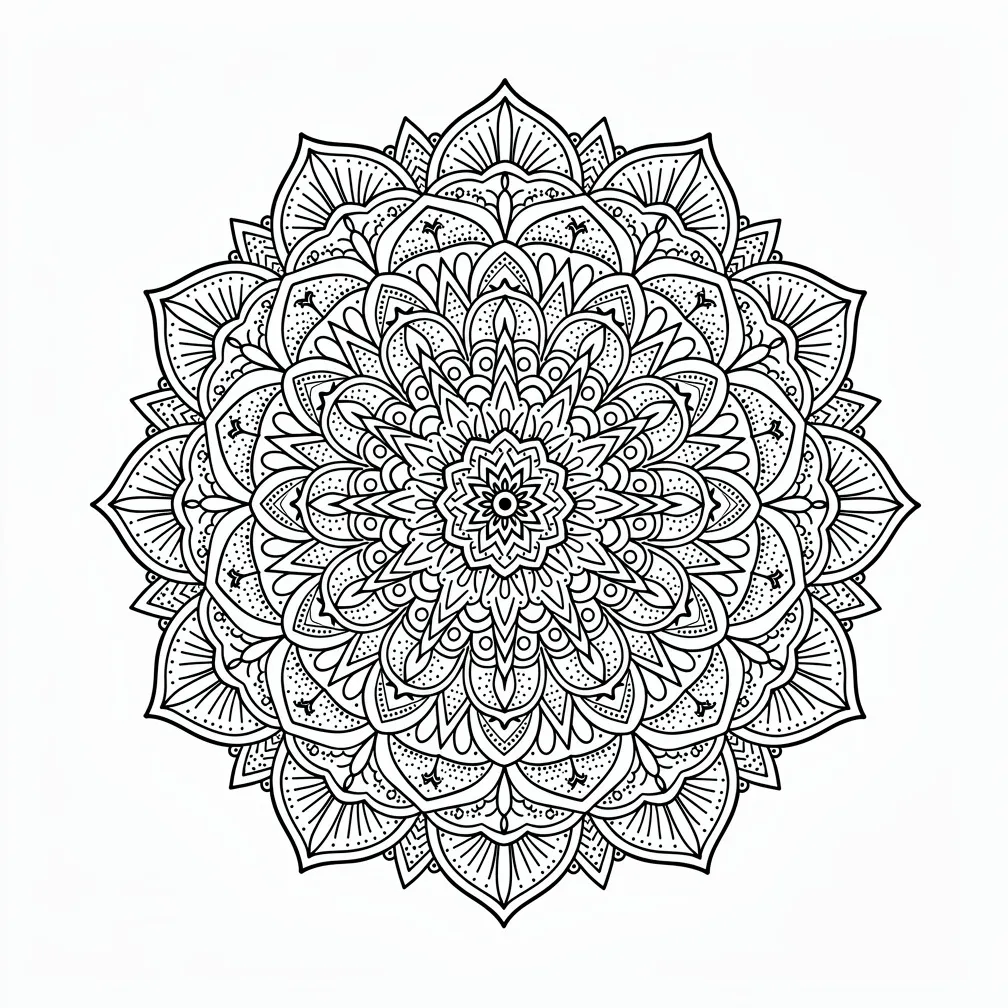
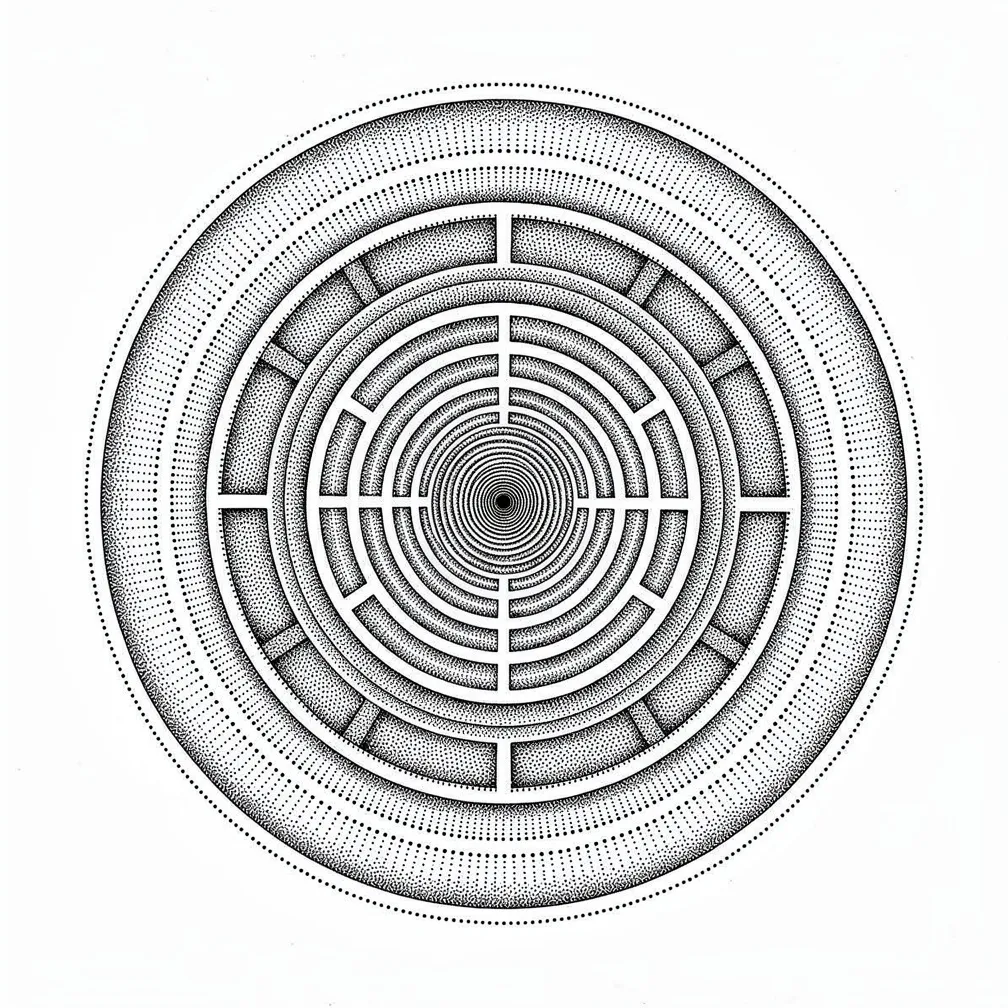
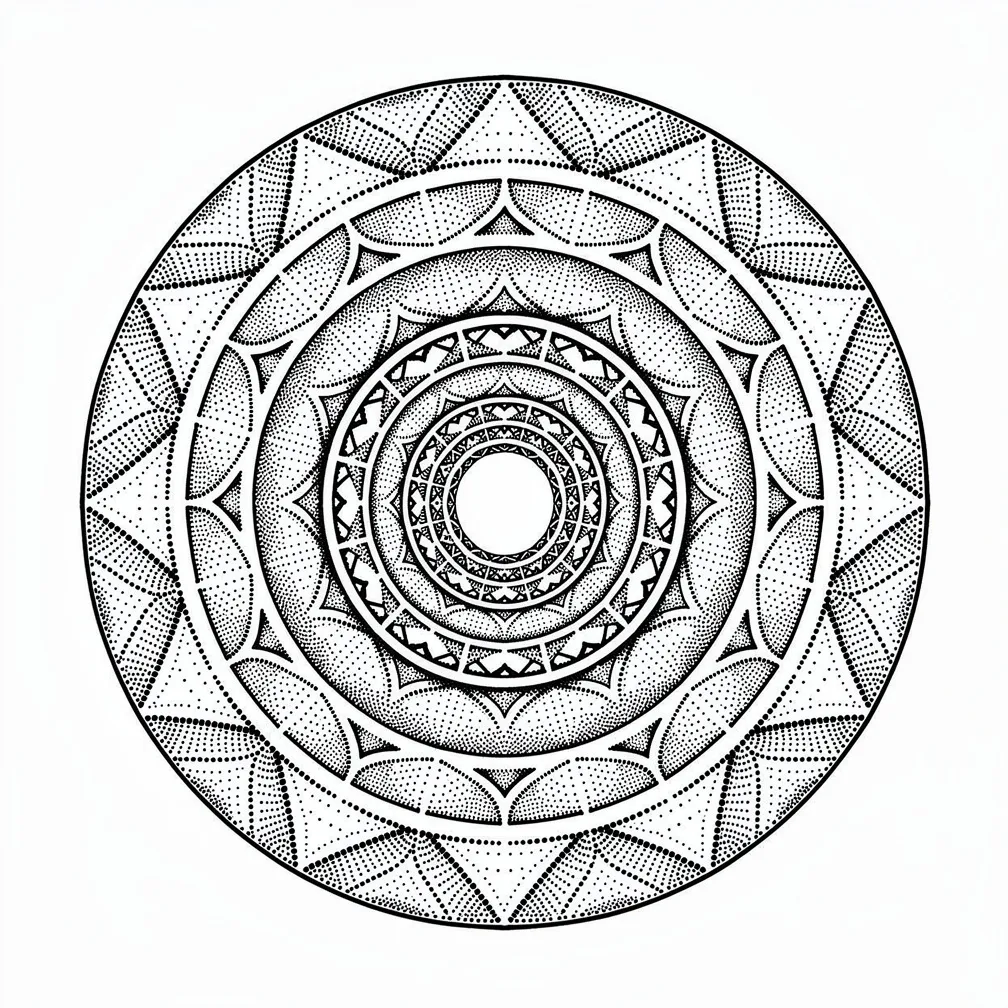
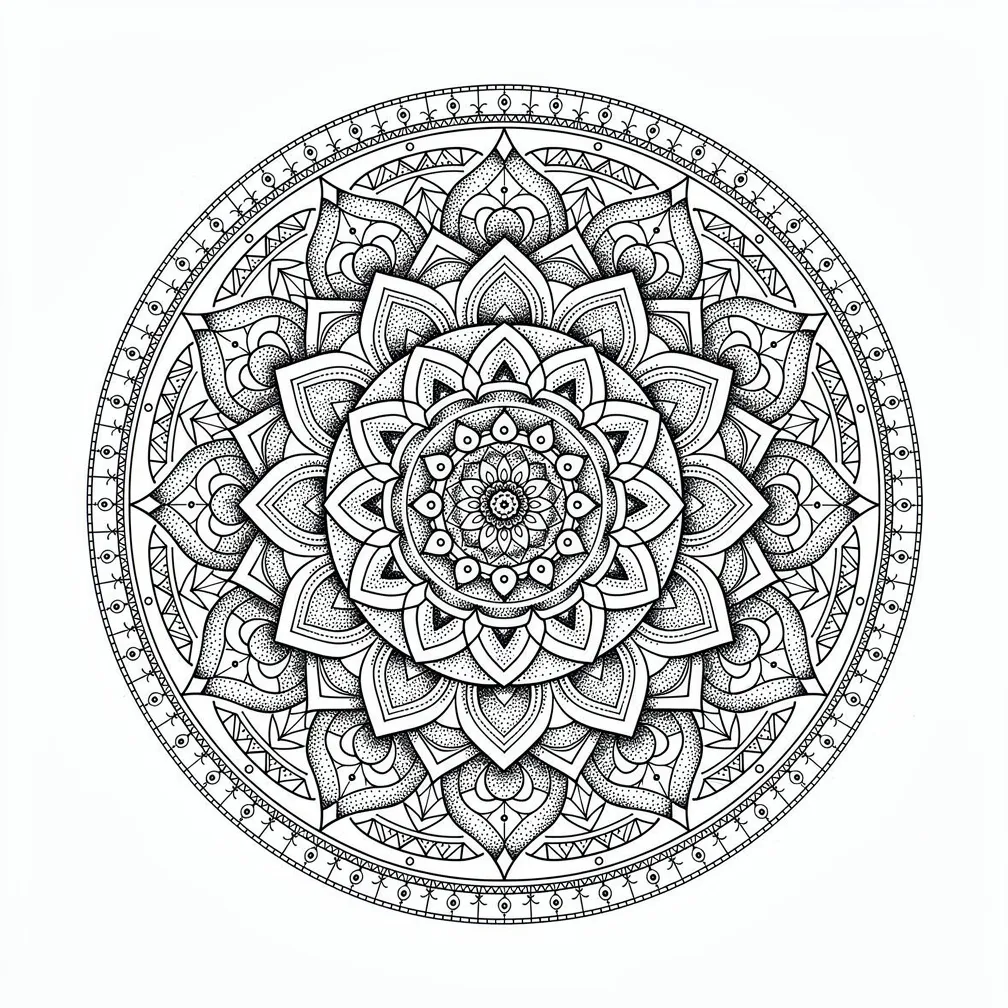
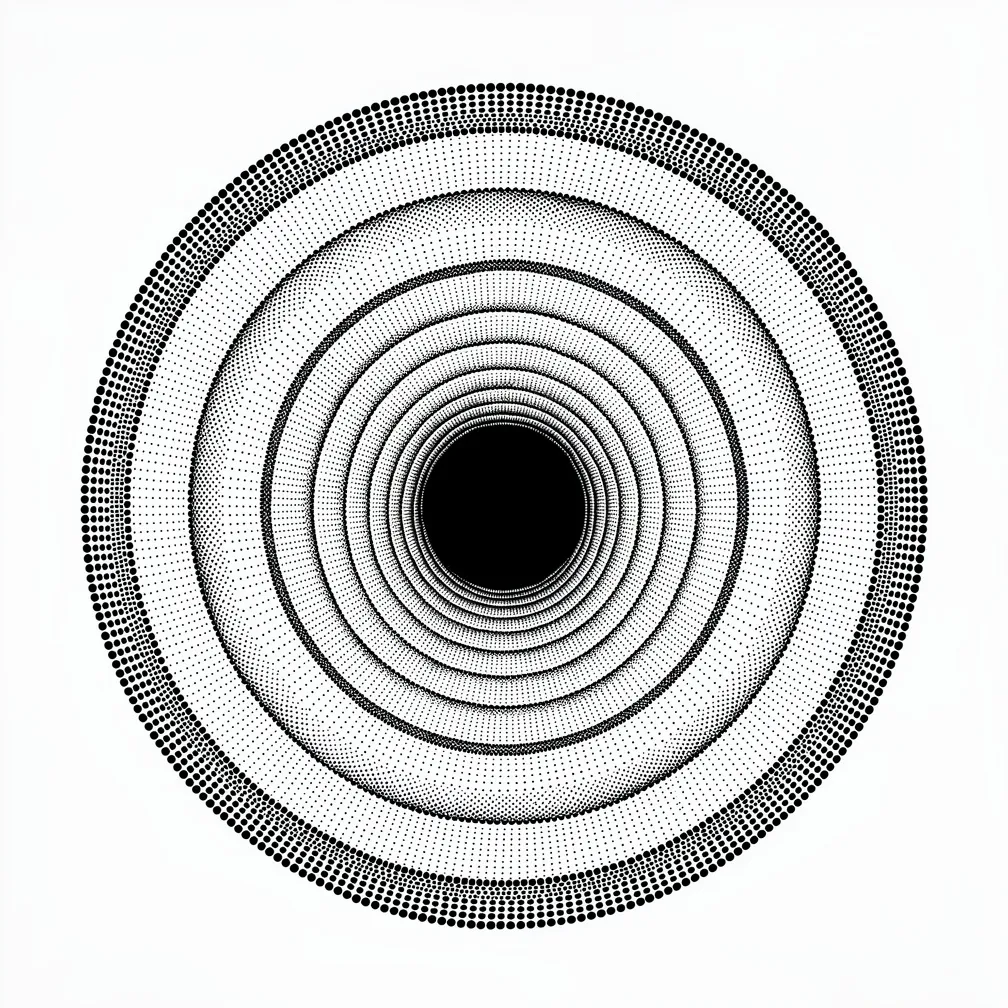
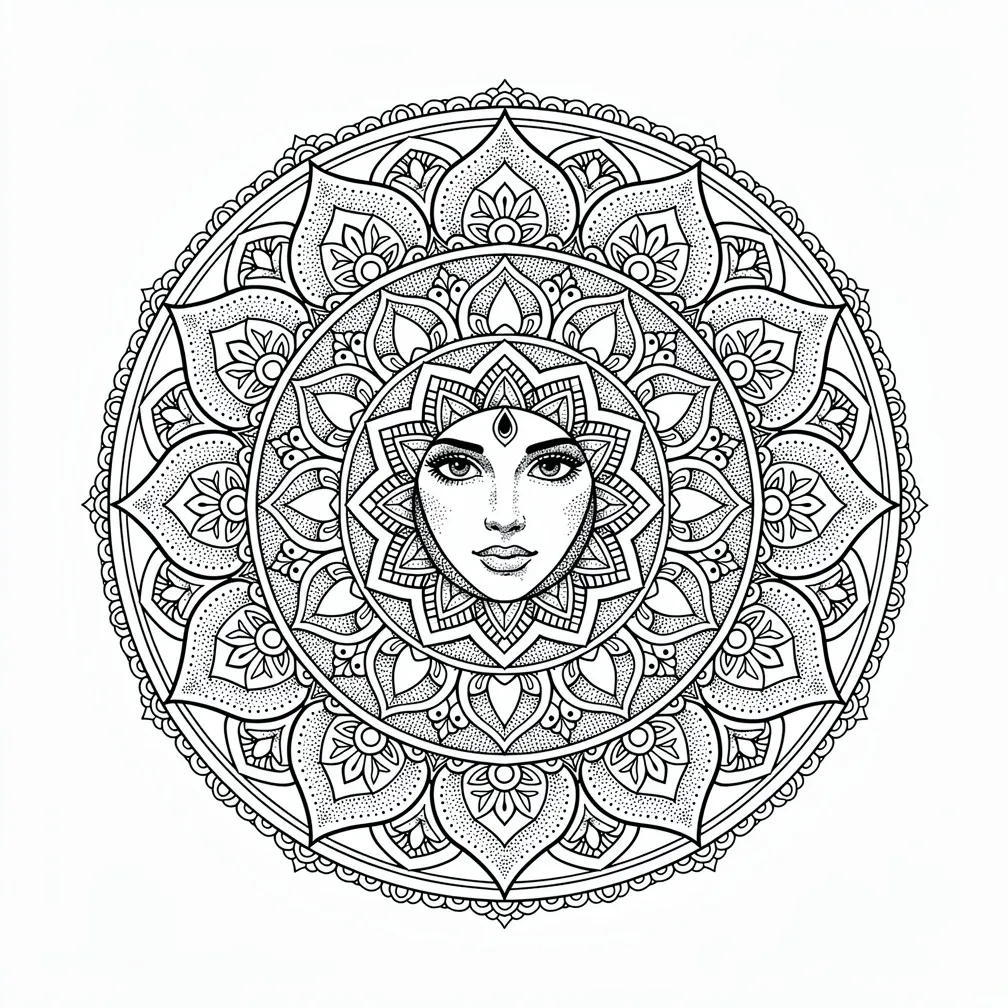
Dotwork pairs naturally with Geometric tattoos because the two have compatible visual priorities. Dotwork descends from ancient hand-poked tattooing, where dots were a natural unit of mark-making, and from the fine-art logic of pointillism and engraving stipple. Its modern machine-and-hand revival grew with contemporary blackwork and ornamental tattooing; artists such as Xed LeHead are associated with dense geometric dotwork. It is a technique-led lineage, valued for the texture and depth that only accumulated points can produce. Geometric tattoos translate the language of mathematics — polygons, tessellations, sacred geometry, grids — into skin. Where a mandala is built on radial symmetry, a Geometric piece often relies on translation and reflection: shapes that repeat sideways, lock together, or stack into three-dimensional illusions. The visual vocabulary borrows from Islamic tile work, M.C. Escher-style impossible figures, Bauhaus design, and the ancient idea that the universe is structured by hidden ratios. In modern tattooing the Geometric style emerged alongside dotwork and blackwork in the early 2000s, championed by artists who treated the body as architecture. Wearers tend to be drawn to the clarity of the form — there is no soft narrative, just structure — and to the way a well-built geometric piece can wrap a limb like patterned cloth. Done well, the design rewards close inspection: lines that looked simple from across the room reveal nested triangles, gradients of stippling, and quietly broken symmetries that keep the eye moving. Put together, a Dotwork Geometric tattoo gives you the visual language of one and the emotional intent of the other — a design that reads at a glance and still carries meaning up close.
About Dotwork tattoos
Dotwork descends from ancient hand-poked tattooing, where dots were a natural unit of mark-making, and from the fine-art logic of pointillism and engraving stipple. Its modern machine-and-hand revival grew with contemporary blackwork and ornamental tattooing; artists such as Xed LeHead are associated with dense geometric dotwork. It is a technique-led lineage, valued for the texture and depth that only accumulated points can produce.
About Geometric tattoos
Geometric tattoos translate the language of mathematics — polygons, tessellations, sacred geometry, grids — into skin. Where a mandala is built on radial symmetry, a Geometric piece often relies on translation and reflection: shapes that repeat sideways, lock together, or stack into three-dimensional illusions. The visual vocabulary borrows from Islamic tile work, M.C. Escher-style impossible figures, Bauhaus design, and the ancient idea that the universe is structured by hidden ratios. In modern tattooing the Geometric style emerged alongside dotwork and blackwork in the early 2000s, championed by artists who treated the body as architecture. Wearers tend to be drawn to the clarity of the form — there is no soft narrative, just structure — and to the way a well-built geometric piece can wrap a limb like patterned cloth. Done well, the design rewards close inspection: lines that looked simple from across the room reveal nested triangles, gradients of stippling, and quietly broken symmetries that keep the eye moving.
AI prompt ideas for Geometric Dotwork tattoos
- “Dotwork: Nested hexagons forming a hollow sphere, fine line, no colour, forearm placement”
- “Dotwork: Tessellating triangles cascading down the bicep, blackwork fills alternating with negative space”
- “Dotwork: Sacred-geometry flower of life overlaid on a dotwork gradient circle”
- “Dotwork: Impossible cube with woven internal lines, crisp geometric linework only”
- “Dotwork: Ornamental geometric band around the upper arm with small dotwork accents”
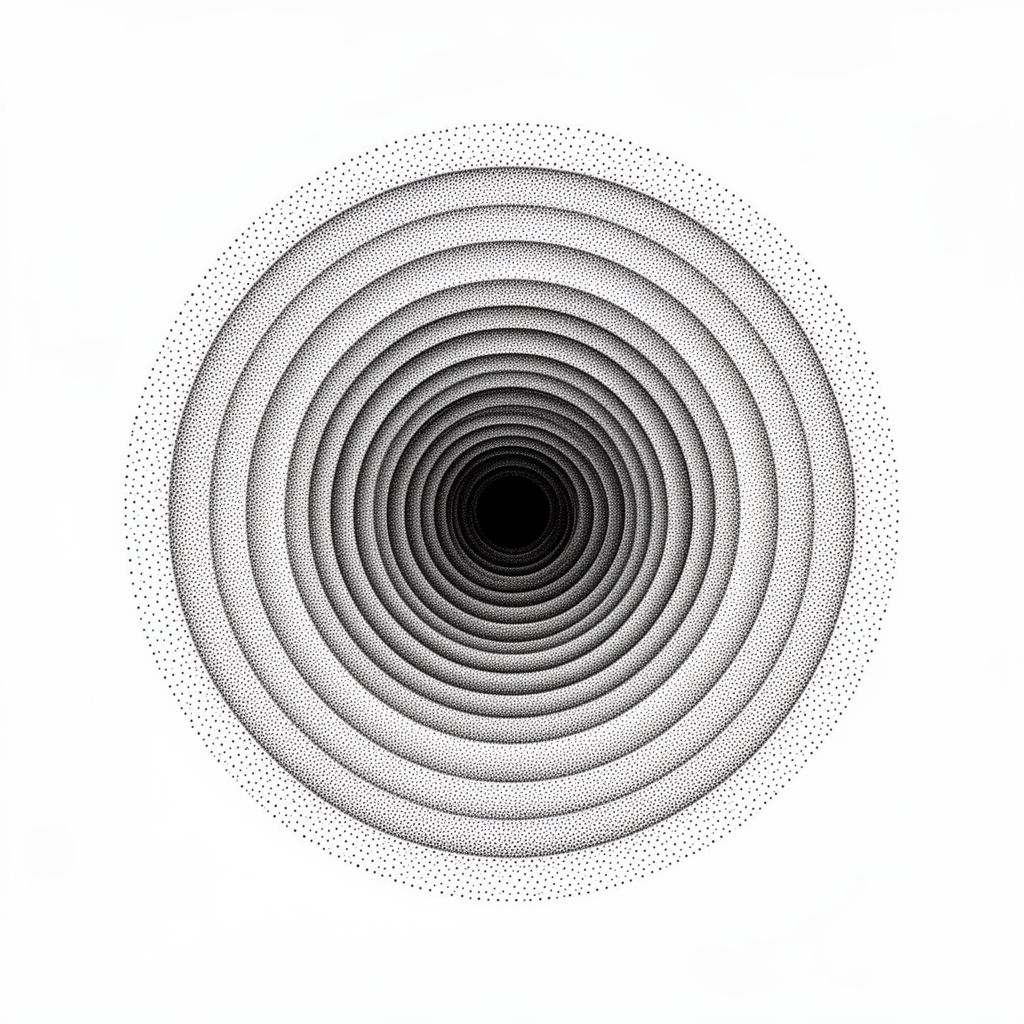
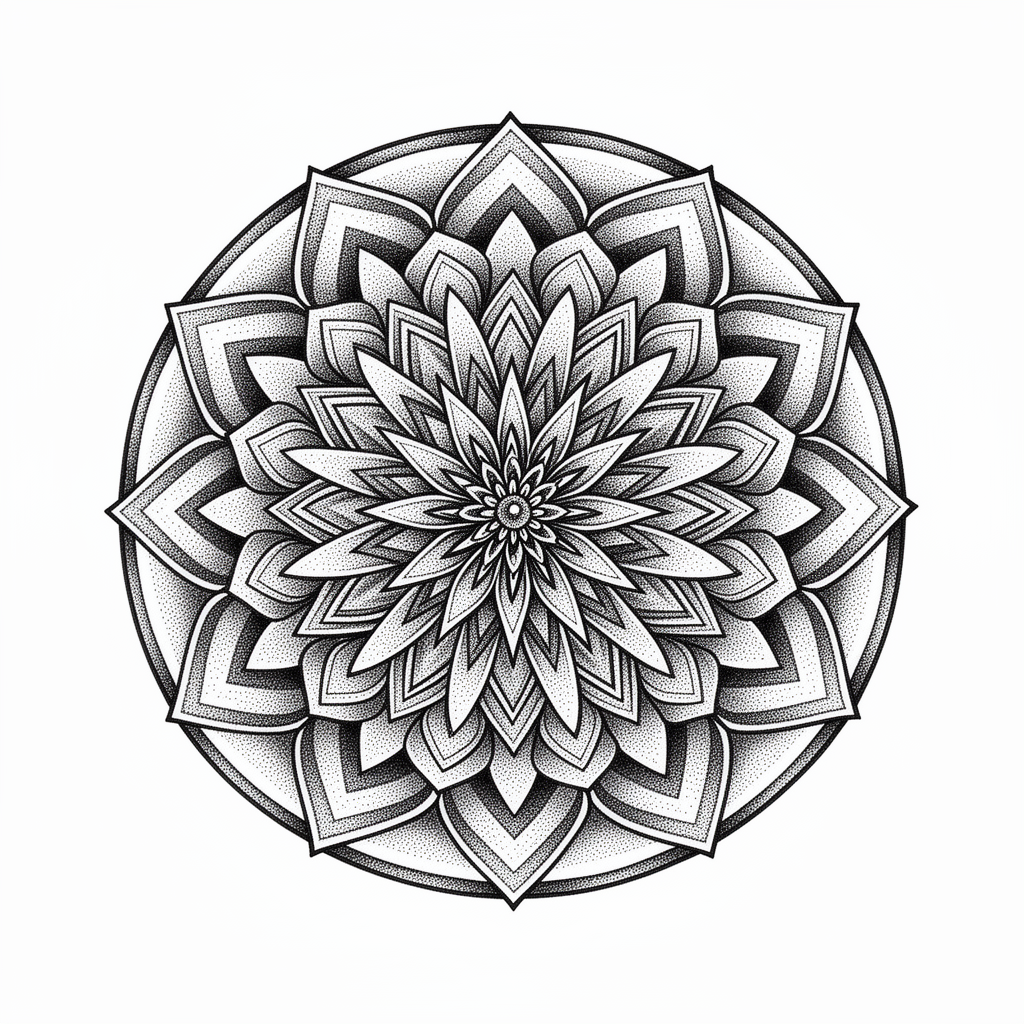
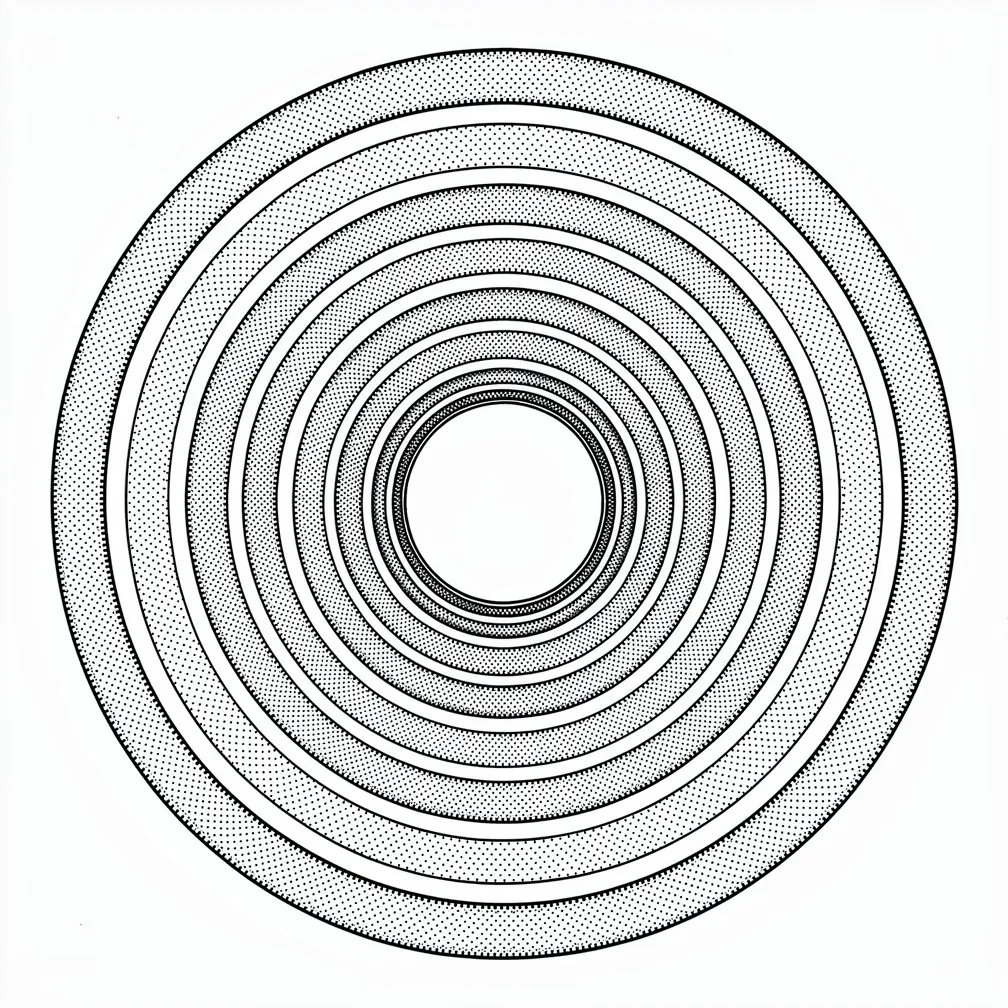
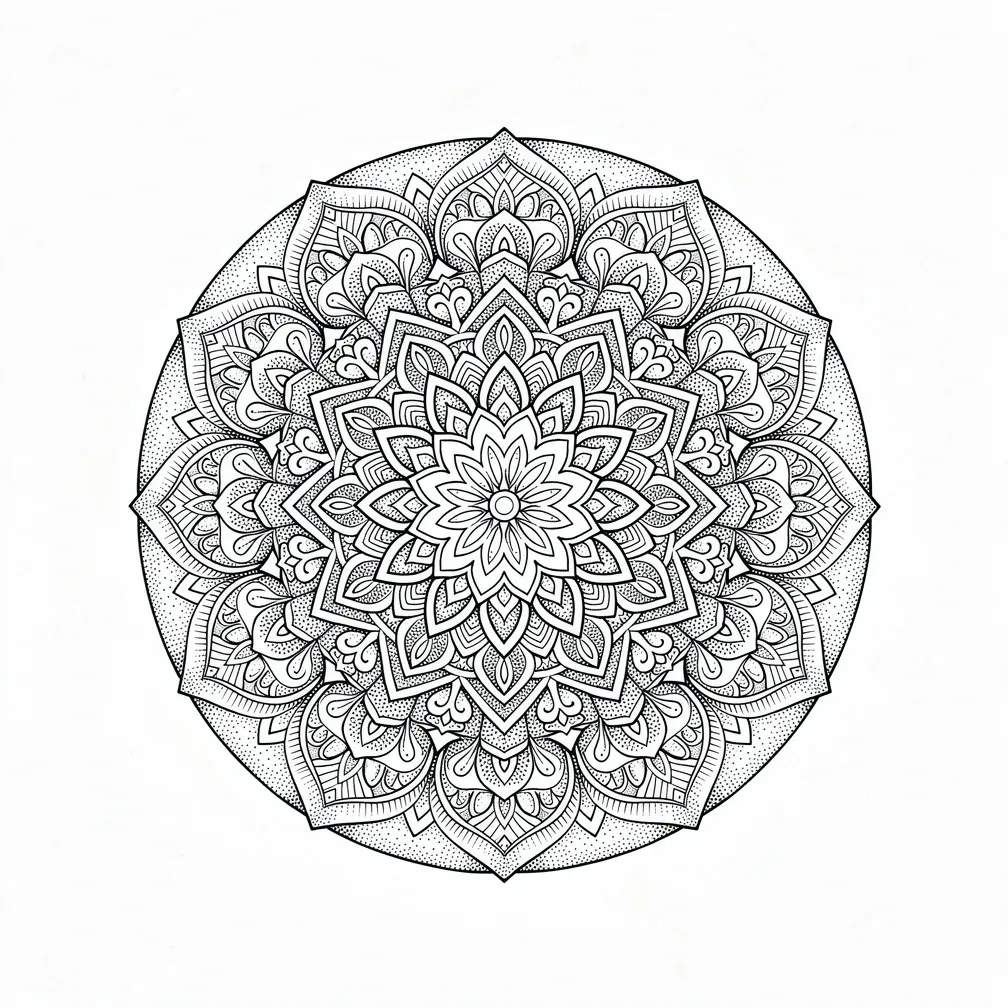
Geometric Dotwork designs from the community

Related combos
Other Dotwork ideas
Other Geometric styles
Geometric Dotwork questions
- What is a Geometric tattoo?
- For a Dotwork Geometric tattoo specifically: A geometric tattoo uses precise shapes, angles, grids, and tessellations as its primary visual language. It is structure-first art on skin — no soft scenes, just deliberate form.
- Who is a Geometric tattoo good for?
- It suits people drawn to order, mathematics, architecture, or minimalist design, and anyone who wants a piece that reads as decorative pattern rather than literal imagery.
- What styles work best for a Geometric tattoo?
- Pure geometric linework is the foundation, with dotwork adding stippled shading, blackwork providing bold contrast, and ornamental work supplying decorative framing around the structural core.
- What size and placement work best?
- Forearms, calves, and back panels suit larger geometric compositions because flat or gently curved skin keeps lines true. Smaller pieces work on the inner arm or sternum but need an artist comfortable with very fine, precise lines.
- Any aftercare specific to a Geometric tattoo?
- Fine straight lines are the most punishing place for healing to go wrong — a single scab pulled at the wrong angle can blur a line. Keep the area gently moisturised, no scratching, and out of direct sun for several weeks.
- Is a Geometric tattoo a good first tattoo?
- A small, simple geometric piece can be a good first tattoo. Avoid starting with a huge interlocking pattern, since any mismatched line will haunt you — build complexity over multiple sessions instead.