Tattoo Ideas
Geometric Tattoo Ideas
A practical guide to Geometric tattoos: what they mean, who they suit, the styles that work, real community designs and AI prompts you can use right now to generate your own.
About Geometric tattoos
Geometric tattoos translate the language of mathematics — polygons, tessellations, sacred geometry, grids — into skin. Where a mandala is built on radial symmetry, a Geometric piece often relies on translation and reflection: shapes that repeat sideways, lock together, or stack into three-dimensional illusions. The visual vocabulary borrows from Islamic tile work, M.C. Escher-style impossible figures, Bauhaus design, and the ancient idea that the universe is structured by hidden ratios. In modern tattooing the Geometric style emerged alongside dotwork and blackwork in the early 2000s, championed by artists who treated the body as architecture. Wearers tend to be drawn to the clarity of the form — there is no soft narrative, just structure — and to the way a well-built geometric piece can wrap a limb like patterned cloth. Done well, the design rewards close inspection: lines that looked simple from across the room reveal nested triangles, gradients of stippling, and quietly broken symmetries that keep the eye moving.
What makes a great Geometric tattoo
Crisp linework is everything. A great Geometric tattoo has parallel lines that genuinely run parallel, angles that land where they should, and consistent spacing between repeating elements — the kind of accuracy that requires a steady hand and proper stencilling. Choose an artist whose healed portfolio shows that the geometry has held up; fresh photos hide a lot. Think about how the design interacts with the curves of the body, because flat geometry on a rounded limb can warp unflatteringly if the layout was not adjusted for anatomy. Restraint helps — leave breathing space rather than filling every gap.
Styles that work well for Geometric
Pure geometric tattooing is its own discipline, but it pairs naturally with adjacent styles. Dotwork softens hard edges with stippled shading inside polygons, giving a piece depth without heavy black. Blackwork pushes the opposite direction, using solid fills to make the geometry feel sculptural and bold from a distance. Ornamental work adds decorative flourishes around a geometric core — small jewels, fine filigree, hanging chains — turning structure into adornment. Combining clean line geometry with dotwork shading is the most enduring formula, because it ages legibly even as fine lines soften.
At a glance
| Placement | Forearm, Shoulder, Calf |
|---|---|
| Size | Medium |
| Recommended styles | Geometric, Dotwork, Blackwork, Ornamental |
AI prompt ideas for Geometric tattoos
- “Nested hexagons forming a hollow sphere, fine line, no colour, forearm placement”
- “Tessellating triangles cascading down the bicep, blackwork fills alternating with negative space”
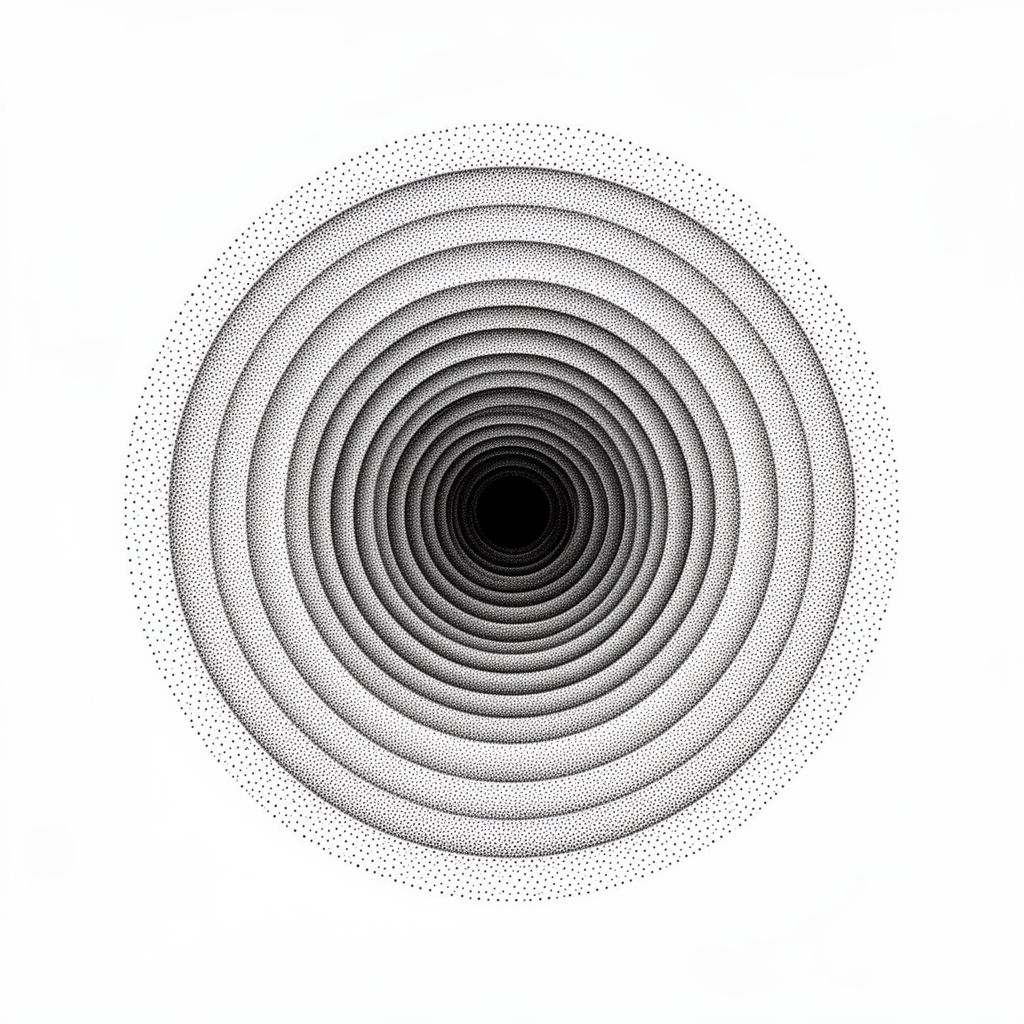
- “Sacred-geometry flower of life overlaid on a dotwork gradient circle”
- “Impossible cube with woven internal lines, crisp geometric linework only”
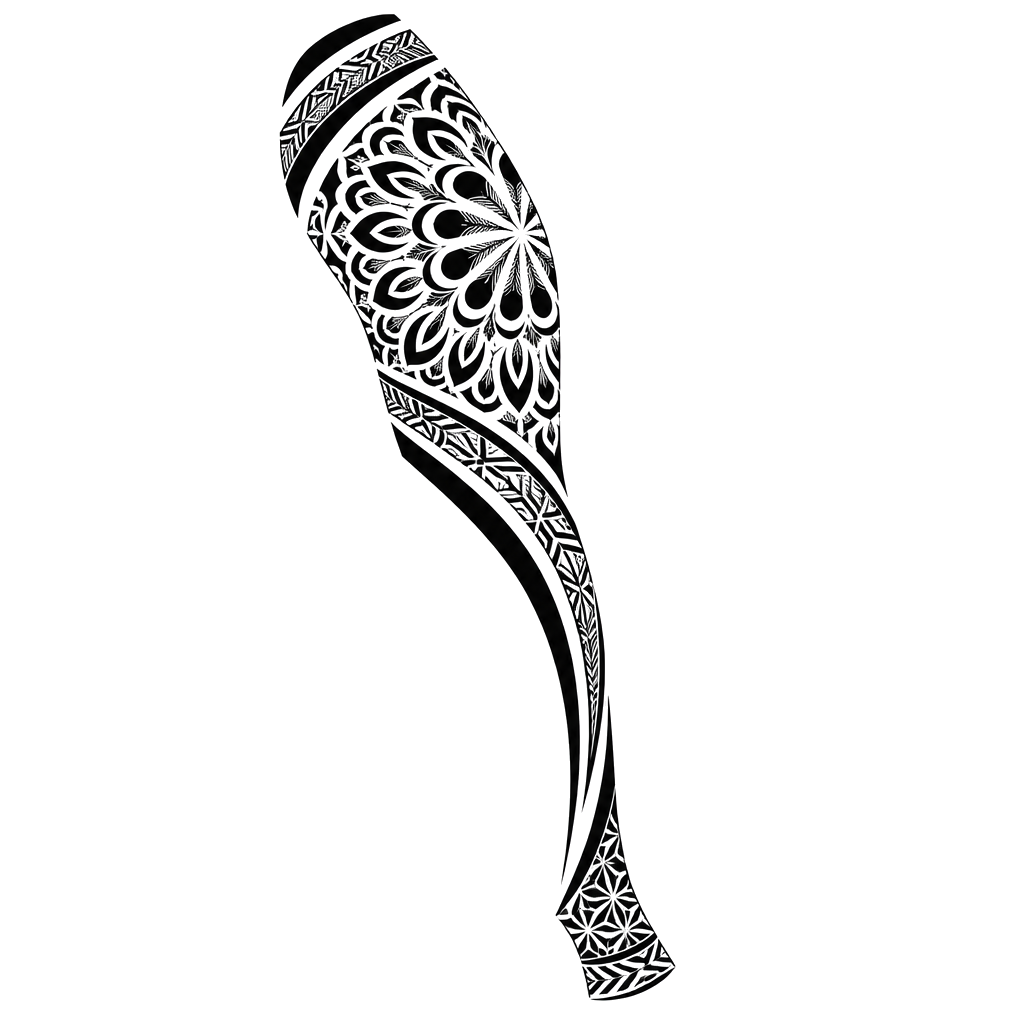
- “Ornamental geometric band around the upper arm with small dotwork accents”
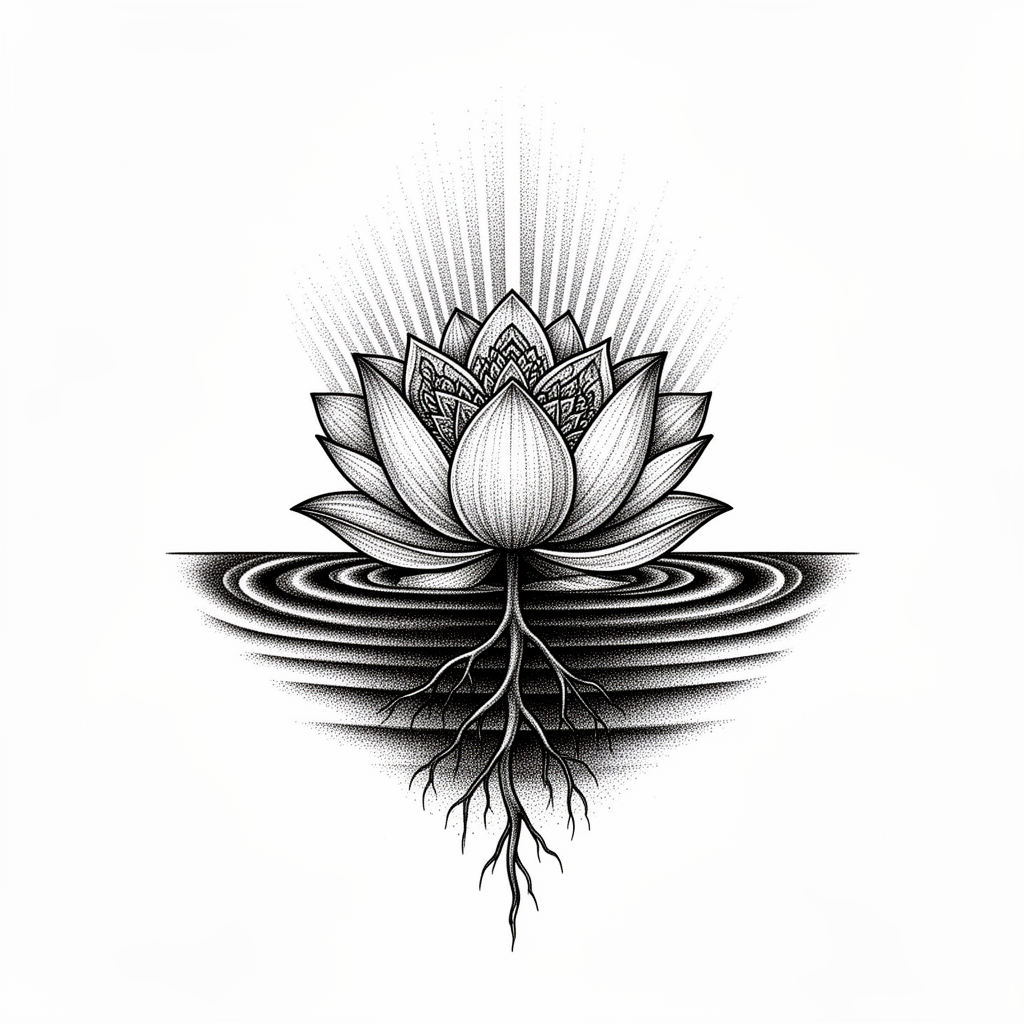
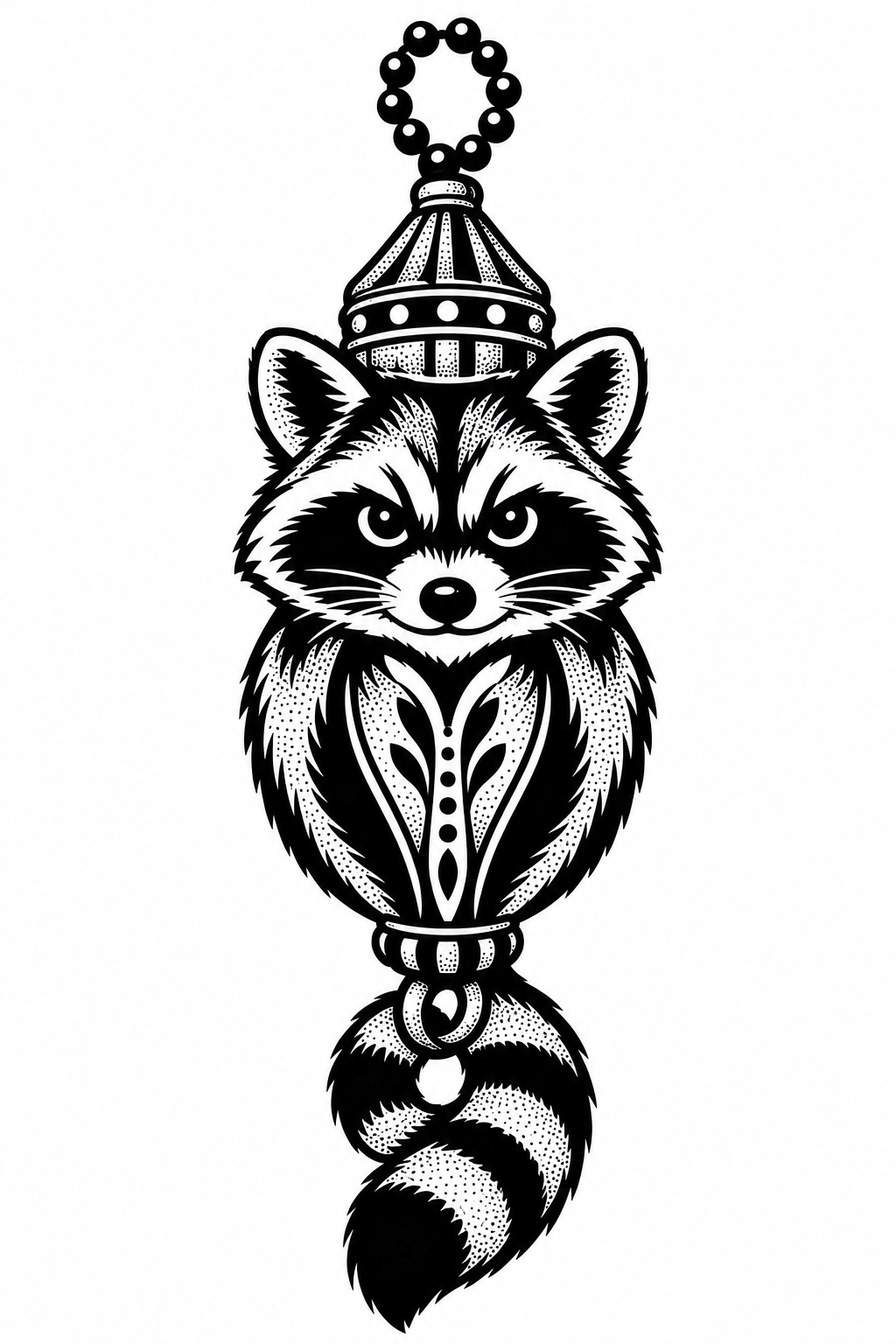
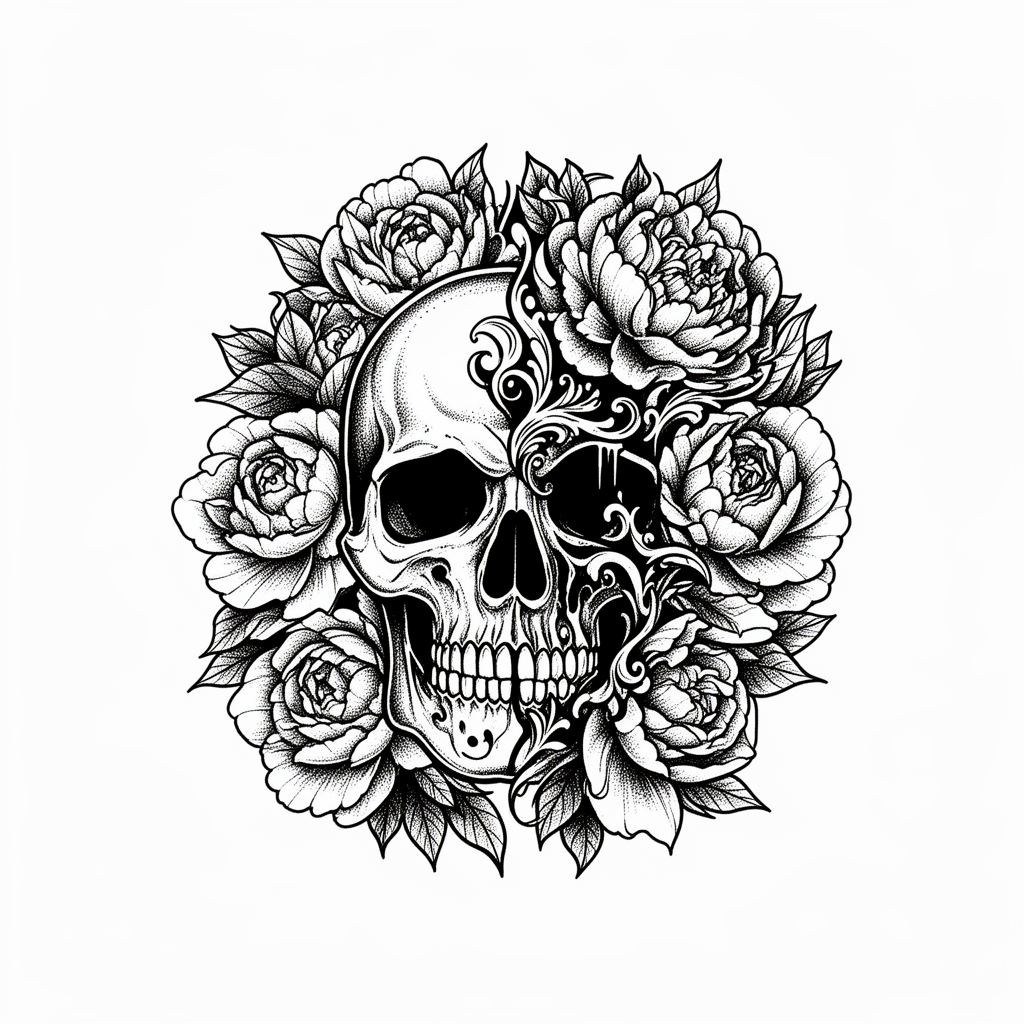
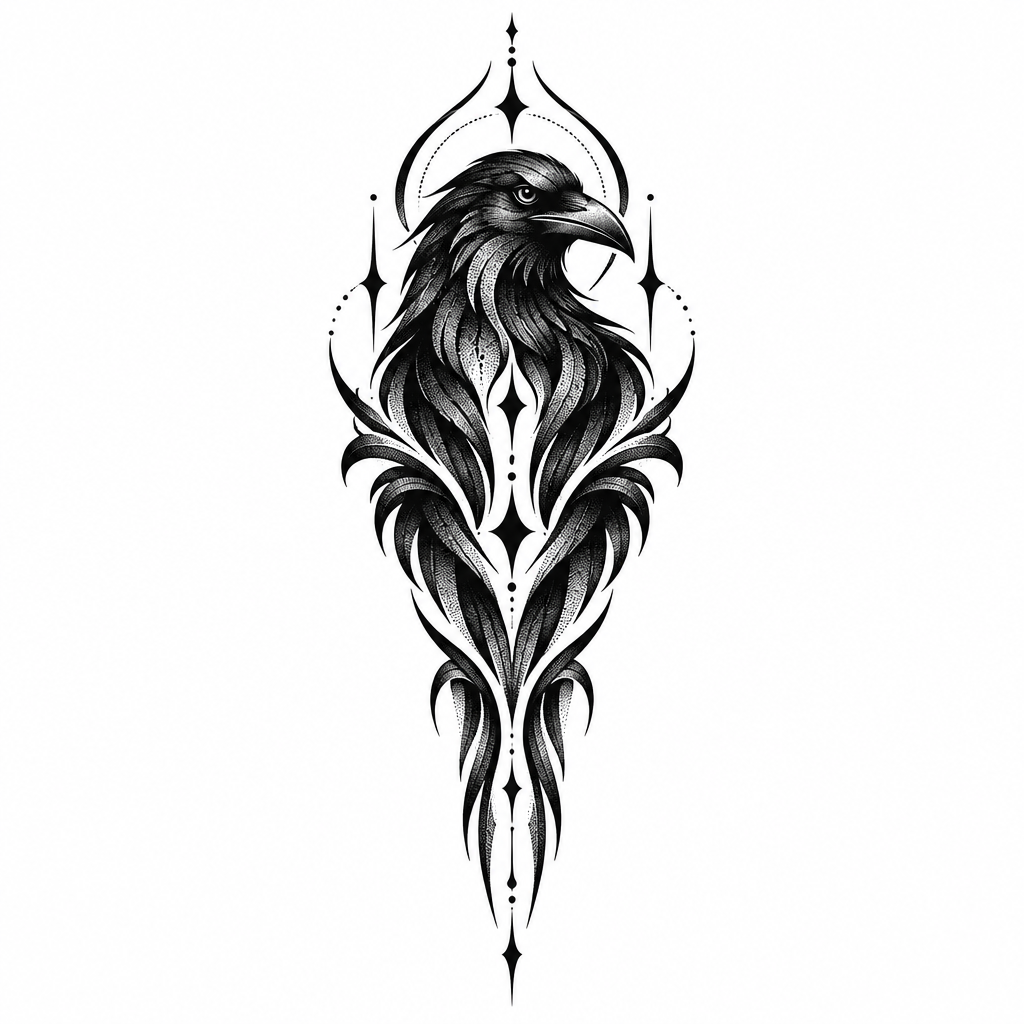
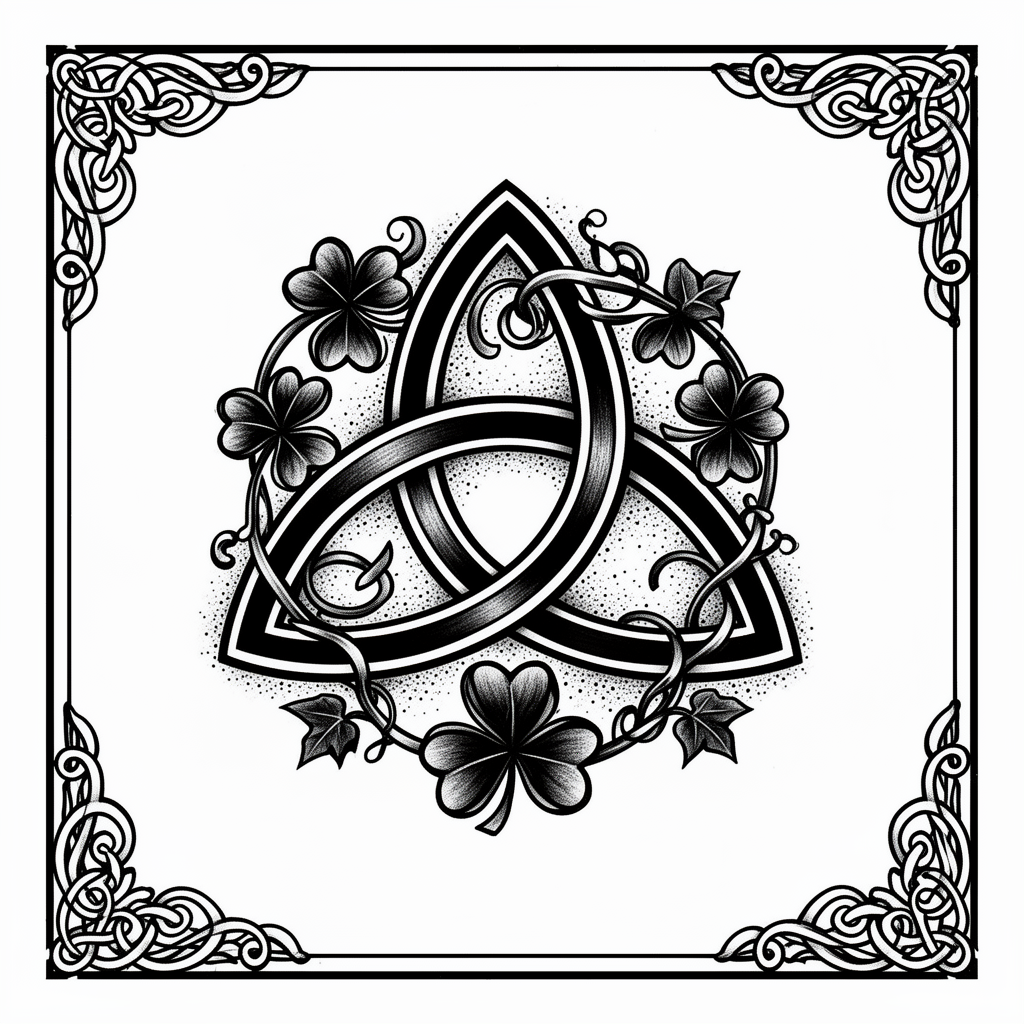
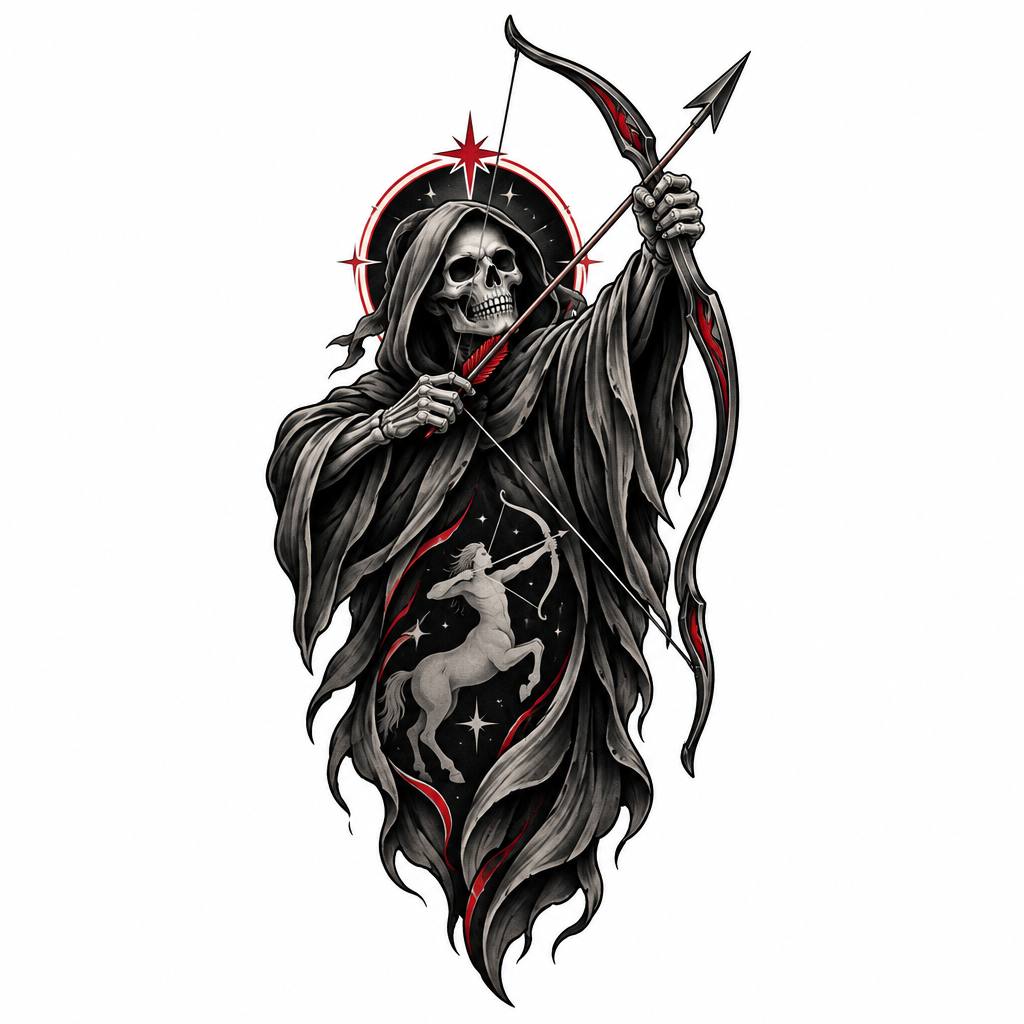
Geometric designs from the community
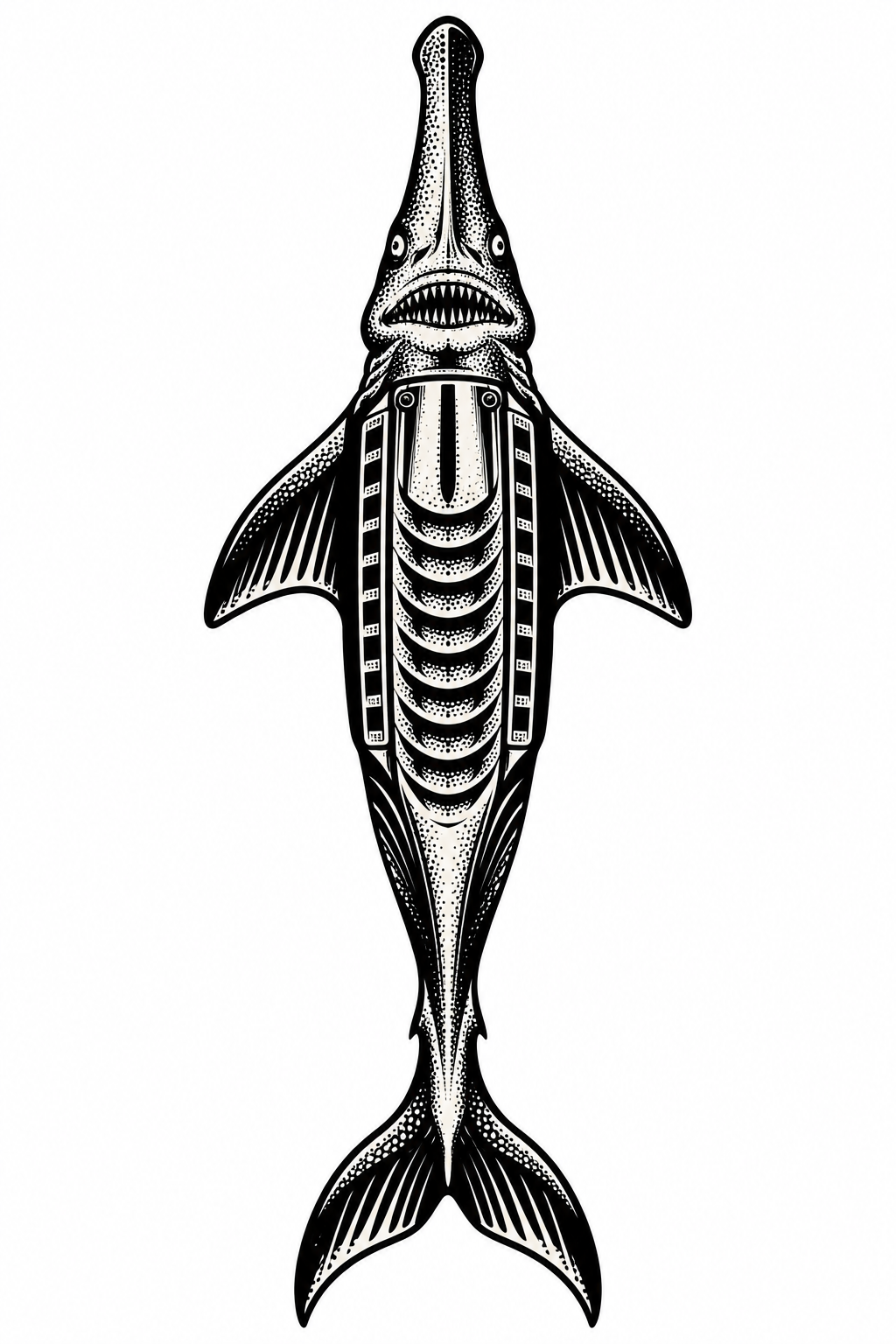
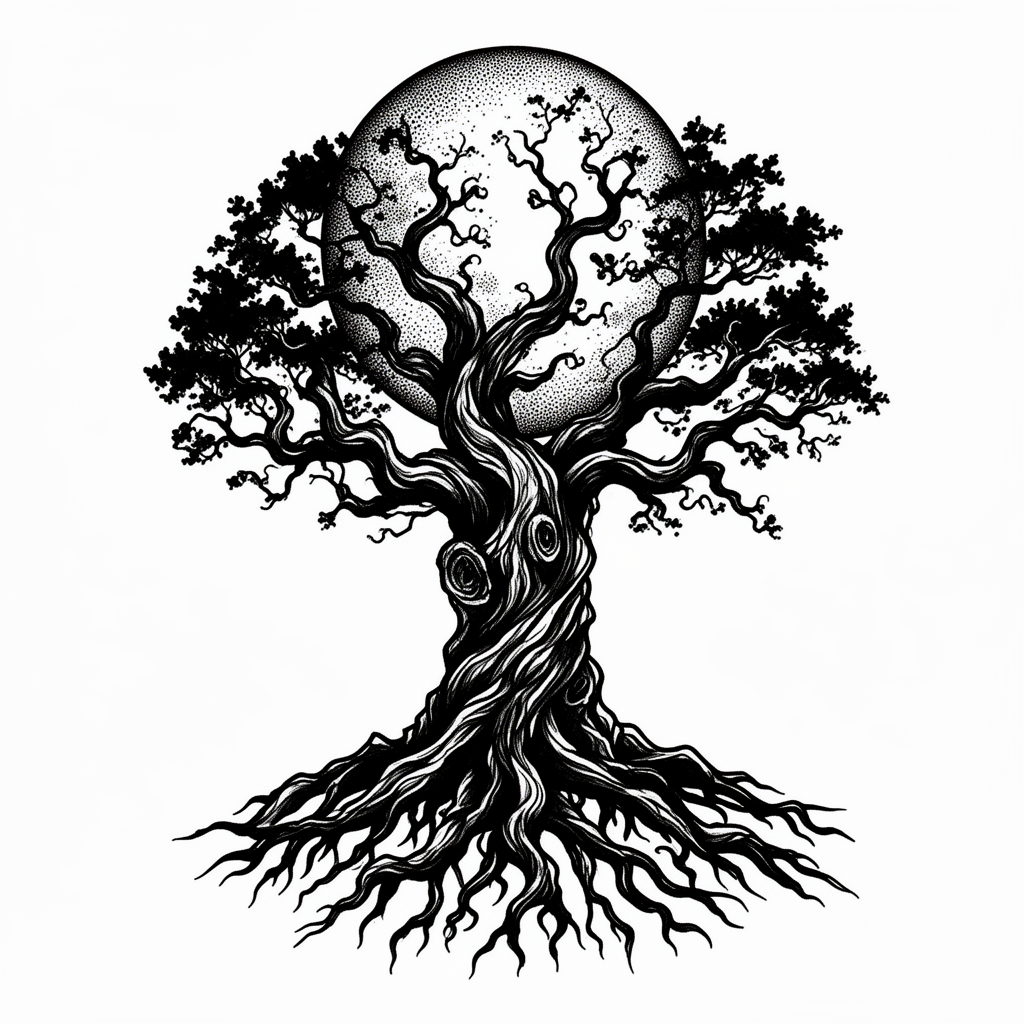
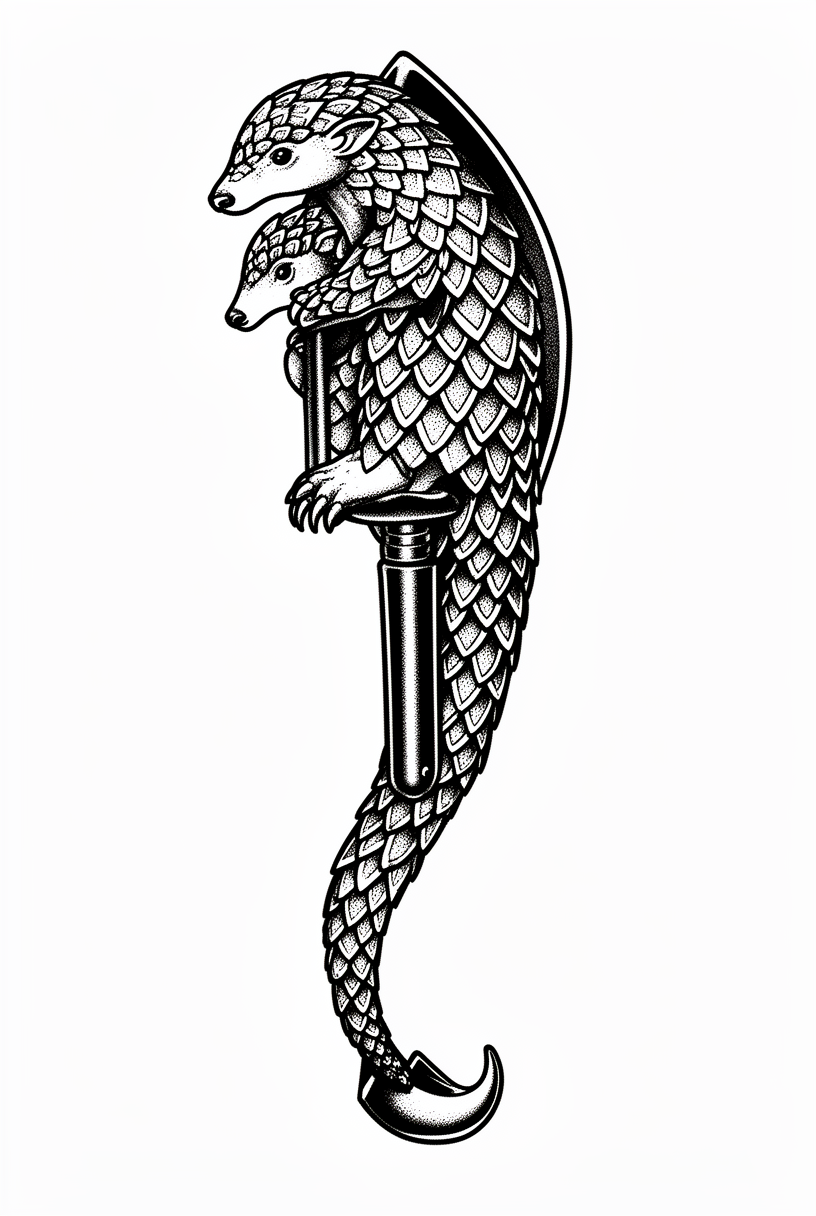
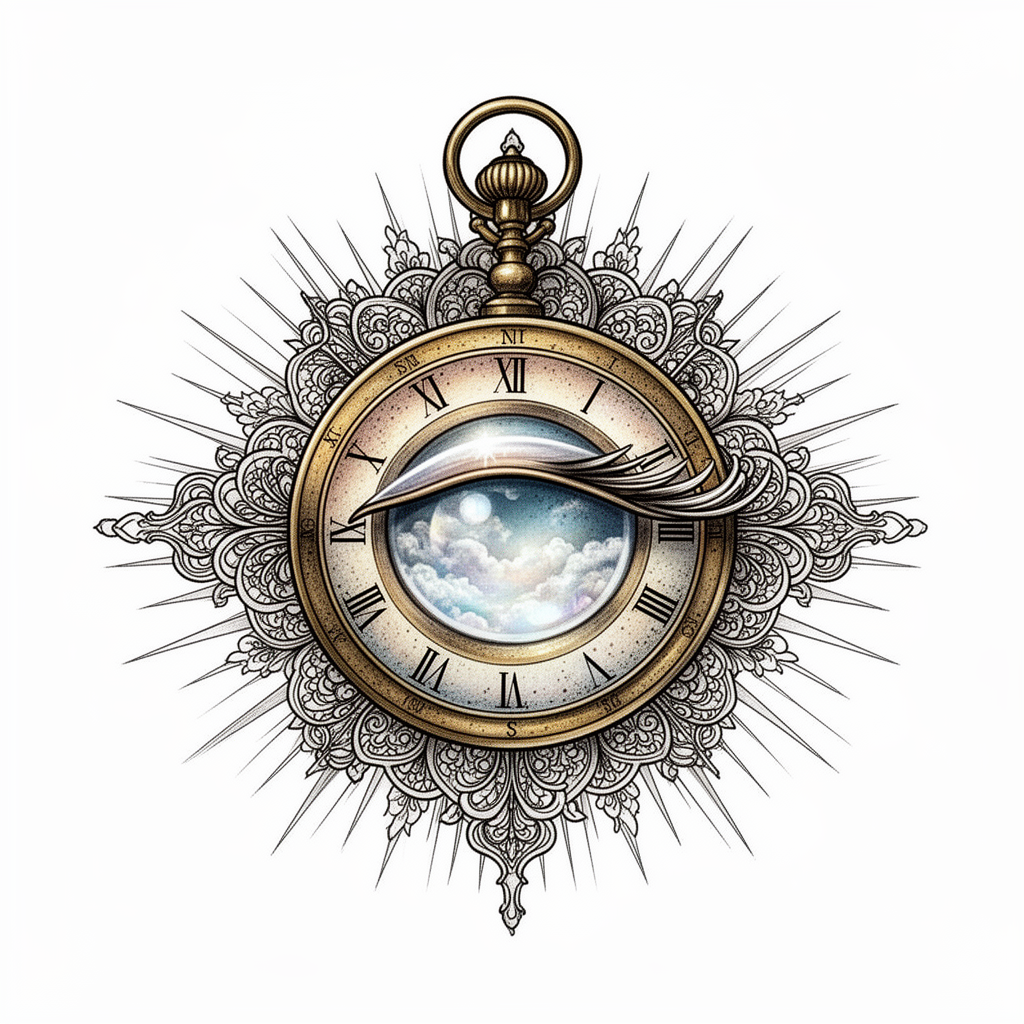
Related ideas
Geometric tattoo FAQ
- What defines a Geometric tattoo?
- A geometric tattoo uses precise shapes, angles, grids, and tessellations as its primary visual language. It is structure-first art on skin — no soft scenes, just deliberate form.
- Who is drawn to a Geometric tattoo?
- It suits people drawn to order, mathematics, architecture, or minimalist design, and anyone who wants a piece that reads as decorative pattern rather than literal imagery.
- Which styles bring a Geometric tattoo to life?
- Pure geometric linework is the foundation, with dotwork adding stippled shading, blackwork providing bold contrast, and ornamental work supplying decorative framing around the structural core.
- What size and placement work for a Geometric tattoo?
- Forearms, calves, and back panels suit larger geometric compositions because flat or gently curved skin keeps lines true. Smaller pieces work on the inner arm or sternum but need an artist comfortable with very fine, precise lines.
- Does a Geometric tattoo need particular aftercare?
- Fine straight lines are the most punishing place for healing to go wrong — a single scab pulled at the wrong angle can blur a line. Keep the area gently moisturised, no scratching, and out of direct sun for several weeks.
- Is a Geometric tattoo suitable for a first tattoo?
- A small, simple geometric piece can be a good first tattoo. Avoid starting with a huge interlocking pattern, since any mismatched line will haunt you — build complexity over multiple sessions instead.