Tattoo Ideas
Mandala Tattoo Ideas
A practical guide to Mandala tattoos: what they mean, who they suit, the styles that work, real community designs and AI prompts you can use right now to generate your own.
About Mandala tattoos
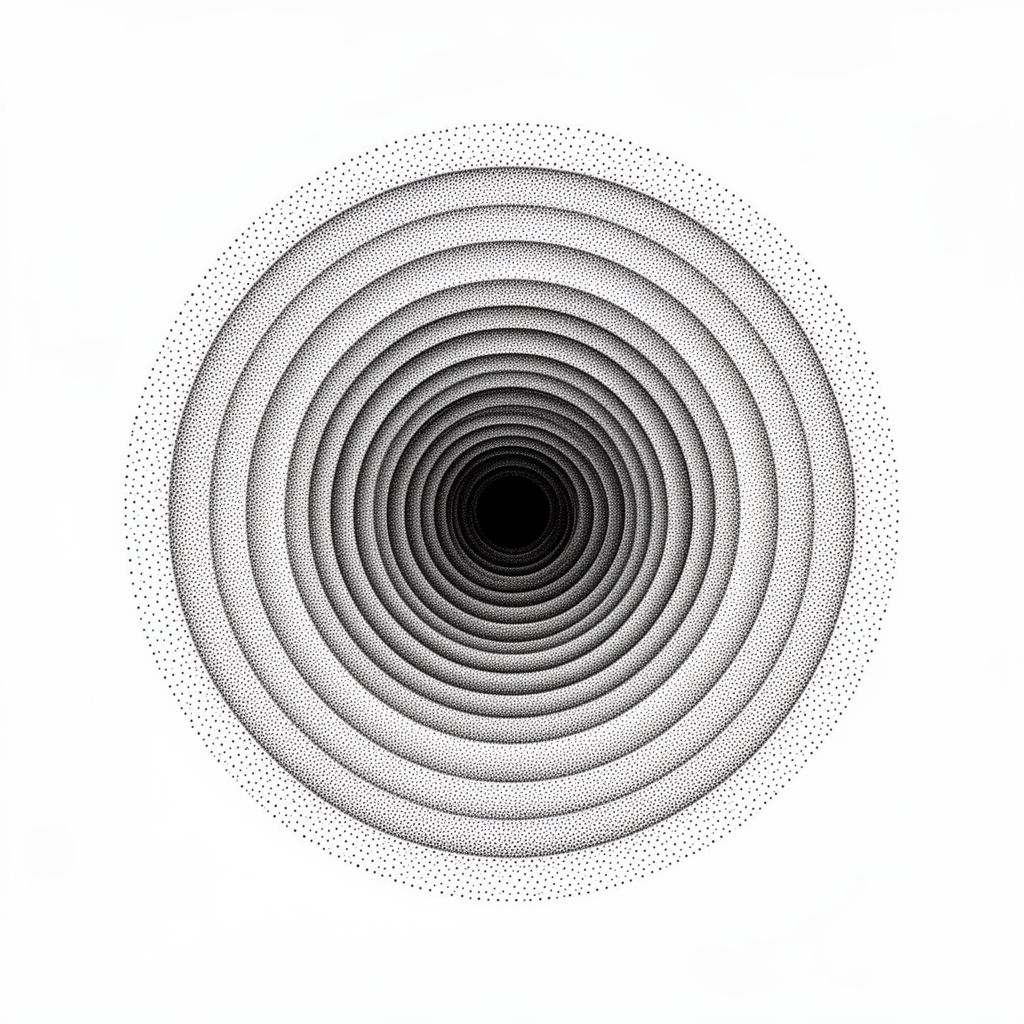
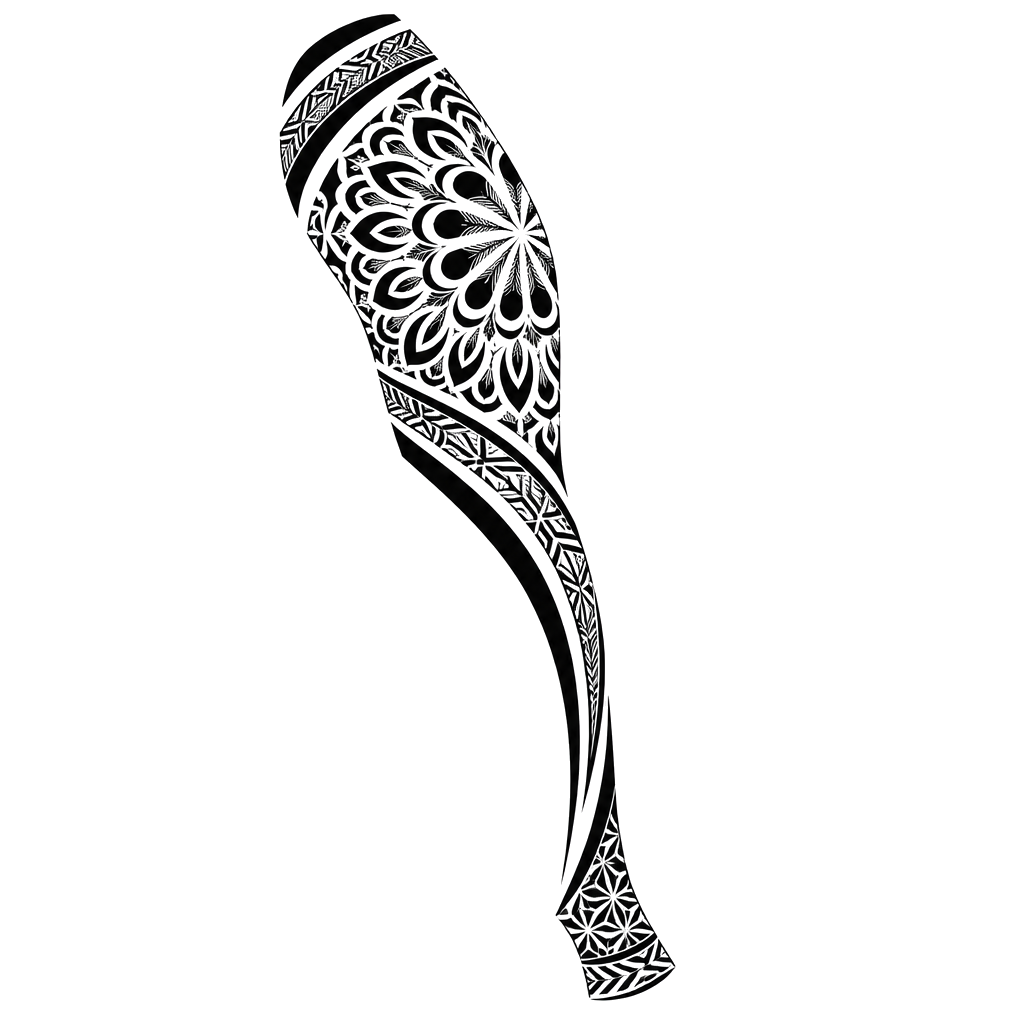
A Mandala tattoo is built around radial symmetry — a single point of focus expanding outward in concentric rings of pattern. The form has deep roots in Hindu and Buddhist contemplative art, where mandalas serve as visual aids for meditation, maps of the cosmos, and reminders of impermanence. Sand mandalas are constructed grain by grain and then deliberately swept away, which is part of why the imagery resonates as a skin marking: it is a fixed snapshot of something that, in its original form, was meant to dissolve. In contemporary tattooing the Mandala has become its own decorative language, often stripped of strict religious meaning and adopted purely for its visual order. People choose it for the calm it projects, for the meditative process of getting one (long sessions of repetitive linework), and because radial designs sit beautifully on round body parts — shoulders, knees, the centre of the back. Treat the symbolism with awareness; even when secularised, the form carries weight.
What makes a great Mandala tattoo
The defining quality of a strong Mandala is precision. Because the eye instantly catches asymmetry in a radial design, every petal, dot, and arc needs to mirror its counterpart. Look for tattooers with steady linework and a portfolio of fully healed mandalas — not just fresh ones — so you can see how the geometry holds up after the skin settles. Plan the placement around an anatomical centre point (the cap of a shoulder, the spine, the sternum) so the design has a natural focal anchor. Avoid cramming too many concentric rings into a small area; breathing room between layers is what gives a mandala its meditative quality.
Styles that work well for Mandala
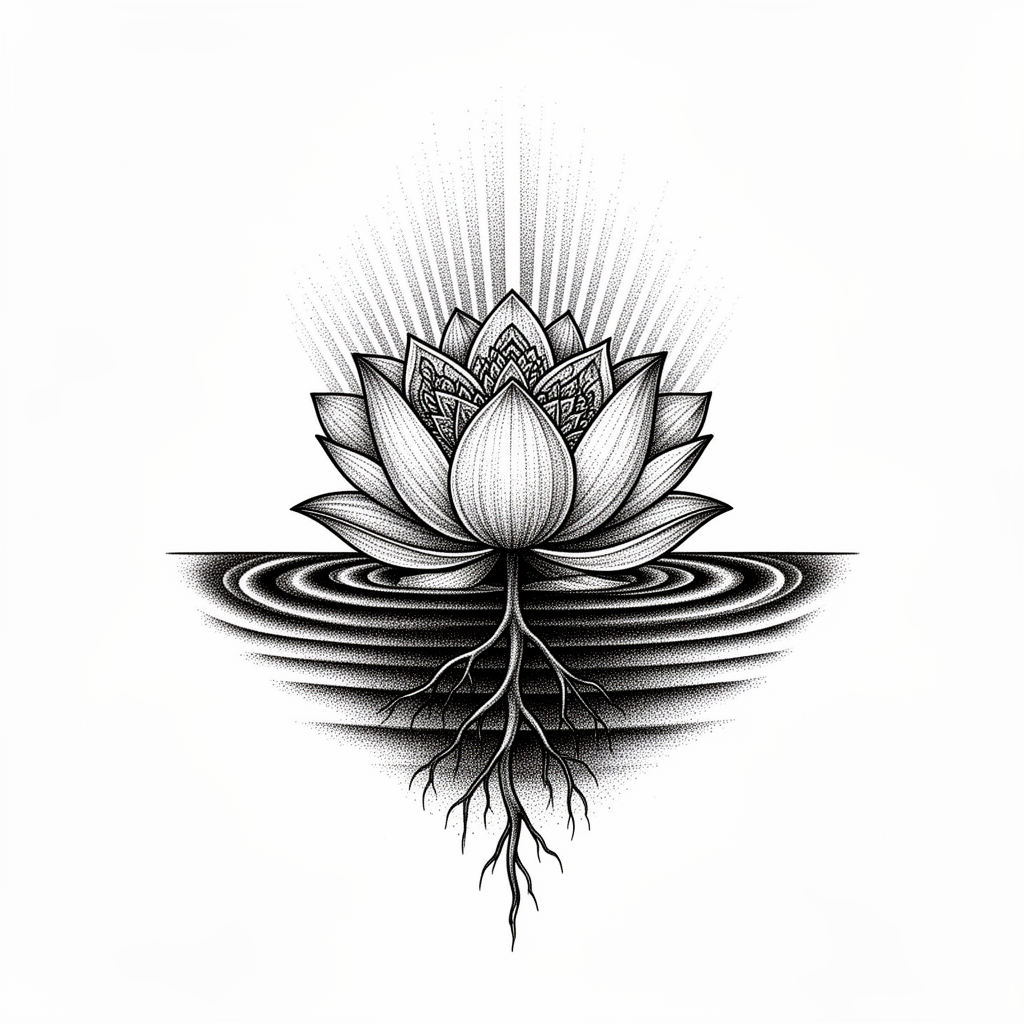
Dotwork is the signature technique — thousands of stippled dots build shading without any greywash, giving mandalas their characteristic soft texture. Ornamental tattooing extends the language outward, framing the central mandala with filigree, jewels, and decorative borders. Geometric work supplies the underlying scaffolding: clean compass-drawn arcs, polygons, and rotational grids that the artist builds patterns on top of. Blackwork provides high-contrast negative-space mandalas, where bold filled shapes carve the radial pattern out of solid ink. Most mandala pieces combine dotwork shading with geometric line construction for both crispness and depth.
At a glance
| Placement | Forearm, Shoulder, Back |
|---|---|
| Size | Medium |
| Recommended styles | Dotwork, Ornamental, Geometric, Blackwork |
AI prompt ideas for Mandala tattoos
- “Concentric dotwork mandala with eight-fold symmetry centred on the shoulder cap”
- “Geometric mandala built from interlocking hexagons, fine line, negative-space centre”
- “Ornamental mandala with hanging chains and small jewels along the lower arc”
- “Half-mandala along the collarbone, dotwork shading, no colour”
- “Lotus-centred mandala with radiating petals and a thin geometric outer ring”
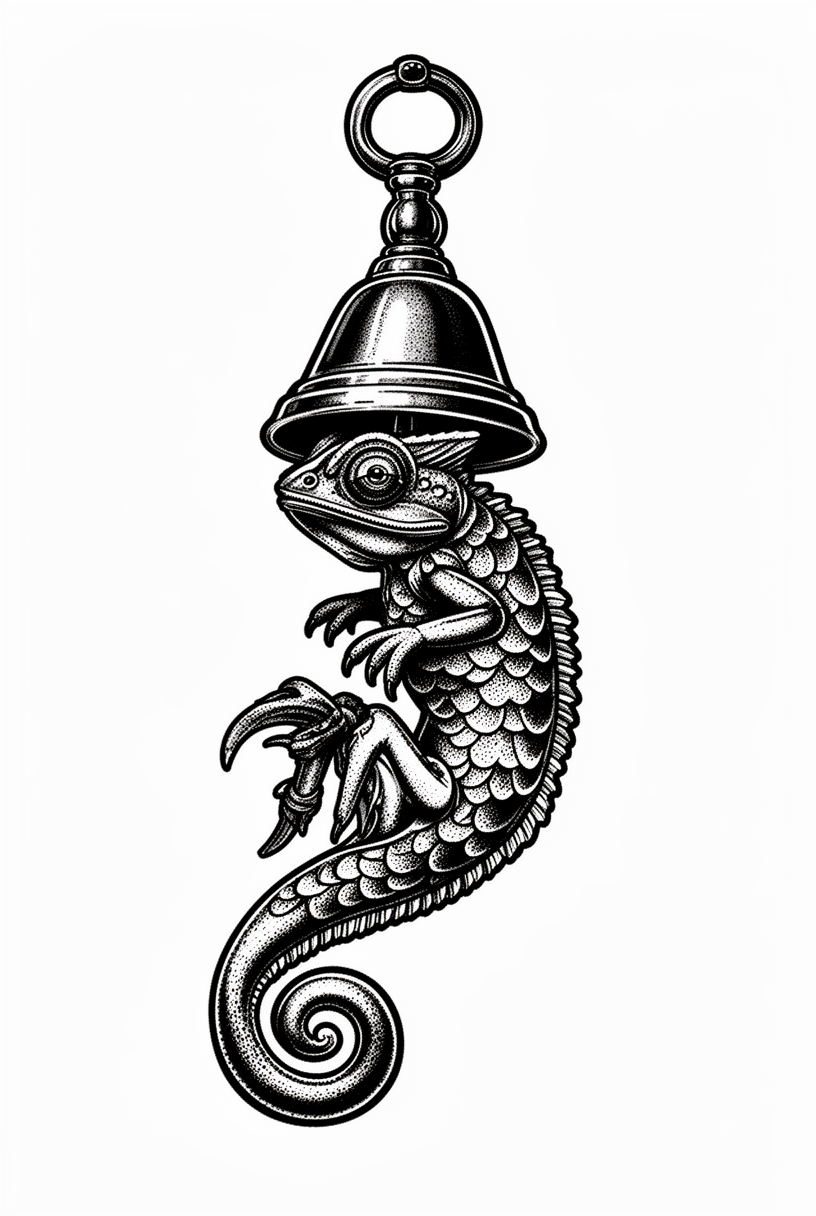
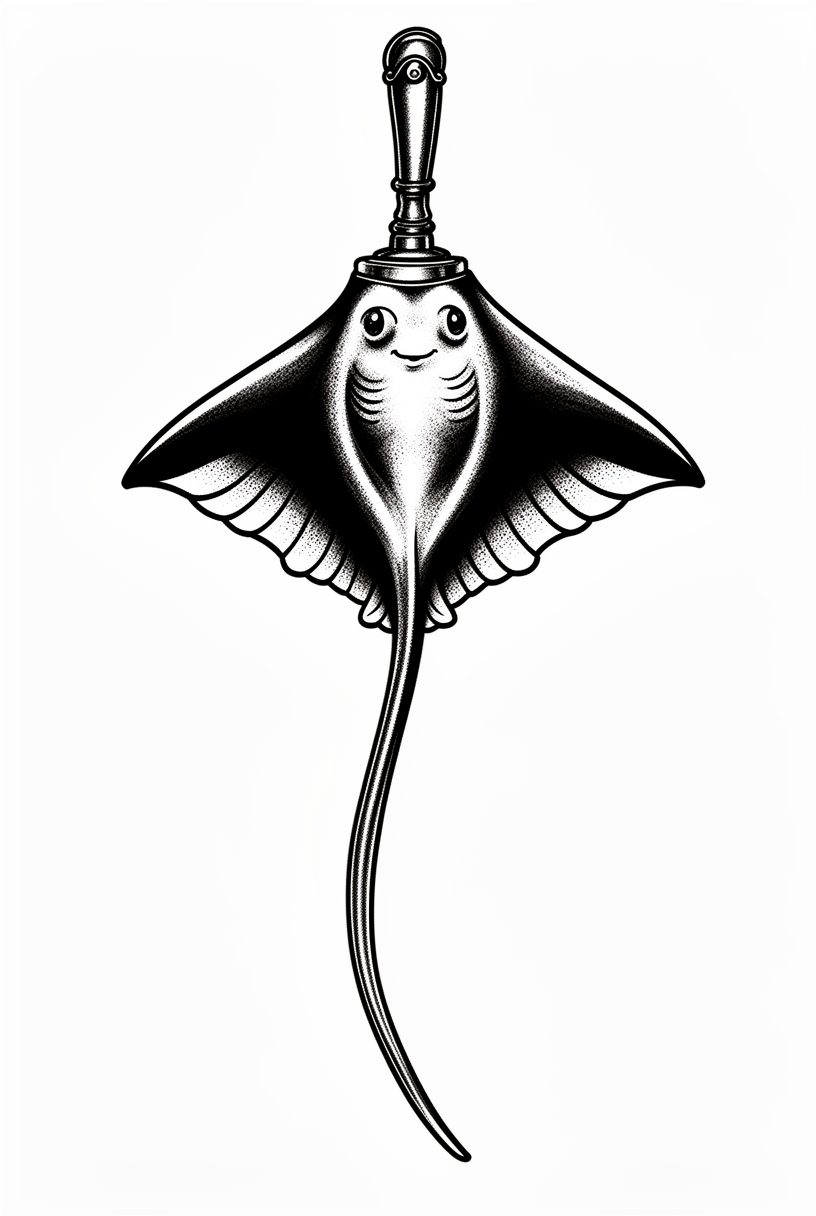
Mandala designs from the community
Related ideas
Mandala tattoo FAQ
- What defines a Mandala tattoo?
- A mandala is a radially symmetric design built around a central point, with repeating patterns expanding outward in rings. As a tattoo it functions as both decoration and a meditative focal piece.
- Who is drawn to a Mandala tattoo?
- People who appreciate order, ritual, and detailed linework, those drawn to contemplative imagery, and anyone who wants a piece that sits naturally on a rounded body area like a shoulder, knee, or chest centre.
- Which styles bring a Mandala tattoo to life?
- Dotwork and geometric linework are the core techniques, often combined. Ornamental detailing adds frames and jewellery-like flourishes, and blackwork gives high-contrast negative-space versions.
- What size and placement work for a Mandala tattoo?
- Mandalas need a centred canvas — shoulder cap, sternum, upper back, or knee work especially well. Plan for at least a palm-sized area so the geometry can breathe; very small mandalas lose their pattern as they heal.
- Does a Mandala tattoo need particular aftercare?
- Dotwork heals slowly because each dot is its own small wound, so expect a longer flaky stage. Resist scratching; rubbing off scabs unevenly can break the symmetry the design depends on. Keep the area shaded from sun for the first few weeks.
- Is a Mandala tattoo suitable for a first tattoo?
- It can be, but the long sitting time can be tough for a first session. If you commit, start with a medium-sized piece in a flatter area like the outer thigh or shoulder blade rather than a full sleeve mandala.