Tattoo Ideas
Religious Ornamental Tattoo Ideas
Why Ornamental works for Religious tattoos, with real designs and prompts.
Ornamental is on the Artisan plan and above.
Why Ornamental suits Religious tattoos
Ornamental pairs naturally with Religious tattoos because the two have compatible visual priorities. Ornamental tattooing draws on a vast cross-cultural heritage of decorative art — henna and mehndi traditions, jewellery, architectural relief, textile pattern and manuscript illumination — reinterpreted as permanent body adornment. Artists such as Coen Mitchell are associated with its refined, jewellery-like contemporary form. It is a synthesis of global ornamental craft rather than a single tradition, unified by the idea that pattern itself is enough. Faith and ink have a complicated, ancient relationship. Coptic Christians in Egypt have marked their wrists with small crosses for over a thousand years. Pilgrims to Jerusalem returned home with hand-stamped commemorative tattoos from family-run studios that have operated for centuries. In other traditions — many strands of Orthodox Judaism, certain interpretations of Islamic jurisprudence, and some Buddhist and Hindu lineages — body modification is discouraged or forbidden, and the question of whether to get a Religious tattoo is itself an act of faith. Today, Religious tattoos range across traditions: Christian crosses, rosaries, and praying hands; Buddhist lotus flowers, mandalas, and Sanskrit script; Islamic geometric patterns (when chosen, often without Quranic text out of respect); Jewish hamsas and Hebrew phrases; Hindu Om symbols and depictions of deities; pagan and folk-religious imagery; and personal devotional marks that belong to no single tradition. The shared thread is that the wearer is carrying something sacred. Put together, a Ornamental Religious tattoo gives you the visual language of one and the emotional intent of the other — a design that reads at a glance and still carries meaning up close.
About Ornamental tattoos
Ornamental tattooing draws on a vast cross-cultural heritage of decorative art — henna and mehndi traditions, jewellery, architectural relief, textile pattern and manuscript illumination — reinterpreted as permanent body adornment. Artists such as Coen Mitchell are associated with its refined, jewellery-like contemporary form. It is a synthesis of global ornamental craft rather than a single tradition, unified by the idea that pattern itself is enough.
About Religious tattoos
Faith and ink have a complicated, ancient relationship. Coptic Christians in Egypt have marked their wrists with small crosses for over a thousand years. Pilgrims to Jerusalem returned home with hand-stamped commemorative tattoos from family-run studios that have operated for centuries. In other traditions — many strands of Orthodox Judaism, certain interpretations of Islamic jurisprudence, and some Buddhist and Hindu lineages — body modification is discouraged or forbidden, and the question of whether to get a Religious tattoo is itself an act of faith. Today, Religious tattoos range across traditions: Christian crosses, rosaries, and praying hands; Buddhist lotus flowers, mandalas, and Sanskrit script; Islamic geometric patterns (when chosen, often without Quranic text out of respect); Jewish hamsas and Hebrew phrases; Hindu Om symbols and depictions of deities; pagan and folk-religious imagery; and personal devotional marks that belong to no single tradition. The shared thread is that the wearer is carrying something sacred.
AI prompt ideas for Religious Ornamental tattoos
- “Ornamental: Blackwork ornate cross with rays radiating outward”
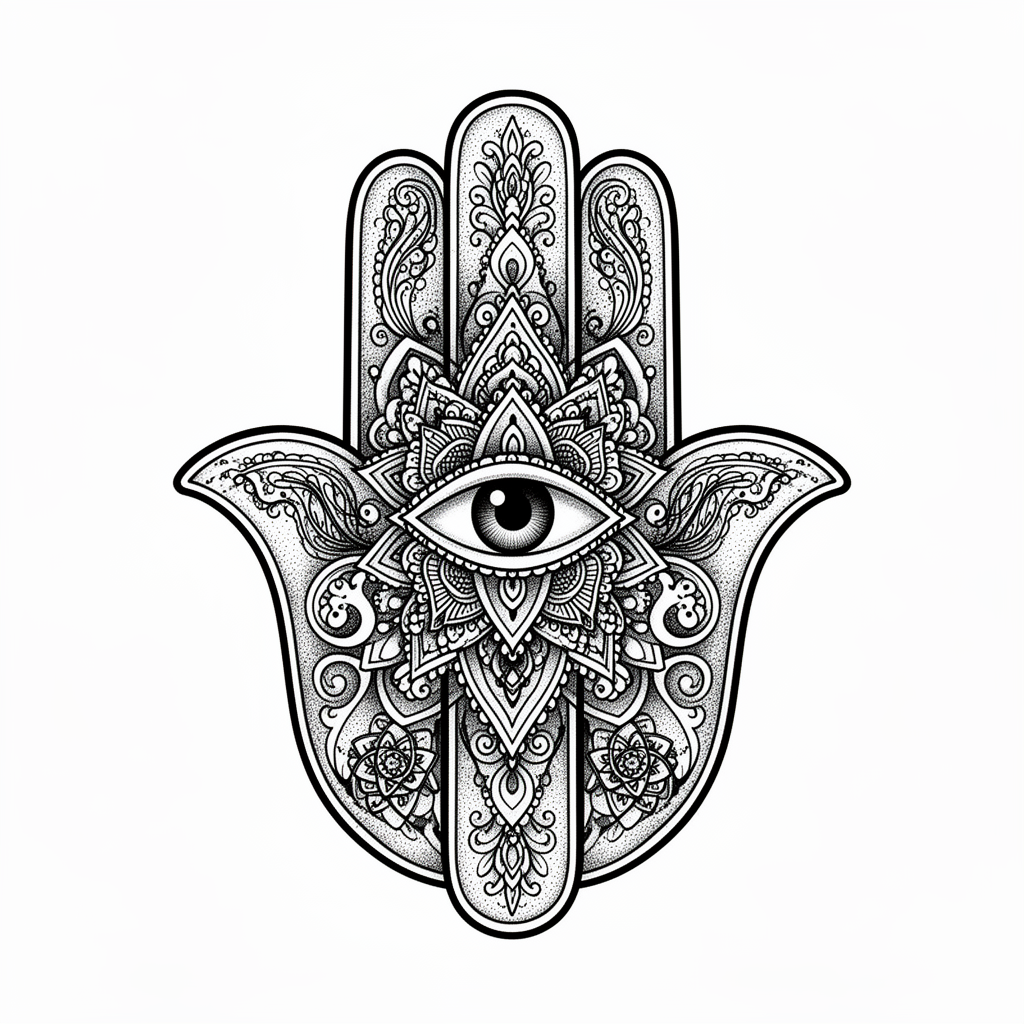
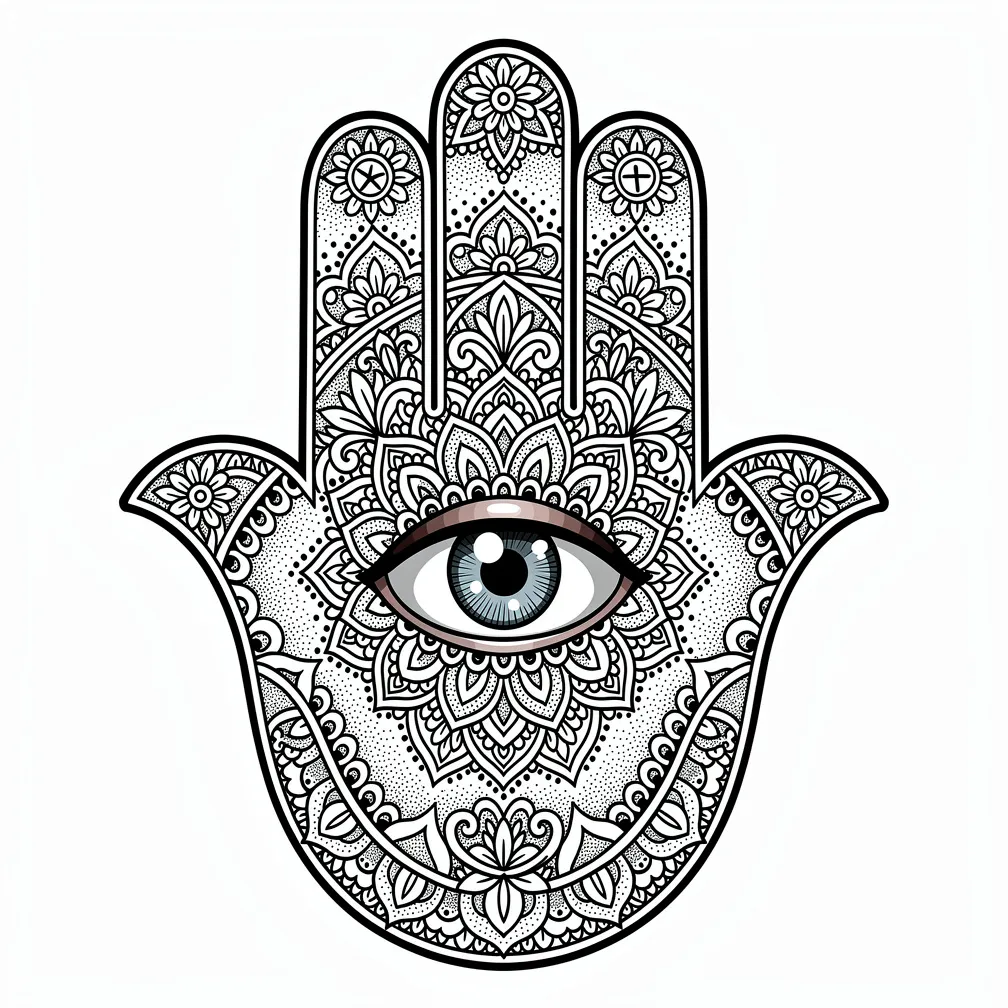
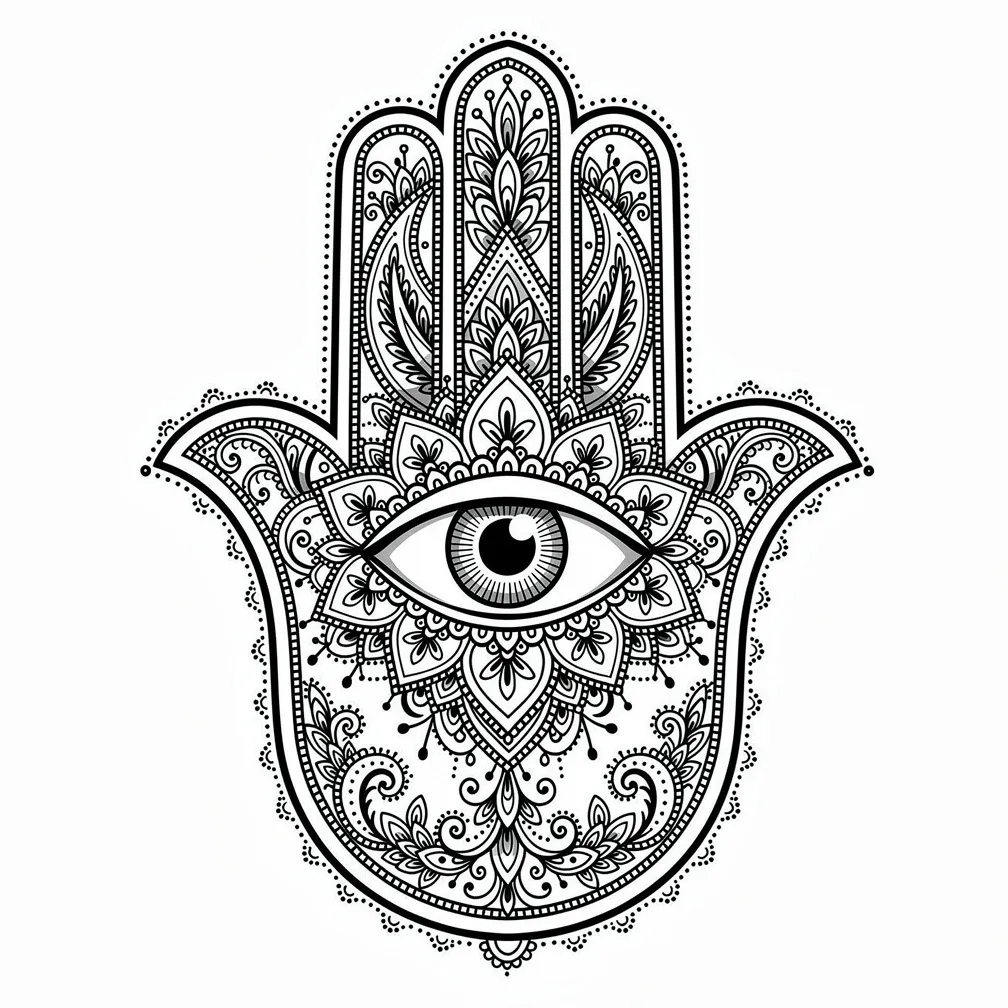
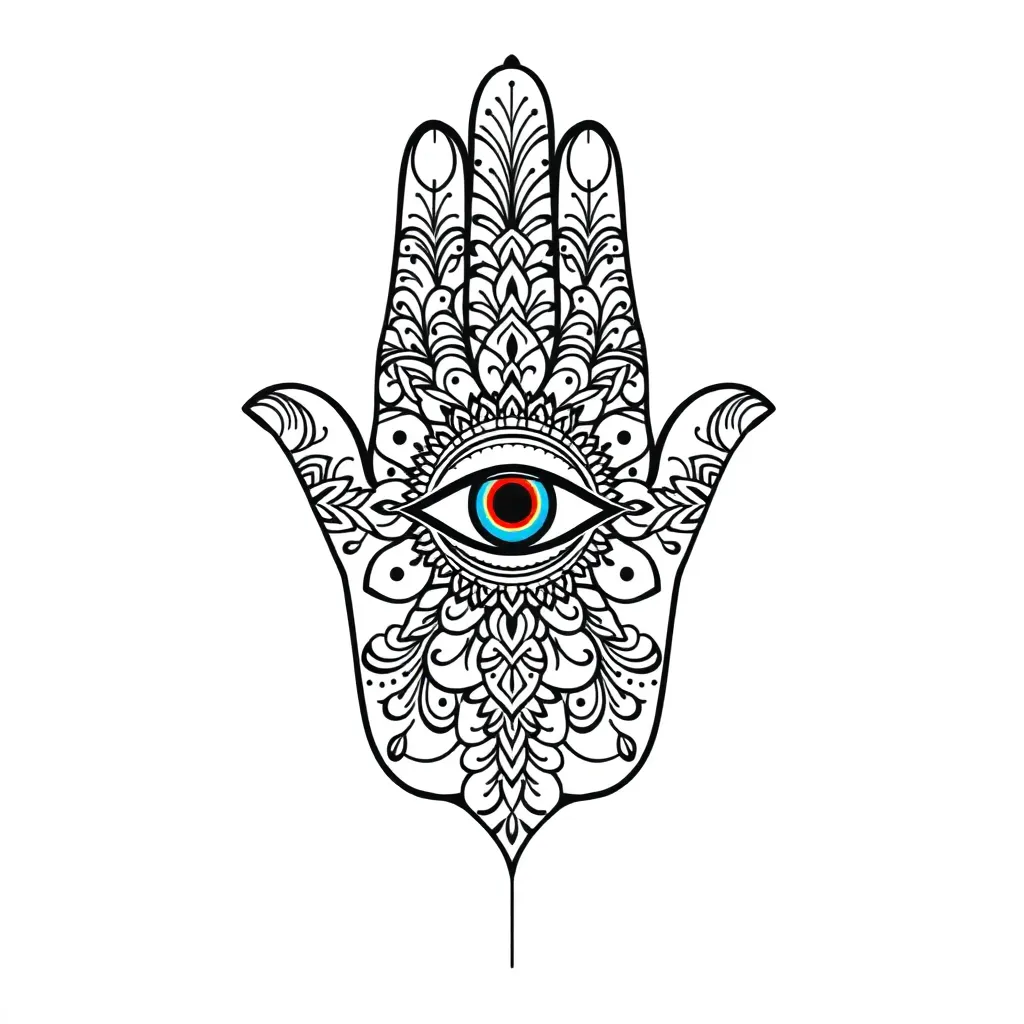
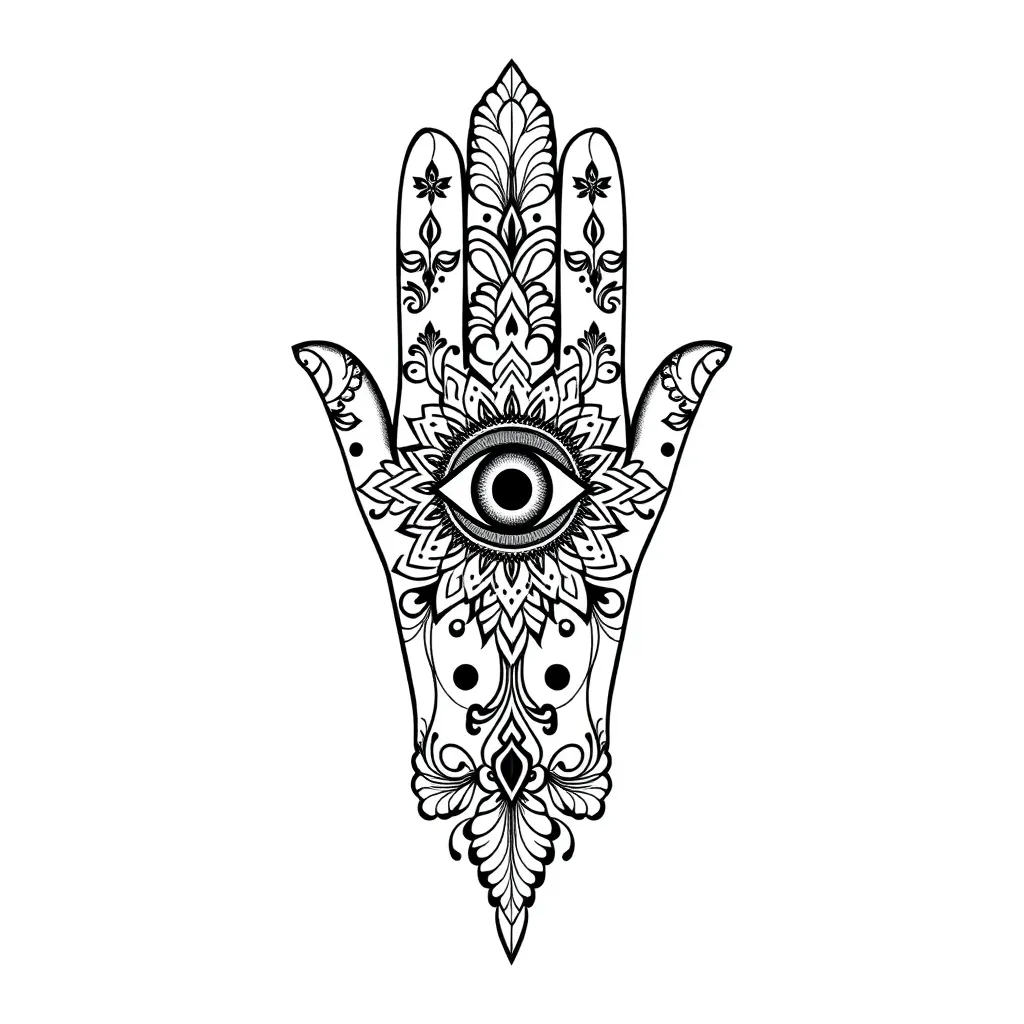
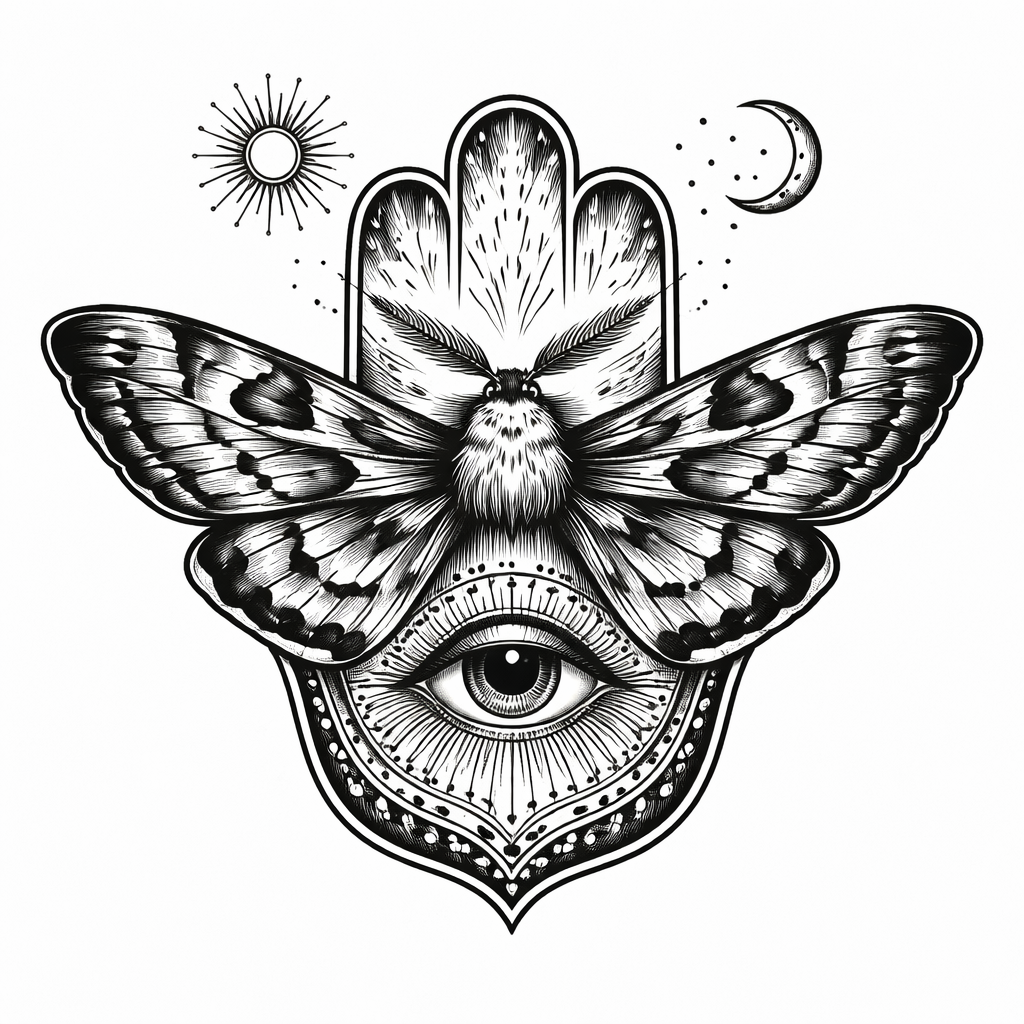
- “Ornamental: Fine line hamsa with delicate floral interior detail”
- “Ornamental: Realistic praying hands holding a rosary, soft shading”
- “Ornamental: Geometric mandala in dotwork, balanced symmetry”
- “Ornamental: Neo-traditional sacred heart wrapped in thorns and roses”
Religious Ornamental designs from the community


Related combos
Other Ornamental ideas
Religious Ornamental questions
- What is a Religious tattoo?
- For a Ornamental Religious tattoo specifically: A Religious tattoo is a piece of imagery drawn from a faith tradition — a symbol, deity, scripture, or devotional object — worn as an expression of belief, identity, or relationship with the sacred.
- Who is a Religious tattoo good for?
- Practitioners of a faith who want to carry their tradition visibly, people commemorating a spiritual experience, and those marking a journey of return or conversion. It is generally not a good choice for borrowing imagery from a tradition you have no connection to.
- What styles work best for a Religious tattoo?
- Blackwork for weight, fine line for intimacy, realism for figurative devotion, and neo-traditional for bold sacred imagery. Geometric and dotwork suit mandalas and Islamic-inspired patterning especially well.
- What size and placement work best?
- Some traditions have rules — many people avoid placing sacred imagery below the waist, on the feet, or in spots that will be exposed when bathing or undressing. Forearm, upper arm, chest, and back are common respectful placements.
- Any aftercare specific to a Religious tattoo?
- Standard aftercare applies. If your tradition includes ritual purity practices, ask a teacher how the healing period affects ablutions, prayer, or temple visits before booking.
- Is a Religious tattoo a good first tattoo?
- It can be, if your conviction is settled. The risk is choosing devotional imagery in a moment of intensity and later regretting either the tattoo or the way it represents your faith. Sit with the choice longer than usual.