Tattoo Style
Ornamental Tattoos
A practical guide to Ornamental tattoos: where the style comes from, what makes it recognisable, prompt ideas, real community examples, and answers to the questions people ask before they commit.
Generating this style needs the Artisan plan or above — but reading and planning here is always free.
Ornamental tattoos at a glance
- Colour
- Black & grey
- Line weight
- Fine
- Skill level
- Advanced
- Best placement
- Large, flowing areas
The history of Ornamental tattoos
Ornamental tattooing is decoration as the subject itself: lace-like patterns, filigree, jewellery-inspired motifs, mandalas and symmetrical flourishes designed to adorn and follow the body rather than depict a scene. It is closely related to blackwork and dotwork and often borrows from architecture, textiles and metalwork. Done well, an ornamental piece looks like it was made for that exact part of the body. The defining skill is body-mapping: ornamental work succeeds when its symmetry and flow respect anatomy — sternum, spine, shoulders, hands — so the pattern wraps naturally instead of fighting the form. It became prominent alongside the modern blackwork and sacred-geometry movements and the popularity of jewellery-style adornment tattoos. Its honest demand is precision and planning, because asymmetry or poor placement in a decorative pattern is immediately obvious.
Where Ornamental comes from
Ornamental tattooing draws on a vast cross-cultural heritage of decorative art — henna and mehndi traditions, jewellery, architectural relief, textile pattern and manuscript illumination — reinterpreted as permanent body adornment. Artists such as Coen Mitchell are associated with its refined, jewellery-like contemporary form. It is a synthesis of global ornamental craft rather than a single tradition, unified by the idea that pattern itself is enough.
AI prompt ideas for Ornamental tattoos
- “An ornamental sternum piece with symmetrical filigree and fine linework, jewellery-inspired”
- “A lace-like ornamental pattern wrapping the forearm, delicate and symmetrical”
- “An ornamental mandala for the back of the hand, intricate decorative detail”
- “A filigree ornamental spine design that follows the body, fine black linework”
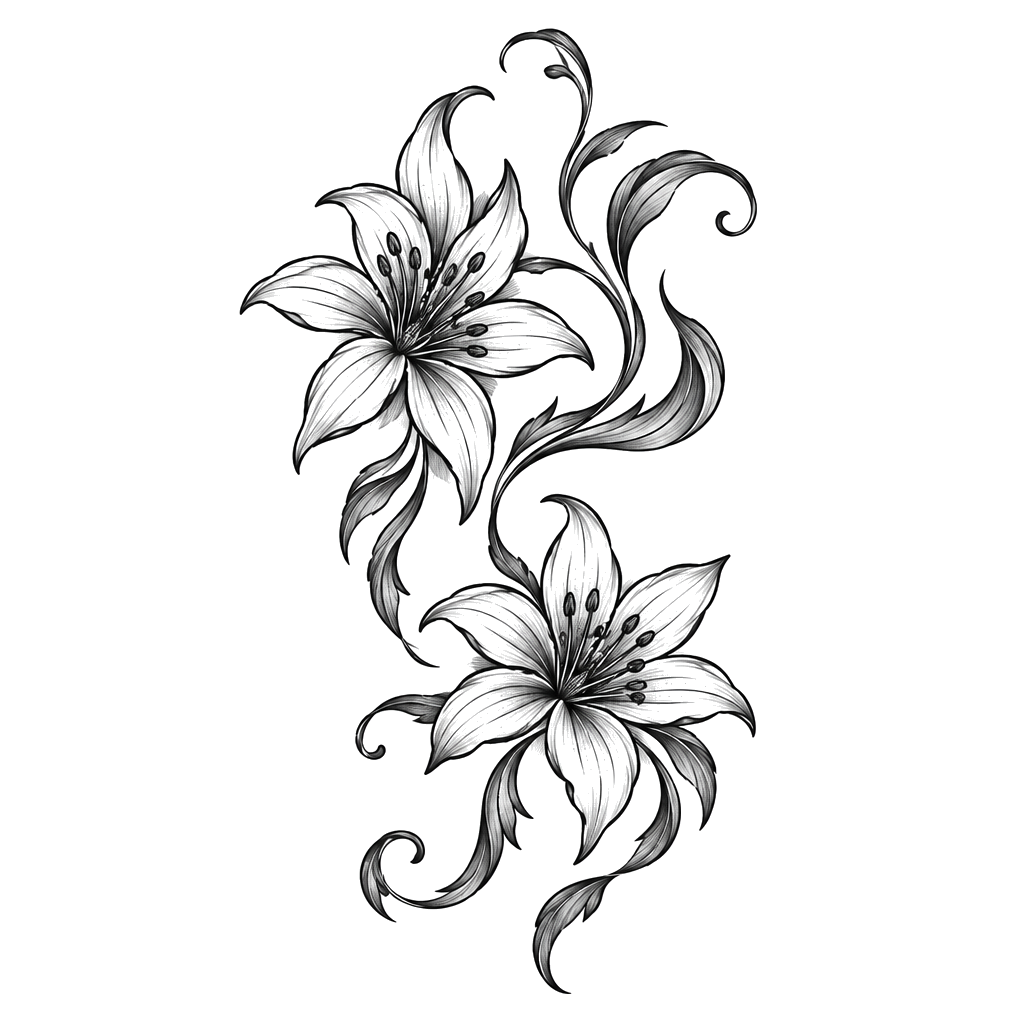
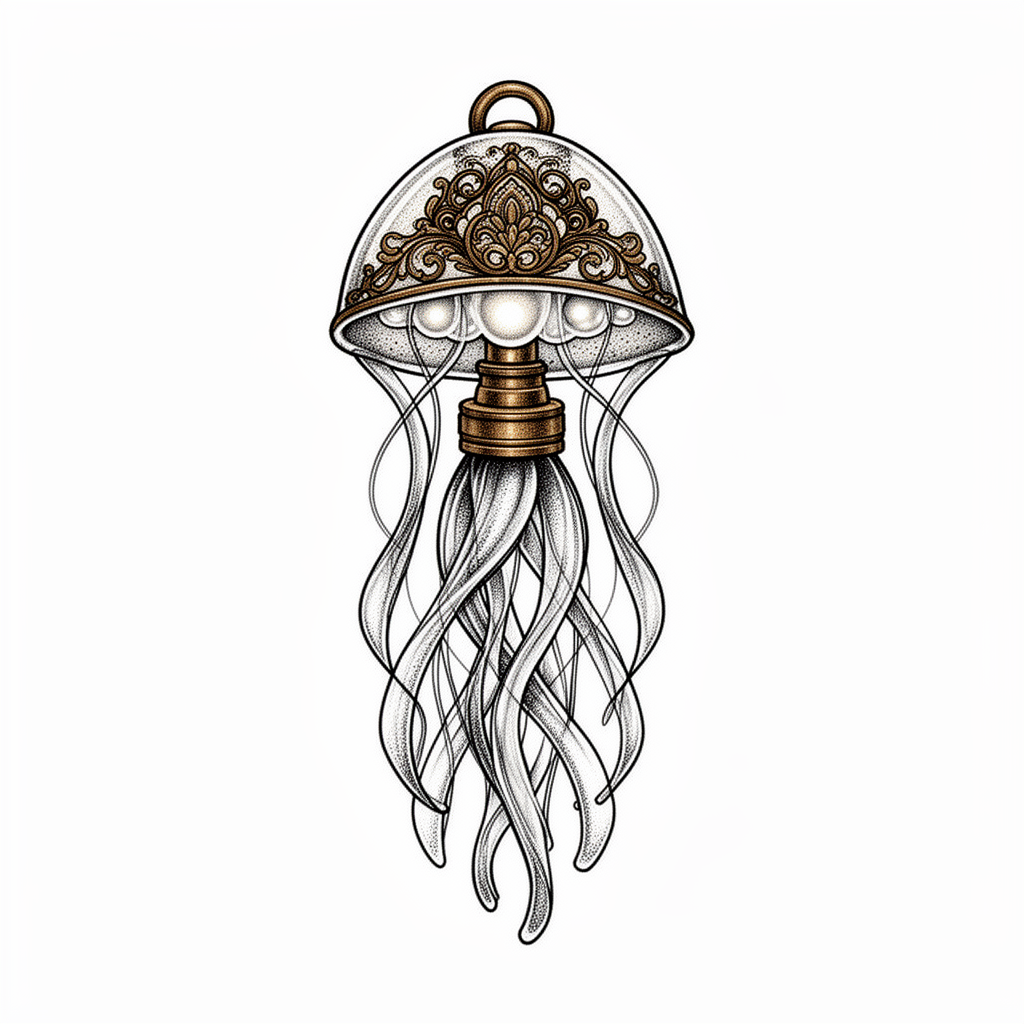
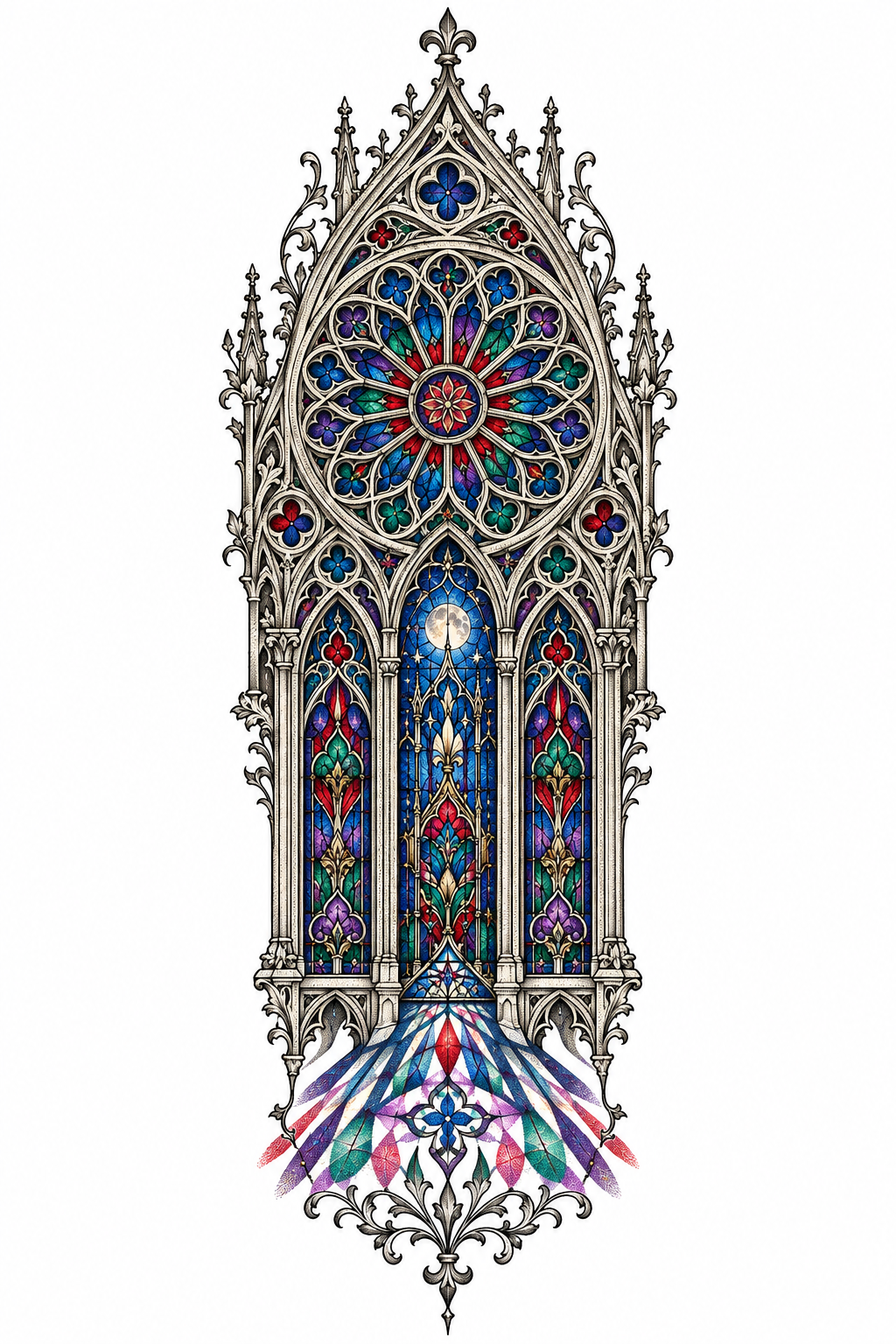
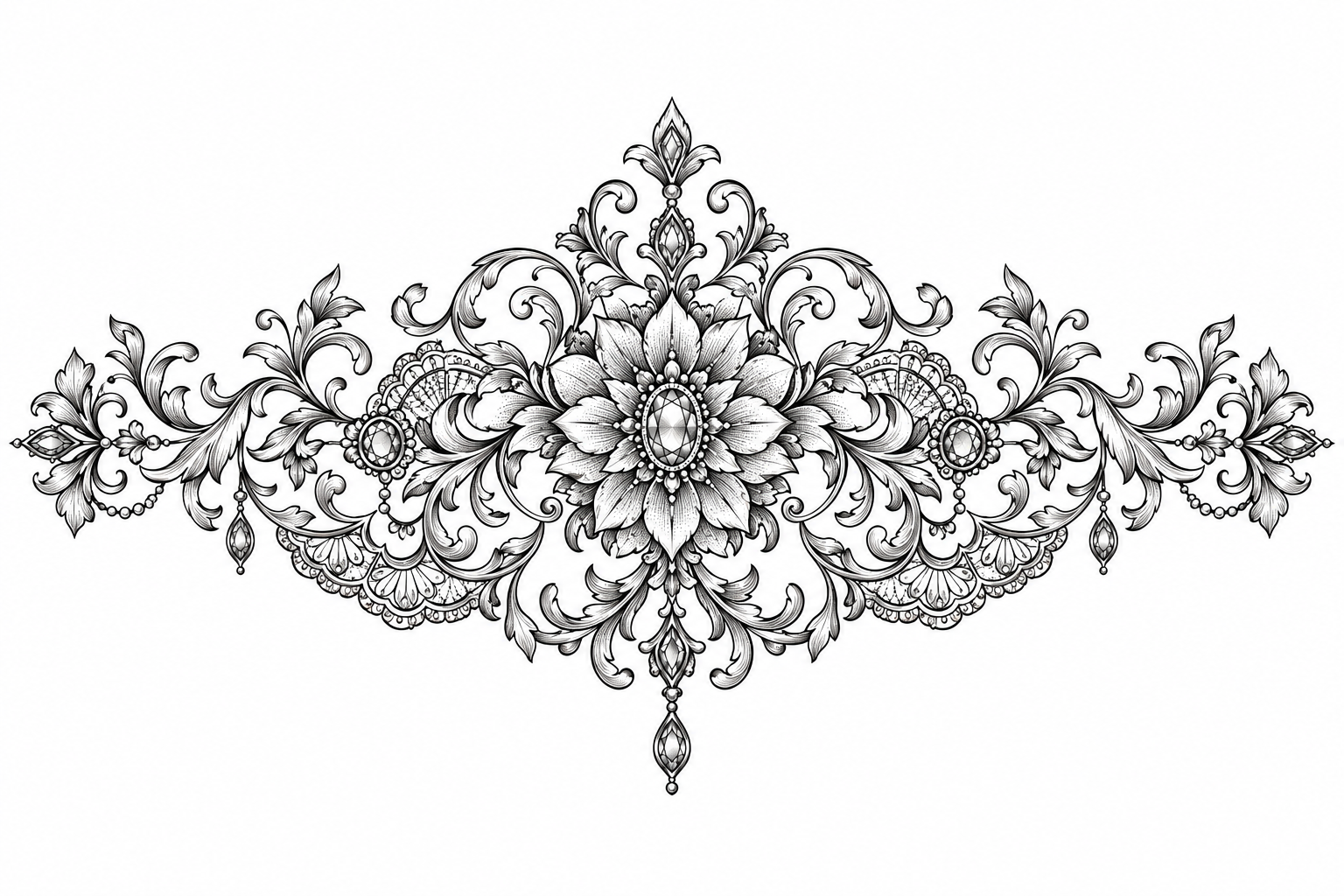
Ornamental designs from the community
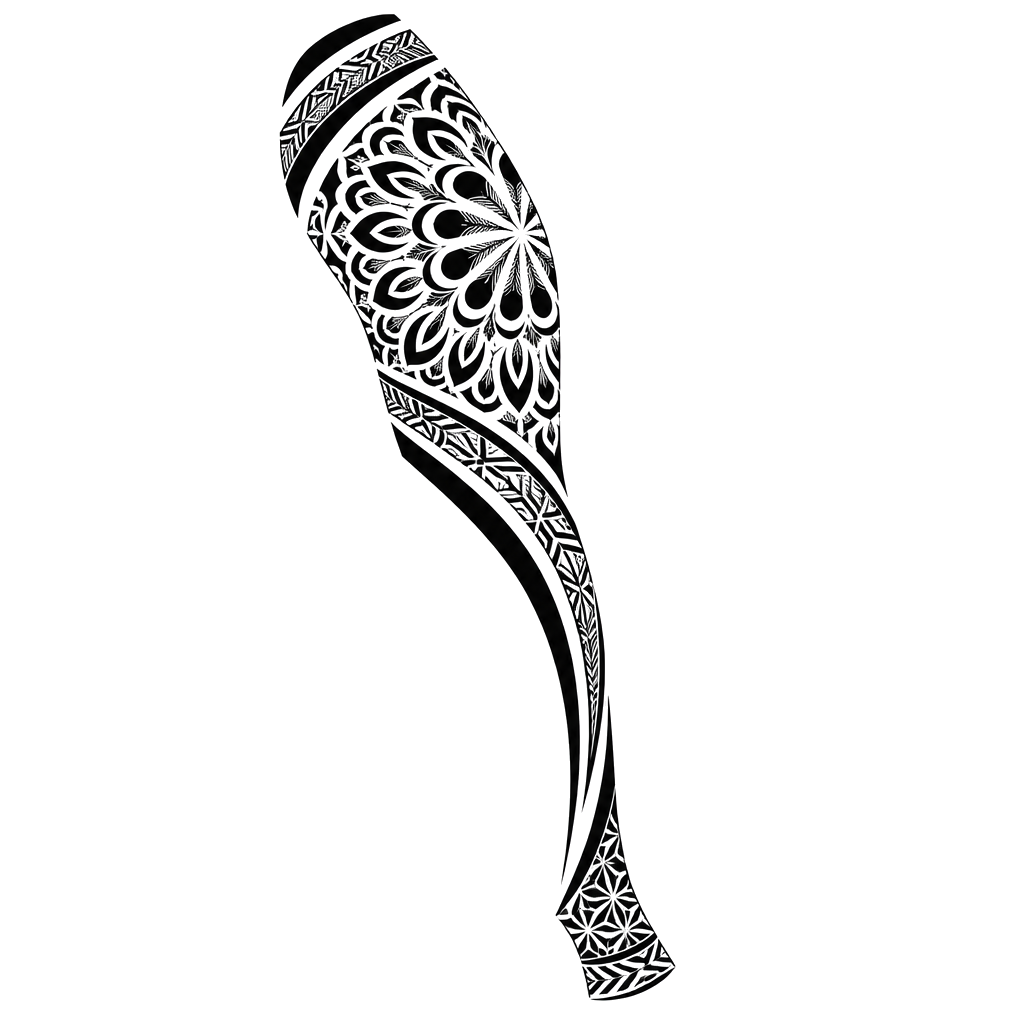
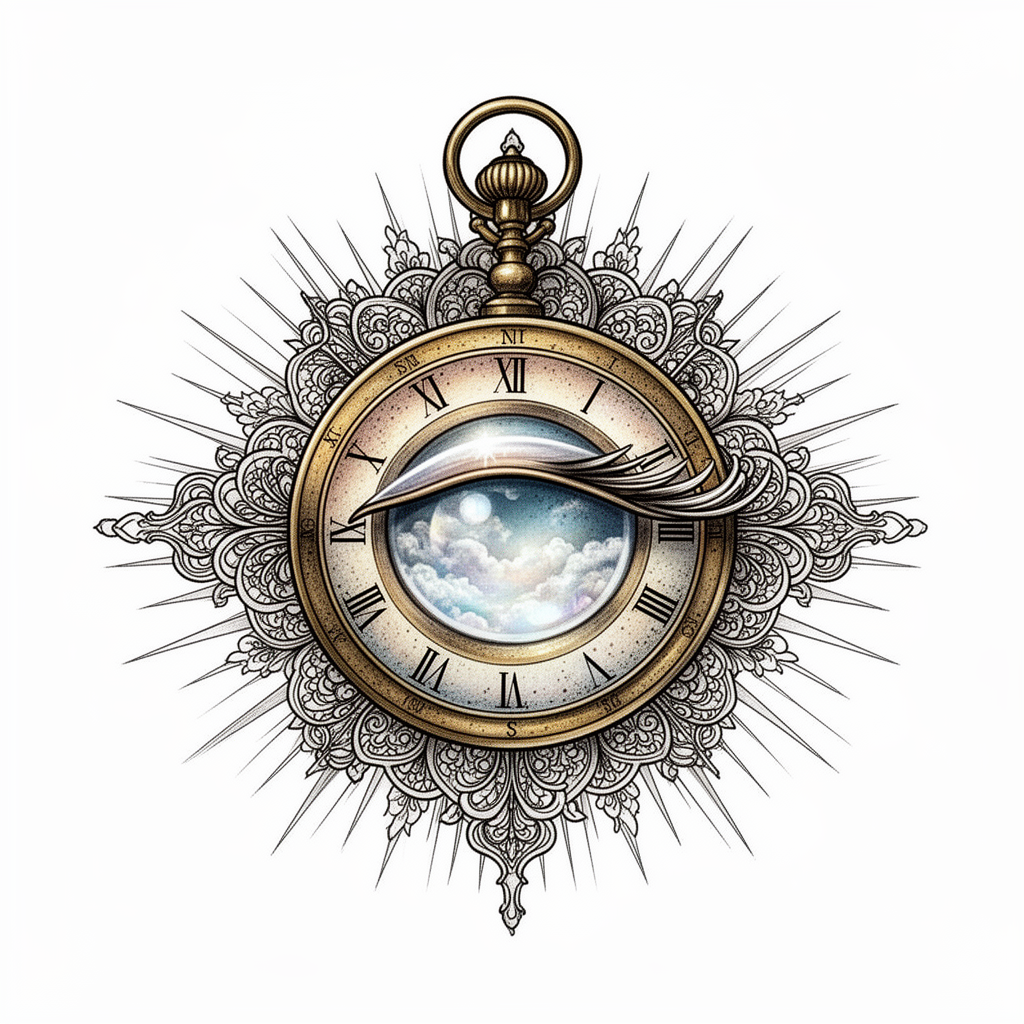

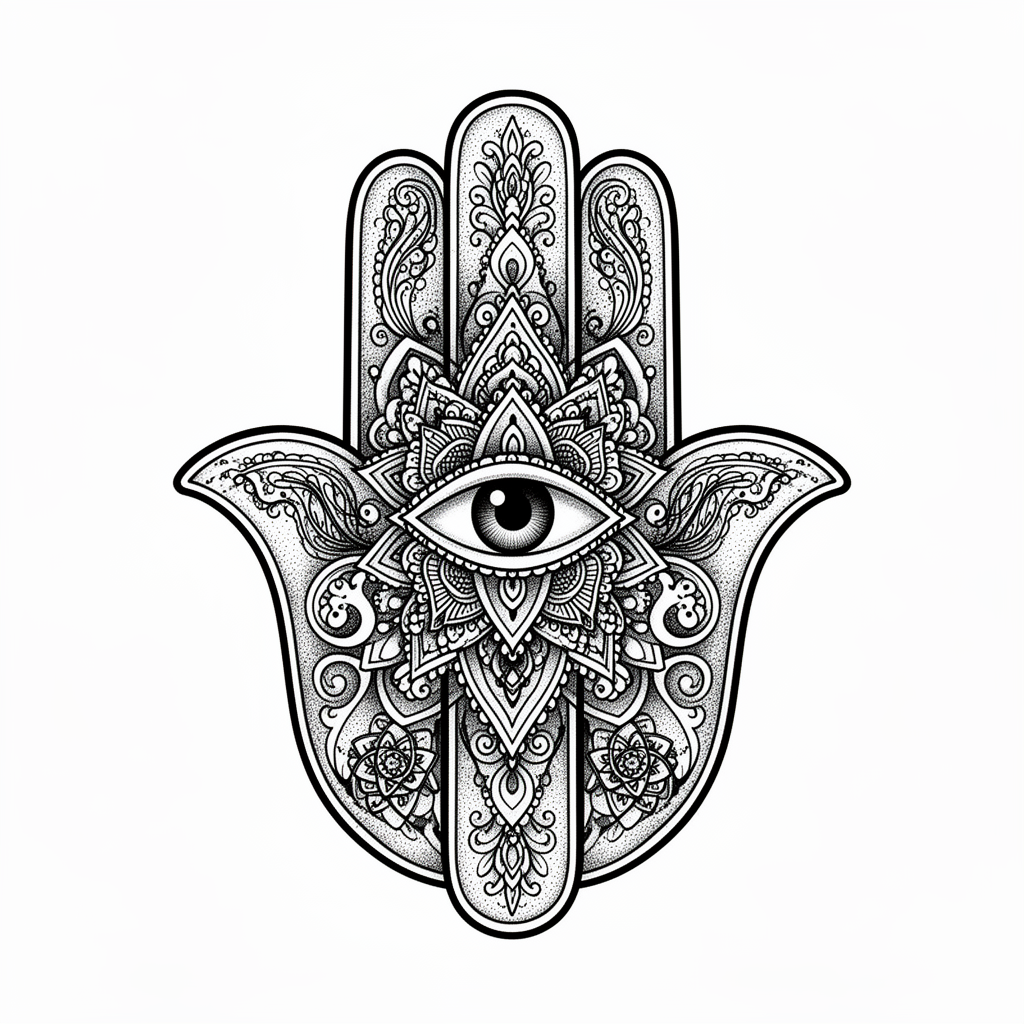
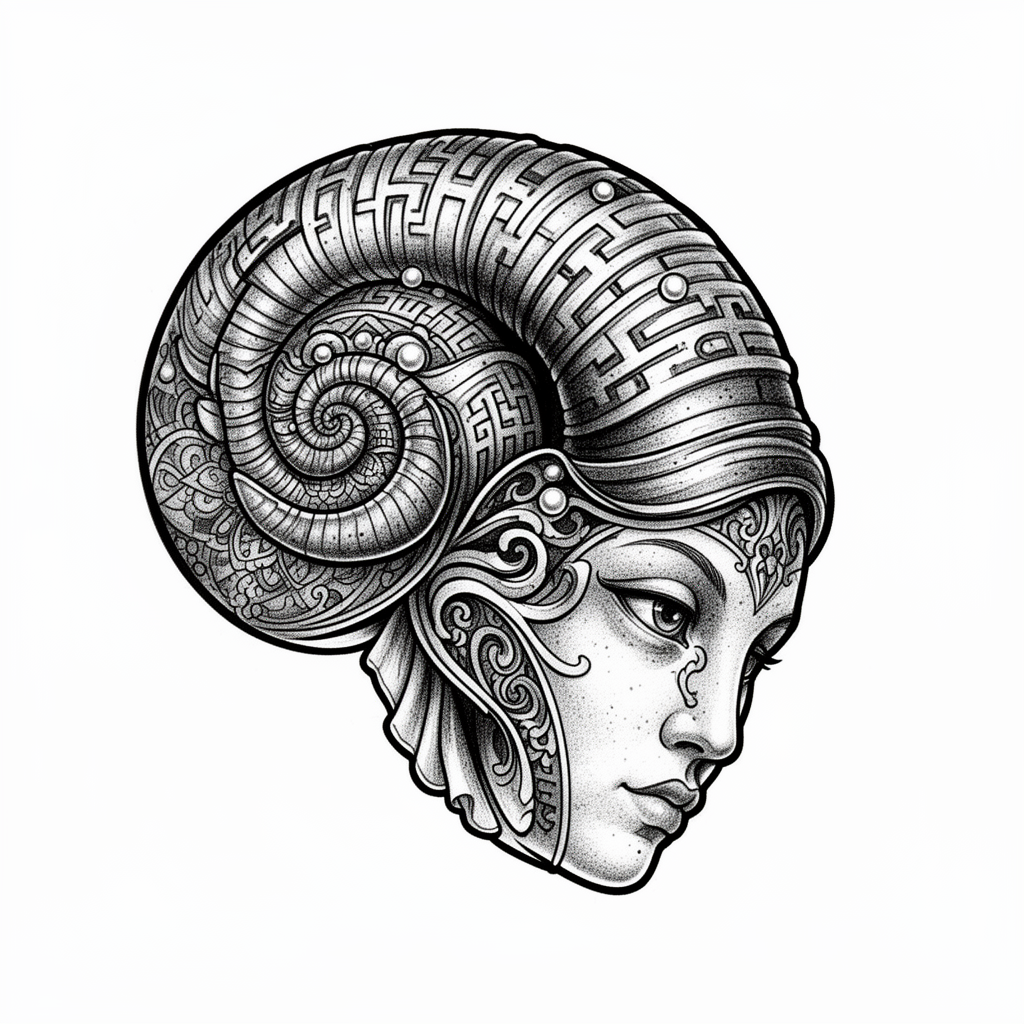
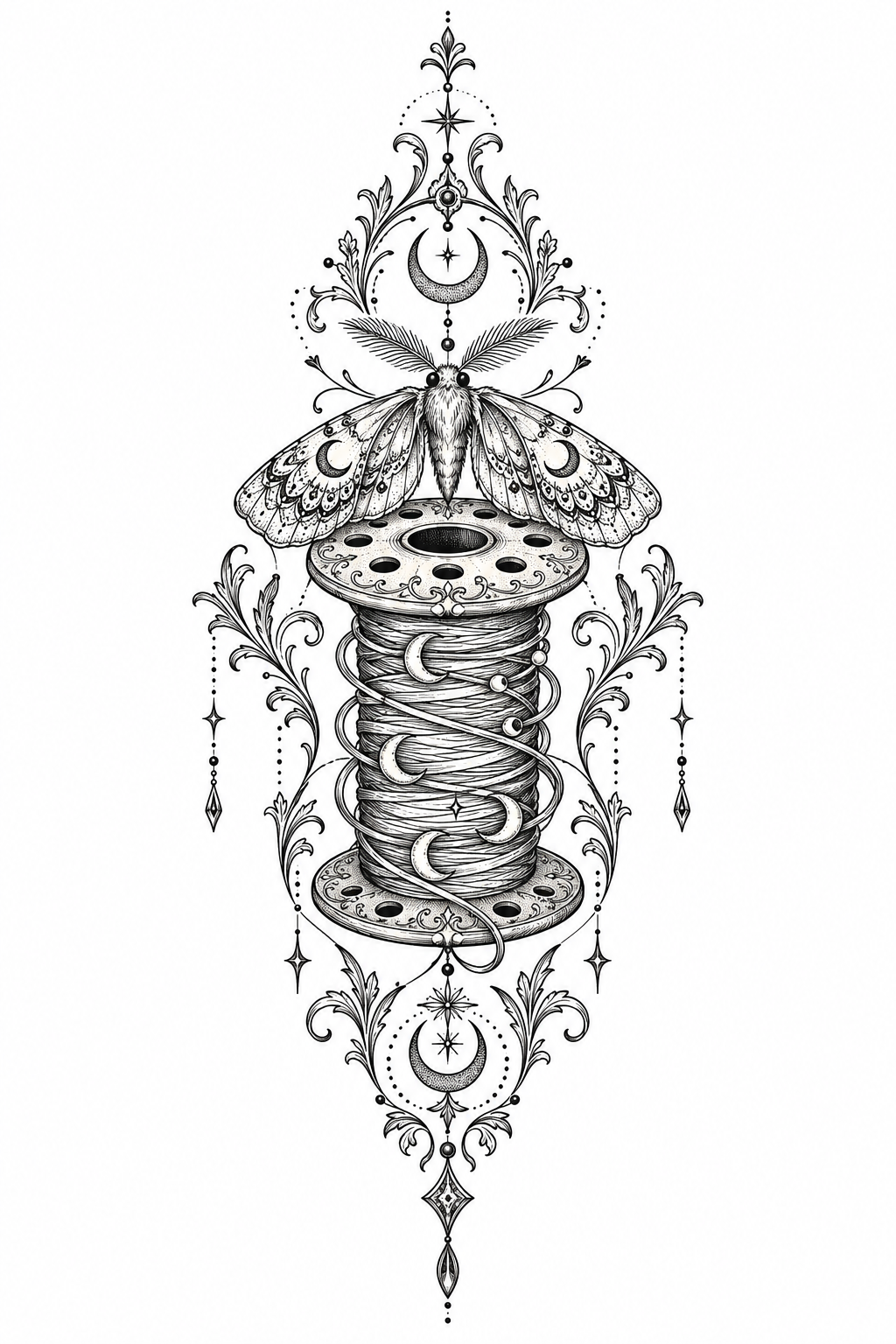
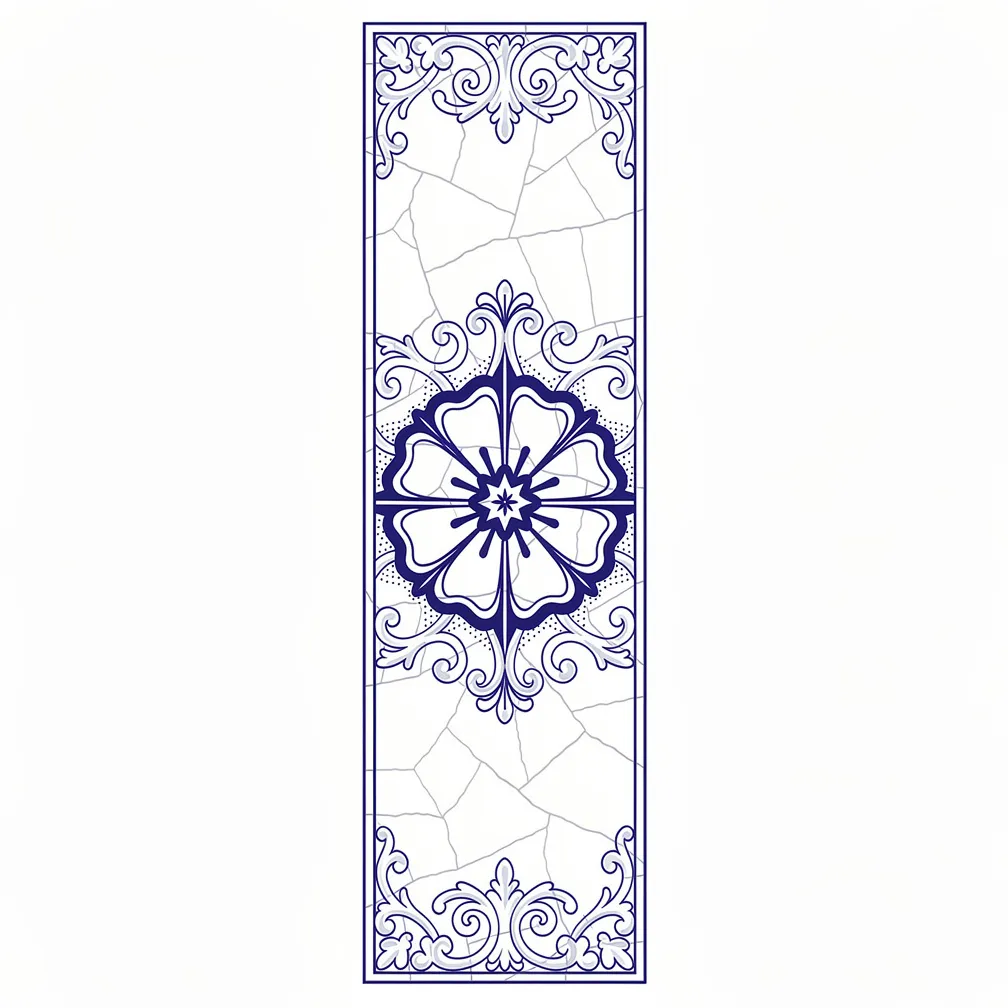
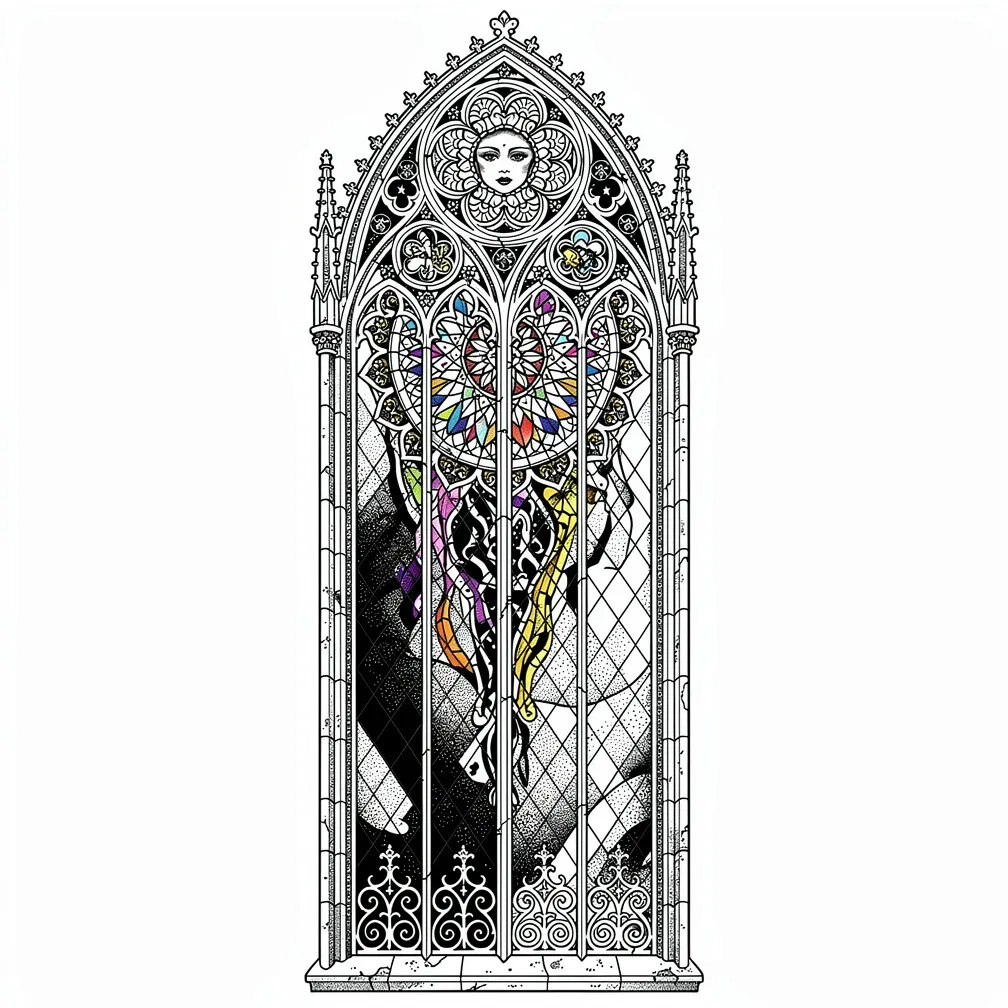
Related tattoo styles
Ornamental tattoo FAQ
- How would you describe a Ornamental tattoo?
- Decorative pattern as the subject — filigree, lace, jewellery-style motifs and symmetrical flourishes designed to adorn and follow the body.
- Why is placement so important for Ornamental?
- Ornamental work depends on body-mapping: symmetry and flow must respect anatomy. Poor placement makes a decorative pattern look misaligned immediately.
- Where on the body does Ornamental work well?
- Symmetry-friendly areas — sternum, spine, shoulders, the back of the hand and forearms — where the pattern can wrap and balance naturally.
- Are Ornamental tattoos painful?
- Many ideal placements (sternum, spine, hands) are sensitive, and fine repetitive detail over them can make ornamental work feel more intense than the size suggests.
- Is Ornamental good for a first tattoo?
- A small ornamental motif works as a first piece. For body-mapped sternum or spine work, choose a specialist — symmetry errors are very visible here.
- Any tips for prompting a Ornamental tattoo?
- Ask for an ornamental pattern with symmetrical filigree, fine linework and jewellery-inspired detail, and mention the body area so it maps cleanly.