Tattoo Ideas
Small Tattoo Ideas
A practical guide to Small tattoos: what they mean, who they suit, the styles that work, real community designs and AI prompts you can use right now to generate your own.
About Small tattoos
Small tattoos have become one of the dominant forms of modern body art, and that shift is recent. Through most of tattoo history, large bold work was the norm: it healed predictably, read clearly across a room, and aged well over decades. The current taste for tiny, delicate pieces tracks alongside two changes — finer needle configurations that allow precise micro-work, and a culture where tattoos are no longer reserved for sleeves and back pieces but live quietly on wrists, ankles, fingers, and behind ears. A Small tattoo is defined by physical scale, not by style or meaning. It is the size of a coin or smaller, often something you can cover with a thumb. That compactness is the appeal: it is discreet enough for professional environments, low commitment for a first-timer, and inexpensive enough to collect several over time. The trade-off is honesty about longevity — very small tattoos blur faster than larger work, so the design has to be chosen with healed years in mind, not just the photo taken the day it was done.
What makes a great Small tattoo
A great Small tattoo treats scale as a design constraint, not an afterthought. Simplify ruthlessly: fewer lines, no tiny gaps between strokes, no text smaller than a few millimeters per character. Choose an experienced artist who specializes in this scale — the techniques are different from larger work, and a generalist may produce something that looks crisp on day one but blurs into a smudge within two years. Pick placements with relatively still, thicker skin (forearm, calf, upper arm) and avoid finger sides and palms unless you accept frequent touch-ups.
Styles that work well for Small
Small-scale work demands styles built around economy. Minimalist is the obvious match — restraint is the point, and a single confident line can carry an entire idea. Fine line lets you fit surprising amounts of detail into a coin-sized piece, ideal for small botanicals or symbolic figures. Lettering at this size means short words or single initials in clean typefaces, never sprawling script. Dotwork is the dark horse: stippled designs hold up extraordinarily well at small scale because each dot is its own anchor, so the piece does not blur into a blob as it ages.
At a glance
| Placement | Forearm, Calf |
|---|---|
| Size | Small |
| Recommended styles | Minimalist, Fine Line, Lettering, Dotwork |
AI prompt ideas for Small tattoos
- “Minimalist single-line drawing of a sparrow in flight, coin-sized”
- “Fine line tiny botanical sprig with three leaves, inner wrist”
- “Dotwork miniature crescent moon with a single dot above it, behind the ear”
- “Lettering single-word tattoo in clean sans-serif, inner bicep”
- “Minimalist mountain outline in three strokes, ankle placement”
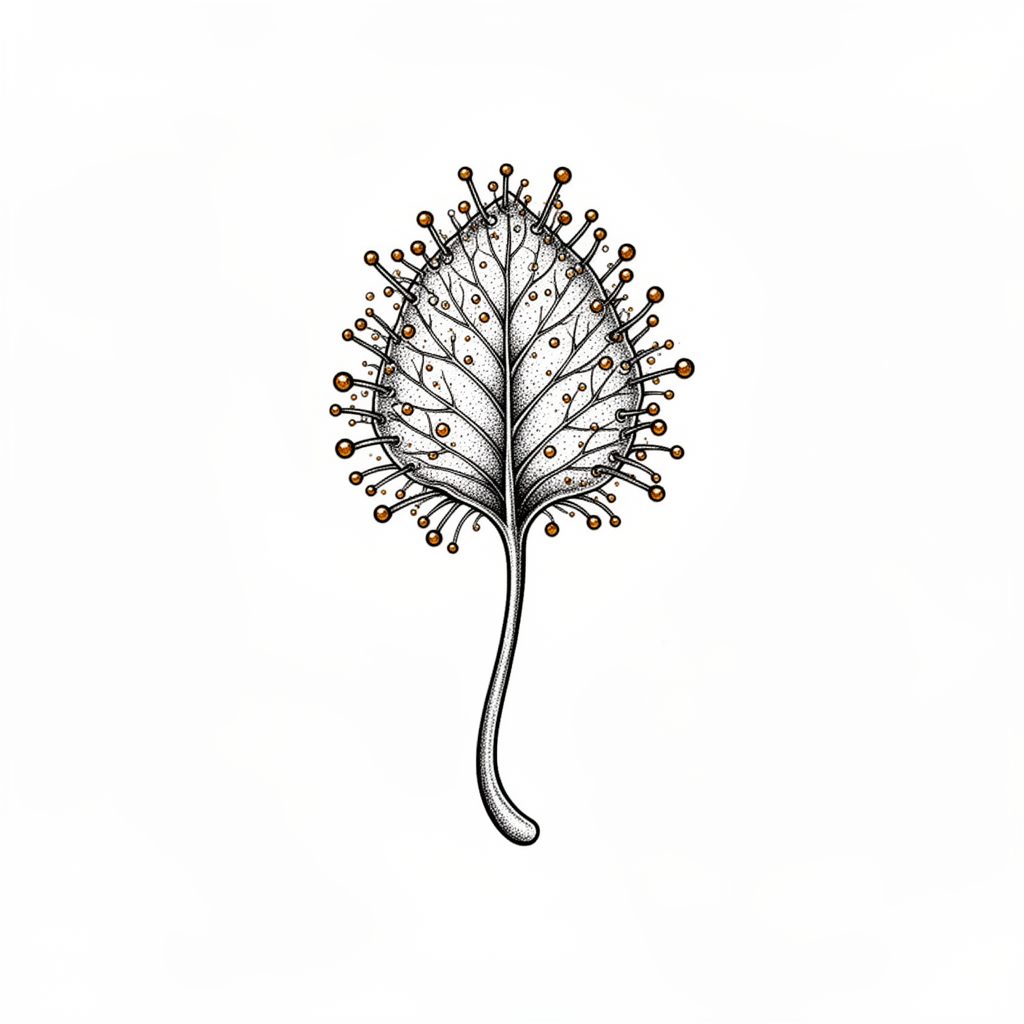
Small designs from the community
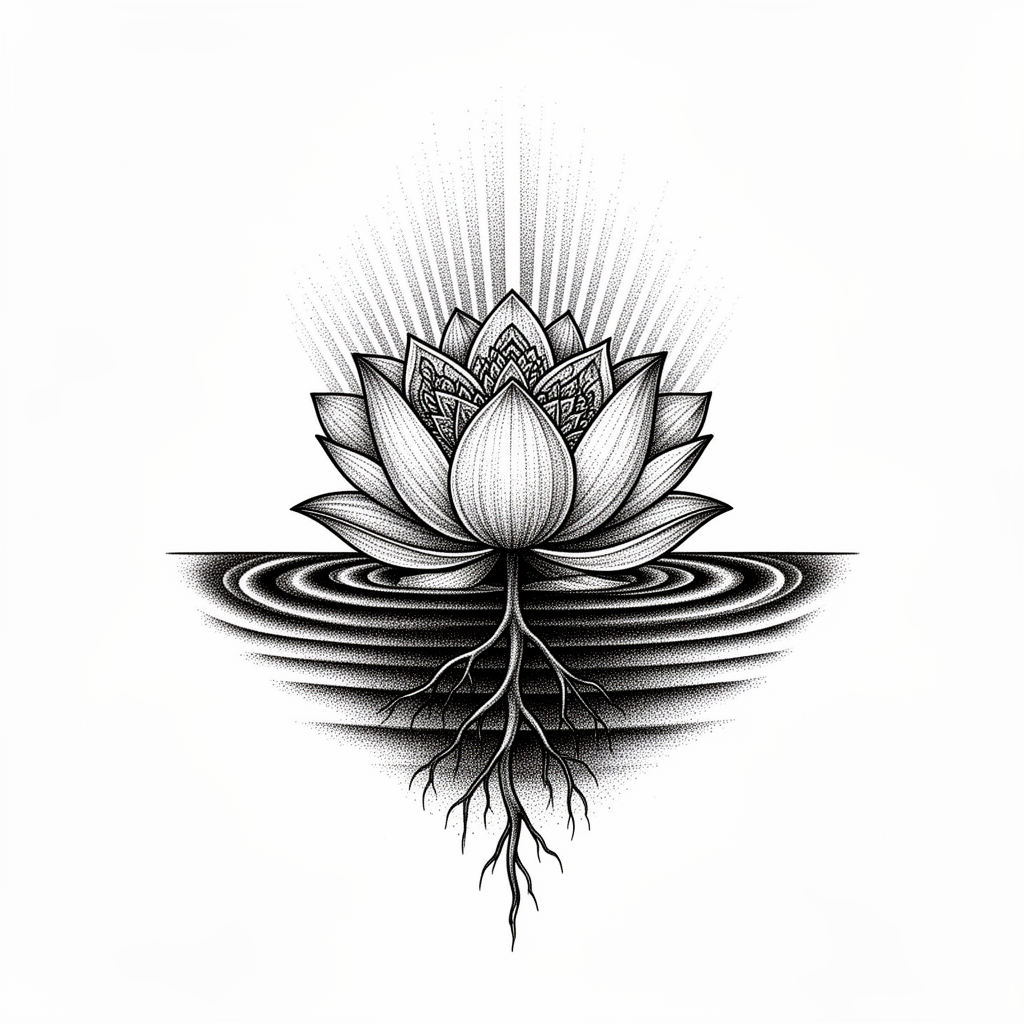
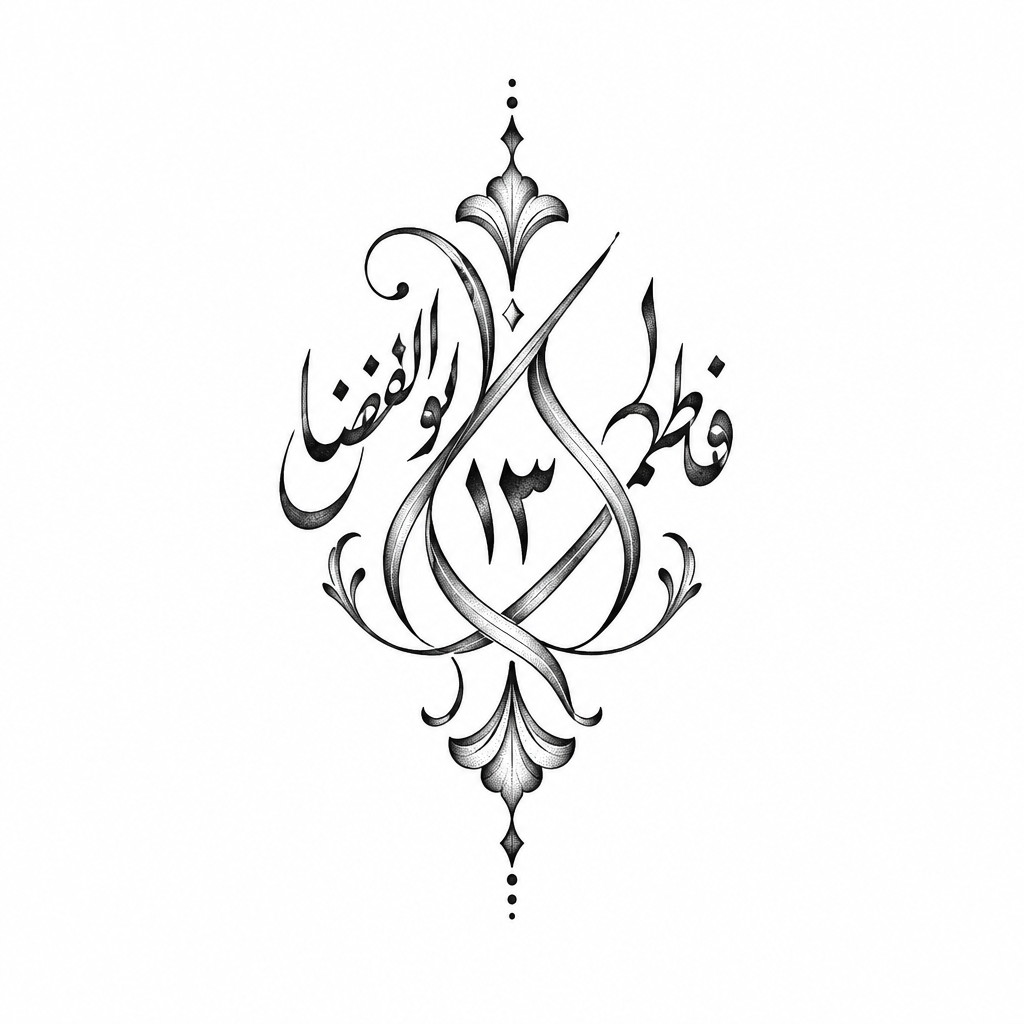


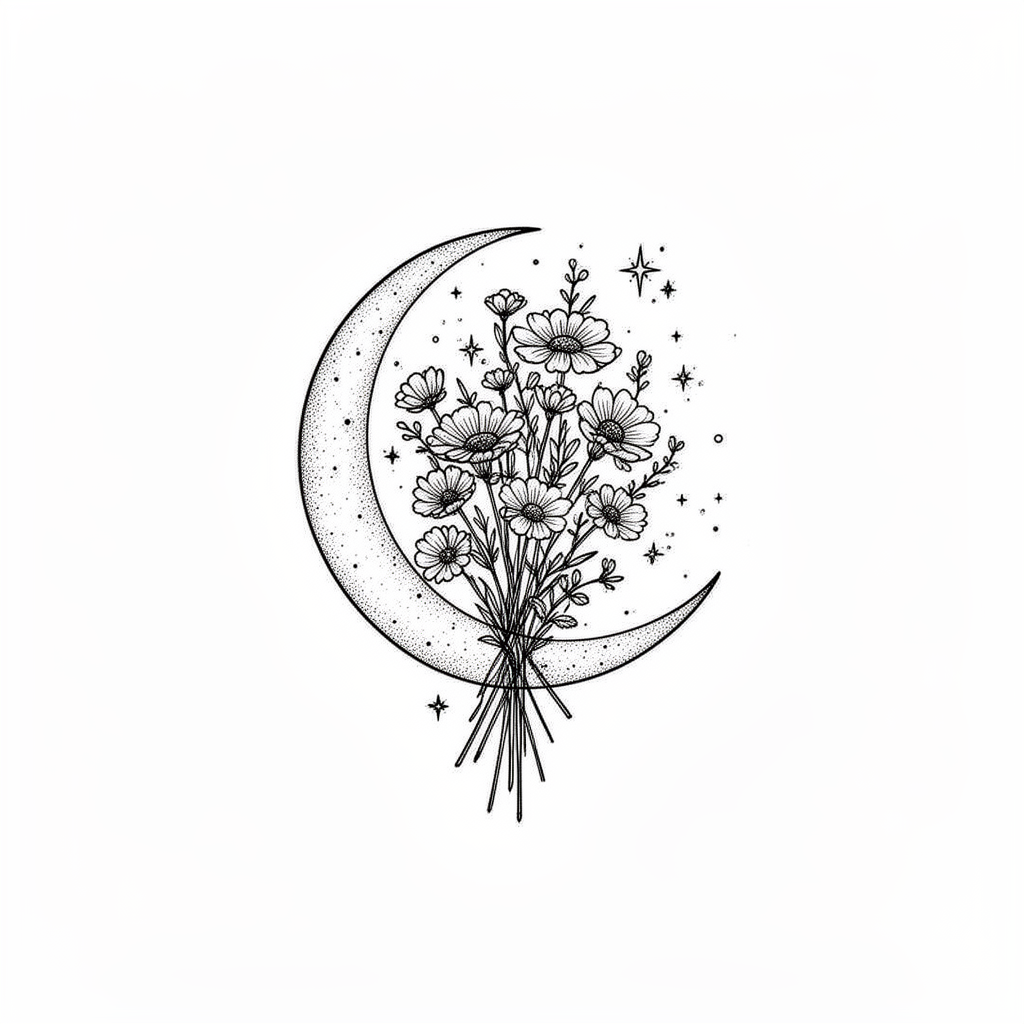

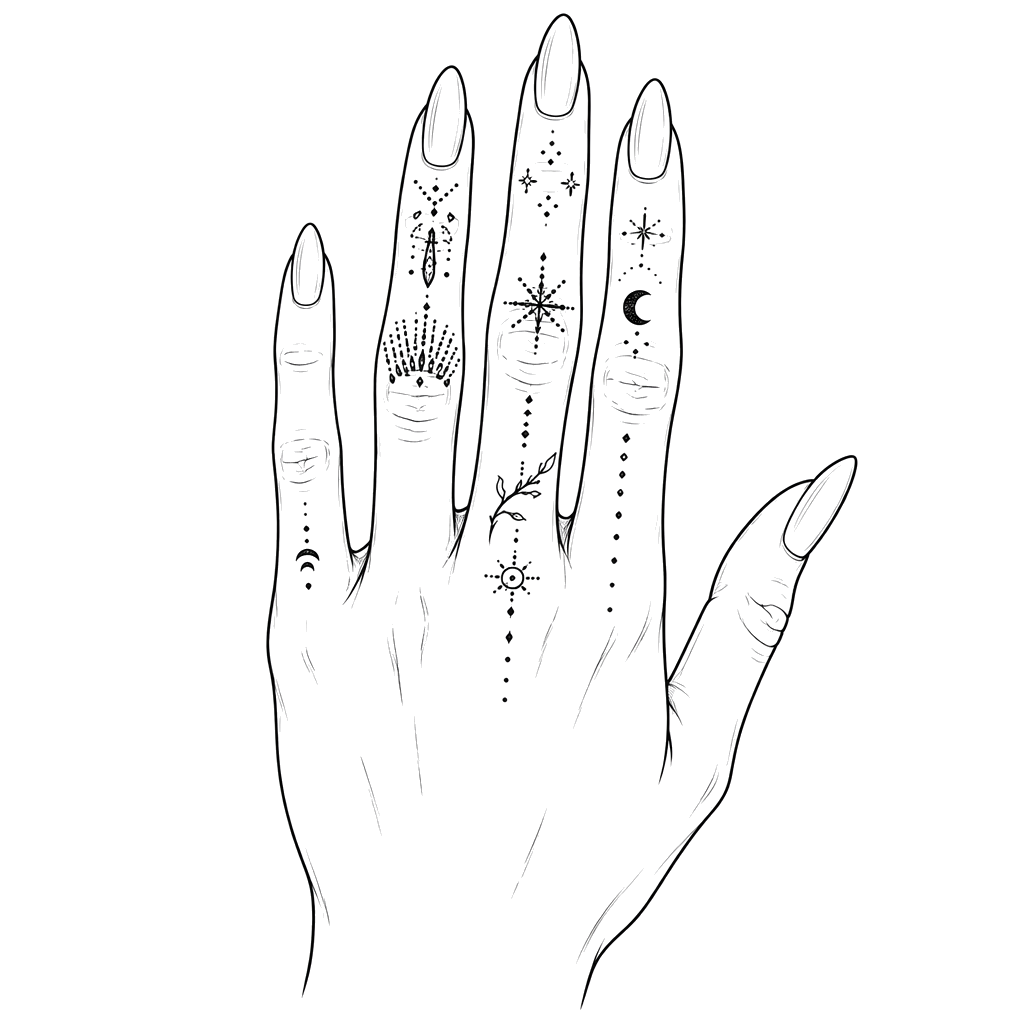
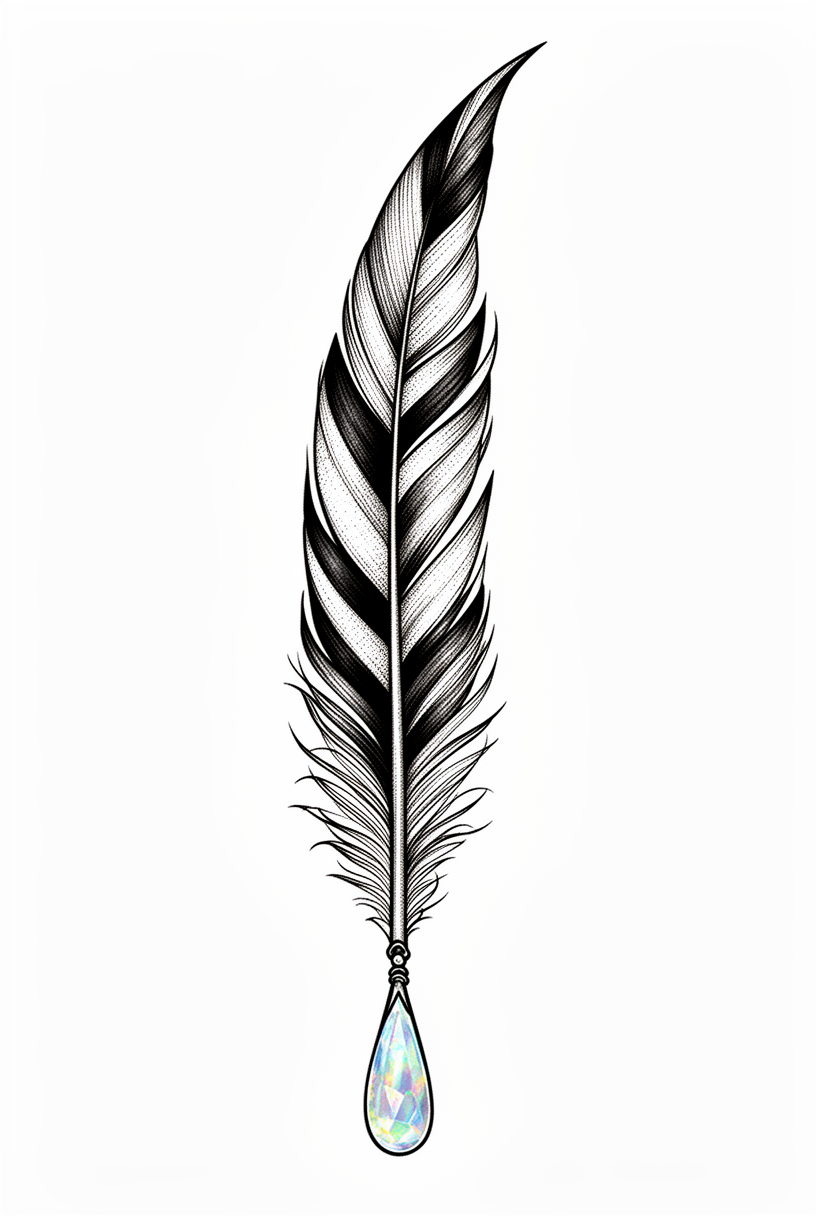
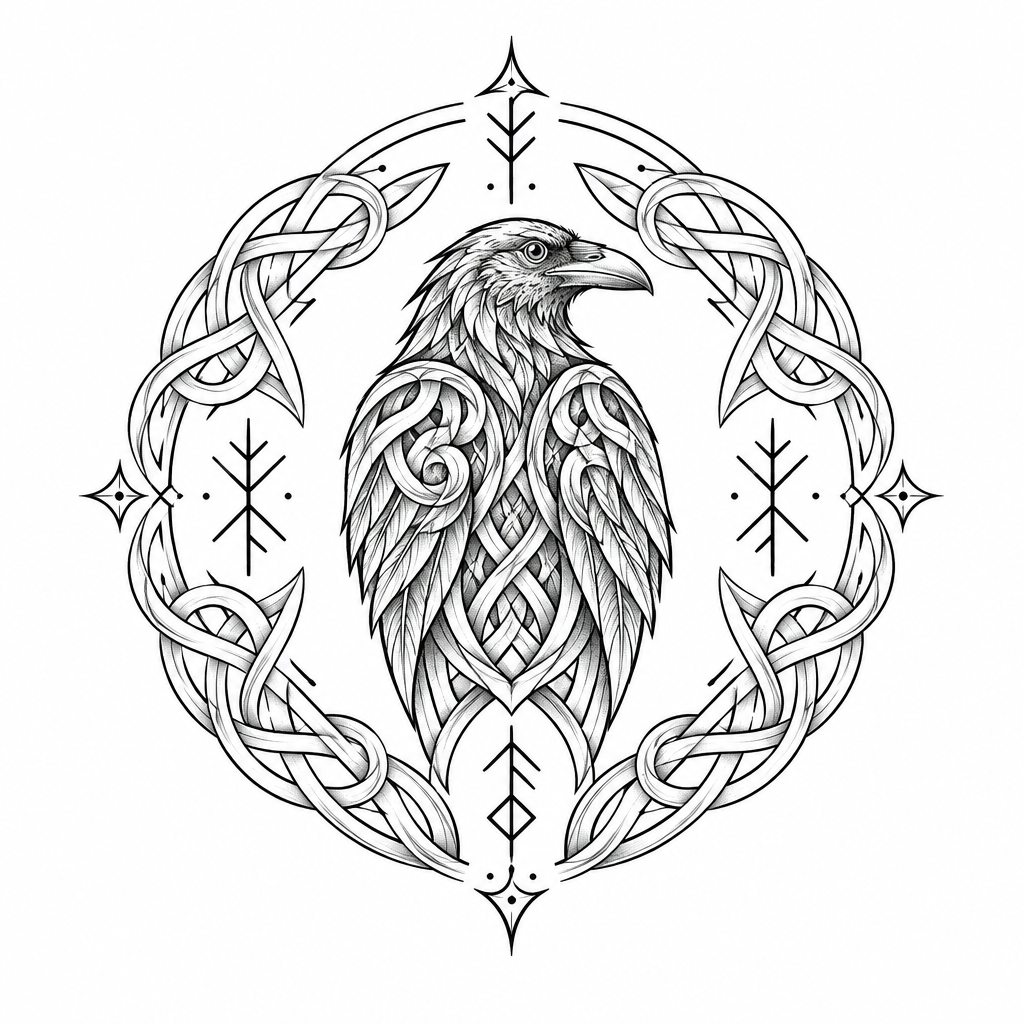
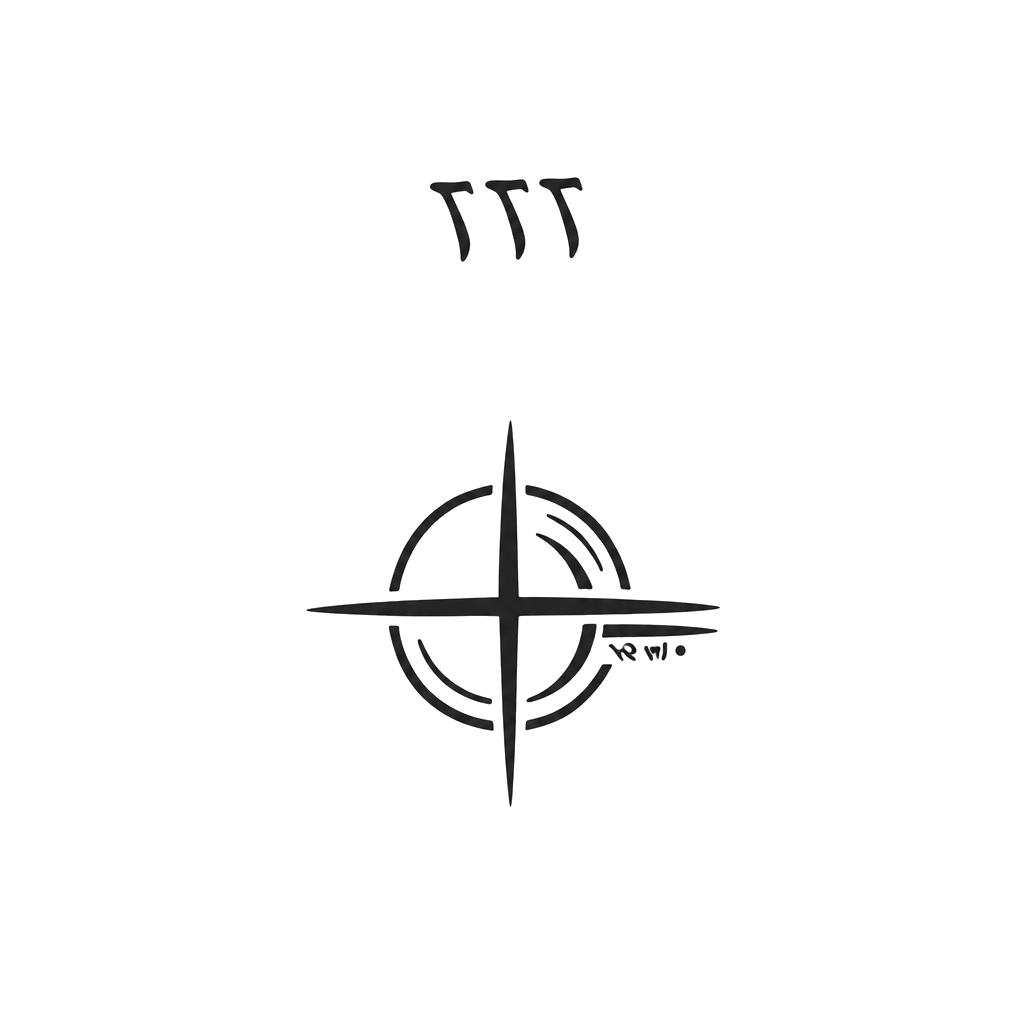
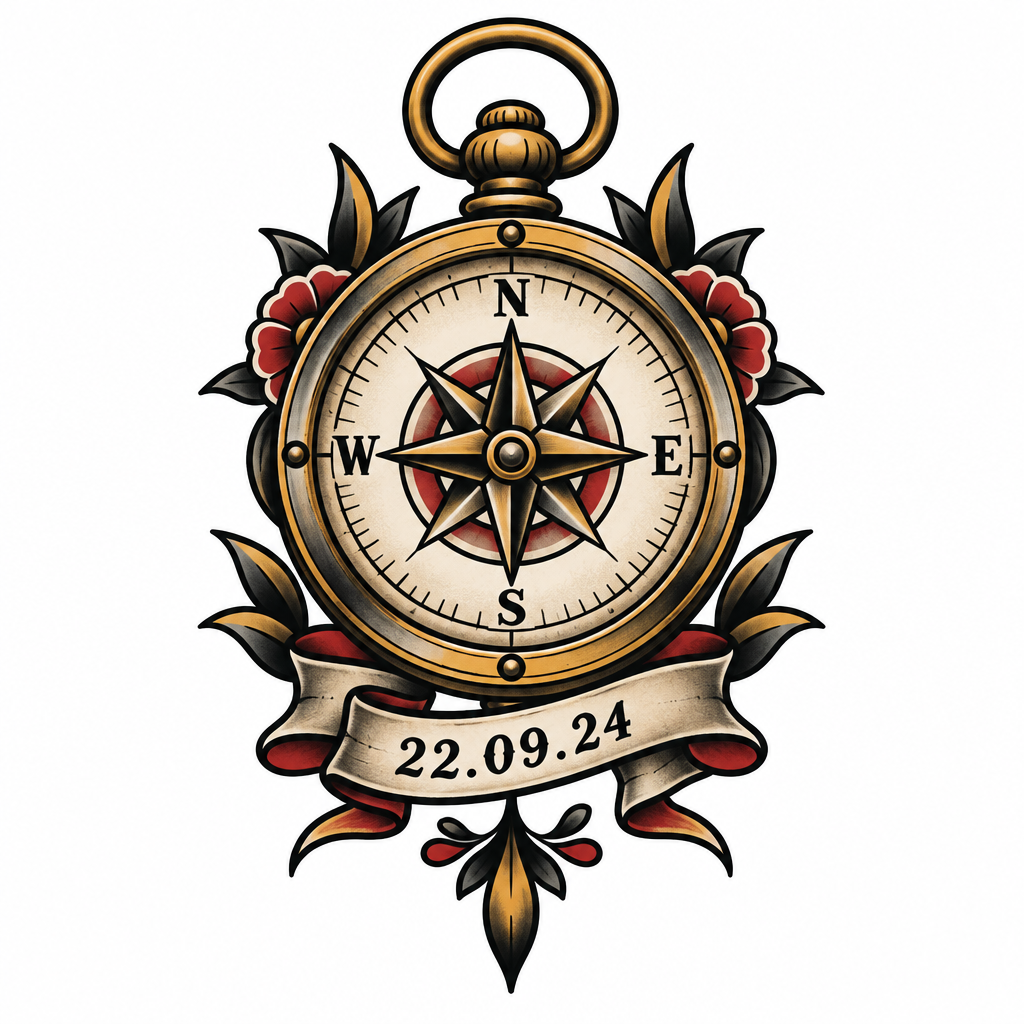
Related ideas
Small tattoo FAQ
- What exactly is a Small tattoo?
- A Small tattoo is defined by physical size — generally smaller than a coin. The term refers to scale, not style or theme, so the design can be almost anything as long as it fits a compact footprint.
- Who tends to choose a Small tattoo?
- People who want discreet ink for professional or personal reasons, first-timers easing into the experience, and collectors who prefer building a constellation of small pieces over time rather than committing to one large work.
- Which tattoo styles suit a Small piece?
- Minimalist, fine line, lettering, and dotwork are the strongest performers at small scale. They each handle the constraints of a compact canvas without relying on fine detail that will blur as the tattoo ages.
- How big should a Small tattoo be, and where does it go?
- By definition the piece is small — usually under five centimeters. Forearm, ankle, behind-ear, and calf placements age best. Avoid finger sides, palms, and any spot where the skin folds or rubs constantly.
- Is there any aftercare unique to a Small tattoo?
- Standard aftercare applies, but be especially careful about sun exposure — small tattoos lose definition faster, and UV damage is the main accelerant. Expect at least one touch-up within the first five years.
- Does a Small tattoo make a sensible first tattoo?
- Yes — small pieces are a popular first choice because the session is short, the cost is low, and the commitment feels approachable. Just choose the design as carefully as you would a large one.