Tattoo Ideas
Small Neo-Traditional Tattoo Ideas
Why Neo-Traditional works for Small tattoos, with real designs and prompts.
Neo-Traditional is on the Artisan plan and above.
Why Neo-Traditional suits Small tattoos
Neo-Traditional pairs naturally with Small tattoos because the two have compatible visual priorities. Neo-Traditional evolved out of American and European Traditional in the late twentieth and early twenty-first centuries, absorbing influences from Art Nouveau, Art Deco and illustration. Rather than rejecting old-school rules, it extended them, keeping the bold outline as a backbone while loosening colour and detail. It is best understood as an organic continuation of a folk tradition by artists trained in it, not a clean break from it. Small tattoos have become one of the dominant forms of modern body art, and that shift is recent. Through most of tattoo history, large bold work was the norm: it healed predictably, read clearly across a room, and aged well over decades. The current taste for tiny, delicate pieces tracks alongside two changes — finer needle configurations that allow precise micro-work, and a culture where tattoos are no longer reserved for sleeves and back pieces but live quietly on wrists, ankles, fingers, and behind ears. A Small tattoo is defined by physical scale, not by style or meaning. It is the size of a coin or smaller, often something you can cover with a thumb. That compactness is the appeal: it is discreet enough for professional environments, low commitment for a first-timer, and inexpensive enough to collect several over time. The trade-off is honesty about longevity — very small tattoos blur faster than larger work, so the design has to be chosen with healed years in mind, not just the photo taken the day it was done. Put together, a Neo-Traditional Small tattoo gives you the visual language of one and the emotional intent of the other — a design that reads at a glance and still carries meaning up close.
About Neo-Traditional tattoos
Neo-Traditional evolved out of American and European Traditional in the late twentieth and early twenty-first centuries, absorbing influences from Art Nouveau, Art Deco and illustration. Rather than rejecting old-school rules, it extended them, keeping the bold outline as a backbone while loosening colour and detail. It is best understood as an organic continuation of a folk tradition by artists trained in it, not a clean break from it.
About Small tattoos
Small tattoos have become one of the dominant forms of modern body art, and that shift is recent. Through most of tattoo history, large bold work was the norm: it healed predictably, read clearly across a room, and aged well over decades. The current taste for tiny, delicate pieces tracks alongside two changes — finer needle configurations that allow precise micro-work, and a culture where tattoos are no longer reserved for sleeves and back pieces but live quietly on wrists, ankles, fingers, and behind ears. A Small tattoo is defined by physical scale, not by style or meaning. It is the size of a coin or smaller, often something you can cover with a thumb. That compactness is the appeal: it is discreet enough for professional environments, low commitment for a first-timer, and inexpensive enough to collect several over time. The trade-off is honesty about longevity — very small tattoos blur faster than larger work, so the design has to be chosen with healed years in mind, not just the photo taken the day it was done.
AI prompt ideas for Small Neo-Traditional tattoos
- “Neo-Traditional: Minimalist single-line drawing of a sparrow in flight, coin-sized”
- “Neo-Traditional: Fine line tiny botanical sprig with three leaves, inner wrist”
- “Neo-Traditional: Dotwork miniature crescent moon with a single dot above it, behind the ear”
- “Neo-Traditional: Lettering single-word tattoo in clean sans-serif, inner bicep”
- “Neo-Traditional: Minimalist mountain outline in three strokes, ankle placement”
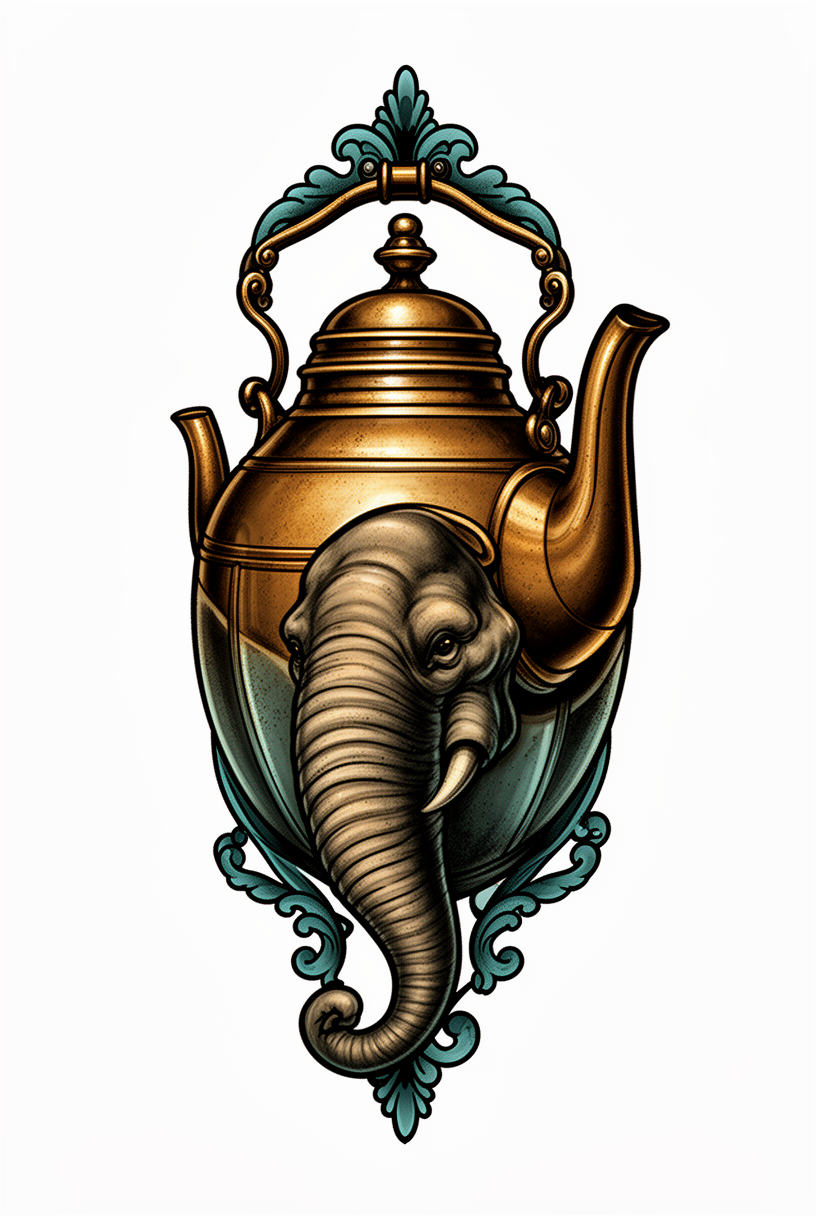
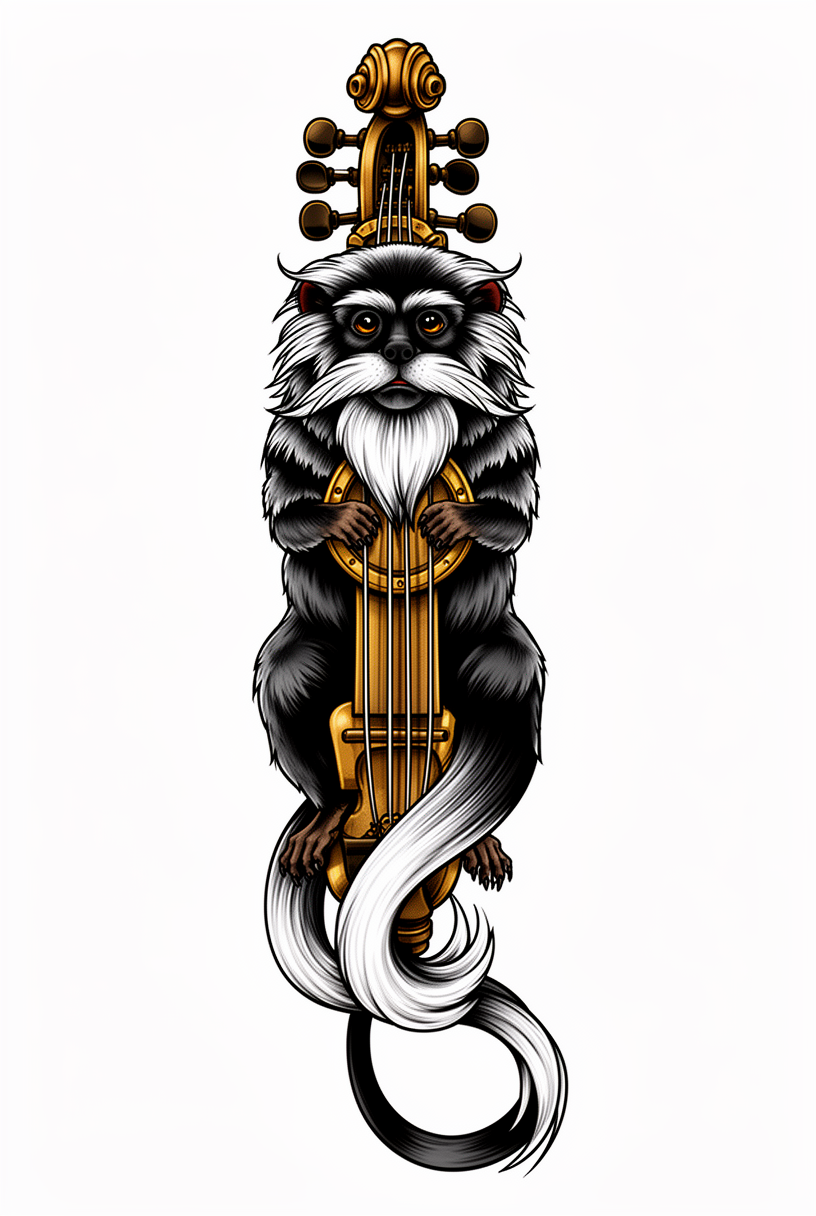
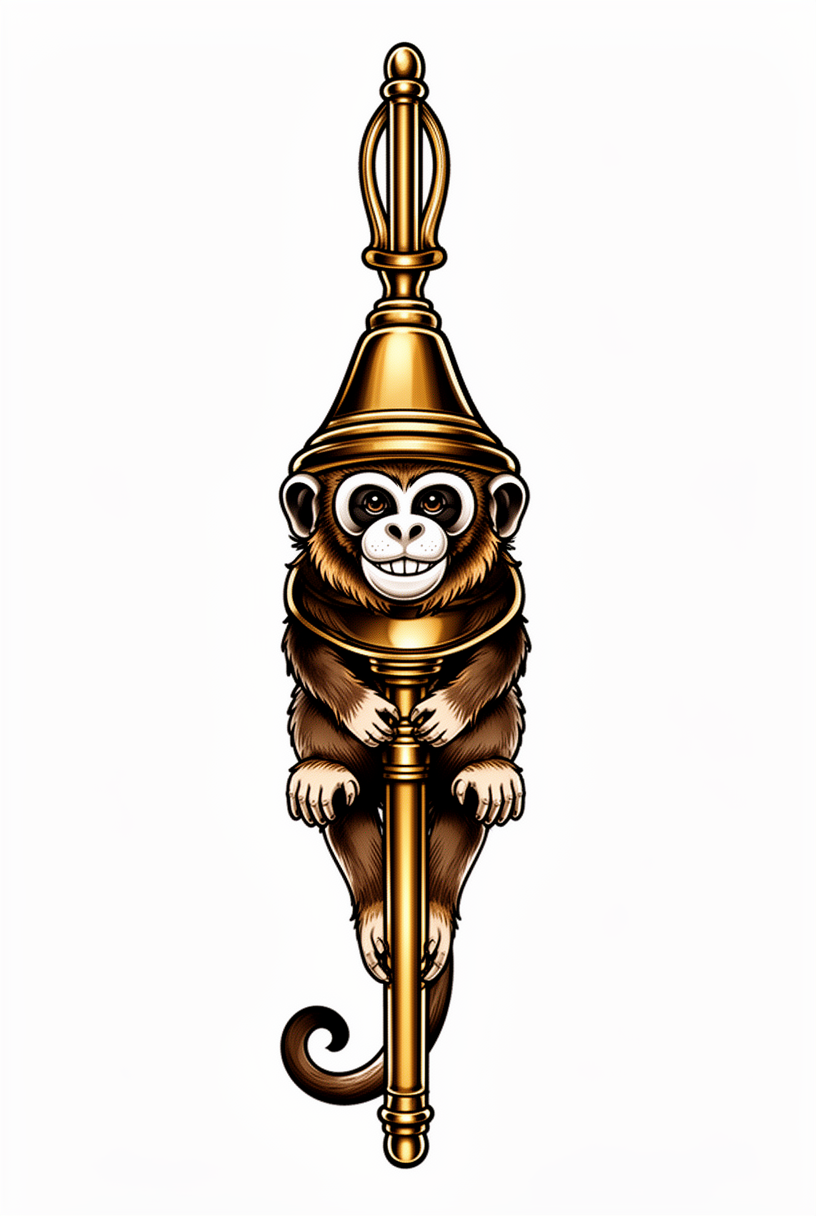
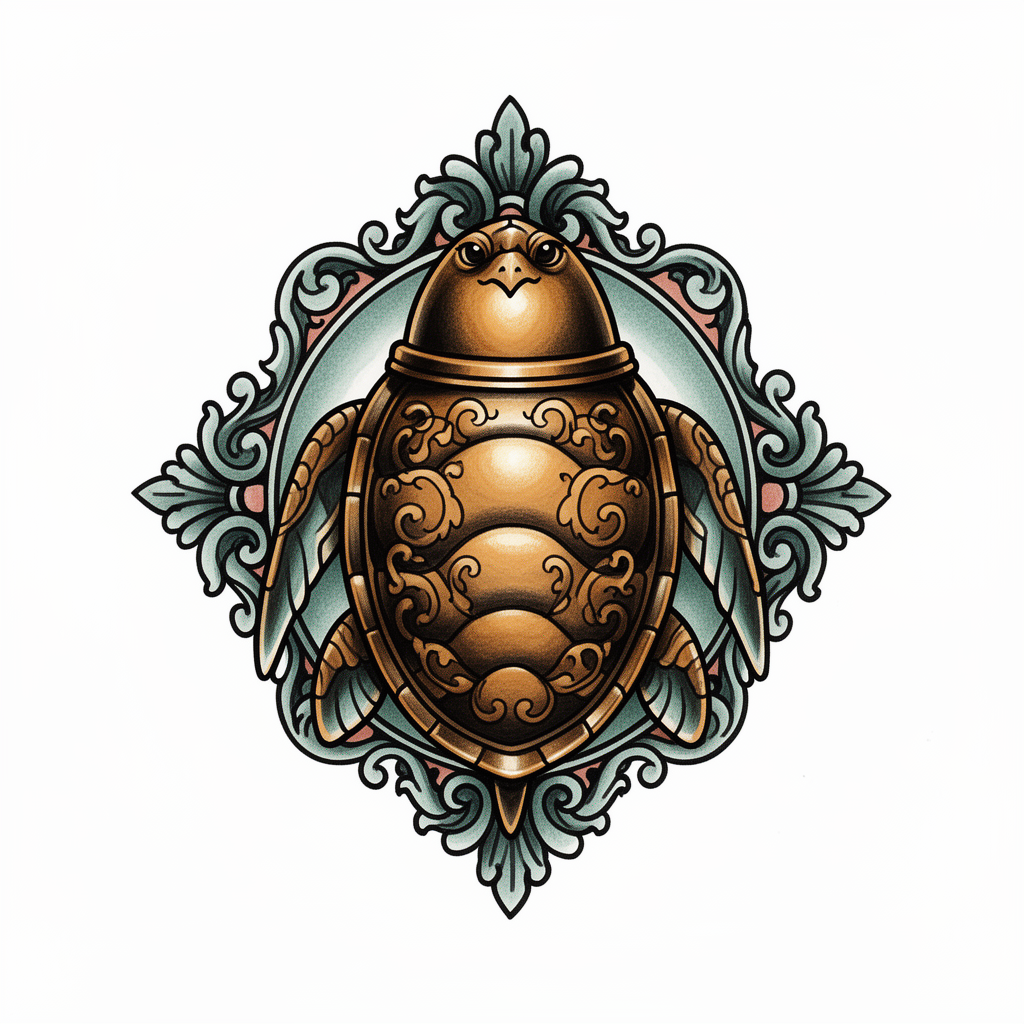
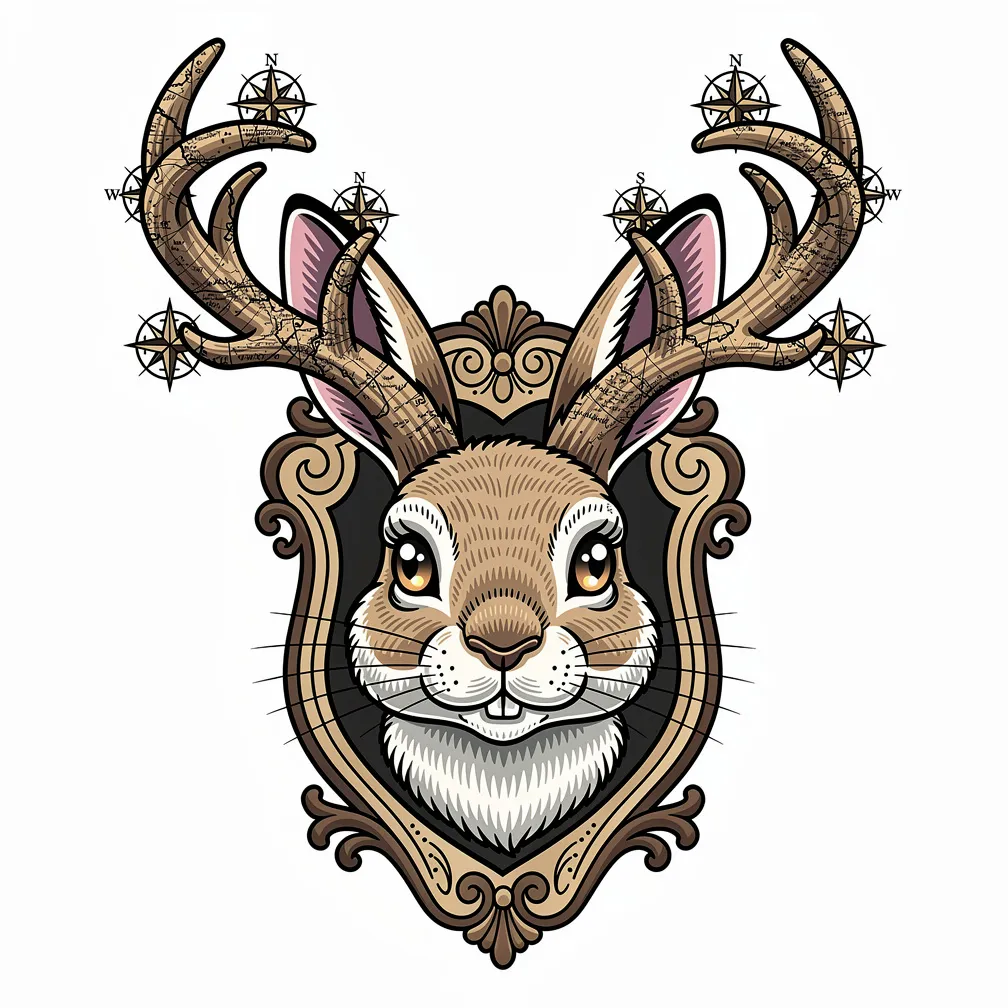
Small Neo-Traditional designs from the community
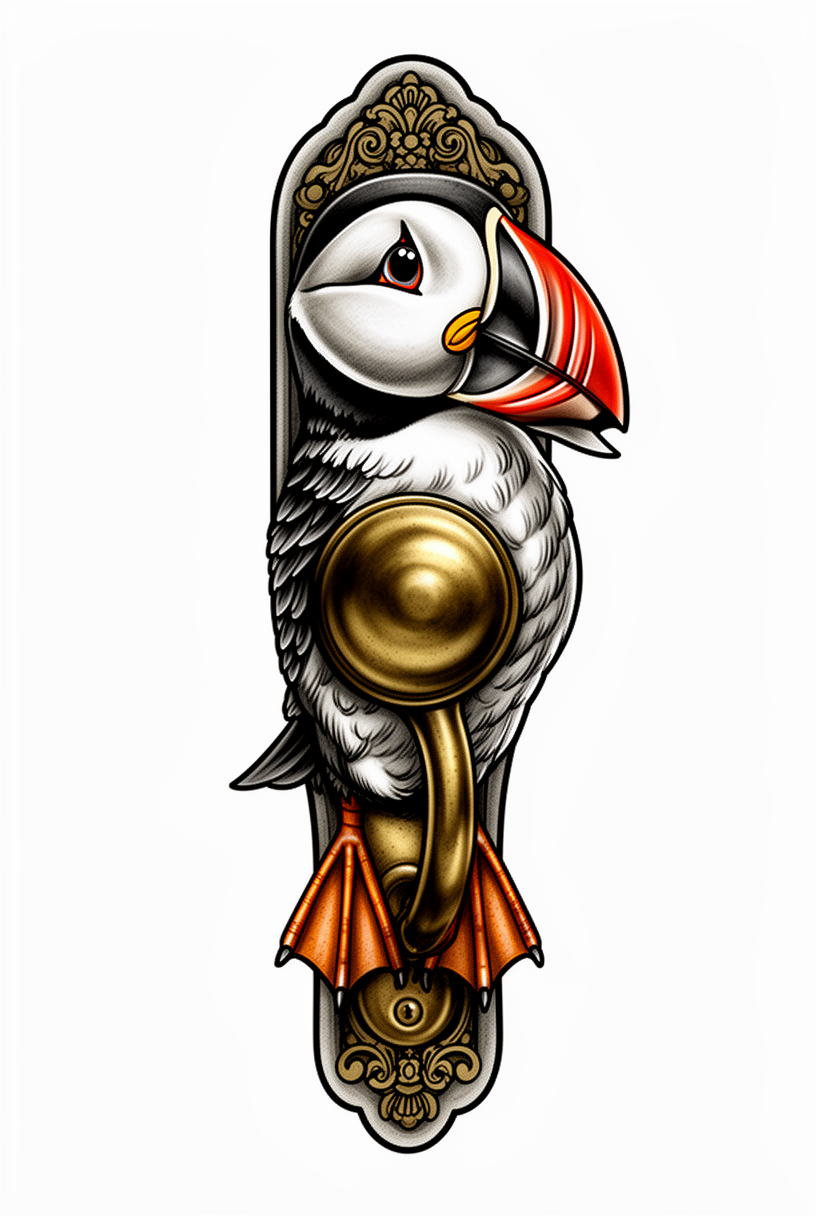
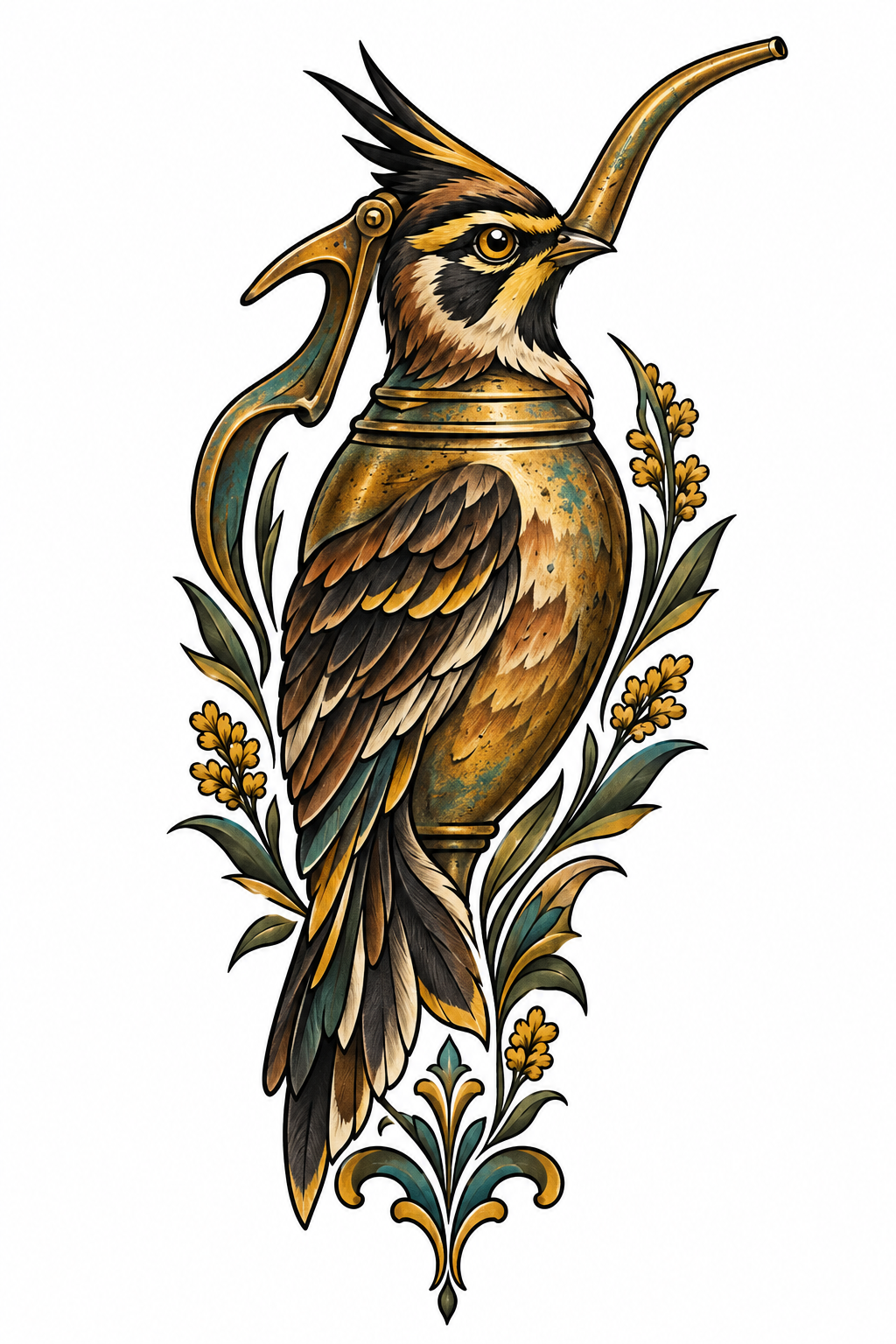

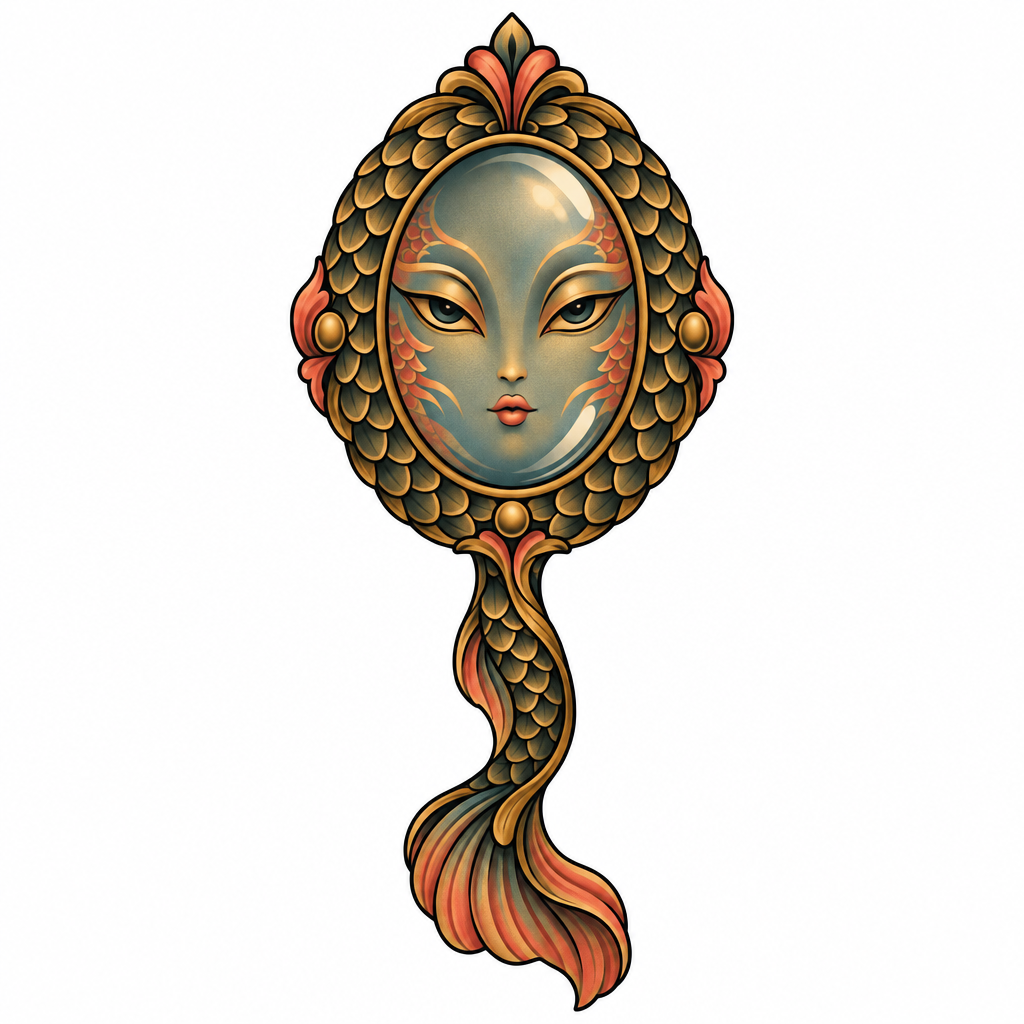
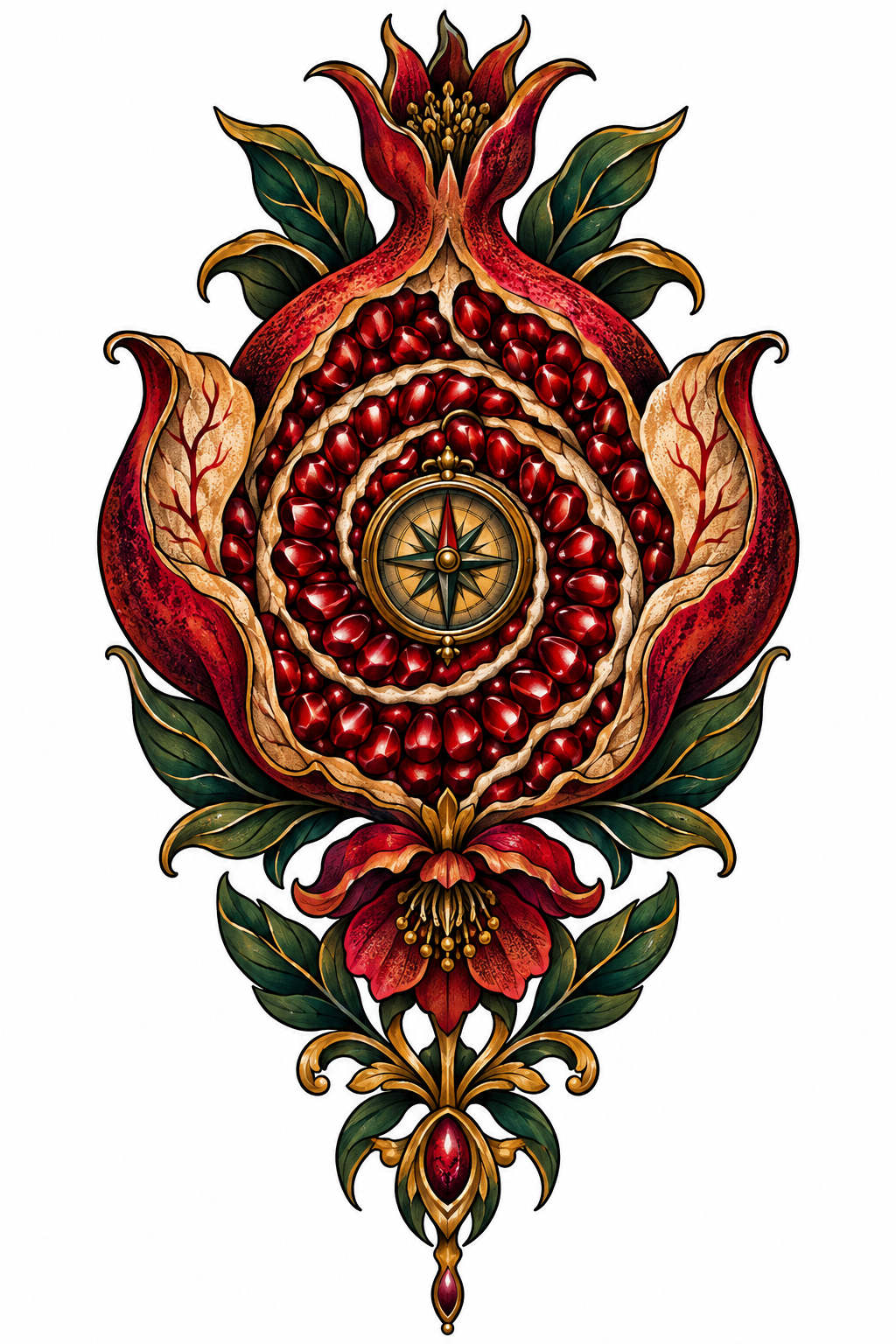


Related combos
Other Neo-Traditional ideas
Other Small styles
Small Neo-Traditional questions
- What is a Small tattoo?
- For a Neo-Traditional Small tattoo specifically: A Small tattoo is defined by physical size — generally smaller than a coin. The term refers to scale, not style or theme, so the design can be almost anything as long as it fits a compact footprint.
- Who is a Small tattoo good for?
- People who want discreet ink for professional or personal reasons, first-timers easing into the experience, and collectors who prefer building a constellation of small pieces over time rather than committing to one large work.
- What styles work best for a Small tattoo?
- Minimalist, fine line, lettering, and dotwork are the strongest performers at small scale. They each handle the constraints of a compact canvas without relying on fine detail that will blur as the tattoo ages.
- What size and placement work best?
- By definition the piece is small — usually under five centimeters. Forearm, ankle, behind-ear, and calf placements age best. Avoid finger sides, palms, and any spot where the skin folds or rubs constantly.
- Any aftercare specific to a Small tattoo?
- Standard aftercare applies, but be especially careful about sun exposure — small tattoos lose definition faster, and UV damage is the main accelerant. Expect at least one touch-up within the first five years.
- Is a Small tattoo a good first tattoo?
- Yes — small pieces are a popular first choice because the session is short, the cost is low, and the commitment feels approachable. Just choose the design as carefully as you would a large one.