Tattoo Style
Negative Space Tattoos
A practical guide to Negative Space tattoos: where the style comes from, what makes it recognisable, prompt ideas, real community examples, and answers to the questions people ask before they commit.
Generating this style needs the Artisan plan or above — but reading and planning here is always free.
Negative Space tattoos at a glance
- Colour
- Black & grey
- Line weight
- Bold
- Skill level
- Intermediate
- Best placement
- Small, detailed spots
The history of Negative Space tattoos
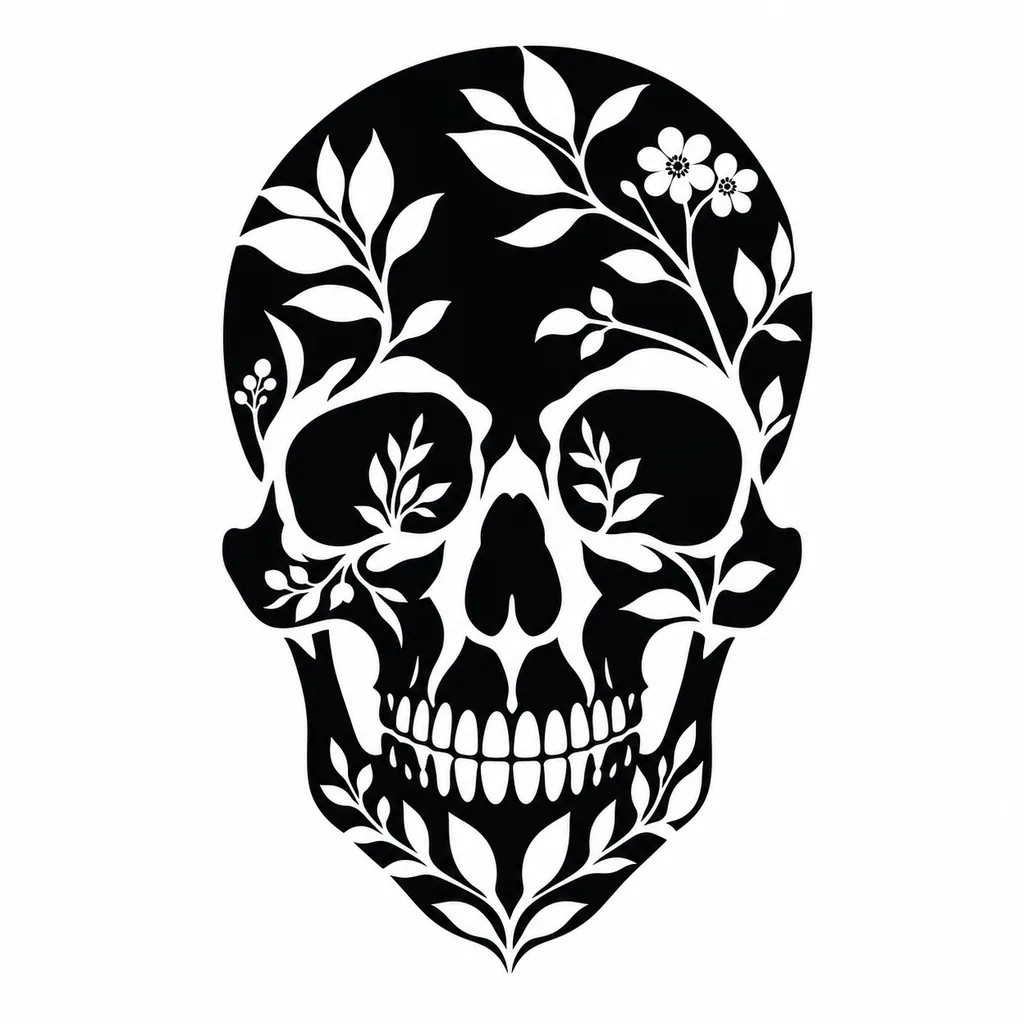
Negative-space tattooing uses bold solid black to define an image by what is left untouched: the skin itself becomes the drawing. A shape, animal or pattern emerges from the boundary between dense black and bare skin, with no outline doing the work. It is a striking, graphic, conceptual style closely tied to blackwork, where restraint and silhouette are everything. The technique depends entirely on confident shape design and clean edges, because the image only exists at the border between ink and skin. It became prominent within the modern blackwork movement as artists explored minimalism and bold contrast together. Its honest trade-offs are commitment and skin tone: large solid-black fields are a long-term decision and difficult to alter, and the effect relies on enough contrast between ink and skin for the negative shape to read clearly.
Where Negative Space comes from
Negative space is a borrowing from graphic design and logo craft, where figure-ground reversal is a core principle, applied to skin through bold blackwork. Artists such as Mo Ganji are associated with minimal single-line and negative-space work. It is a contemporary, design-literate approach rather than a folk tradition — the idea that an absence, framed by enough black, can be a complete image.
AI prompt ideas for Negative Space tattoos
- “A negative-space wolf revealed inside a solid black brushstroke shape, no outline, high contrast”
- “A bird formed from untouched skin within a bold black field, clean edges”
- “A negative-space crescent and mountains inside a solid black circle”
- “A leaping deer rendered purely as negative space in a black band”
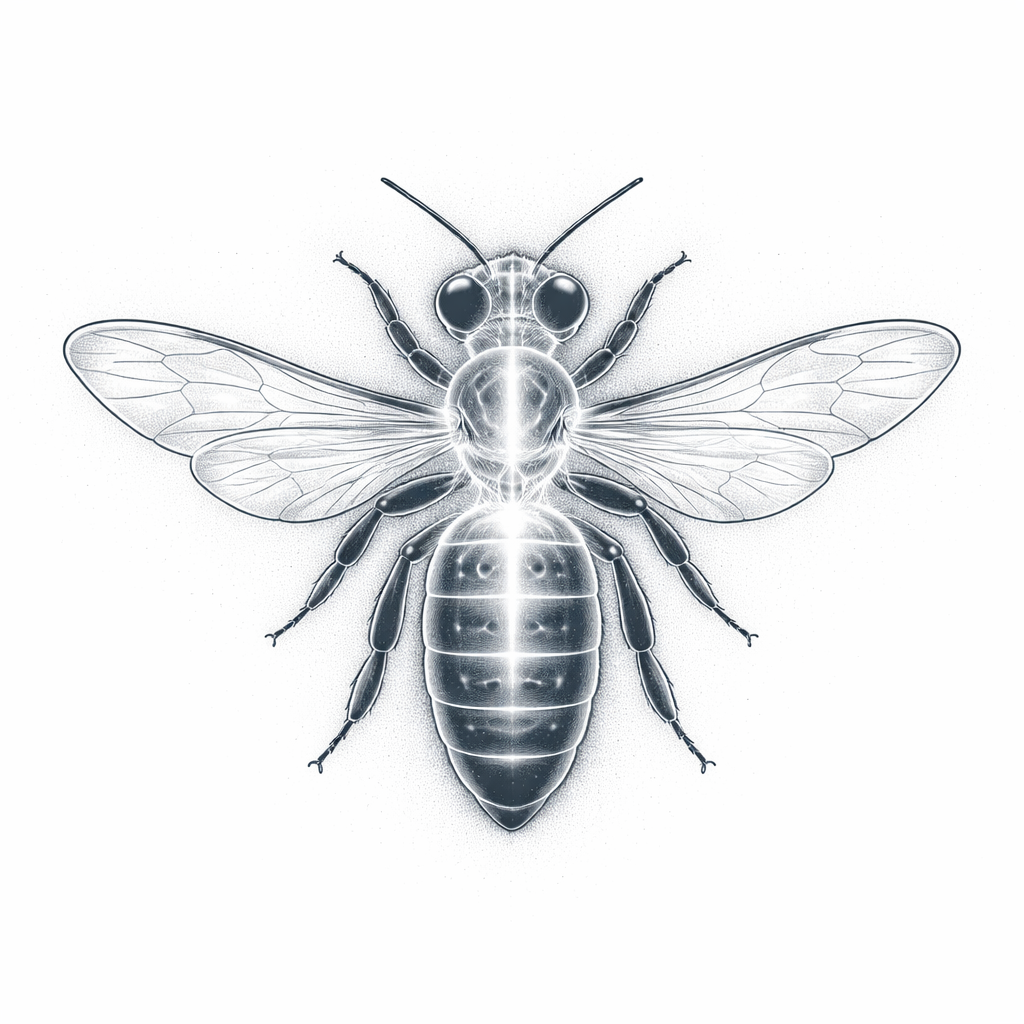
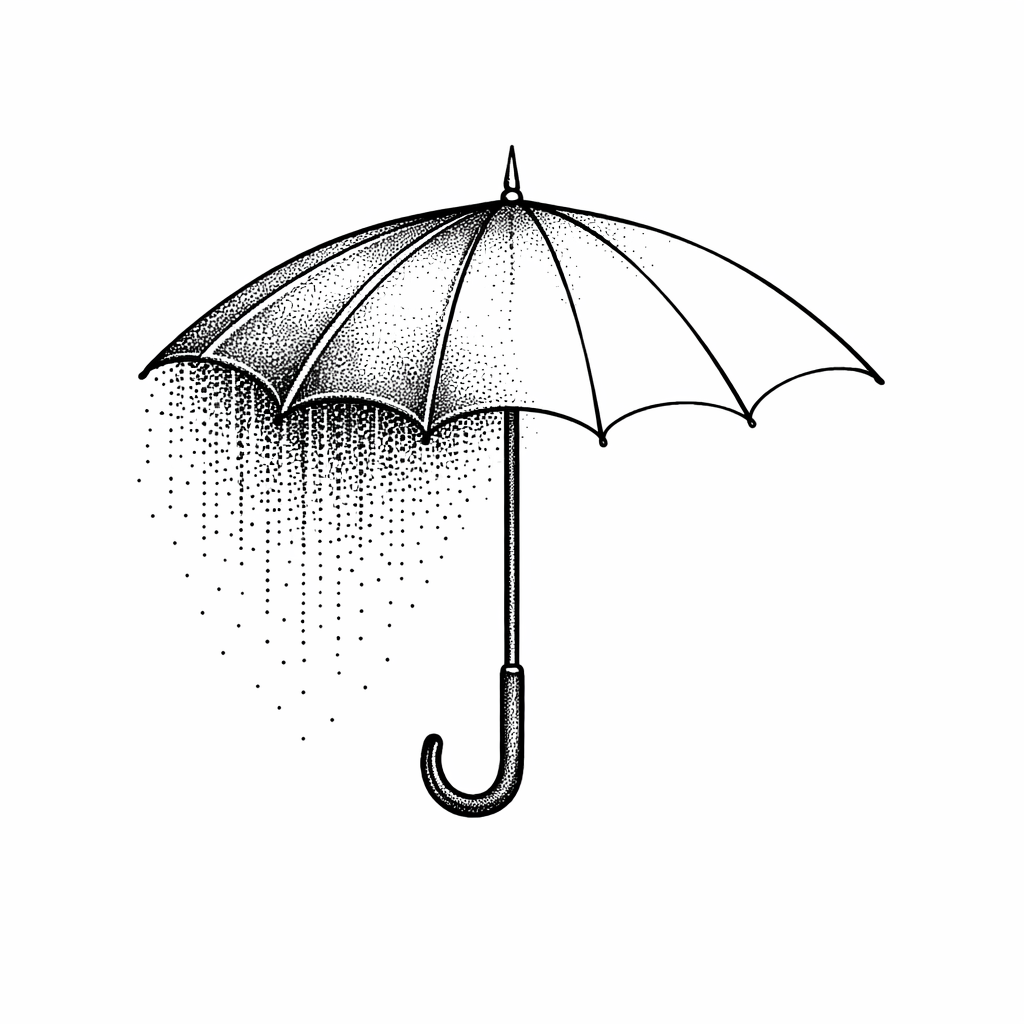
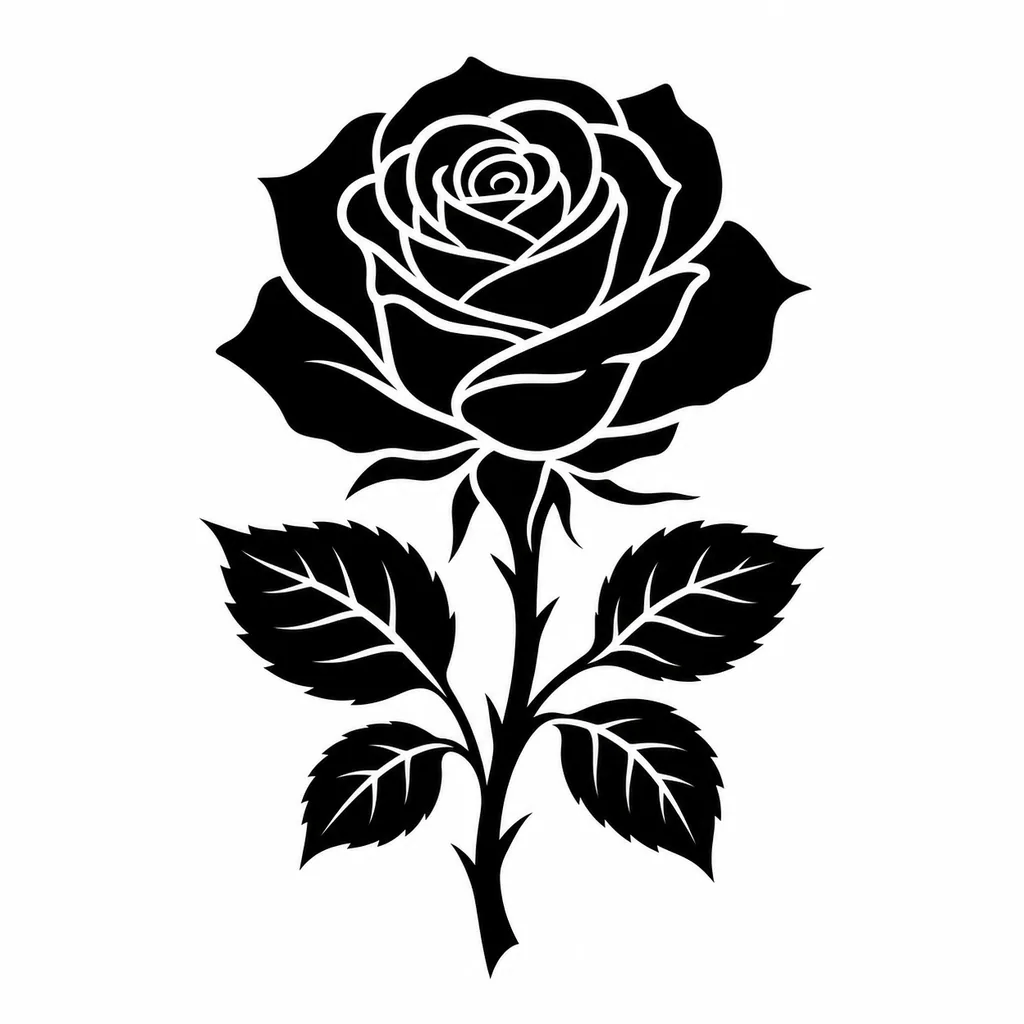
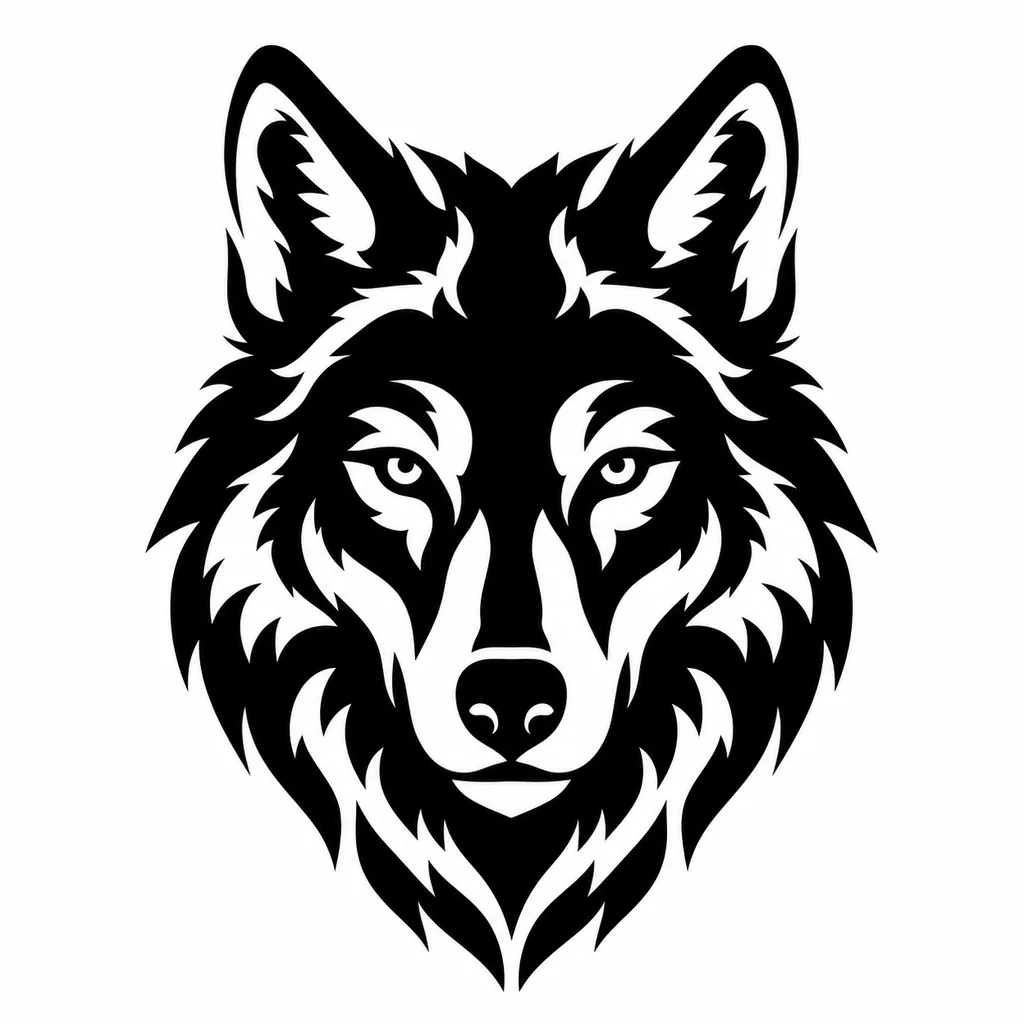
Negative Space designs from the community
Related tattoo styles
Negative Space tattoo FAQ
- What are the hallmarks of the Negative Space style?
- An image defined by untouched skin inside solid black — no outline. The drawing exists only at the border between dense ink and bare skin.
- Is Negative Space a long-term commitment?
- Yes. The large solid-black areas it relies on are hard to lighten or change later, so it should be treated as a permanent design decision.
- Which spots suit a Negative Space tattoo most?
- Larger, flatter areas — forearm, calf, back — where a bold black field and the negative shape inside it both have room to read clearly.
- Are Negative Space tattoos painful?
- The defining solid-black fill means repeated passes over the same skin, so these pieces tend to be more intense and slower than open linework.
- Is Negative Space good for a first tattoo?
- A small contained negative-space piece can work, but the large-black commitment and the need for strong shape design make it a considered first choice.
- How do I describe a Negative Space design to the AI?
- Describe the subject as revealed by negative space inside a solid black shape, with no outline and high contrast, so the generator commits to figure-ground reversal.