Tattoo Ideas
Flower Japanese Tattoo Ideas
Why Japanese works for Flower tattoos, with real designs and prompts.
Japanese is on the Artisan plan and above.
Why Japanese suits Flower tattoos
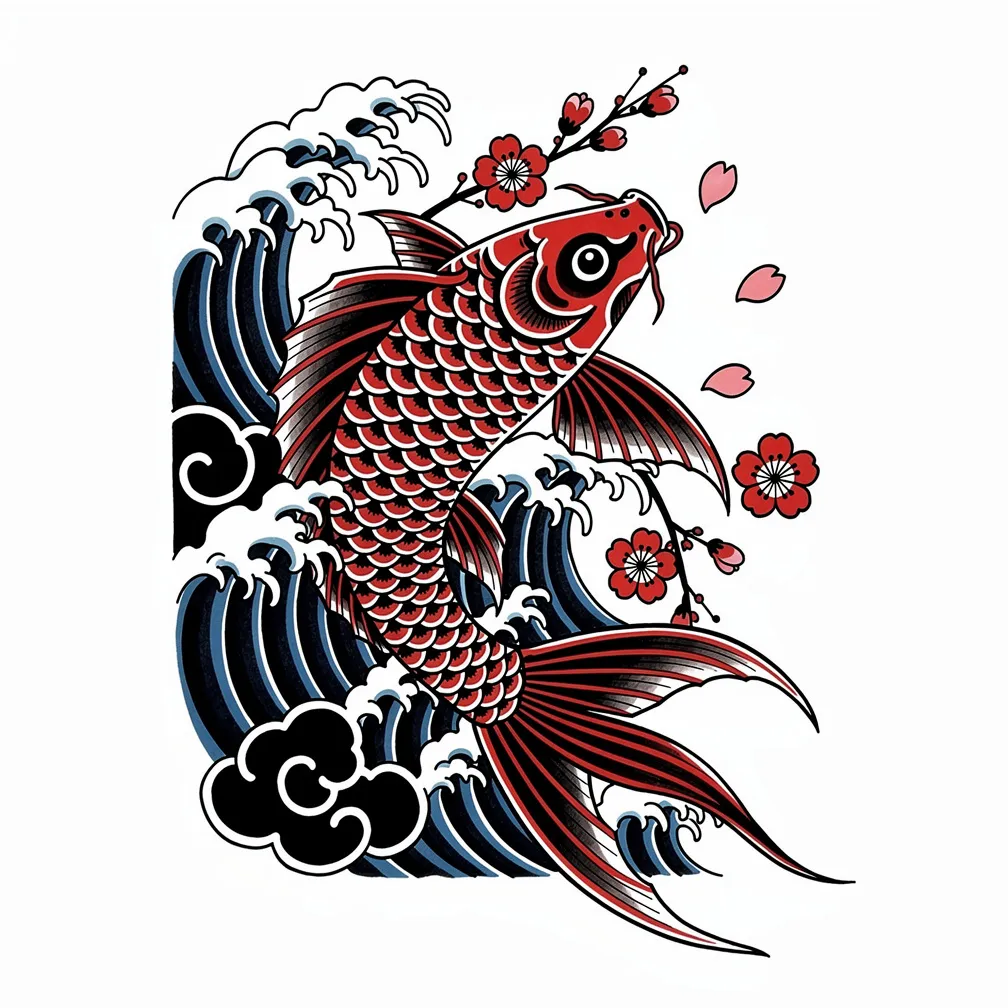
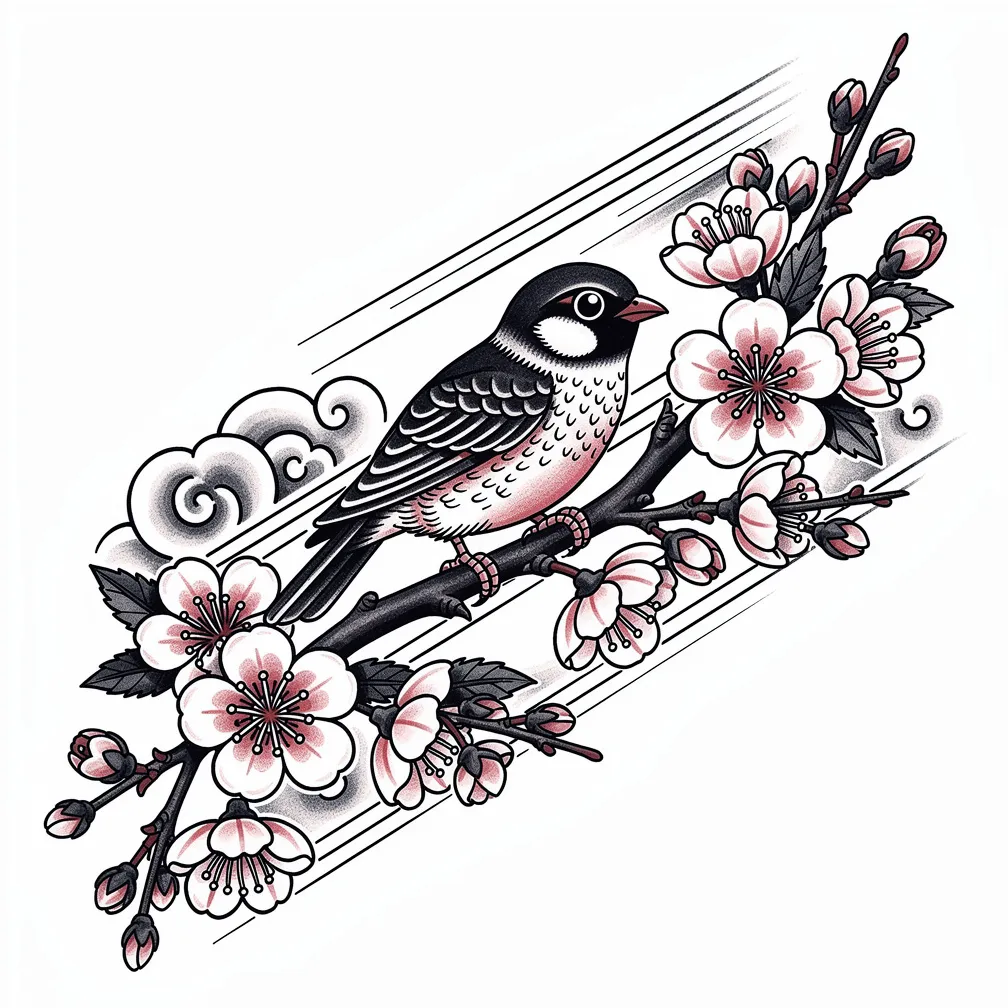
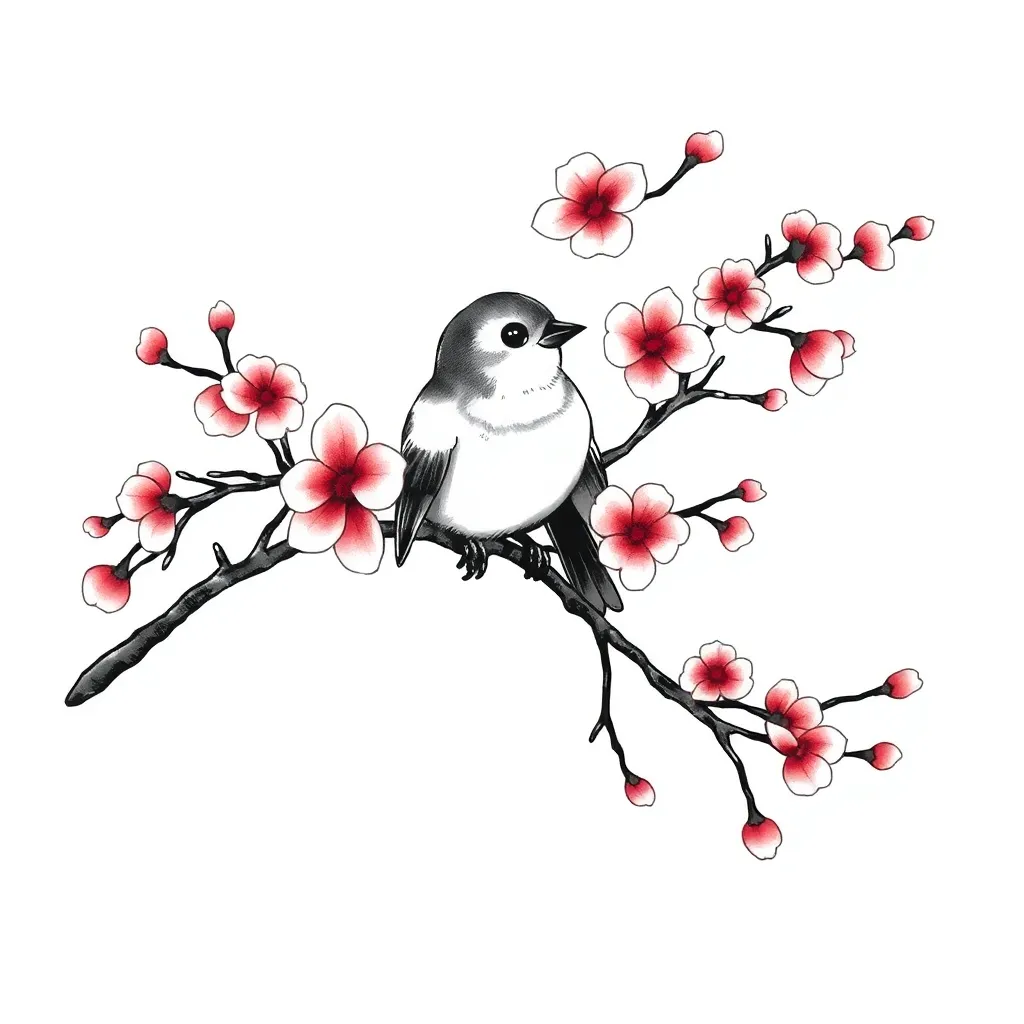
Japanese pairs naturally with Flower tattoos because the two have compatible visual priorities. Irezumi has roots stretching back centuries in Japan, drawing on woodblock printing — particularly the ukiyo-e tradition and illustrated heroic literature — for its imagery and composition. It developed sophisticated conventions for full-body layout and symbolic meaning. The grammar described here is the historical, public tradition; contemporary artists worldwide study it as a craft lineage, and respectful practice means understanding the motifs rather than borrowing them at random. A Flower tattoo is one of the oldest and most enduring categories in body art. Roses appear in Western traditional flash dating back over a century, often paired with daggers or banners. The lotus is central to Buddhist and Hindu iconography, symbolising rebirth and rising from muddy water clean. The peony is the king of flowers in Japanese irezumi, paired with lions and dragons. The cherry blossom carries the meaning of beauty in impermanence in Japanese culture. Sunflowers, lilies, daisies, and wildflowers all bring their own associations. Flowers work as tattoos because they are universally legible while still being deeply personal — a particular bloom can stand in for a birth month, a grandparent's garden, a country, a memorial, or simply a love of botany. The form is endlessly adaptable: a single fine-line stem on the wrist, a saturated traditional rose on the bicep, a watercolour bouquet drifting across the ribs, or a full Japanese-style peony composition on a thigh. Few subjects offer this range while remaining instantly recognisable across cultures. Put together, a Japanese Flower tattoo gives you the visual language of one and the emotional intent of the other — a design that reads at a glance and still carries meaning up close.
About Japanese tattoos
Irezumi has roots stretching back centuries in Japan, drawing on woodblock printing — particularly the ukiyo-e tradition and illustrated heroic literature — for its imagery and composition. It developed sophisticated conventions for full-body layout and symbolic meaning. The grammar described here is the historical, public tradition; contemporary artists worldwide study it as a craft lineage, and respectful practice means understanding the motifs rather than borrowing them at random.
About Flower tattoos
A Flower tattoo is one of the oldest and most enduring categories in body art. Roses appear in Western traditional flash dating back over a century, often paired with daggers or banners. The lotus is central to Buddhist and Hindu iconography, symbolising rebirth and rising from muddy water clean. The peony is the king of flowers in Japanese irezumi, paired with lions and dragons. The cherry blossom carries the meaning of beauty in impermanence in Japanese culture. Sunflowers, lilies, daisies, and wildflowers all bring their own associations. Flowers work as tattoos because they are universally legible while still being deeply personal — a particular bloom can stand in for a birth month, a grandparent's garden, a country, a memorial, or simply a love of botany. The form is endlessly adaptable: a single fine-line stem on the wrist, a saturated traditional rose on the bicep, a watercolour bouquet drifting across the ribs, or a full Japanese-style peony composition on a thigh. Few subjects offer this range while remaining instantly recognisable across cultures.
AI prompt ideas for Flower Japanese tattoos
- “Japanese: Fine-line single peony stem across the collarbone, no colour, soft dot shading on petals”
- “Japanese: Traditional bold-lined rose with two leaves and a small banner, classic red and green palette”
- “Japanese: Watercolour wildflower bouquet with cornflower blue and burnt orange drifting beyond the outline”
- “Japanese: Neo-traditional lily of the valley down the side of the calf with rich green leaves”
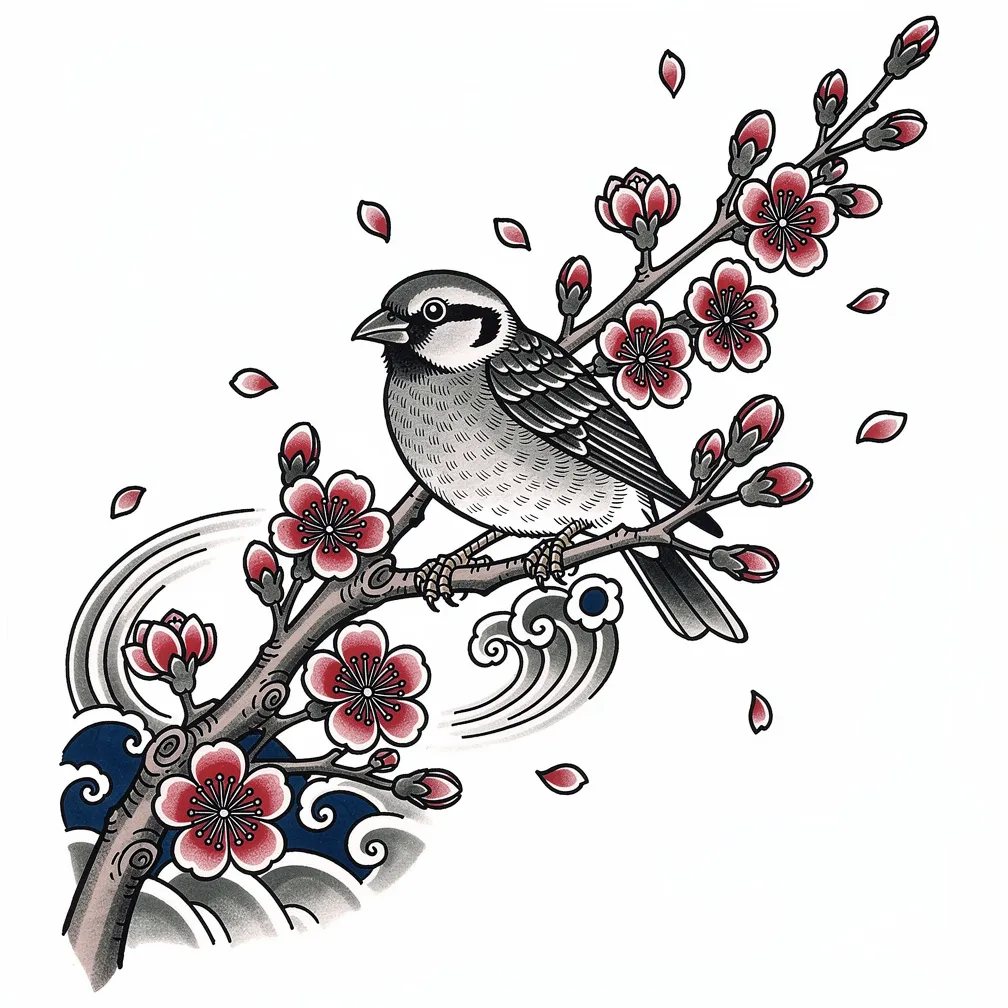
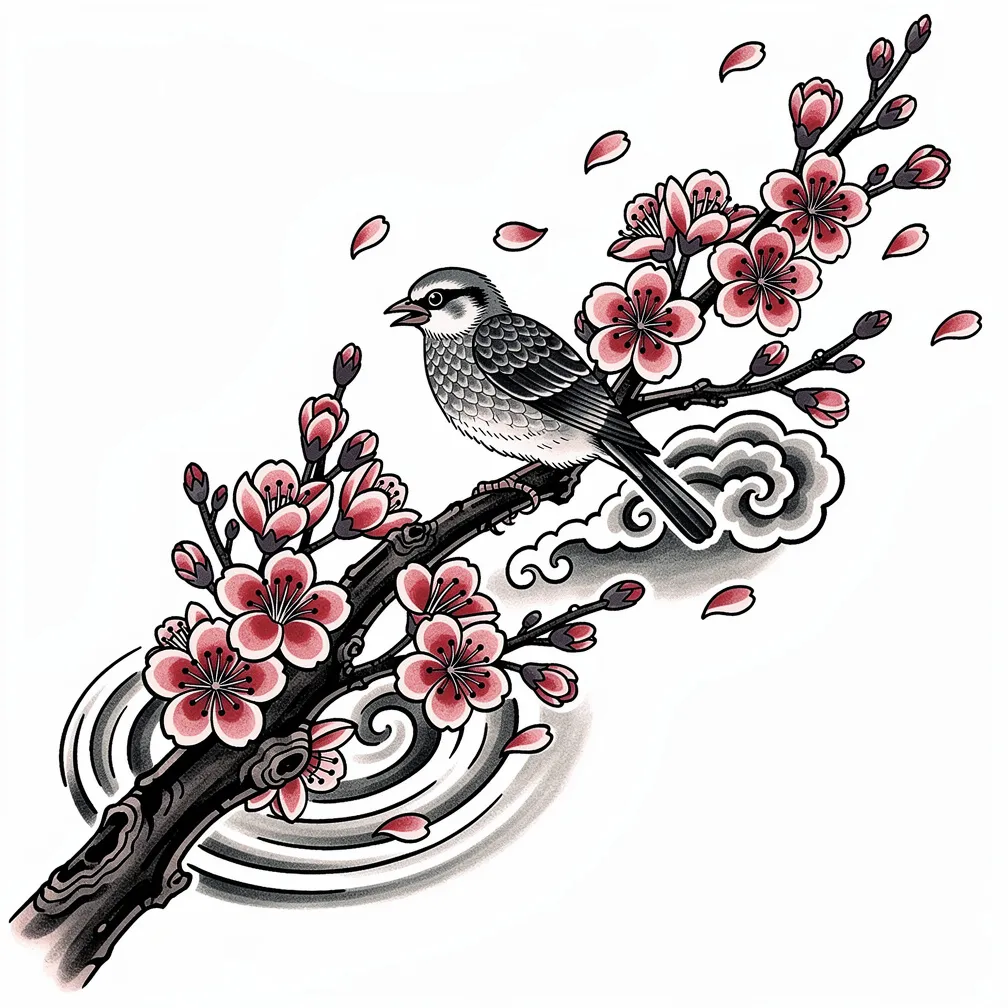
- “Japanese: Illustrative botanical-style cherry blossom branch wrapping the upper arm”
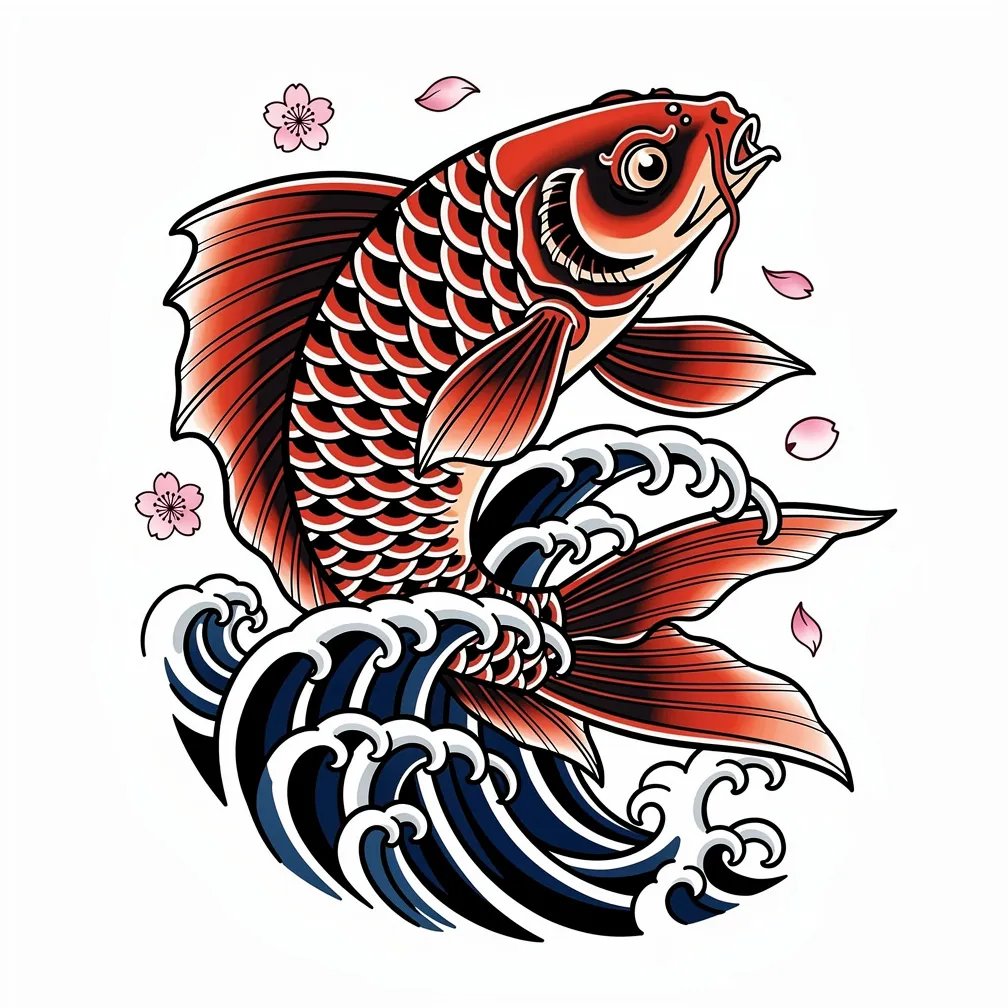
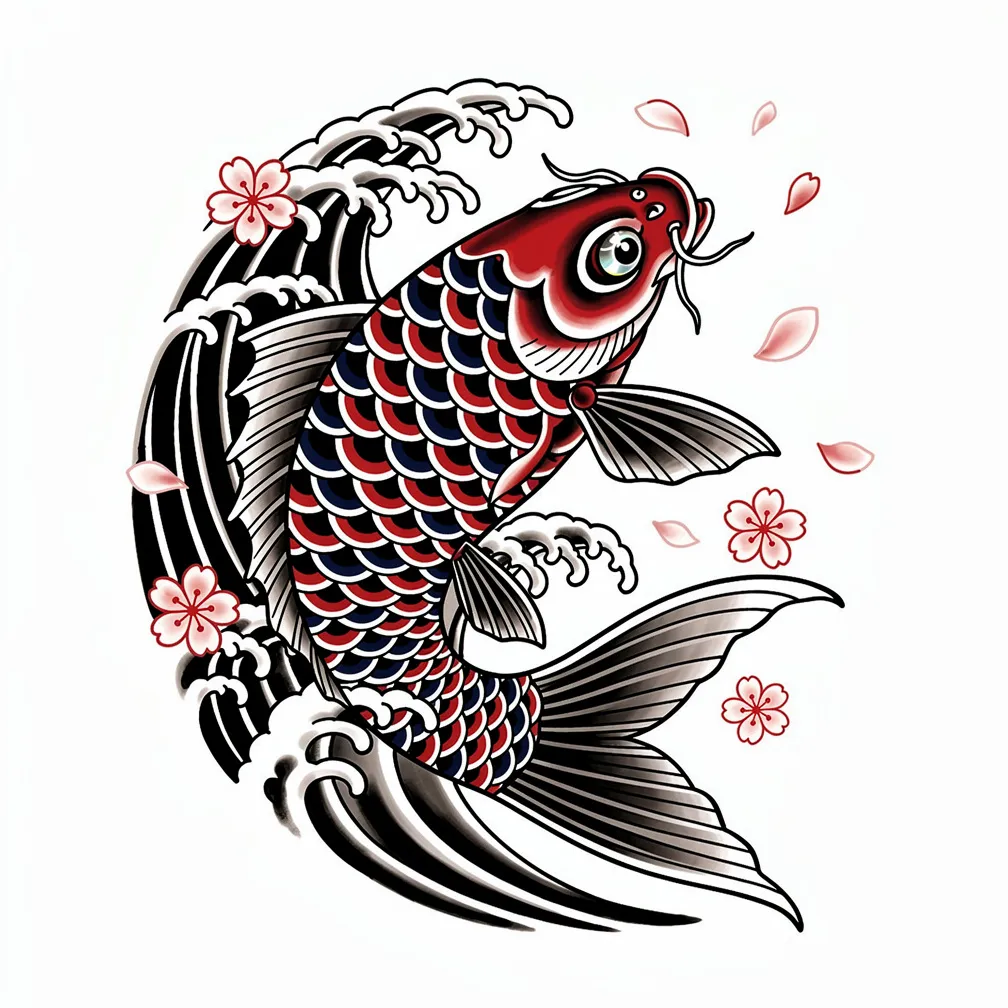
Flower Japanese designs from the community
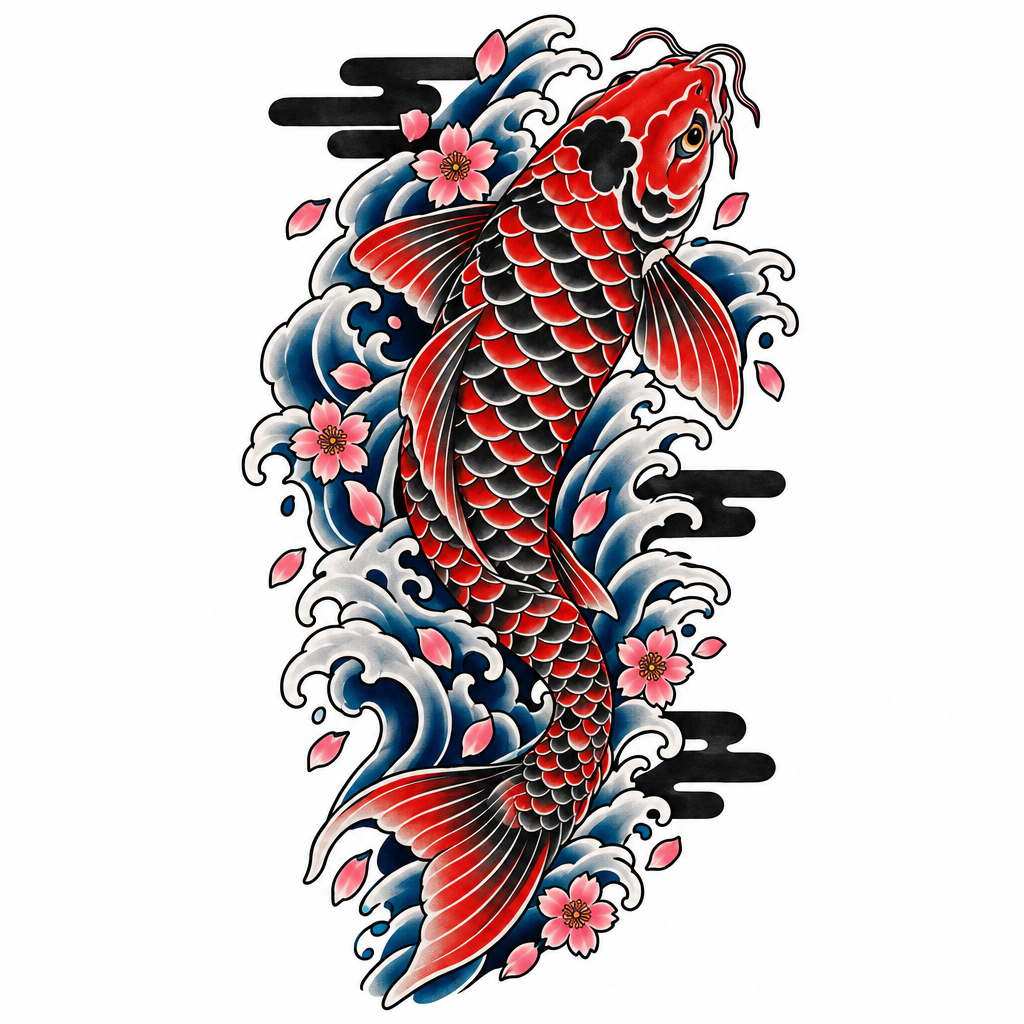
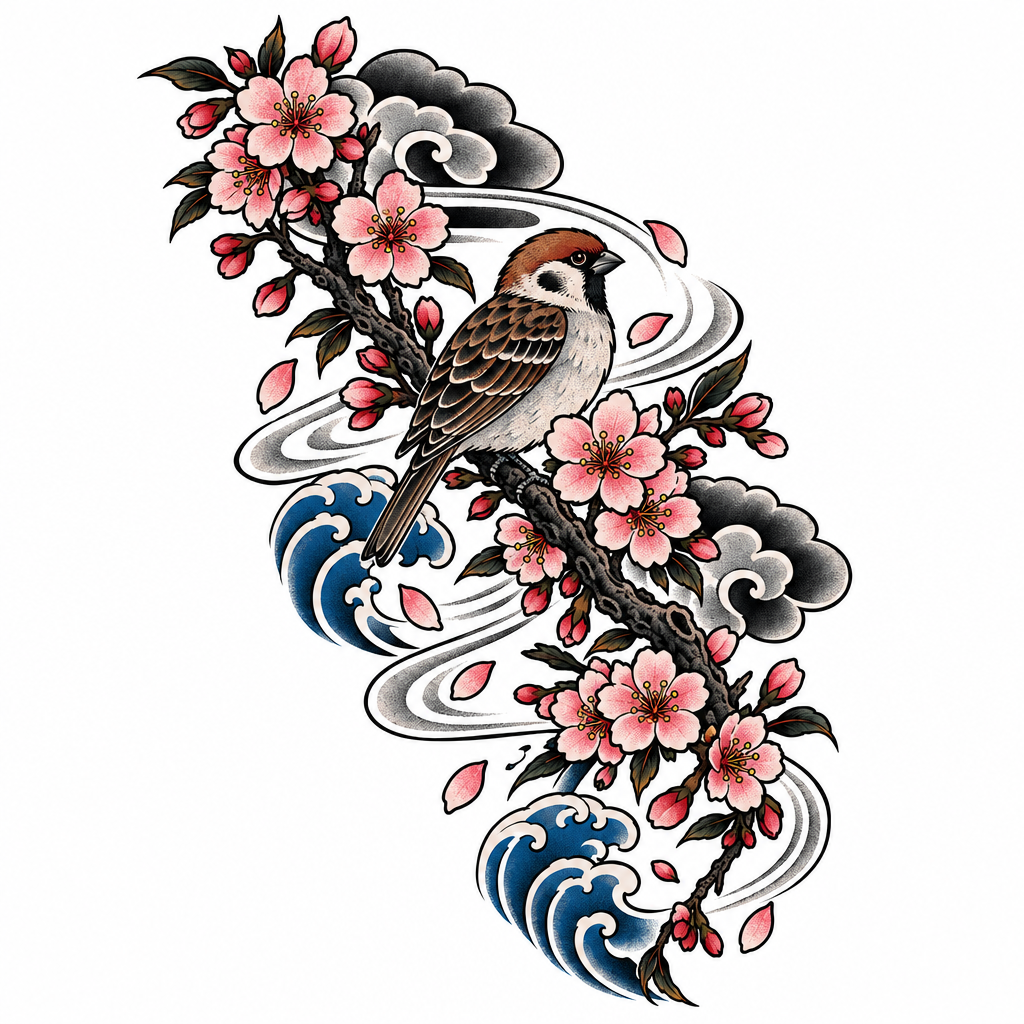
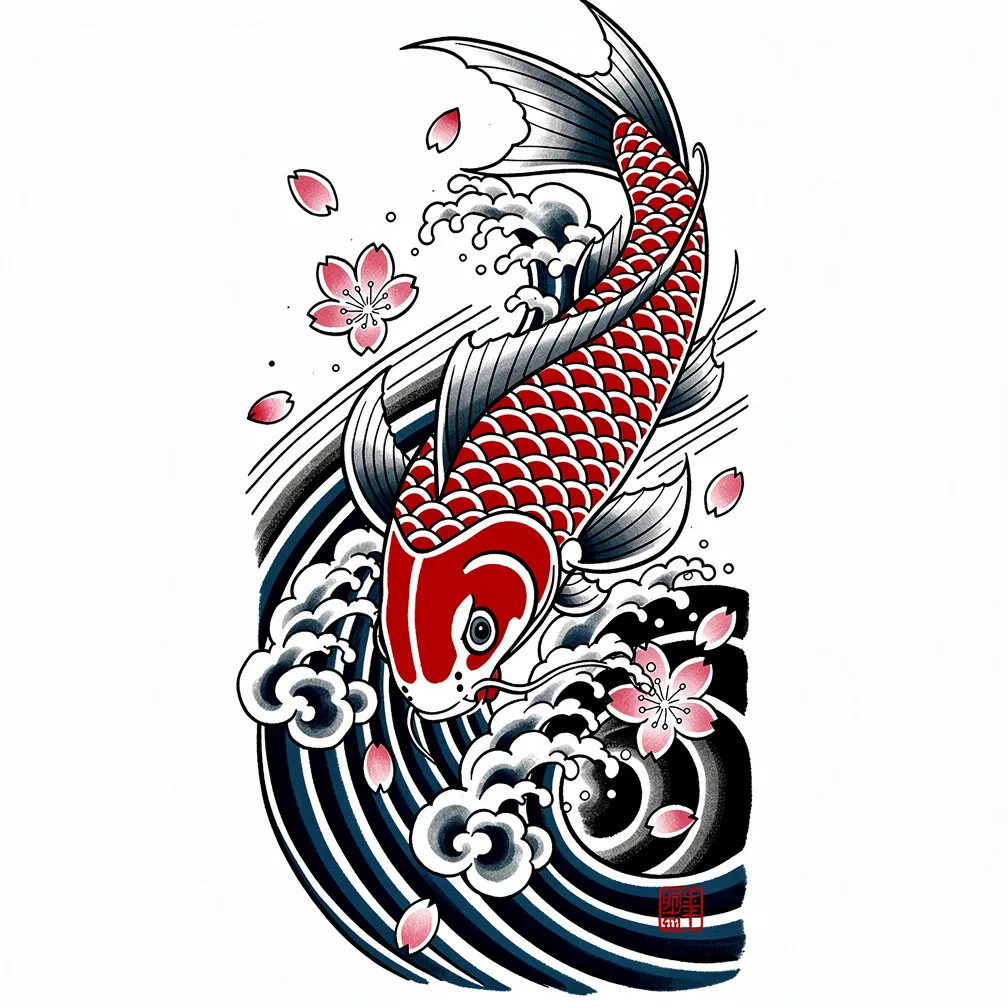
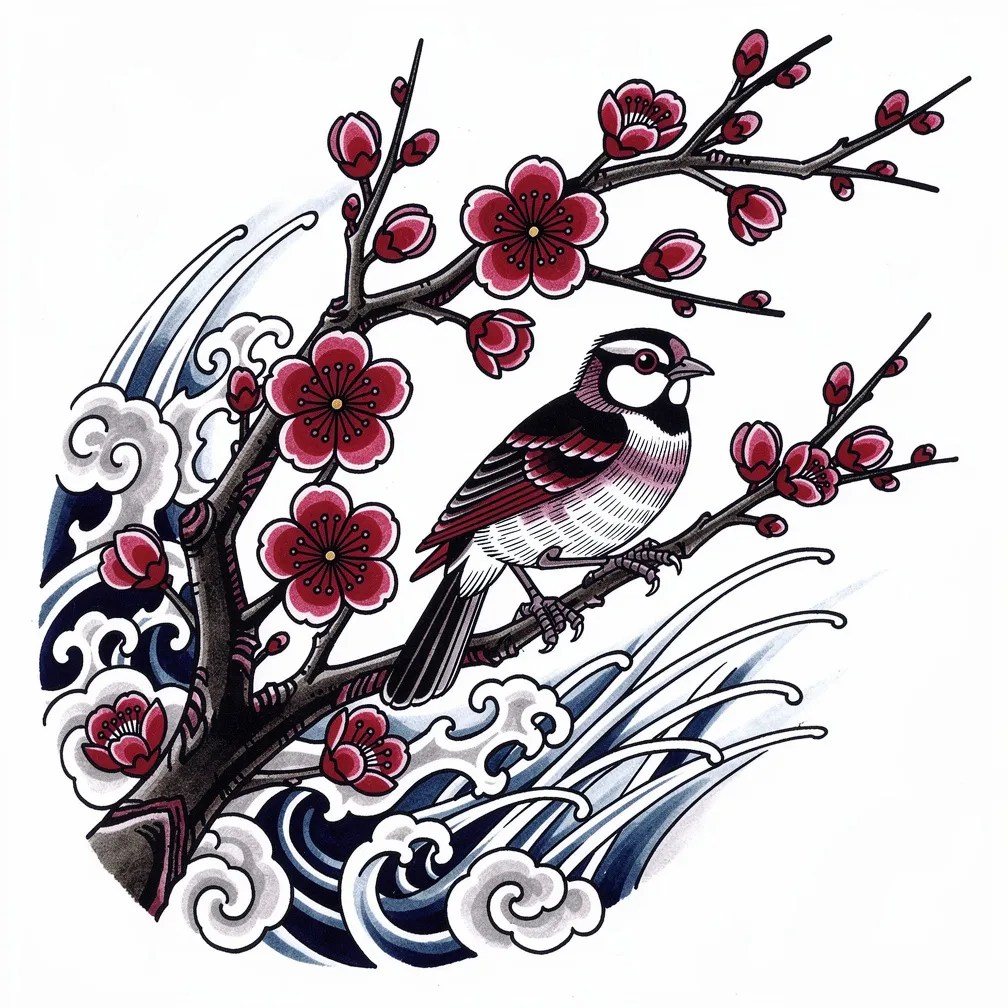

Related combos
Other Flower styles
Flower Japanese questions
- What is a Flower tattoo?
- For a Japanese Flower tattoo specifically: A flower tattoo features a single bloom, a cluster, or a botanical composition. It is one of the most adaptable categories in tattooing, working at any size, in any style, and carrying meaning ranging from memorial to purely decorative.
- Who is a Flower tattoo good for?
- Almost anyone — flowers carry personal meaning easily (birth months, loved ones, cultural ties) and they fit any aesthetic. They suit first-timers, collectors, and people who want something feminine, masculine, or neither.
- What styles work best for a Flower tattoo?
- Fine line for minimal stems, traditional for the classic bold rose, watercolor for soft impressionistic blooms, neo-traditional for richly coloured stylised flowers, and illustrative for botanical-print looks.
- What size and placement work best?
- Small single stems work on the wrist, ankle, behind the ear, or along the collarbone. Larger compositions — bouquets, full peonies, vines — suit the forearm, thigh, ribs, or upper back. Match bloom scale to the body part.
- Any aftercare specific to a Flower tattoo?
- Coloured petals fade faster than line, so daily SPF after healing is essential to keep colours vibrant. Fine-line floral work needs gentle moisturising during healing to keep petal lines from blurring as scabs lift.
- Is a Flower tattoo a good first tattoo?
- Yes — flowers are one of the friendliest first-tattoo categories. Start with a small single bloom rather than a full bouquet, and pick a style your artist is genuinely strong in rather than chasing a trend.