Tattoo Style
Japanese Tattoos
A practical guide to Japanese tattoos: where the style comes from, what makes it recognisable, prompt ideas, real community examples, and answers to the questions people ask before they commit.
Generating this style needs the Artisan plan or above — but reading and planning here is always free.
Japanese tattoos at a glance
- Colour
- Full colour
- Line weight
- Bold
- Skill level
- Advanced
- Best placement
- Large, flowing areas
The history of Japanese tattoos
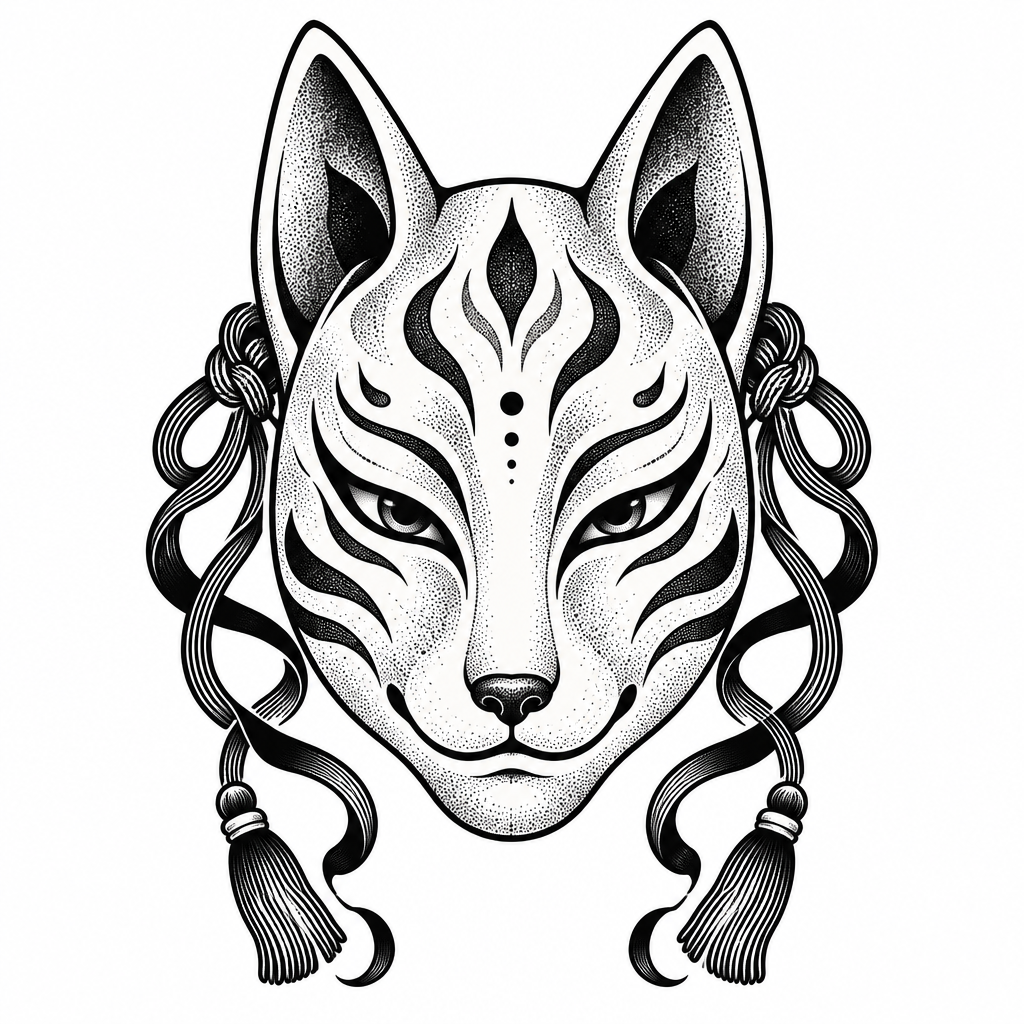
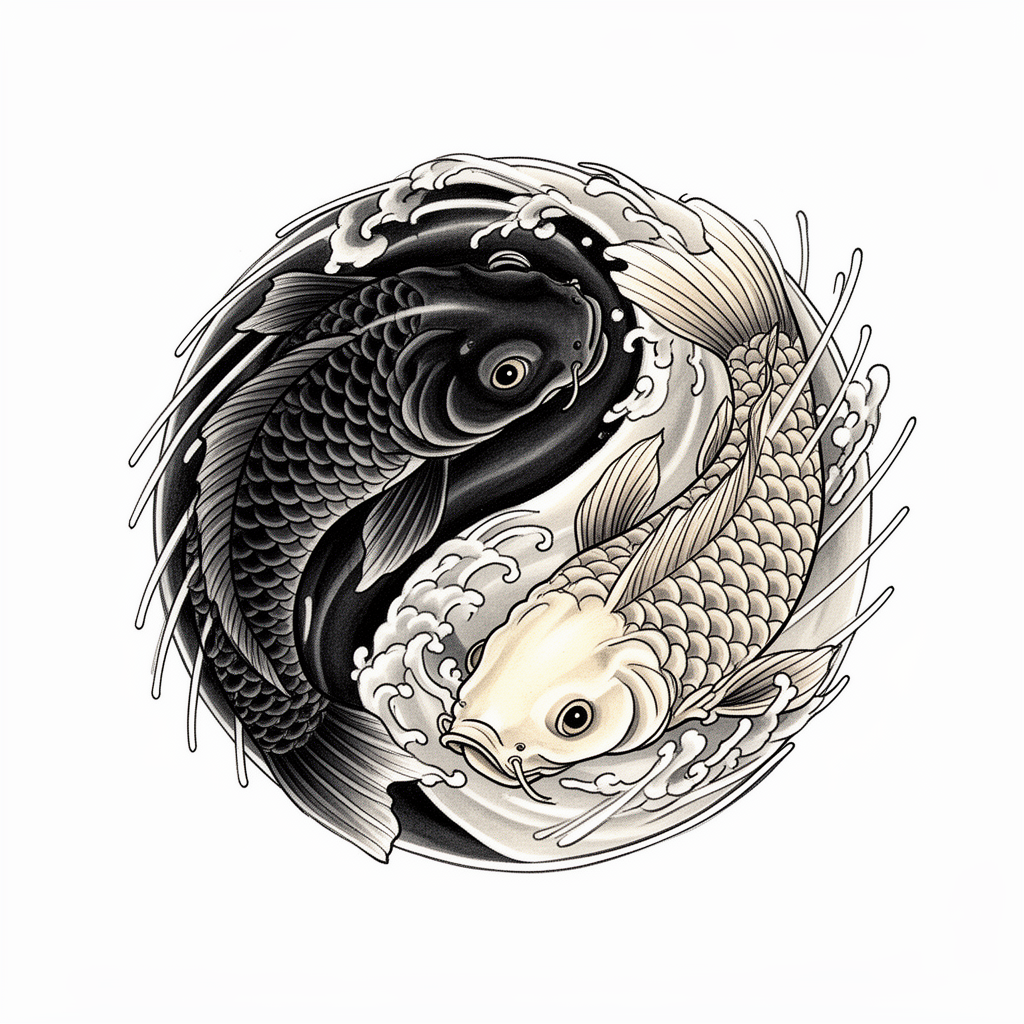
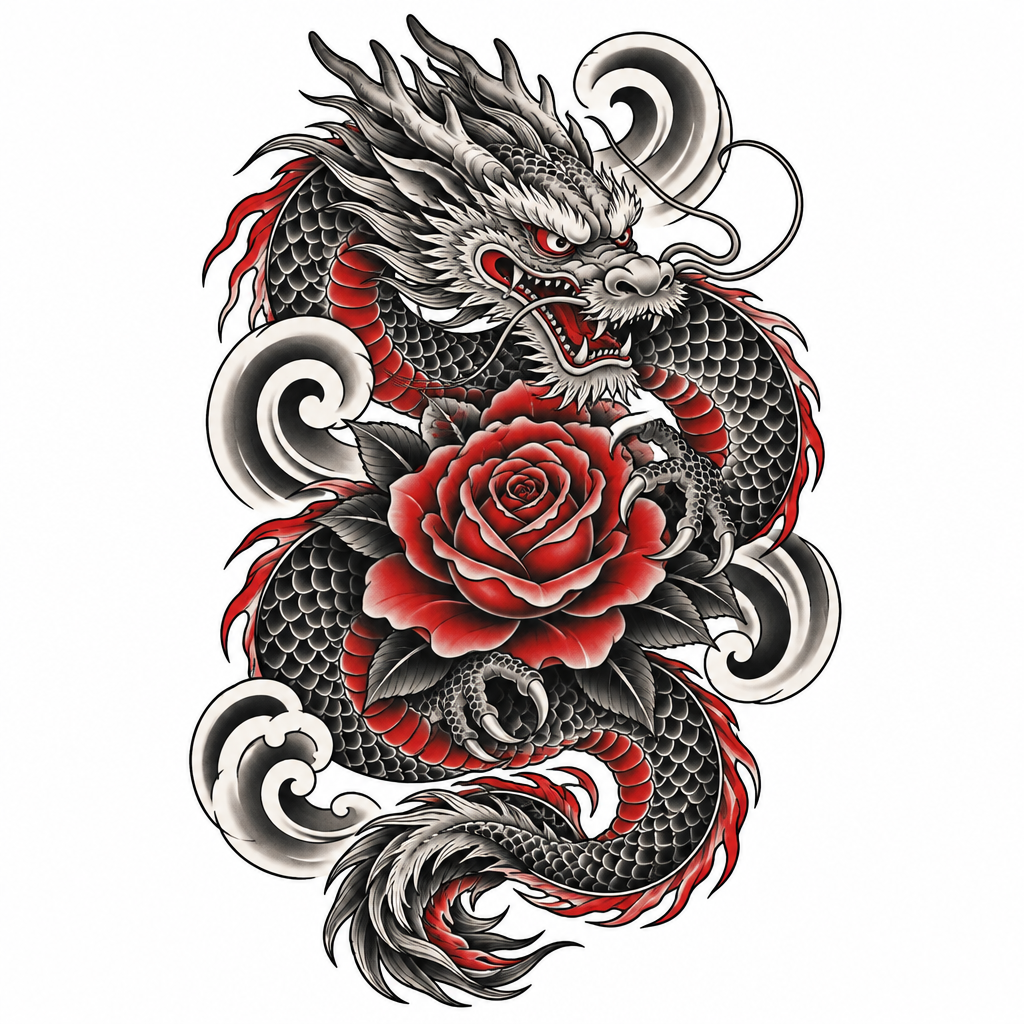
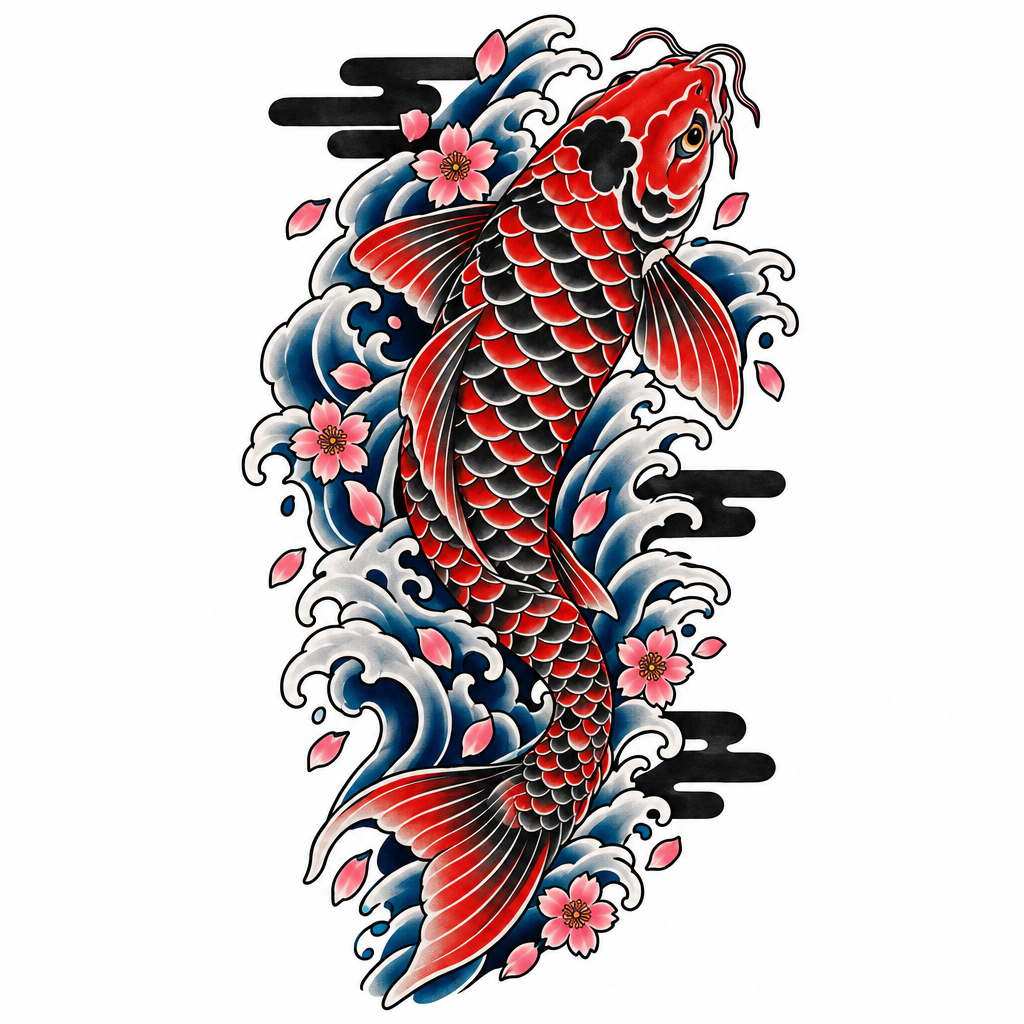
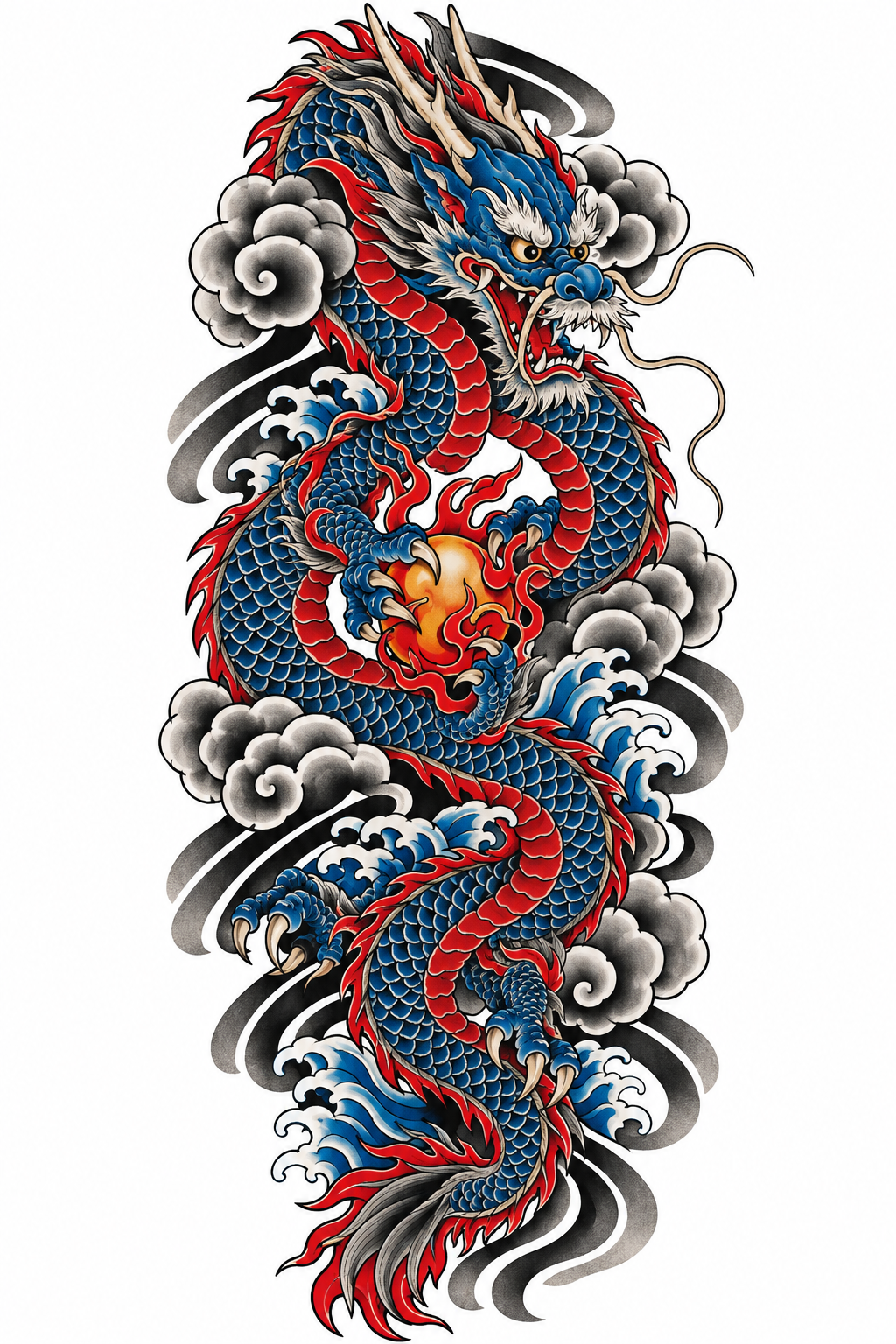
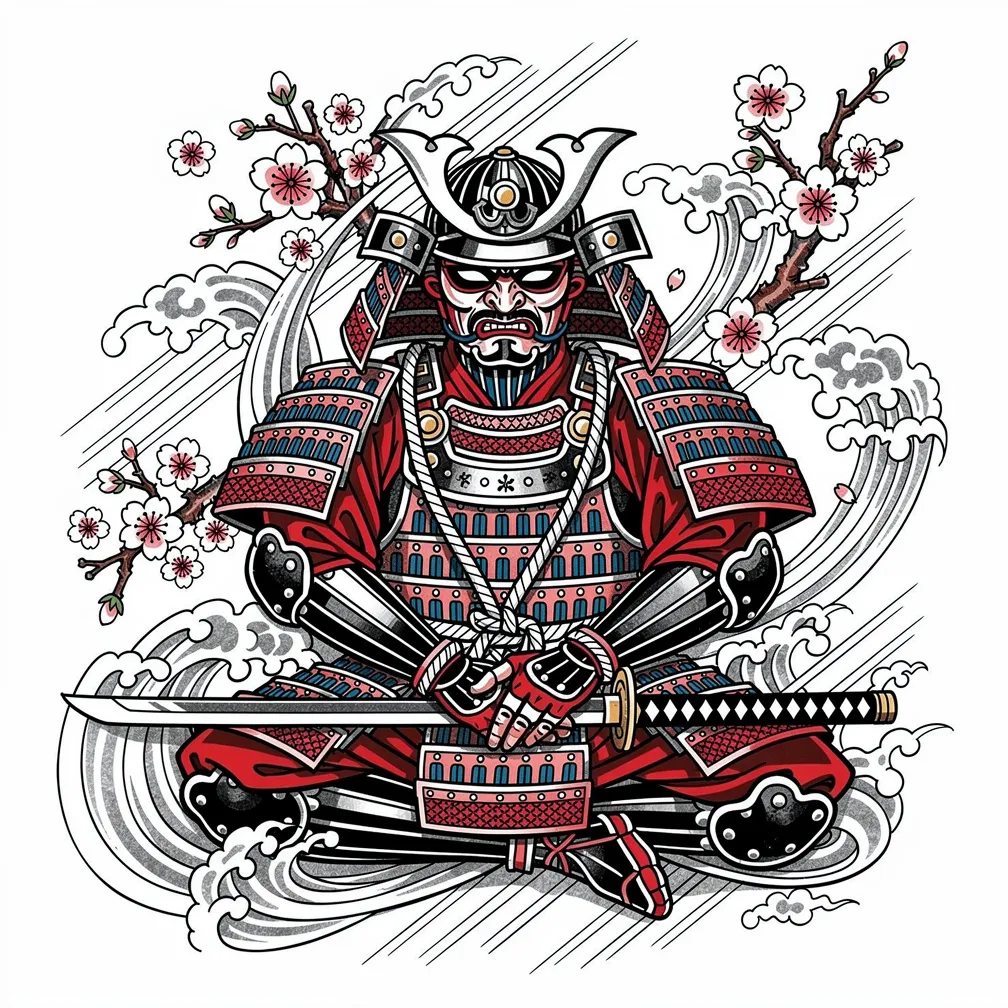
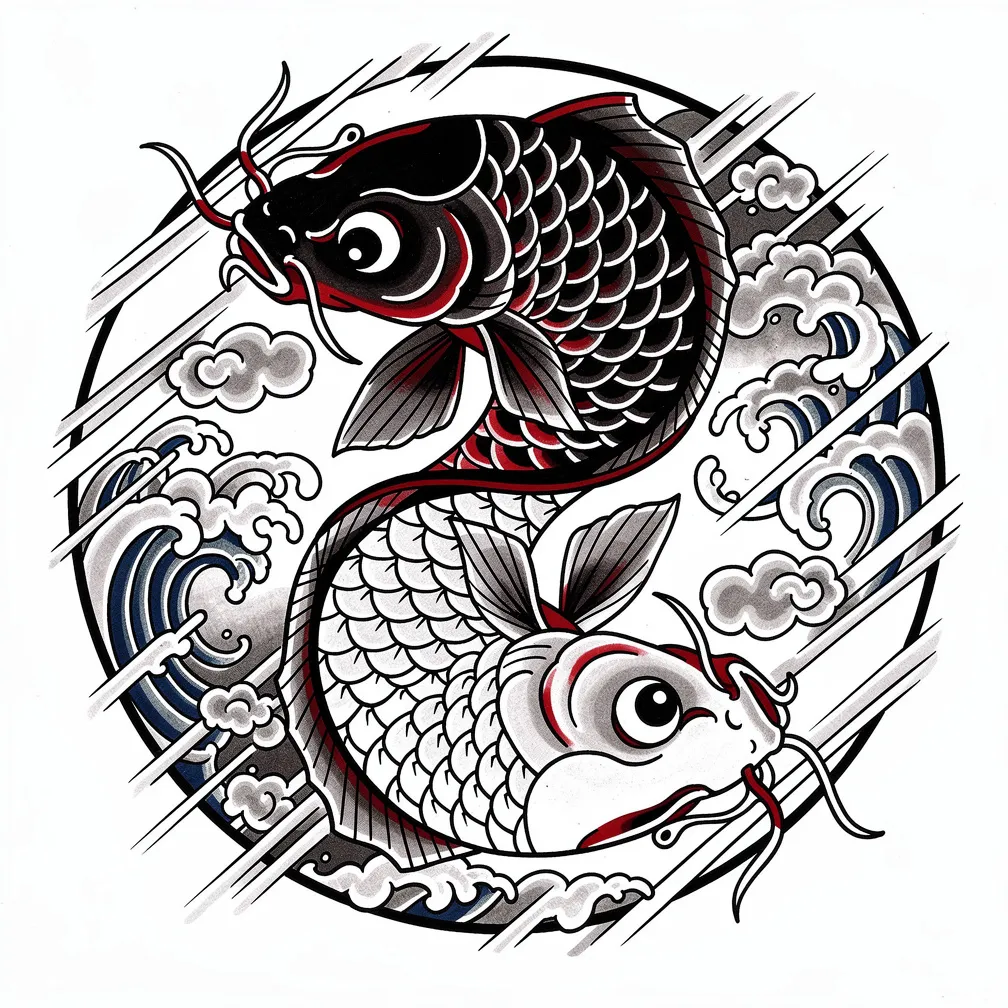
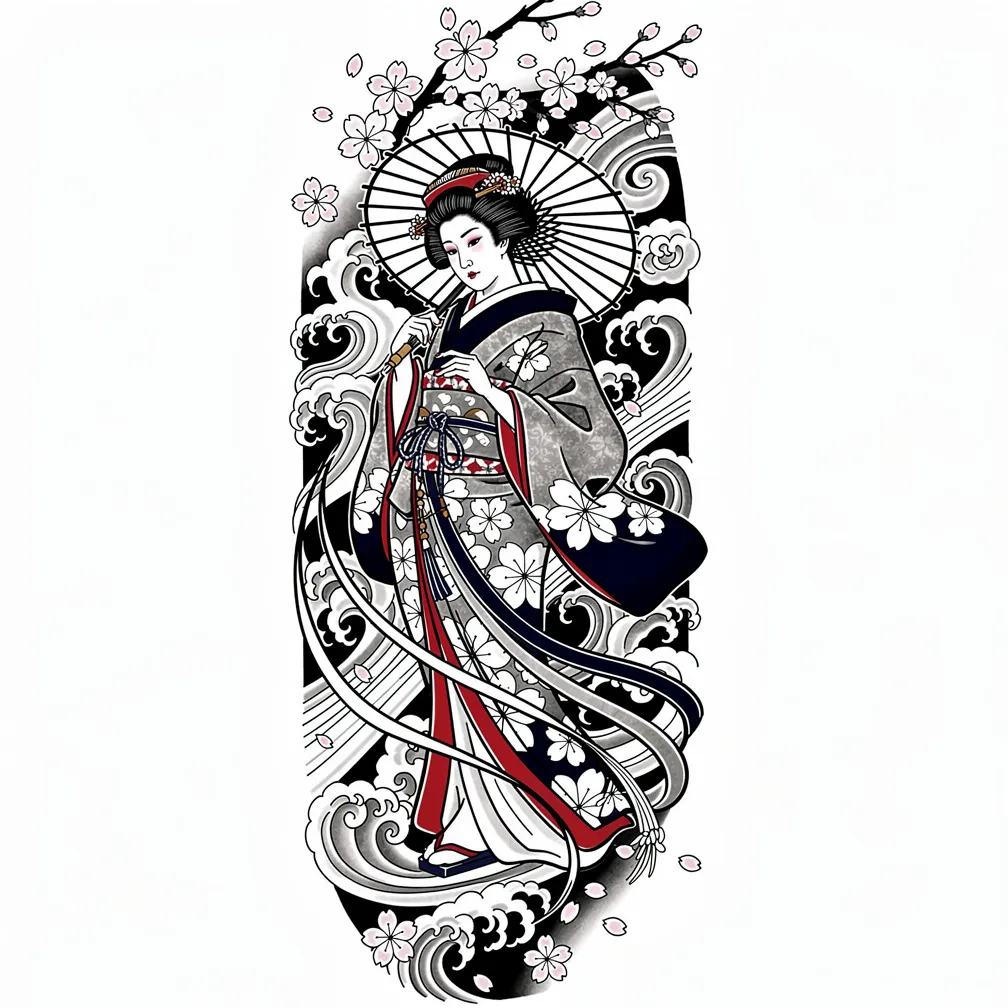
Japanese tattooing, traditionally called irezumi, is one of the most structured and storied styles in the world. It is defined not just by motifs but by composition: bold subjects like dragons, koi, phoenixes, tigers and hannya masks set against organised backgrounds of wind, water and finger waves that flow with the body. The result is large-scale, narrative work designed to wrap and move with the wearer rather than sit as an isolated image. Every element carries meaning. Koi swimming upstream signify perseverance; dragons signify strength and protection; cherry blossoms signify the beauty of impermanence. Because the rules of layout and symbolism are deep and specific, the style is approached with respect and usually planned as a long-term project. Its disciplined structure is also why well-executed Japanese work ages so powerfully: bold subjects and flowing backgrounds keep their composition for decades.
Where Japanese comes from
Irezumi has roots stretching back centuries in Japan, drawing on woodblock printing — particularly the ukiyo-e tradition and illustrated heroic literature — for its imagery and composition. It developed sophisticated conventions for full-body layout and symbolic meaning. The grammar described here is the historical, public tradition; contemporary artists worldwide study it as a craft lineage, and respectful practice means understanding the motifs rather than borrowing them at random.
AI prompt ideas for Japanese tattoos
- “A Japanese dragon coiling around the arm with wind bars and clouds, bold outline, traditional irezumi composition”
- “A koi swimming up a waterfall with maple leaves and water, classic Japanese background”
- “A hannya mask surrounded by peonies and finger waves, traditional palette”
- “A tiger and bamboo with flowing wind, large-scale Japanese layout”
Japanese designs from the community
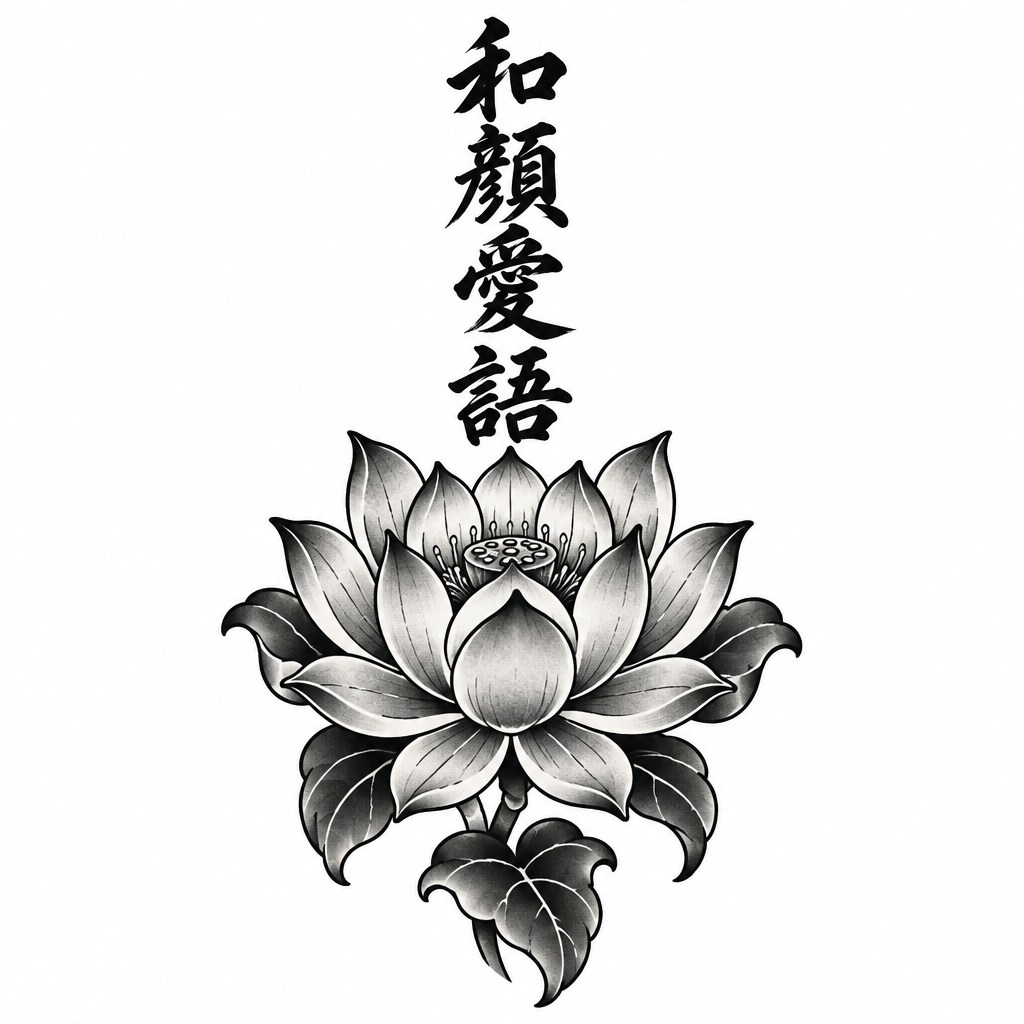
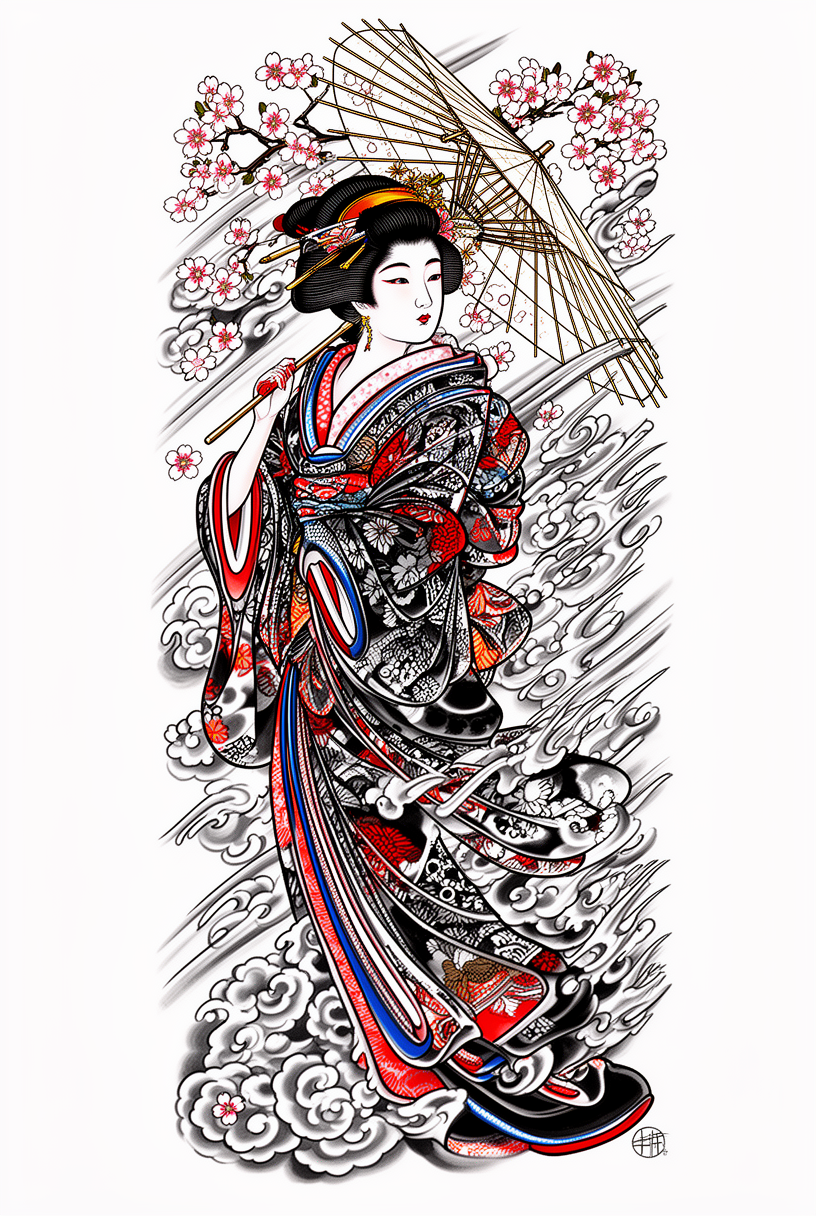
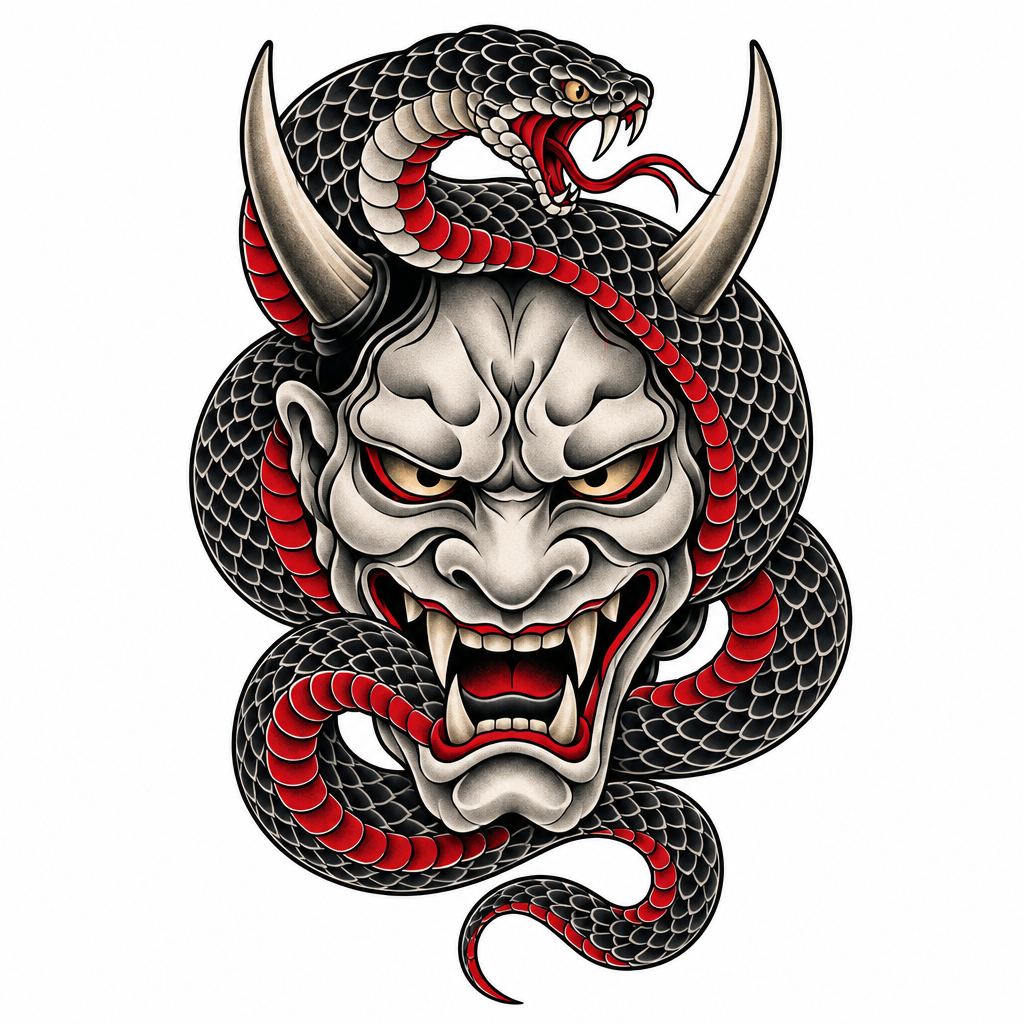
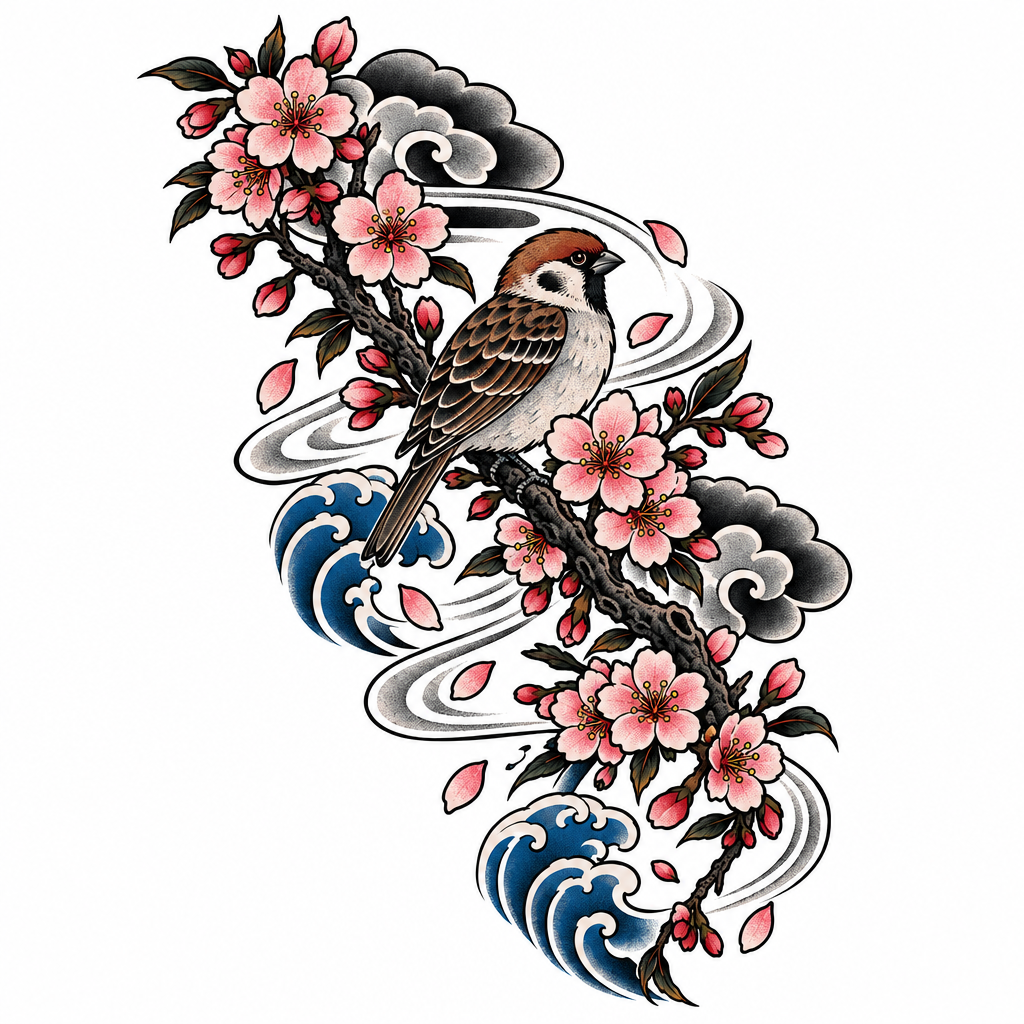
Related tattoo styles
Japanese tattoo FAQ
- How would you describe a Japanese tattoo?
- Bold symbolic subjects set in organised backgrounds of wind, water and clouds, composed to flow with the body — a structured, narrative whole, not a single isolated image.
- Does the symbolism in Japanese matter?
- Yes. Motifs like koi, dragons and cherry blossoms carry specific traditional meanings, and respectful design means choosing them deliberately rather than decoratively.
- Where on the body does Japanese work well?
- Large flowing areas — sleeves, back, chest panels and full bodysuits — because the style is built around composition that wraps and moves with you.
- Are Japanese tattoos a big commitment to sit for?
- Often yes. Traditional Japanese work is usually large and completed across multiple long sessions, so it is planned as an ongoing project rather than a single sitting.
- Is Japanese suitable for a first tattoo?
- A smaller standalone Japanese-style motif works well as a first piece; a full sleeve or back is a long-term plan most people grow into over time.
- Any tips for prompting a Japanese tattoo?
- Name a traditional subject and add Japanese irezumi, bold outline, with wind and water background and traditional composition for an authentic layout.