Tattoo Ideas
Flower Tattoo Ideas
A practical guide to Flower tattoos: what they mean, who they suit, the styles that work, real community designs and AI prompts you can use right now to generate your own.
About Flower tattoos
A Flower tattoo is one of the oldest and most enduring categories in body art. Roses appear in Western traditional flash dating back over a century, often paired with daggers or banners. The lotus is central to Buddhist and Hindu iconography, symbolising rebirth and rising from muddy water clean. The peony is the king of flowers in Japanese irezumi, paired with lions and dragons. The cherry blossom carries the meaning of beauty in impermanence in Japanese culture. Sunflowers, lilies, daisies, and wildflowers all bring their own associations. Flowers work as tattoos because they are universally legible while still being deeply personal — a particular bloom can stand in for a birth month, a grandparent's garden, a country, a memorial, or simply a love of botany. The form is endlessly adaptable: a single fine-line stem on the wrist, a saturated traditional rose on the bicep, a watercolour bouquet drifting across the ribs, or a full Japanese-style peony composition on a thigh. Few subjects offer this range while remaining instantly recognisable across cultures.
What makes a great Flower tattoo
A great Flower tattoo begins with choosing the right bloom — not just visually but in meaning. Reference real photos, not stylised clip art, so the artist has anatomical truth to work from: how the petals overlap, where the leaves attach, what the stem actually looks like. Composition matters more than people expect; a single flower needs a strong silhouette, and a bouquet needs a clear focal point so the eye does not wander aimlessly. For coloured pieces, think about whether you want botanically accurate hues or a stylised palette. Trust artists who have a healed floral portfolio, because petals are unforgiving when fine lines blur.
Styles that work well for Flower
Fine line is the modern default for delicate single-stem flowers, often paired with small dot shading. Traditional tattooing gives you the iconic bold-lined rose with red, green, and a touch of yellow — a design that has aged well for a century. Watercolor handles soft washes of petal colour drifting beyond the line, suiting wildflowers and impressionistic bouquets. Neo-traditional updates the traditional vocabulary with richer colour palettes, dimensional shading, and stylised stems, especially good for peonies and lilies. Illustrative tattooing brings storybook charm and is well-suited to wildflower clusters and botanical-illustration looks.
At a glance
| Placement | Forearm, Shoulder, Calf |
|---|---|
| Size | Large |
| Recommended styles | Fine Line, Traditional, Watercolor, Neo-Traditional, Illustrative |
AI prompt ideas for Flower tattoos
- “Fine-line single peony stem across the collarbone, no colour, soft dot shading on petals”
- “Traditional bold-lined rose with two leaves and a small banner, classic red and green palette”
- “Watercolour wildflower bouquet with cornflower blue and burnt orange drifting beyond the outline”
- “Neo-traditional lily of the valley down the side of the calf with rich green leaves”
- “Illustrative botanical-style cherry blossom branch wrapping the upper arm”
Flower designs from the community
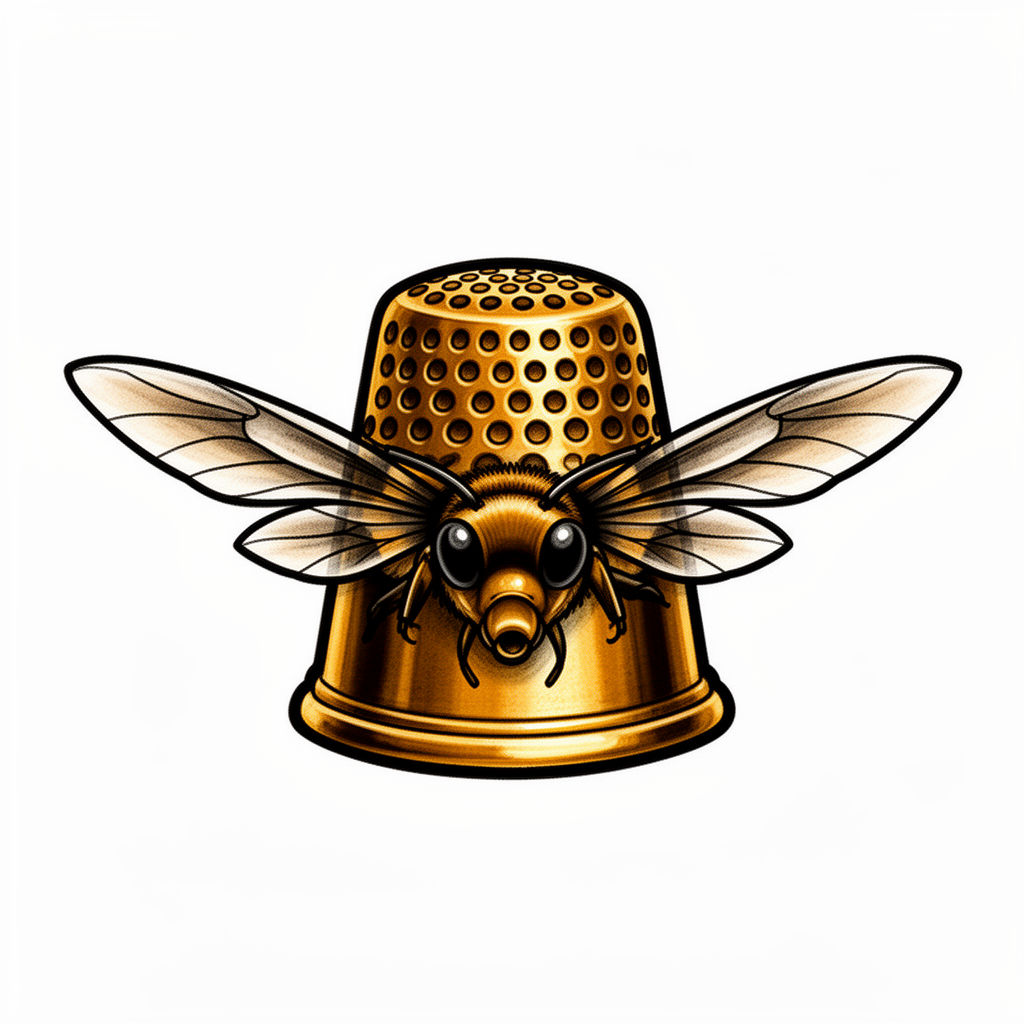
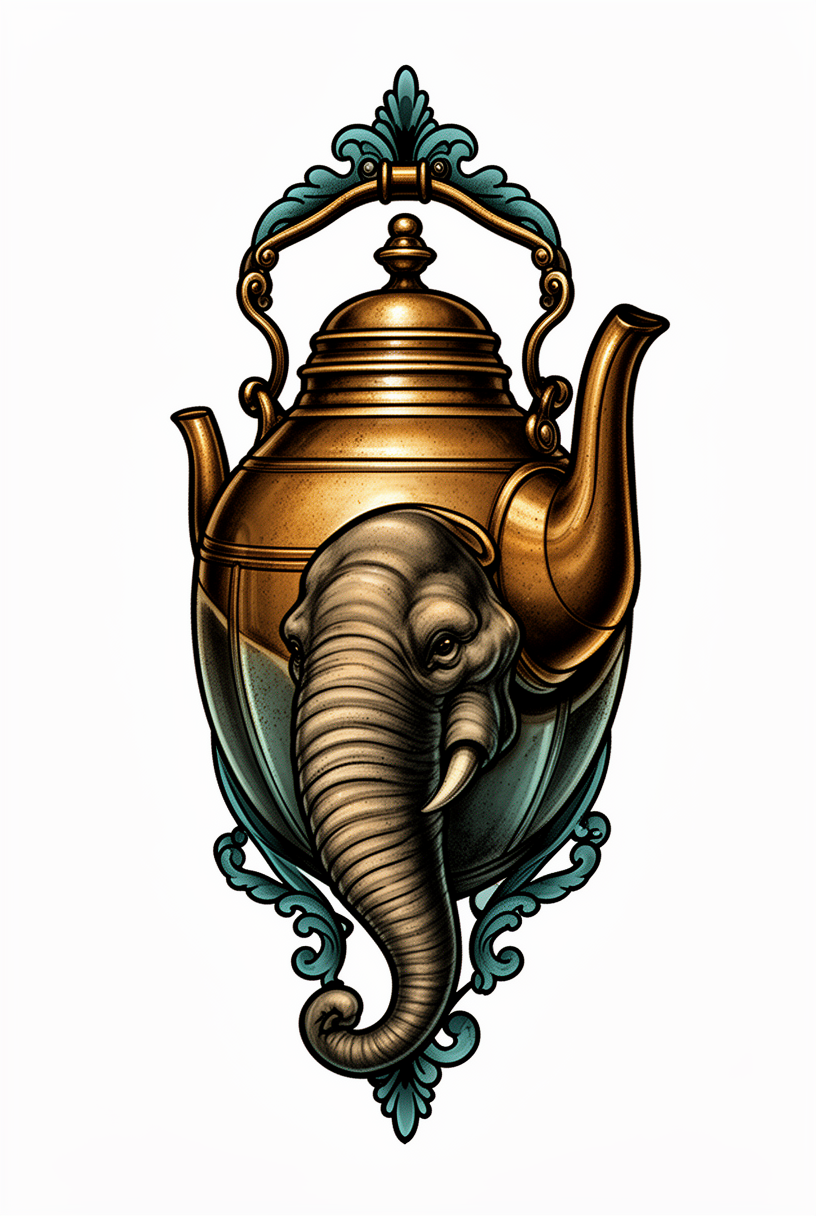
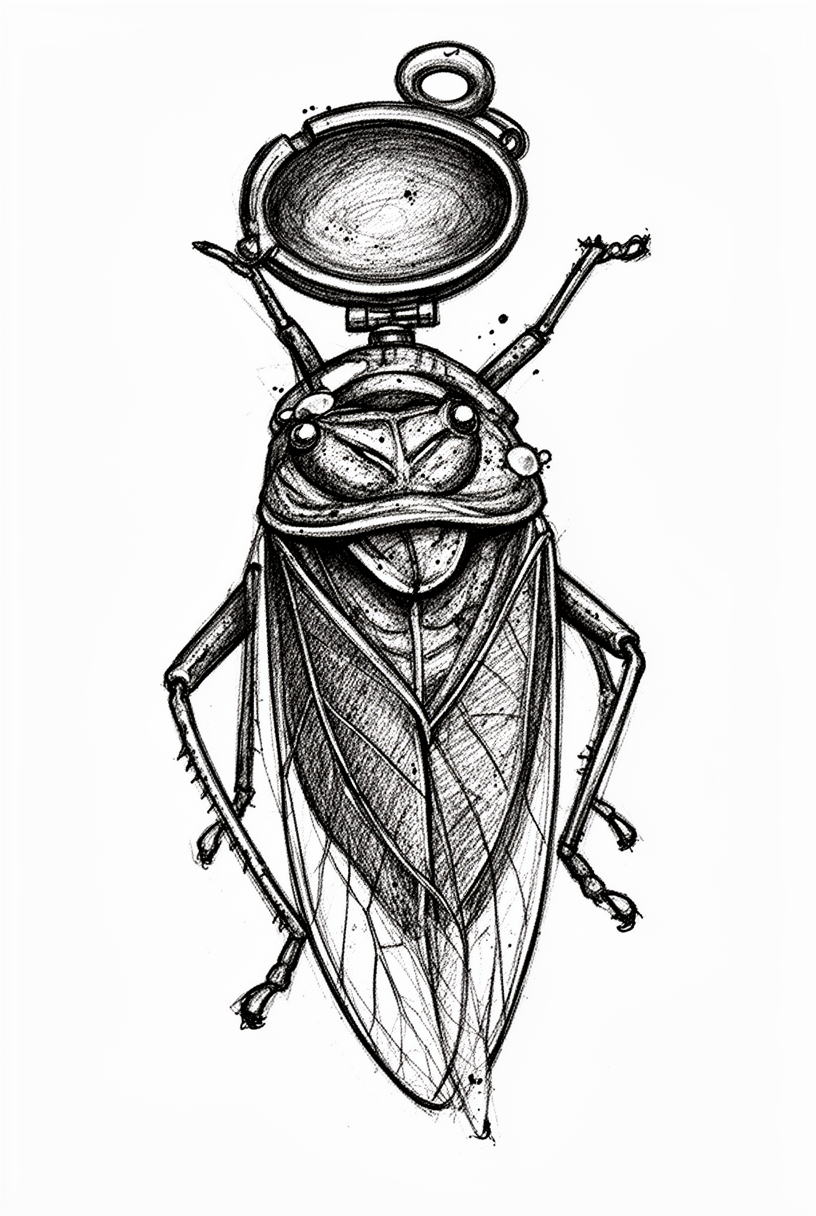
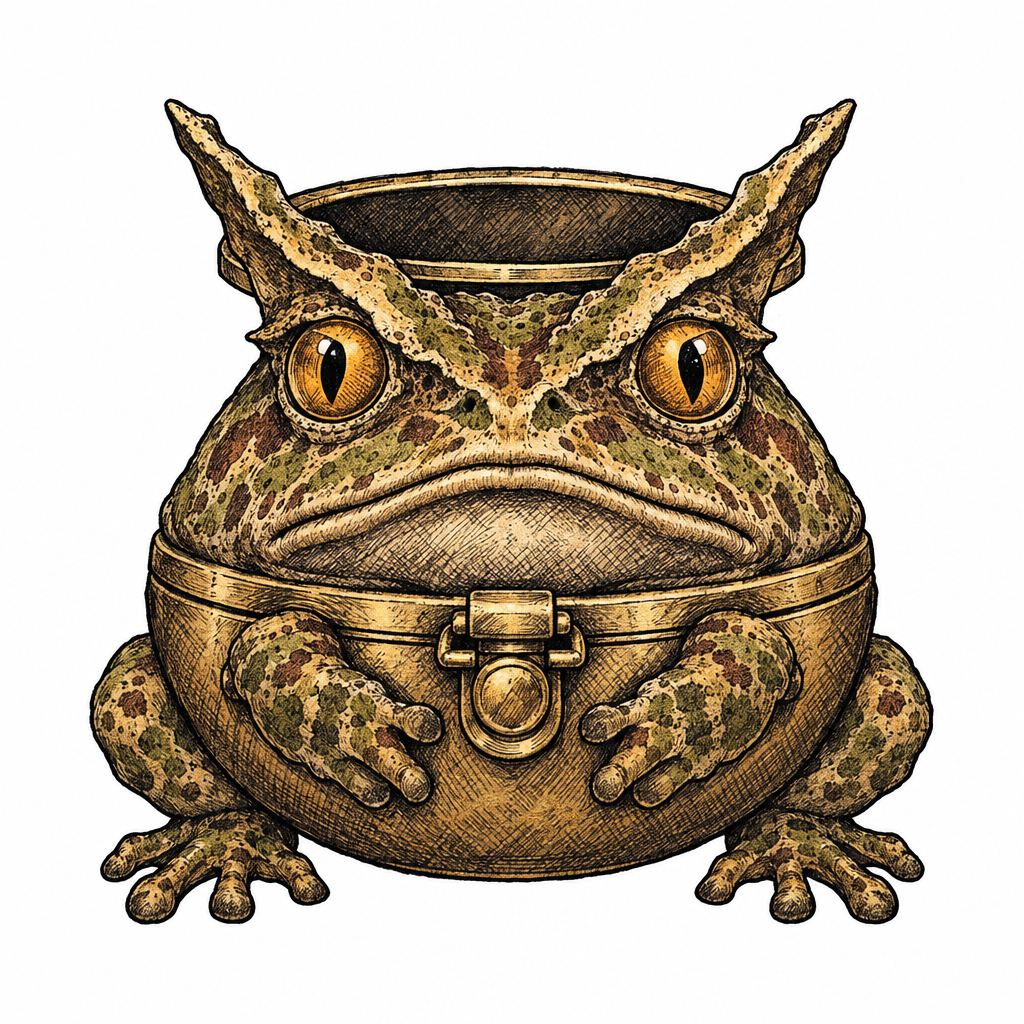
Related ideas
Flower tattoo FAQ
- What is a Flower tattoo, really?
- A flower tattoo features a single bloom, a cluster, or a botanical composition. It is one of the most adaptable categories in tattooing, working at any size, in any style, and carrying meaning ranging from memorial to purely decorative.
- Who picks a Flower tattoo?
- Almost anyone — flowers carry personal meaning easily (birth months, loved ones, cultural ties) and they fit any aesthetic. They suit first-timers, collectors, and people who want something feminine, masculine, or neither.
- Which styles do Flower tattoos look best in?
- Fine line for minimal stems, traditional for the classic bold rose, watercolor for soft impressionistic blooms, neo-traditional for richly coloured stylised flowers, and illustrative for botanical-print looks.
- What size and placement does a Flower tattoo call for?
- Small single stems work on the wrist, ankle, behind the ear, or along the collarbone. Larger compositions — bouquets, full peonies, vines — suit the forearm, thigh, ribs, or upper back. Match bloom scale to the body part.
- Any aftercare worth noting for a Flower tattoo?
- Coloured petals fade faster than line, so daily SPF after healing is essential to keep colours vibrant. Fine-line floral work needs gentle moisturising during healing to keep petal lines from blurring as scabs lift.
- Could a Flower tattoo be a good first tattoo?
- Yes — flowers are one of the friendliest first-tattoo categories. Start with a small single bloom rather than a full bouquet, and pick a style your artist is genuinely strong in rather than chasing a trend.