Tattoo Style
Neo-Traditional Tattoos
A practical guide to Neo-Traditional tattoos: where the style comes from, what makes it recognisable, prompt ideas, real community examples, and answers to the questions people ask before they commit.
Generating this style needs the Artisan plan or above — but reading and planning here is always free.
Neo-Traditional tattoos at a glance
- Colour
- Full colour
- Line weight
- Varied
- Skill level
- Intermediate
- Best placement
- Medium, flatter areas
The history of Neo-Traditional tattoos
Neo-Traditional keeps the strong bones of old-school tattooing — confident black outlines and a graphic, decorative sensibility — but expands almost everything else. The palette widens dramatically, line weight varies for depth, shading adds dimensional volume, and subjects become richer and more illustrative: ornate animals, framed portraits, art-nouveau florals and jewellery-laden figures. It is old-school grown up, with more painterly ambition. The style developed as artists who respected Traditional craft wanted more range without losing legibility or longevity. The result is one of the most popular contemporary families because it threads a needle: it is decorative and detailed enough to feel modern, but still anchored by the bold-line discipline that makes tattoos last. Its main demand is on the artist — neo-traditional rewards strong drawing fundamentals and punishes designs that are busy without structure.
Where Neo-Traditional comes from
Neo-Traditional evolved out of American and European Traditional in the late twentieth and early twenty-first centuries, absorbing influences from Art Nouveau, Art Deco and illustration. Rather than rejecting old-school rules, it extended them, keeping the bold outline as a backbone while loosening colour and detail. It is best understood as an organic continuation of a folk tradition by artists trained in it, not a clean break from it.
AI prompt ideas for Neo-Traditional tattoos
- “A neo-traditional fox with ornate floral framing, bold outline, rich layered colour, soft shading”
- “A neo-traditional lady-head with art-nouveau jewellery and roses, decorative and detailed”
- “A neo-traditional owl perched on a key, dimensional shading, expanded palette”
- “A neo-traditional stag with botanical ornament, strong linework and depth”
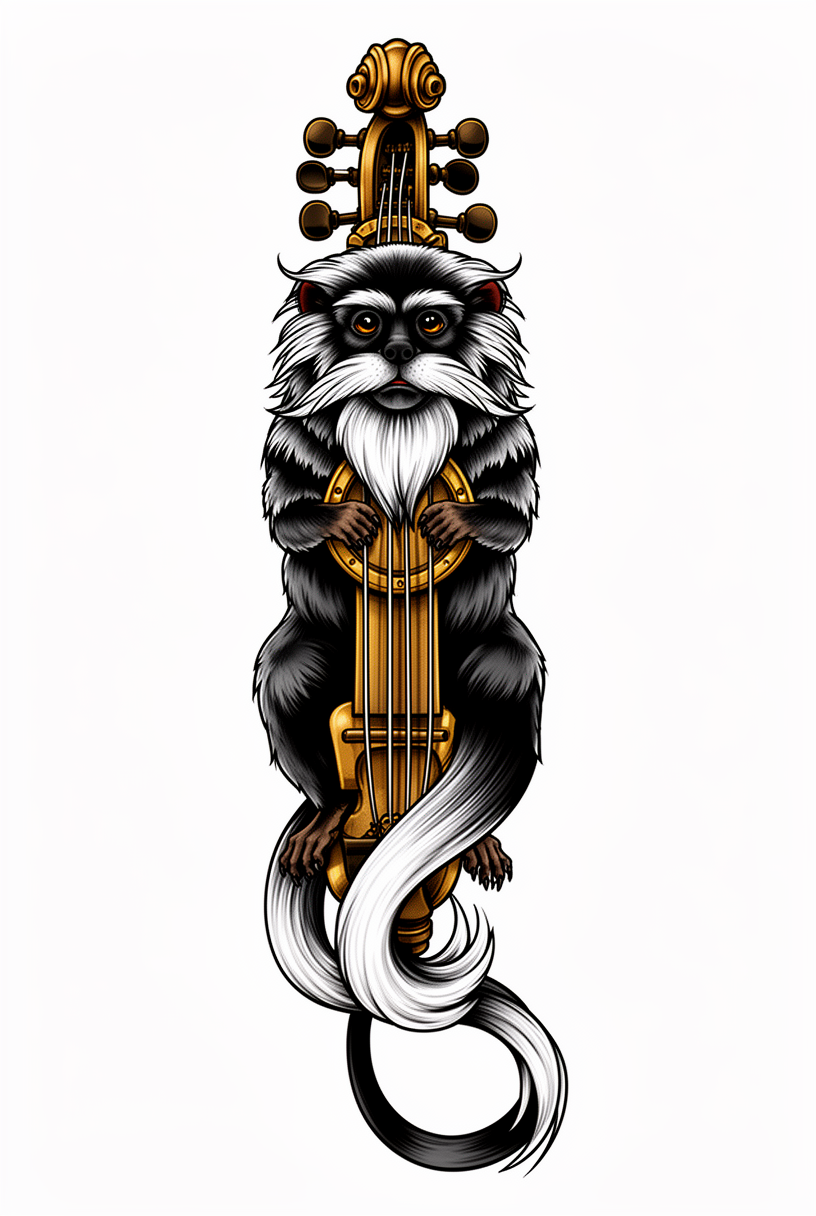
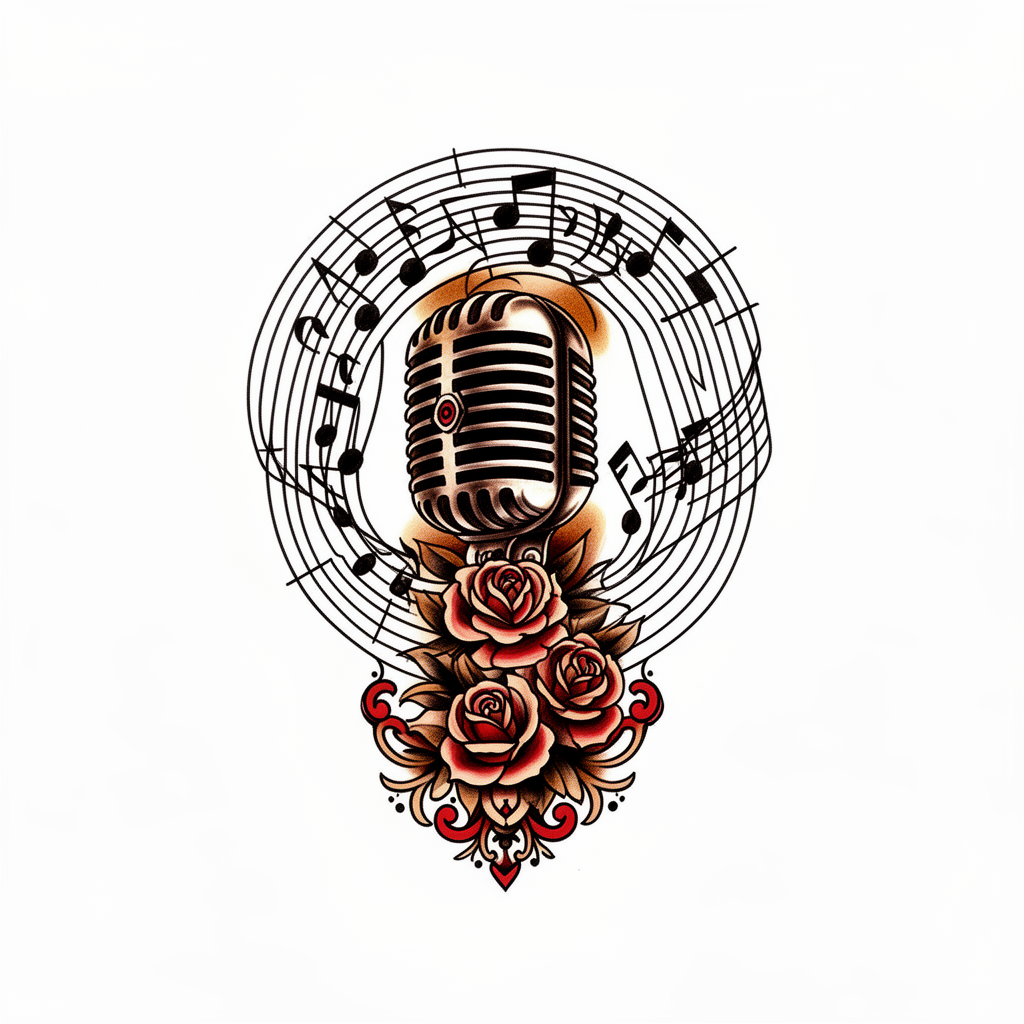
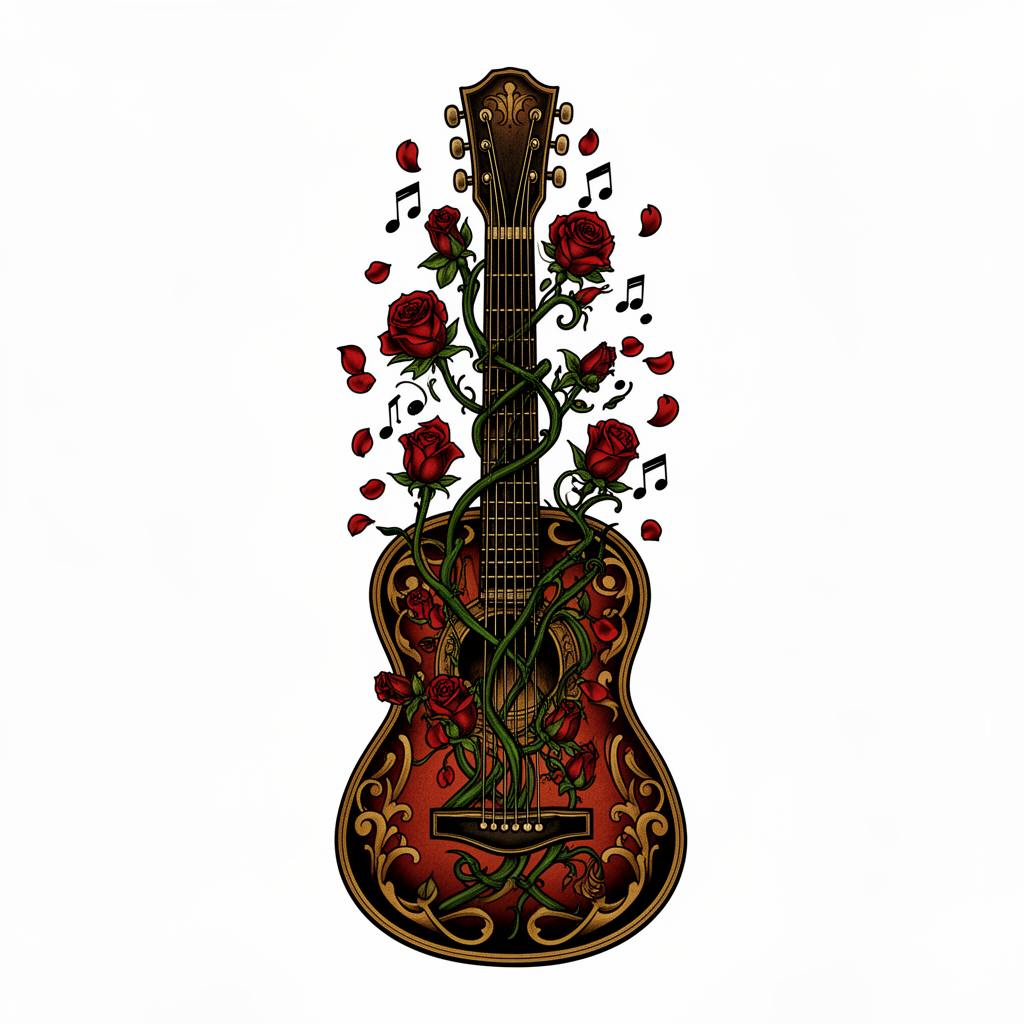
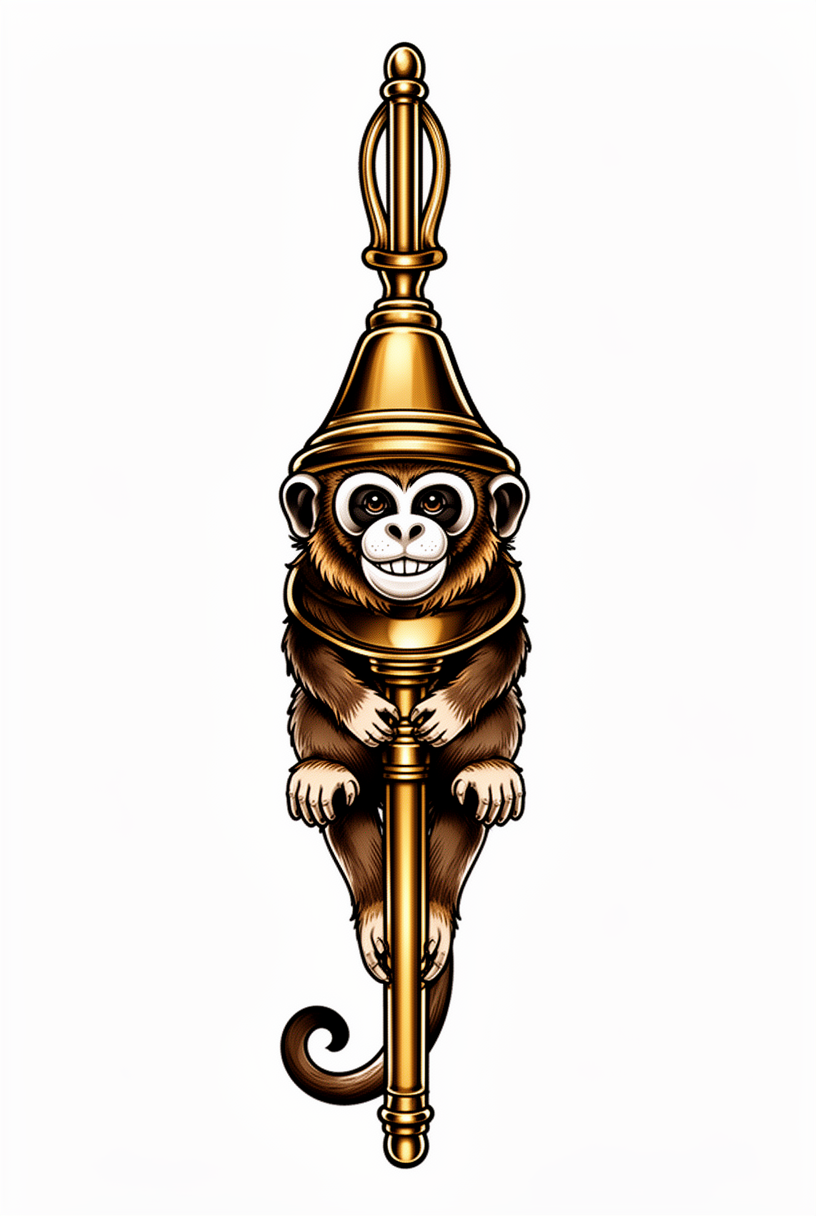
Neo-Traditional designs from the community
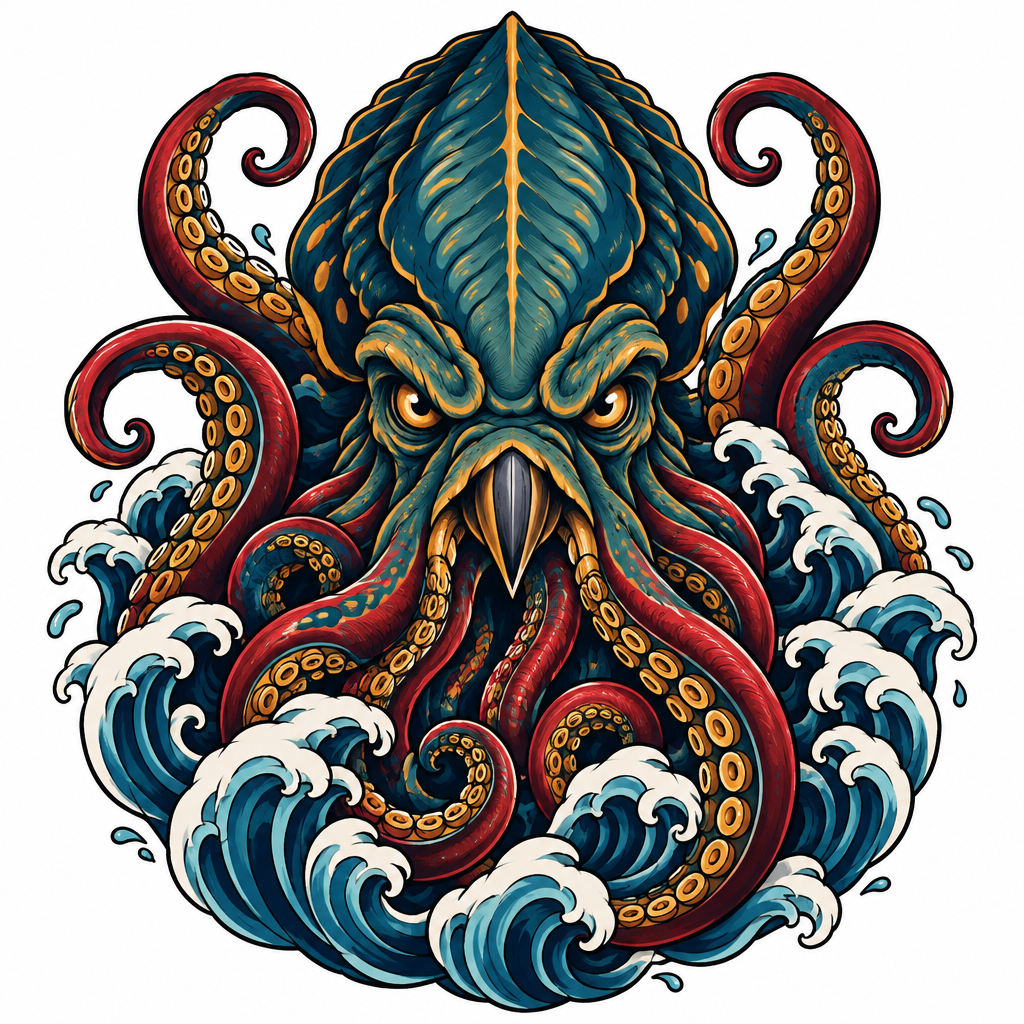
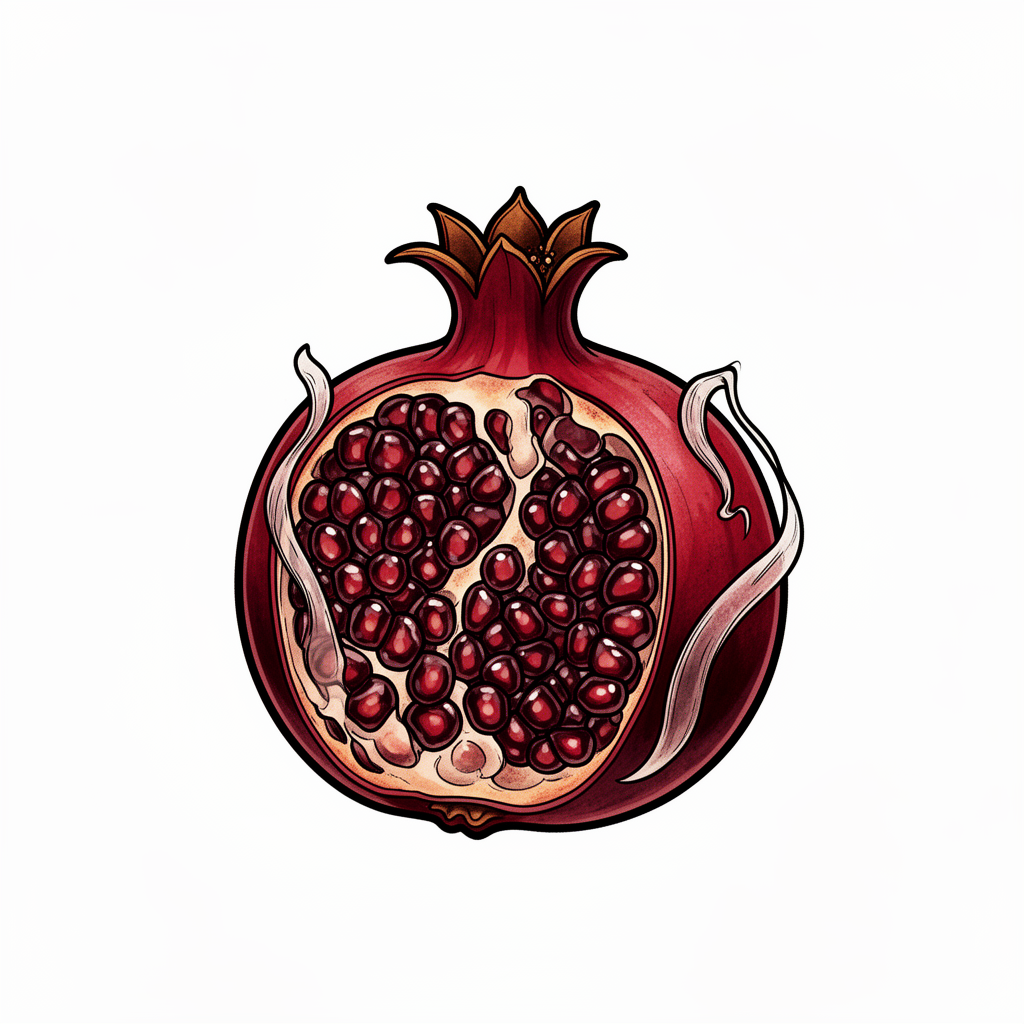
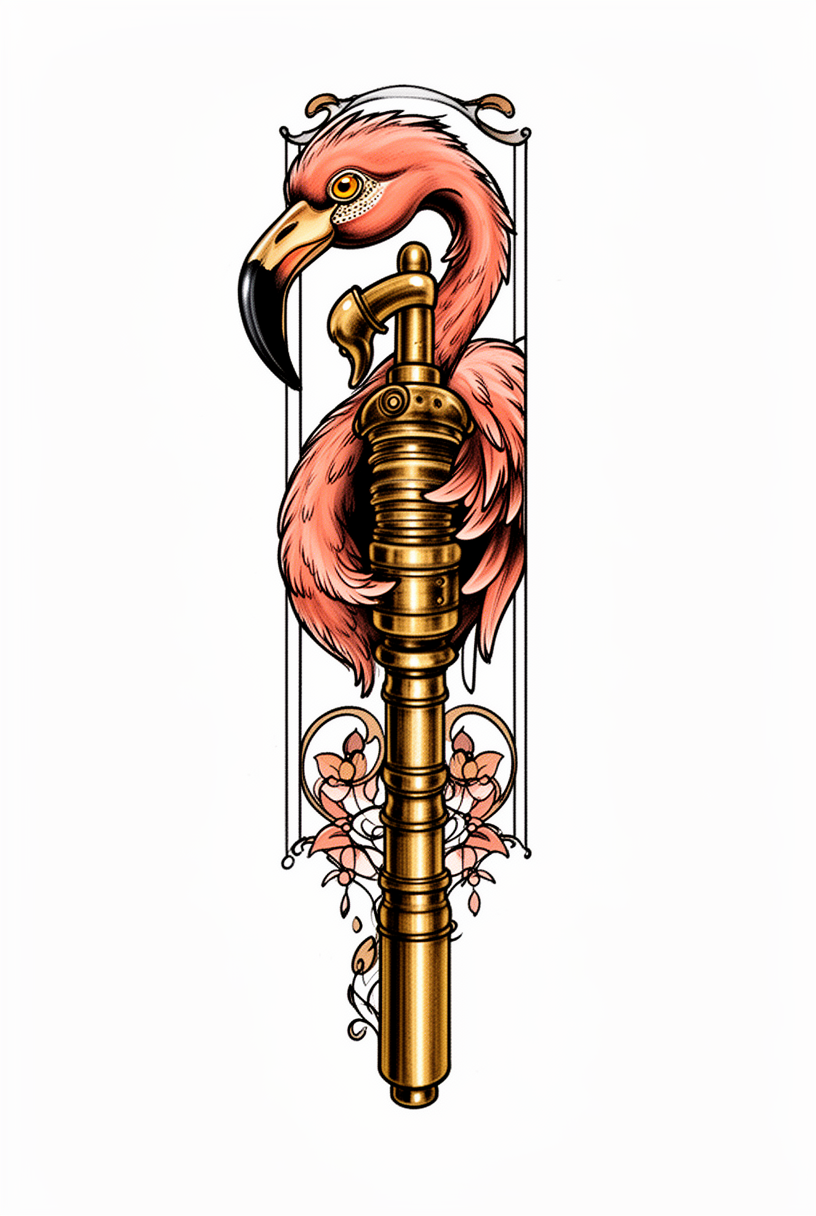
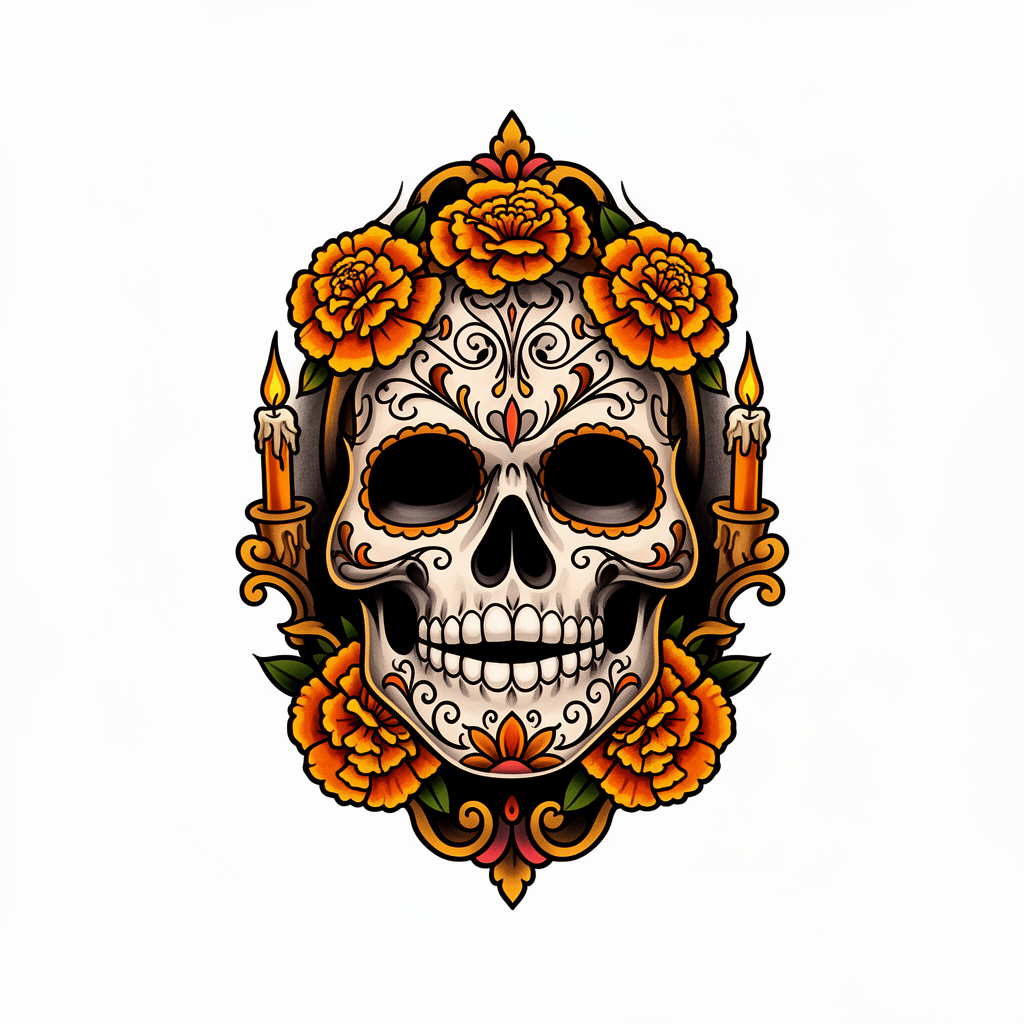
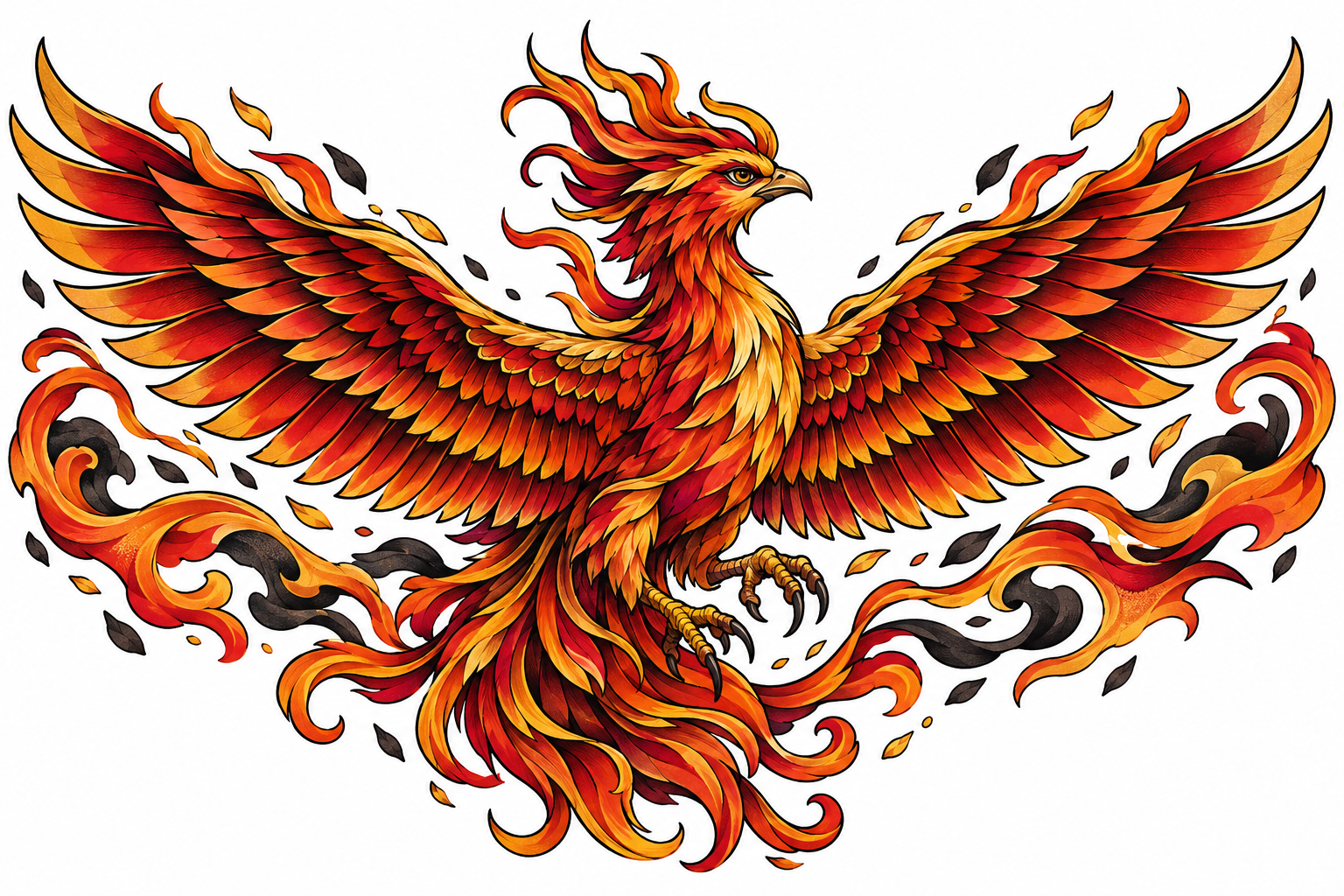
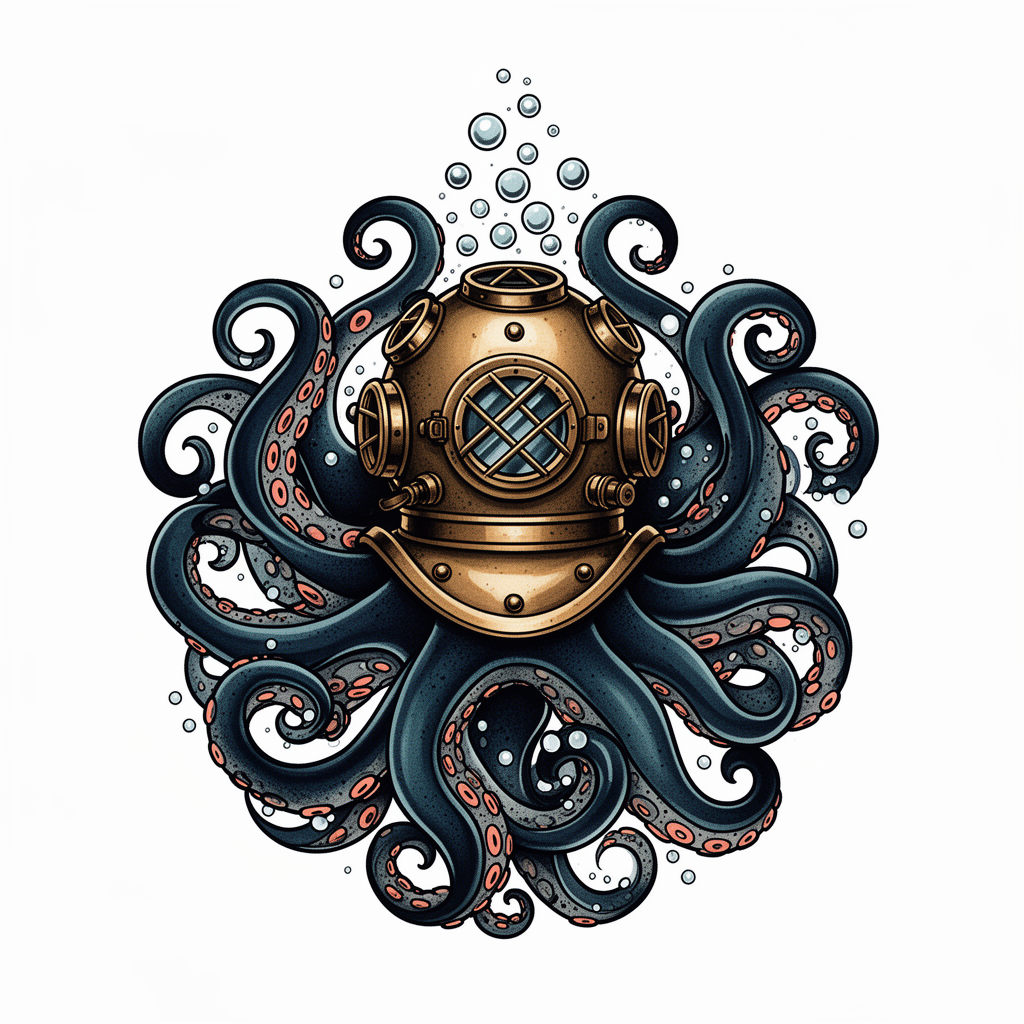
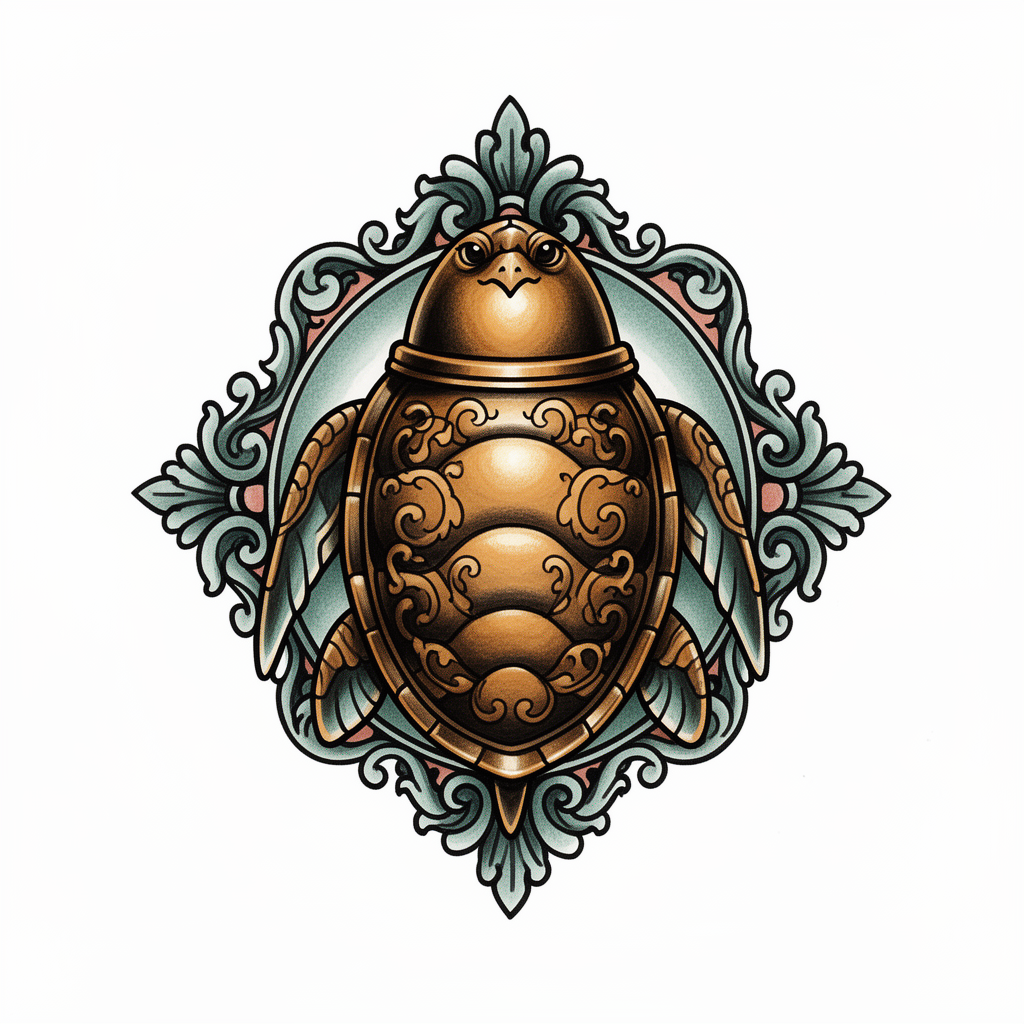
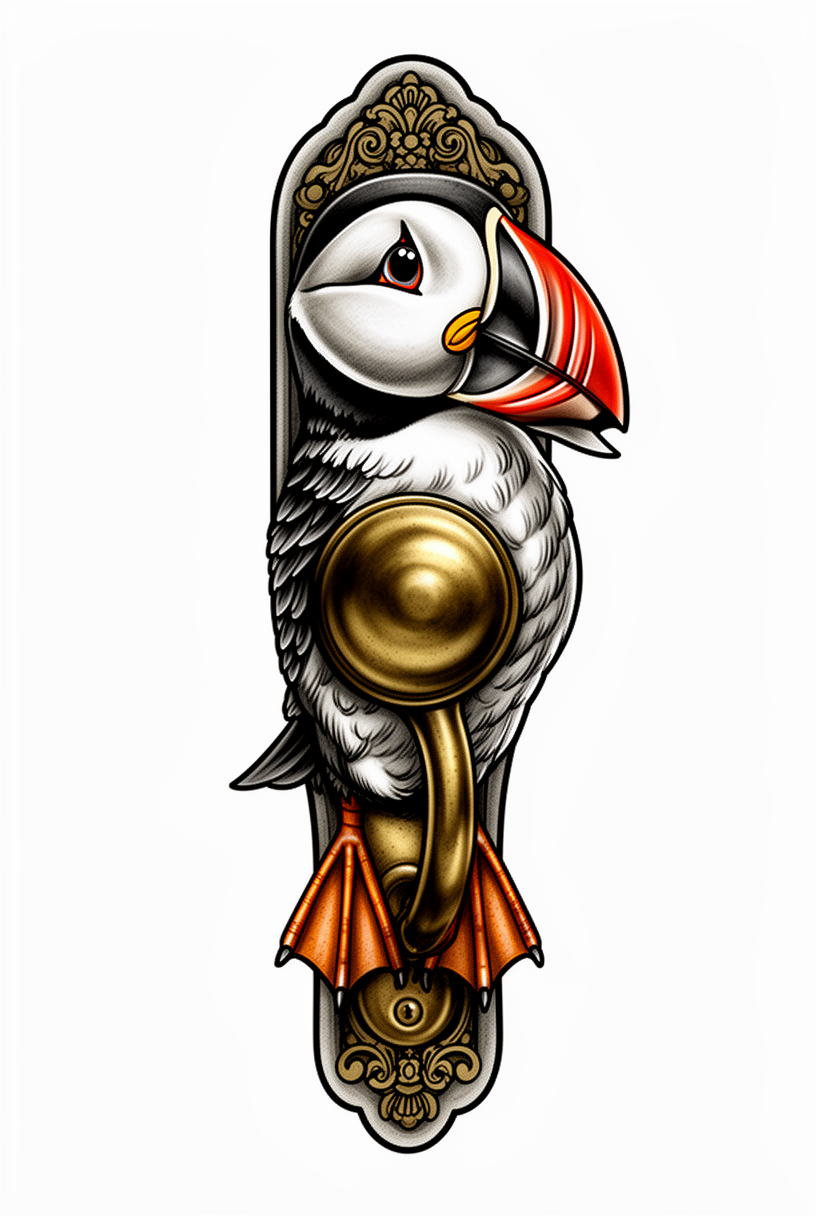
Related tattoo styles
Neo-Traditional tattoo FAQ
- What are the hallmarks of the Neo-Traditional style?
- Bold Traditional-style outlines combined with a wide palette, dimensional shading and ornate, illustrative subjects. It is decorative and detailed but still graphically anchored.
- Does Neo-Traditional age as well as old-school?
- It ages very well for a detailed style because it keeps strong outlines. The bold linework holds the image together even as finer interior detail softens.
- Which spots suit a Neo-Traditional tattoo most?
- Medium-to-large canvases — upper arm, thigh, calf, chest — give the ornate framing and shading the space they need to read clearly.
- Are Neo-Traditional tattoos demanding to sit for?
- More than plain Traditional: extra colour and shading mean longer sessions. The experience is closer to a detailed colour piece than a quick flash tattoo.
- Is Neo-Traditional good for a first tattoo?
- Yes, if you want something ornate that still lasts. Pick an artist with a strong neo-traditional portfolio, since the style depends heavily on drawing skill.
- How do I describe a Neo-Traditional design to the AI?
- Describe an animal or figure, then add neo-traditional, bold outline, ornate framing, expanded palette and dimensional shading.