Tattoo Ideas
Ocean Tattoo Ideas
A practical guide to Ocean tattoos: what they mean, who they suit, the styles that work, real community designs and AI prompts you can use right now to generate your own.
About Ocean tattoos
A Ocean tattoo connects the wearer to one of humanity's oldest sources of awe, fear, and livelihood. Sailors' tattoos are among the earliest documented Western tattoo traditions — swallows for distance travelled, anchors for stability, ships for voyages survived. The Japanese irezumi tradition has rendered crashing waves, koi, and sea dragons for centuries, with the Great Wave of Kanagawa woodblock by Hokusai becoming one of the most-quoted images in modern tattooing. Beyond sailors and traditional iconography, the Ocean as subject covers everything that lives in or moves through it: whales, octopuses, jellyfish, coral, seahorses, sharks, and the surface itself — foam, swell, tide, and reflection. People choose ocean imagery for memorials connected to coastal home, for a love of diving or surfing, for the calming associations of water, or for the visual richness of marine life. The category is broad enough that two ocean tattoos rarely look alike: one person's piece is a delicate fine-line wave, another's is a full Japanese-style sleeve of tide and dragon.
What makes a great Ocean tattoo
Movement is the secret to a great Ocean tattoo. Water never sits still, and a static, posed wave tends to look like a cardboard cutout. Bring reference photos that capture the kind of motion you want — a curling barrel, a slow swell, the chop of open sea — and let the artist build flow into the composition. Decide whether you want a single subject (one wave, one octopus) or a scene (reef life, a ship on tide). For coloured pieces, plan how the blues will sit against your skin tone; sometimes a black-and-grey wave reads stronger than a watery cyan one. Placement should follow the body's natural curves.
Styles that work well for Ocean
Japanese style is the historical heavyweight, with its stylised waves, tides, and sea creatures designed to flow across large body panels. Traditional Western tattooing supplies the sailor vocabulary — anchors, swallows, ships, mermaids — with bold lines and limited palettes. Fine line works beautifully for small minimalist waves, tiny shells, or delicate marine creatures. Watercolor evokes the colour and translucency of water itself, with washes of blue and green drifting under linework. Illustrative tattooing handles scenes and creatures with a storybook quality that suits softer ocean themes.
At a glance
| Placement | Forearm, Shoulder, Back |
|---|---|
| Size | Large |
| Recommended styles | Fine Line, Watercolor, Traditional, Japanese, Illustrative |
AI prompt ideas for Ocean tattoos
- “Japanese-style crashing wave with stylised foam curls, black and grey only, upper arm placement”
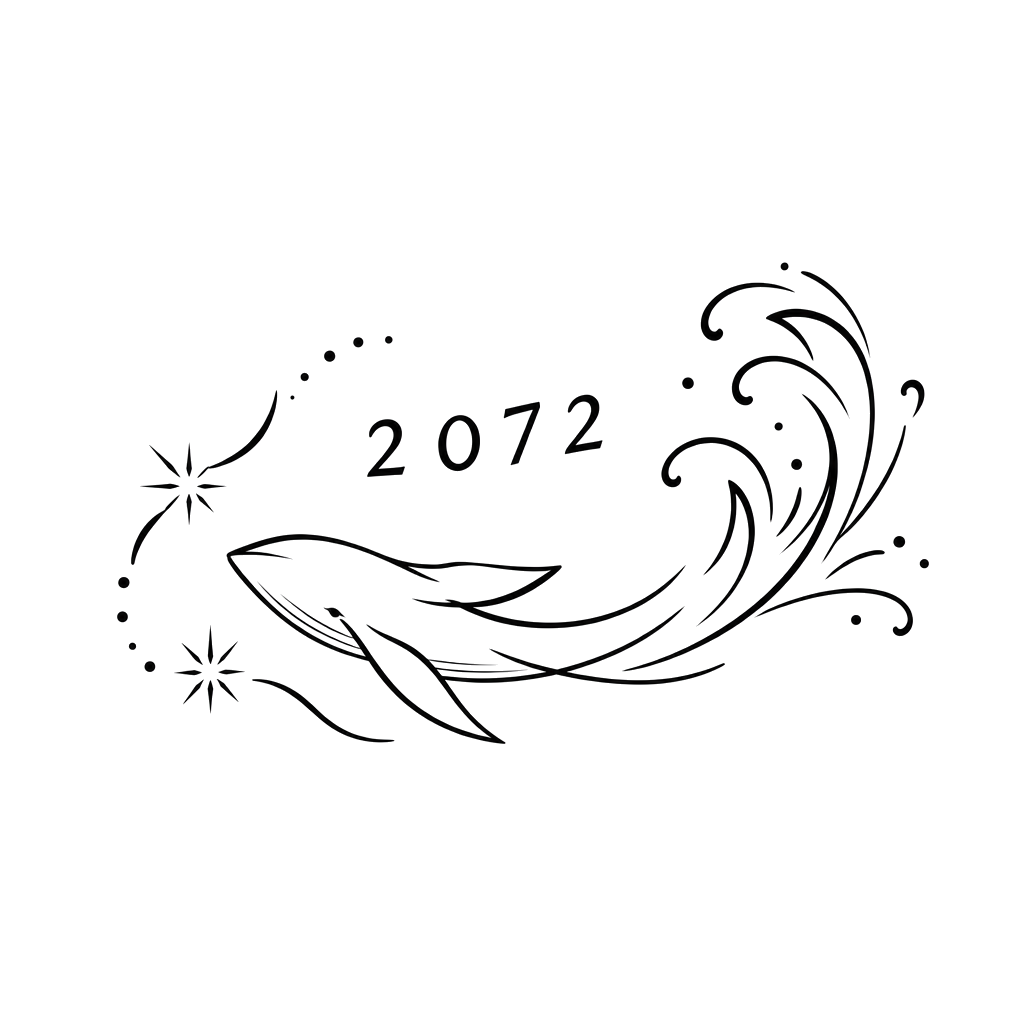
- “Fine-line single-line silhouette of a humpback whale across the inner forearm”
- “Traditional anchor with rope and a small banner, bold lines and limited colour”
- “Watercolour wash of teal and aqua underneath a fine-line octopus silhouette”
- “Illustrative reef scene with a seahorse, coral, and small bubbles, soft shading”
Ocean designs from the community
Related ideas
Ocean tattoo FAQ
- What is a Ocean tattoo, really?
- An ocean tattoo features sea-themed imagery — waves, marine life, ships, sailors' symbols, or coastal motifs. It ranges from a single delicate wave to a full Japanese-style sleeve of tide and creatures.
- Who picks a Ocean tattoo?
- People with a personal connection to the sea — surfers, divers, sailors, coastal natives — and anyone who finds the ocean's mood, scale, or imagery resonant. The category is wide enough to suit almost any aesthetic.
- Which styles do Ocean tattoos look best in?
- Japanese for traditional waves and creatures, traditional Western for sailor iconography, fine line for minimal pieces, watercolor for soft aquatic colour, and illustrative for scenic marine imagery.
- What size and placement does a Ocean tattoo call for?
- Large Japanese-style ocean pieces flow best across the back, chest, or full sleeve. Smaller waves and creatures sit nicely on the forearm, calf, or behind the ear. Let the design wrap with body curves rather than fight them.
- Any aftercare worth noting for a Ocean tattoo?
- There is one particular irony — keep the tattoo out of the actual ocean until fully healed, usually three to four weeks. Salt water and bacteria in open water can cause infection. Daily SPF afterwards keeps blues from fading to murky greens.
- Could a Ocean tattoo be a good first tattoo?
- Yes — a small wave, anchor, or fine-line sea creature is a forgiving first piece. Save the full Japanese sleeve for after you have lived with one or two smaller tattoos and know how your skin behaves.