Tattoo Placement
Behind the Ear Tattoos
A practical guide to Behind the Ear tattoos: how the spot wears a design, what sizes fit, how much it hurts, how long it heals, the styles that flatter it and real community designs.
About Behind the Ear tattoos
Behind the ear is a small, discreet canvas that has become a favourite for people who want something personal without putting it on display. The skin here drapes thinly over the mastoid bone, the hard ridge you can feel just behind the earlobe, and the area is naturally framed by the curve of the ear and the hairline. Because hair falls over it, a piece here can be completely hidden when you want and revealed with a simple tuck or an updo. That dual nature makes it popular with people whose jobs or families would make a fully visible tattoo awkward. The compact size lends itself to tiny minimalist symbols, single words, small dates, little stars or fine botanical sprigs rather than detailed scenes. It is an intimate placement, often chosen for something meaningful that the wearer prefers to keep close and only share on their own terms, which is part of its quiet appeal.
Behind the Ear at a glance
| Sizes that fit | Small |
|---|---|
| Pain level | Moderate |
| Healing time | 2–3 weeks |
| Visibility | Sometimes visible |
Pain and healing vary by person — this is general guidance, not medical advice.
Size and pain for Behind the Ear tattoos
This spot calls for small designs, since the patch of skin behind the ear is only a few centimetres across before it runs into the hairline or down the neck. Tiny symbols, short words, small dates and delicate single-line motifs are the natural fit. Pain is moderate, around three out of five. The skin is thin and lies directly over the mastoid bone, so you feel the needle as a hard, rattling vibration that travels through the bone and close to the ear, which some find more distracting than truly painful. There is little muscle or fat to absorb the buzz. Sessions are usually quick because the designs are small, which keeps the overall discomfort brief and manageable for most people.
Healing a Behind the Ear tattoo
A behind-the-ear tattoo generally settles in about two to three weeks. The main challenge is hair, since long strands trail across the area, stick to plasma and can drag at the healing surface. Tie hair back during the first week or so, and be careful when washing, as shampoo and conditioner tend to run straight over the spot in the shower. Hats, headphones and the arms of glasses can press or rub against the fresh ink, so go gently with anything that touches the side of your head. Sleeping on that side puts the tattoo against the pillow, so use a clean pillowcase and favour the opposite side while it heals.
Styles that suit the Behind the Ear
Small placements behind the ear suit styles built on restraint. Minimalist designs, a single tiny symbol or a short line, sit perfectly in the limited space. Fine Line work captures delicate detail without overwhelming the area. Lettering keeps a name, initial or short word neat and legible. Dotwork adds subtle texture to small shapes like moons, stars or little constellations. Naming Minimalist, Fine Line and Dotwork as the leading proxies, the rule here is simple, since anything too dense or large will blur and lose its charm against this tucked-away patch of skin.
AI prompt ideas for Behind the Ear tattoos
- “Minimalist tiny crescent moon tattoo behind the ear, single clean line, simple and discreet, lots of negative space”
- “Fine line small botanical sprig behind the ear, delicate leaves and stem, single-needle detail, soft and elegant”
- “Dotwork small star cluster behind the ear, stippled shading, subtle constellation, fine point detail”
- “Lettering tiny single word behind the ear, neat cursive script, small and understated, clean fine serifs”
Behind the Ear tattoo designs from the community
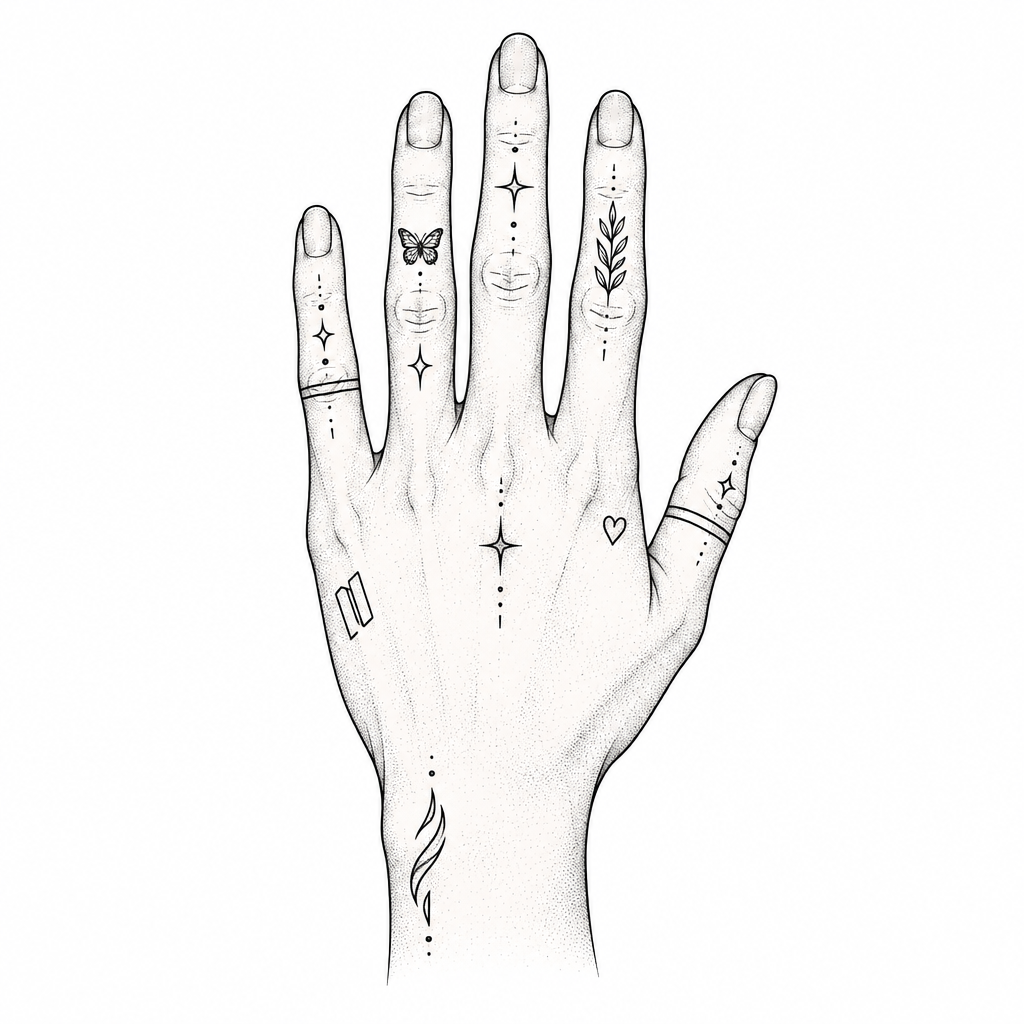
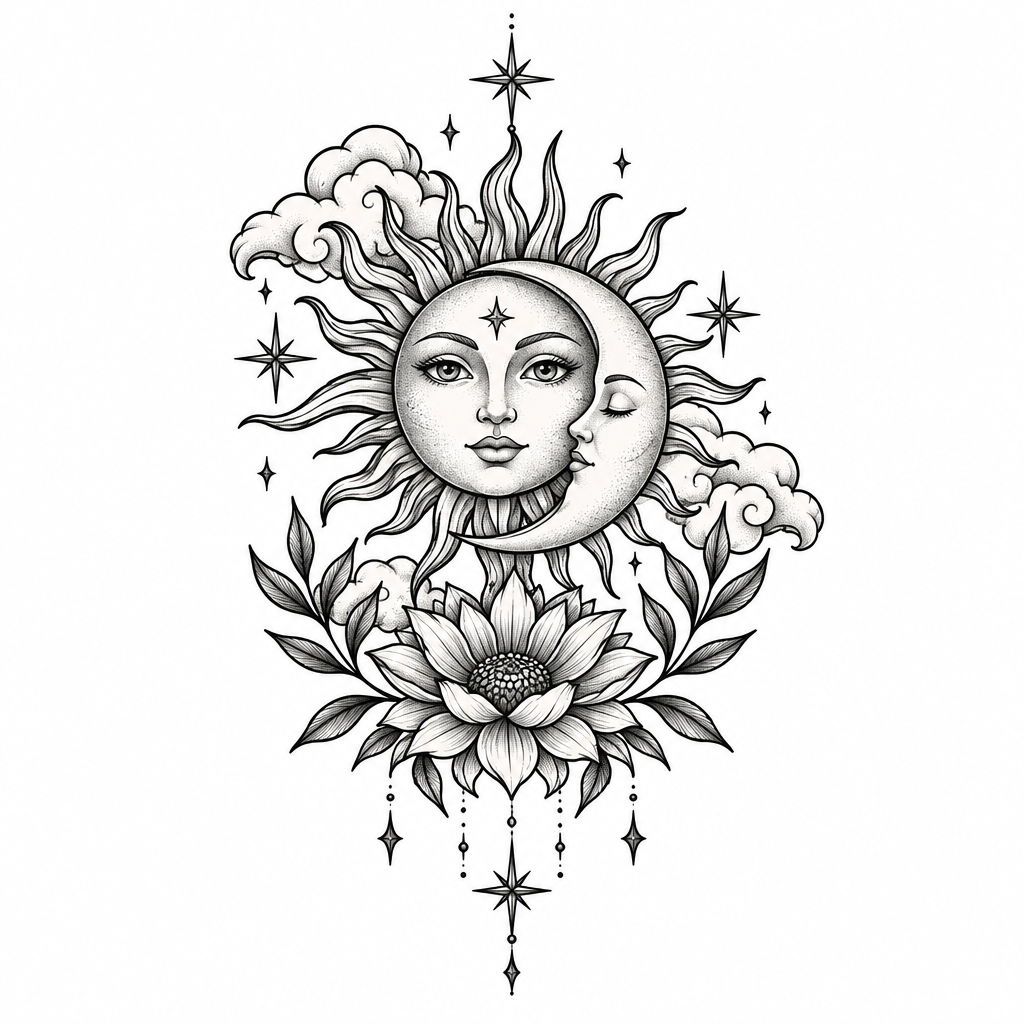
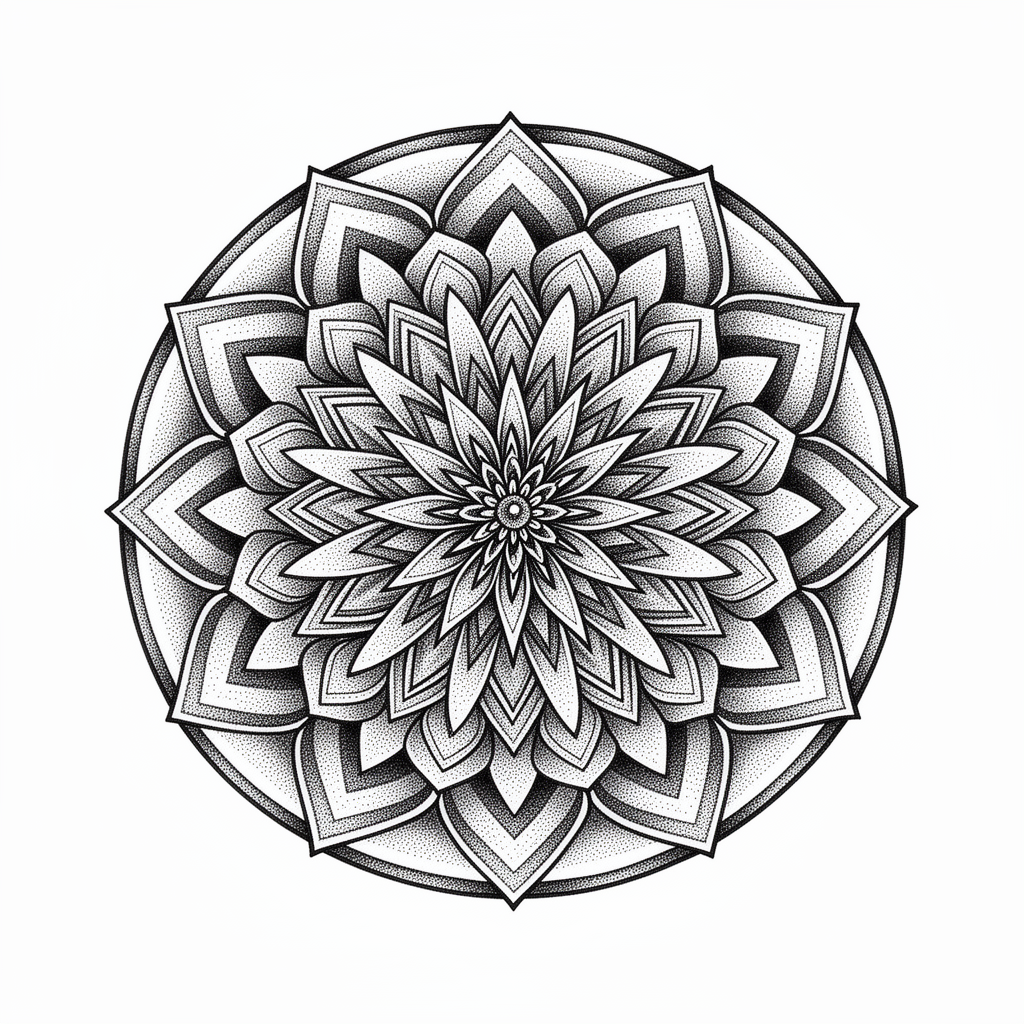
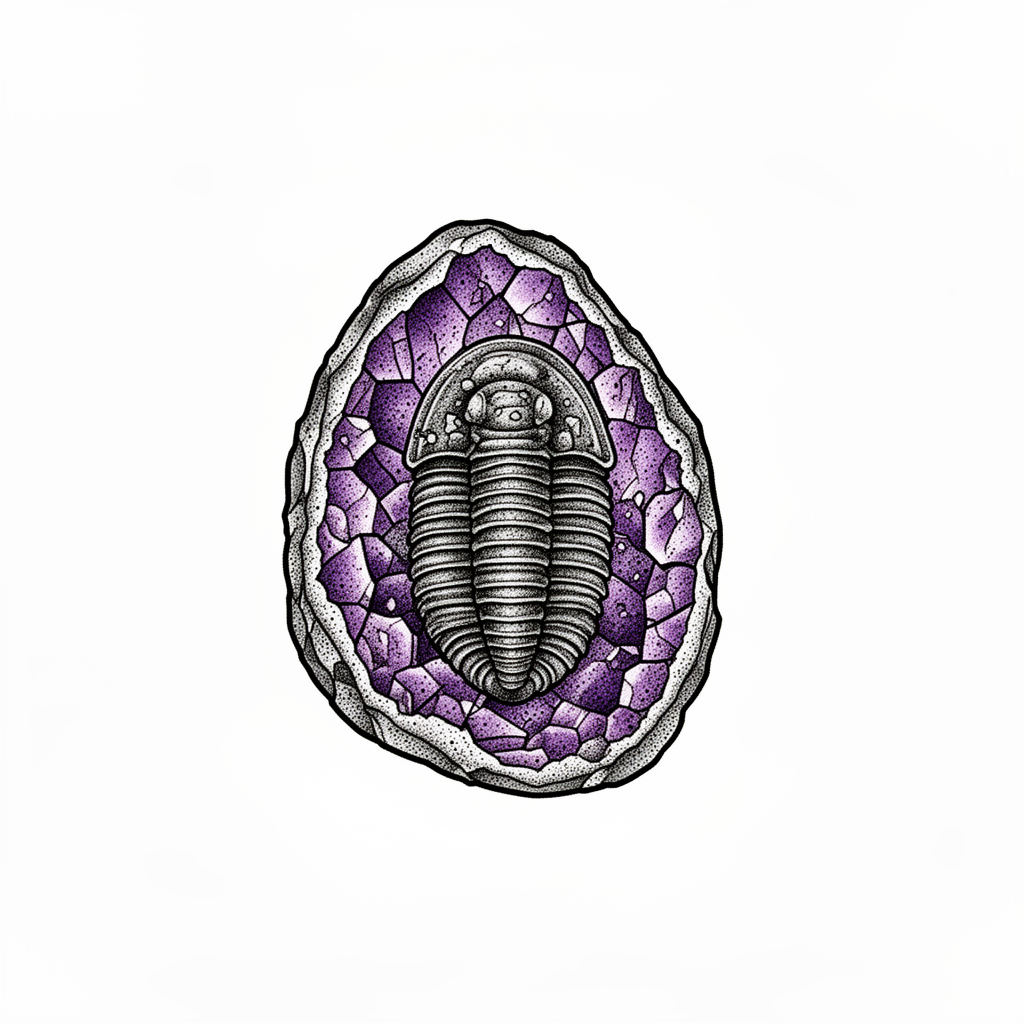
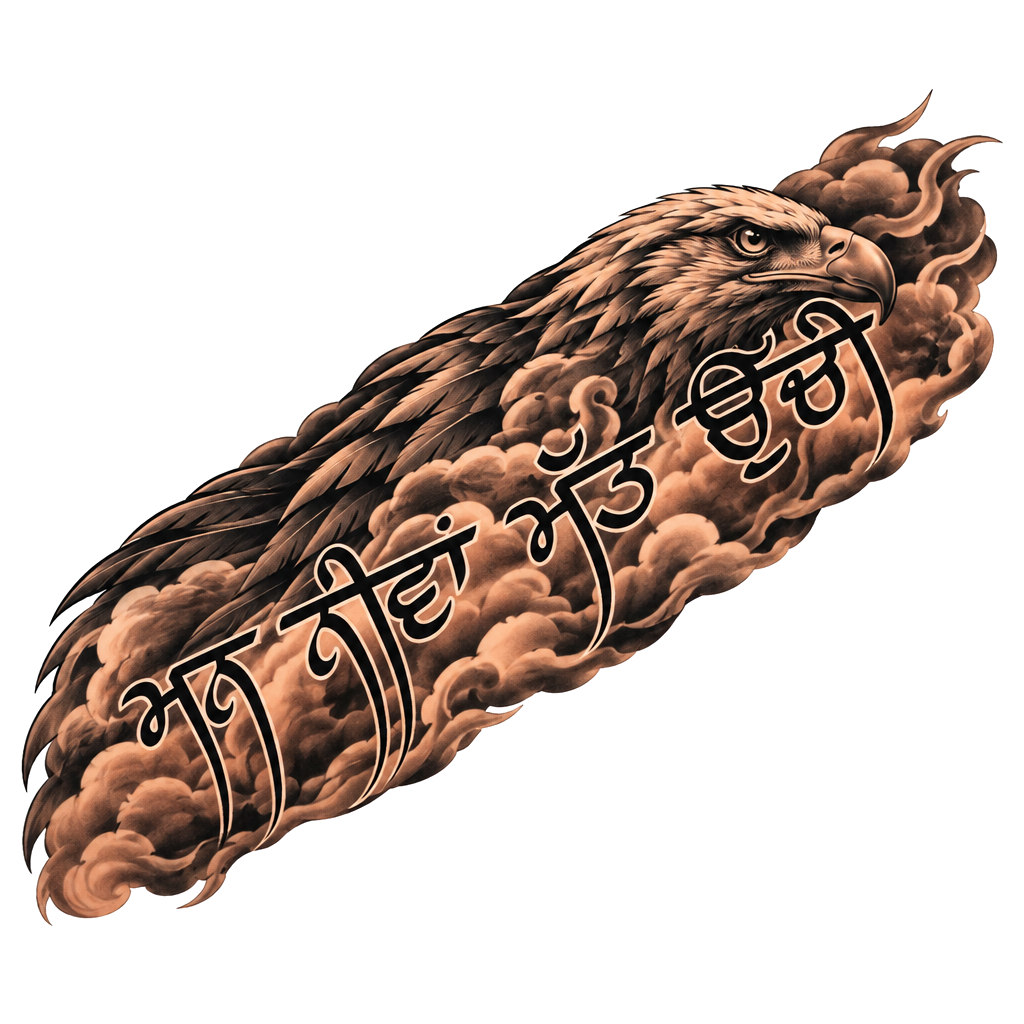
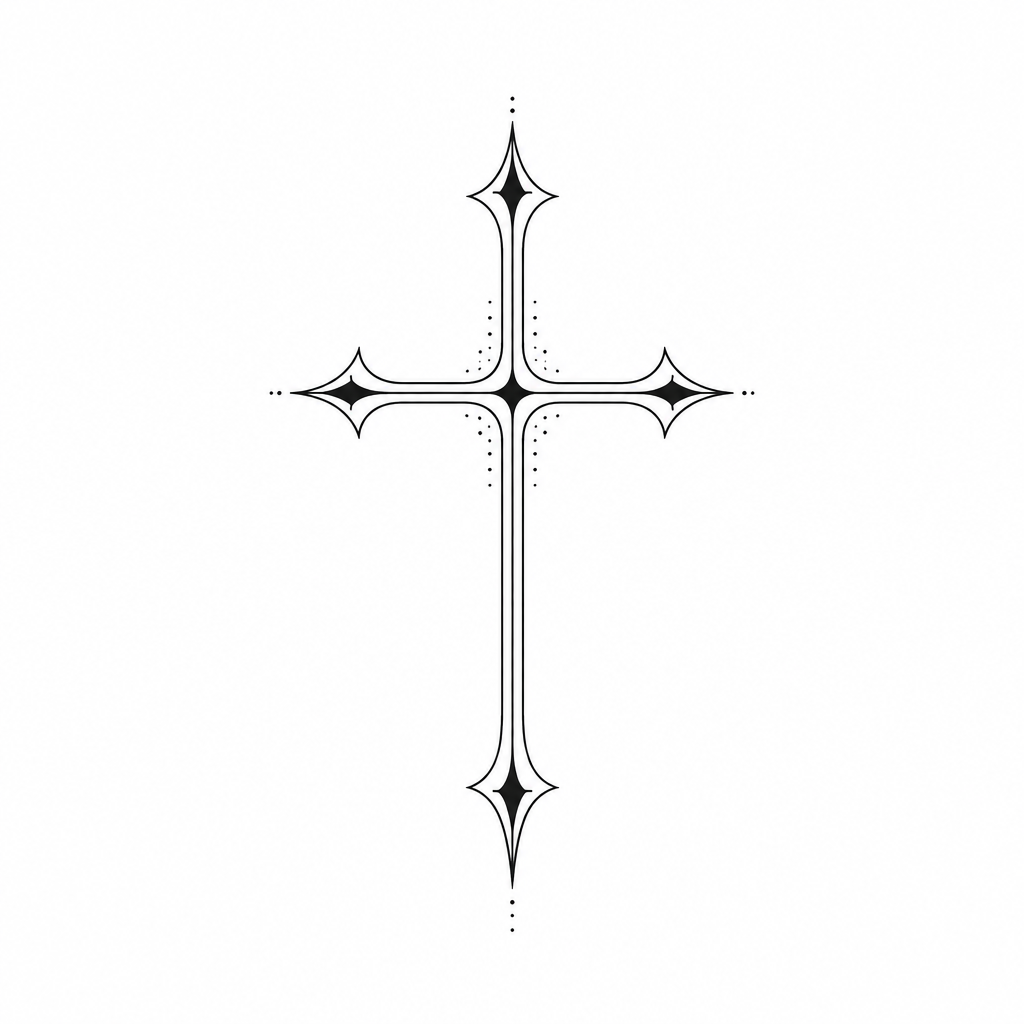
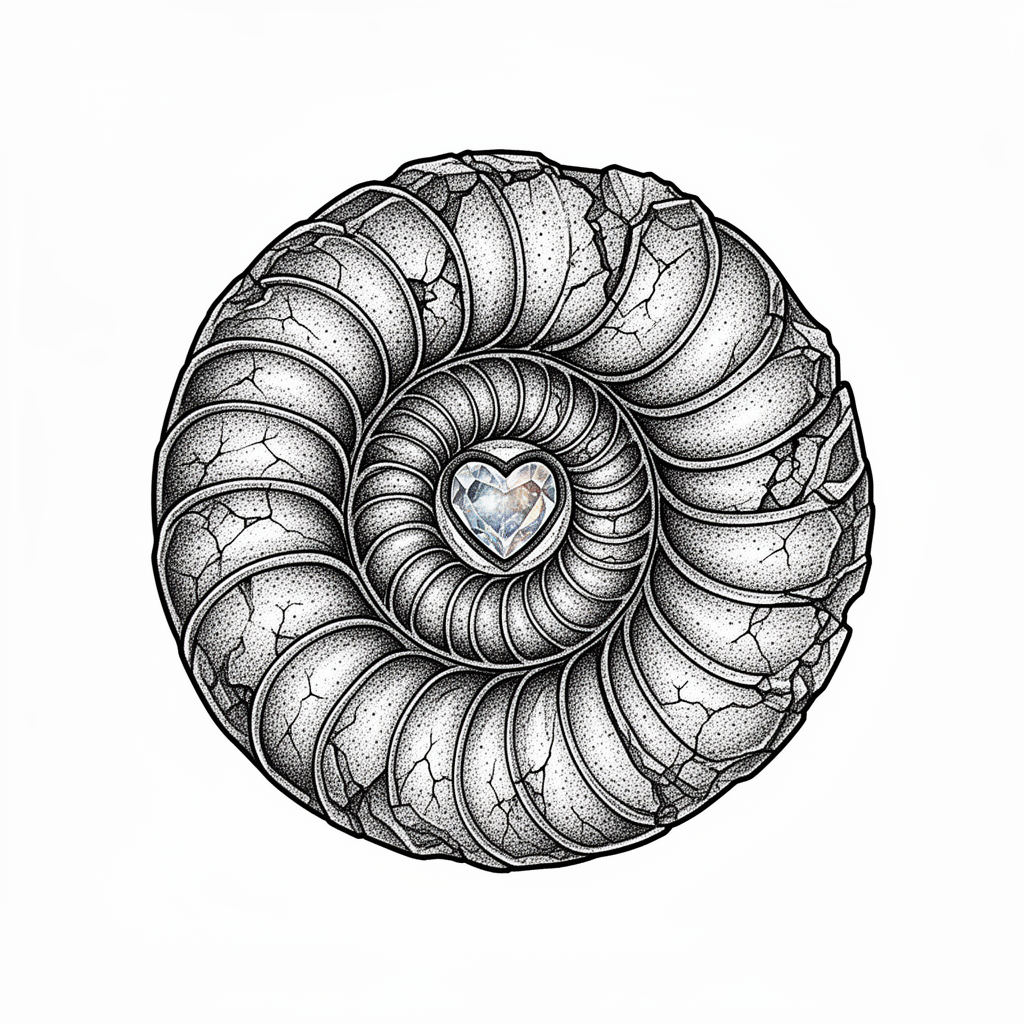
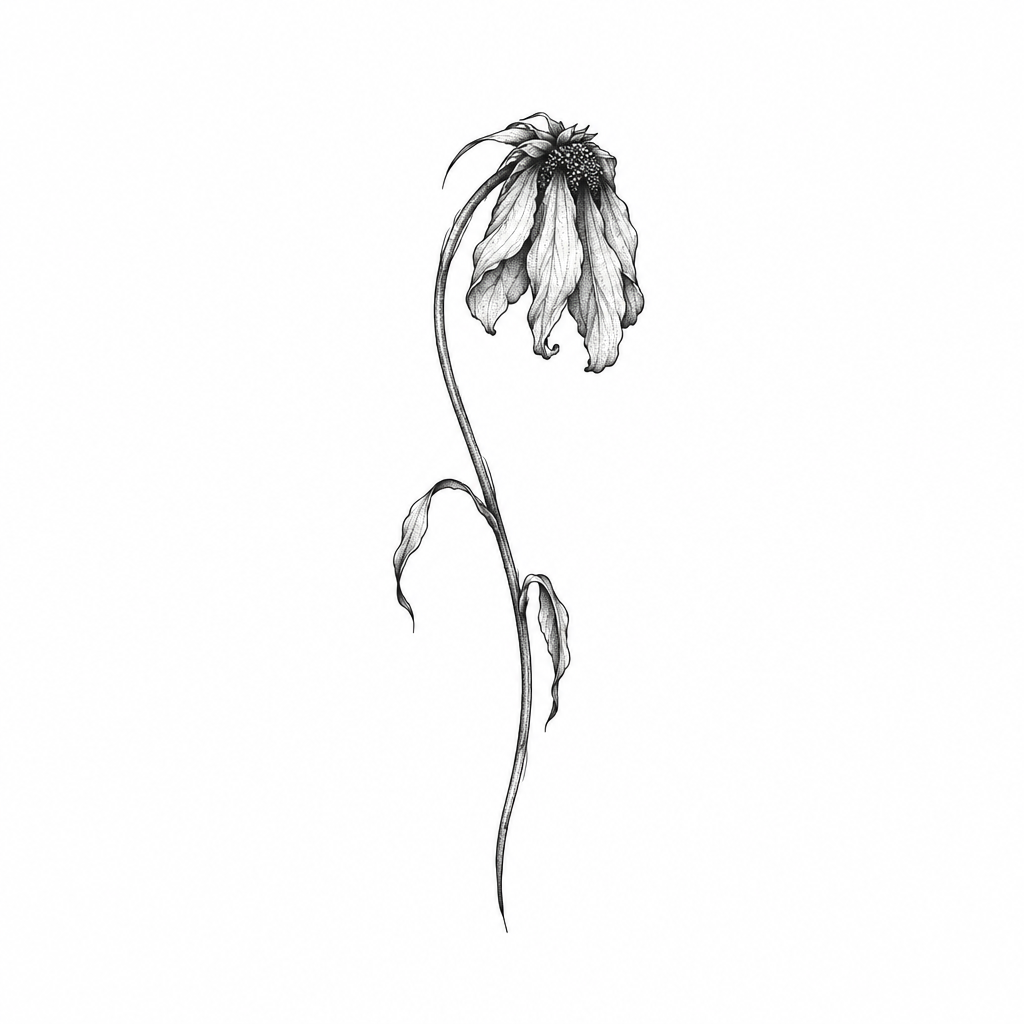
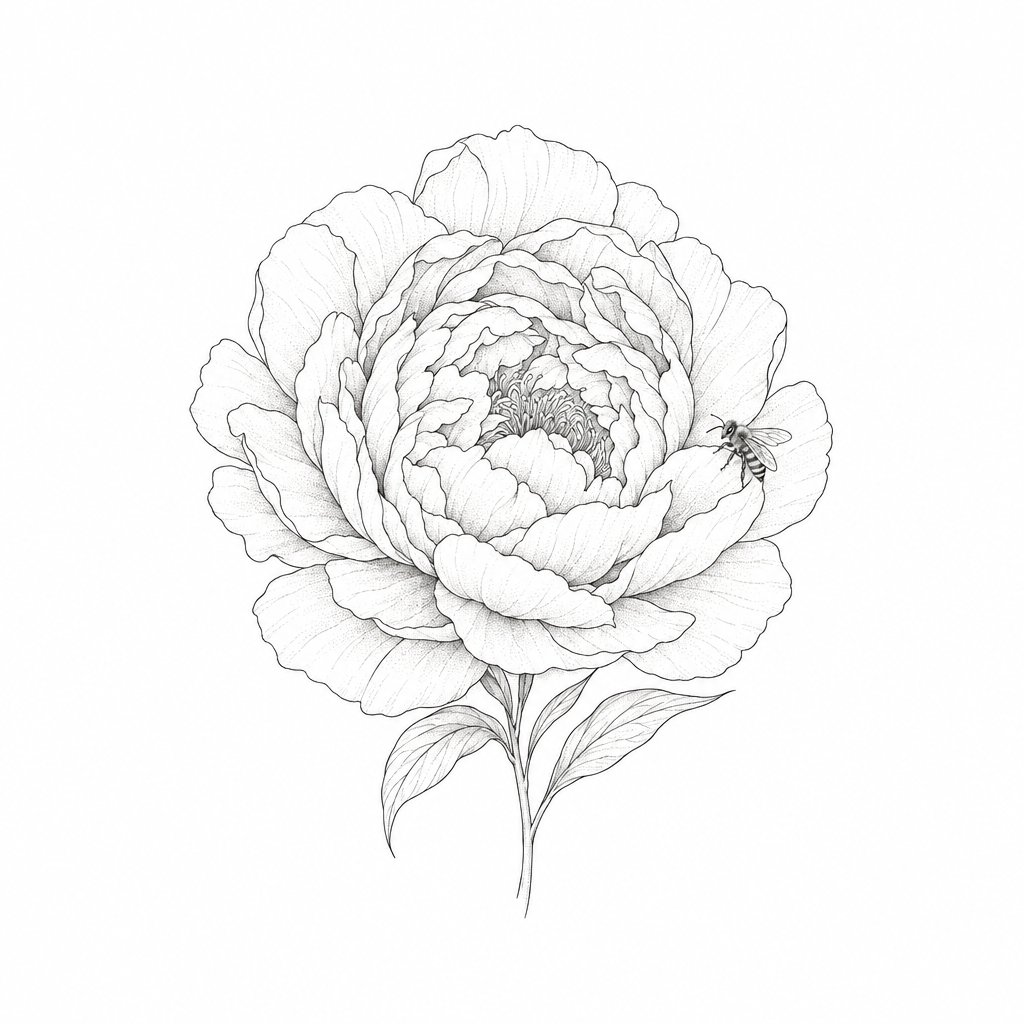
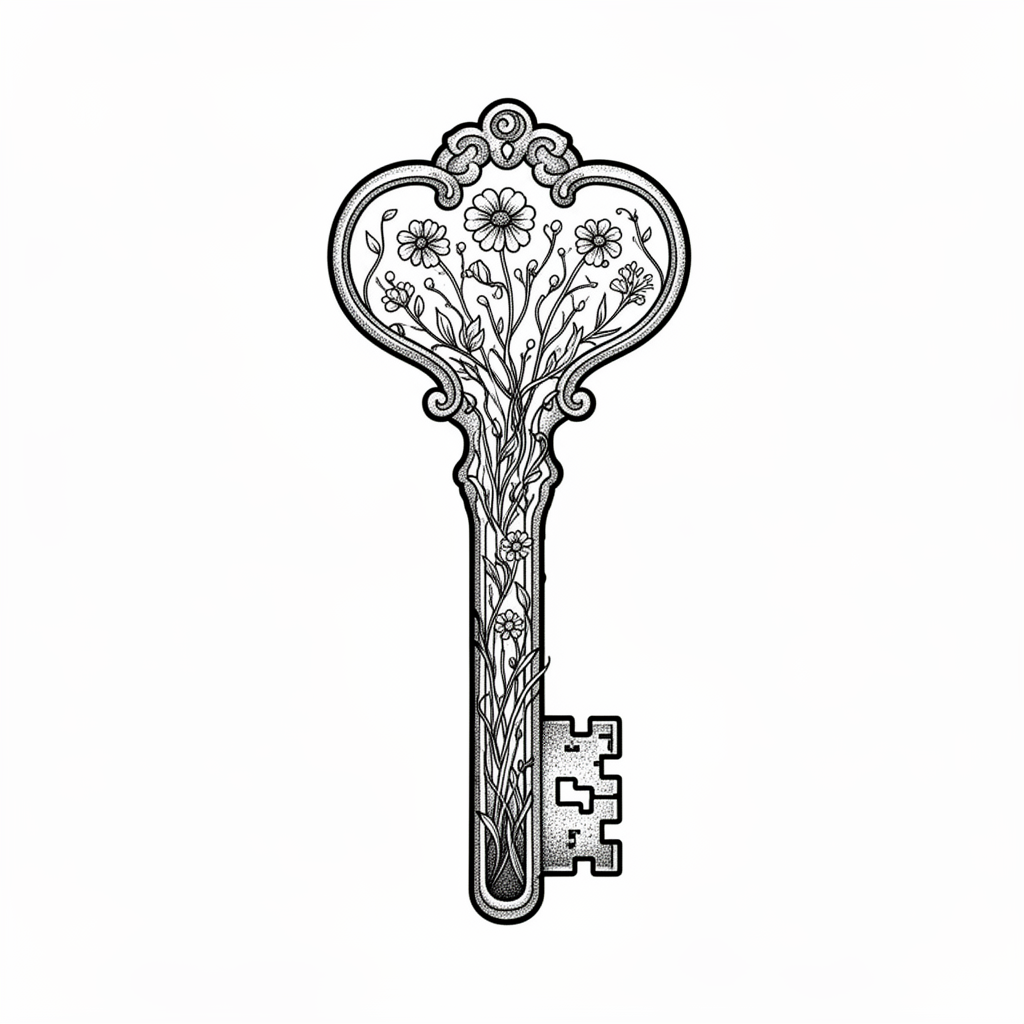
Related placements
Behind the Ear tattoo FAQ
- Does getting a Behind the Ear tattoo hurt a lot?
- Behind the ear is usually a moderate-pain spot, around three out of five. The skin is thin over the mastoid bone, so the needle feels like a hard vibration travelling through the bone and near the ear. Designs are small, so the discomfort is typically brief. Pain perception varies from person to person.
- How does a Behind the Ear tattoo heal?
- Most behind-the-ear tattoos heal in about two to three weeks. Hair is the main complication, as it trails over the area and catches during washing, so tie it back and rinse carefully. This is general guidance, not medical advice, and anything that looks unusual is worth checking with a professional.
- How large should a Behind the Ear tattoo be?
- Behind the ear suits small designs only. The patch of skin is just a few centimetres before it meets hair or the neck, so tiny symbols, short words, small dates and delicate single-line motifs work far better than anything detailed or large.
- What tattoo styles fit the Behind the Ear?
- Minimalist, Fine Line, Lettering and Dotwork all work well behind the ear. Simple symbols, short script, delicate botanical lines and stippled stars all fit the small space without becoming muddy as they age.
- Will a Behind the Ear tattoo always be on show?
- A behind-the-ear tattoo is only sometimes visible. Hair worn down covers it completely, while tying it back or an updo reveals it. This means you can show or hide the piece at will, which makes it a flexible choice for people who want discretion.
- Is a Behind the Ear tattoo wise for a beginner?
- Behind the ear can be a reasonable first tattoo thanks to its small size and only moderate pain. The bony vibration surprises some people, but sessions are short. Its hide-or-reveal nature also makes it a gentle introduction without a permanent public commitment.