Tattoo Placement
Throat Tattoos
A practical guide to Throat tattoos: how the spot wears a design, what sizes fit, how much it hurts, how long it heals, the styles that flatter it and real community designs.
About Throat tattoos
The throat is among the most intense placements on the body and one of the most unmistakable. It covers the front of the neck over the windpipe and voice box, an area that is constantly in motion. Swallow, talk or tilt your head and the skin and underlying structures shift, which makes the throat both a demanding spot to tattoo and a striking one to wear. The skin is thin and extremely sensitive, with major vessels and the airway sitting just beneath. There is nowhere to hide a throat tattoo. A high collar may cover part of it, but the placement announces itself in nearly every interaction, which is why it is usually chosen by people who are already heavily tattooed and have made peace with permanently visible work. Bold central designs, large lettering and symmetrical ornamental pieces dominate here because the throat is, by its nature, a focal point that draws the eye straight to the centre of the body.
Throat at a glance
| Sizes that fit | Small, Medium |
|---|---|
| Pain level | Very high |
| Healing time | 2–4 weeks |
| Visibility | Highly visible |
This is a highly visible spot — consider workplace, social and permanence factors before committing.
Pain and healing vary by person — this is general guidance, not medical advice.
Size and pain for Throat tattoos
Small to medium designs are realistic on the throat, often a central motif, a bold word or a symmetrical ornament sitting over the windpipe. Pain is very high, frequently rated five out of five, and there is no gentle way to describe it. The skin is thin and stretched over the trachea and larynx with almost no padding, the area is dense with nerves, and the constant movement of swallowing means the tattoo is in flux throughout the session. Many people find the urge to swallow and the vibration near the airway genuinely hard to sit through. Artists usually break throat work into shorter sessions for this reason, and it is widely regarded as one of the toughest placements to endure, which is part of why it carries the reputation it does.
Healing a Throat tattoo
Throat tattoos generally take about two to four weeks to heal at the surface. The relentless motion of swallowing, speaking and turning the head means the area is never truly still, so the fresh ink is worked constantly. Collars, scarves and necklaces rub directly across it, so keep necklines loose and open during the first ten days or so. Swelling and tenderness around the front of the neck are common early on given how delicate the tissue is. Be gentle when shaving or washing your face and neck so you do not drag soap or a razor over the healing skin. Sleeping propped slightly upright can reduce overnight swelling and keep pressure off the area.
Styles that suit the Throat
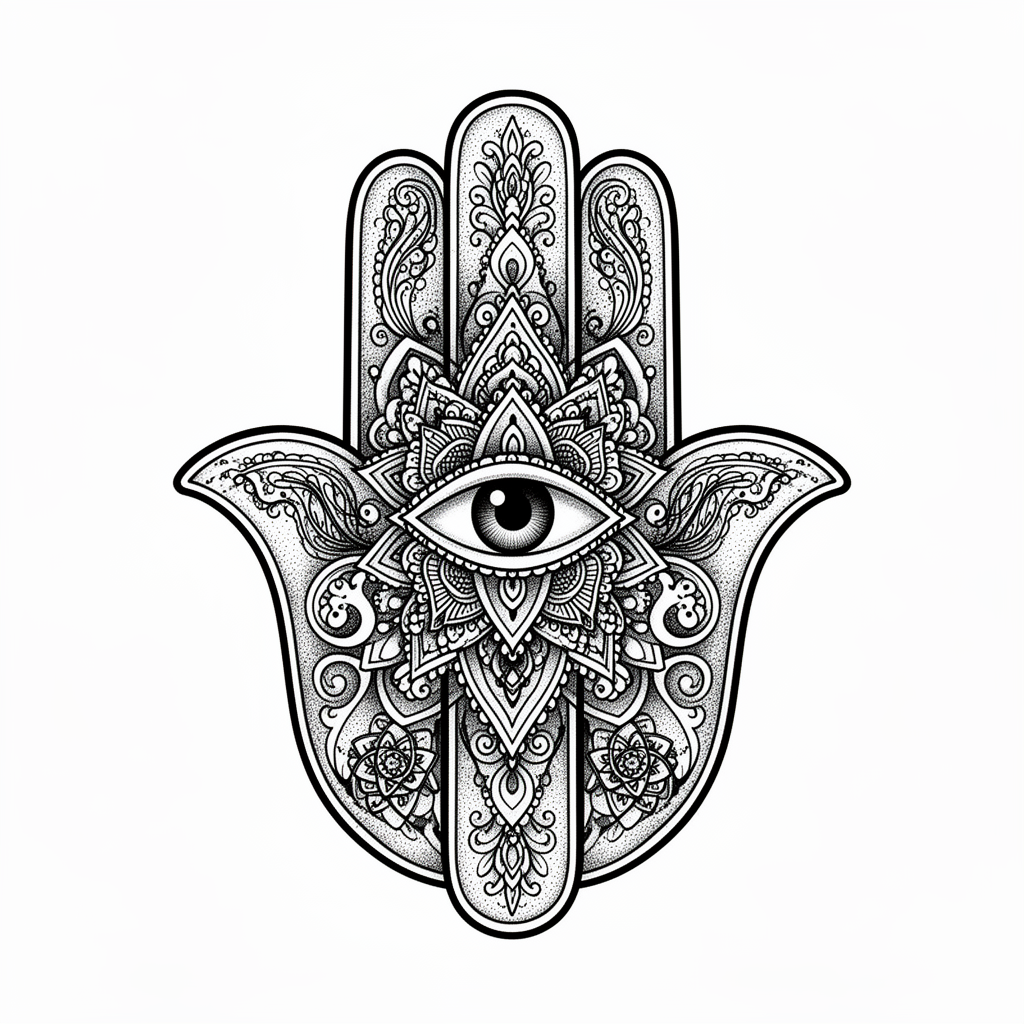
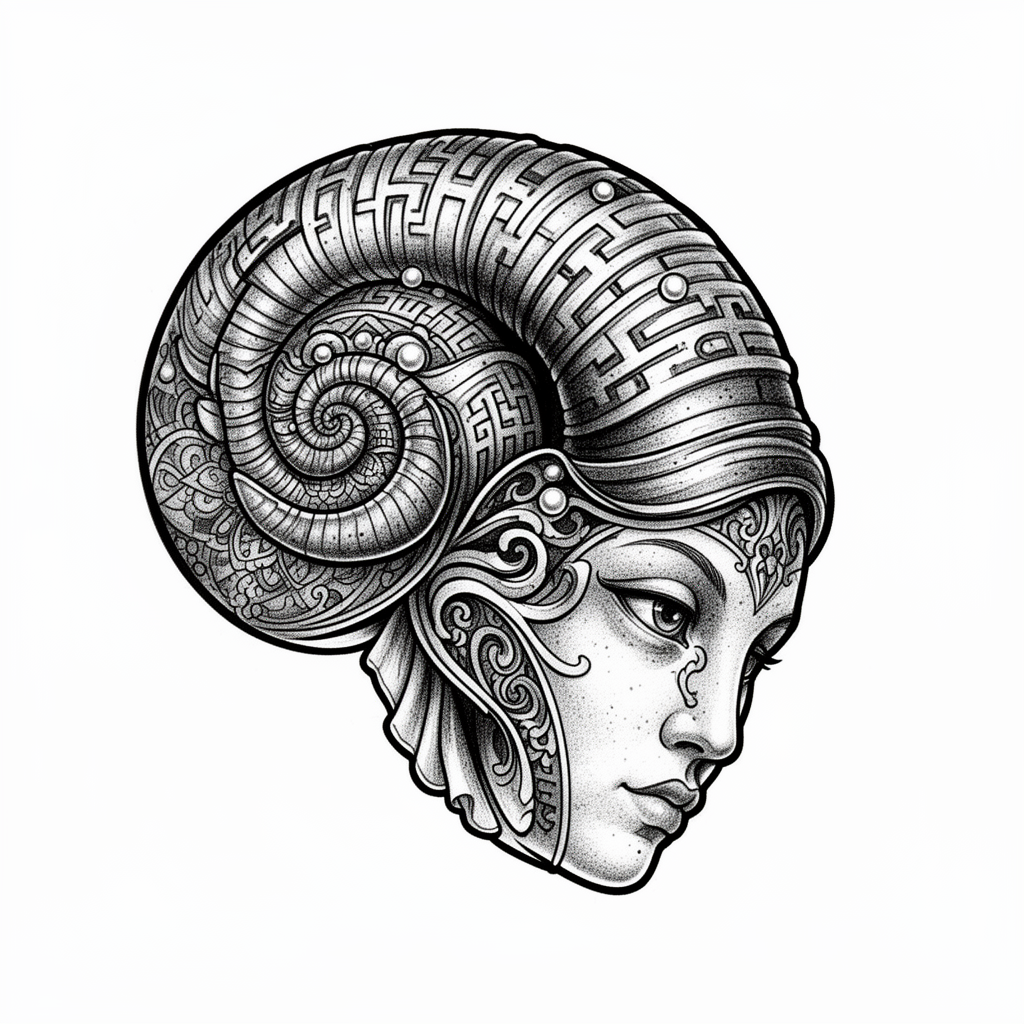
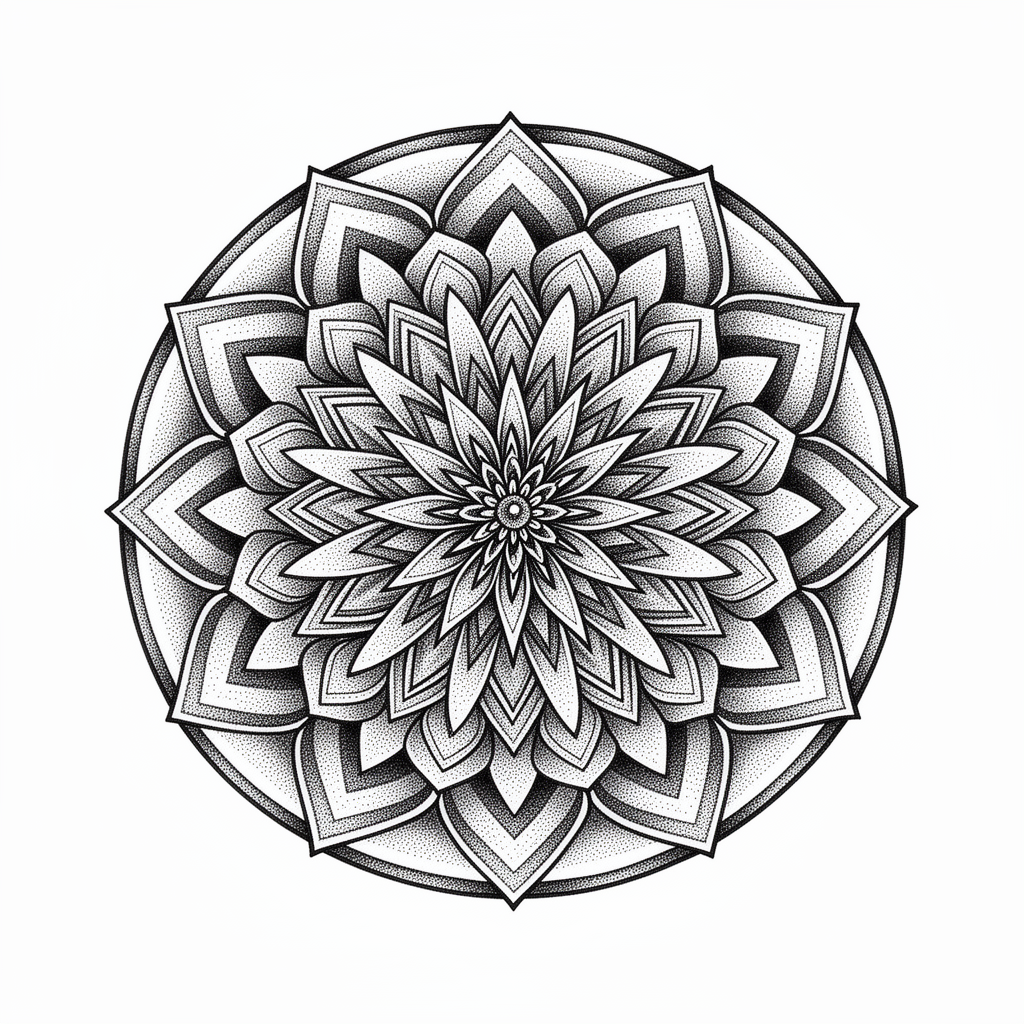
The throat is built for bold, central, symmetrical work that owns its position. Blackwork delivers the high-contrast impact the placement calls for and reads clearly from a distance. Lettering, especially large script or a single powerful word, sits naturally along the centre line of the throat. Ornamental designs use the throat's symmetry to frame the windpipe with filigree and patterns. Dotwork can add graduated texture and depth to those ornamental forms. With Blackwork, Lettering, Ornamental and Dotwork as the proxies, the guiding idea is strength and balance, since timid or scattered designs get lost on such a commanding canvas.
AI prompt ideas for Throat tattoos
- “Bold Blackwork ornamental centrepiece on the throat, symmetrical filigree over the windpipe, high contrast solid black, decorative framing”
- “Large Lettering single word down the centre of the throat, powerful gothic script, strong serifs, bold and legible”
- “Ornamental symmetrical pattern across the throat, intricate radial detail, balanced composition, fine decorative linework”
- “Dotwork mandala on the throat, graduated stippled shading, deep central focal point, geometric symmetry”
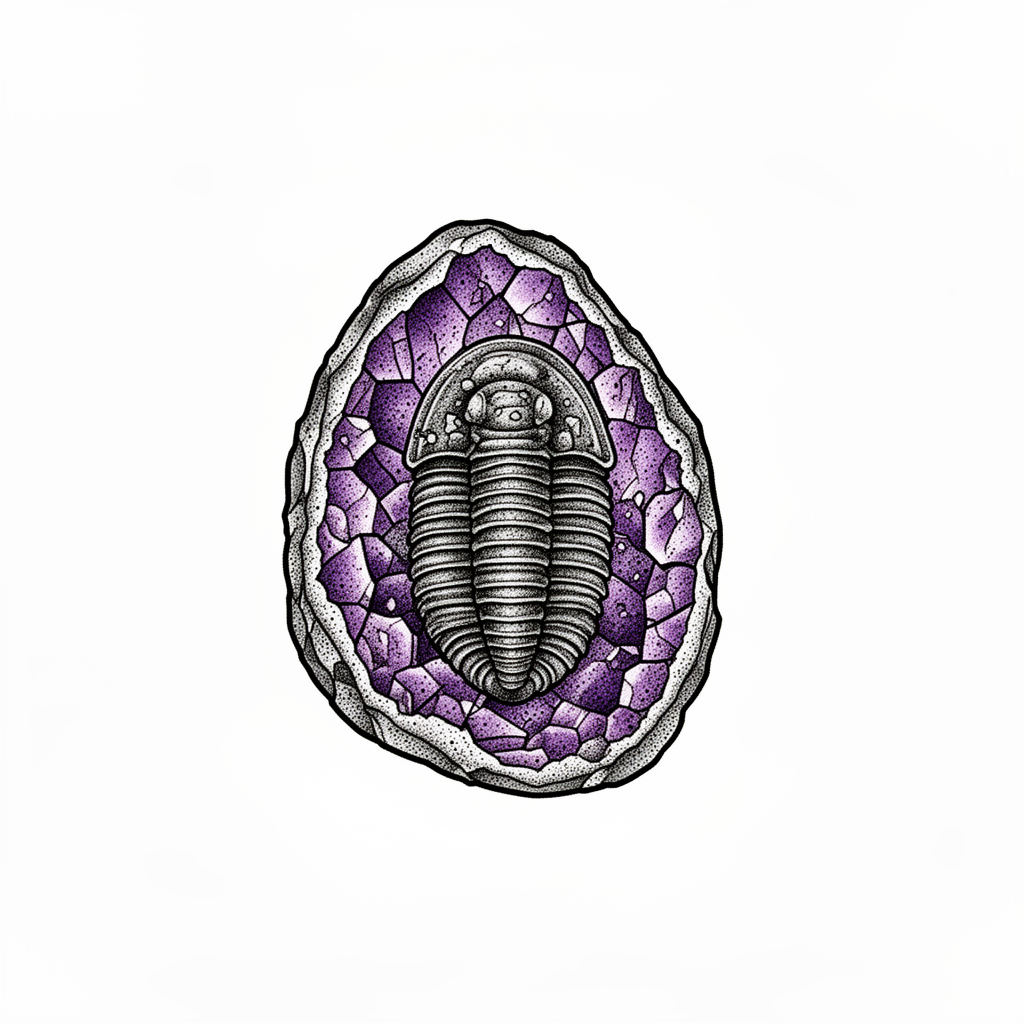
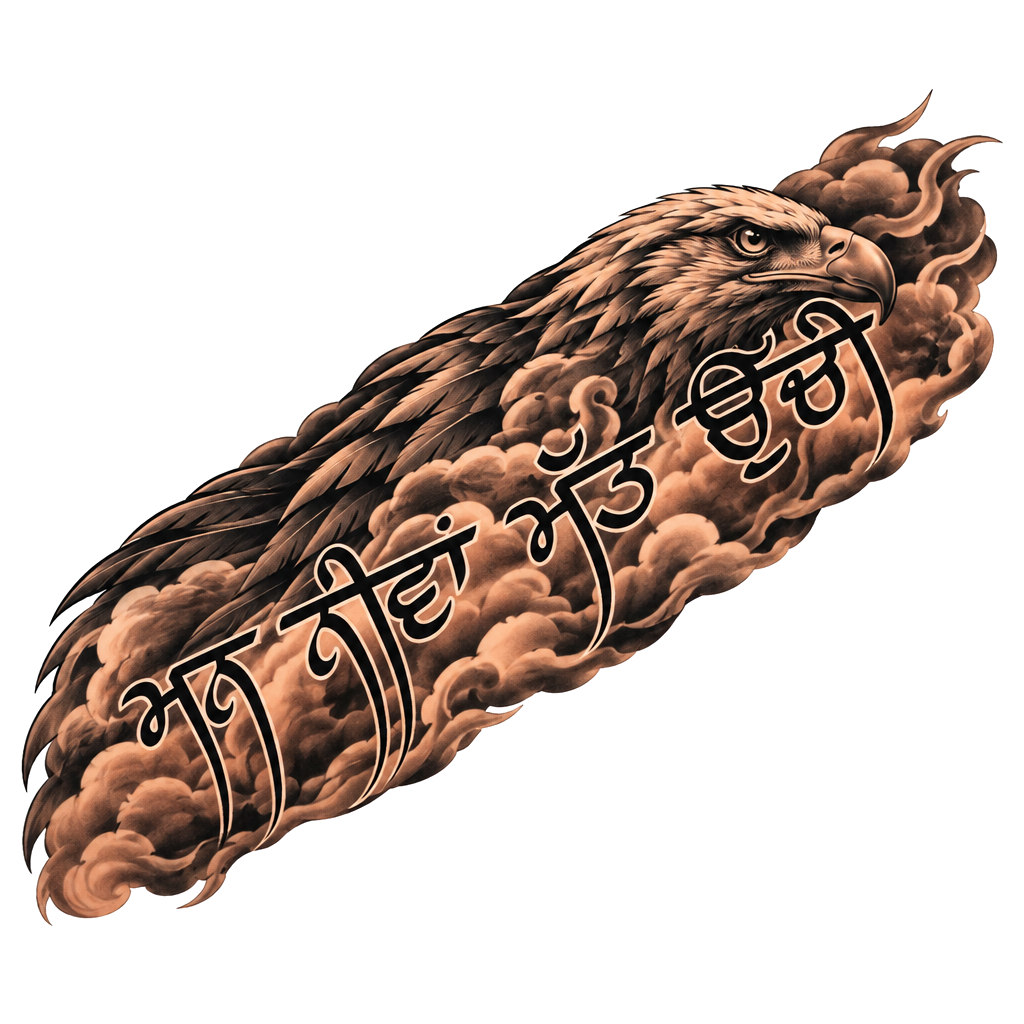
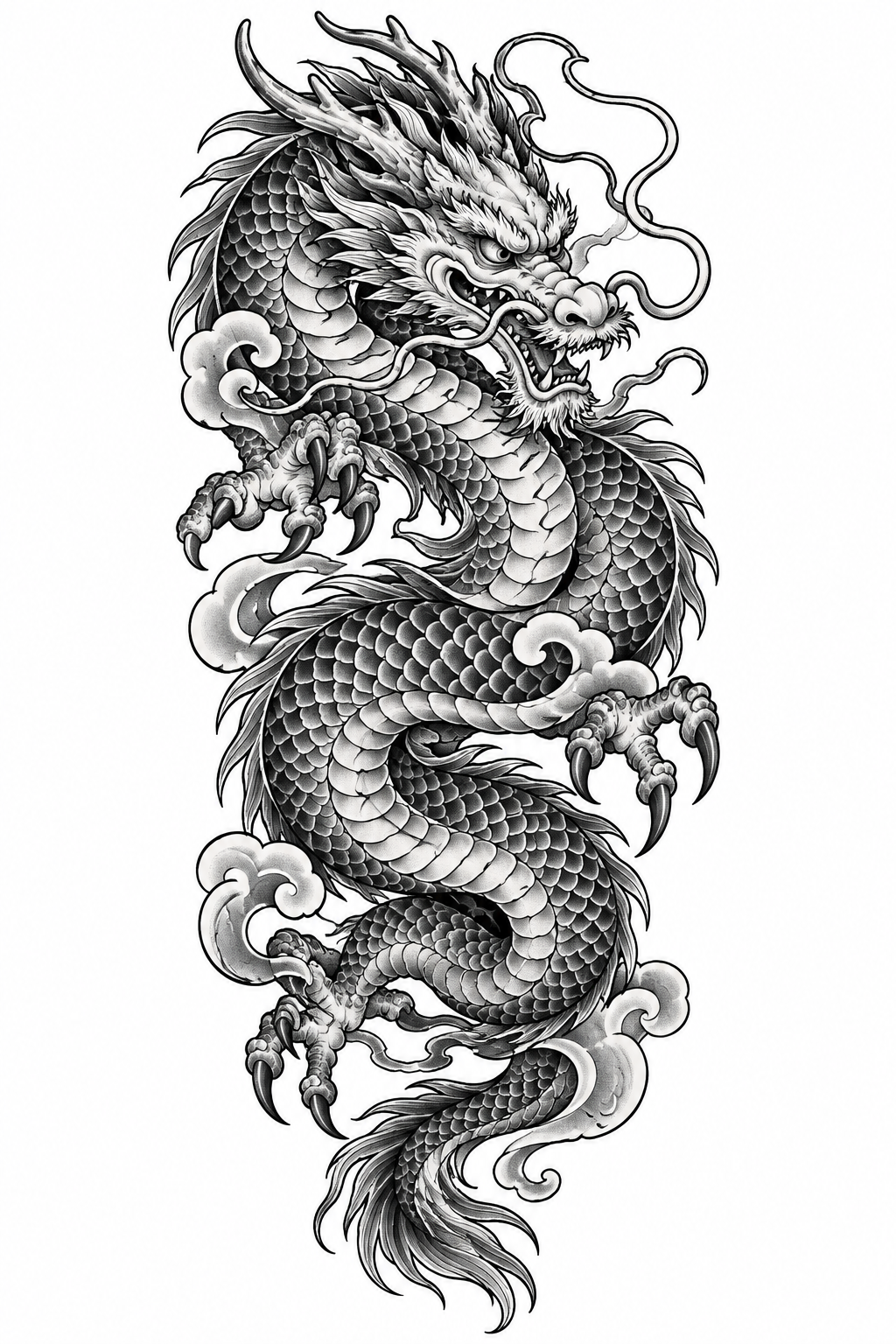
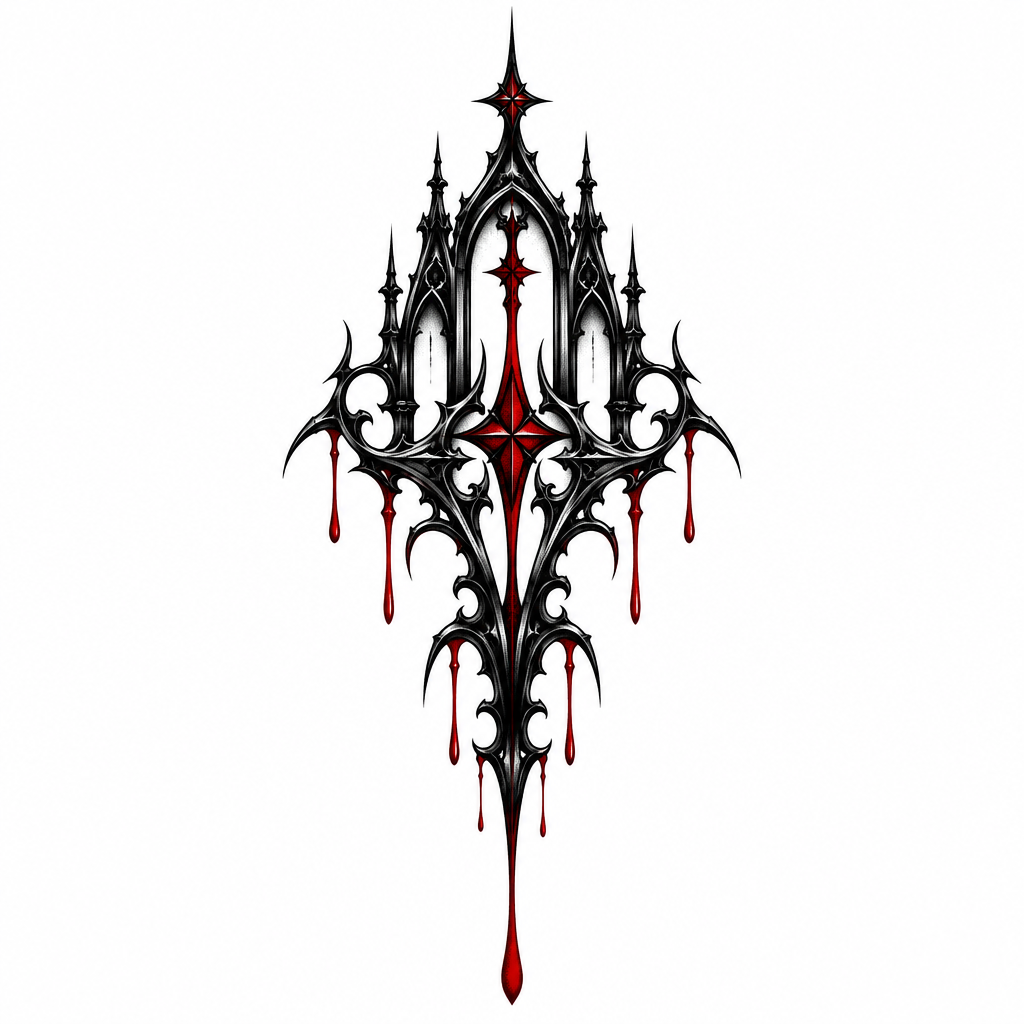
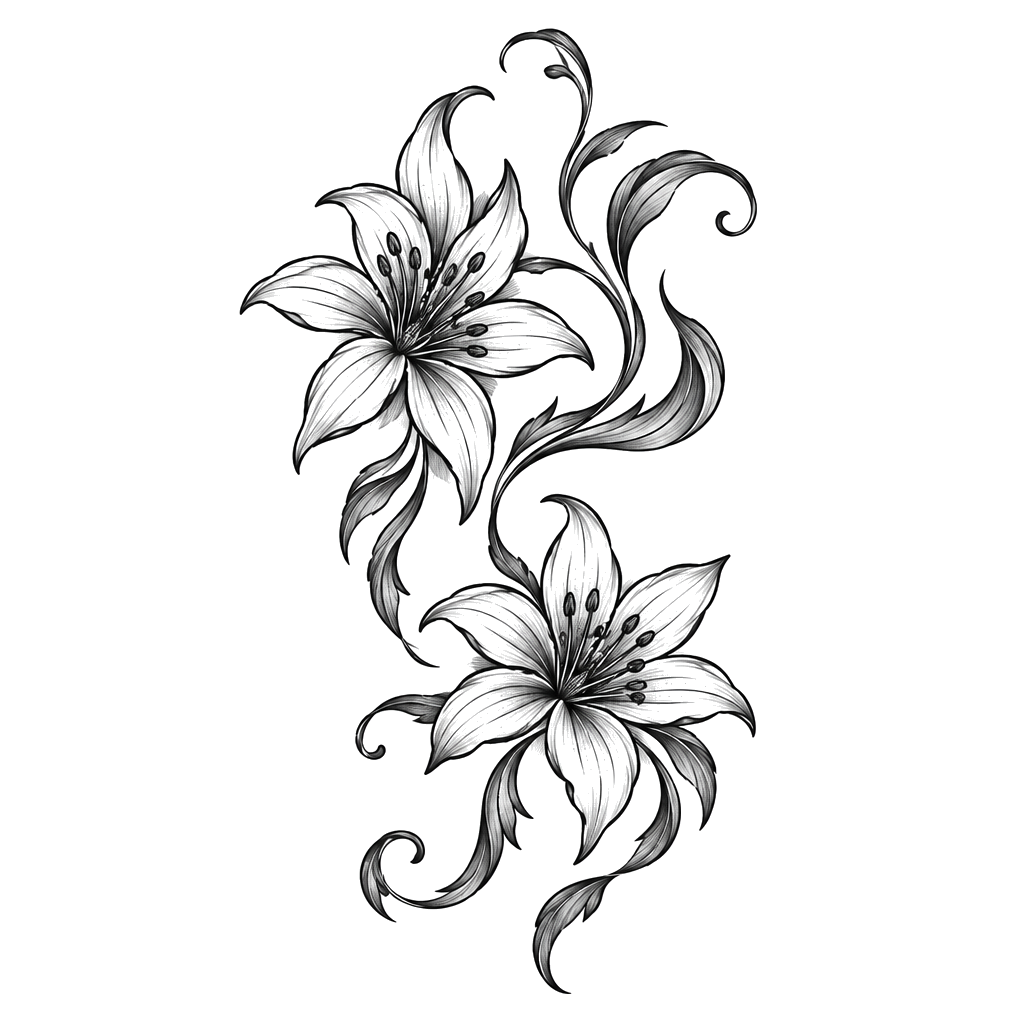
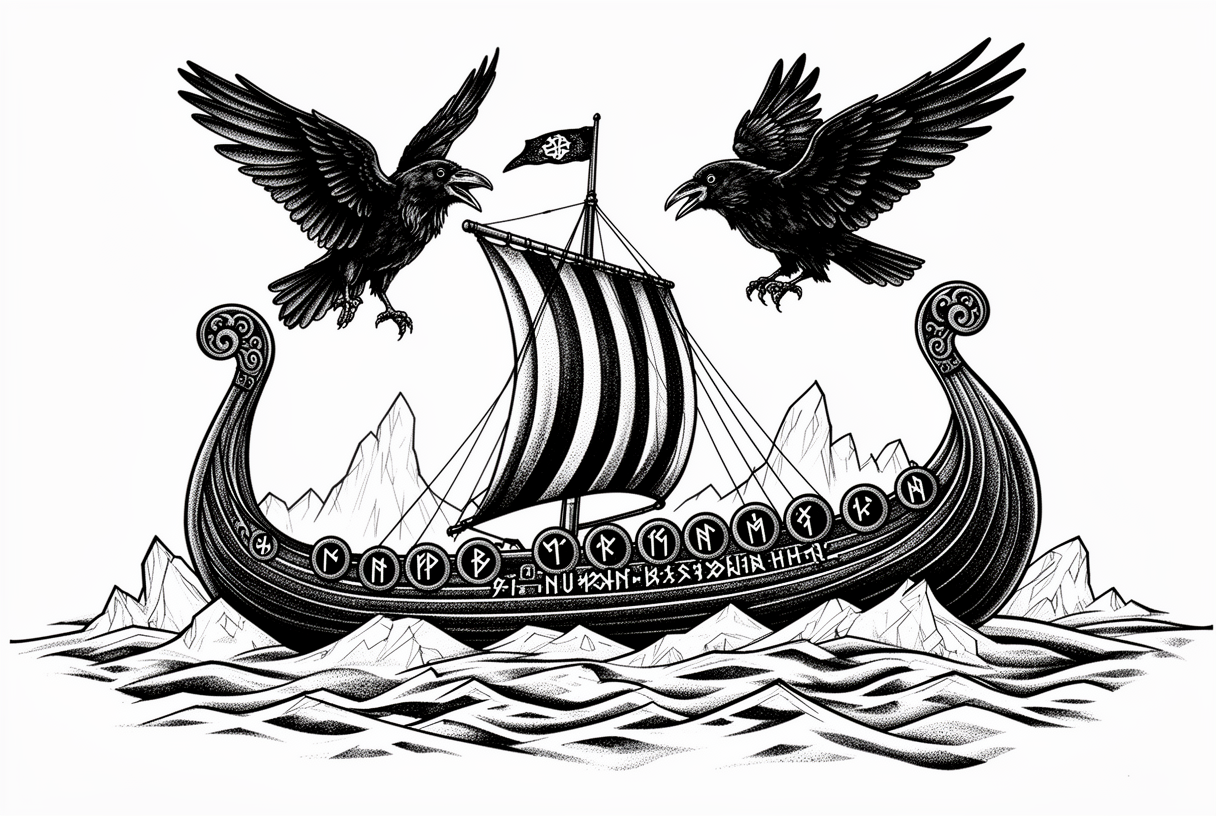
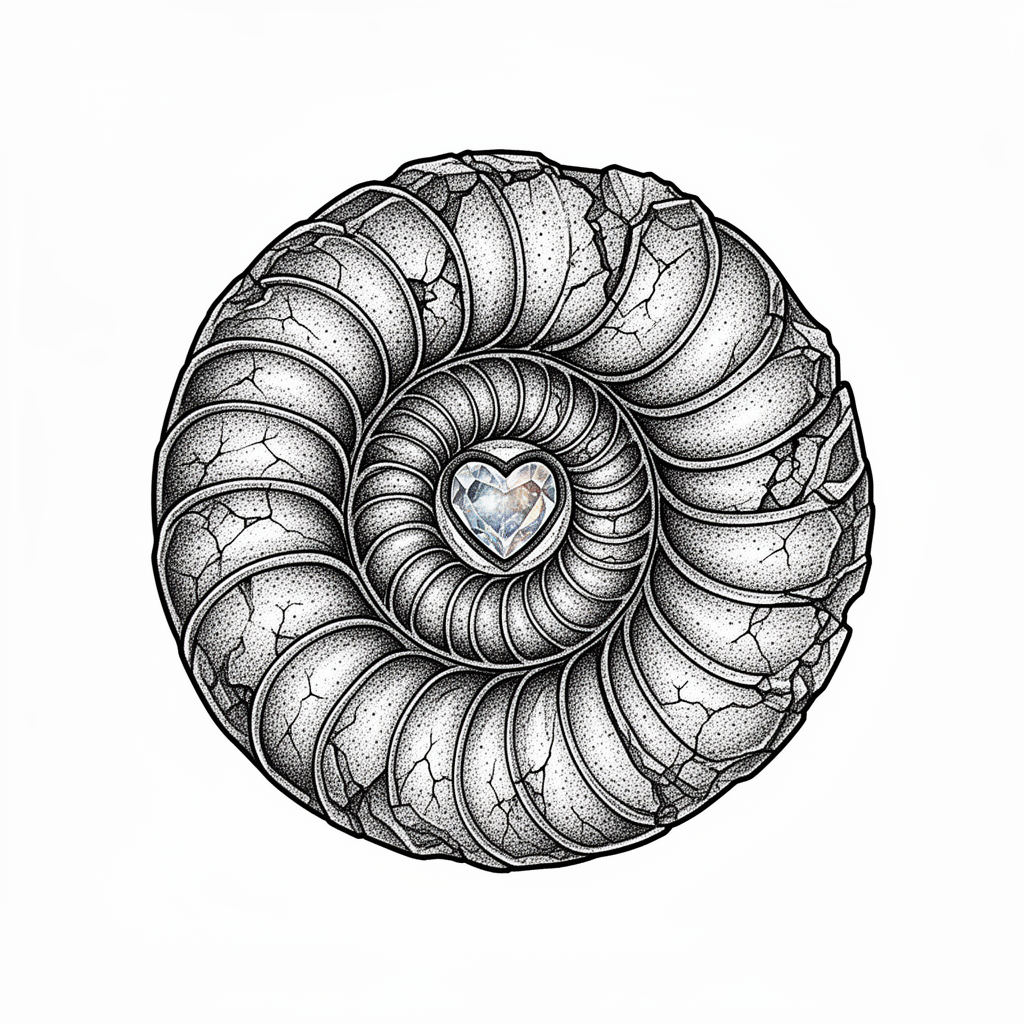
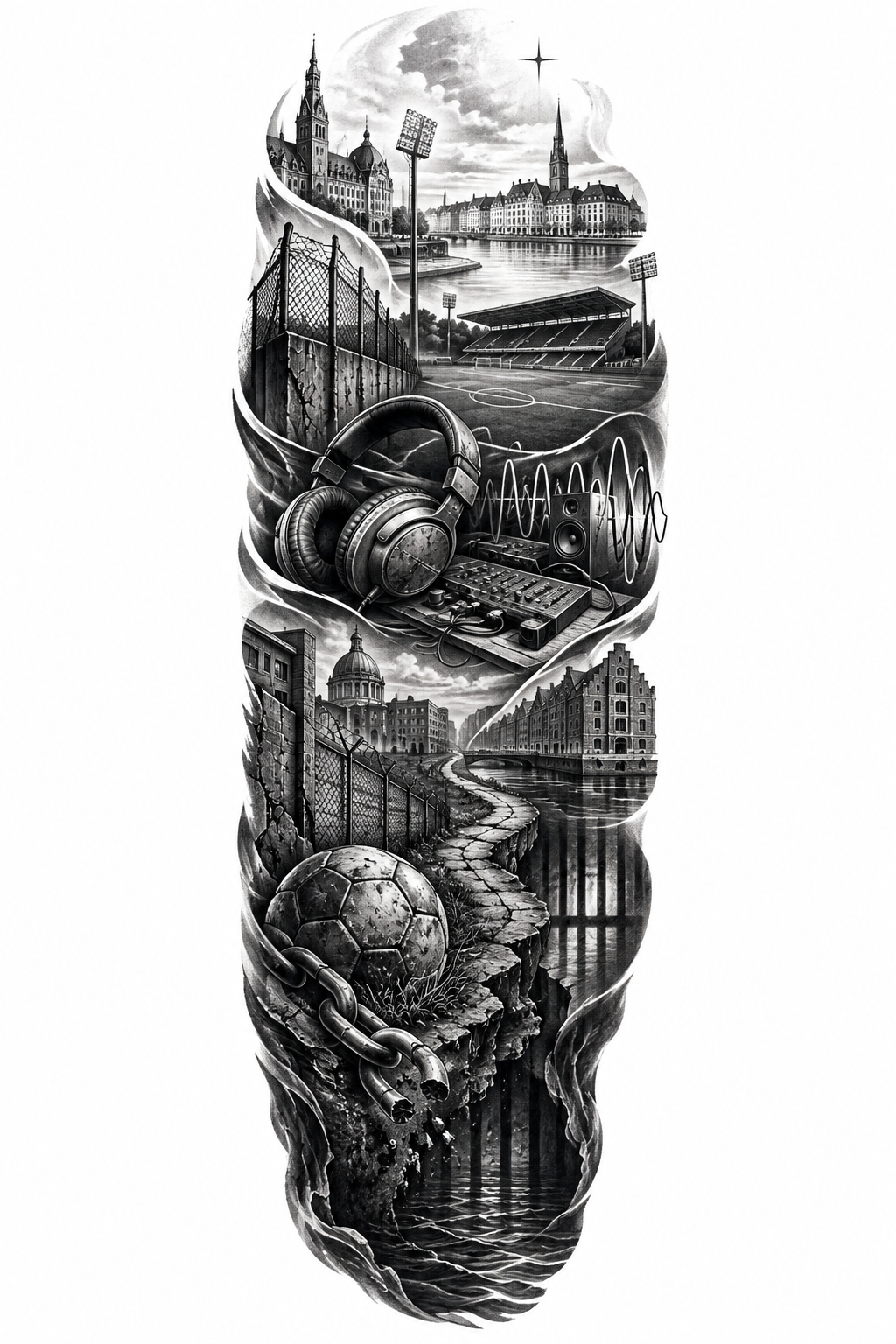
Throat tattoo designs from the community
Related placements
Throat tattoo FAQ
- Does getting a Throat tattoo hurt a lot?
- The throat is among the most painful placements, commonly rated five out of five. The skin is thin over the windpipe with no cushioning, the area is full of nerves, and constant swallowing makes it harder to sit still. Most people find it intense, though tolerance varies widely.
- How does a Throat tattoo heal?
- Throat tattoos usually heal in around two to four weeks on the surface. The area never stops moving as you swallow and talk, and collars rub against it, so keep necklines loose. Some early swelling is common. This is general guidance, not medical advice, so check anything unusual with a professional.
- How large should a Throat tattoo be?
- Small to medium designs are the realistic range for the throat. A bold central motif, a single strong word or a symmetrical ornament over the windpipe works well, while very large or busy pieces become hard to place cleanly on the moving, curved surface.
- What tattoo styles fit the Throat?
- Blackwork, Lettering, Ornamental and Dotwork all suit the throat. Bold high-contrast work and large central script make the most of the spot, while symmetrical ornamental and dotwork patterns frame the windpipe and read strongly from a distance.
- Will a Throat tattoo always be on show?
- The throat is highly visible and very hard to hide. A high collar covers only part of it, so the tattoo shows in almost every interaction. It is an open, public statement, which is why it is usually chosen by people who already have visible work and accept that commitment.
- Is a Throat tattoo wise for a beginner?
- The throat is rarely a sensible first tattoo. The pain is among the highest anywhere, and the placement is impossible to hide, so it carries a serious, permanent social commitment. Most artists recommend building experience on easier spots before considering work on the throat.