Tattoo Style
Geometric Tattoos
A practical guide to Geometric tattoos: where the style comes from, what makes it recognisable, prompt ideas, real community examples, and answers to the questions people ask before they commit.
Generating this style needs the Artisan plan or above — but reading and planning here is always free.
Geometric tattoos at a glance
- Colour
- Black & grey
- Line weight
- Fine
- Skill level
- Advanced
- Best placement
- Medium, flatter areas
The history of Geometric tattoos
Geometric tattooing uses precise lines, repeated shapes, symmetry and mathematical structure to build images — from clean mandalas and sacred-geometry grids to animals and portraits reconstructed out of facets and polygons. Its appeal is order: the satisfaction of perfectly aligned forms reading cleanly on the body. Accuracy is everything, because the eye instantly notices a line that does not meet or a symmetry that is slightly off. The style sits at the intersection of design, architecture and tattooing, and it became prominent as digital design culture and a taste for minimal, structured aesthetics grew. Geometric work can be purely abstract or used as scaffolding for representational subjects. Its honest constraint is exactness: it depends on careful placement that respects the body's curves, and on an artist comfortable with rulers, stencils and the discipline that clean line convergence demands.
Where Geometric comes from
Geometric pattern in body art is ancient and cross-cultural, but the contemporary tattoo style draws specifically from sacred geometry, dot-and-line ornamental traditions and modern graphic design. Artists such as Chaim Machlev are associated with flowing body-mapped geometric work. It is best understood as a modern synthesis: timeless geometric principles executed with present-day precision tooling and a minimalist design sensibility.
AI prompt ideas for Geometric tattoos
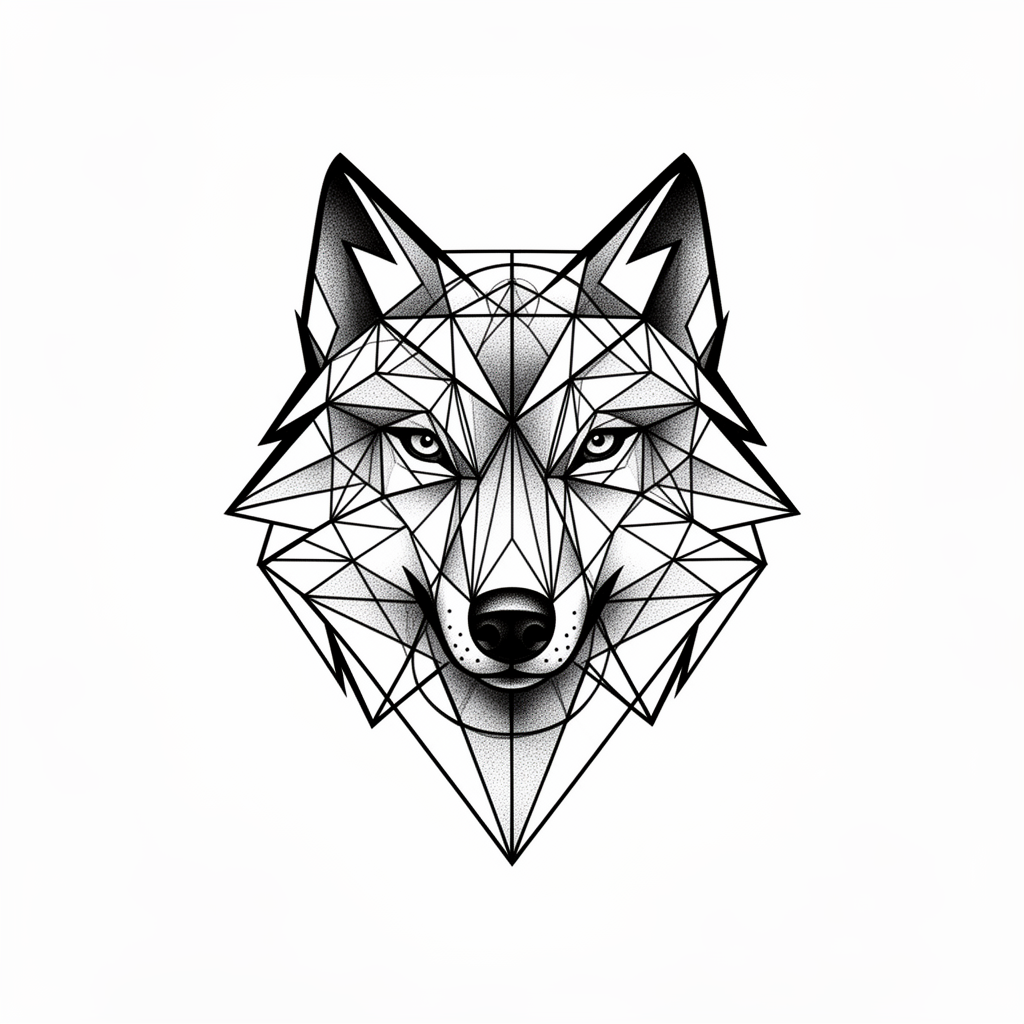
- “A geometric wolf head built from clean triangles and thin lines, symmetrical, precise”
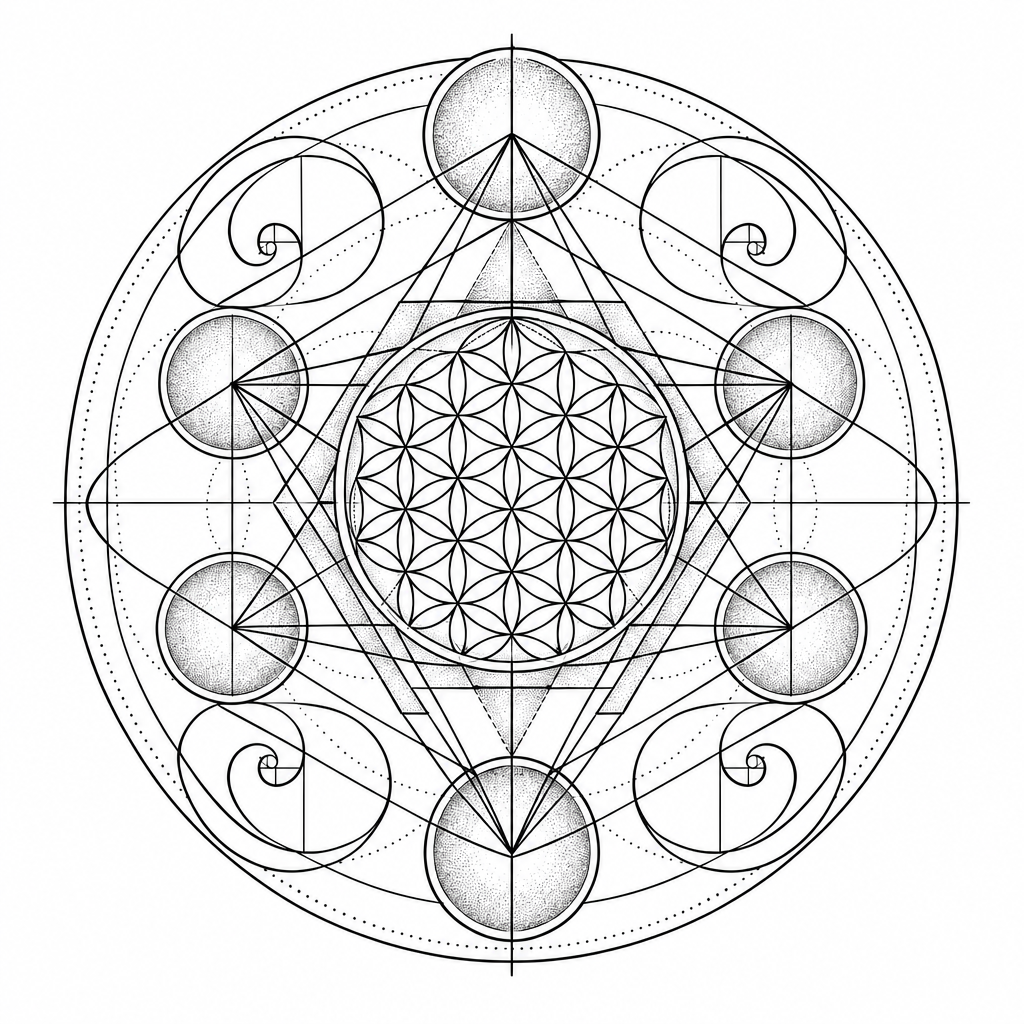
- “A sacred-geometry mandala with concentric rings and fine linework”
- “A geometric mountain inside overlapping circles, minimal and exact”
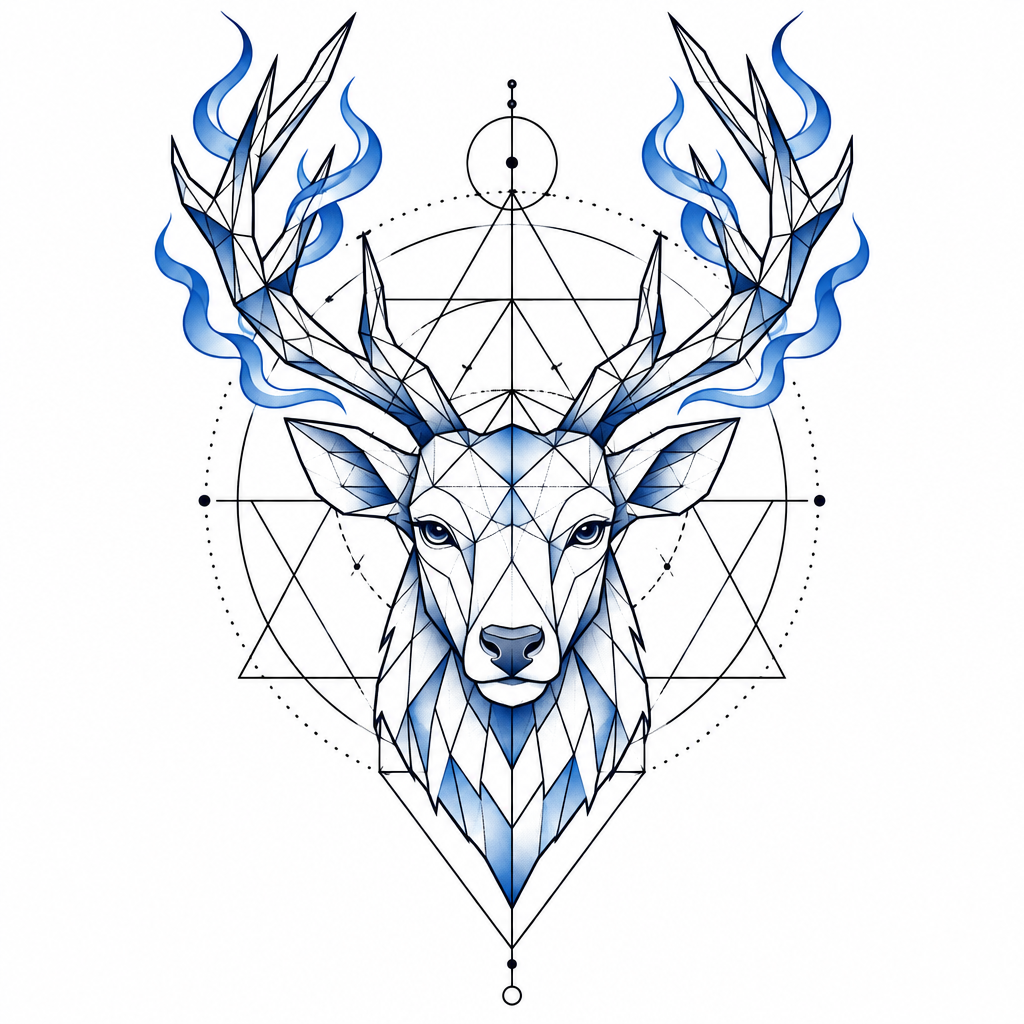
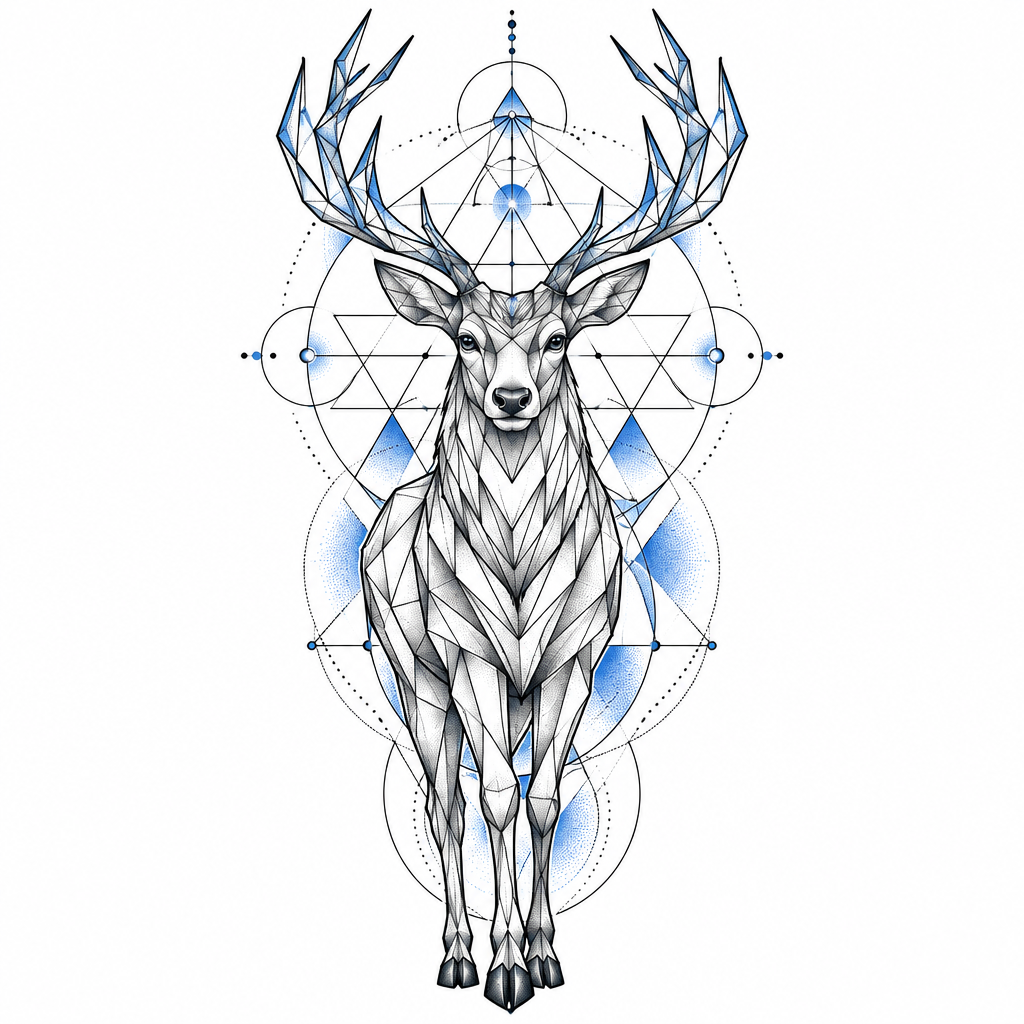
- “A low-poly geometric stag, faceted shapes, sharp clean edges”
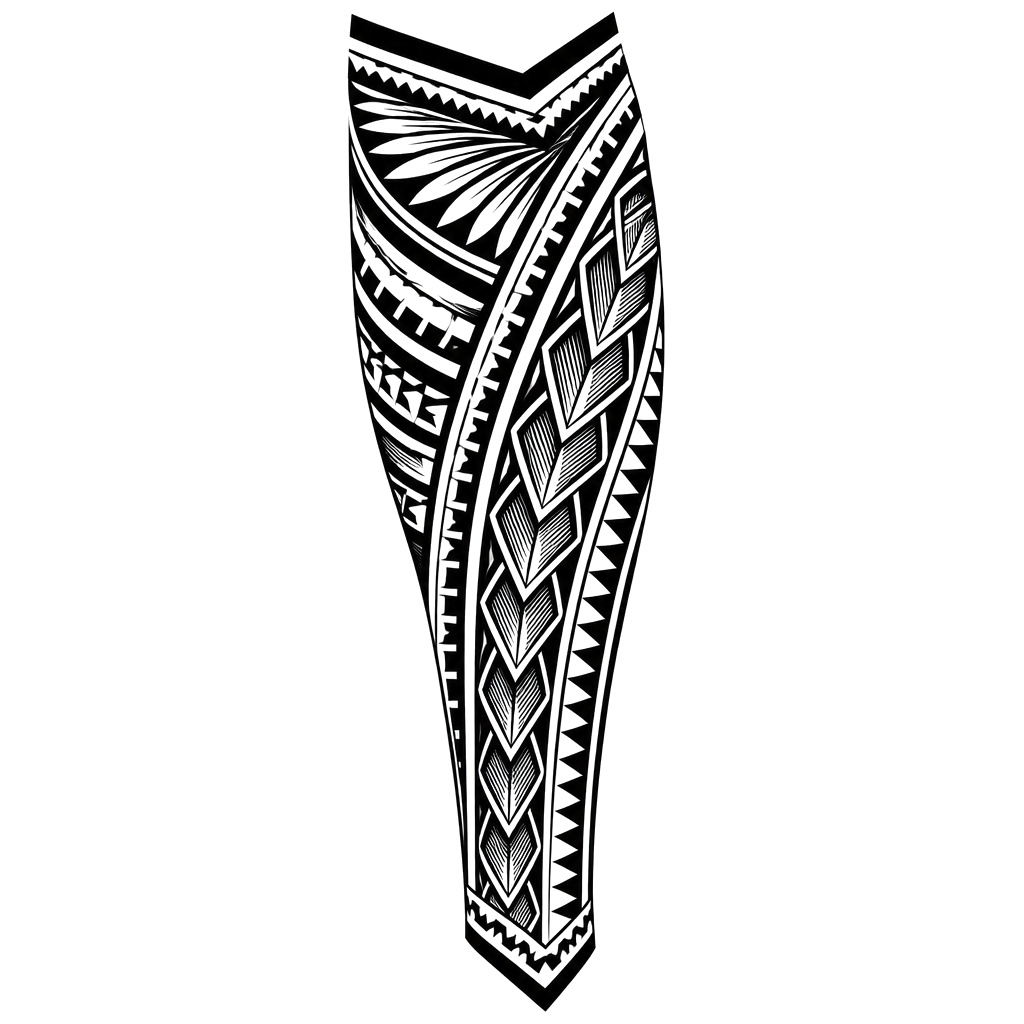
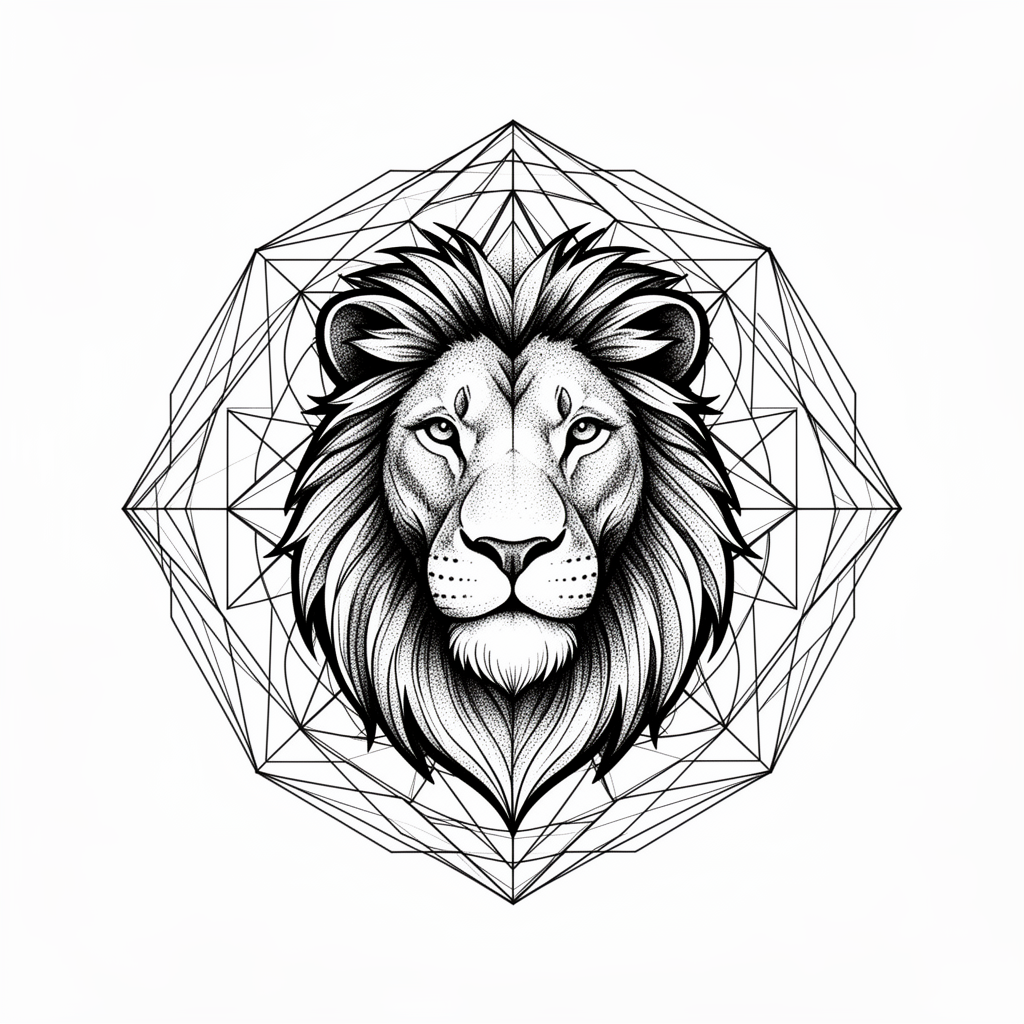
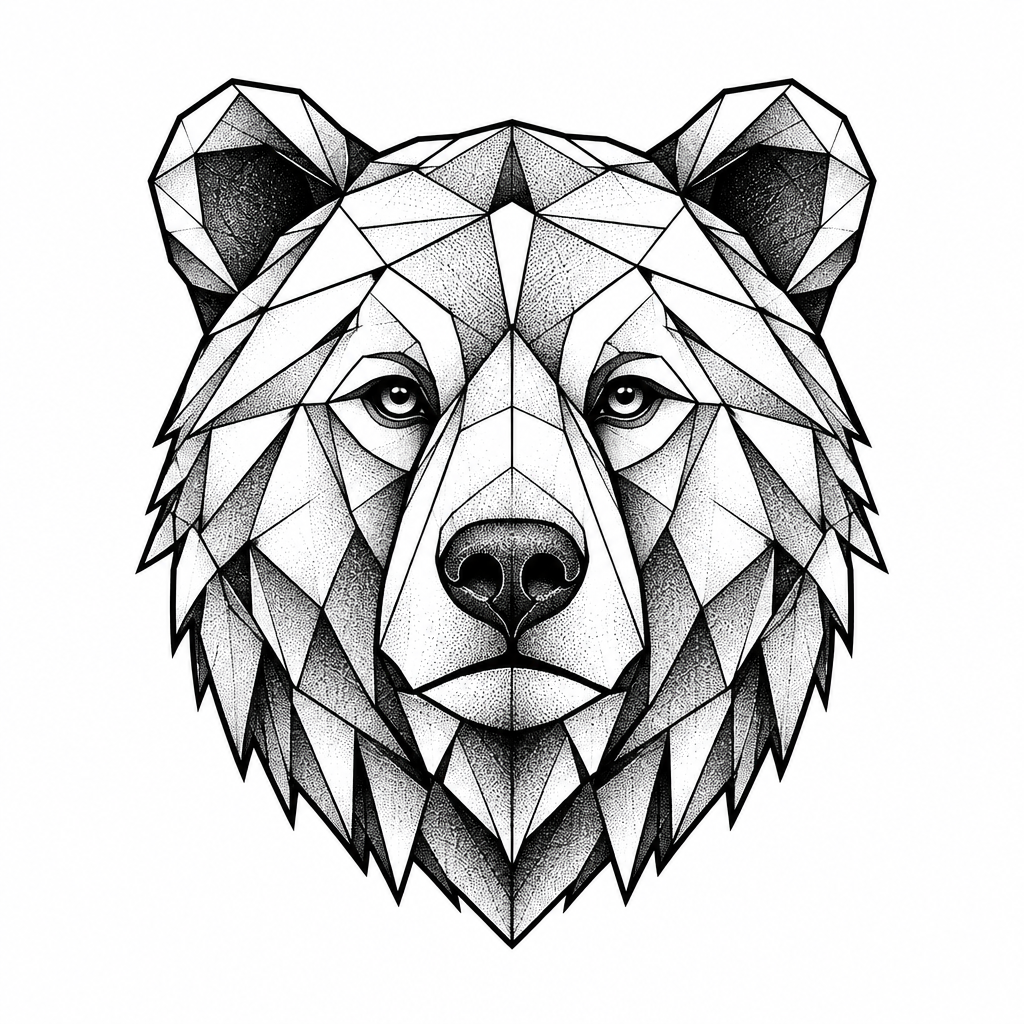
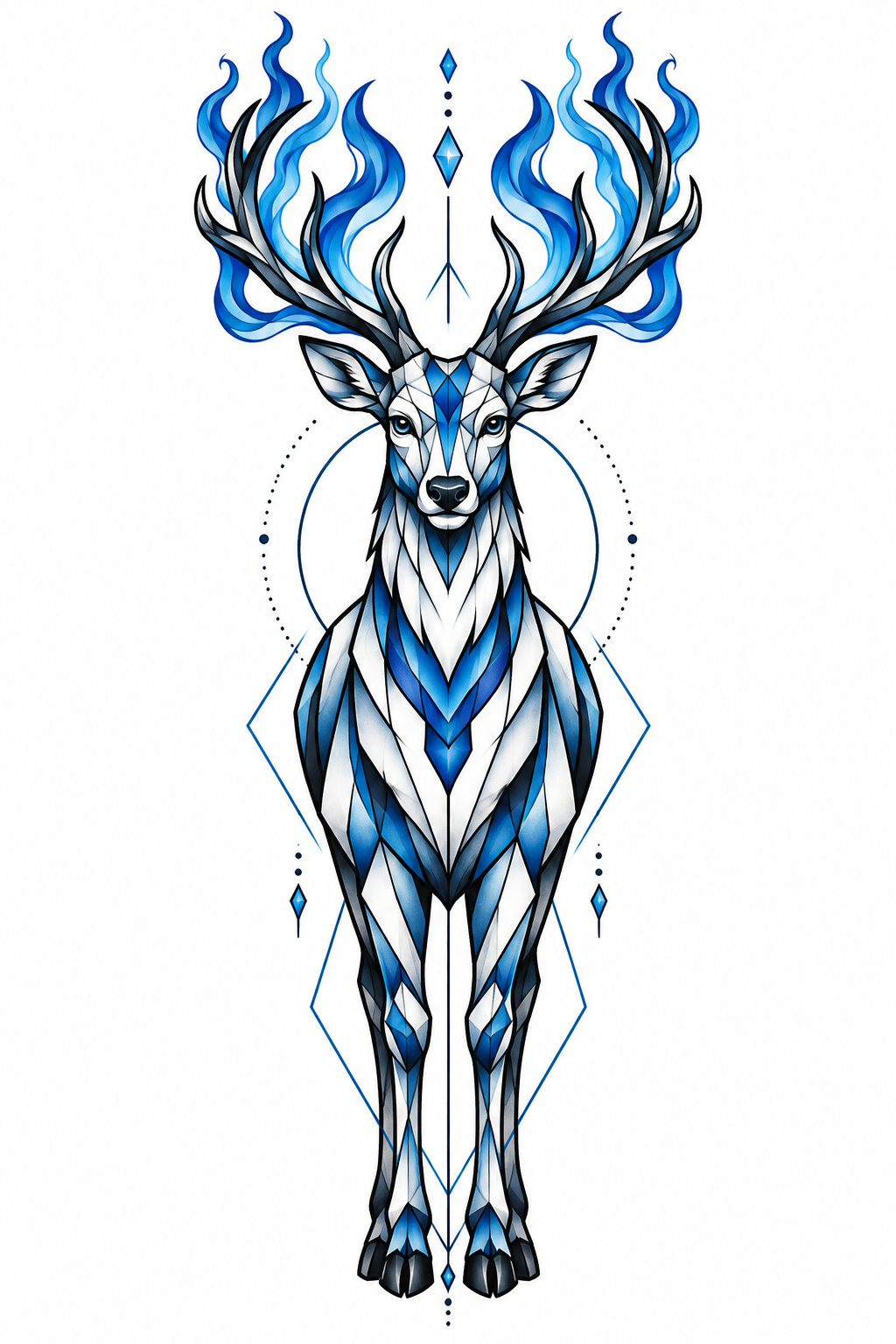
Geometric designs from the community
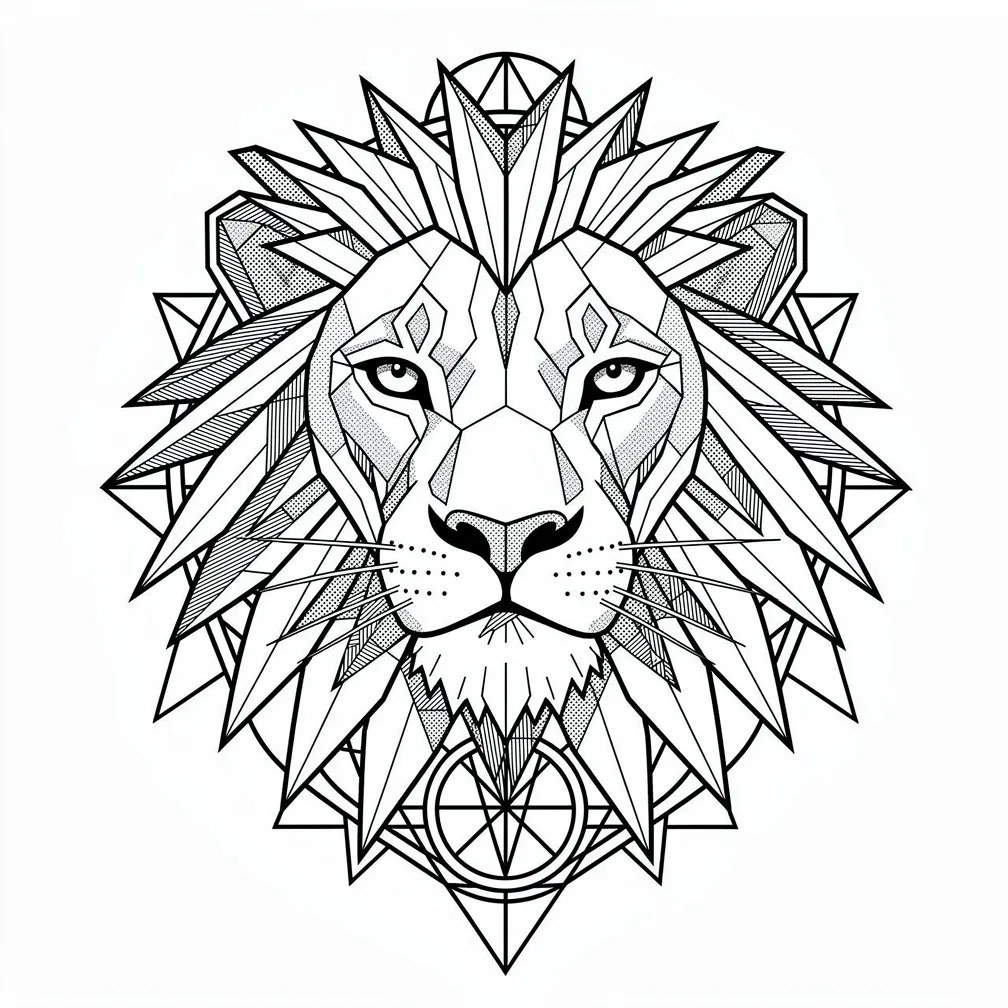

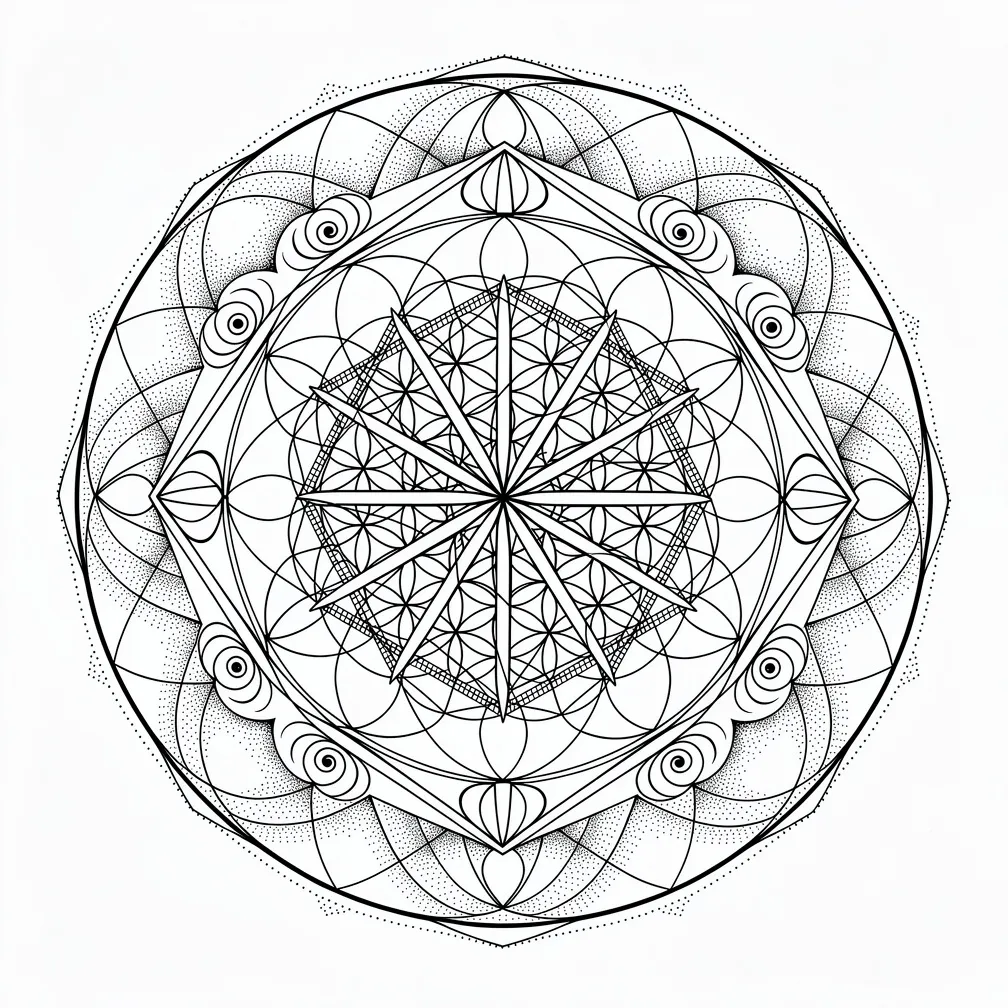
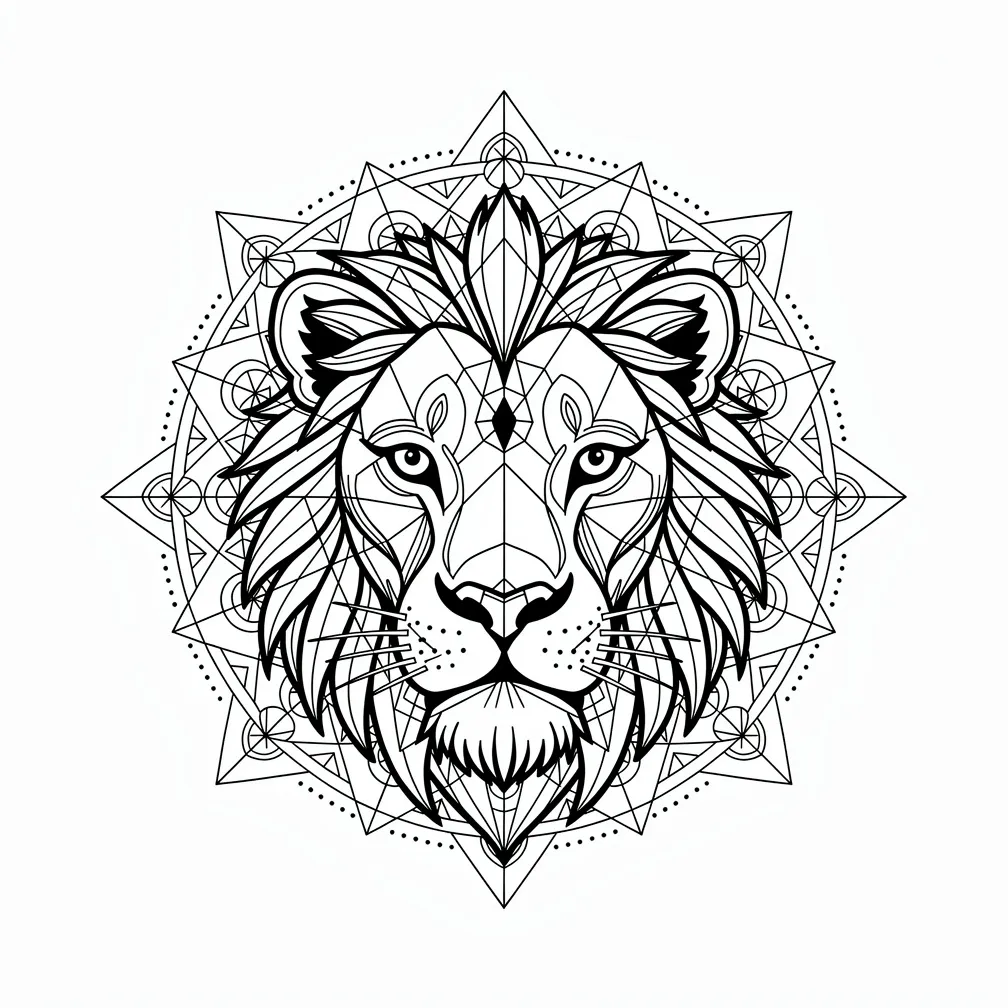
Related tattoo styles
Geometric tattoo FAQ
- What makes a Geometric tattoo recognisable?
- Precise lines, repeated shapes, symmetry and mathematical structure — either as pure abstract pattern or as scaffolding for a subject.
- Why is artist precision so important for Geometric?
- The eye instantly catches a line that does not converge or a symmetry that is off. The style lives or dies on exactness, so artist skill and good stencilling matter enormously.
- What are the best body placements for Geometric tattoos?
- Areas that can support clean symmetry — forearms, the spine line, calves and chest. Designs should be mapped to the body so curves do not distort the geometry.
- Are Geometric tattoos painful?
- Linework-heavy geometric pieces are comparable to other line styles; dense dot-shaded geometric work over bony areas can feel more intense and take longer.
- Is Geometric a good first tattoo?
- A small, contained geometric piece is a solid first choice. For large body-mapped work, choose a specialist — alignment errors are very visible in this style.
- What should I write to generate a Geometric tattoo?
- Describe the subject, then add geometric, symmetrical, clean lines and precise shapes. Mention low-poly or sacred geometry to steer the sub-style.