Tattoo Style
Tribal Tattoos
A practical guide to Tribal tattoos: where the style comes from, what makes it recognisable, prompt ideas, real community examples, and answers to the questions people ask before they commit.
Generating this style needs the Artisan plan or above — but reading and planning here is always free.
Tribal tattoos at a glance
- Colour
- Black & grey
- Line weight
- Bold
- Skill level
- Intermediate
- Best placement
- Large, flowing areas
The history of Tribal tattoos
Tribal tattooing is among the oldest tattoo traditions on earth: bold, solid black shapes, sweeping curves and interlocking patterns designed to move with the muscles and contours of the body. The modern catch-all term covers many distinct heritages, including Polynesian, Maori and other Pacific traditions, each with its own deeply specific symbolic vocabulary that is not interchangeable. In its original cultural contexts, tribal designs encode identity, lineage, status and protection — they are language, not decoration. The globally popular generic tribal look of recent decades borrows the visual grammar of bold black flowwork without those meanings. Good practice today is to be clear about which tradition a design draws from, to treat culturally specific motifs with care, and to lean toward respectful, original blackwork-influenced patterns rather than appropriating sacred marks.
Where Tribal comes from
Indigenous black tattooing developed independently across the Pacific, Africa, Southeast Asia and beyond over thousands of years, with rich, culture-specific systems of meaning. The mainstream Western tribal trend emerged in the late twentieth century as a stylised, often decontextualised adaptation of Polynesian and Maori flowwork. This guide describes the visual language only; designs rooted in a living culture deserve research and respect, and original blackwork-style patterning is the safest creative path.
AI prompt ideas for Tribal tattoos
- “A bold abstract tribal-style band wrapping the upper arm, solid black, flowing curves, original pattern”
- “A tribal-inspired blackwork shoulder piece following the muscle, symmetrical, no colour”
- “An original tribal-style ornamental pattern for the calf, interlocking shapes”
- “A flowing black tribal-style sleeve design that follows the body contour”
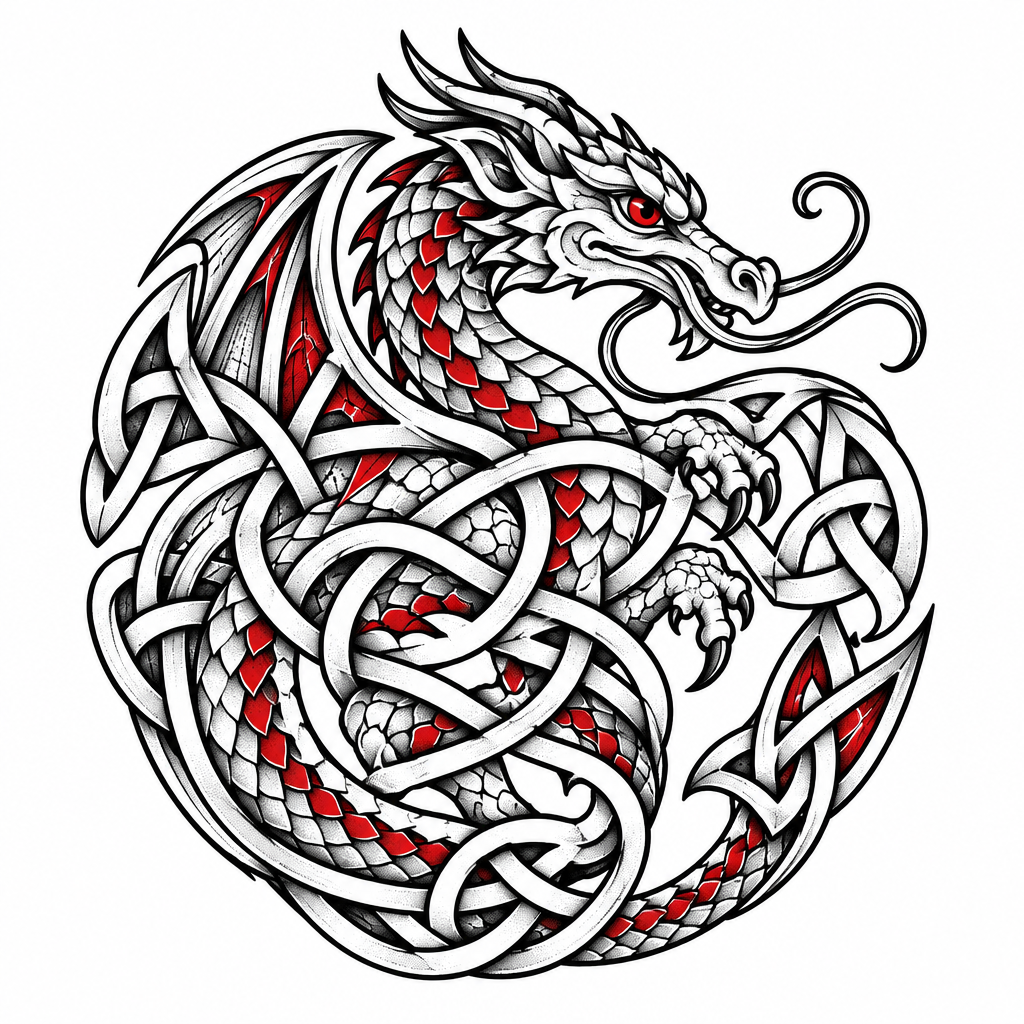
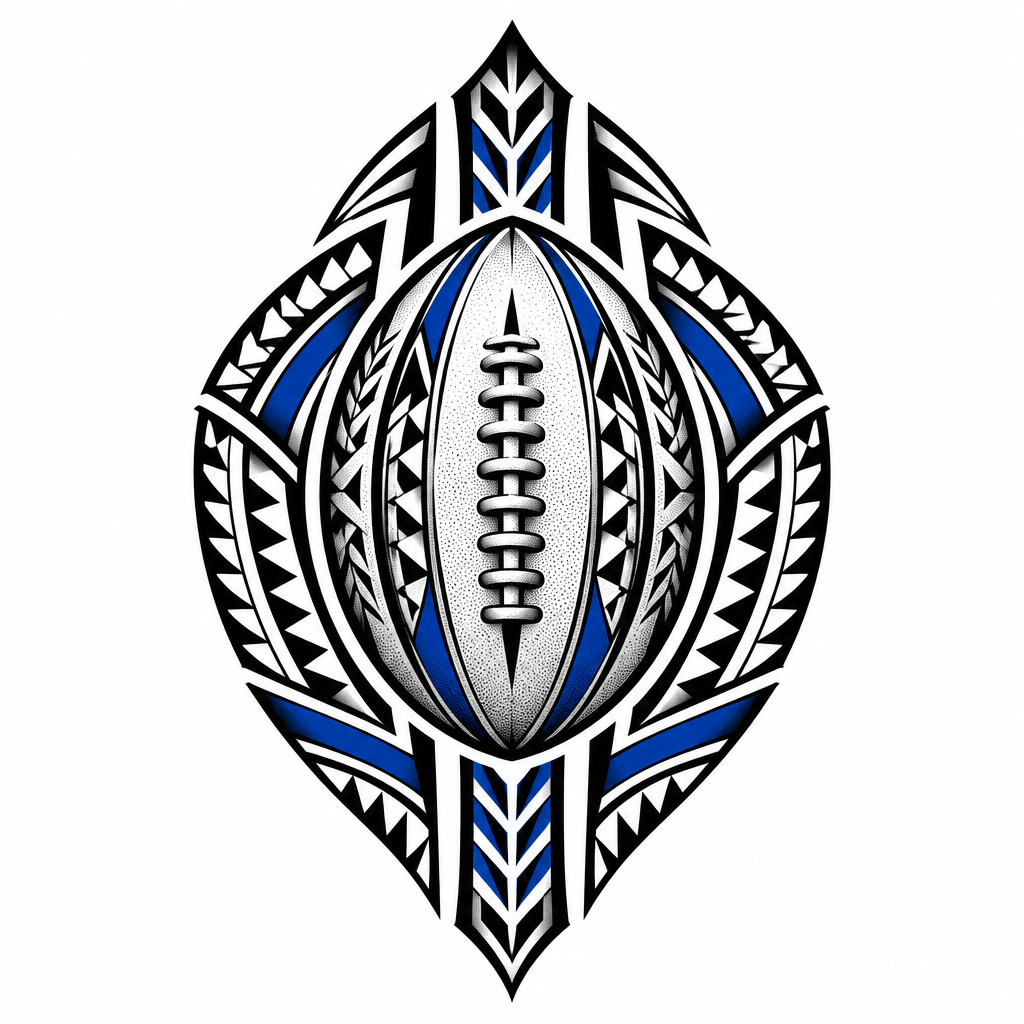
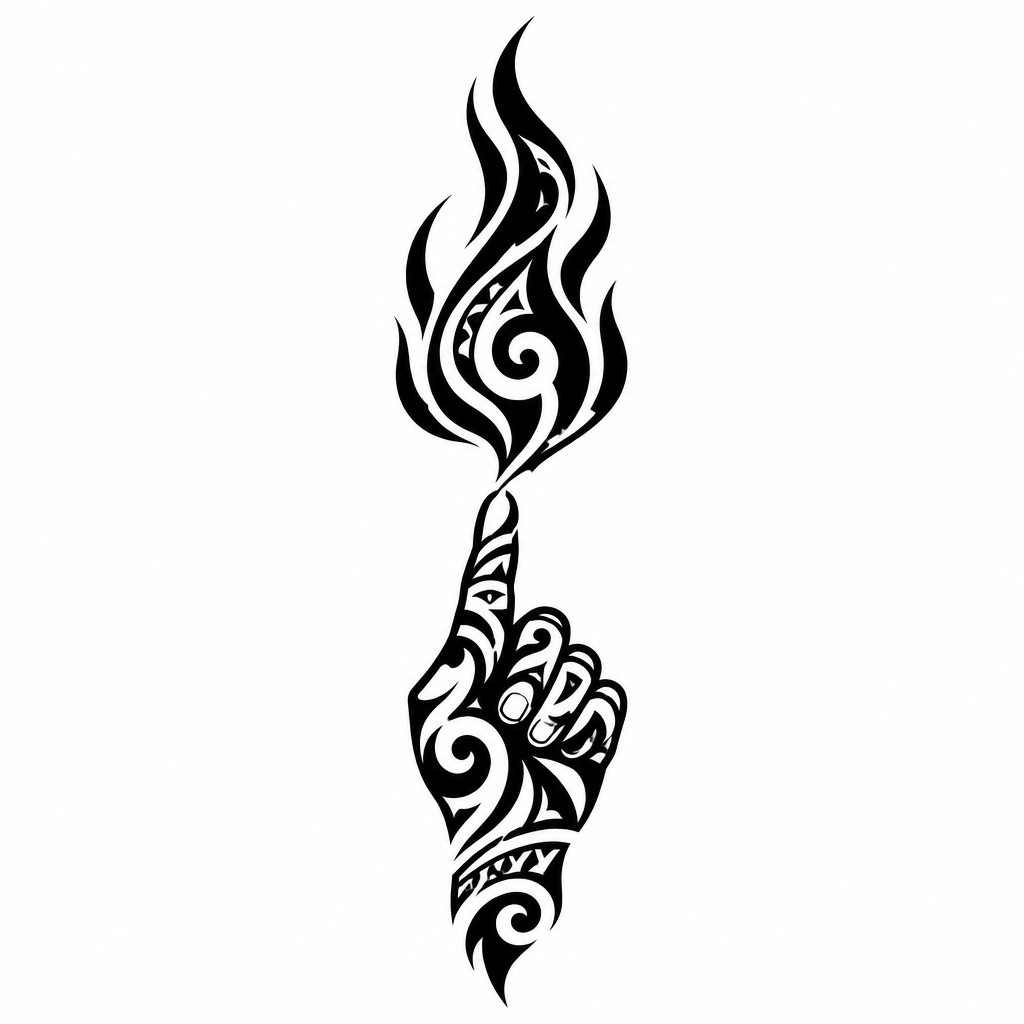
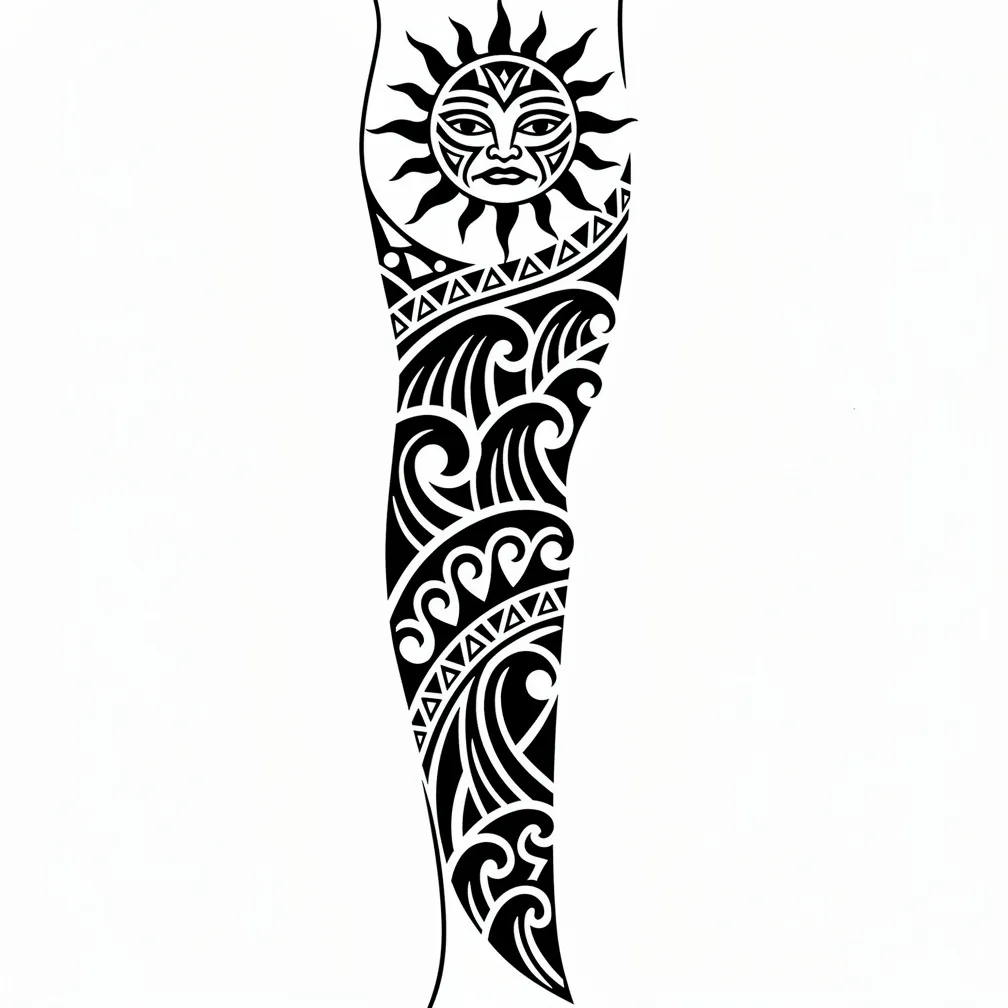
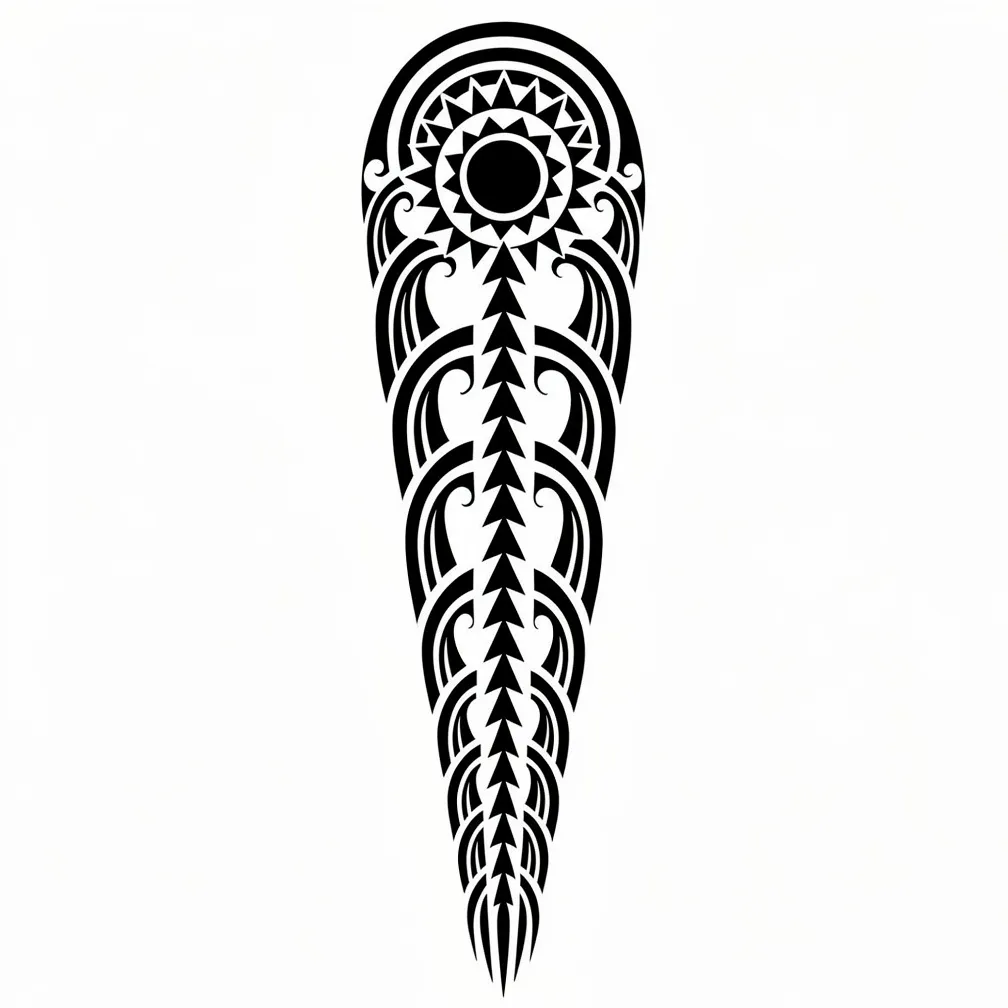
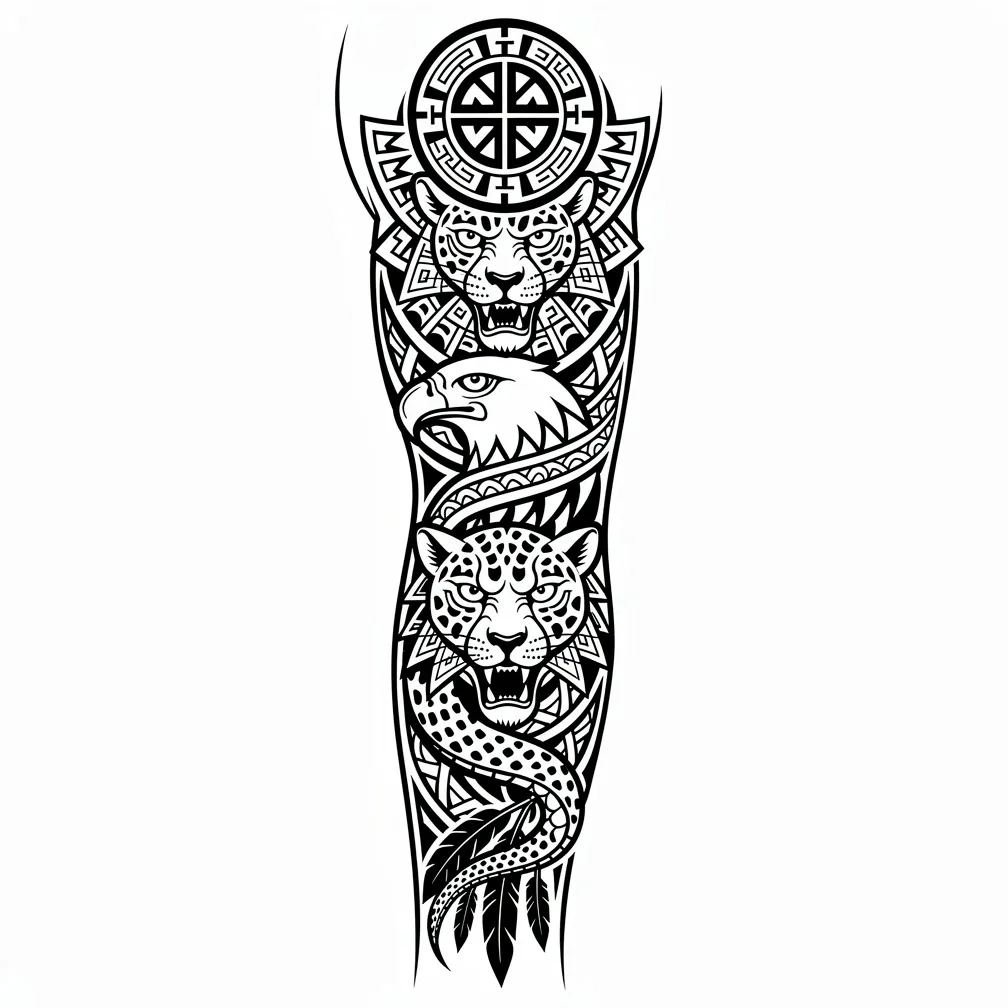
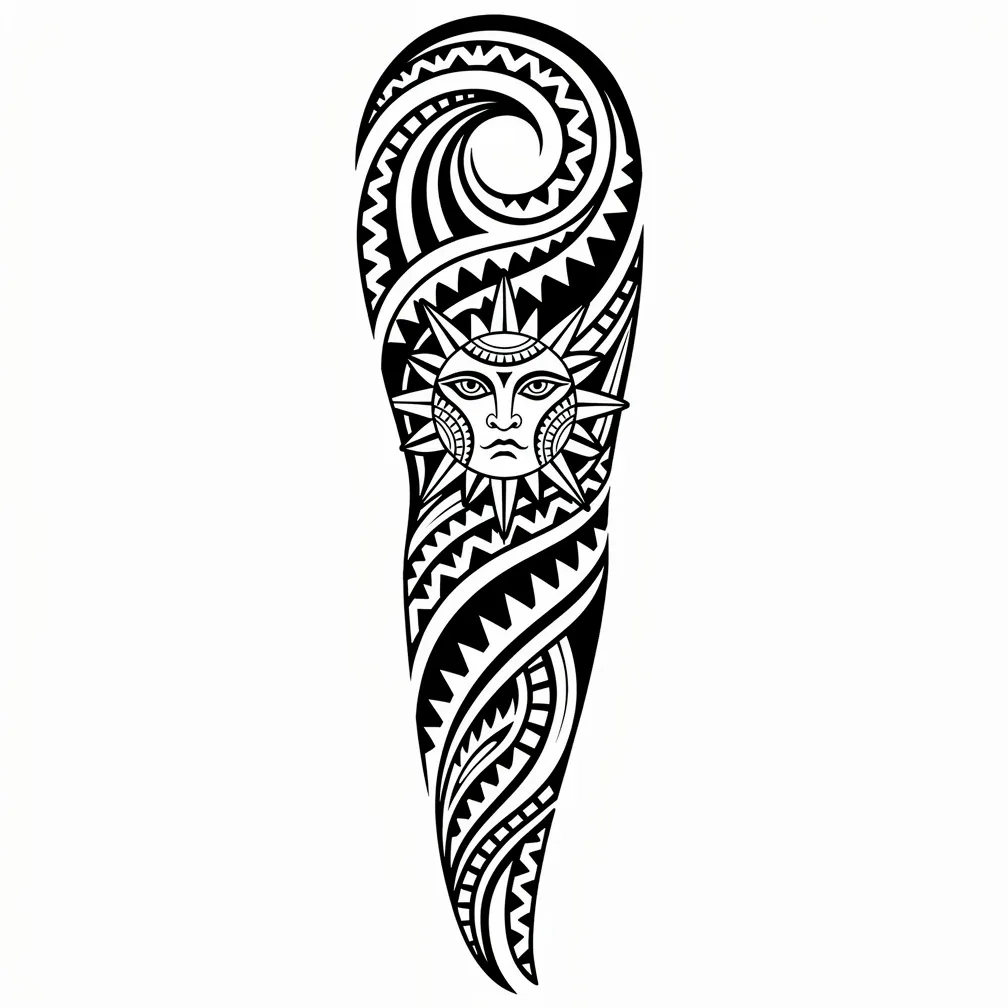
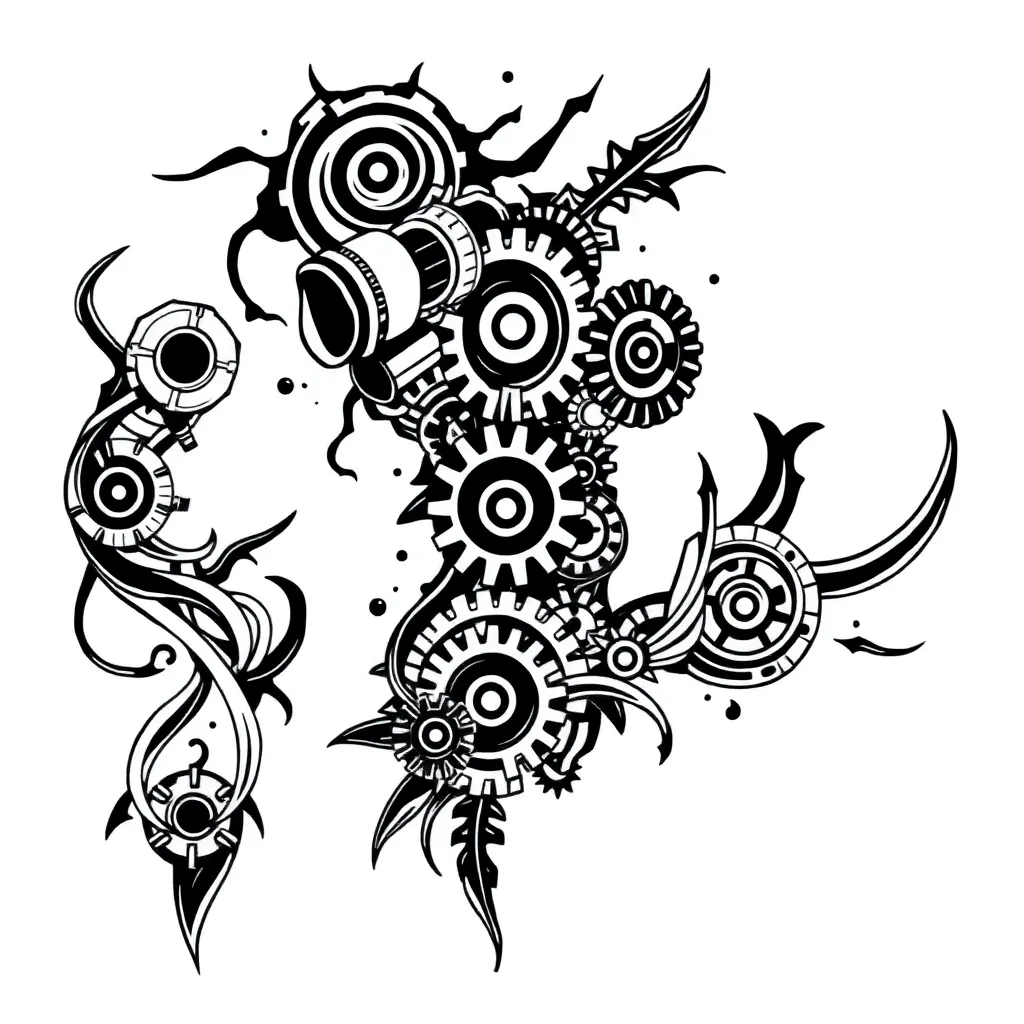
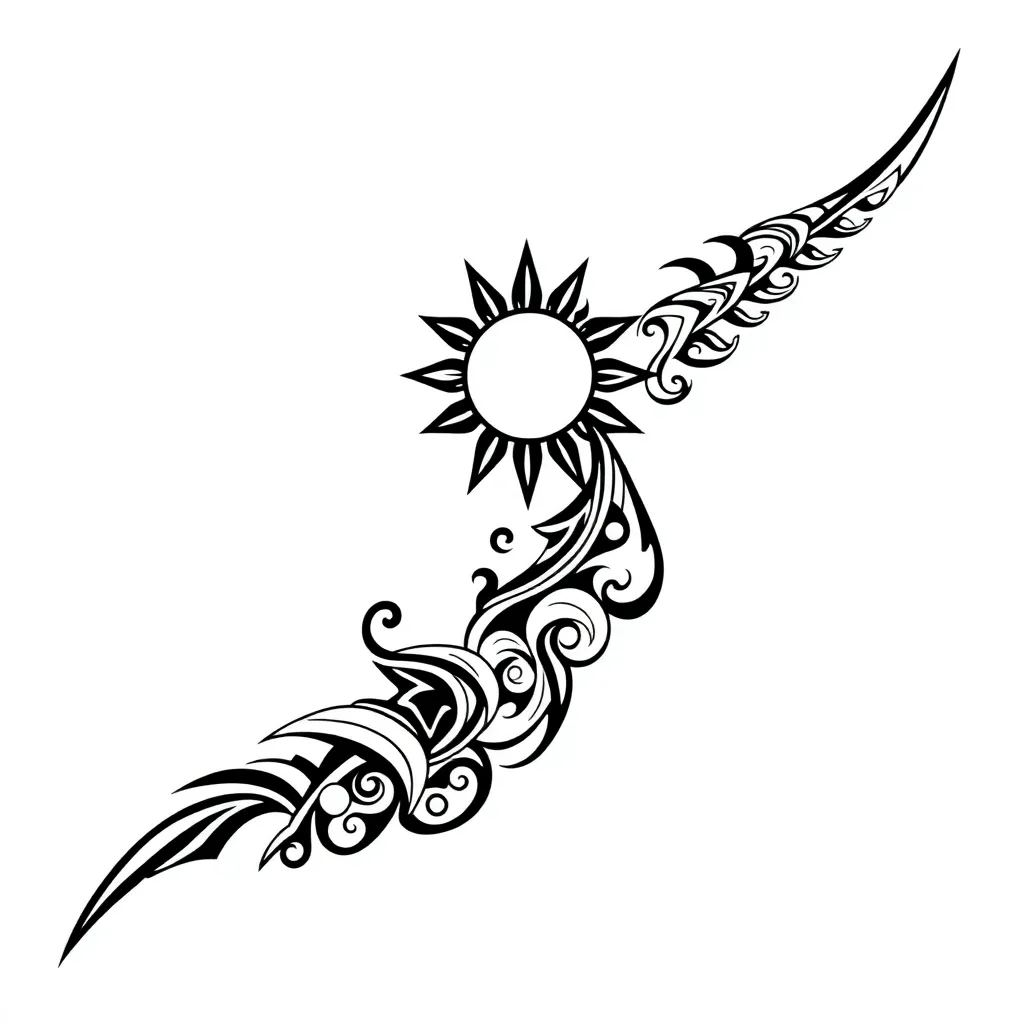
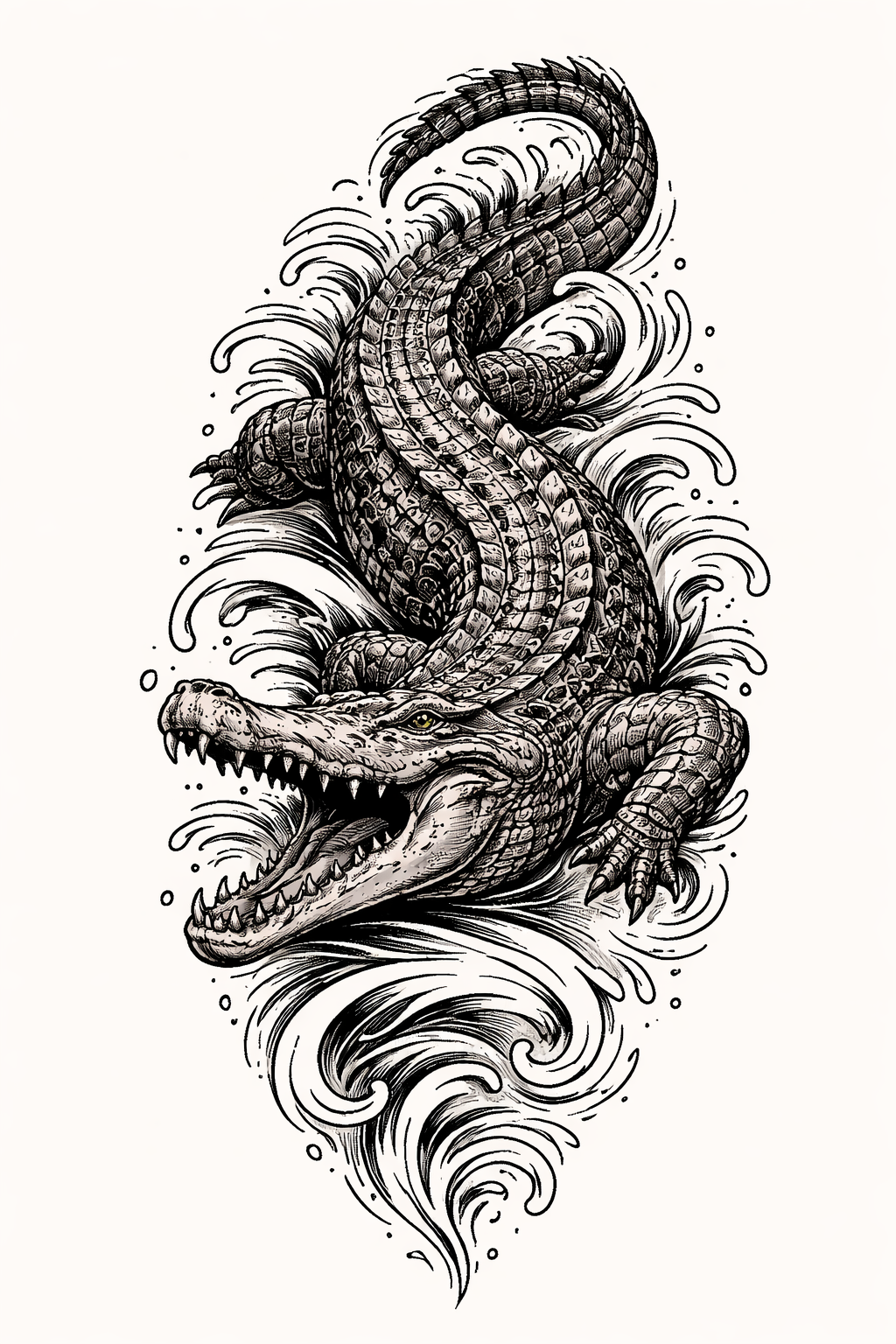
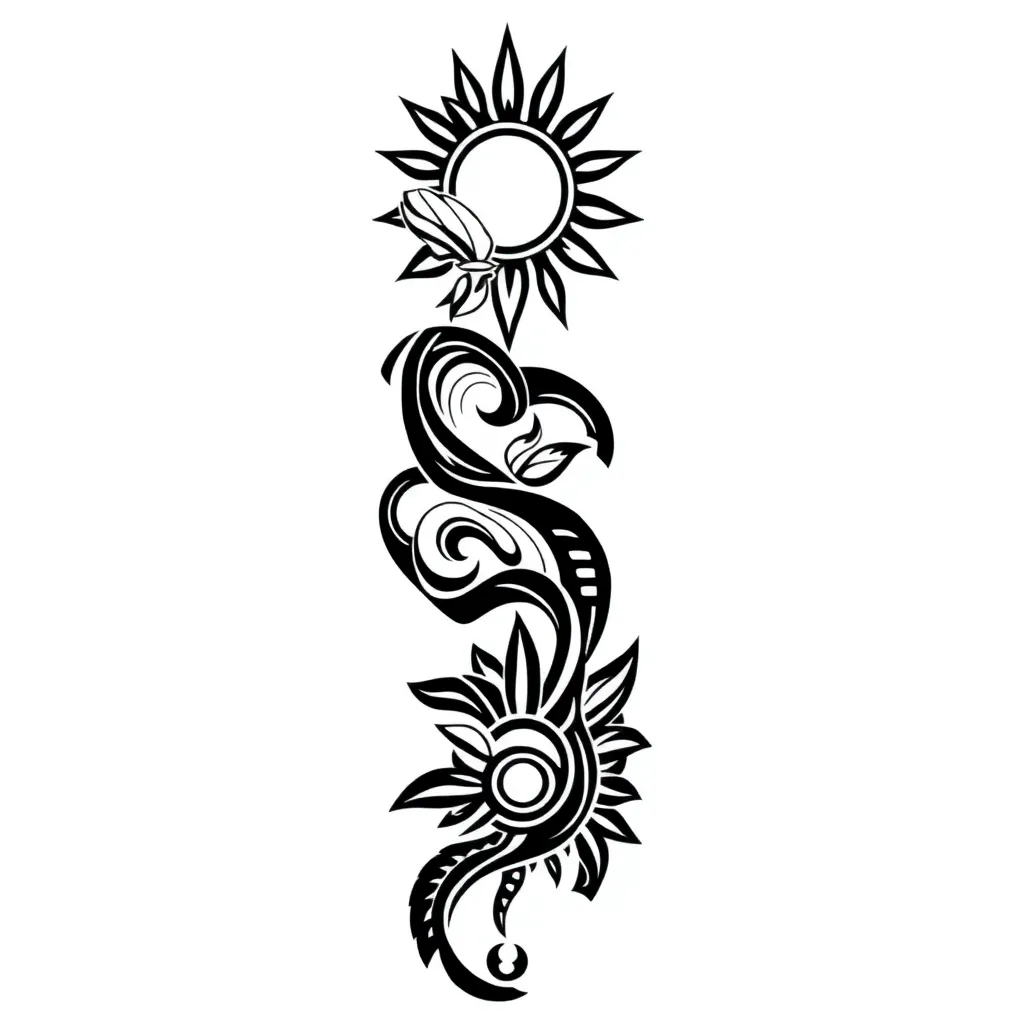
Tribal designs from the community
Related tattoo styles
Tribal tattoo FAQ
- What are the hallmarks of the Tribal style?
- Bold solid-black shapes, sweeping curves and interlocking patterns designed to follow the body. Many distinct cultural traditions sit under the single term.
- Is there a cultural sensitivity to Tribal?
- Yes. Many tribal motifs are sacred and culture-specific. Respectful practice means knowing the source of a design or choosing original blackwork-style patterns rather than copying meaningful marks.
- Which spots suit a Tribal tattoo most?
- Muscular, contoured areas — upper arm, shoulder, chest and calf — because the style is built to flow with the body rather than sit flat.
- Are Tribal tattoos painful?
- Large solid-black fills mean repeated passes over the same skin, so substantial tribal work can be more intense and slower than open linework.
- Is Tribal a good first tattoo?
- A small original tribal-style piece can work as a first tattoo. Just be intentional about cultural context, since large solid black is also hard to change later.
- How do I describe a Tribal design to the AI?
- Ask for an original tribal-style pattern with solid black, flowing curves and body-following composition, and avoid requesting specific sacred cultural marks.