Tattoo Style
Watercolor Tattoos
A practical guide to Watercolor tattoos: where the style comes from, what makes it recognisable, prompt ideas, real community examples, and answers to the questions people ask before they commit.
Generating this style needs the Artisan plan or above — but reading and planning here is always free.
Watercolor tattoos at a glance
- Colour
- Full colour
- Line weight
- Fine
- Skill level
- Advanced
- Best placement
- Medium, flatter areas
The history of Watercolor tattoos
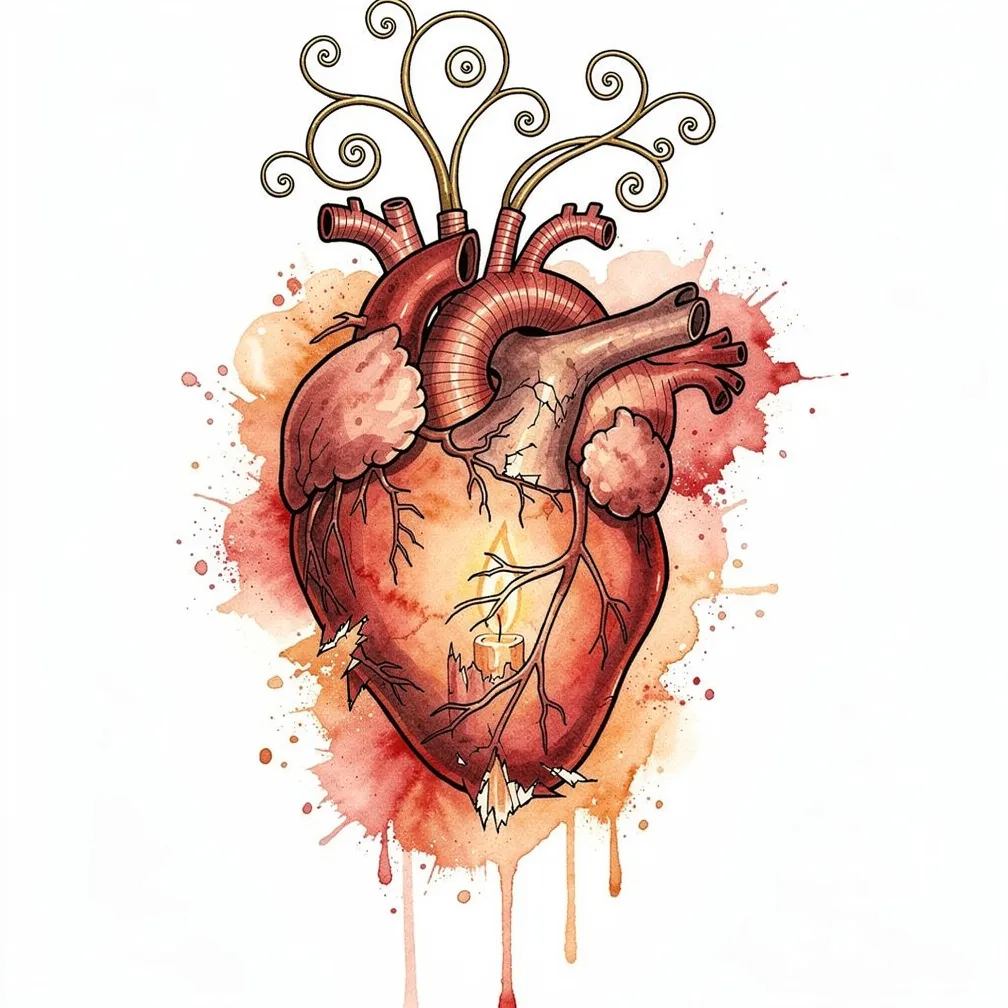
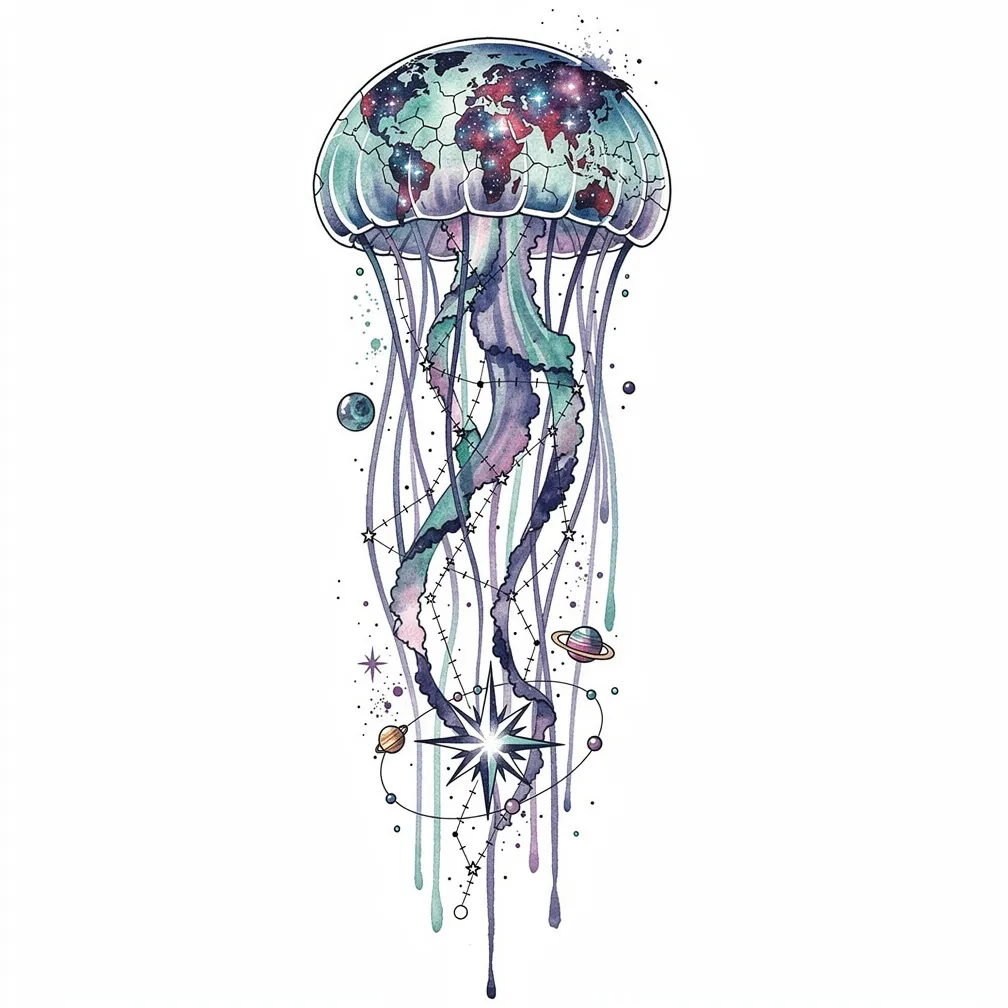
Watercolor tattooing imitates the look of paint on wet paper: soft colour washes, blooms and bleeds, splashes and gradients that appear to drift across the skin without hard boundaries. Some watercolor work keeps a faint structural sketch underneath; the most distinctive examples lean fully into looseness, letting colour itself be the subject. It is one of the most expressive and painterly families in modern tattooing. The style emerged as artists with fine-art backgrounds pushed pigment technique toward something gestural and emotional rather than graphic. Its beauty comes with a well-known honest caveat: tattoos without strong anchoring lines or saturated cores tend to soften and lighten faster than bold styles, so durable watercolor design usually pairs the free washes with at least some structural ink to hold the image together over the years.
Where Watercolor comes from
Watercolor tattooing is a direct translation of watercolour painting into skin, brought in by tattooers trained in illustration and fine art. It gained prominence in the 2010s as colour-blending technique matured and as social sharing rewarded visually striking, painterly pieces. Artists such as Ondrash are associated with its expressive end. It is a contemporary, art-school-influenced approach rather than a folk tradition — its lineage is the painting studio, not the dockside shop.
AI prompt ideas for Watercolor tattoos
- “A watercolor hummingbird with bright colour splashes and soft bleeding edges”
- “A watercolor mountain landscape in blue and orange washes, paint drips, no hard outline”
- “An abstract watercolor splash forming a feather, loose and gestural”
- “A watercolor koi with flowing colour trails behind it, painterly and soft”
Watercolor designs from the community
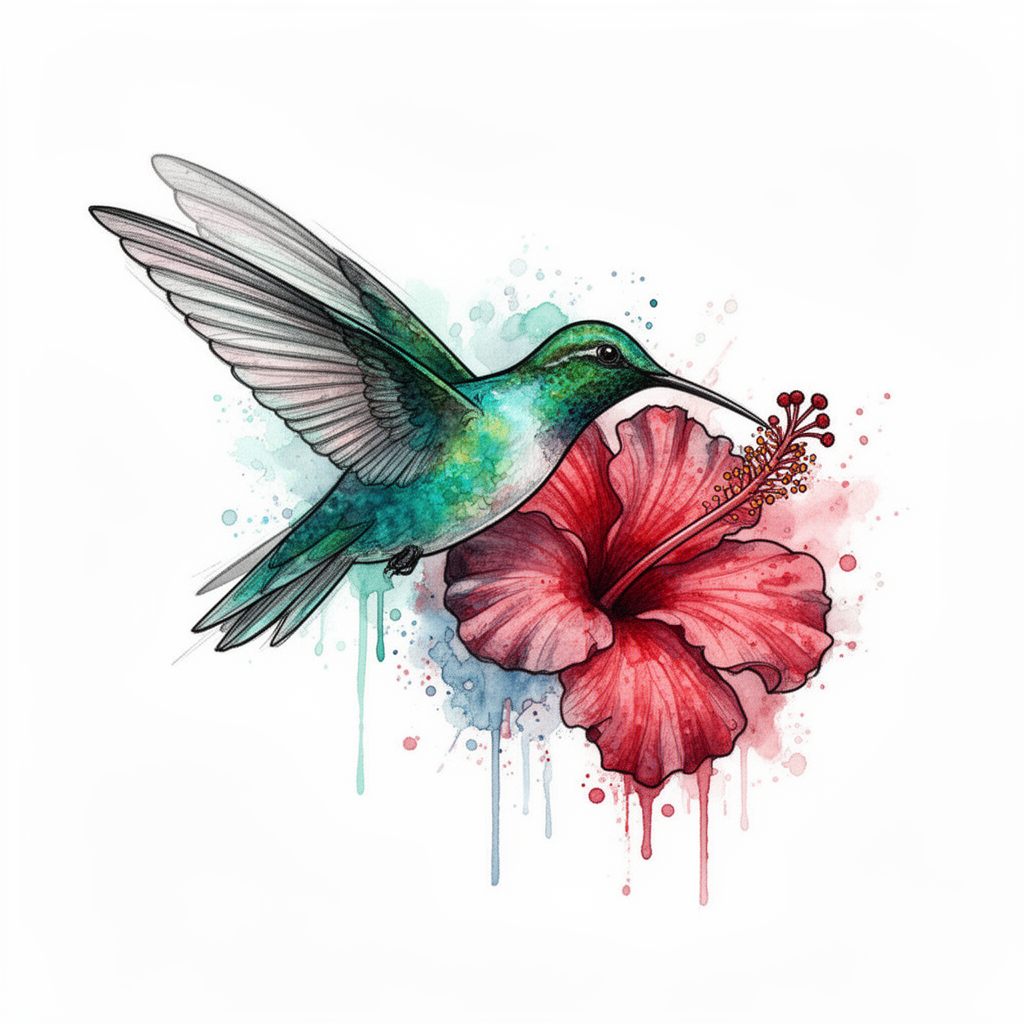
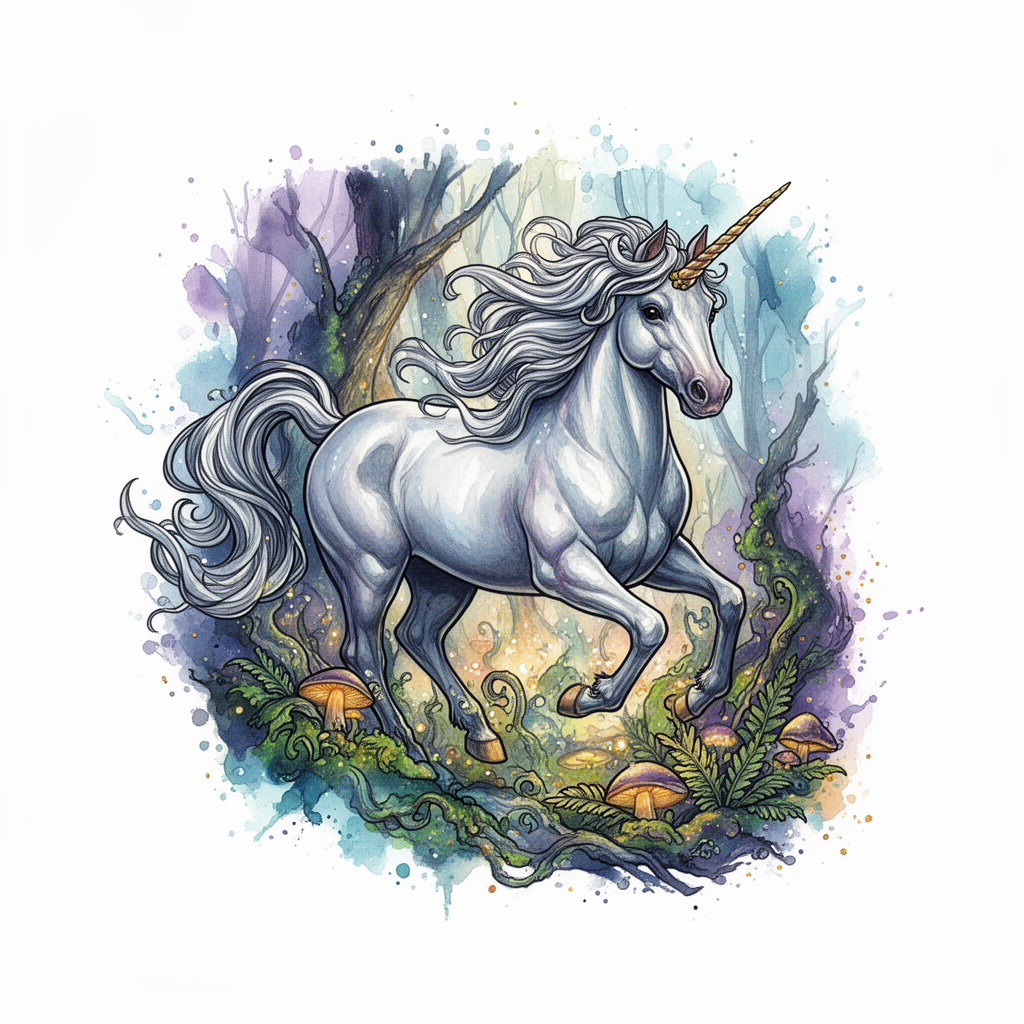
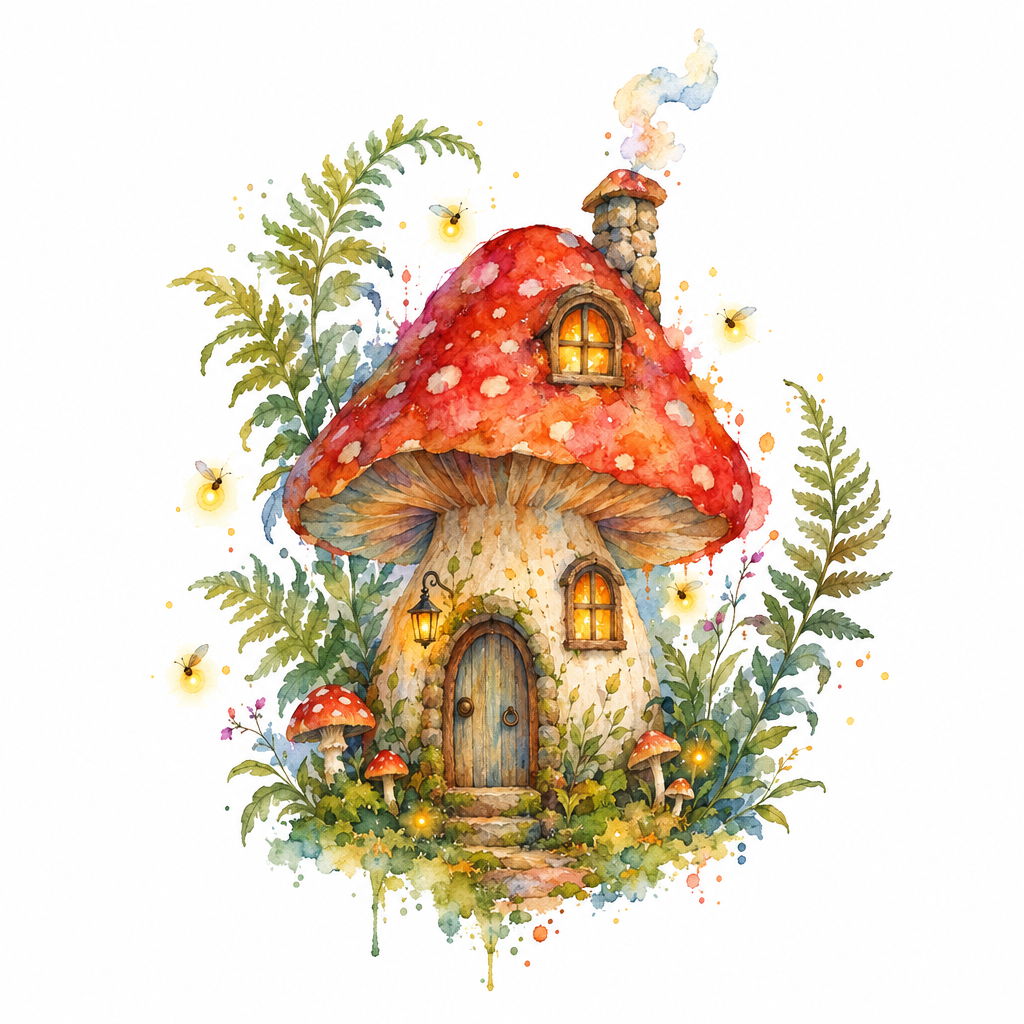
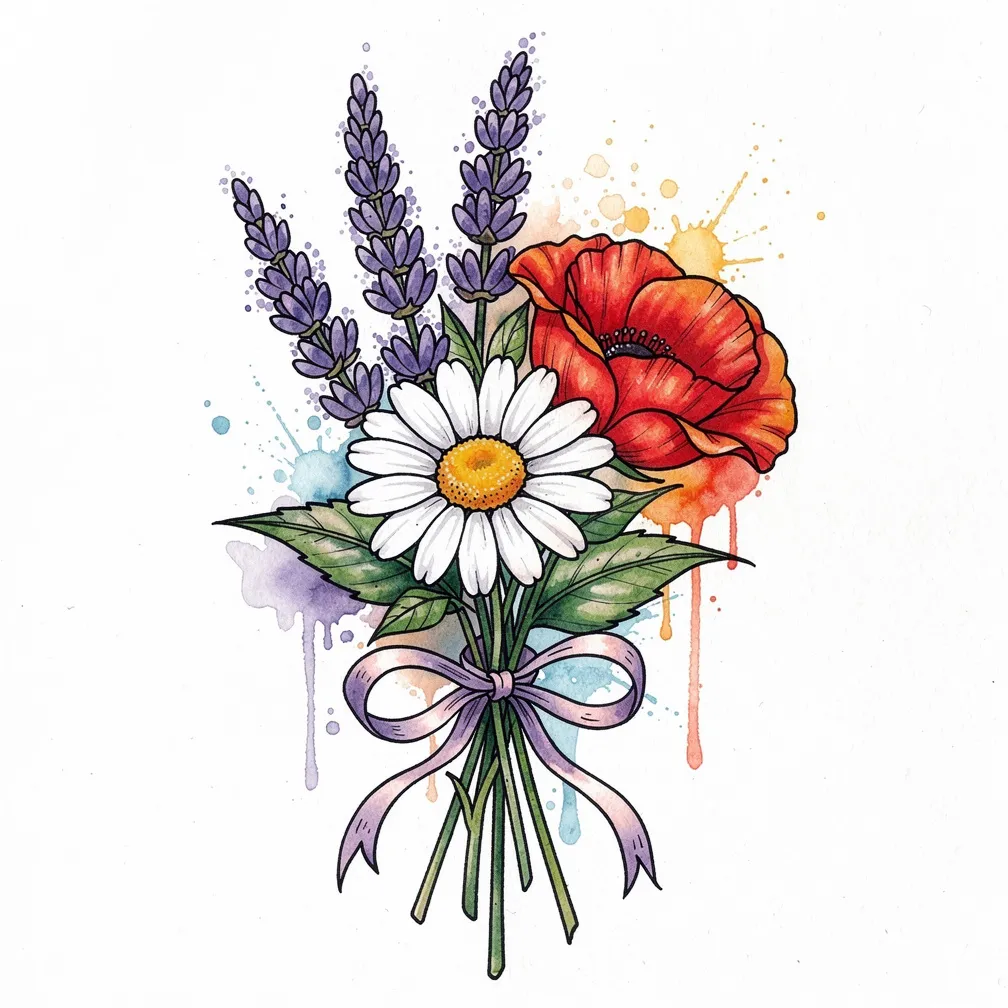
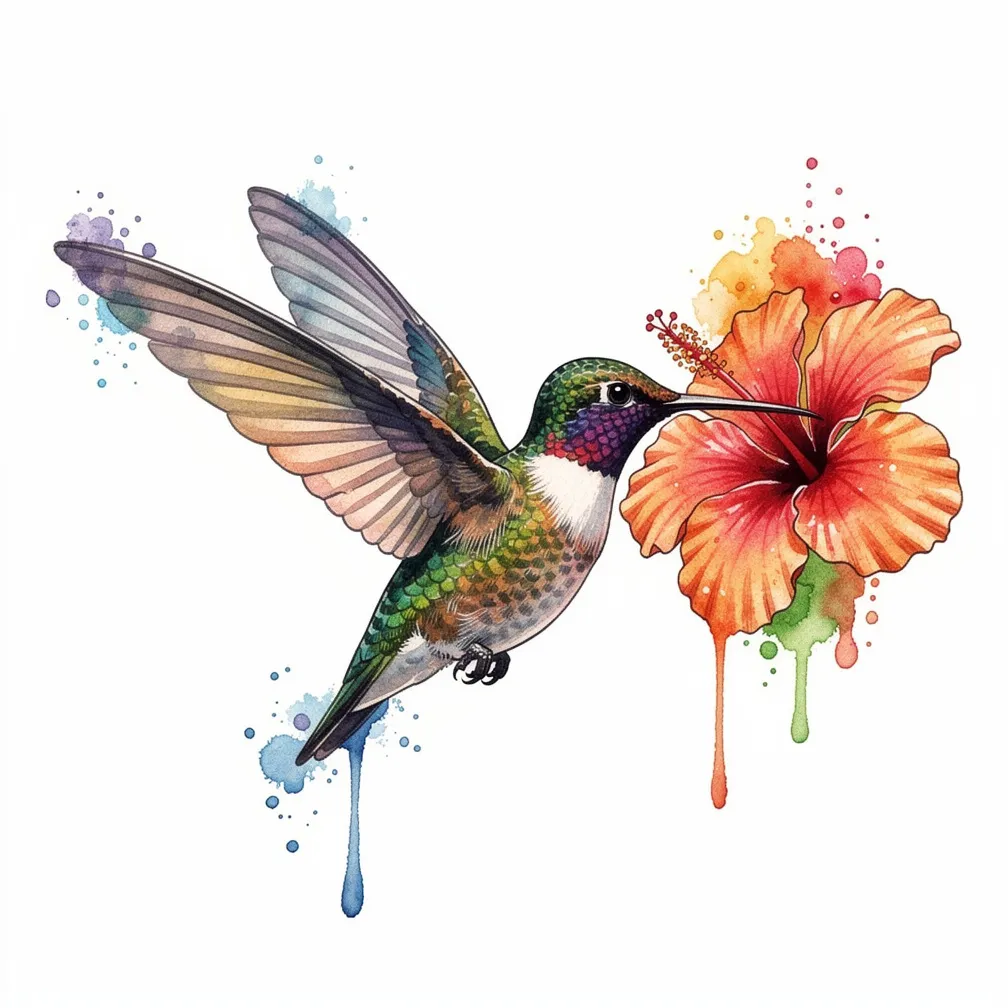
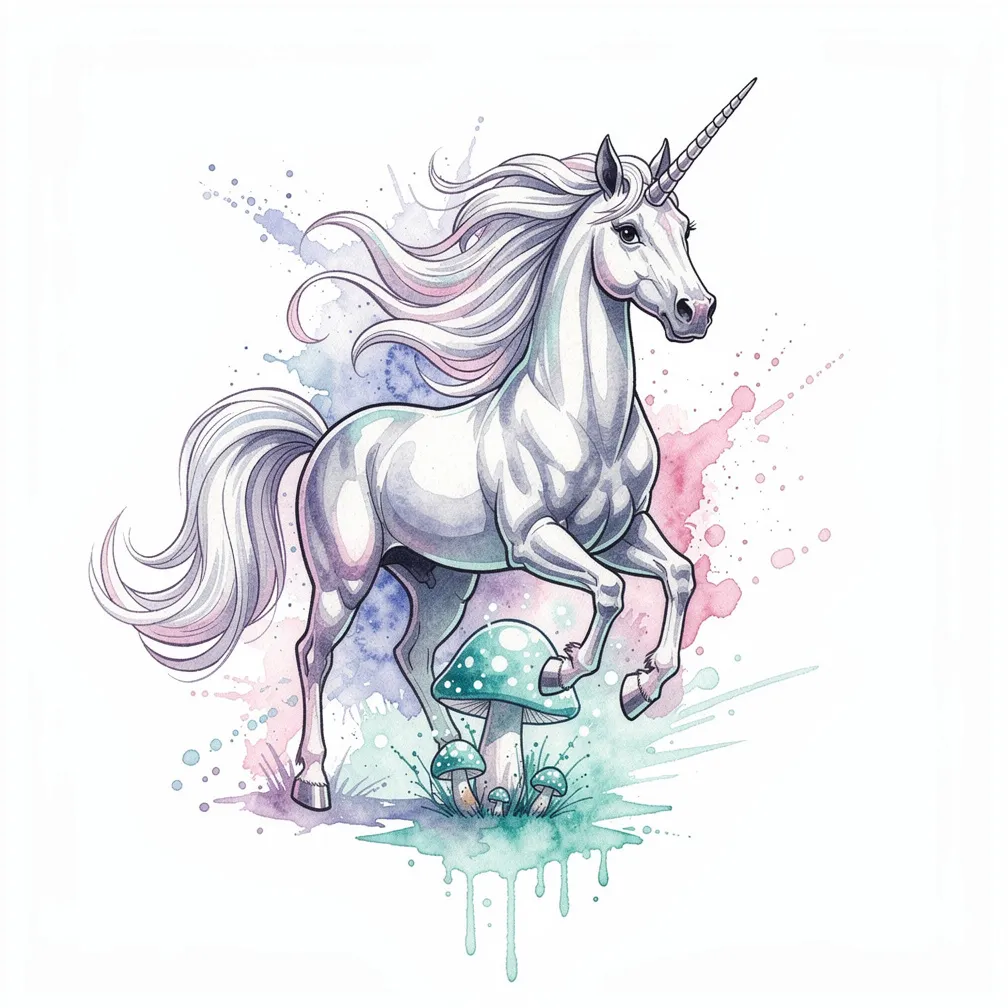

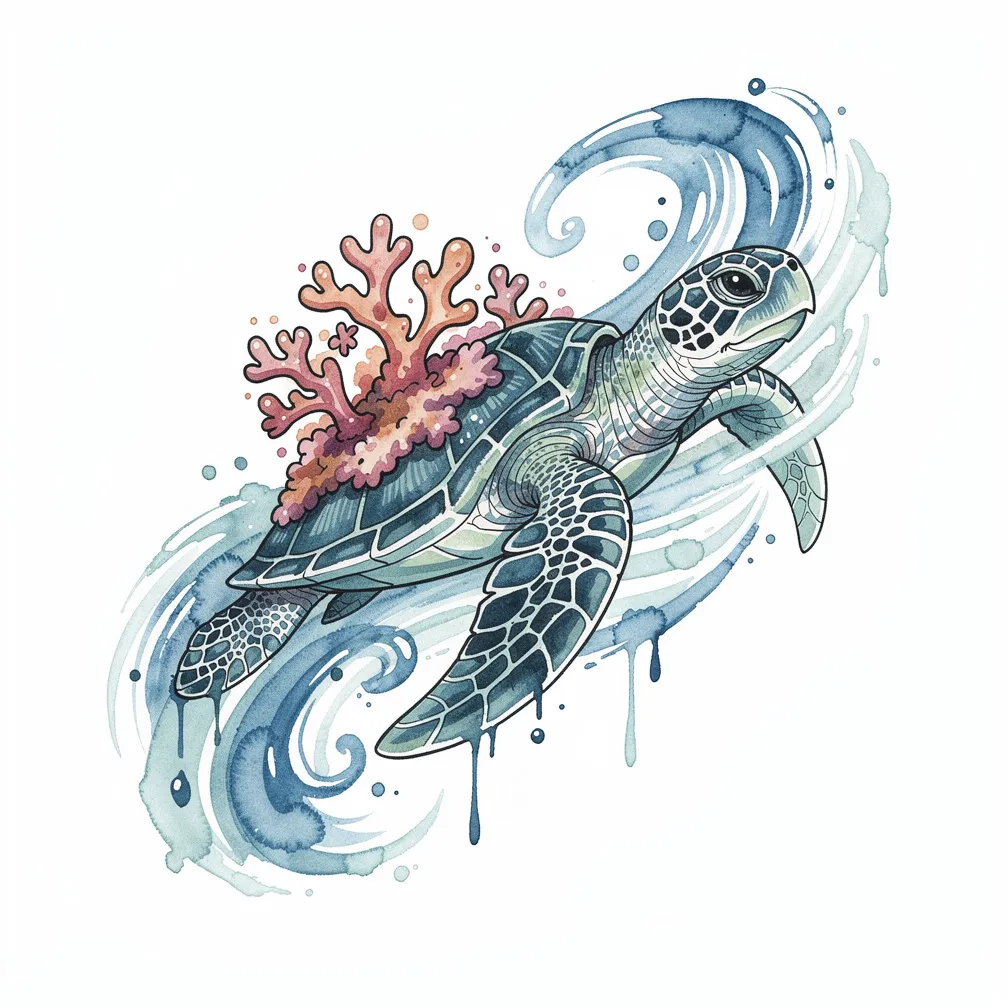
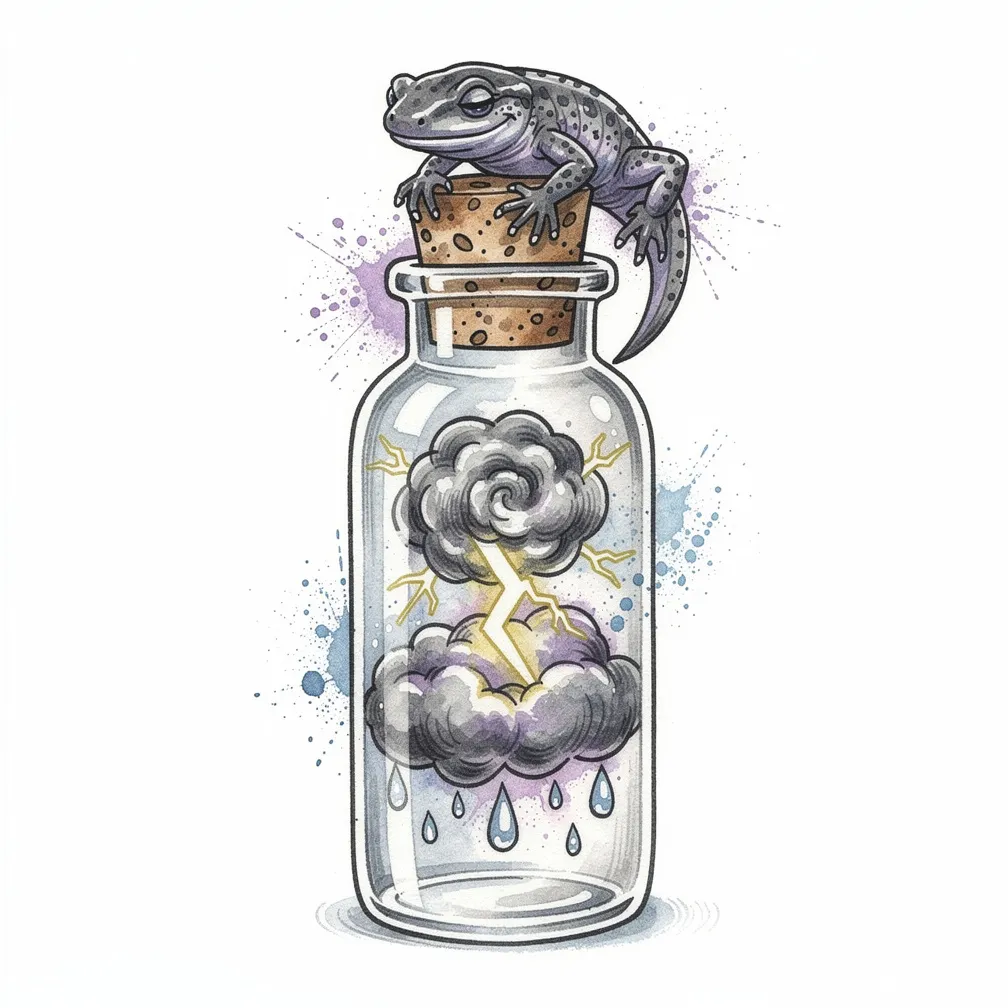
Related tattoo styles
Watercolor tattoo FAQ
- What defines a Watercolor tattoo?
- Soft washes, colour blooms, splashes and gradients that mimic paint on paper, often with weak or absent hard outlines.
- Does Watercolor fade faster than other styles?
- Without strong anchoring lines or saturated cores it can soften sooner. Pairing the free washes with some structural ink and choosing protected placement greatly improves longevity.
- Where do Watercolor tattoos look best?
- Areas with low sun exposure and friction — upper arm, shoulder, back, thigh — help preserve delicate colour transitions for longer.
- Are Watercolor tattoos painful?
- Colour packing and blending can mean longer sessions over the same skin than a simple line piece, so larger watercolor work can be moderately demanding to sit for.
- Is Watercolor a smart first tattoo?
- It can be, with eyes open: choose a colour specialist, expect some softening over time, and consider a design that includes a little structure to age more gracefully.
- How do I prompt the AI for a Watercolor design?
- Name the subject, then add watercolor, soft colour washes, paint splashes and bleeding edges. Optionally add a faint sketch underneath for structure.