Tattoo Style
Realism Tattoos
A practical guide to Realism tattoos: where the style comes from, what makes it recognisable, prompt ideas, real community examples, and answers to the questions people ask before they commit.
Generating this style needs the Artisan plan or above — but reading and planning here is always free.
Realism tattoos at a glance
- Colour
- Black & grey
- Line weight
- Fine
- Skill level
- Advanced
- Best placement
- Medium, flatter areas
The history of Realism tattoos
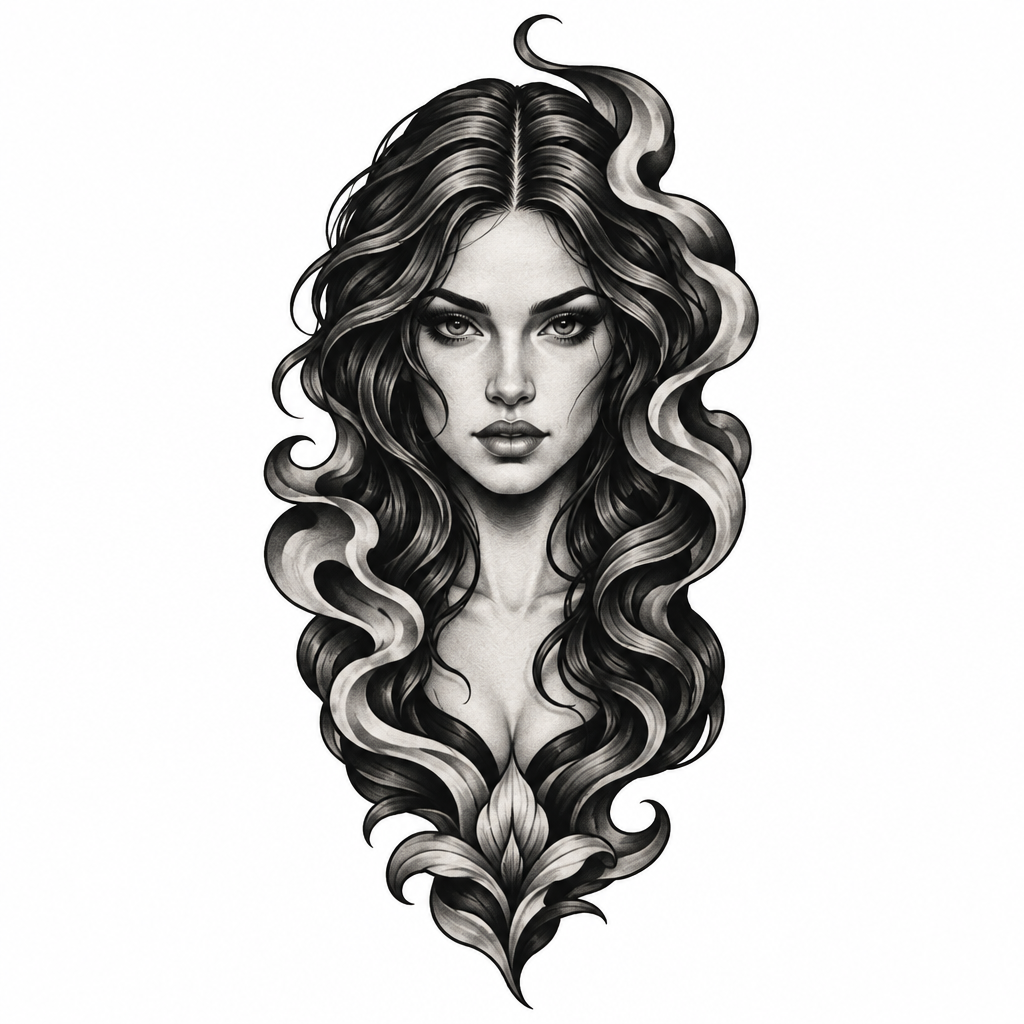
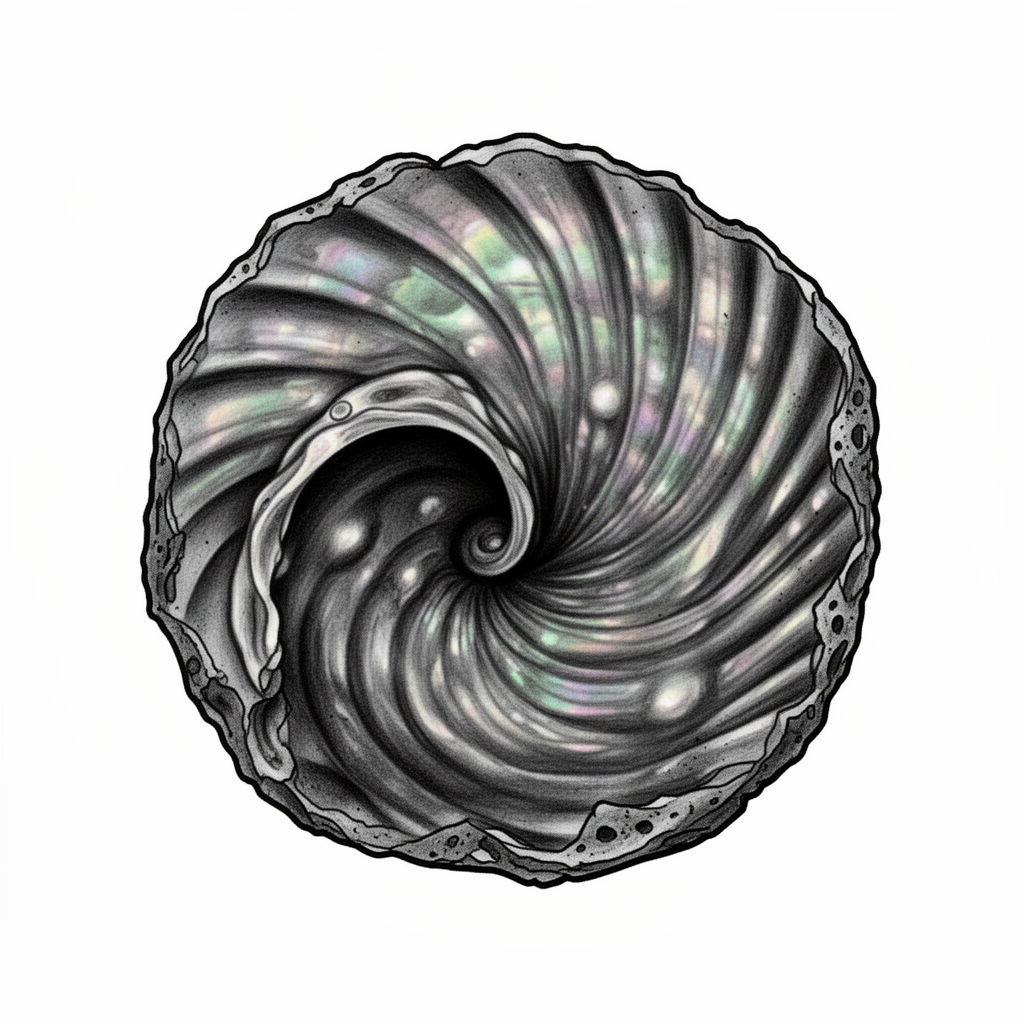
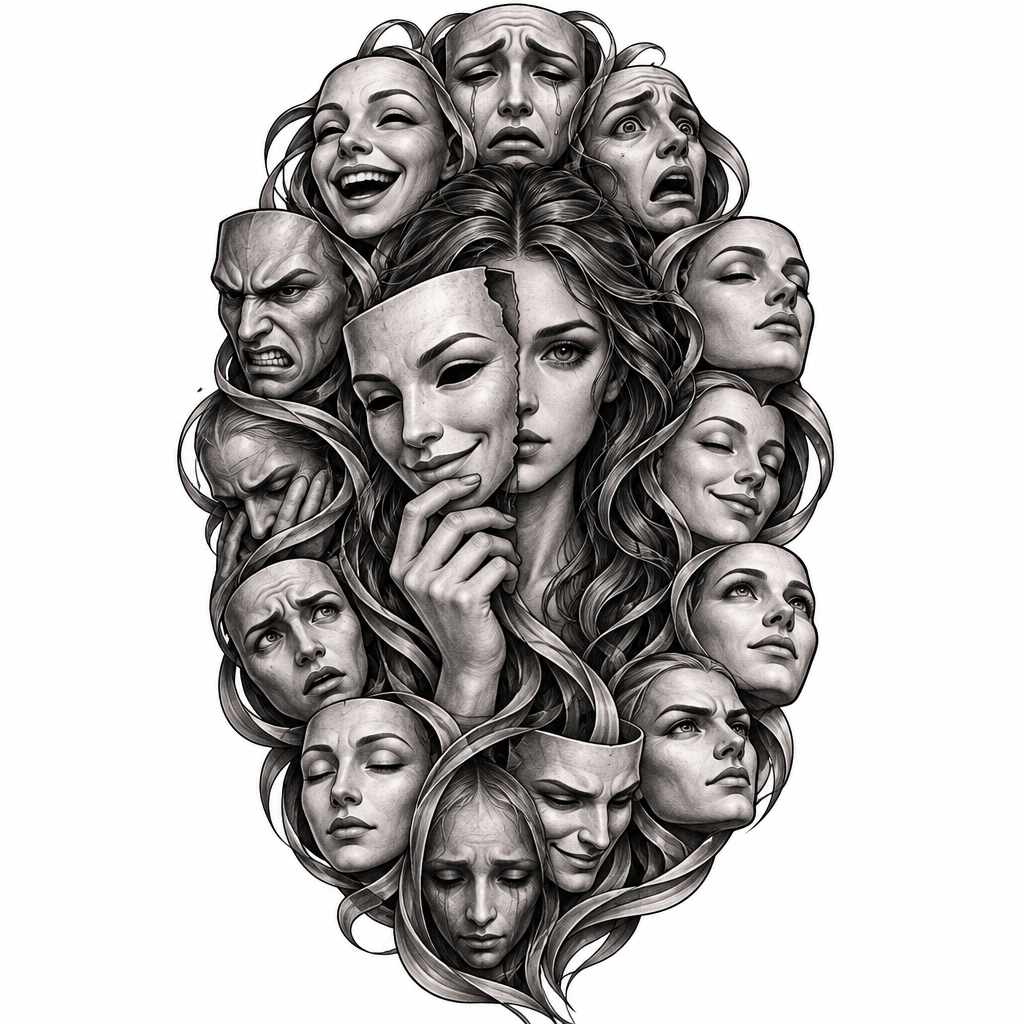
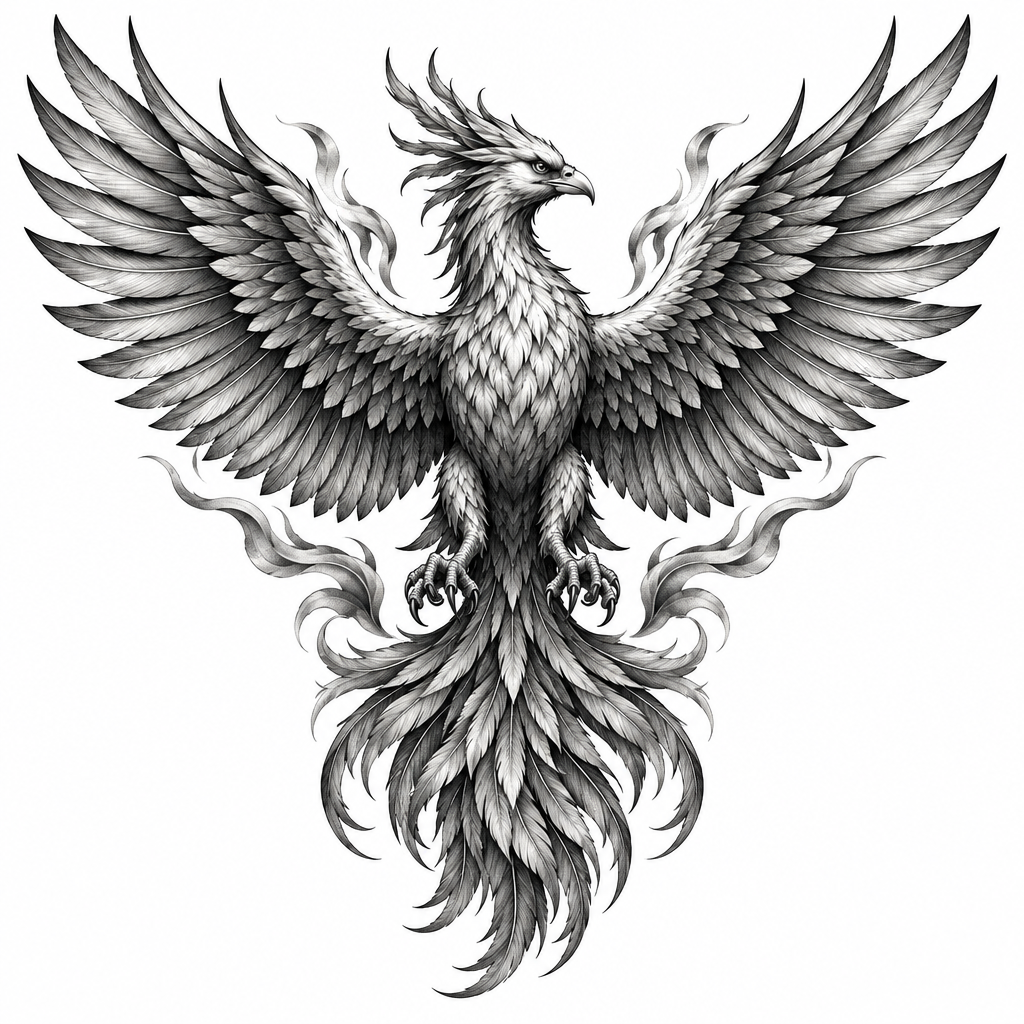
Realism aims to reproduce reality on skin as faithfully as a photograph or a fine painting: portraits, animals, objects and scenes rendered with accurate light, depth and texture, in black-and-grey or full colour. There are no decorative outlines — form is built entirely from value and gradient. It is one of the most technically demanding styles in tattooing because the human eye is ruthless at spotting a face or a familiar object that is even slightly wrong. Realism rose with major advances in machines, needles and pigments that made smooth, photographic gradients achievable in skin. Its honest trade-off is the absence of bold structure: without strong anchoring contrast, very subtle realism can soften with age, so durable work keeps a confident value range and is placed where skin stays stable. Executed well, a realism piece can be genuinely breathtaking.
Where Realism comes from
Tattoo realism descends from the fine-art traditions of portraiture and representational painting, translated into skin by technically focused artists as equipment matured through the late twentieth and early twenty-first centuries. Artists such as Nikko Hurtado are associated with its colour-portrait peak. It is a craft lineage of continual technical refinement rather than a folk tradition, and it remains one of the clearest measures of pure tattoo technique.
AI prompt ideas for Realism tattoos
- “A black-and-grey realism lion portrait with detailed fur and soft depth, no outline”
- “A photorealistic eye with a reflection, fine texture, smooth gradients”
- “A realistic rose with dewdrops, full colour, accurate light and shadow”
- “A realism portrait of an elderly fisherman, lifelike detail, black-and-grey”
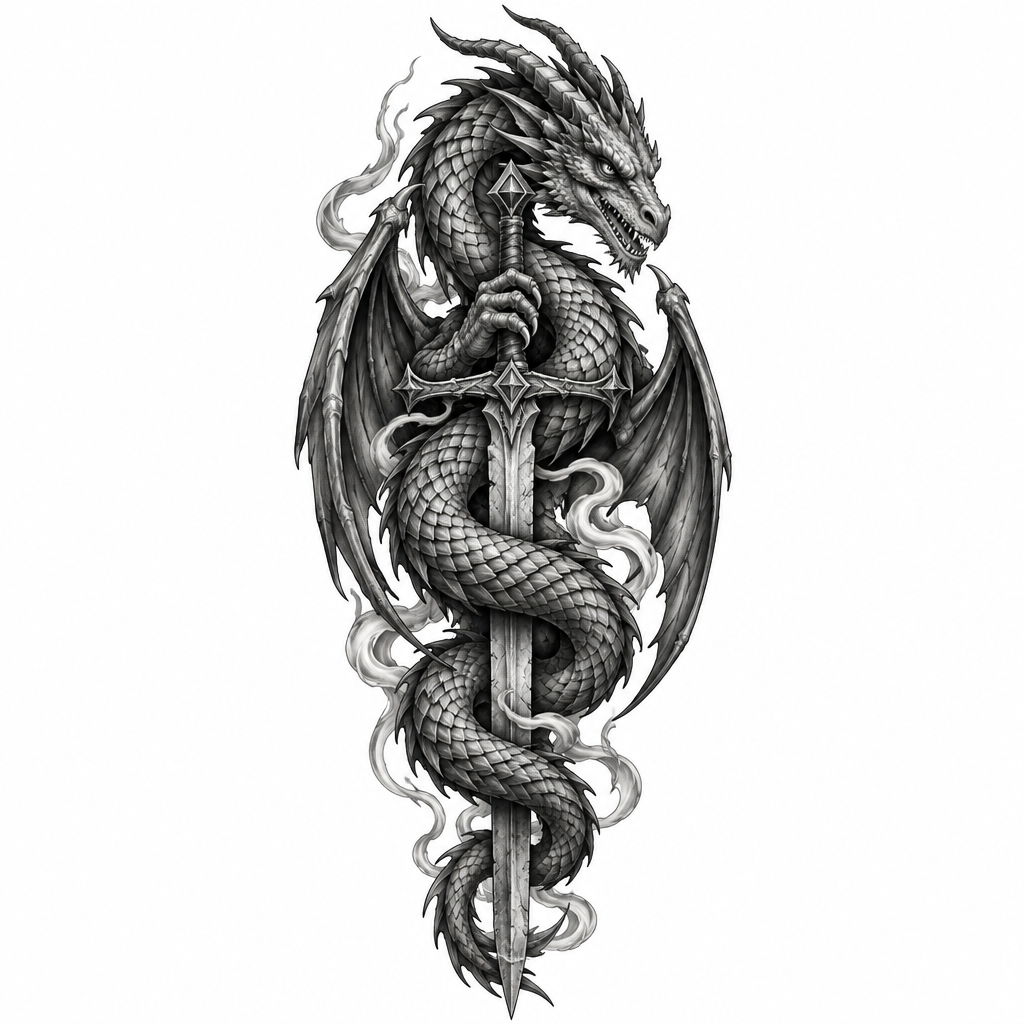
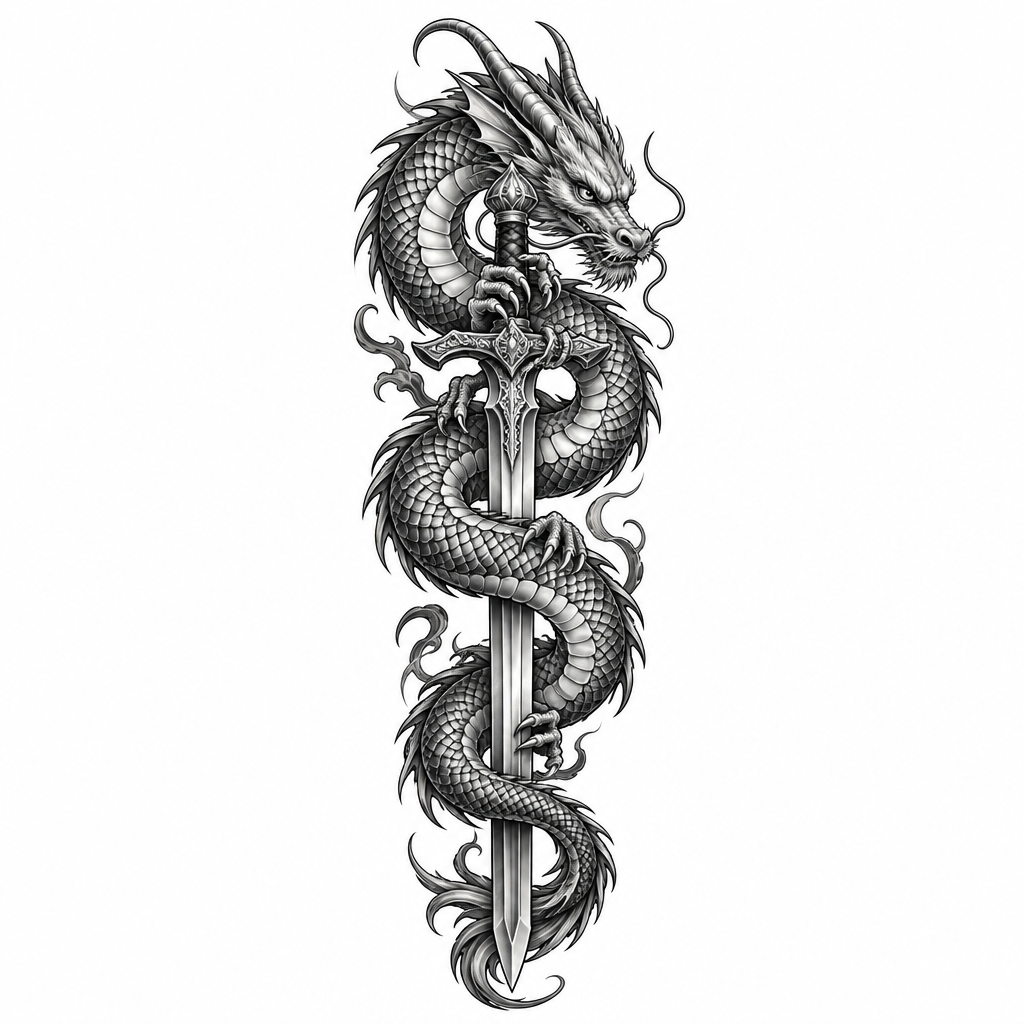
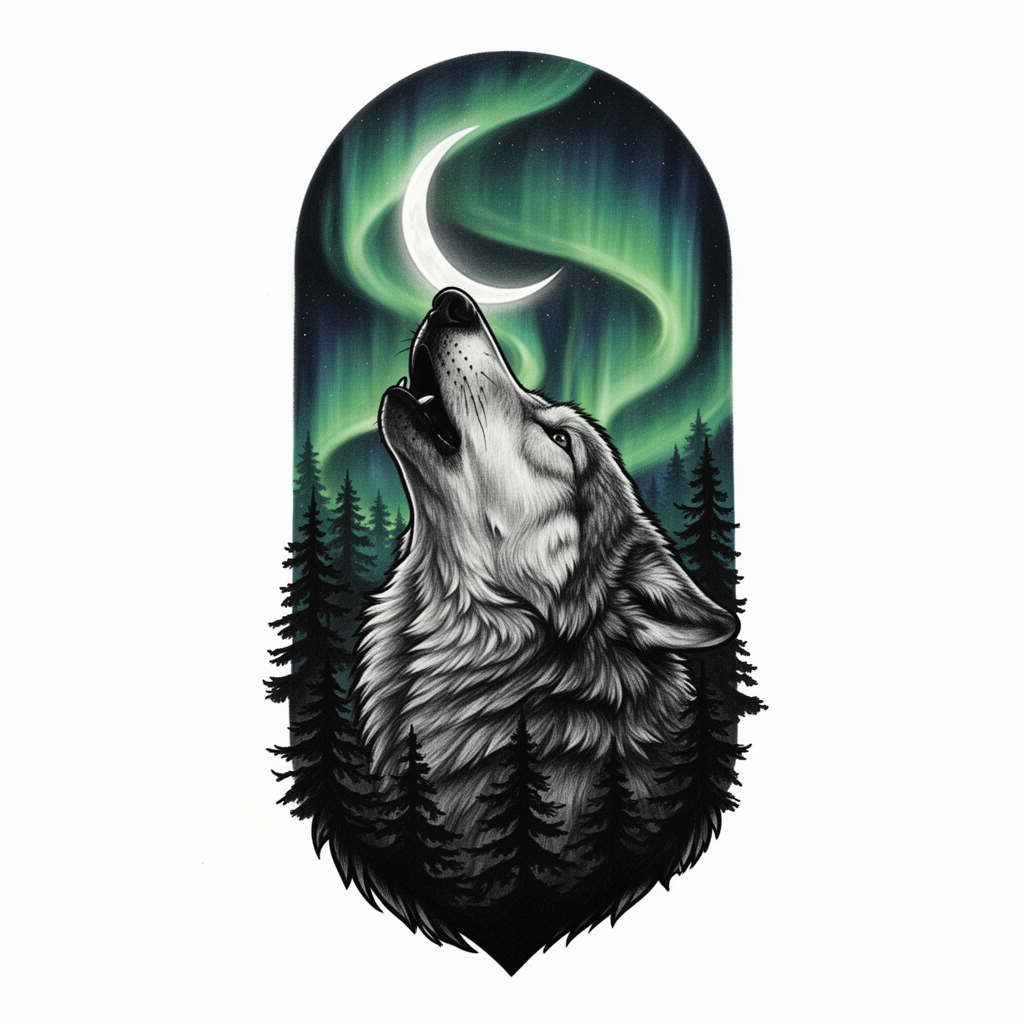
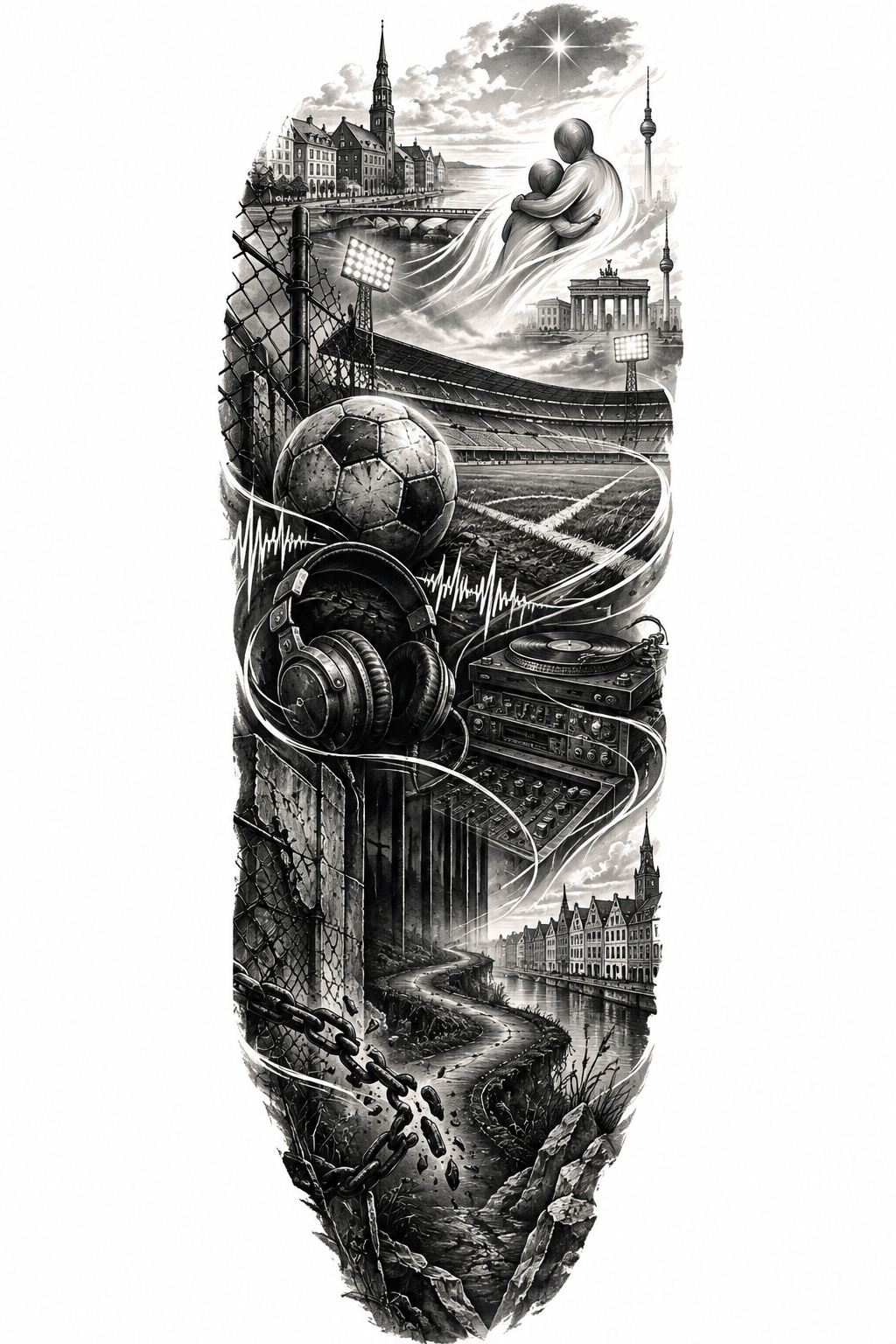
Realism designs from the community
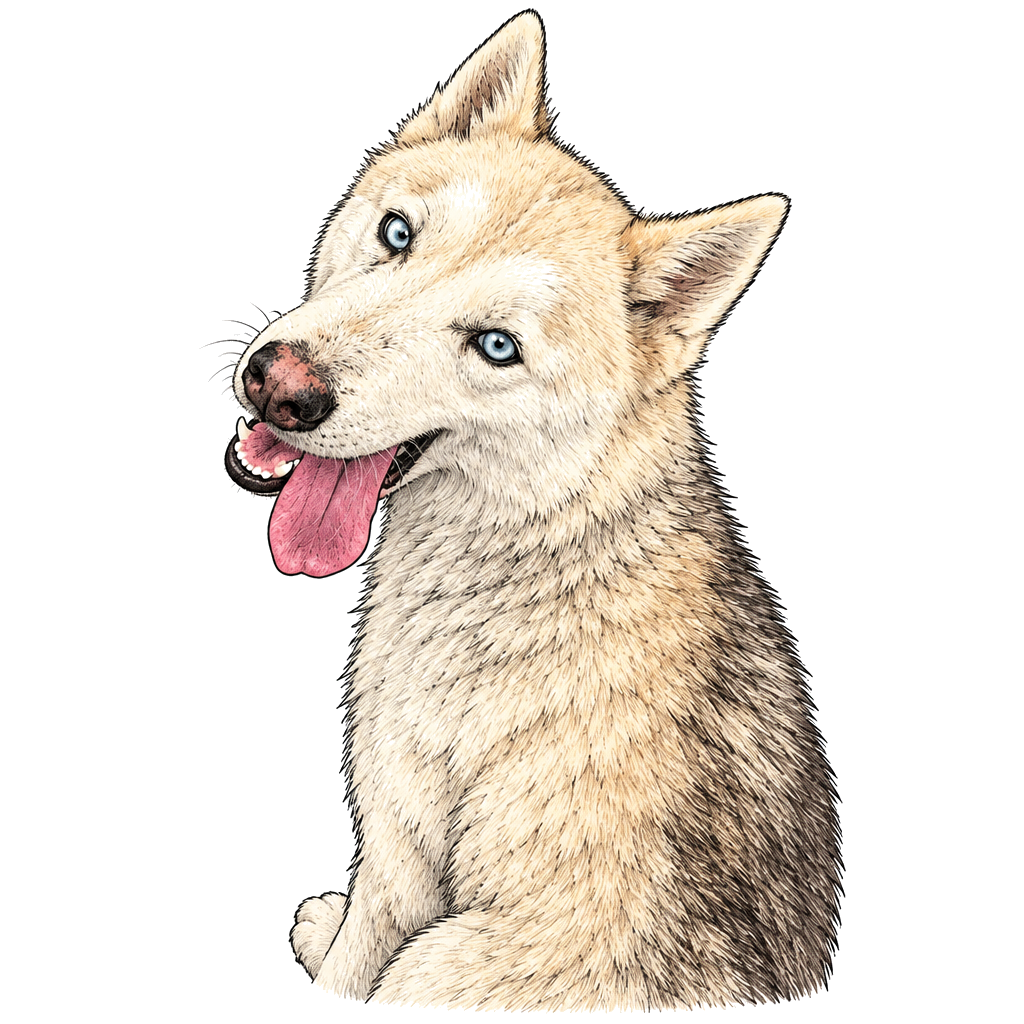
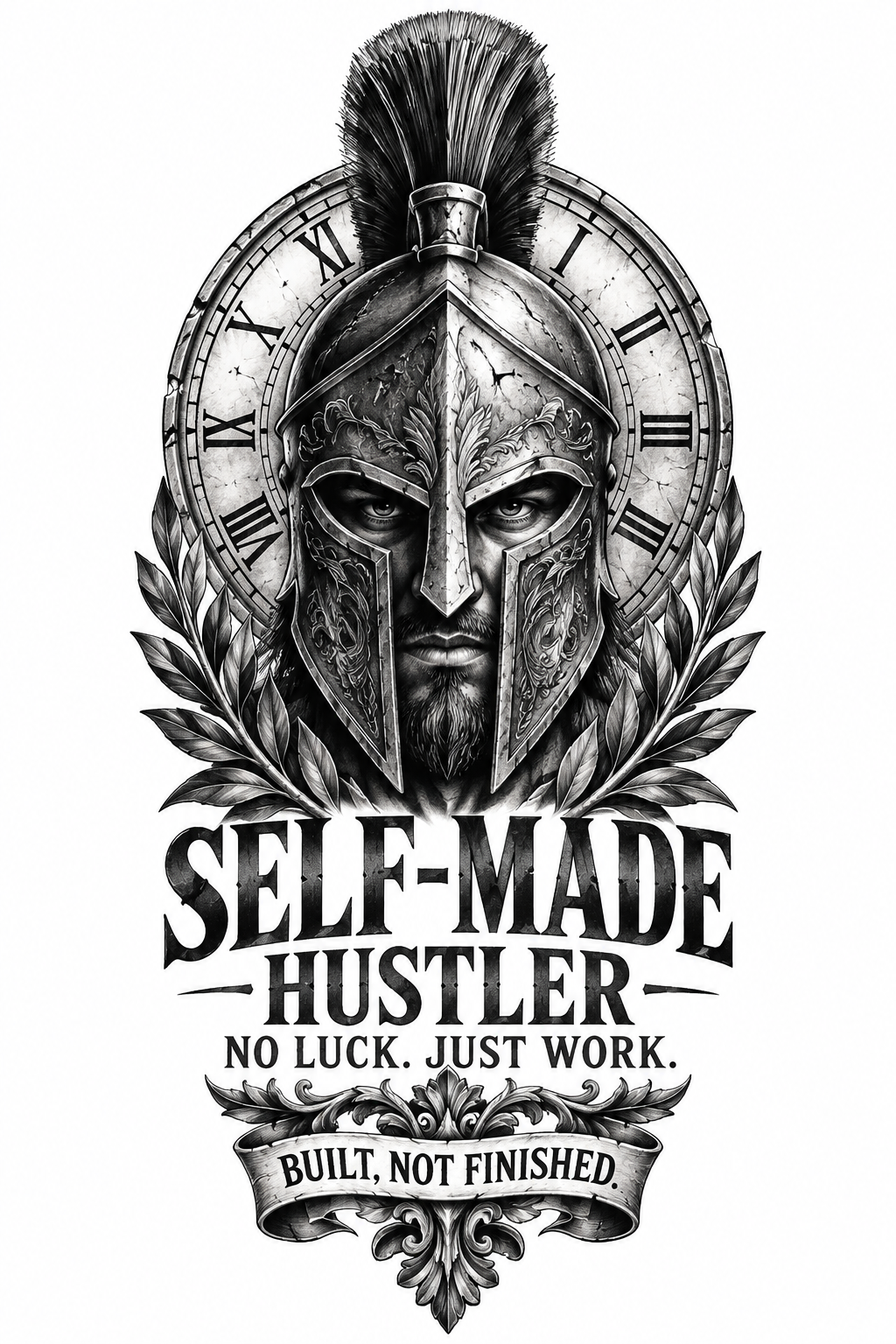
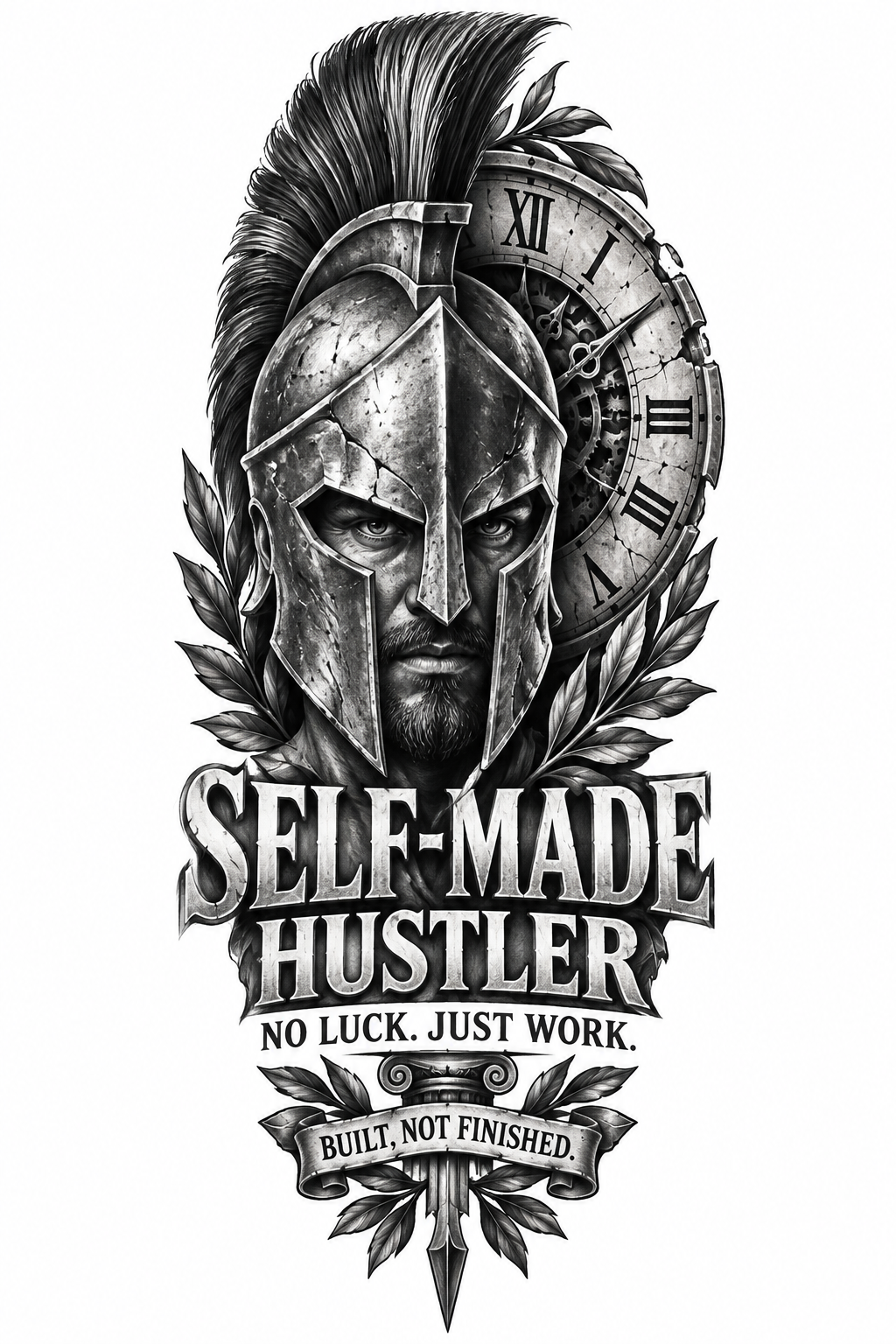

Related tattoo styles
Realism tattoo FAQ
- What makes a Realism tattoo recognisable?
- Lifelike rendering with accurate light, depth and texture and no decorative outlines — form is built purely from value and gradient, in black-and-grey or colour.
- Does Realism hold up over time?
- It holds up best when the artist keeps a confident value range. Extremely subtle low-contrast realism can soften with age, so strong tonal structure and good placement matter.
- What are the best body placements for Realism tattoos?
- Larger, stable areas — upper arm, thigh, back and chest — give detail room and resist the stretching that distorts fine photographic work.
- Are Realism tattoos demanding to sit for?
- Usually yes. Realism needs extensive layering and long sessions over the same skin, so it is one of the more time-intensive styles to complete.
- Is Realism a good first tattoo?
- It can be, if it is reasonably sized and you choose a dedicated realism specialist. The style is unforgiving, so portfolio selection matters more here than almost anywhere.
- What should I write to generate a Realism tattoo?
- Describe the subject in concrete detail and add photorealistic, accurate lighting, smooth gradients and no outline. Specify black-and-grey or colour explicitly.