Tattoo Style
Illustrative Tattoos
A practical guide to Illustrative tattoos: where the style comes from, what makes it recognisable, prompt ideas, real community examples, and answers to the questions people ask before they commit.
Generating this style needs the Artisan plan or above — but reading and planning here is always free.
Illustrative tattoos at a glance
- Colour
- Black & grey
- Line weight
- Varied
- Skill level
- Intermediate
- Best placement
- Medium, flatter areas
The history of Illustrative tattoos
Illustrative tattooing treats skin like the page of a book or a sketchbook. It borrows directly from drawing, etching, engraving and storybook illustration: expressive linework, hatching and cross-hatching for shading, and a hand-drawn personality that feels authored rather than mechanically rendered. It sits between the boldness of Traditional and the softness of fine line, and it is one of the most flexible, artist-driven styles in tattooing. Because illustrative work is defined by an individual drawing voice rather than a fixed ruleset, two illustrative tattoos can look completely different and both be correct. It became popular as illustration and printmaking aesthetics moved into tattoo culture and as wearers sought pieces that felt like a specific artist's hand. Its strength — distinctive linework — is also what makes choosing the right artist the single most important decision.
Where Illustrative comes from
Illustrative tattooing draws on centuries of drawn and printed imagery — woodcut, etching, pen-and-ink illustration and comic art — adapted into skin by artists with strong drawing backgrounds. Robert Borbas is among the artists associated with its etched, sketch-like end. It is not a folk tradition with fixed motifs but a translation of illustration craft, which is why it is one of the most personal, portfolio-driven styles to commission.
AI prompt ideas for Illustrative tattoos
- “An illustrative fox in an etching style with cross-hatch shading and expressive linework”
- “A storybook-illustrative tree with a tiny house, pen-and-ink feel, hand-drawn”
- “An illustrative skull and moth with engraving texture, bold sketchy lines”
- “An illustrative crow on a branch, woodcut-inspired hatching, characterful”
Illustrative designs from the community
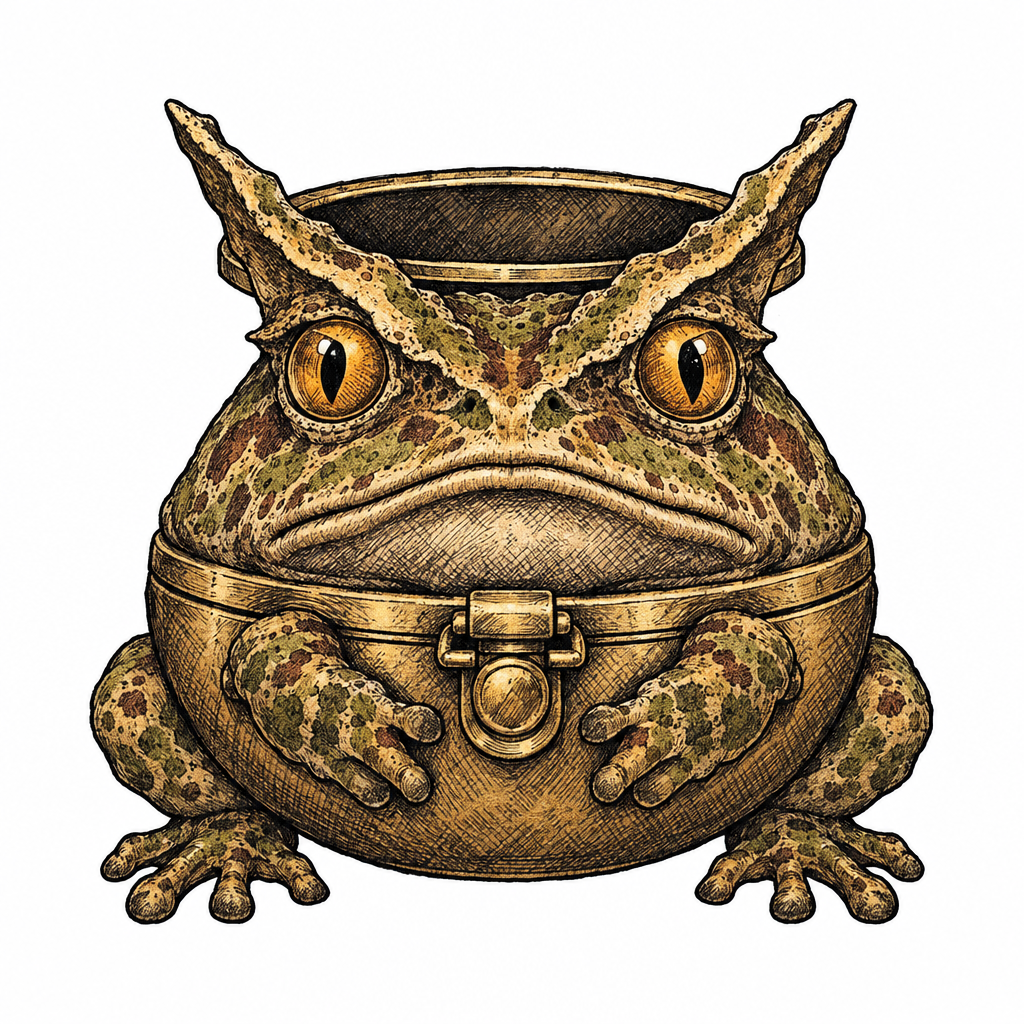
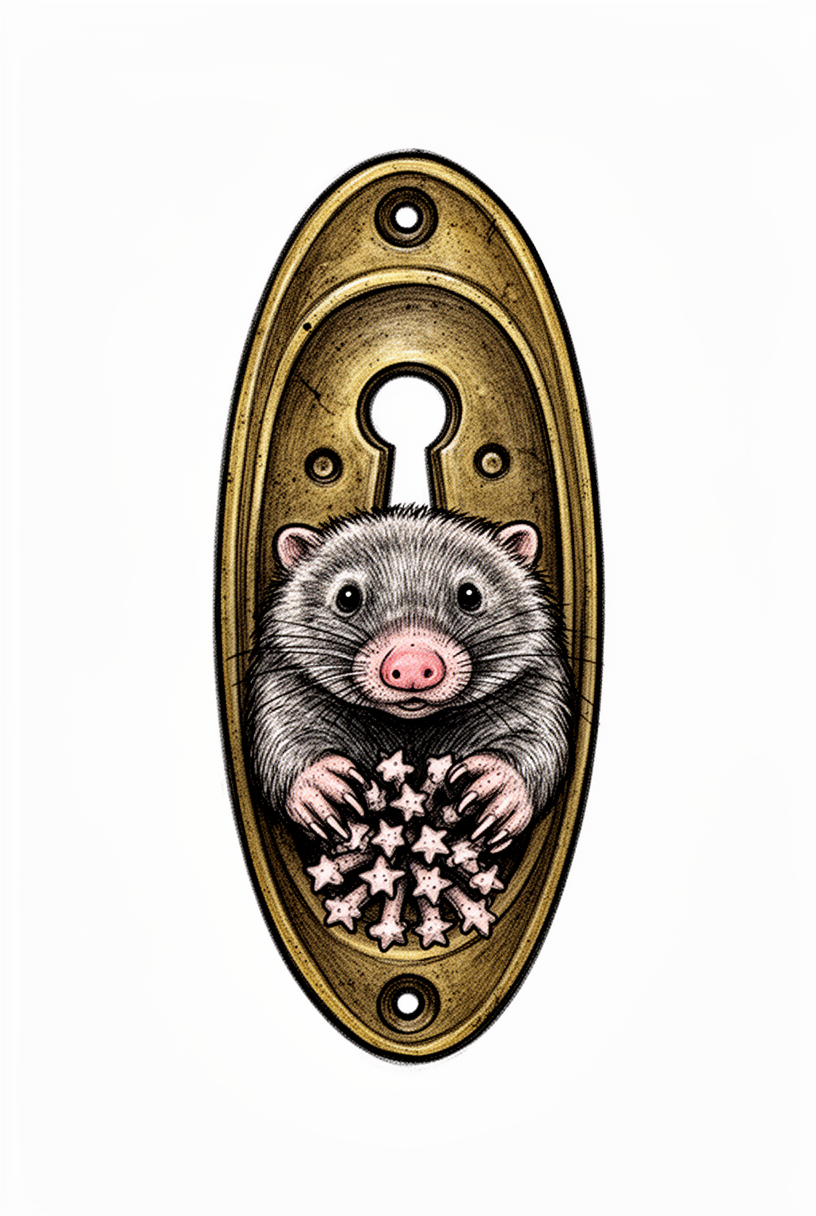
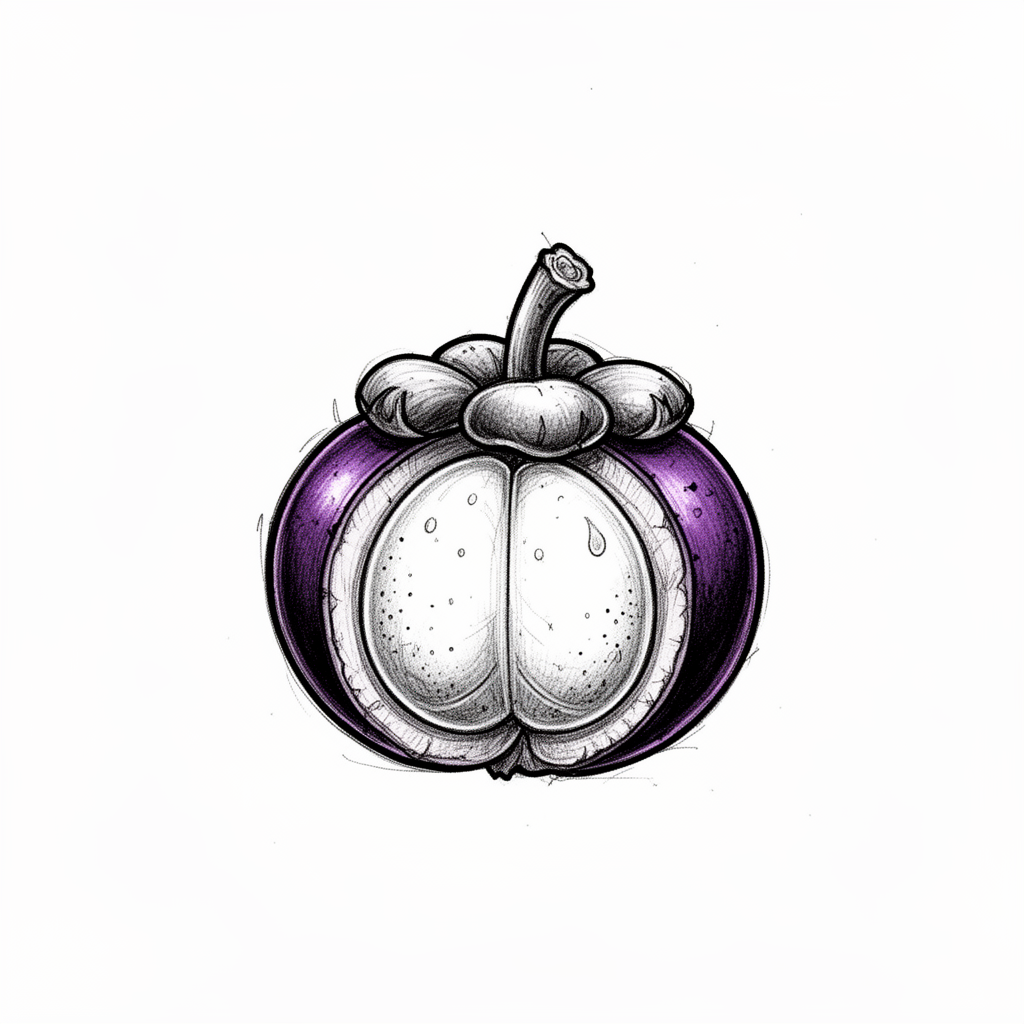
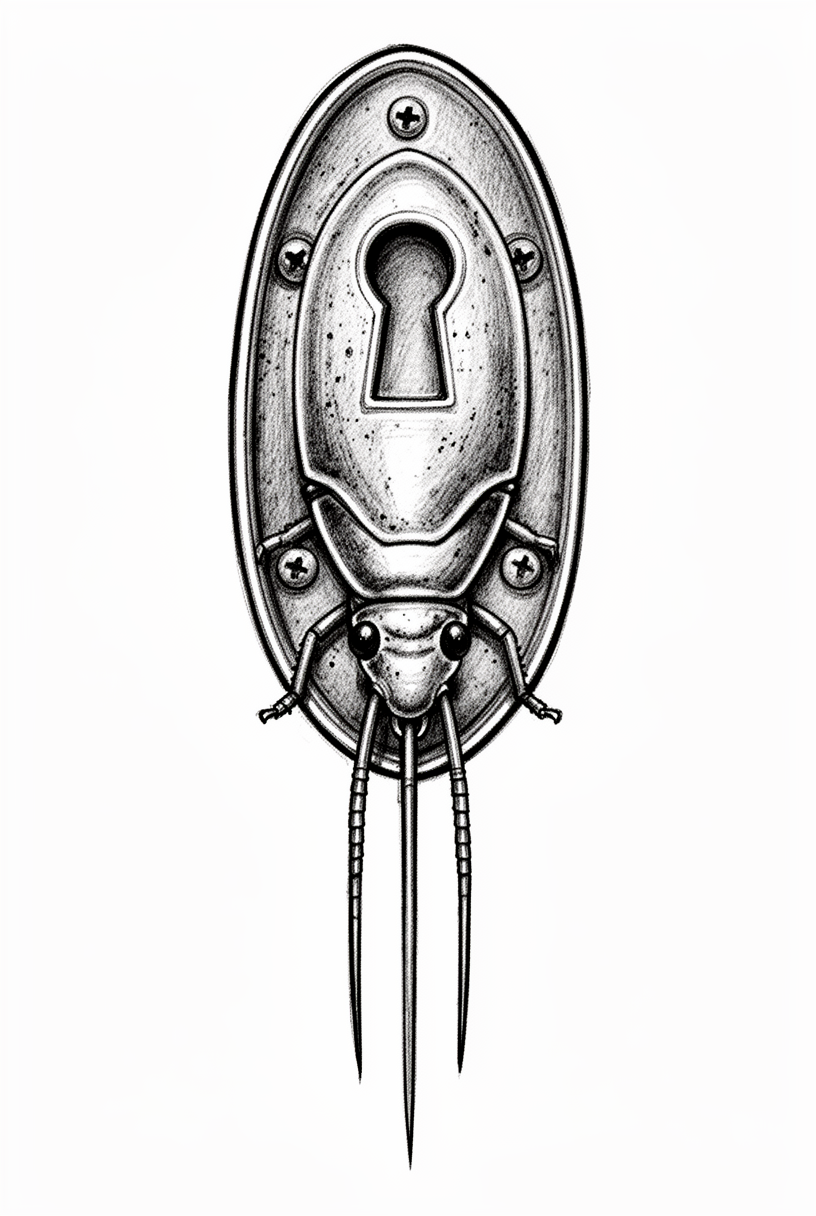
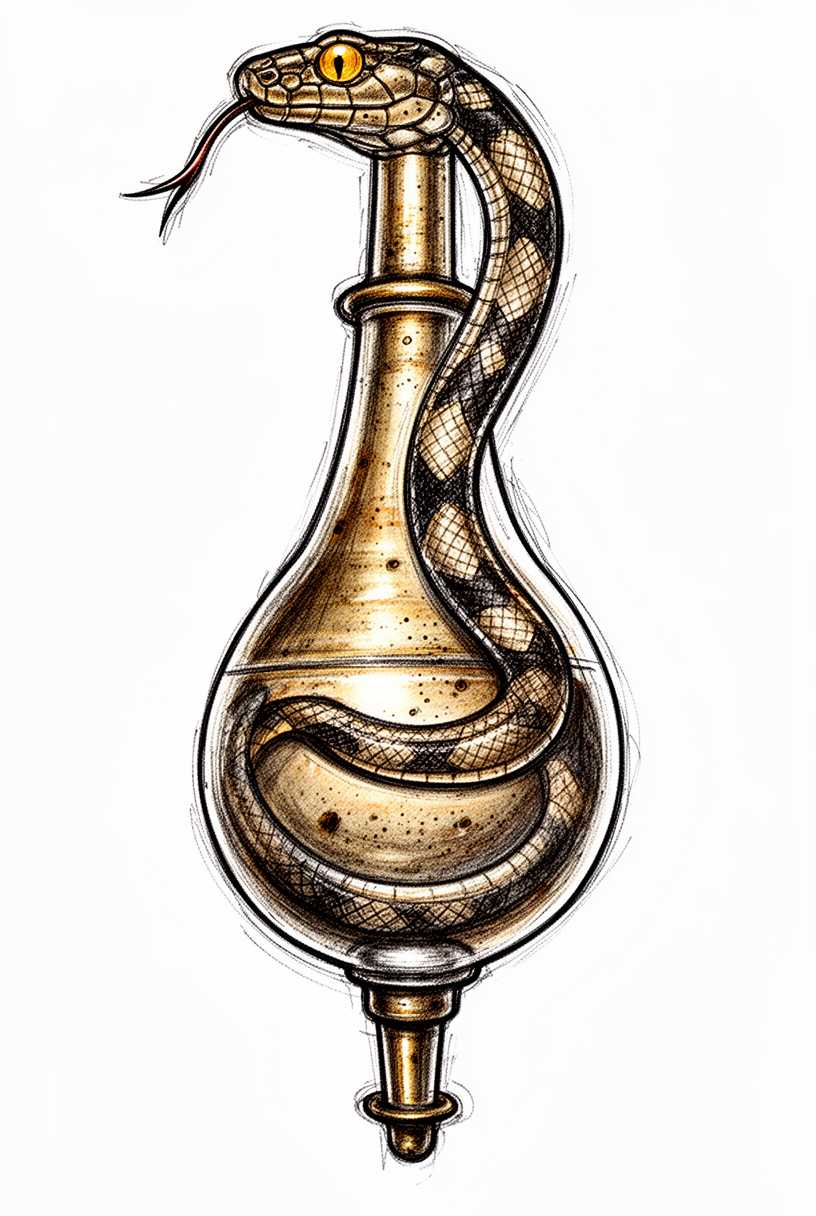
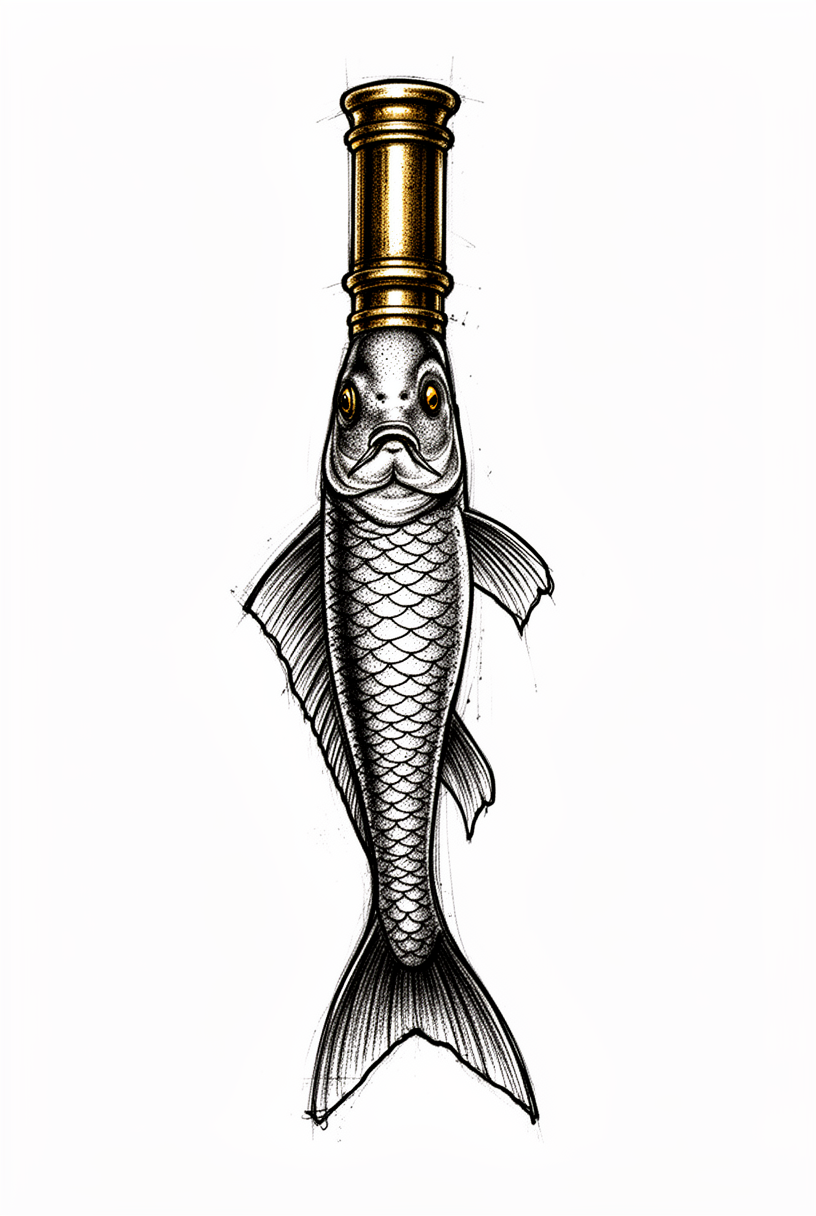
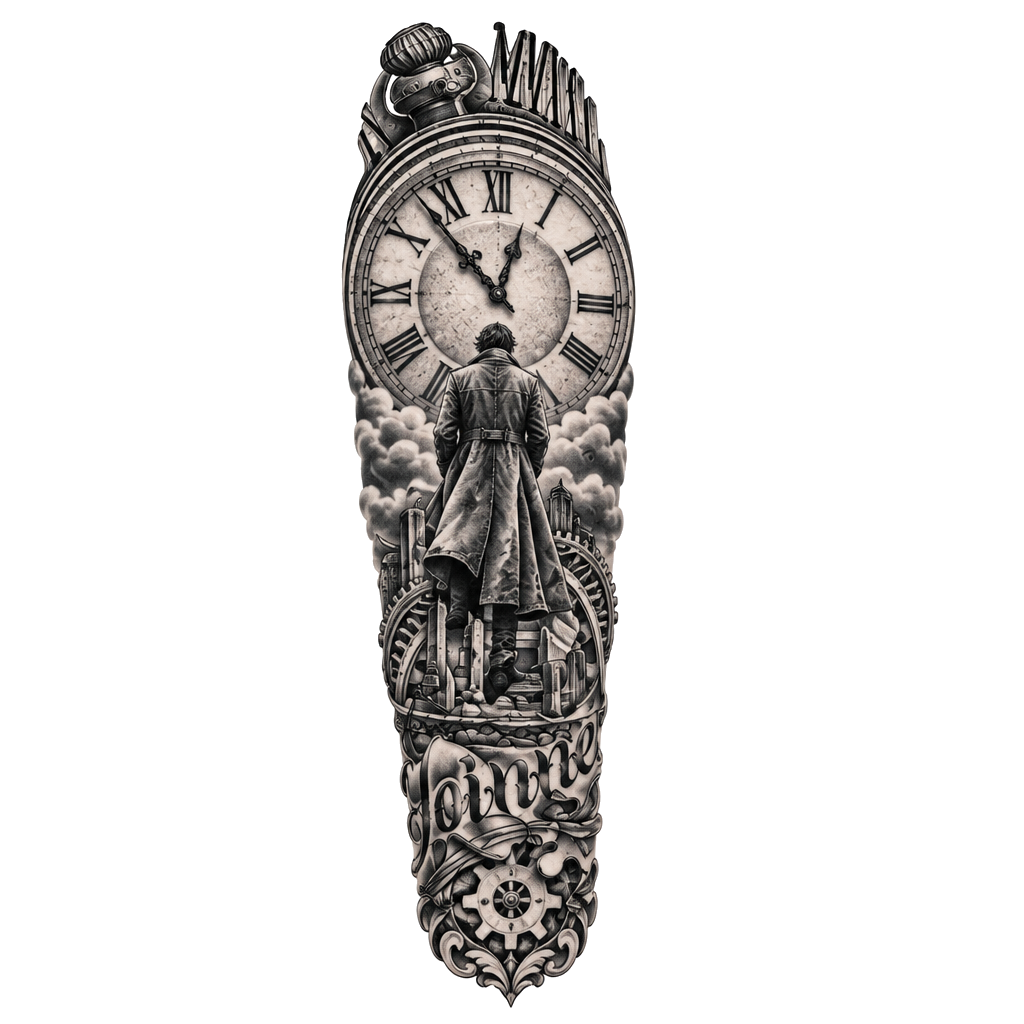
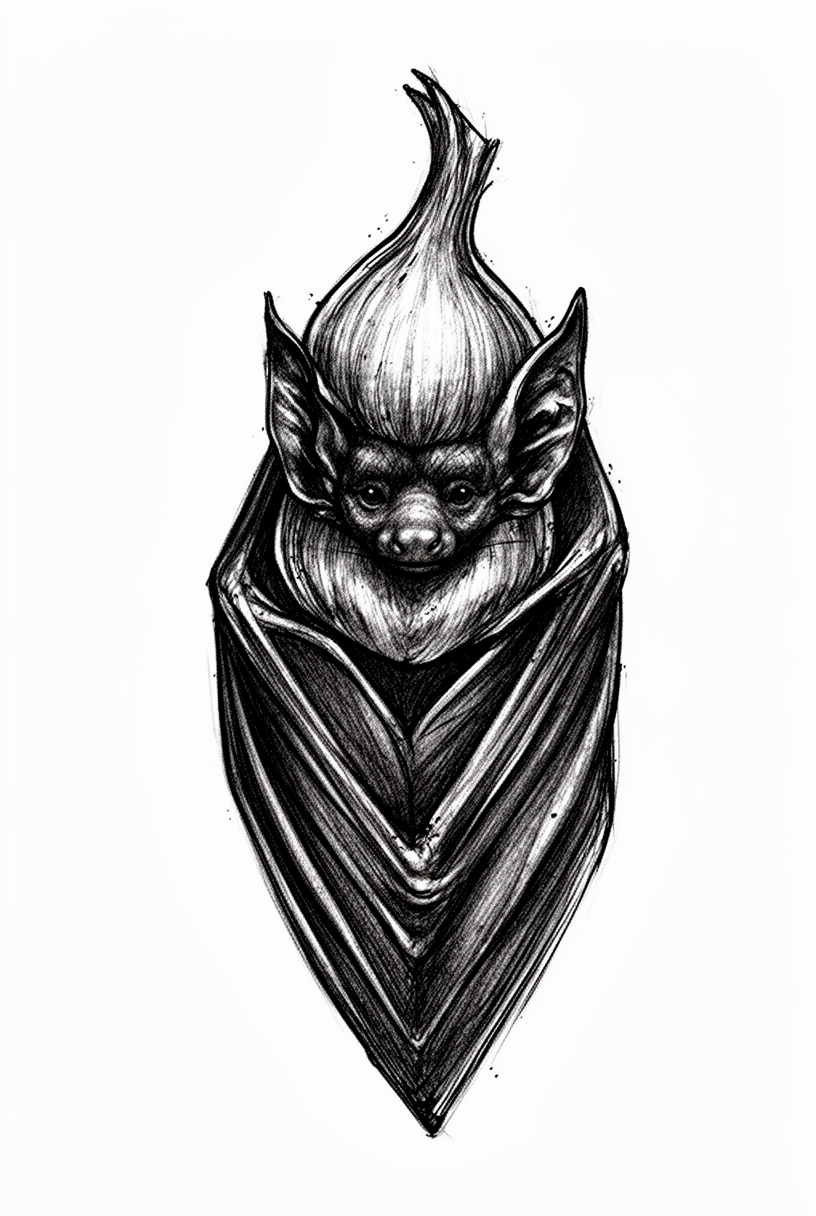
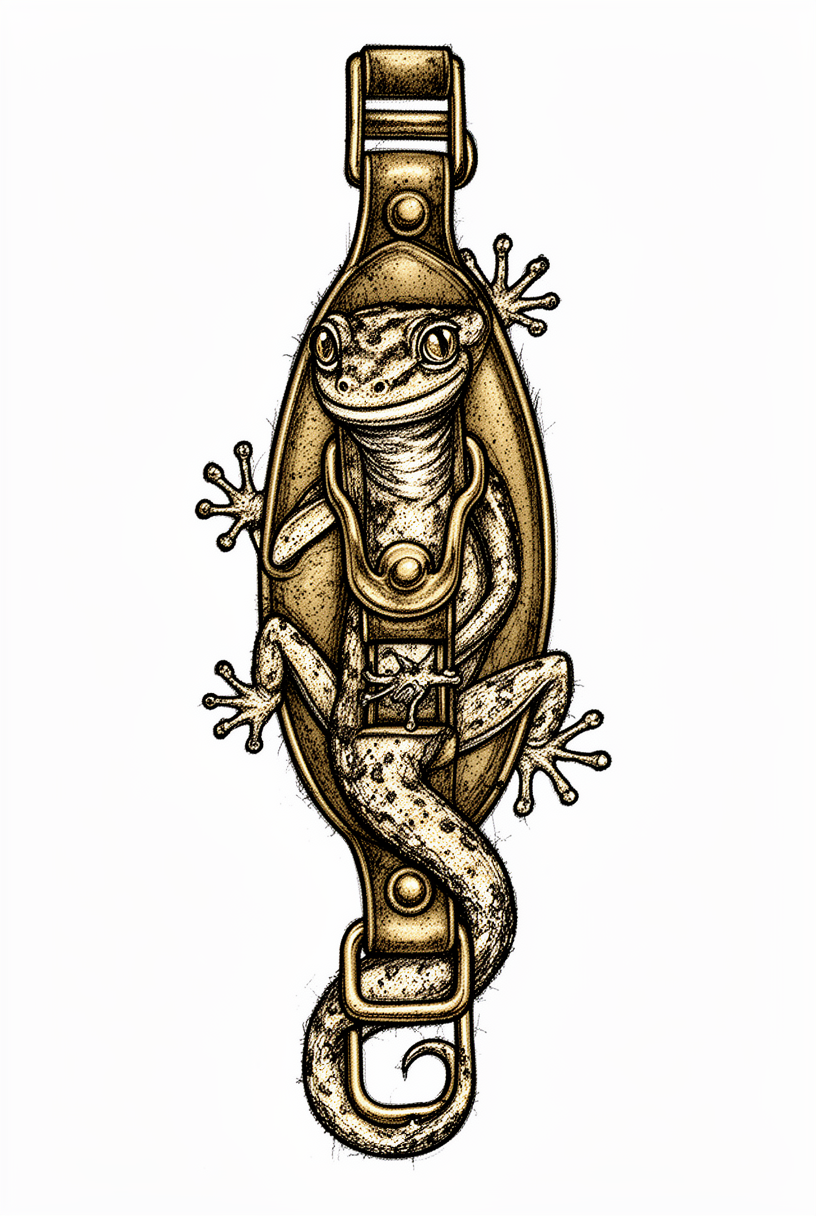
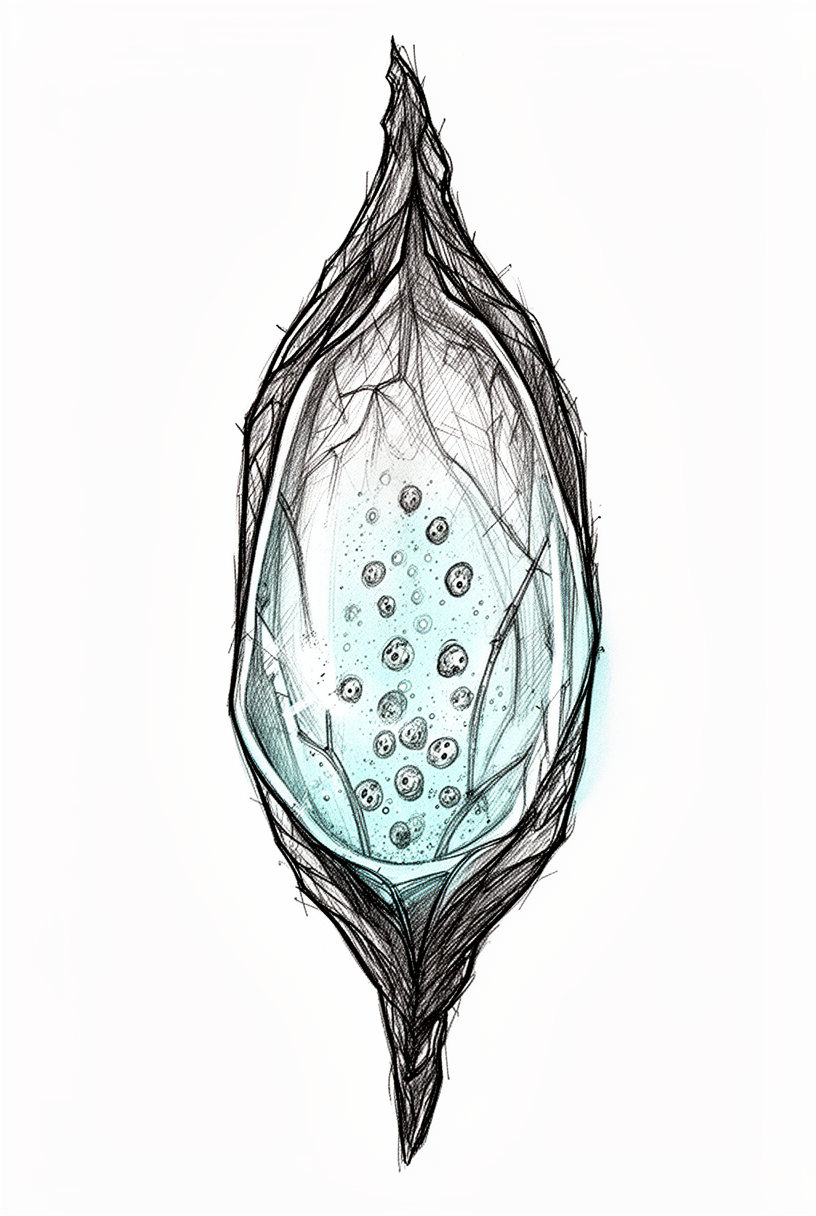
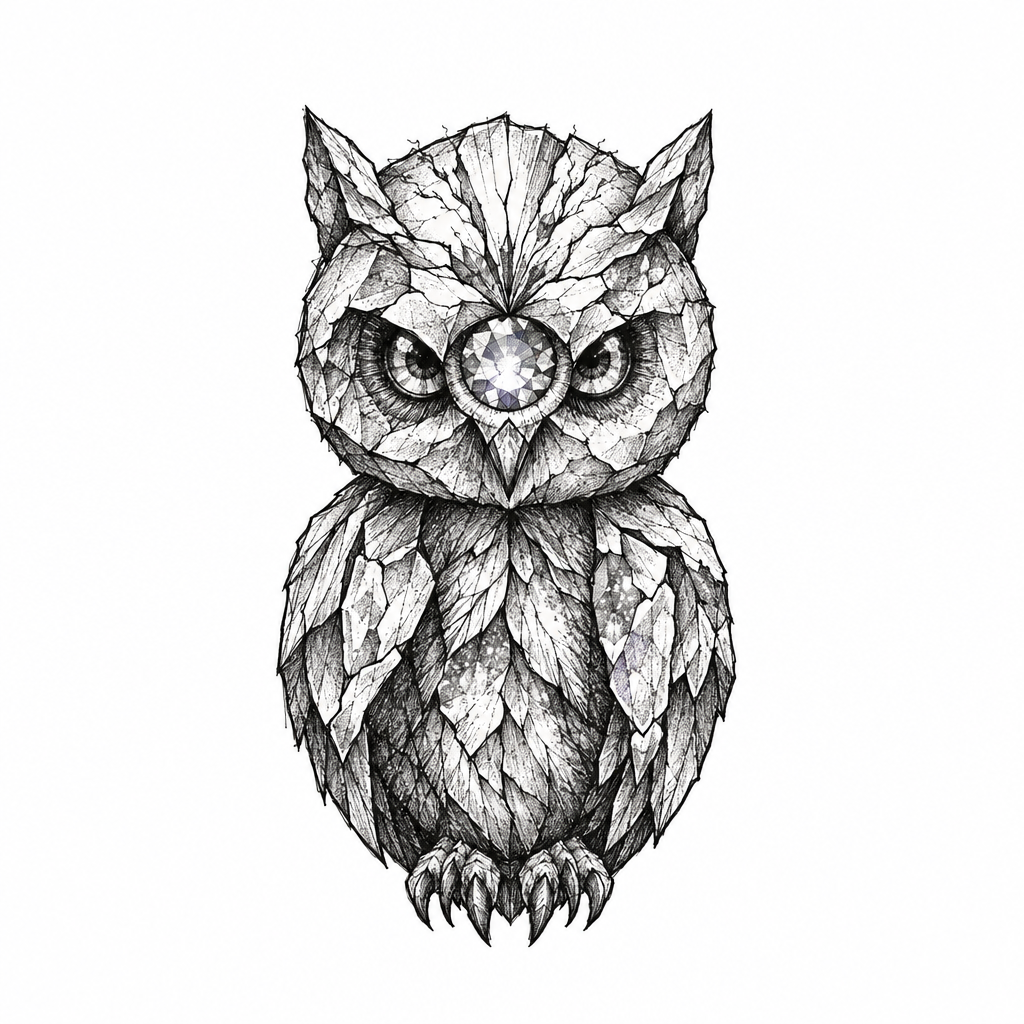
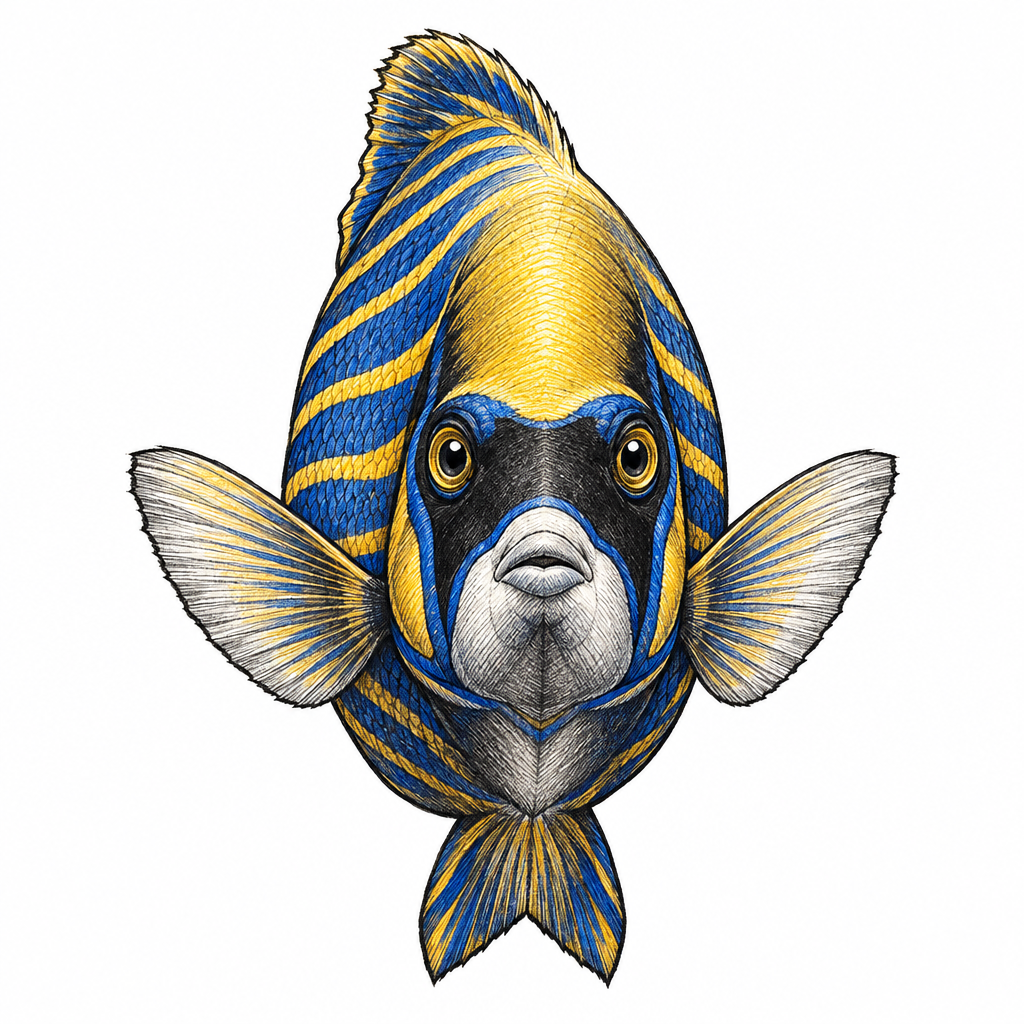
Related tattoo styles
Illustrative tattoo FAQ
- What defines a Illustrative tattoo?
- A hand-drawn, authored look borrowed from illustration and printmaking — expressive lines and hatching rather than a fixed motif set or photographic rendering.
- Why do Illustrative tattoos vary so much?
- The style is defined by an individual drawing voice, not strict rules, so it intentionally looks different from artist to artist — which makes portfolio choice central.
- Where do Illustrative tattoos look best?
- Most medium-to-large areas work well — forearm, upper arm, thigh, back — since the style adapts to the artist's composition rather than demanding a fixed layout.
- Are Illustrative tattoos painful?
- It depends on the design. Line-led illustrative work sits like other line styles; heavily hatched or filled pieces involve more passes and longer sessions.
- Is Illustrative good for a first tattoo?
- Yes, and it is a great way to wear a specific artist's hand. Choose someone whose drawing voice you genuinely love — that choice is the whole style.
- How do I prompt the AI for a Illustrative design?
- Describe the subject and add illustrative, hand-drawn linework with cross-hatch shading, and reference etching or storybook to steer the feel.