Tattoo Placement
Finger Tattoos
A practical guide to Finger tattoos: how the spot wears a design, what sizes fit, how much it hurts, how long it heals, the styles that flatter it and real community designs.
About Finger tattoos
Few placements are as small or as stubborn as the finger. You are working with a narrow strip of skin wrapped tightly over bone and knuckle, with almost no fat anywhere underneath, so the canvas is tiny and the terrain is curved in every direction. That smallness is the whole appeal — a finger tattoo is intimate, understated, and reads like a piece of jewelry you never take off. People often choose it for a tiny symbol, a matching design with someone, or a single line that peeks out when the hand moves. Placement matters a lot: the side of the finger tends to hold ink a little better and shows when you turn your hand, while the top faces constant friction and sun. It is also unmissably visible, sitting right where people look during conversation, typing, and gesturing, so it carries real day-to-day presence despite its size.
Finger at a glance
| Sizes that fit | Small |
|---|---|
| Pain level | High |
| Healing time | 2–3 weeks |
| Visibility | Highly visible |
This is a highly visible spot — consider workplace, social and permanence factors before committing.
Pain and healing vary by person — this is general guidance, not medical advice.
Size and pain for Finger tattoos
Fingers only fit small designs — think a slim line, a tiny symbol, a few characters, or a minimal shape that respects the limited real estate. Anything ambitious simply will not fit or will close up into a blob. Pain runs high, about a 4 out of 5. The skin is thin and pulled taut over bone and joint, so the needle has nothing soft to work into and the sensation is sharp and immediate, especially near the knuckle and the sides where nerves cluster. The upside is speed: there is so little area that the discomfort is over quickly. Be aware that ink spreads and fades faster on fingers than almost anywhere else on the body, so artists often keep designs deliberately simple and slightly spaced to leave room for that inevitable softening.
Healing a Finger tattoo
Expect roughly 2 to 3 weeks for the surface to close, with the caveat that fingers are about the hardest place on the body to keep still and clean while healing. They get washed constantly, bend with every grip, and rub against pockets, keyboards, and each other. Because of that relentless wear, fingers fade the fastest of anywhere — touch-ups are not a maybe, they are expected, sometimes more than once. Keep the area moisturized, avoid soaking it, and try to baby your hands during the first couple of weeks. Even with perfect care, accept up front that finger ink ages quickly and will need maintenance to stay crisp.
Styles that suit the Finger
Simplicity wins decisively here. Minimalist designs suit the finger because a single clean element survives the spreading far better than anything intricate. Fine Line work is popular and gorgeous on a finger, though you should treat it as the high-maintenance option that will soften first. Lettering — a short word or initials — is a classic finger choice that stays readable when kept bold and spaced. Blackwork in small, solid forms also holds up, since dense black resists fading better than thin gray. Whatever the style, give the design air so it can blur slightly without losing its shape.
AI prompt ideas for Finger tattoos
- “Minimalist single-line wave tattoo along the side of the finger, thin clean stroke, lots of negative space, crisp skin”
- “Fine Line tiny botanical sprig tattoo on the top of the finger, delicate single-needle detailing, understated and elegant”
- “Lettering tattoo of a short word across the finger, bold simple serif characters, evenly spaced, high legibility”
- “Small Blackwork geometric symbol tattoo on the side of the finger, solid black fill, simple bold shape”
Finger tattoo designs from the community

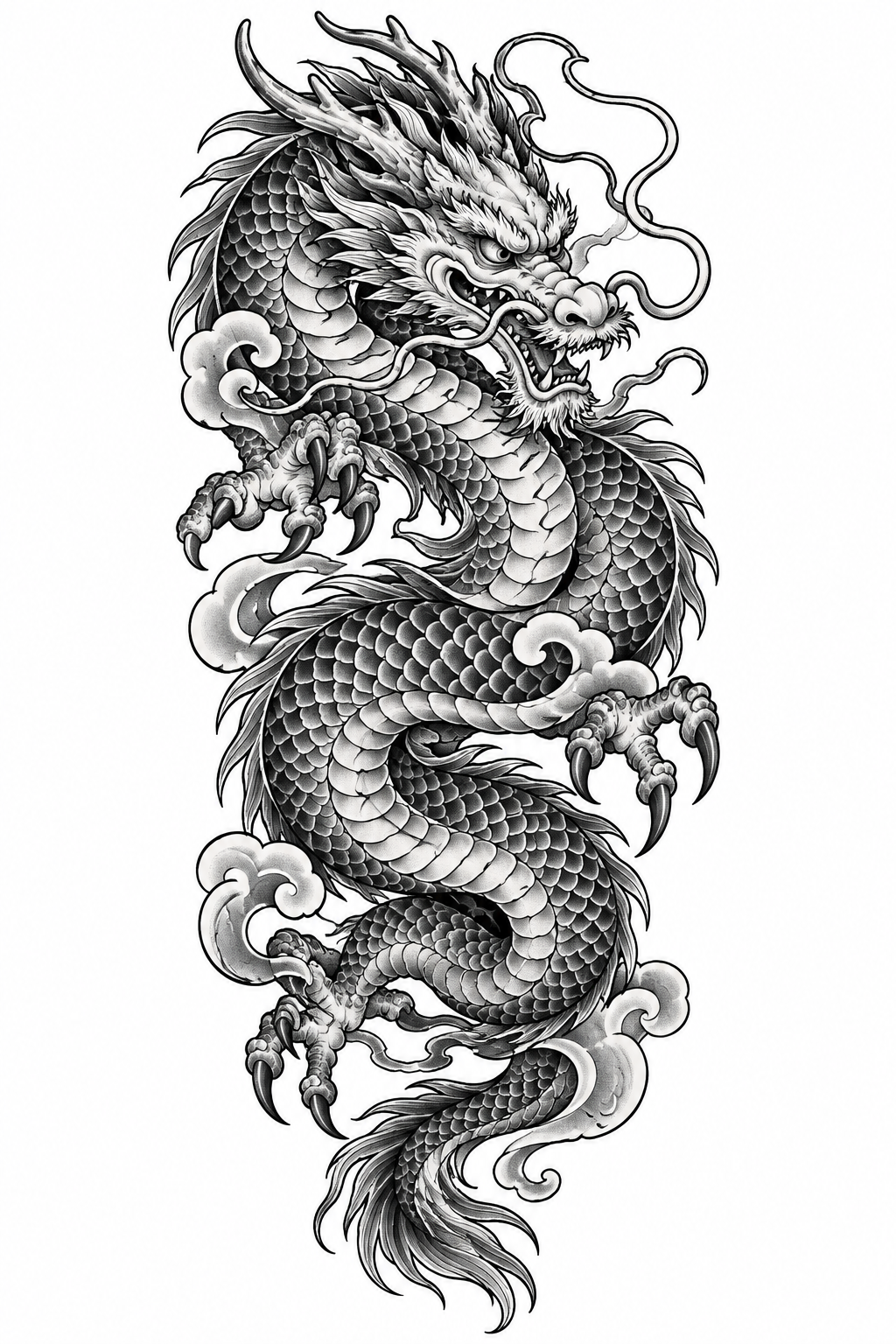


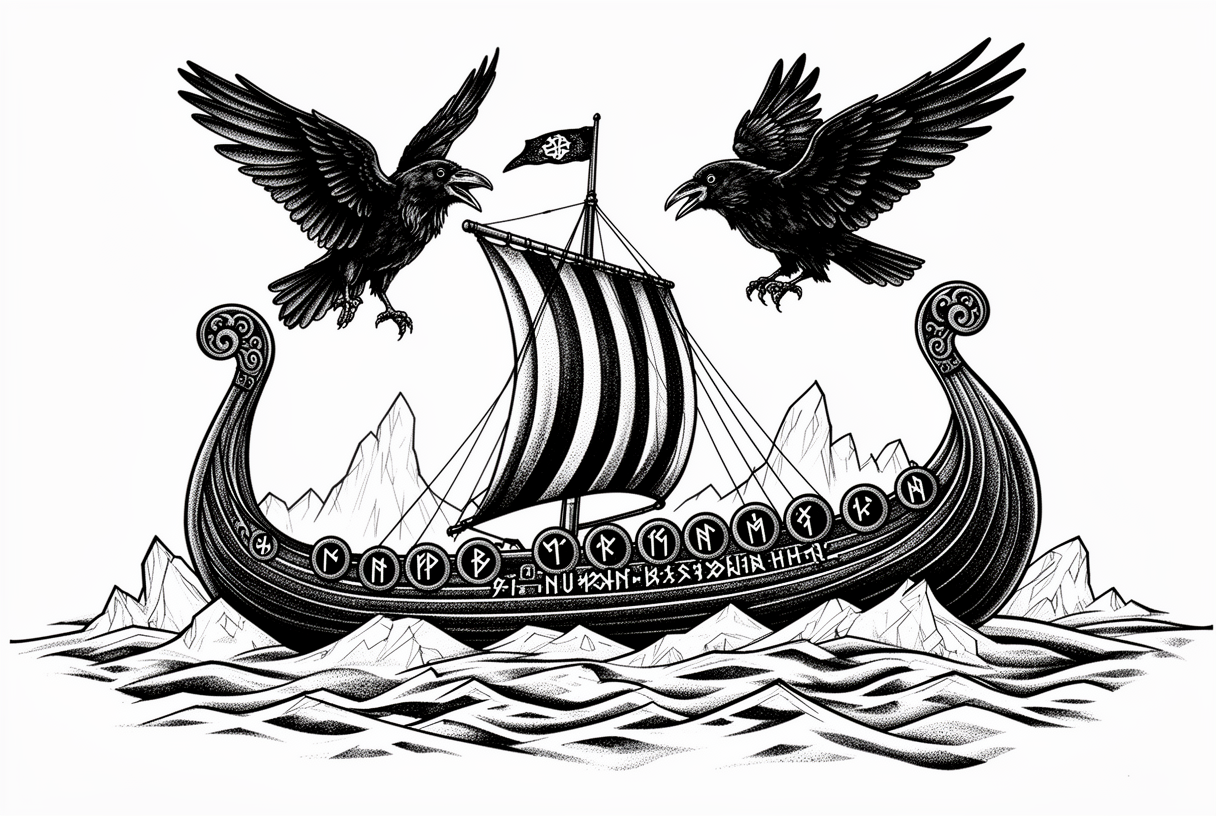
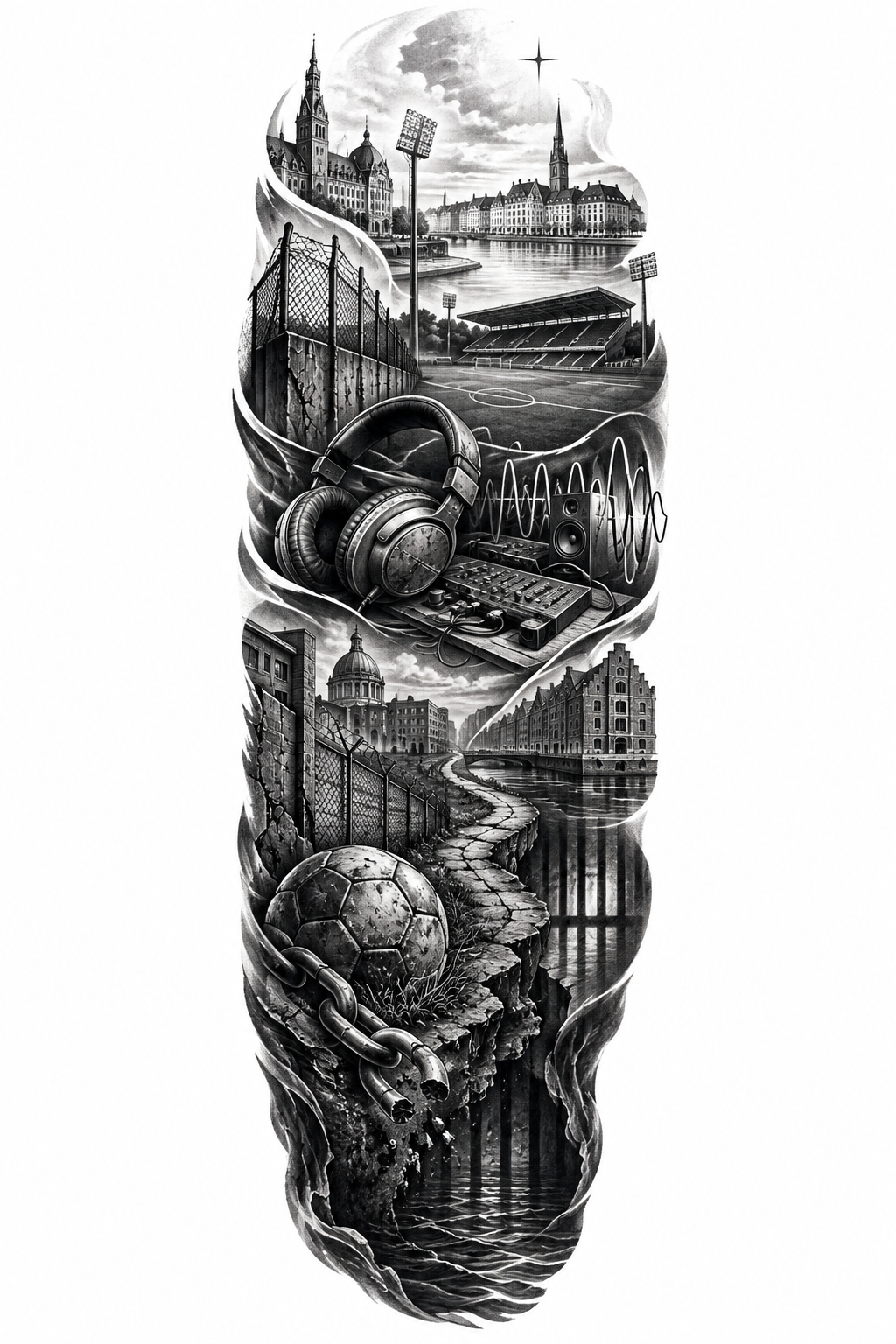
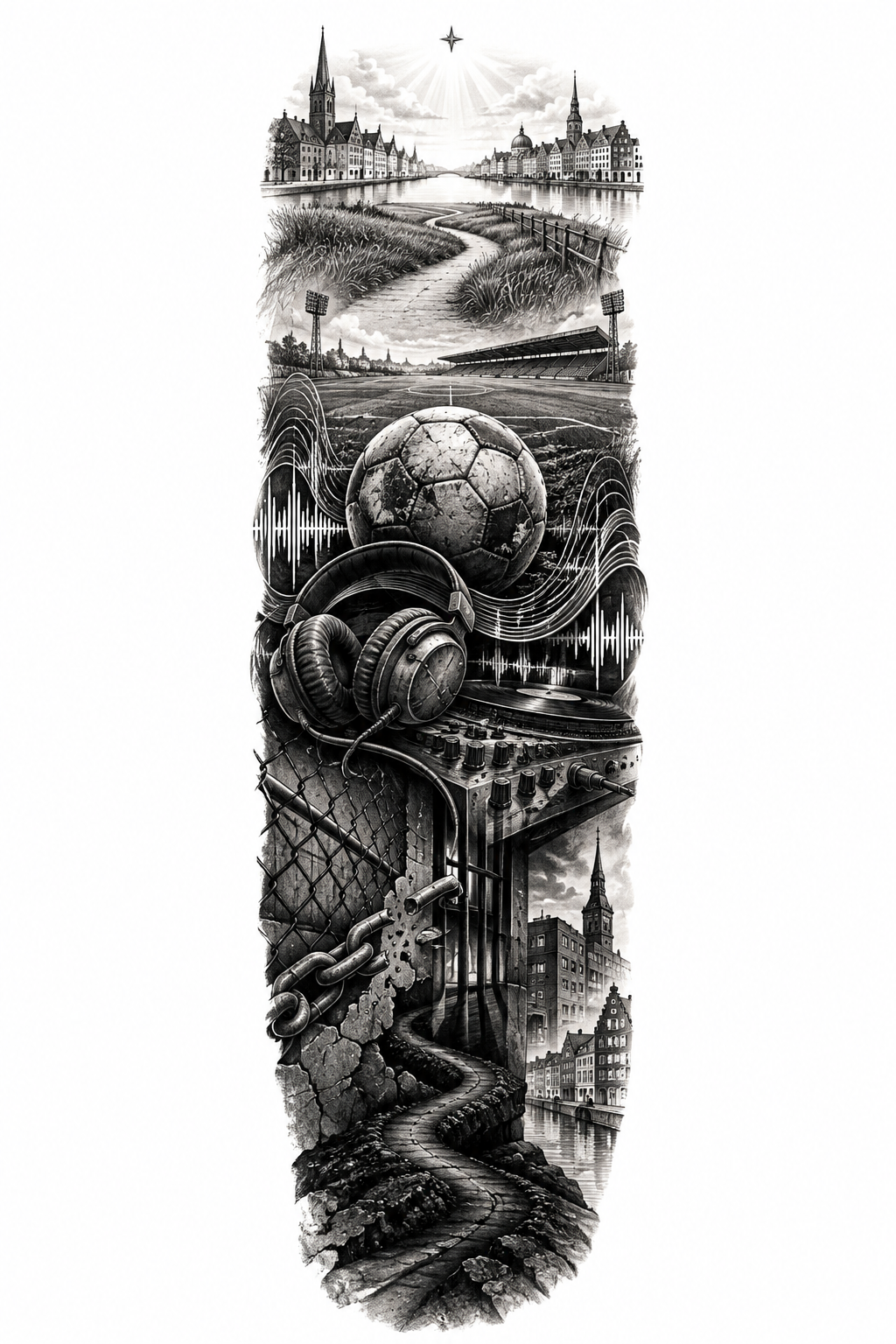
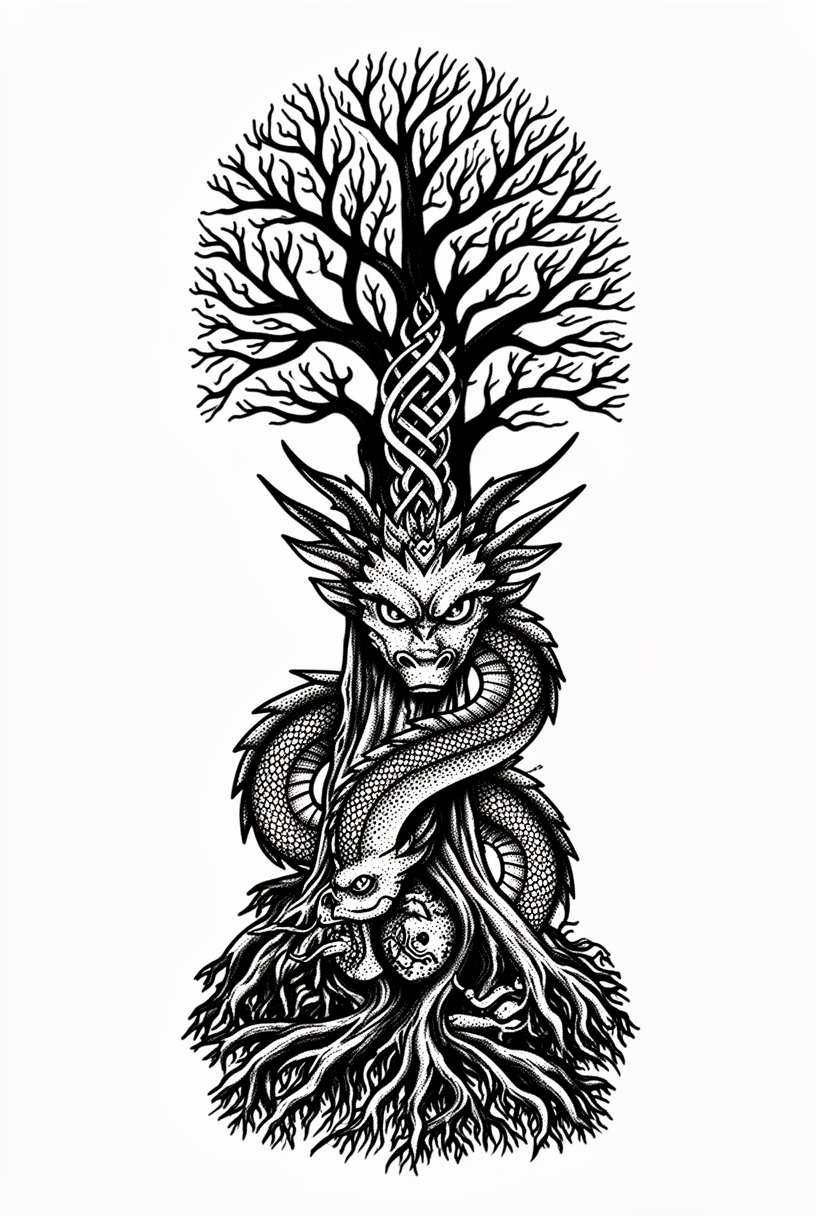
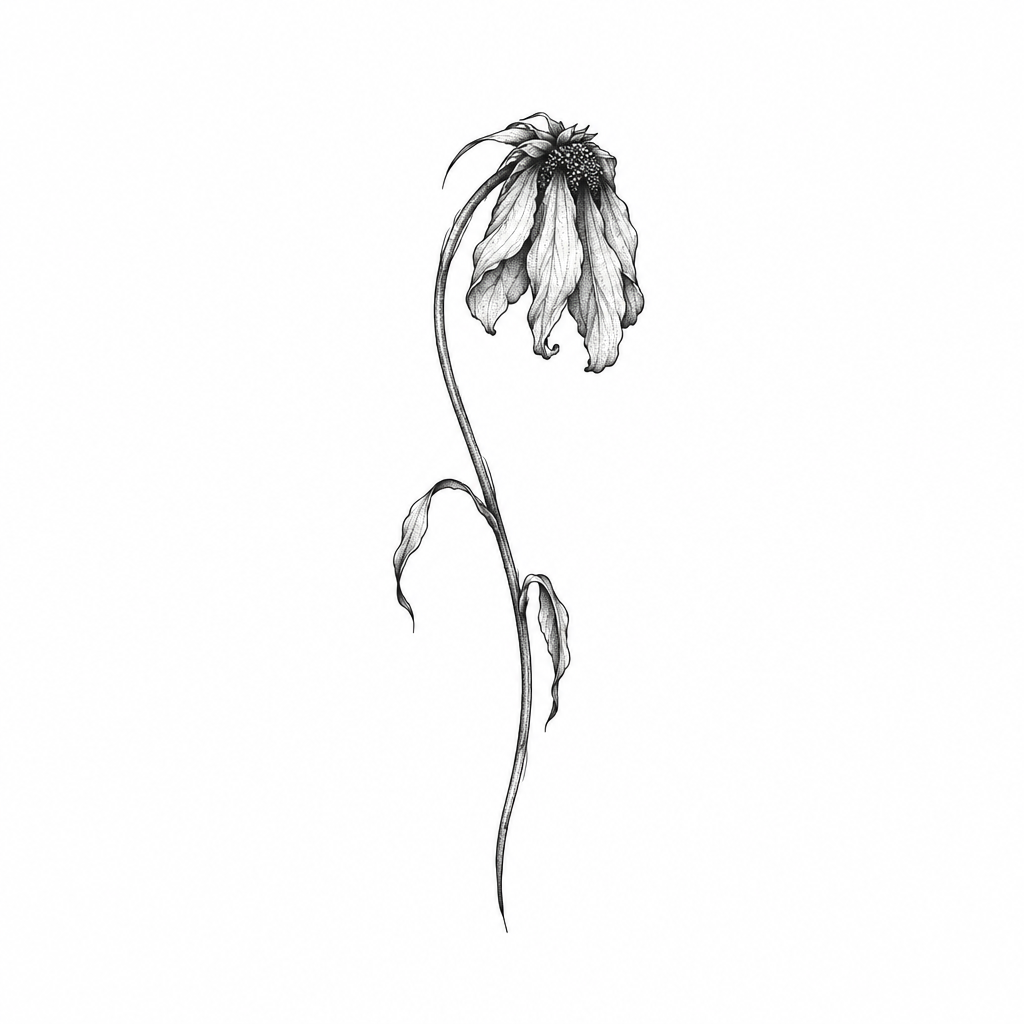
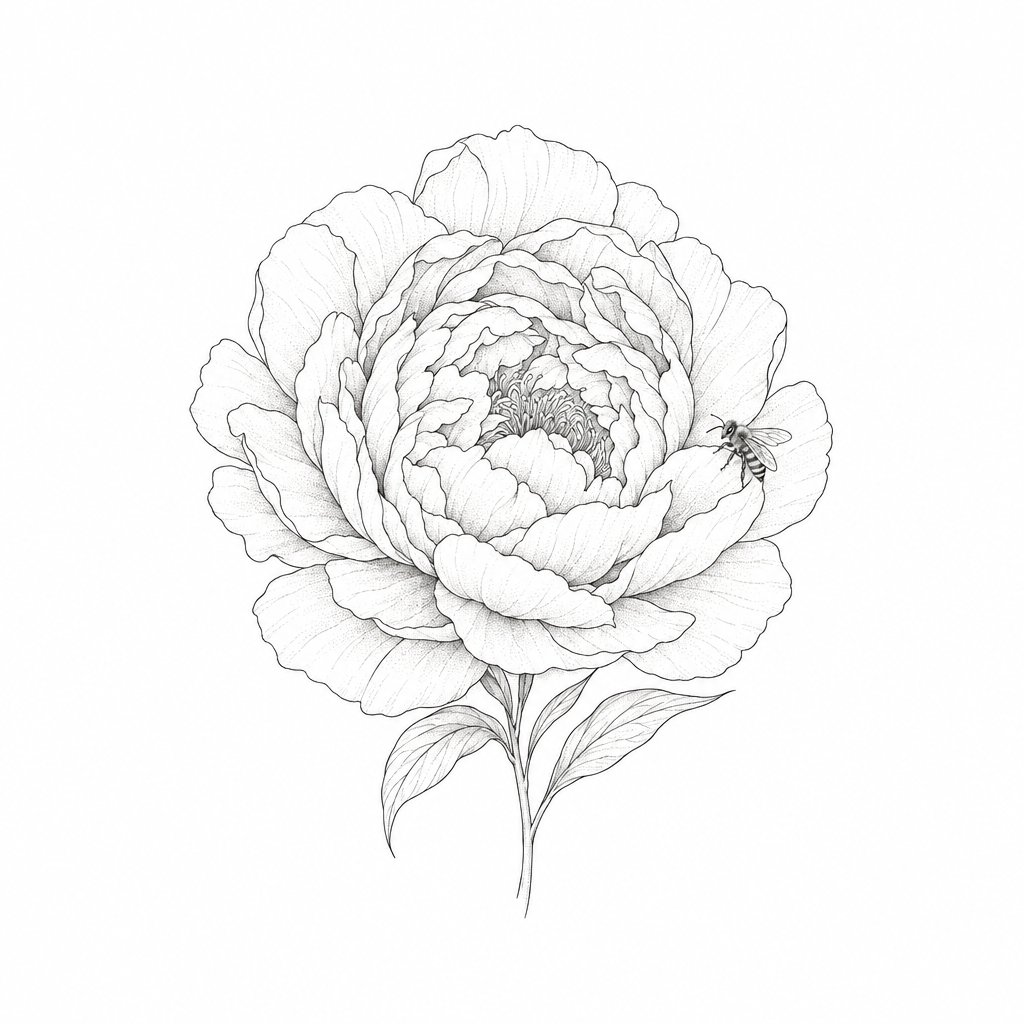
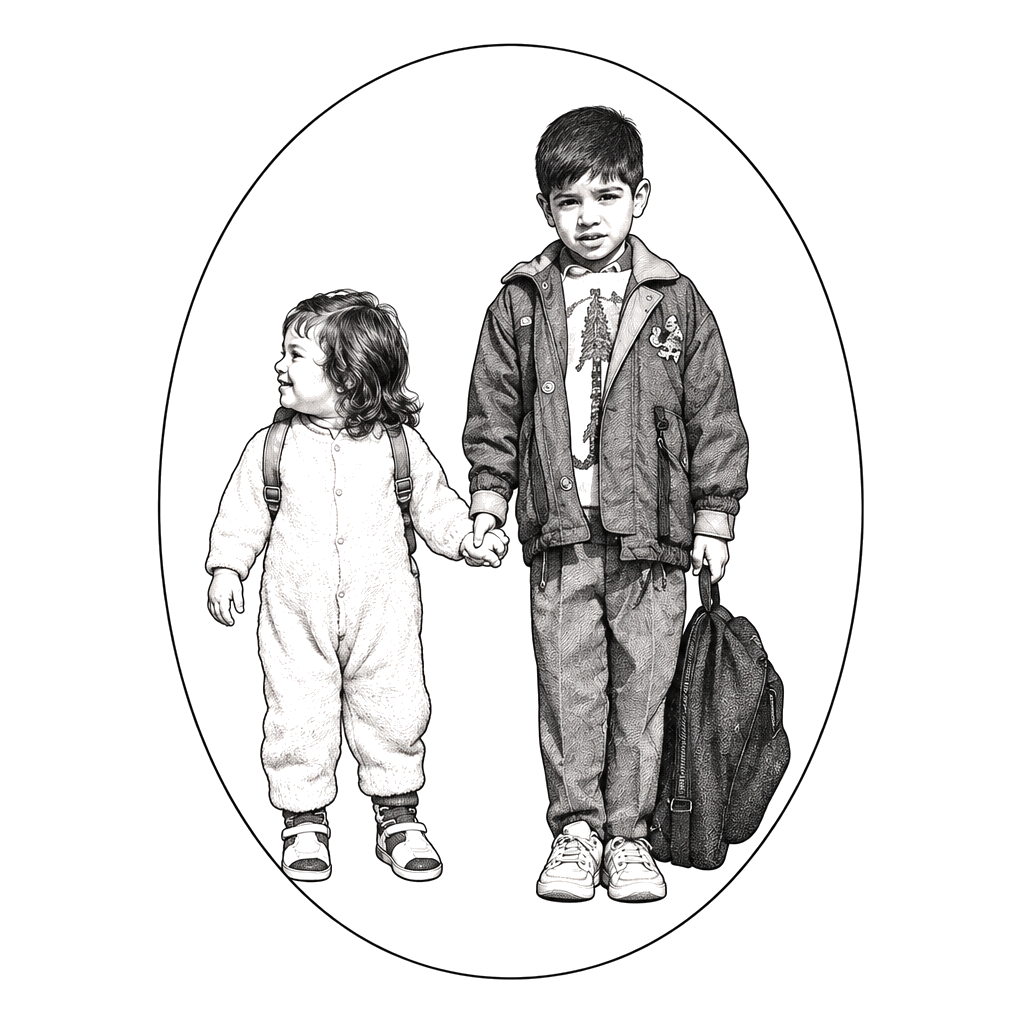
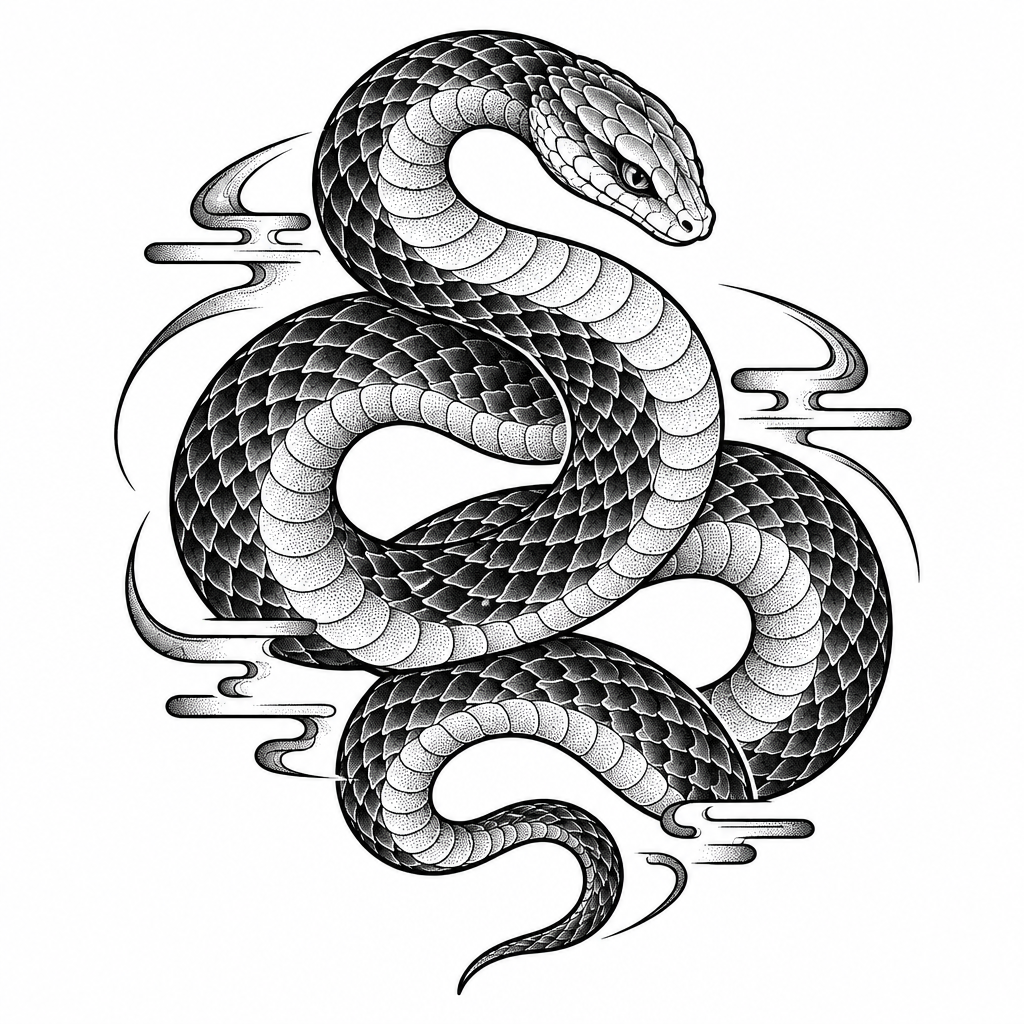
Related placements
Finger tattoo FAQ
- How bad is the pain of a Finger tattoo?
- Finger tattoos tend to feel high on the pain scale, around a 4 out of 5, because the skin is thin and stretched over bone with no cushioning, especially near the knuckle. The very small area means it is over fast. Pain varies by person, so take this as general guidance.
- Why does a Finger tattoo take longer to heal?
- Fingers usually close up in about 2 to 3 weeks, though constant washing and bending make them one of the trickier spots to heal cleanly. Keep them moisturized and avoid soaking the area. This is general aftercare guidance and not medical advice.
- What size suits a Finger tattoo?
- Only small designs fit a finger — a slim line, a tiny symbol, short lettering, or a minimal shape. Anything detailed will spread and lose definition, so keeping it simple and a little spaced out is the smart approach.
- Which styles hold up on the Finger?
- Minimalist, Fine Line, Lettering, and small Blackwork pieces work best on fingers. Bold, simple forms hold their shape longest, while delicate Fine Line looks lovely but softens first and needs upkeep.
- How noticeable is a Finger tattoo?
- Fingers are highly visible — they sit right where people look while you talk, type, and gesture, so there is no concealing the tattoo in daily life. That constant presence is part of the draw for many people.
- Does a Finger tattoo work as a first tattoo?
- A finger can be a first tattoo, but go in clear-eyed: it is small, it hurts in short bursts, and it fades faster than anywhere else, so touch-ups are likely. If you want something low-maintenance to start, a different spot may serve you better.