Tattoo Placement
Knuckle Tattoos
A practical guide to Knuckle tattoos: how the spot wears a design, what sizes fit, how much it hurts, how long it heals, the styles that flatter it and real community designs.
About Knuckle tattoos
The knuckle is the most extreme tattoo canvas on the hand. Here the skin sits directly over the knuckle bone and the joint itself, with the surface stretching and folding every single time you make a fist or grab something. There is no padding and no stillness — the spot is in motion all day. That is the whole identity of the classic knuckle tattoo: the single letter per knuckle spelling a short word across one or both hands, a look with deep roots in traditional tattoo culture. It is unapologetically bold and unapologetically visible, sitting front and center on the most expressive part of the hand. People who choose it usually want exactly that loud, hard-edged statement. Because the joint flexes constantly and the skin is so taut over bone, only the simplest, boldest designs survive here, which is why knuckle work tends toward stark letters and heavy, graphic shapes rather than anything subtle.
Knuckle at a glance
| Sizes that fit | Small |
|---|---|
| Pain level | Very high |
| Healing time | 2–3 weeks |
| Visibility | Highly visible |
This is a highly visible spot — consider workplace, social and permanence factors before committing.
Pain and healing vary by person — this is general guidance, not medical advice.
Size and pain for Knuckle tattoos
Knuckles are strictly small-design territory — typically one bold character or a single compact graphic element per knuckle, nothing more. The space is tiny and the constant flexing punishes detail. Pain is very high, a genuine 5 out of 5, and it earns that rating: the needle works skin pulled tight over bone and a moving joint, with no fat or muscle to absorb anything. The sensation is sharp, rattling, and hard to ignore, and the joint location makes it one of the most intense spots on the entire body. The saving grace is that each knuckle is small, so any single one is over fast — though a full set of letters across the hand adds up. Keep expectations honest: this is a placement people remember sitting through.
Healing a Knuckle tattoo
Figure on about 2 to 3 weeks for the surface to settle, but the knuckle fights you the whole way. The joint bends constantly, cracking the healing skin open at exactly the line where the ink sits, and your hands stay in heavy daily use the entire time. Of all hand placements, knuckles are the most brutal for fading precisely because the flexing joint works ink out of the skin. Touch-ups are essentially part of the deal, often more than once. Keep the area moisturized so the skin stays supple instead of cracking, avoid heavy gripping early on, and accept that bold simple designs are what make the inevitable fading survivable.
Styles that suit the Knuckle
Knuckles demand bold and simple, full stop. Lettering is the signature choice — one strong character per knuckle — and it works because thick, well-spaced letters stay readable even as edges soften. Blackwork suits the spot for the same reason: solid black shapes resist the fading that thin lines cannot. Traditional designs, built on heavy outlines and graphic clarity, hold up well in these tiny high-motion windows. Dotwork can work for small symbols if the dots are bold and not too fine. Across all of them, the rule is the same: no delicate detail, just strong, legible forms that can take the wear.
AI prompt ideas for Knuckle tattoos
- “Lettering tattoo with one bold uppercase letter on each knuckle spelling a short word across the hand, heavy serif characters, high contrast”
- “Blackwork small solid symbol tattoo on a single knuckle, thick black fill, simple graphic shape, strong silhouette”
- “Traditional tattoo of a tiny star on the knuckle, bold black outline, classic graphic styling, minimal detail”
- “Dotwork small geometric mark tattoo on the knuckle, bold stippled dots forming a simple shape, clean spacing”
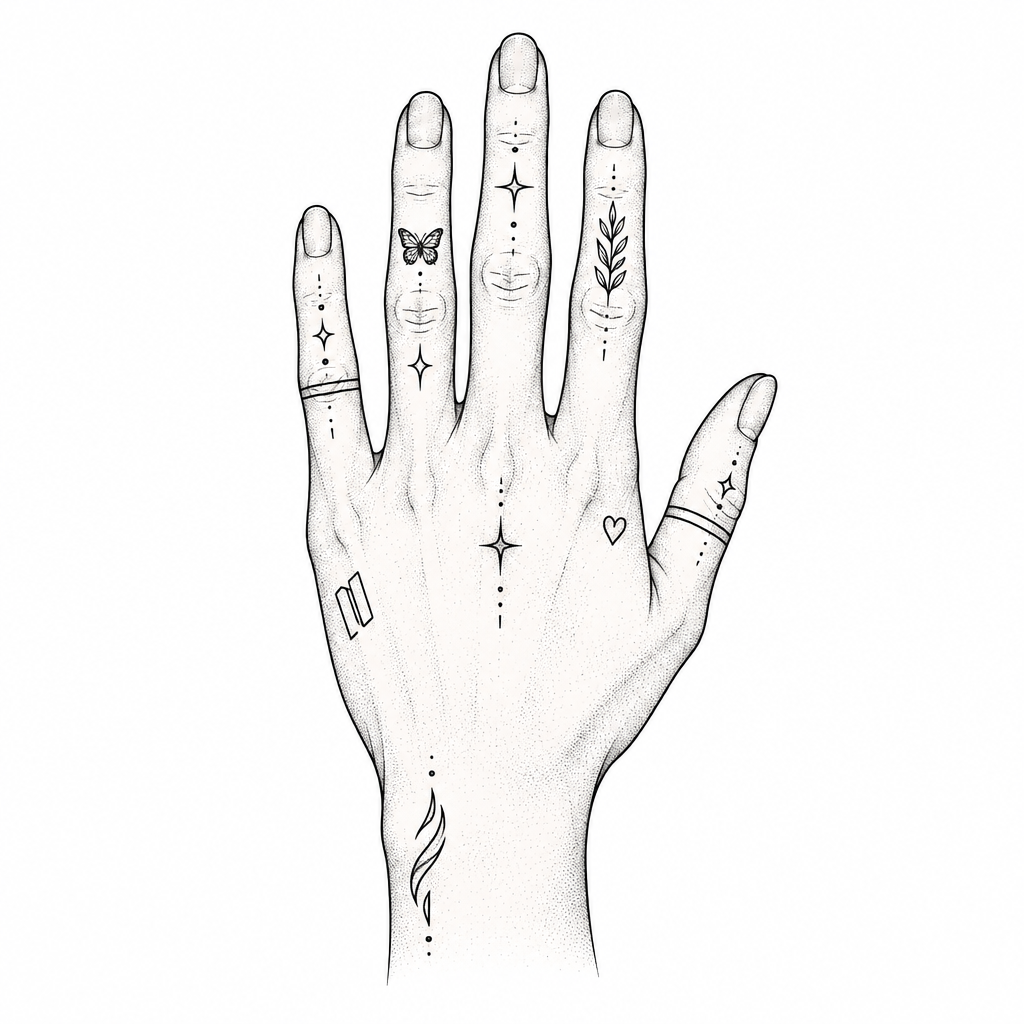
Knuckle tattoo designs from the community
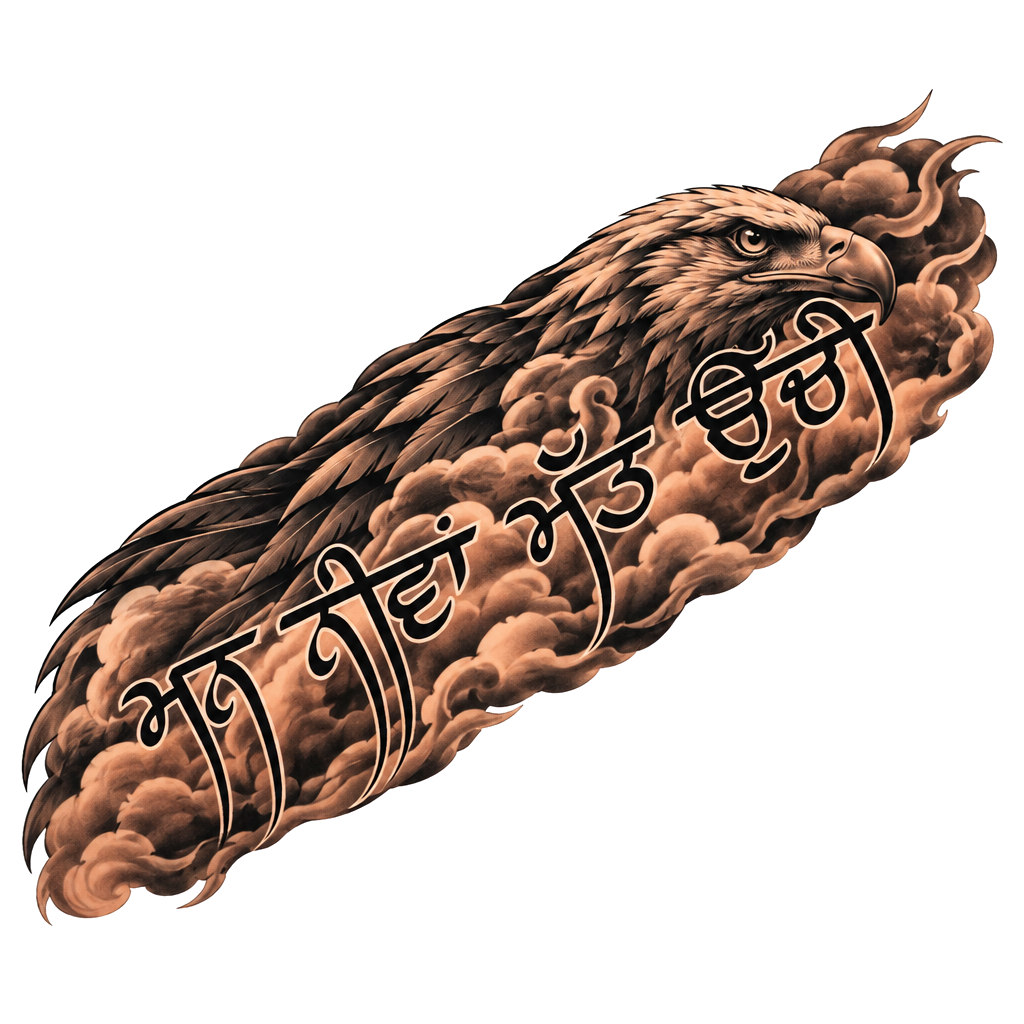
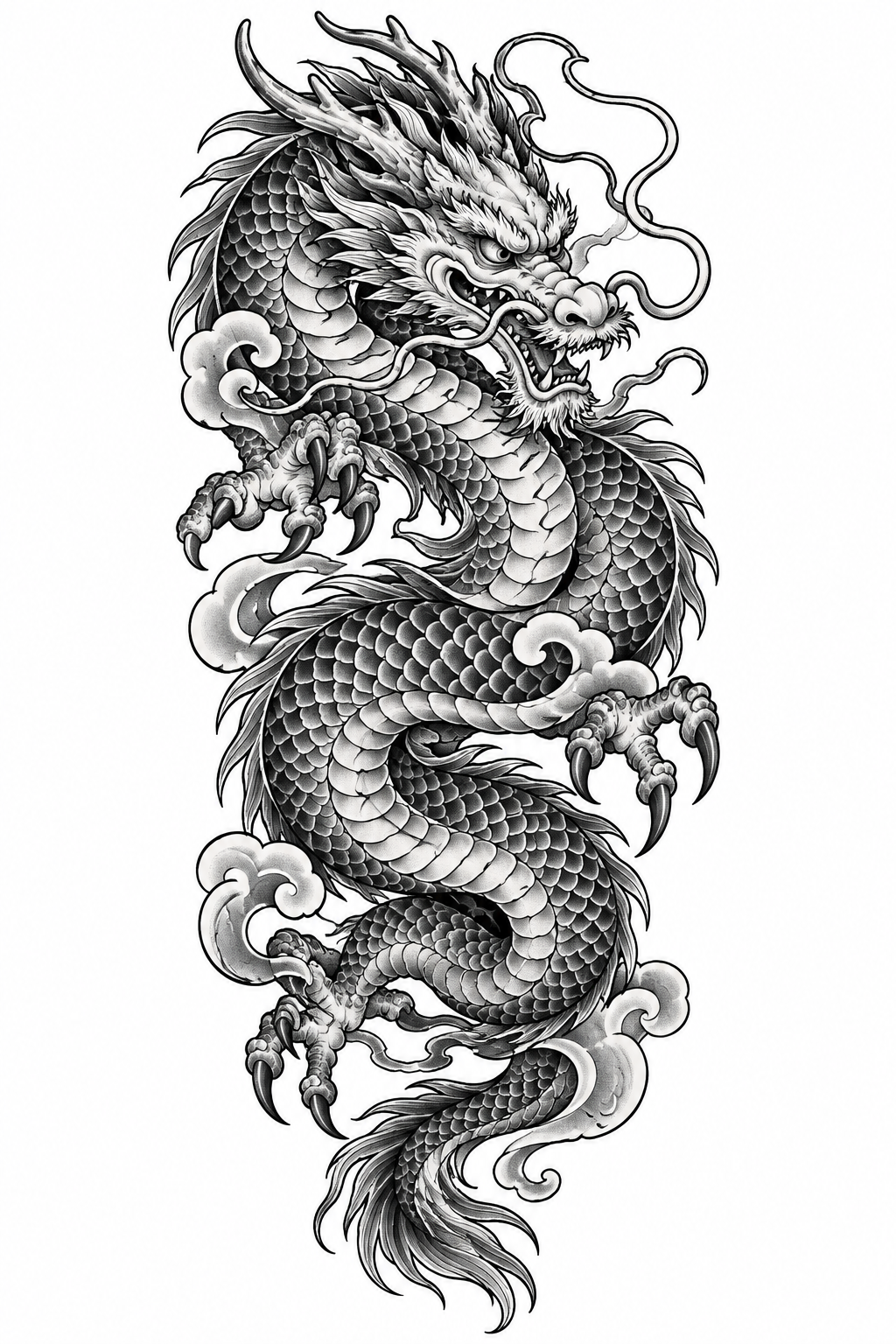
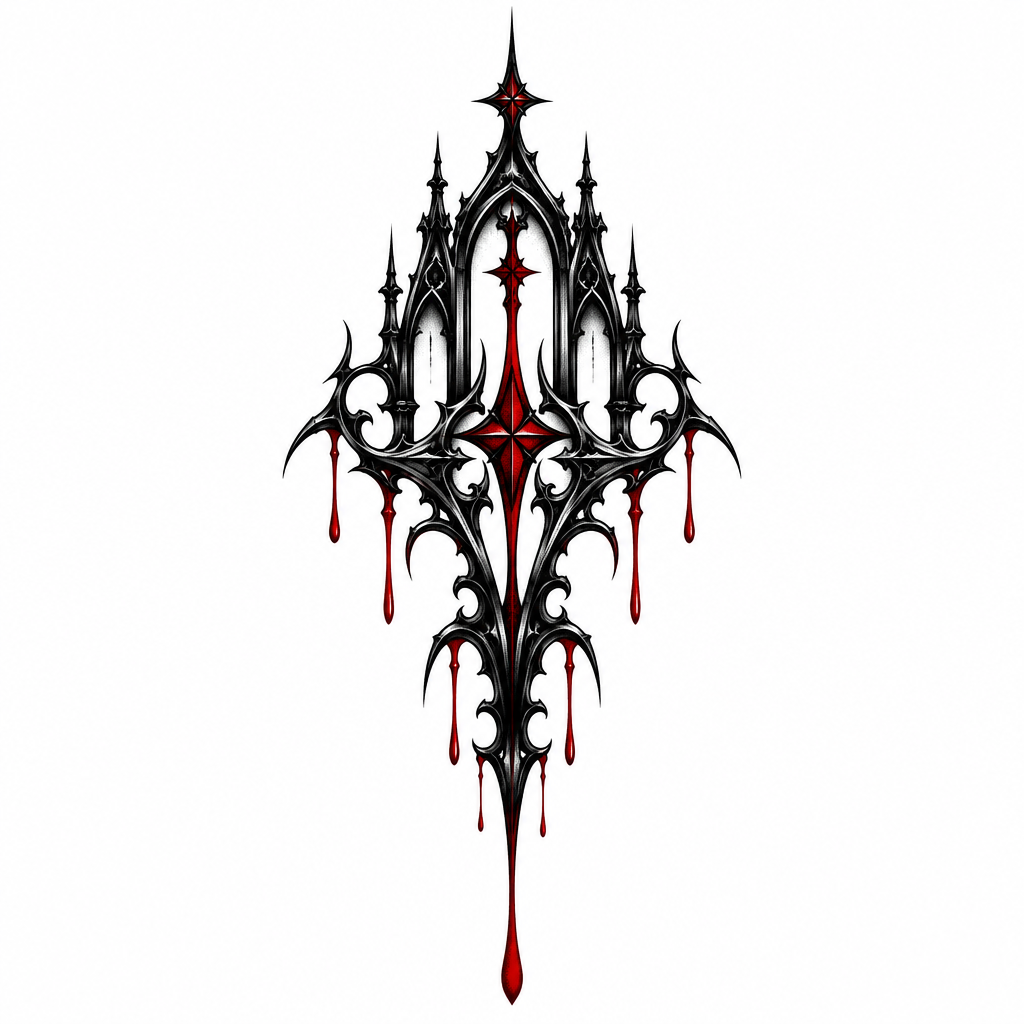
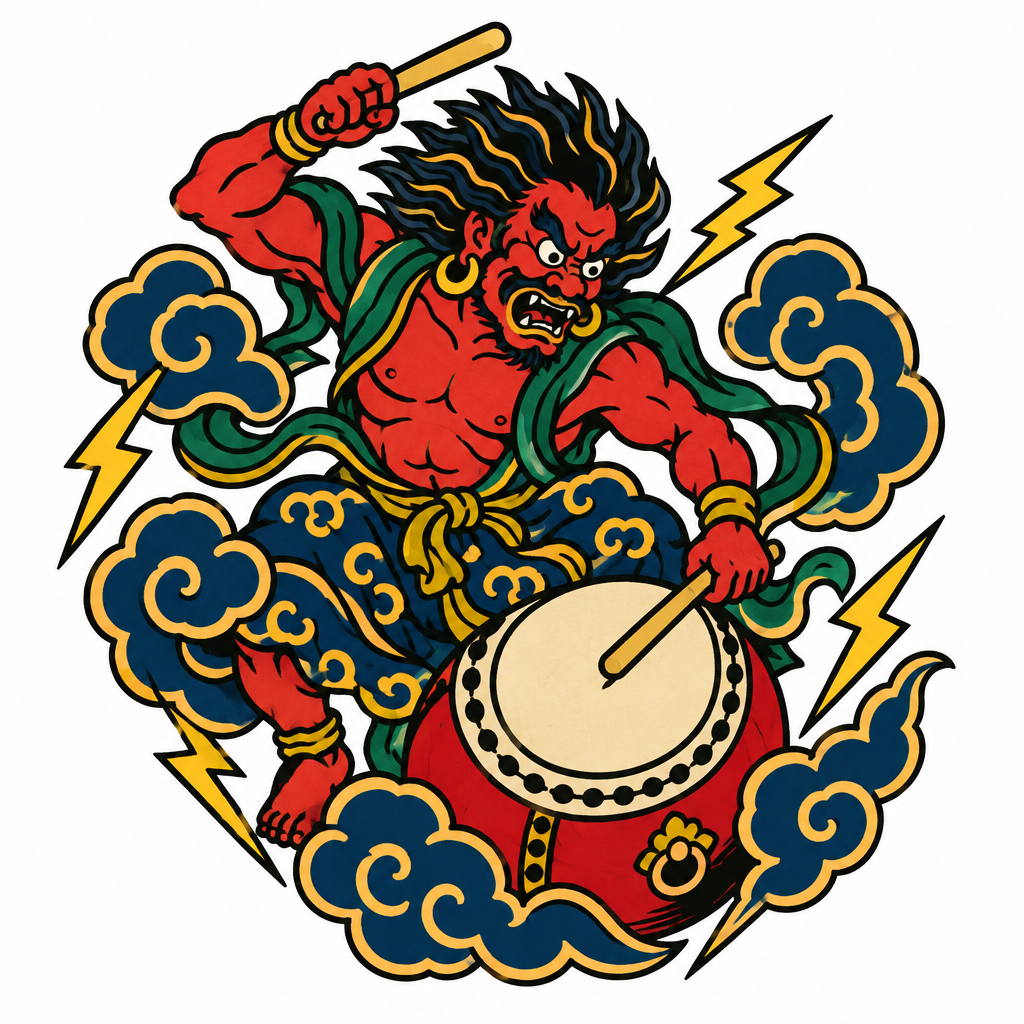
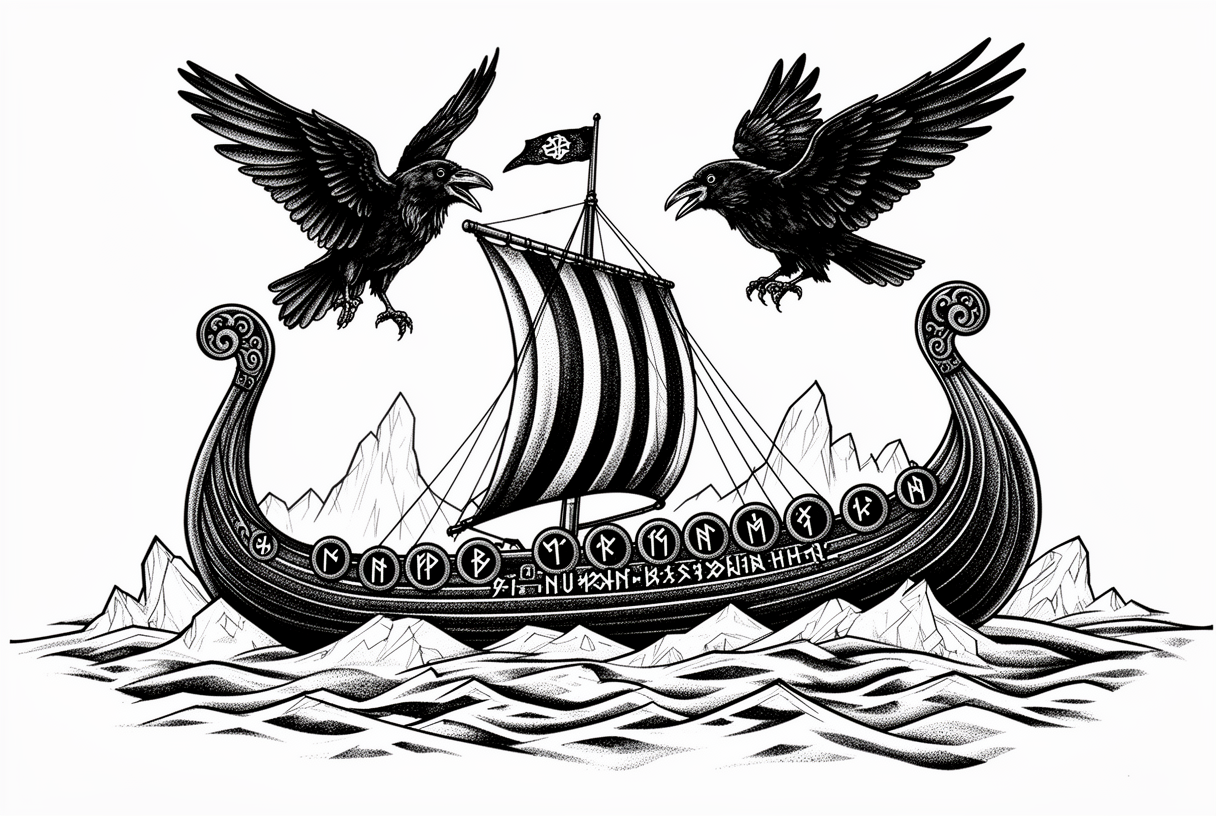
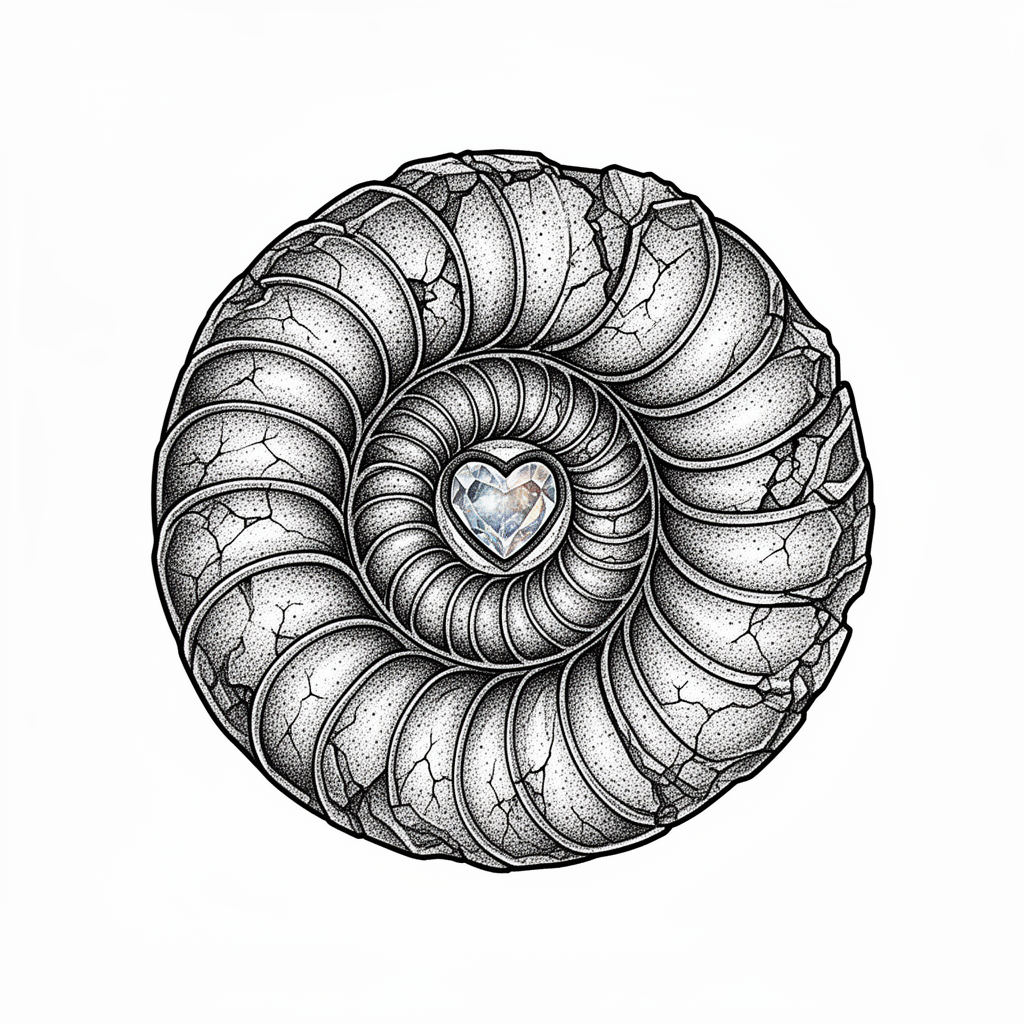
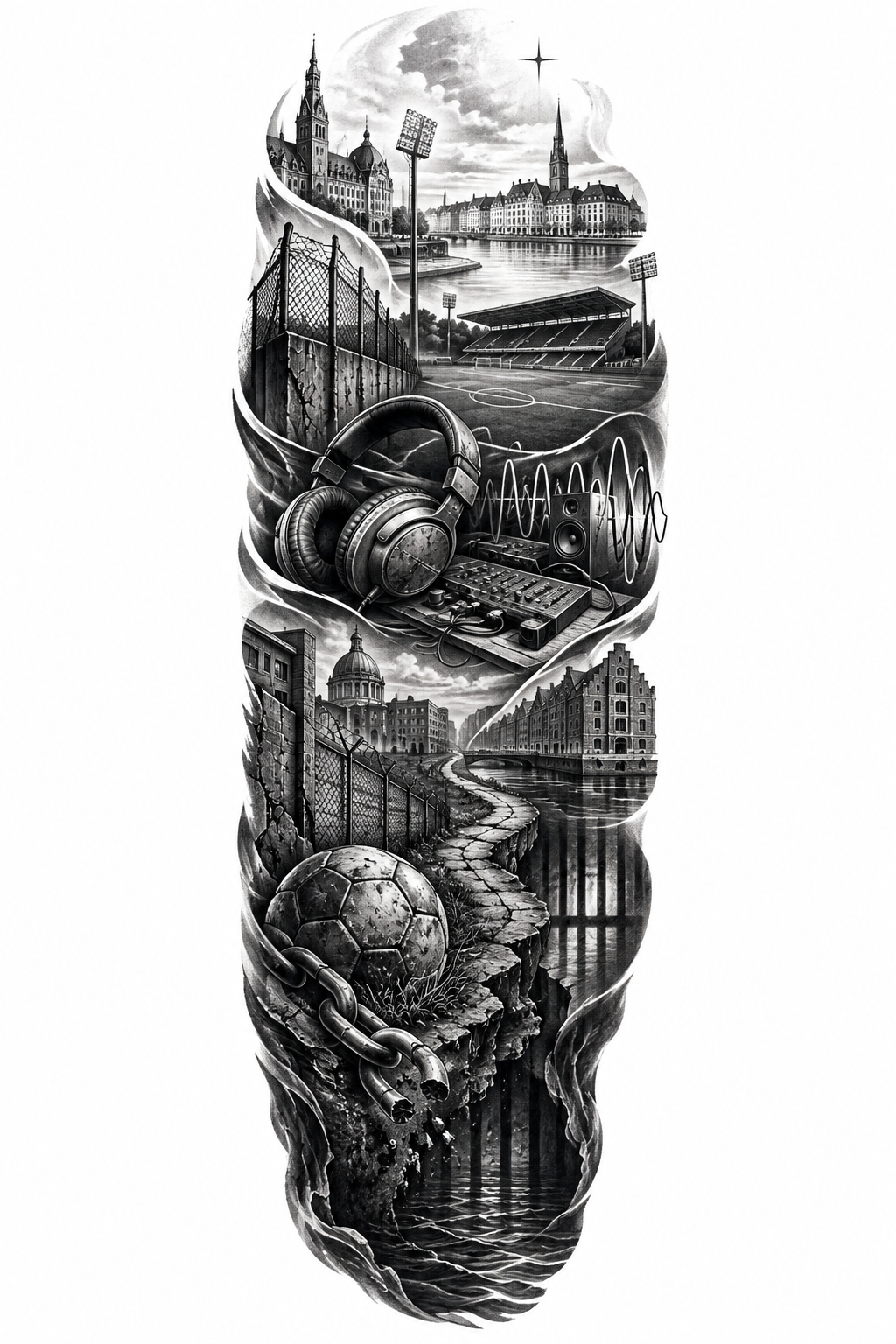
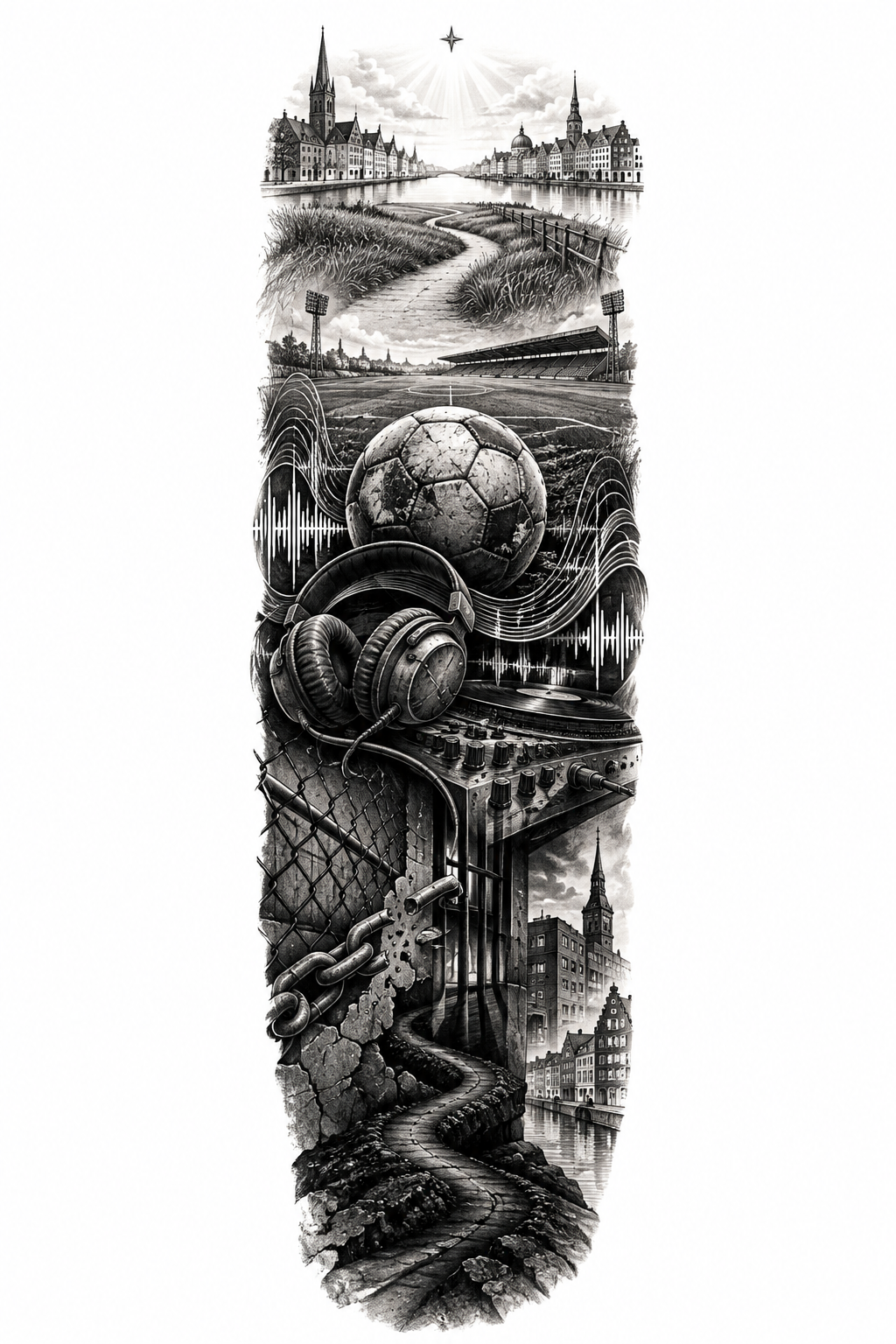
Related placements
Knuckle tattoo FAQ
- How bad is the pain of a Knuckle tattoo?
- Knuckle tattoos are about as intense as it gets, a 5 out of 5, because the skin sits directly over bone and a moving joint with zero cushioning. Each knuckle is small so any one is quick, but the sensation is sharp and memorable. Pain varies by person, so consider this general guidance.
- Why does a Knuckle tattoo take longer to heal?
- Knuckles generally take around 2 to 3 weeks to close, but the constantly bending joint cracks the healing skin and slows things down. Keep the area well moisturized and limit heavy gripping early on. This is general aftercare guidance rather than medical advice.
- What size suits a Knuckle tattoo?
- Only small, bold designs fit a knuckle — usually a single letter or one compact graphic element per joint. The space is tiny and the flexing punishes detail, so simplicity is not optional here.
- Which styles hold up on the Knuckle?
- Lettering, Blackwork, Traditional, and bold Dotwork suit knuckles best. Thick letters and solid shapes stay legible as they soften, while anything fine or delicate will not survive the constant joint motion.
- How noticeable is a Knuckle tattoo?
- Knuckles are highly visible, sitting on the most expressive part of the hand where every gesture shows them off. The classic single-letter-per-knuckle word tattoo leans into that boldness rather than hiding it.
- Does a Knuckle tattoo work as a first tattoo?
- Knuckles are a demanding first tattoo — they are among the most painful spots and fade the hardest of any hand placement, so touch-ups are expected. If it is your first piece, talk with your artist about whether you are ready for that level of intensity and upkeep.