Tattoo Style
Traditional Tattoos
A practical guide to Traditional tattoos: where the style comes from, what makes it recognisable, prompt ideas, real community examples, and answers to the questions people ask before they commit.
Traditional tattoos at a glance
- Colour
- Full colour
- Line weight
- Bold
- Skill level
- Beginner-friendly
- Best placement
- Medium, flatter areas
The history of Traditional tattoos
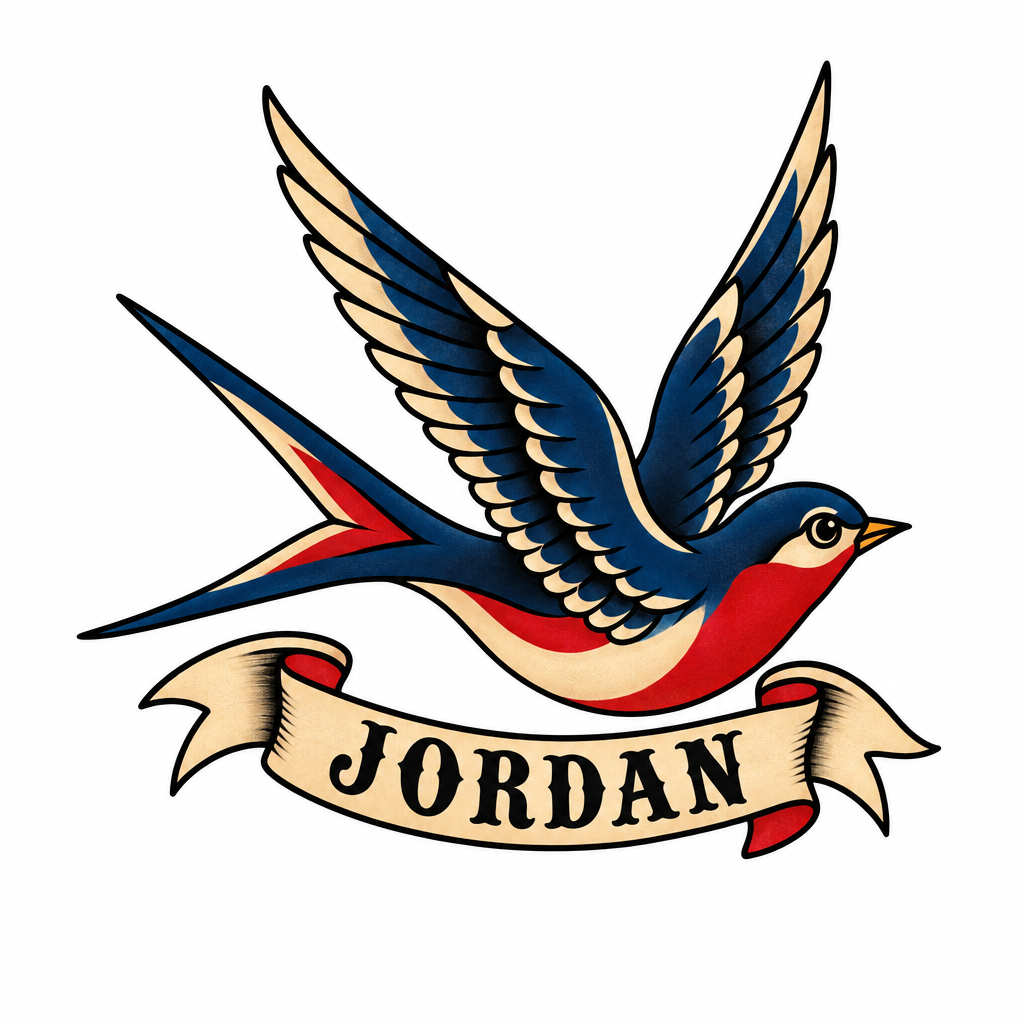
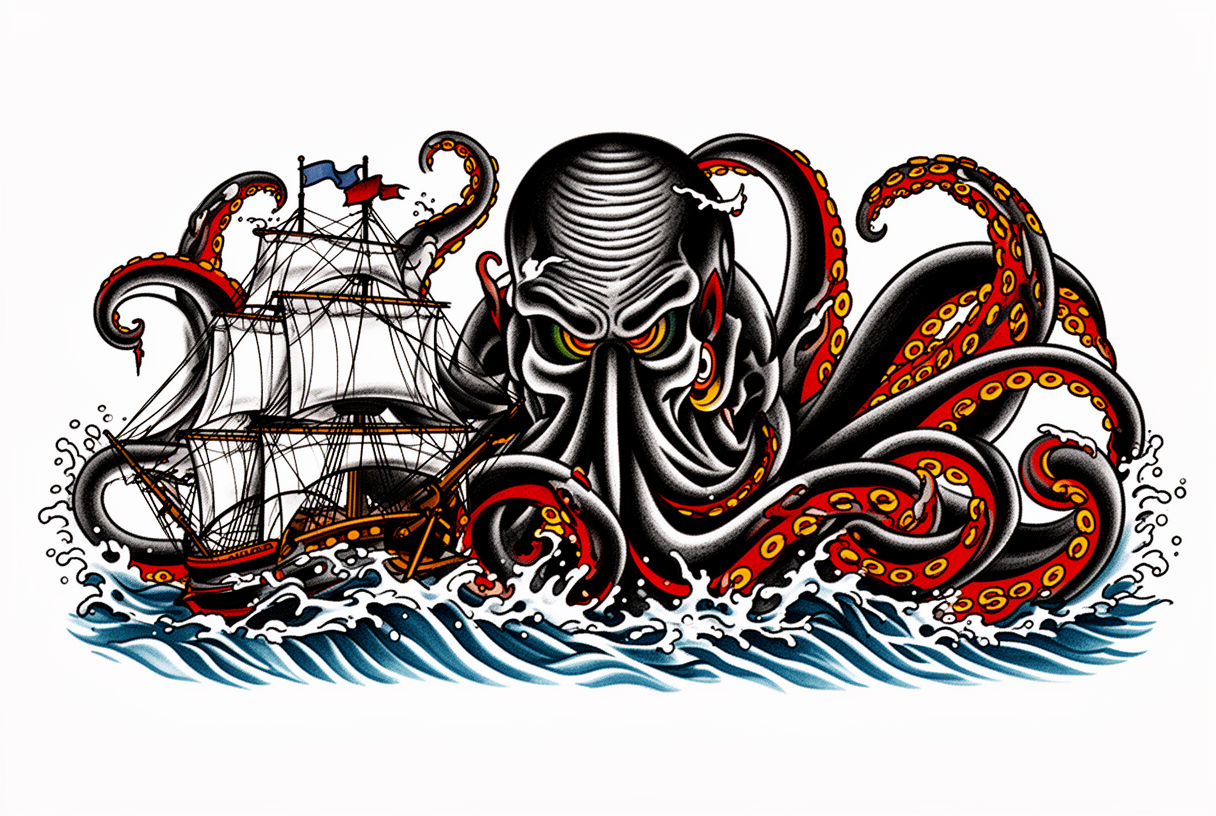
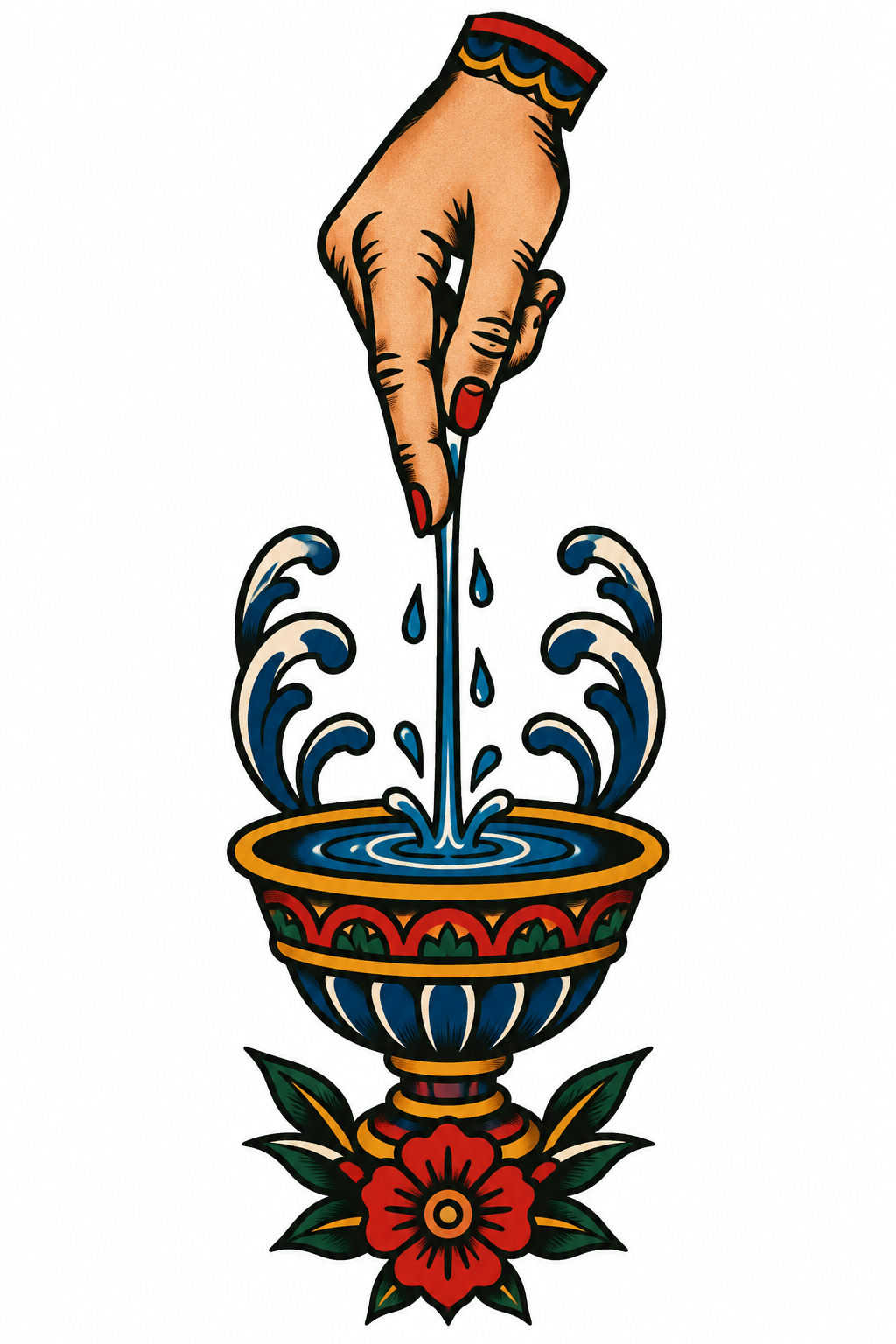
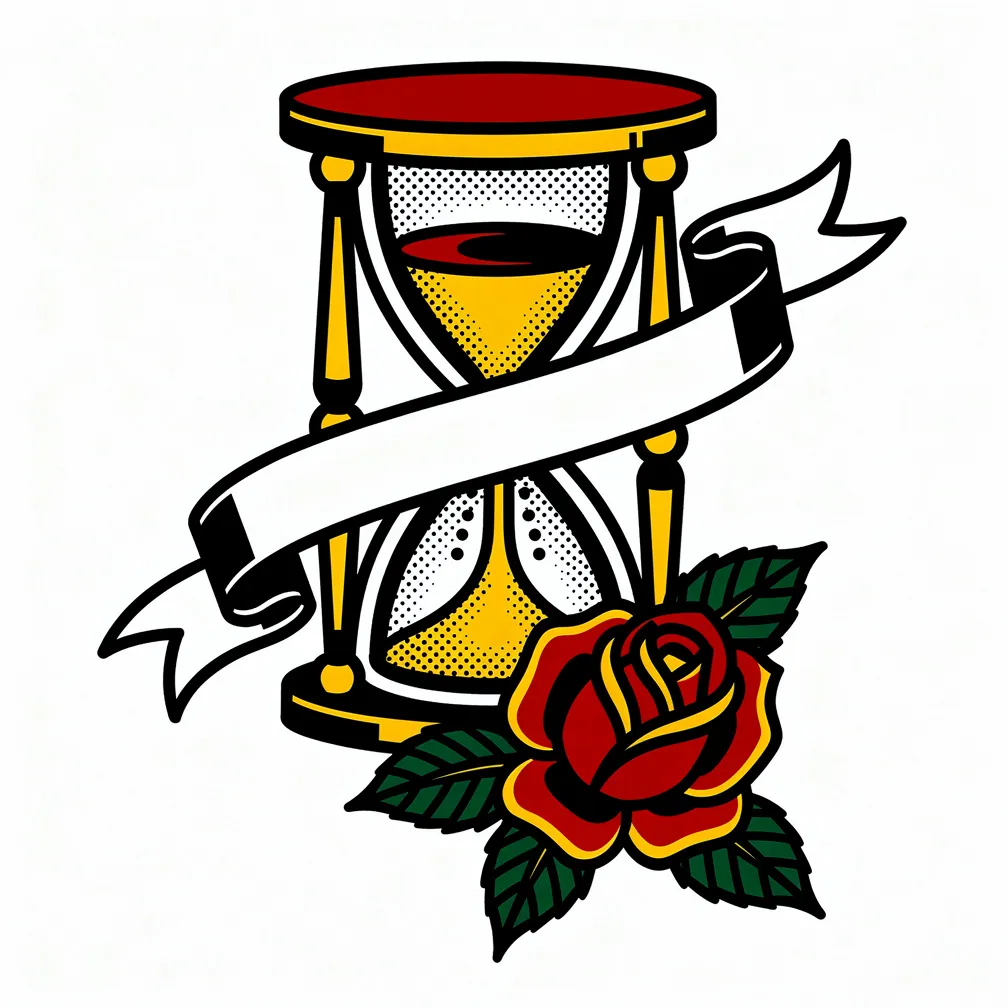
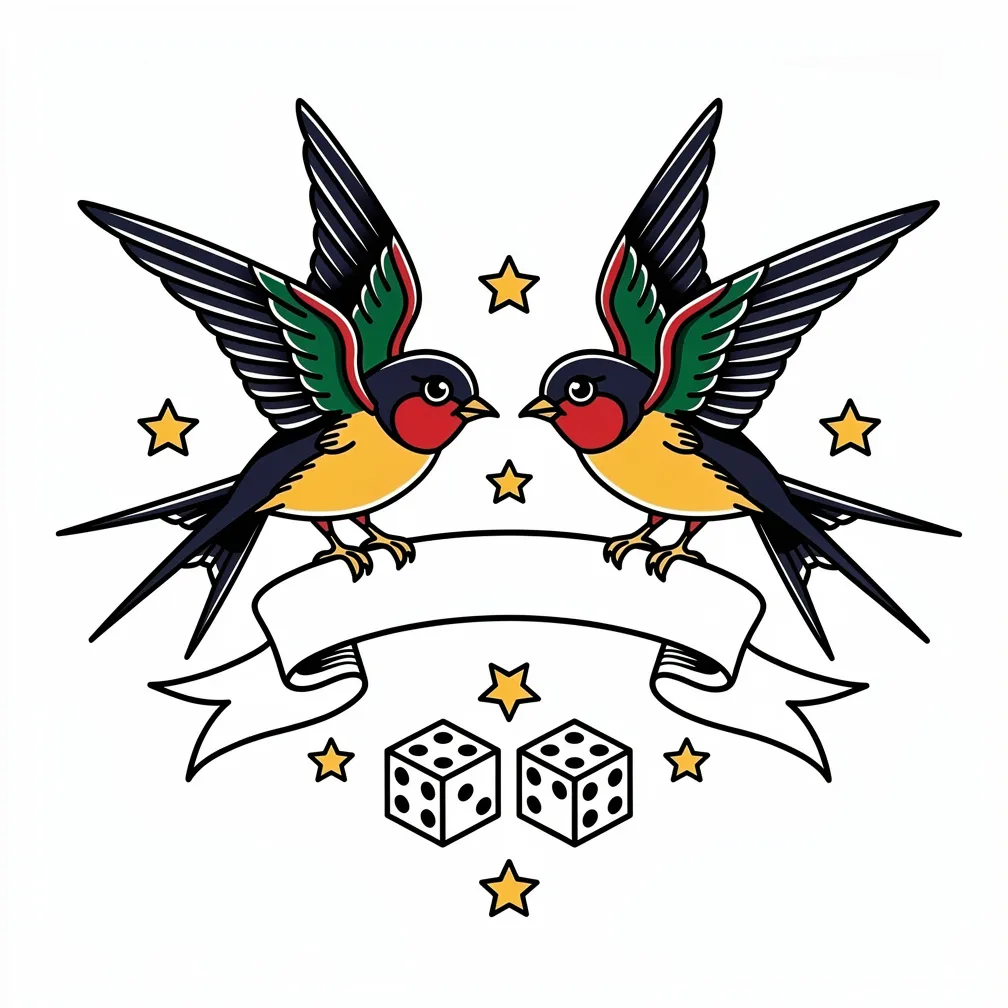
Traditional tattooing — often called American Traditional or old-school — is the bedrock of Western tattoo culture. It is built on a deliberately limited toolkit: thick, even black outlines, a tight palette of red, green, yellow and a little blue, and almost no shading beyond solid fills and simple highlights. That restraint is not a limitation; it is the point. A Traditional piece is designed to read clearly from across a room and to still look sharp decades later, after the inevitable softening that every tattoo goes through. The visual language is iconic and instantly legible: swallows, anchors, roses, daggers, hearts, panthers, ships and banners carrying a short phrase. Each motif carries inherited meaning from sailors, soldiers and dockside shops, but the style has long outgrown that origin and now reads simply as confident, timeless body art. Because the rules are so well understood, Traditional ages more gracefully than almost any other style, which is exactly why it endures.
Where Traditional comes from
The style crystallised in the early-to-mid twentieth century in busy port-city shops, where artists worked fast, worked bold, and learned what survived years of sun and skin. Norman Collins, working under the name Sailor Jerry, is the figure most associated with codifying its grammar, drawing on both American maritime imagery and a fascination with Japanese composition. What emerged was a portable, repeatable canon that travelled the world with the people who wore it. Today Traditional is studied as a craft discipline in its own right: the rules are public domain, the motifs are folk heritage, and every modern shop still teaches its fundamentals.
AI prompt ideas for Traditional tattoos
- “An old-school swallow with a banner reading HOME, bold black outline, classic red and green, solid fills”
- “A traditional dagger through a red rose, heavy linework, limited palette, high contrast”
- “A panther head crawling down the forearm, American Traditional, bold and graphic”
- “A clipper ship on stormy waves inside a circular frame, classic flash sheet styling”
Traditional designs from the community







Related tattoo styles
Traditional tattoo FAQ
- What makes a Traditional tattoo recognisable?
- Thick black outlines, a small palette of saturated colours, minimal shading and a fixed vocabulary of motifs like swallows, roses and daggers. The look is graphic, flat and built to stay readable for life.
- Why does Traditional age so well?
- Bold lines and solid colour fade more gracefully than fine detail. The style was refined in an era before laser touch-ups, so longevity was designed in from the start — a piece still looks intentional decades later.
- What are the best body placements for Traditional tattoos?
- Anywhere with room for a clean silhouette: forearms, biceps, calves and chest are classics. The style scales down better than most because its shapes are simple and high-contrast.
- Are Traditional tattoos painful to get?
- Pain depends far more on placement than style, but solid black fills mean more passes over the same area, so larger filled pieces can feel more intense than a light linework design of the same size.
- Is Traditional a good choice for a first tattoo?
- Yes. It is one of the safest first tattoos precisely because it is predictable: you can see exactly how it will age, the motifs are well understood, and almost every artist can execute it confidently.
- What should I write to generate a Traditional tattoo?
- Name a classic motif, then add the words bold outline, limited palette and solid fills. Avoid asking for soft gradients or photorealism — those fight the style instead of supporting it.