Tattoo Placement
Foot Tattoos
A practical guide to Foot tattoos: how the spot wears a design, what sizes fit, how much it hurts, how long it heals, the styles that flatter it and real community designs.
About Foot tattoos
The top of the foot offers a long, slightly curved canvas where thin skin lies over a fan of bones and tendons. It is a delicate surface — you can often feel the structure right under the ink — which lends itself to graceful, flowing designs that trace toward the toes or wrap toward the ankle. A foot tattoo has a quieter kind of visibility than a hand: barefoot or in sandals it is on full show, but tucked into shoes it disappears entirely, which makes it a favorite for people who want art they can reveal or hide depending on the day. The side of the foot adds another option for slim vertical pieces or small lettering. People drawn to this spot tend to like its mix of elegance and discretion, and the way a design seems to drape over the natural lines of the foot. The trade-off is that footwear is always part of the equation, both for healing and for everyday wear.
Foot at a glance
| Sizes that fit | Small, Medium |
|---|---|
| Pain level | High |
| Healing time | 3–5 weeks |
| Visibility | Sometimes visible |
Pain and healing vary by person — this is general guidance, not medical advice.
Size and pain for Foot tattoos
Feet take small to medium designs comfortably — an elegant piece flowing across the top, a slim band along the side, or a contained motif that follows the bone lines. The shape favors designs that are longer than they are wide. Pain is high, roughly a 4 out of 5, because the skin is thin and sits directly over bones and tendons with almost no fat to soften the needle. The areas right over the bones and near the ankle tend to feel the sharpest, while the slightly fleshier zones are more forgiving. It is a noticeable, sometimes intense sensation, but the manageable size of most foot pieces keeps sessions from dragging. As with other bony spots, simpler designs tend to age better than crowded detail.
Healing a Foot tattoo
Give the foot a solid 3 to 5 weeks, a bit longer than many placements, largely because of one stubborn factor: shoes. Footwear rubs directly against a healing tattoo on the top of the foot, and that friction can pull at scabs, irritate the skin, and fade ink before it has properly set. Going barefoot or in loose, open footwear during early healing makes a real difference, but that is not always practical. Keep the area clean and moisturized, avoid tight shoes and long walks early on, and protect it from grit. Because of the shoe friction and the thin skin, foot tattoos can heal unevenly and may need a touch-up, so patience and good aftercare pay off here.
Styles that suit the Foot
Flowing, elegant styles suit the foot's long lines beautifully. Fine Line work drapes gracefully across the top and looks especially at home tracing toward the toes, lending a delicate, jewelry-like feel. Minimalist designs flatter the spot too, since clean simple shapes complement its slender shape and age more gracefully on thin skin. Traditional pieces hold up well thanks to bold outlines that resist the fading shoe friction causes, and Ornamental patterns can follow the bone lines for a decorative drape. Whichever style you pick, designs that move with the natural contours of the foot tend to look the most natural.
AI prompt ideas for Foot tattoos
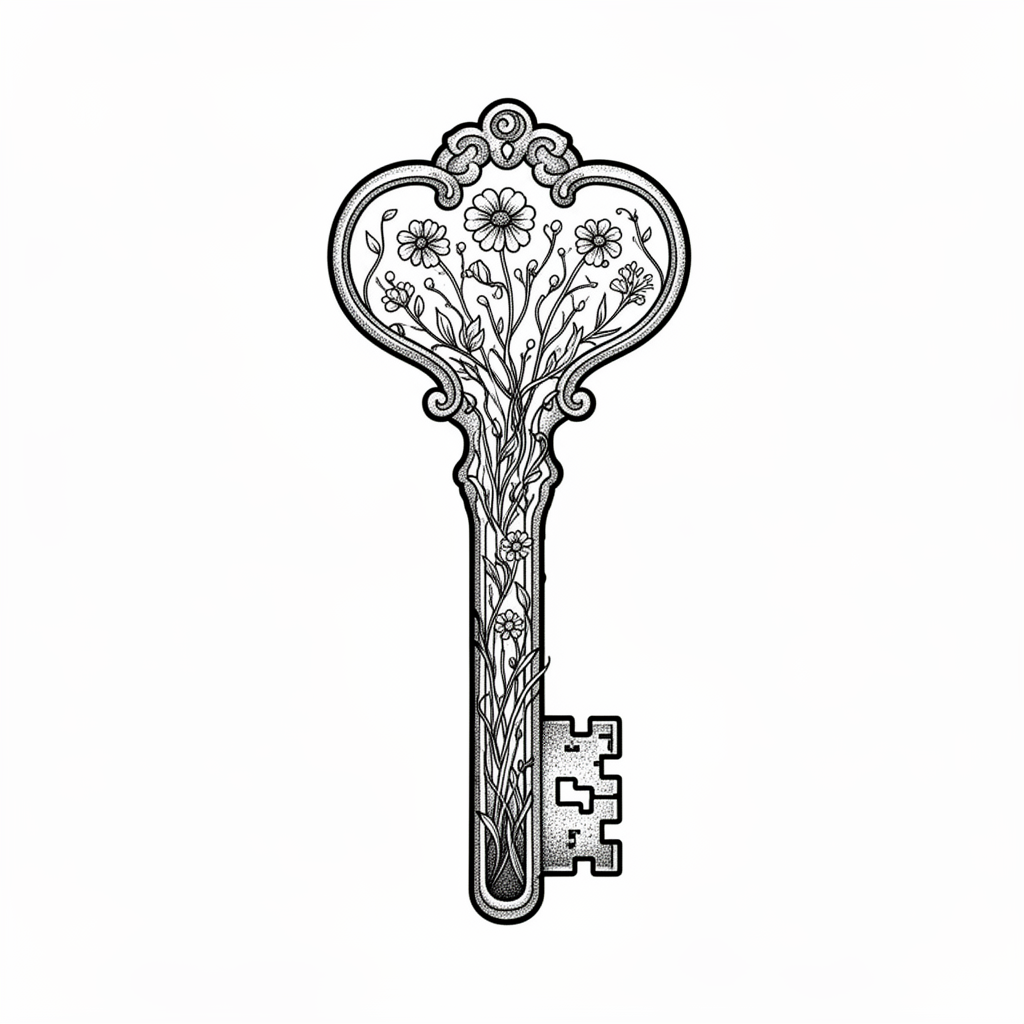
- “Fine Line floral vine tattoo flowing across the top of the foot toward the toes, delicate single-needle linework, elegant drape”
- “Minimalist small geometric tattoo on the side of the foot, clean simple shape, lots of negative space”
- “Traditional tattoo of a small rose on the top of the foot, bold black outline, classic limited color palette”
- “Ornamental lace-pattern tattoo following the bone lines on the top of the foot, symmetrical detailing, decorative styling”
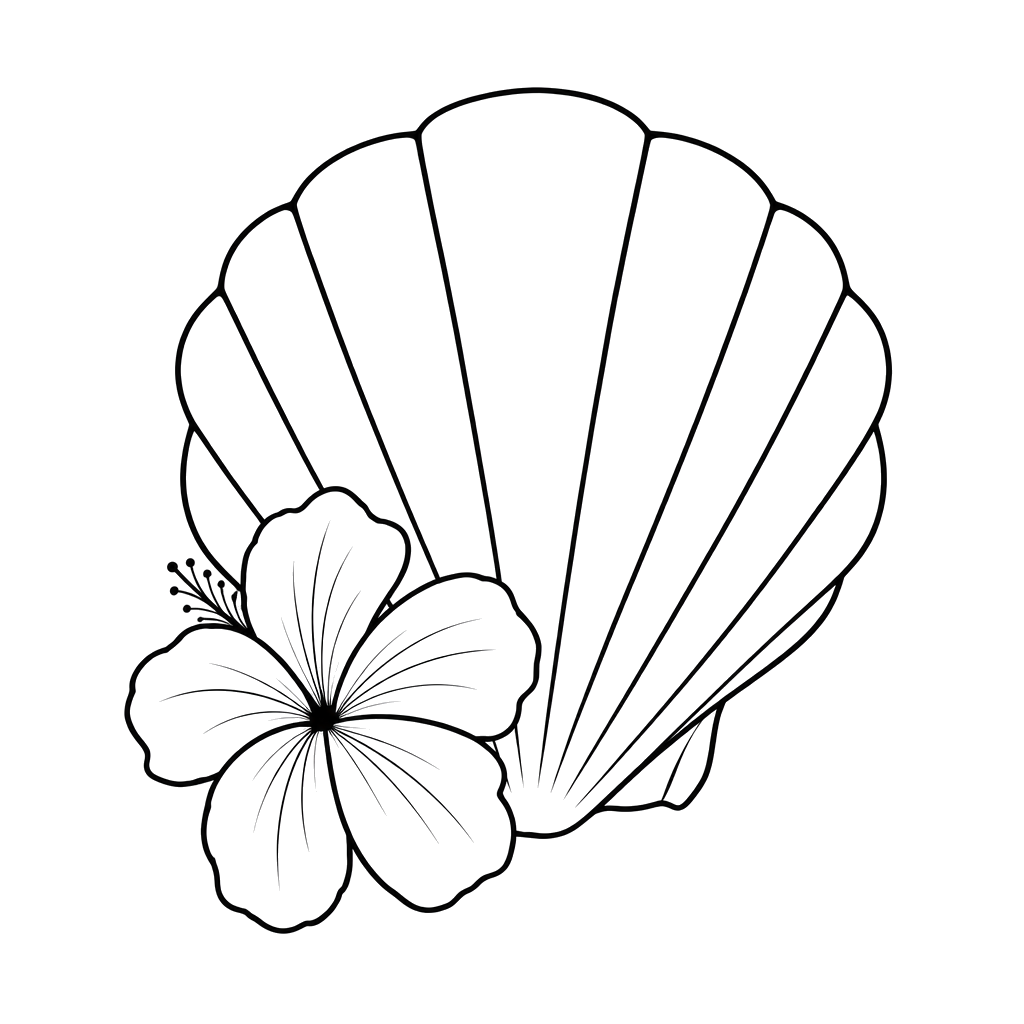
Foot tattoo designs from the community
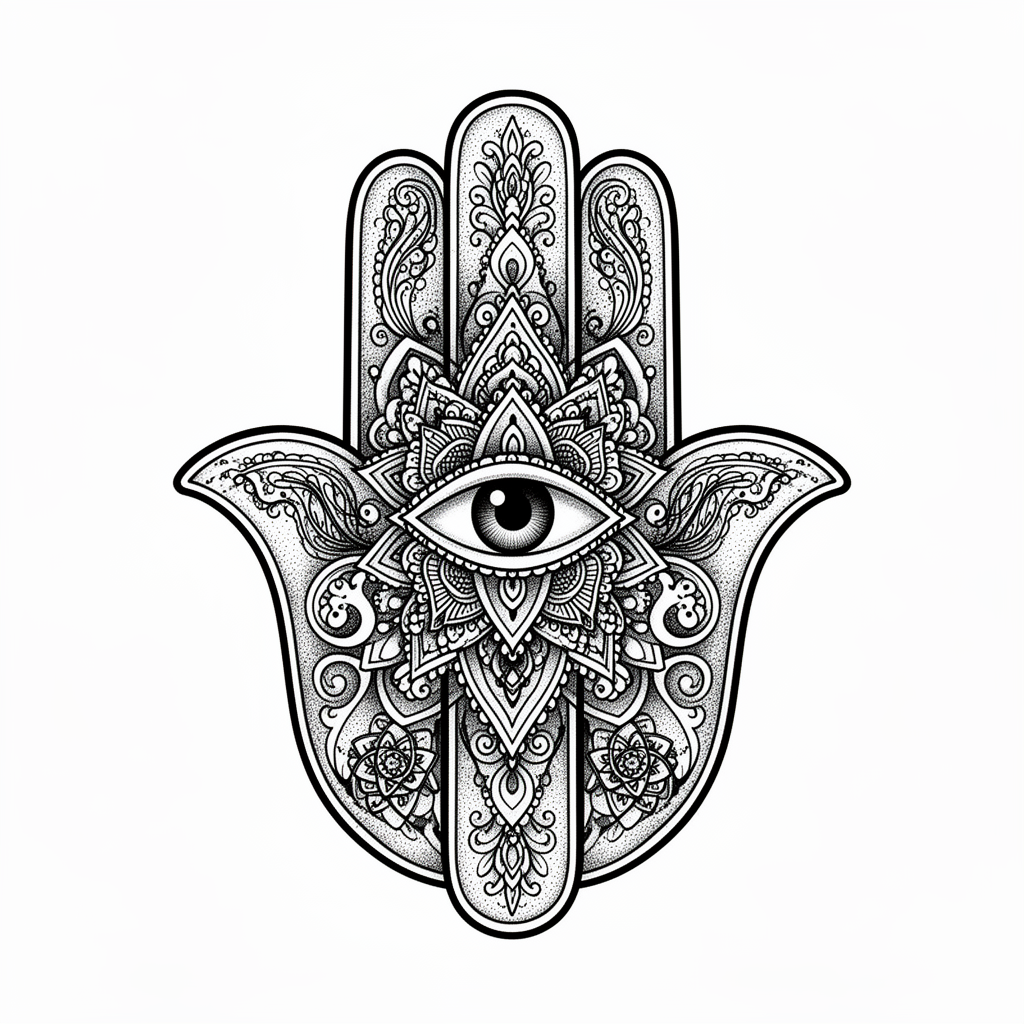

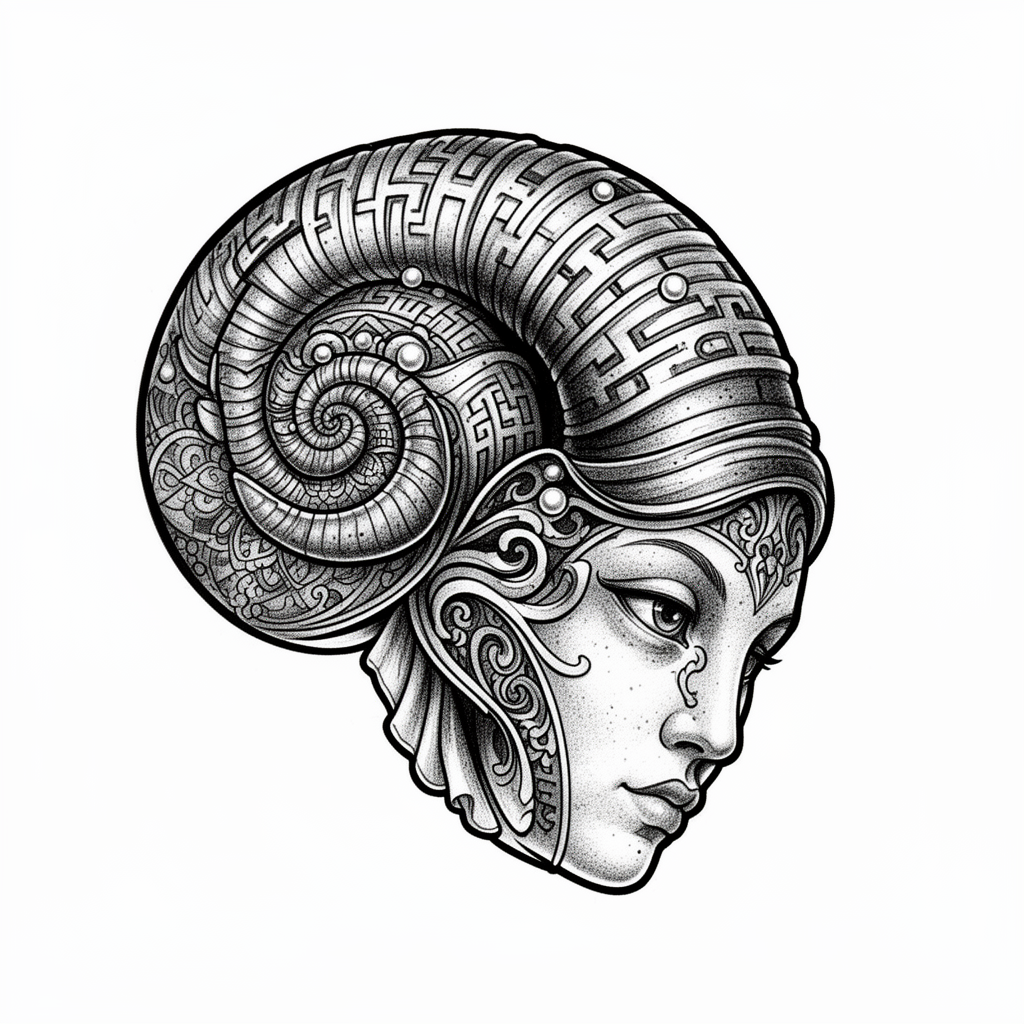
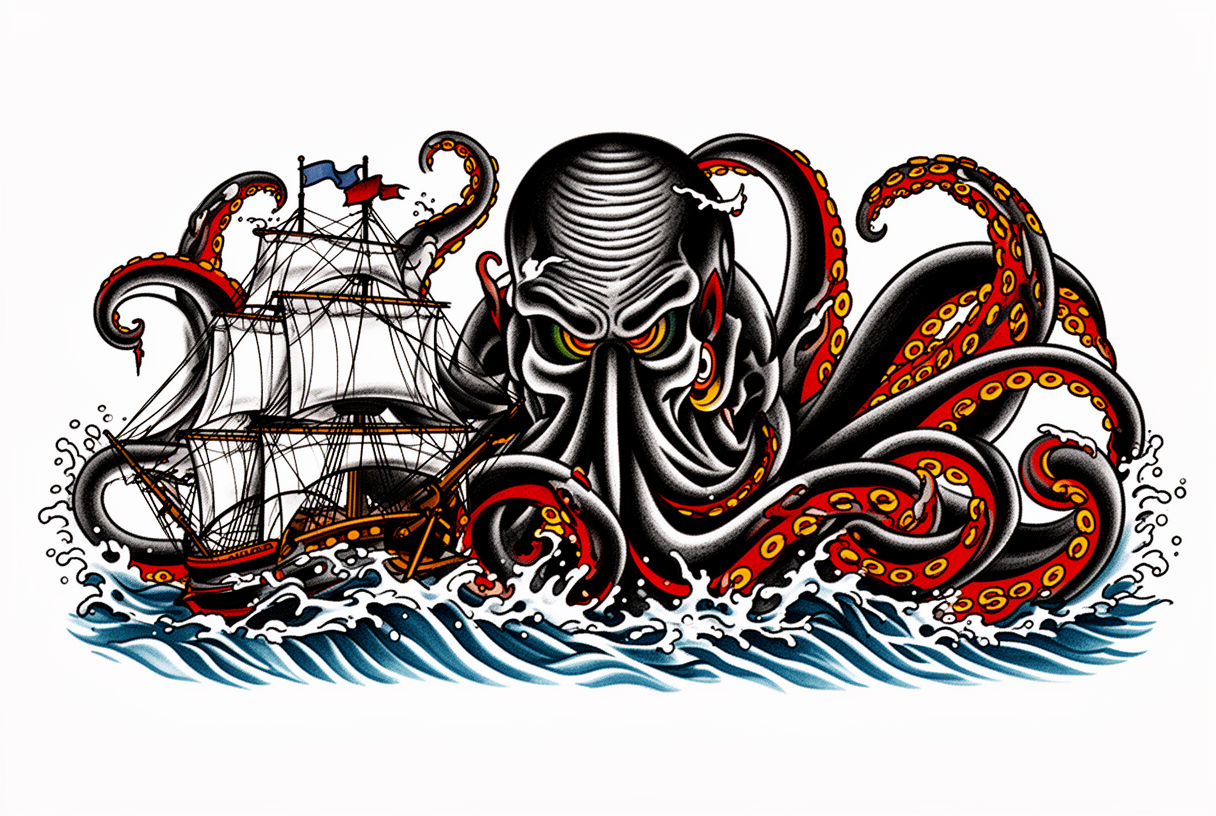




Related placements
Foot tattoo FAQ
- How bad is the pain of a Foot tattoo?
- Foot tattoos generally land high on the pain scale, around a 4 out of 5, because the skin is thin and sits over bones and tendons with little padding. Spots directly over bone feel sharper than the fleshier areas. Pain differs from person to person, so treat this as general guidance.
- Why does a Foot tattoo take longer to heal?
- Feet typically take about 3 to 5 weeks to heal, a little longer than many spots because shoes rub against the fresh tattoo. Going barefoot or wearing loose, open footwear early on helps a lot. This is general aftercare guidance, not medical advice.
- What size suits a Foot tattoo?
- Feet suit small to medium designs that follow the long shape of the top or side, like a flowing piece toward the toes or a slim band along the edge. Designs longer than they are wide tend to fit the contour best.
- Which styles hold up on the Foot?
- Fine Line, Minimalist, Traditional, and Ornamental styles flatter the foot. Flowing delicate work drapes naturally across the top, while bold outlines hold up better against the fading that shoe friction can cause.
- How noticeable is a Foot tattoo?
- The foot is sometimes visible — fully on show in sandals or barefoot, and completely hidden inside shoes. That flexibility makes it appealing for people who want a tattoo they can reveal or conceal depending on the occasion.
- Does a Foot tattoo work as a first tattoo?
- A foot can work as a first tattoo if you are prepared for a longer, shoe-complicated healing and a fairly sharp sensation over the bones. Plan for loose footwear during recovery and be patient, since the spot can heal unevenly and may want a touch-up.