Tattoo Placement
Calf Tattoos
A practical guide to Calf tattoos: how the spot wears a design, what sizes fit, how much it hurts, how long it heals, the styles that flatter it and real community designs.
About Calf tattoos
The calf is a band of muscle on the back of the lower leg — the gastrocnemius and soleus — that bulges outward and tapers as it descends toward the ankle. That distinctive curve is the defining feature of this canvas: rather than a flat field, the calf is a rounded, three-dimensional surface that practically asks for vertical, flowing designs that travel up and down the leg and follow its natural taper. Because the muscle is engaged with every step, the area stays firm and well-defined, giving an artist a sculpted shape to work with. People often choose the calf when they want a piece that can be shown off in shorts and on the beach but covered just as easily by trousers — it lands squarely in the medium-visibility zone. It is a popular spot for athletes and walkers who like seeing their ink in motion, and for collectors who want a piece that reads well from the side as the leg moves. The wrap-around potential also makes it a frequent home for Japanese sleeves that flow from knee to ankle.
Calf at a glance
| Sizes that fit | Medium, Large |
|---|---|
| Pain level | Moderate |
| Healing time | 2–4 weeks |
| Visibility | Sometimes visible |
Pain and healing vary by person — this is general guidance, not medical advice.
Size and pain for Calf tattoos
Medium and large pieces suit the calf best, since the muscle's length and curve give vertical compositions room to flow. Pain is moderate, around a 3 out of 5 — noticeably more present than the cushioned thigh but far from the worst on the body. The fleshy back of the calf, where the muscle is thickest, is the most comfortable area. Things sharpen up as the work moves toward the shin side, where skin sits closer to the tibia bone with little padding; that bony front edge can sting and is best approached in shorter passes. Most people manage a full calf session well, describing a persistent buzzing ache over the muscle that becomes a sharper bite only near the shin. Matching design placement to the muscle rather than the bone keeps the experience comfortable.
Healing a Calf tattoo
Allow two to four weeks for a calf tattoo to heal. The lower leg is the body's farthest point from the heart, so circulation here is slower and swelling is common — fluid naturally settles in the ankles and calves after a day on your feet, and a fresh tattoo can puff up and feel tight by evening. Elevating the leg when resting genuinely helps. Socks and the cuffs of trousers rub directly across the area, so loose legwear and pulling socks below the tattoo line protect it during the peeling phase. Avoid long runs early on, since repeated muscle flexing and sweat slow things down.
Styles that suit the Calf
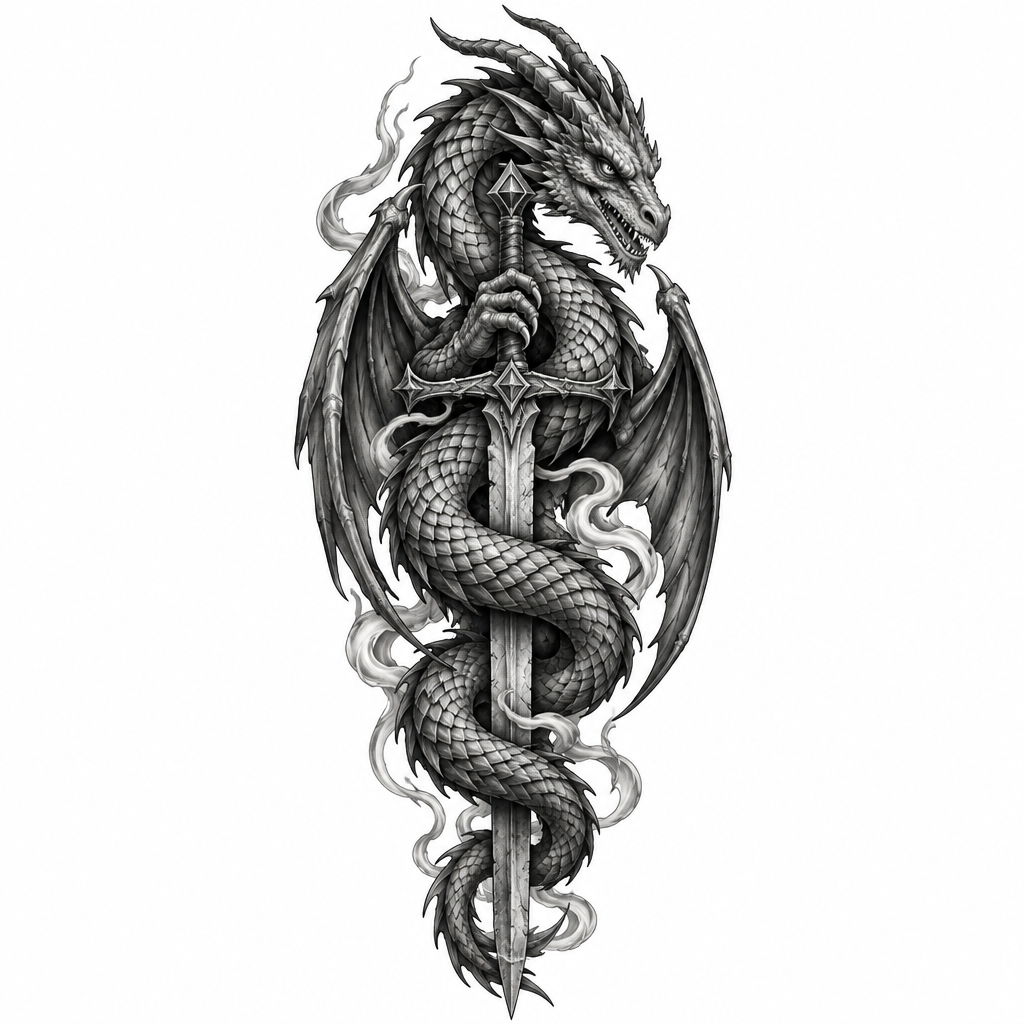
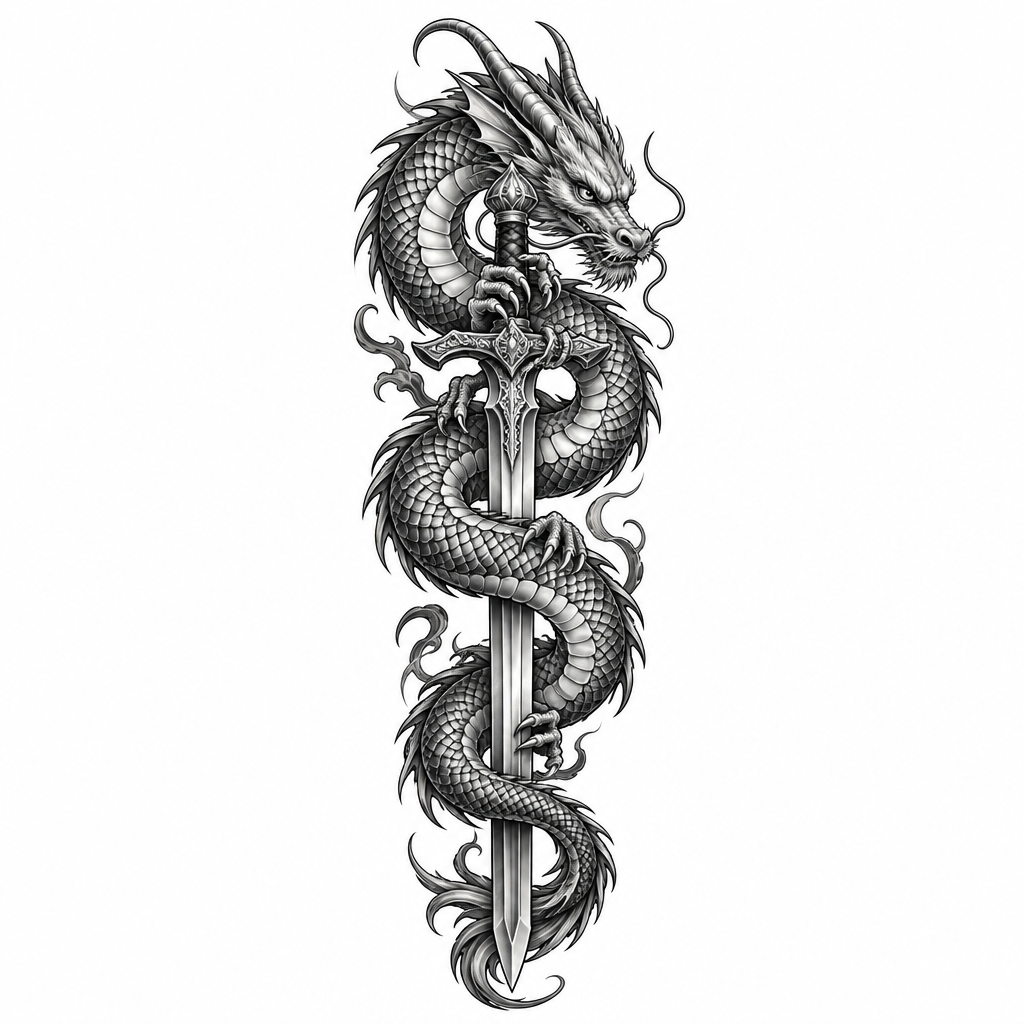
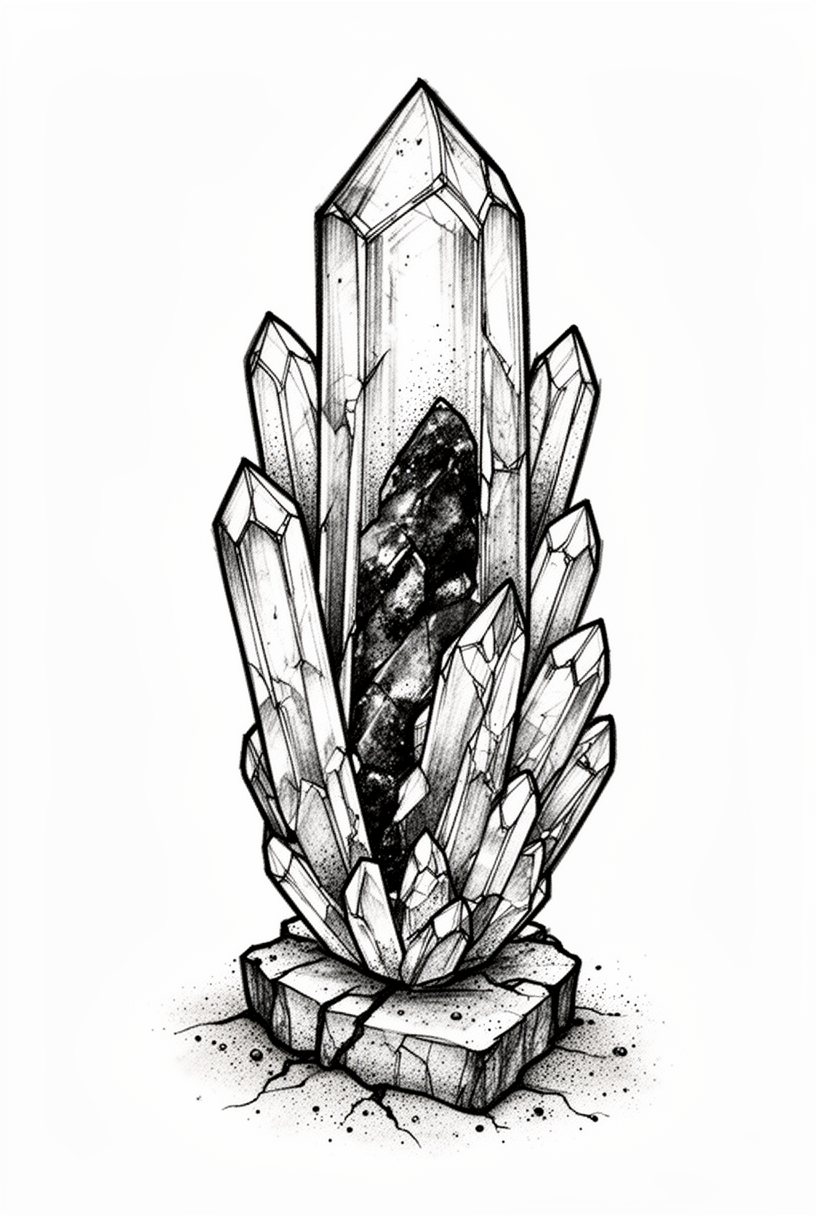
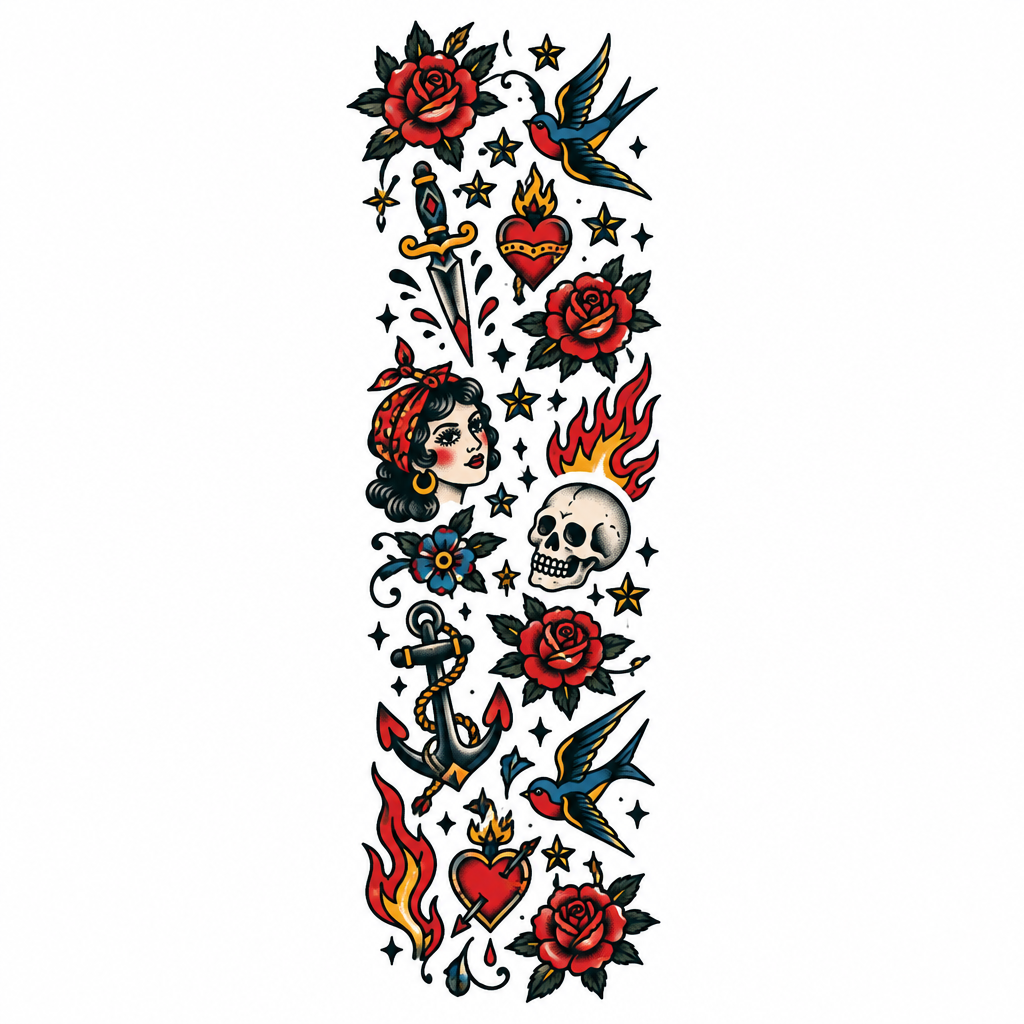
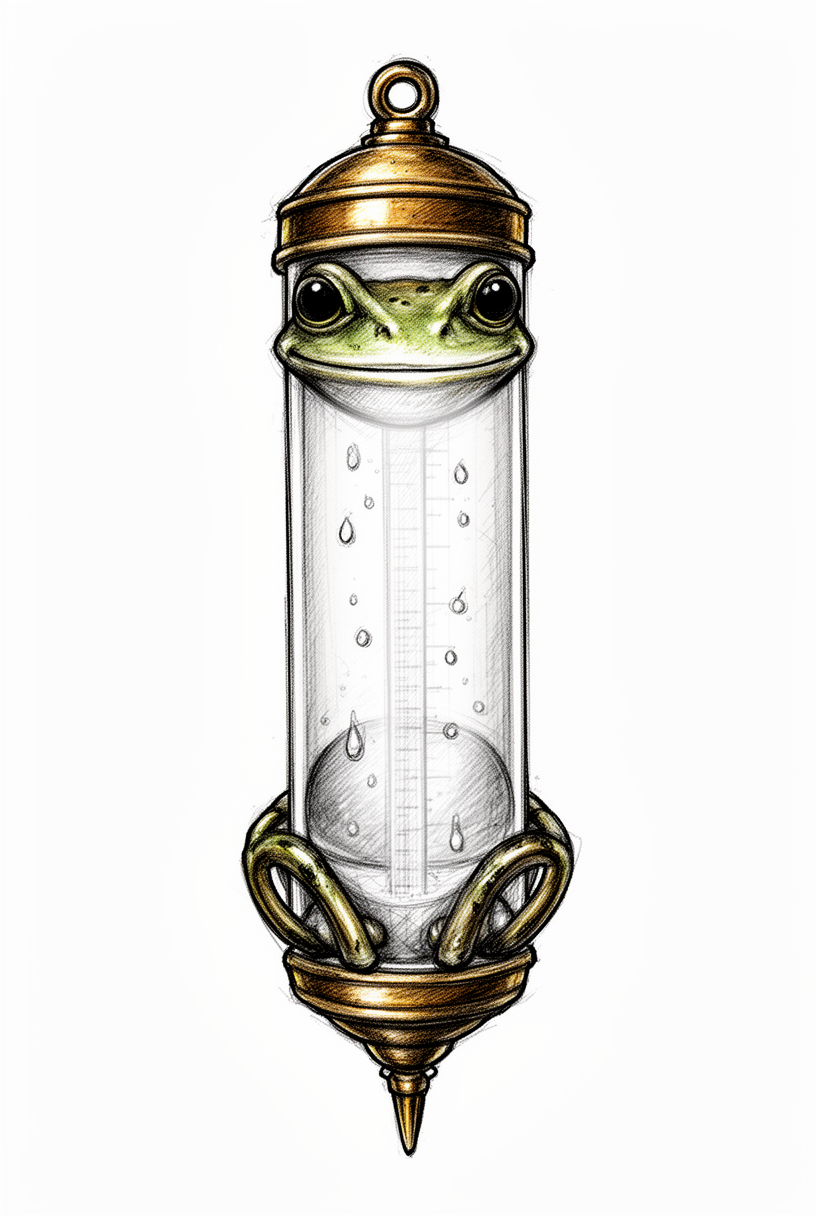
The calf's vertical curve is tailor-made for flowing, elongated work. Japanese pieces excel here, their dragons, koi, and waves designed to climb the leg and wrap its shape as one continuous composition. Traditional tattoos sit boldly on the muscle, their strong outlines holding up beautifully on a surface that flexes and moves with every step. Blackwork fills the rounded form with confident solid shapes that stay legible from across a room, while Realism and Illustrative designs lean on the calf's defined, three-dimensional contour to add a genuine sense of depth and dimension to the finished piece.
AI prompt ideas for Calf tattoos
- “A japanese irezumi tattoo of a coiling dragon and crashing waves wrapping the calf vertically, bold black outlines, wind bars, and saturated red and blue shading following the muscle curve”
- “A traditional tattoo of a swallow and rose on the calf, thick black linework, bold red and green fill, classic bold-and-balanced composition over the muscle”
- “A blackwork tattoo of an abstract botanical column climbing the calf, dense solid black shapes and crisp negative space tapering toward the ankle”
- “A realism tattoo of a stag with antlers reaching up the calf, fine tonal shading and dramatic depth following the rounded contour of the lower leg”
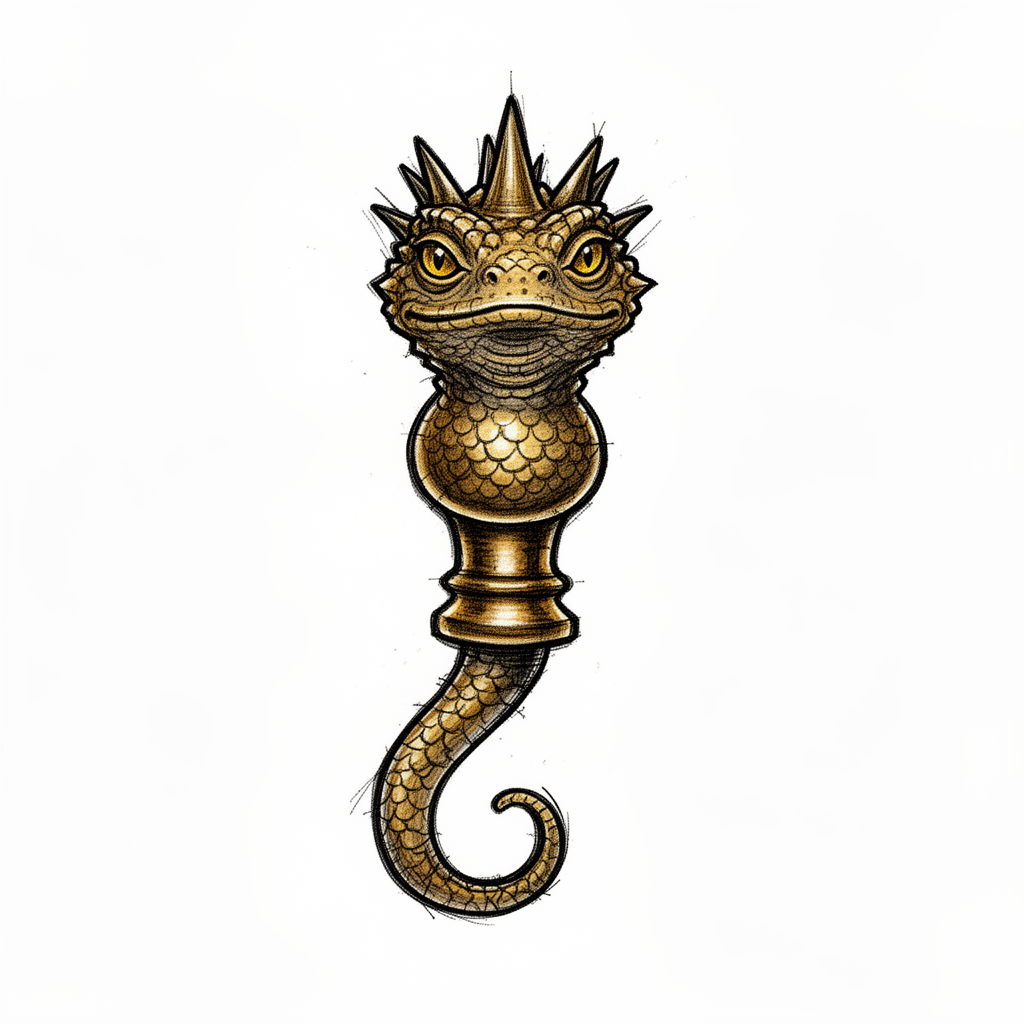
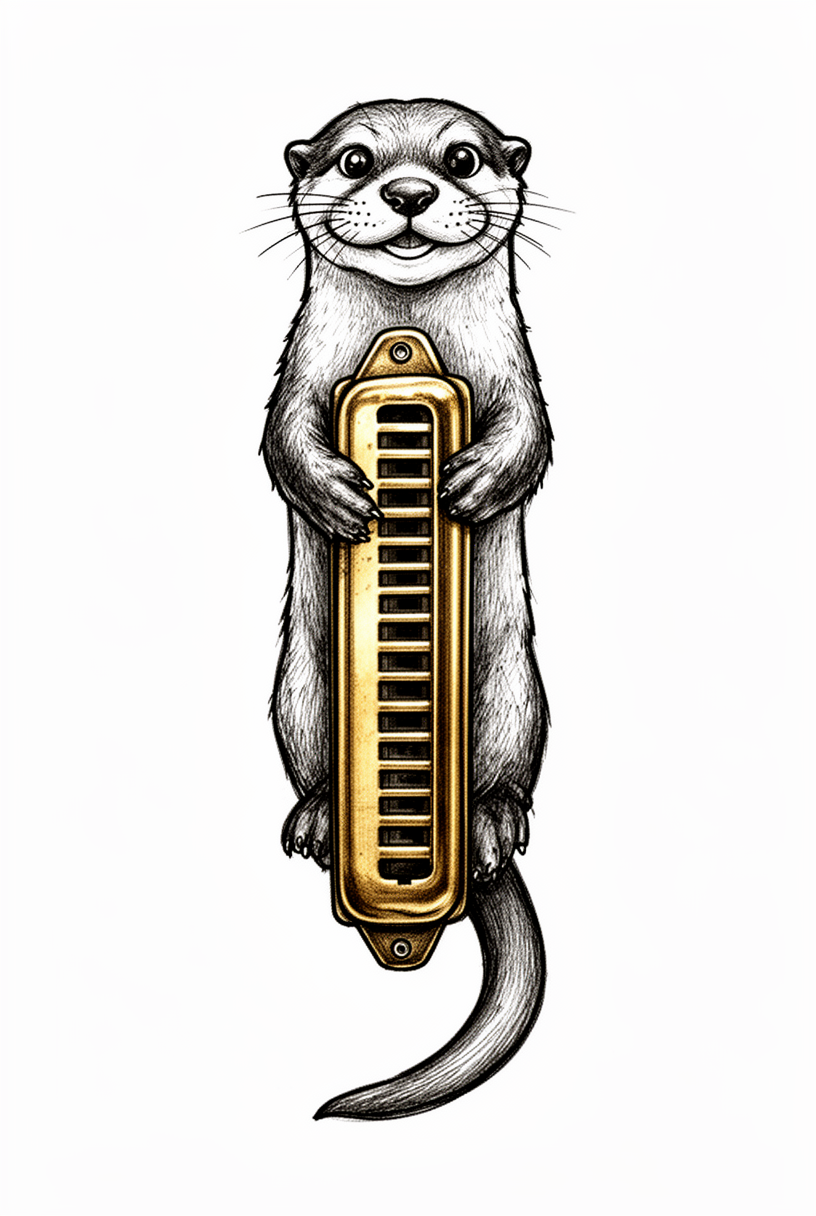
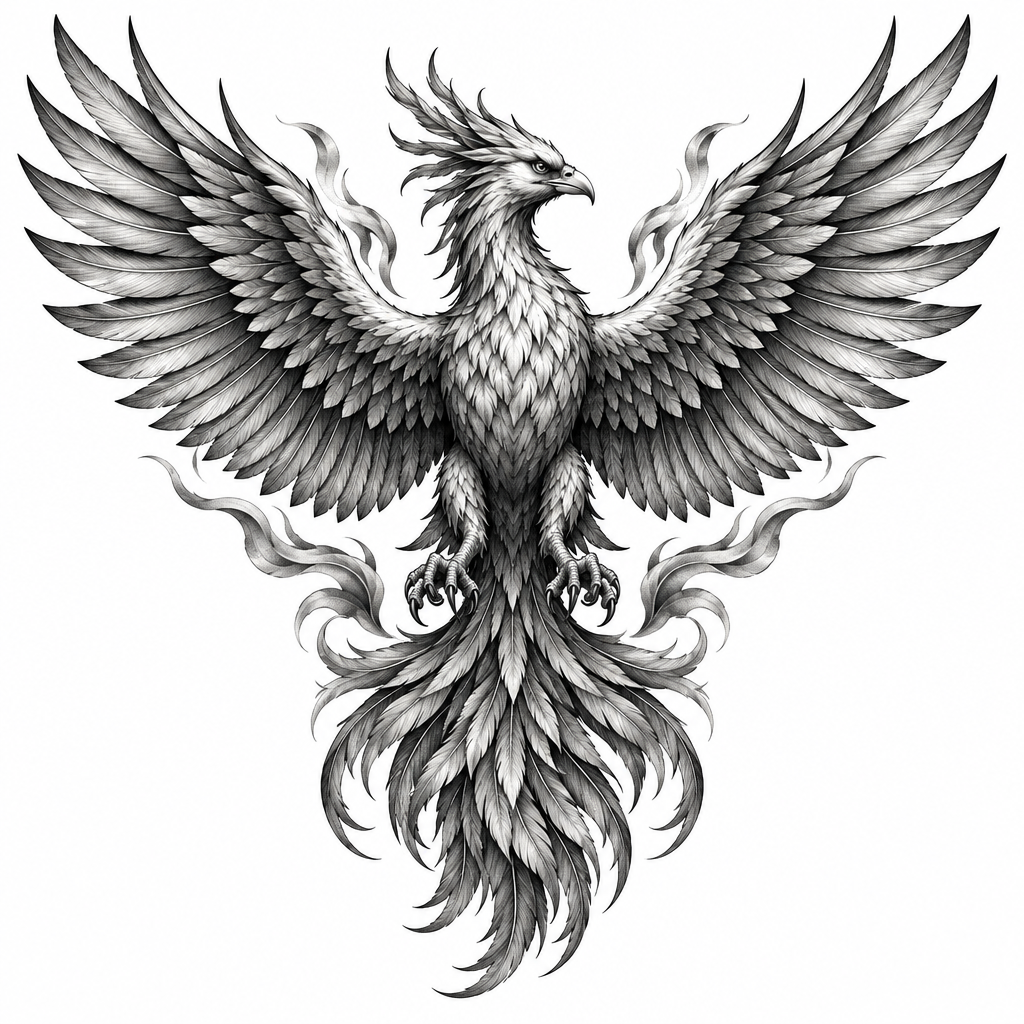
Calf tattoo designs from the community
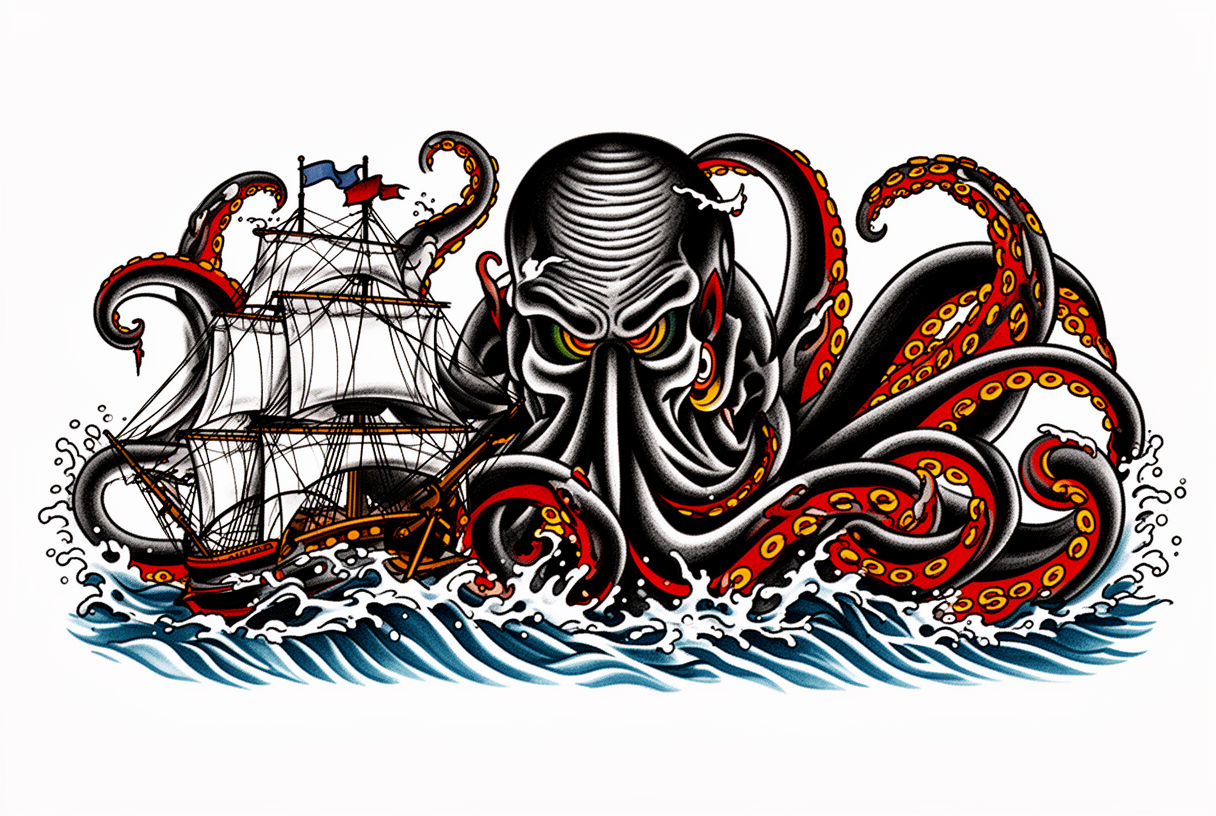
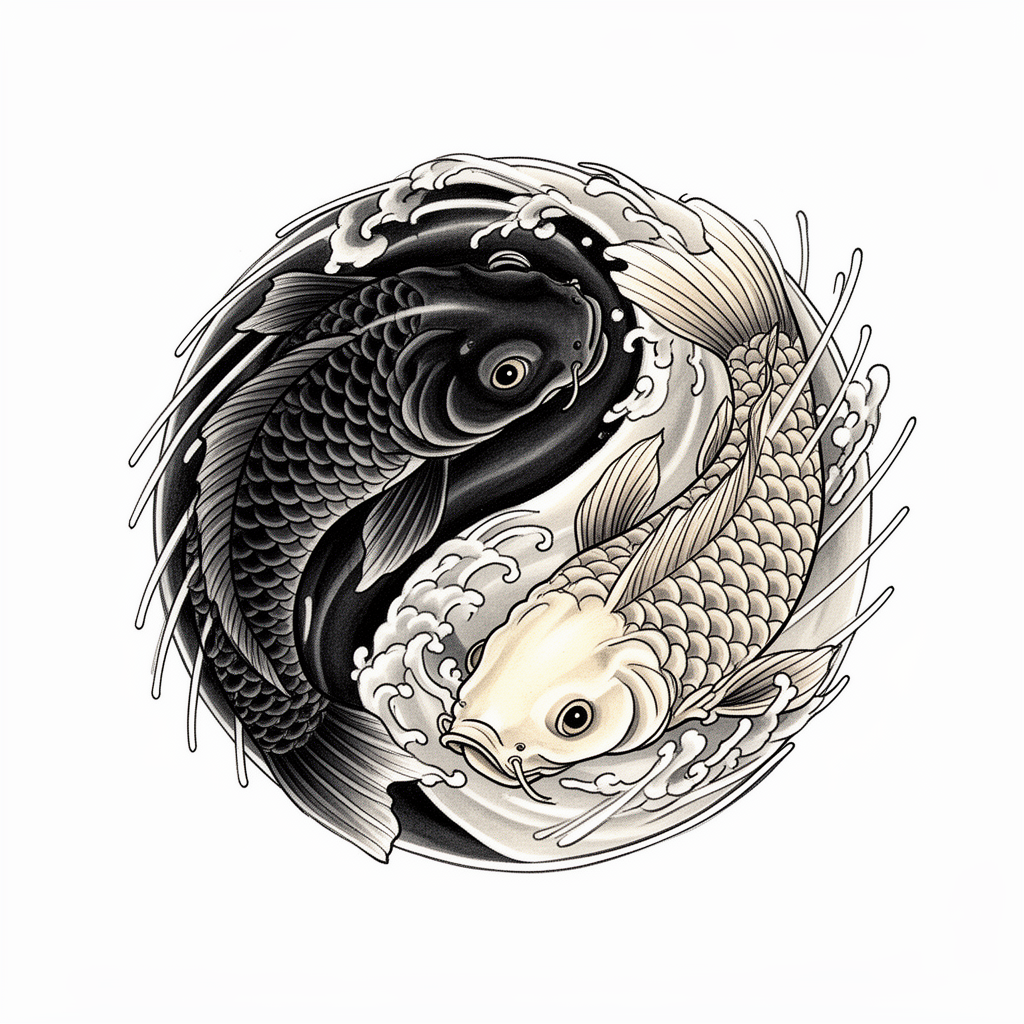
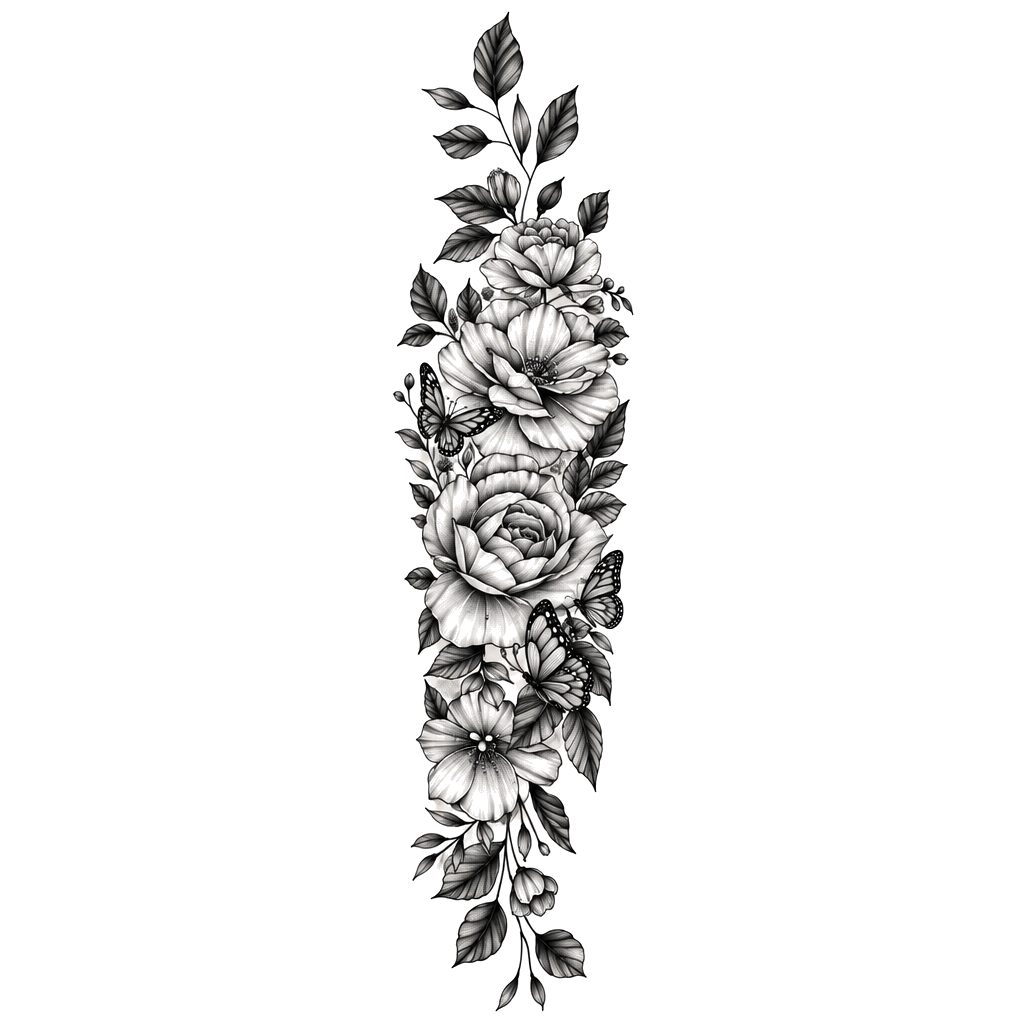
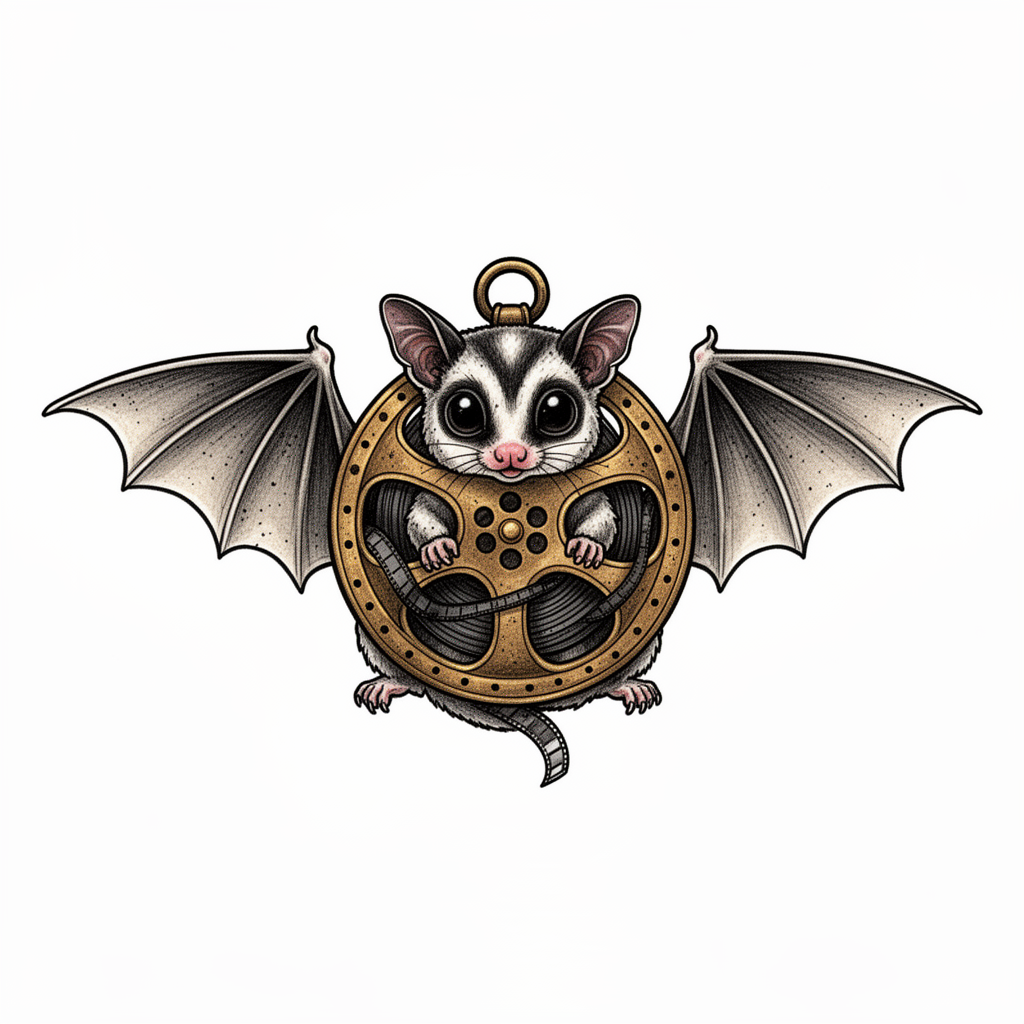
Related placements
Calf tattoo FAQ
- What's the pain like for a Calf tattoo?
- As general guidance, calf pain is moderate, around 3 out of 5. The thick muscle on the back of the lower leg is fairly comfortable, while the shin side near the bone is sharper. Working over the muscle rather than the bony front keeps most sessions very manageable.
- How long until a Calf tattoo is fully healed?
- Healing typically takes two to four weeks. Because the calf is far from the heart, swelling and slower circulation are common, and the area can feel tight by evening. Elevating the leg, keeping socks below the tattoo, and avoiding hard running early on all help.
- What size works best for a Calf tattoo?
- Medium and large designs work best, since the calf's length and curve favor vertical, flowing compositions. The muscle gives an artist a tall canvas to fill, and pieces that travel from below the knee toward the ankle make the most of the shape.
- Which styles work well for a Calf tattoo?
- Japanese, Traditional, and Blackwork all flatter the calf. The vertical curve suits flowing, wrap-around designs, and bold outlines hold up well on a surface that moves with every step. Realism and Illustrative work add depth along the contour.
- How visible is a Calf tattoo?
- Calf visibility is medium. The spot shows clearly in shorts and at the beach but hides easily under trousers, making it a flexible choice for people who want to display or conceal a piece depending on the day.
- Is a Calf tattoo a smart first tattoo?
- The calf is a solid first-tattoo spot with manageable moderate pain. Sticking to the fleshy muscle rather than the shin keeps the experience comfortable, and the area heals reasonably quickly with a little care around swelling and clothing.