Tattoo Placement
Forearm Tattoos
A practical guide to Forearm tattoos: how the spot wears a design, what sizes fit, how much it hurts, how long it heals, the styles that flatter it and real community designs.
About Forearm tattoos
Few canvases are as obliging as the forearm. It offers a long, relatively flat expanse of even-toned skin stretched over firm muscle, with low nerve density and steady blood flow — the combination that makes it one of the most forgiving places to get tattooed. The inner forearm is softer, paler, and a touch more sensitive, ideal for finer detail and script that people read at a glance; the outer forearm is tougher, more weathered, and built to carry bold, sun-facing imagery. A design can run vertically from elbow to wrist, wrap gently around the limb, or sit as a single contained panel. Because the surface holds its shape and the skin ages well here, tattoos placed on the forearm tend to keep their crispness for years. It is the natural starting point for sleeve-builders and the go-to recommendation for nervous beginners who want a real piece without committing to a brutal session. Visibility sits in the comfortable middle: bared by a rolled cuff, covered by a long sleeve.
Forearm at a glance
| Sizes that fit | Small, Medium, Large |
|---|---|
| Pain level | Mild |
| Healing time | 2–3 weeks |
| Visibility | Sometimes visible |
Pain and healing vary by person — this is general guidance, not medical advice.
Size and pain for Forearm tattoos
The forearm accommodates nearly any ambition — small standalone motifs, medium illustrative panels, or large pieces that flow the length of the arm and form the backbone of a sleeve. Pain is mild, about 2 out of 5, which is a large part of why it gets recommended so often. The muscle and even fat layer cushion the needle, nerve endings are sparsely distributed, and there is little bone sitting right beneath the surface. Most people find the sensation a steady, warm scratching they can easily talk through. The inner forearm reads slightly more tender than the outer because the skin there is thinner and less exposed to daily wear, but even that stays comfortably in the manageable range for almost everyone.
Healing a Forearm tattoo
Expect surface healing in roughly two to three weeks, helped along by the area's good circulation and stable skin. The main thing to manage is clothing: long sleeves drag across a fresh tattoo, so loose tops or short sleeves during the day make life easier the first week. The forearm also catches a lot of incidental sun, so keep it shaded while healing and apply sunscreen afterward to protect the lines long term. Wash after dirty or sweaty tasks, pat dry, and keep aftercare thin. Avoid leaning the healing area on desks or armrests, since pressure and friction there can lift early scabs.
Styles that suit the Forearm
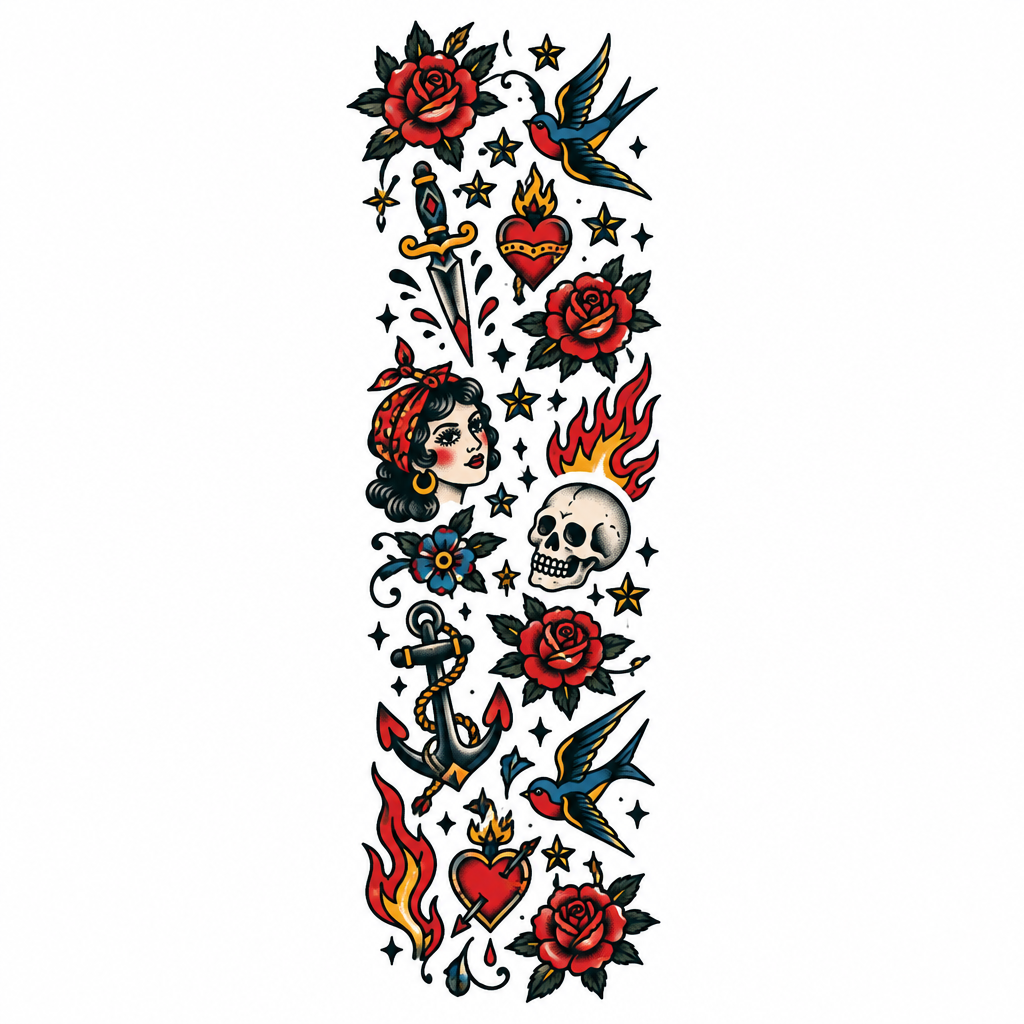
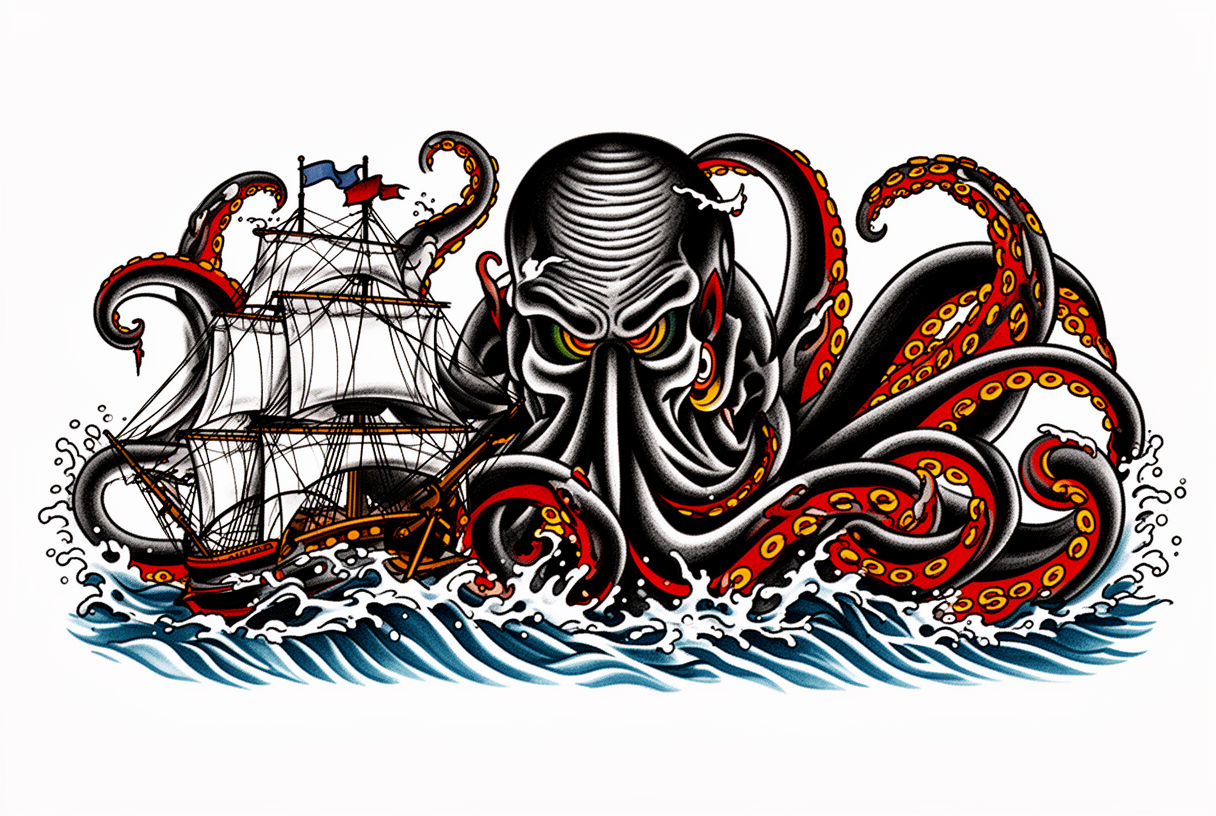
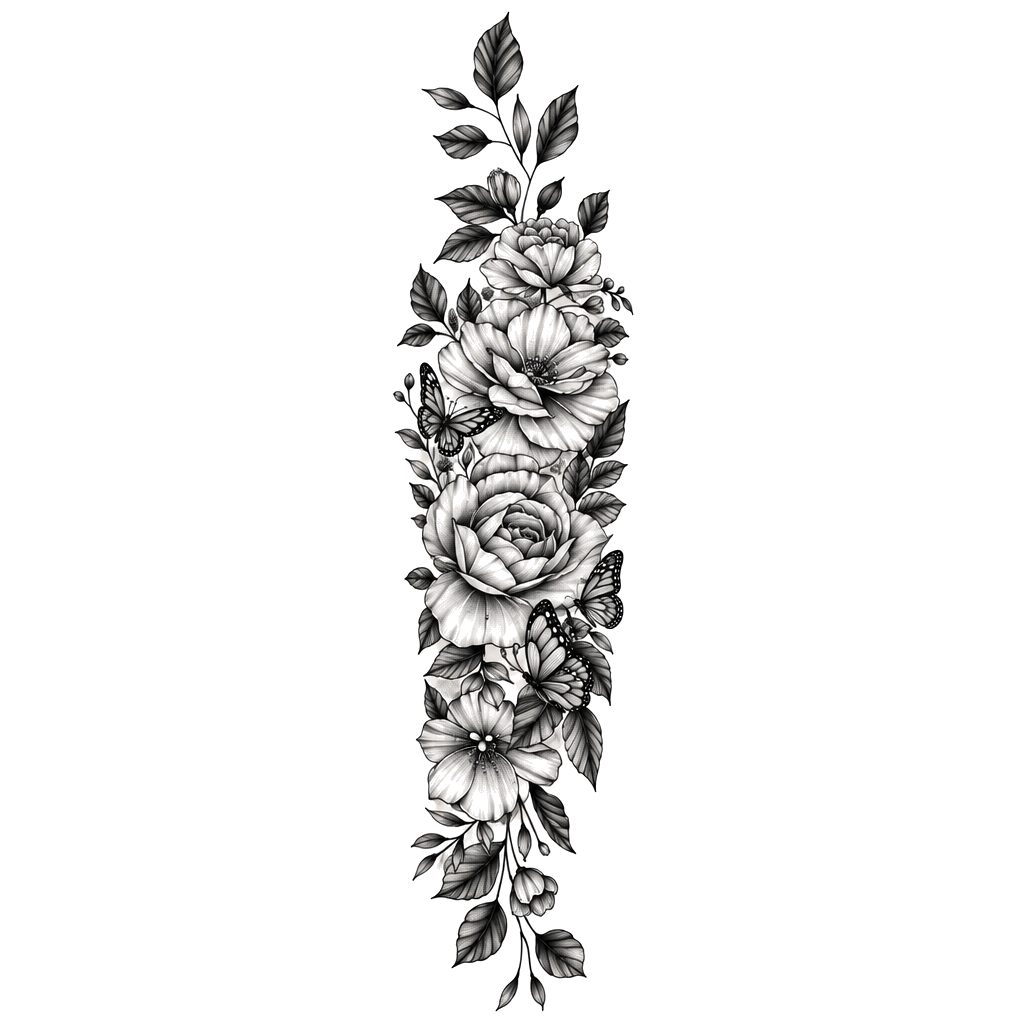
This is a do-it-all spot, which is why so many styles suit it. Traditional designs sing here, their bold outlines and solid fills built for an arm that will be seen and will age slowly. Blackwork uses the broad flat surface to anchor strong graphic shapes and heavy black fields. Realism and Illustrative work reward the smooth, even skin with room for gradients and fine detail that stay legible. Fine Line suits the softer inner forearm for delicate script or botanicals. Whether the goal is a single statement piece or the first panel of a sleeve, the forearm flatters it.
AI prompt ideas for Forearm tattoos
- “Bold American Traditional eagle tattoo running down the outer forearm, thick black outlines, classic red and gold fills, timeless and graphic”
- “Blackwork geometric pattern wrapping the forearm, dense solid black shapes with negative-space linework, strong and architectural”
- “Realism portrait of a wolf on the inner forearm, smooth grayscale shading, fine fur detail, lifelike depth filling a vertical panel”
- “Illustrative botanical sleeve panel on the forearm with detailed ferns and moths, flowing linework and soft stippling, storybook quality”
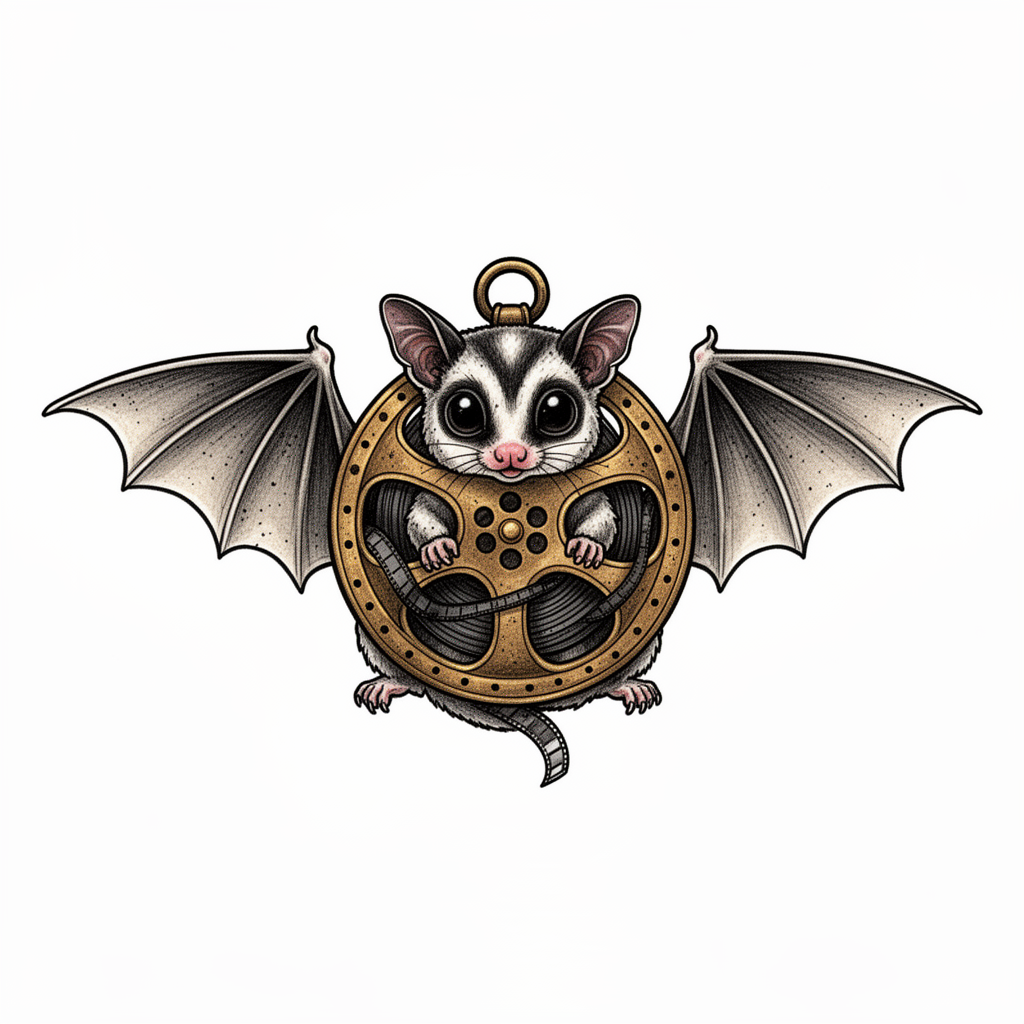
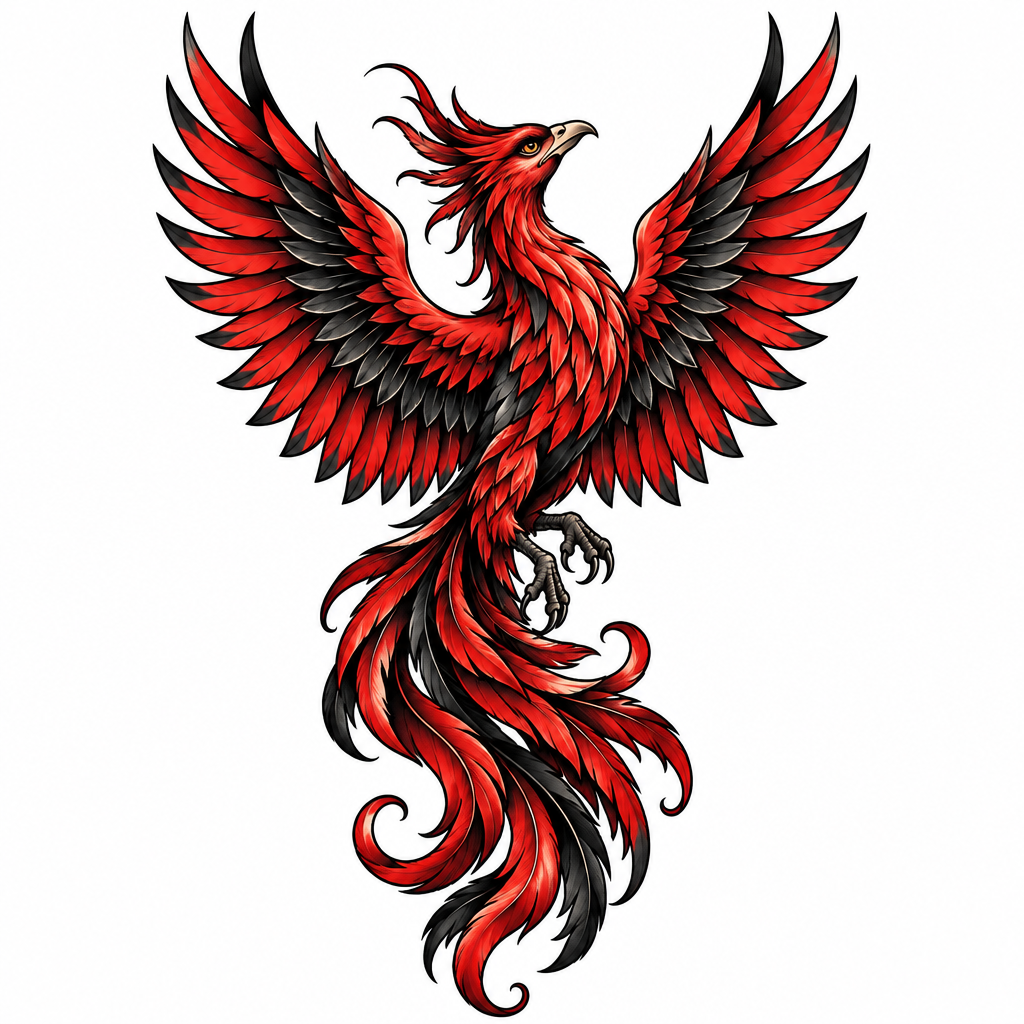
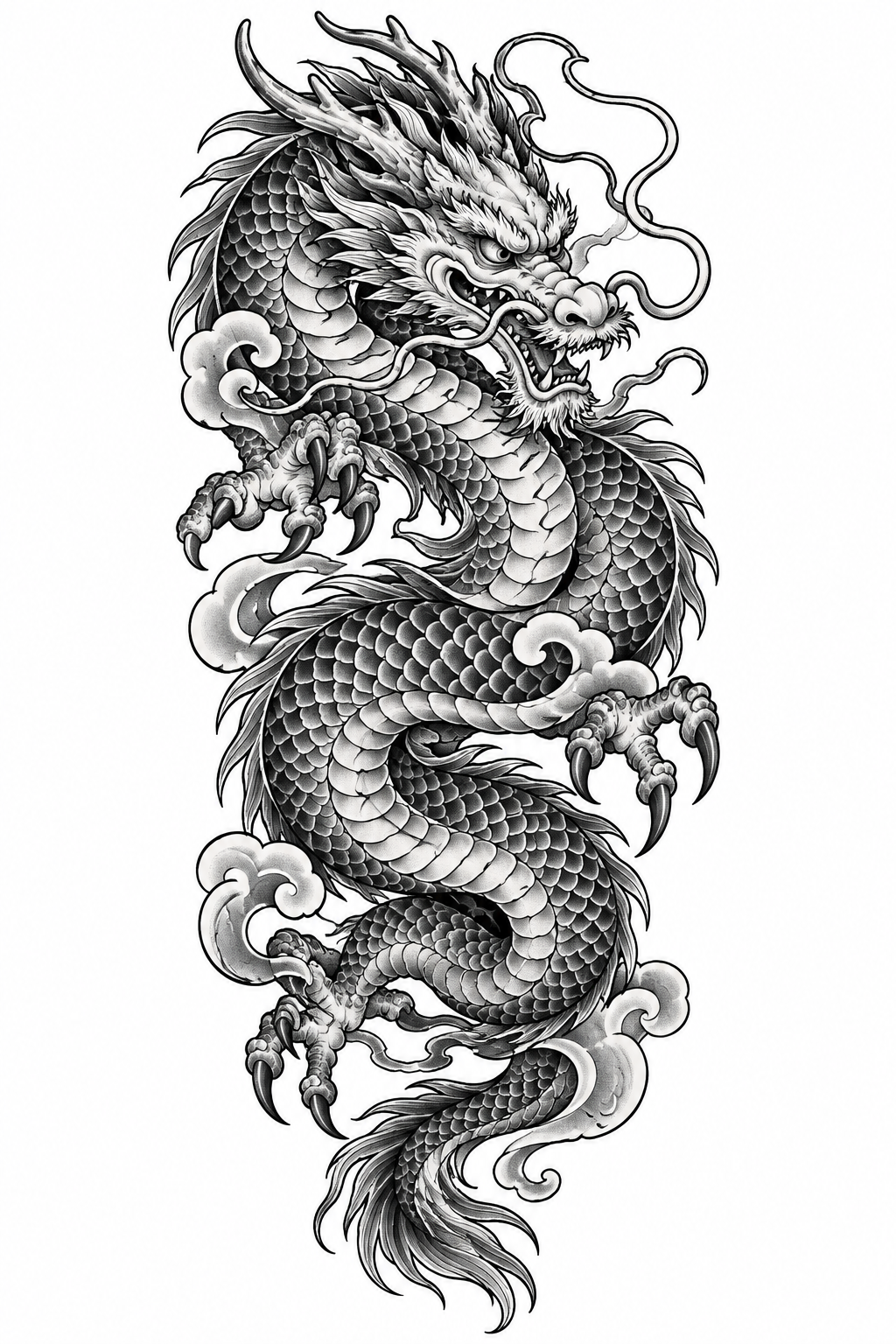
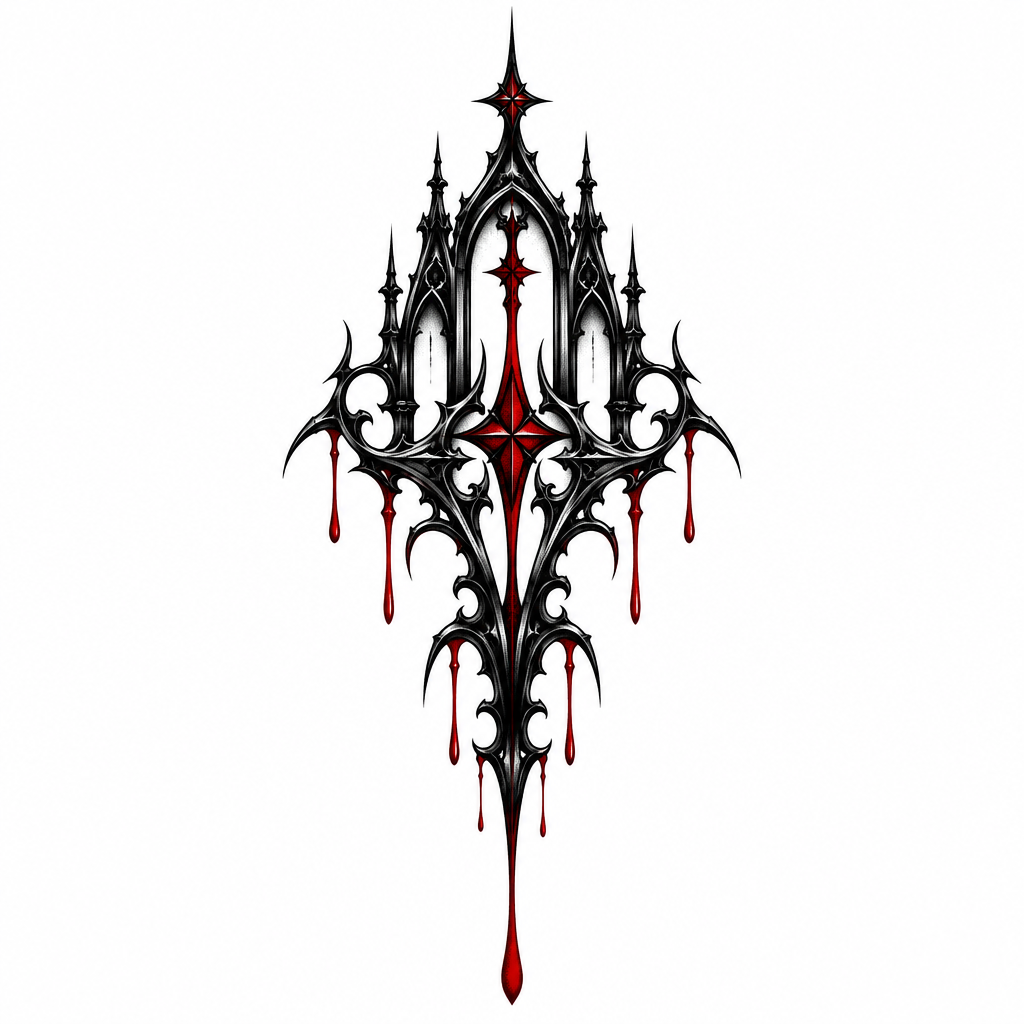
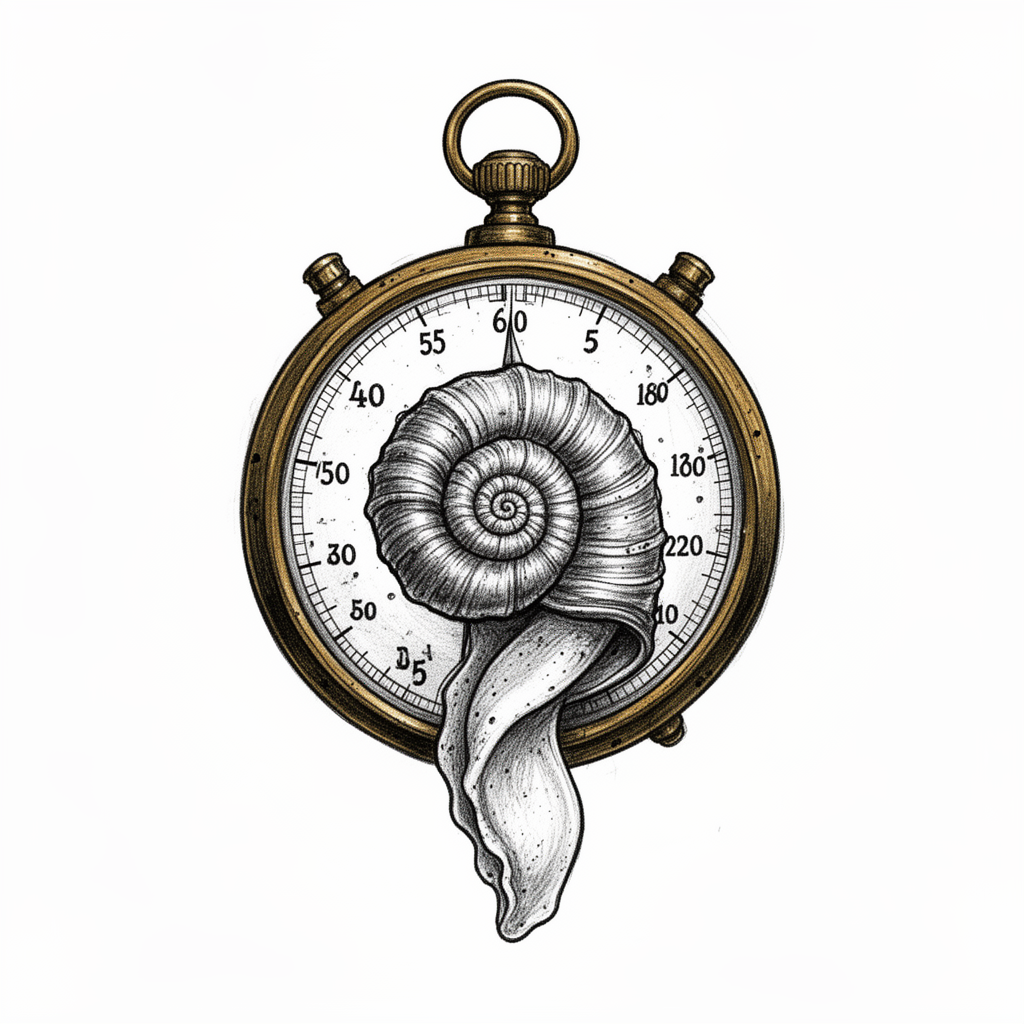
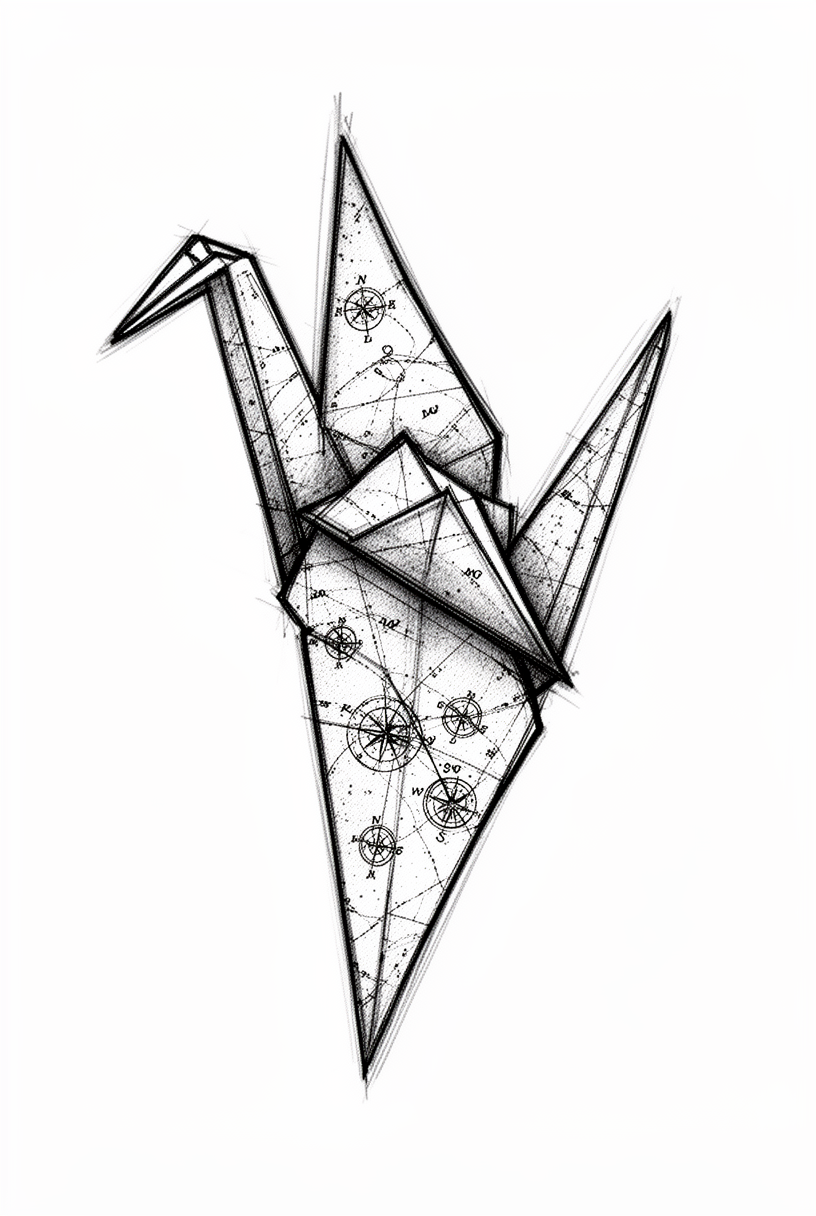
Forearm tattoo designs from the community


Related placements
Forearm tattoo FAQ
- How much does a Forearm tattoo hurt?
- The forearm is among the least painful spots, around mild or 2 out of 5. Muscle padding, sparse nerve endings, and little exposed bone keep the sensation to a steady warm scratch for most people. The inner side feels slightly more tender than the outer. This is general guidance, not medical advice.
- How long does a Forearm tattoo take to heal?
- Forearm tattoos usually heal on the surface in about two to three weeks, aided by good blood flow. Favor loose or short sleeves the first week so fabric does not drag on the fresh ink, and keep it out of the sun while it closes.
- What size tattoo fits the Forearm?
- This spot handles almost anything — small motifs, medium illustrative panels, or large pieces that run the full length of the arm. It is a common foundation for sleeve work because the flat surface holds detail so well.
- Which tattoo styles suit the Forearm?
- Traditional, Blackwork, Realism, Illustrative, and Fine Line all flatter the forearm. The even skin and slow aging let bold outlines and fine gradients alike stay sharp, so the choice comes down to personal taste.
- Is a Forearm tattoo easy to hide?
- Visibility is moderate. A rolled-up cuff puts it on full display, while a long sleeve covers it completely, making the forearm an easy spot to show or hide as the situation calls for.
- Is the Forearm a good spot for a first tattoo?
- The forearm is one of the most beginner-friendly canvases there is. Low pain, easy healing, and forgiving skin make it a reassuring first choice, and it leaves plenty of room to expand later if the bug bites.