Tattoo Placement
Knee Tattoos
A practical guide to Knee tattoos: how the spot wears a design, what sizes fit, how much it hurts, how long it heals, the styles that flatter it and real community designs.
About Knee tattoos
The knee is one of the most demanding canvases on the body, and the kneecap itself — a layer of thin skin stretched directly over the patella bone — is the heart of the challenge. There is almost no padding here; the needle works right above hard bone, and the joint bends with every step, sit, and crouch, so the skin is in constant motion. That movement is precisely why the knee has its own iconic designs: the radial knee-mandala that spirals out from the cap, and the old-school spiderweb that fans across it. The circular kneecap practically demands symmetry, so geometric and ornamental motifs that orbit a central point feel right at home. People who choose the knee tend to be experienced collectors filling a leg or wanting a centerpiece that draws the eye. Visibility lands in the medium range — exposed in shorts, hidden under trousers — but the real reason people commit to it is statement and structure, not concealment. It is bold, deliberate, and not for the faint of heart.
Knee at a glance
| Sizes that fit | Small, Medium |
|---|---|
| Pain level | Very high |
| Healing time | 3–5 weeks |
| Visibility | Sometimes visible |
Pain and healing vary by person — this is general guidance, not medical advice.
Size and pain for Knee tattoos
Small and medium designs are the sensible range for the knee; the kneecap suits a contained, centered piece rather than sprawling work, and keeping it compact limits time over the worst of the bone. Pain is very high here, a genuine 5 out of 5, and there is no point sugar-coating it. The skin over the kneecap is thin and sits directly on bone with no muscle to absorb the vibration, so the needle's buzz transmits straight through, producing a sharp, rattling intensity. The soft hollow behind the knee and the sides flanking the cap are more bearable, but the cap itself is among the toughest spots anywhere. Artists usually break knee work into shorter passes for exactly this reason. Going in with realistic expectations and a tolerance for genuine discomfort matters more here than on almost any other placement.
Healing a Knee tattoo
Give the knee a full three to five weeks, and expect it to test your patience. The joint flexes constantly, so every bend tugs at healing skin and can crack scabs before they are ready, which is why knee tattoos are notorious for slow, uneven recovery. Sitting low on the body, the area swells and circulation is sluggish. Ink can also scatter or heal patchy over the mobile kneecap, sometimes needing a touch-up. Keeping the leg straighter and rested in the first week, avoiding deep squats and kneeling, and wearing loose trousers that do not bind across the joint all give the skin its best chance to settle cleanly.
Styles that suit the Knee
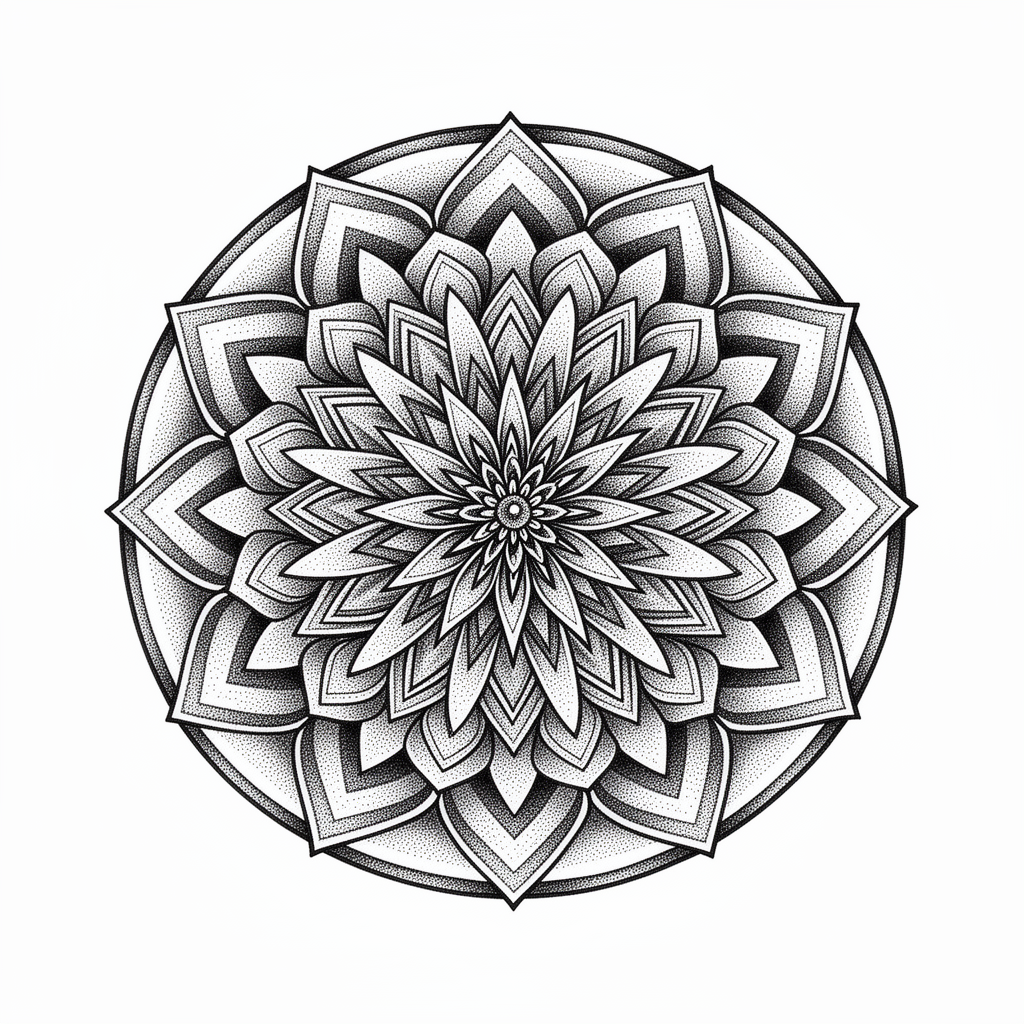
The knee's round, bony, high-movement surface rewards bold, simple structure over fine detail that would scatter and blur. Dotwork and Geometric designs are the classic answer here, their radiating patterns and stippled mandalas built naturally around the kneecap's central point. Blackwork holds up where delicate shading would not, its heavy solid forms surviving the joint's constant flexing without breaking apart. Ornamental motifs — lace, filigree, and symmetrical patterns — frame the cap beautifully and embrace the circular geometry the spot naturally suggests, turning an awkward surface into a deliberate, balanced centerpiece.
AI prompt ideas for Knee tattoos
- “A dotwork mandala tattoo centered on the knee, radiating stippled symmetry spiraling out from the kneecap, fine point-shaded gradients and crisp negative space”
- “A geometric tattoo of interlocking sacred-geometry rings on the knee, bold linework orbiting the kneecap with precise symmetry and balanced solid accents”
- “A blackwork tattoo of a bold ornamental sunburst over the kneecap, heavy solid black forms and confident shapes built to survive the joint's movement”
- “An ornamental tattoo of lace and filigree framing the knee, symmetrical decorative scrollwork wrapping the kneecap in a balanced circular motif”
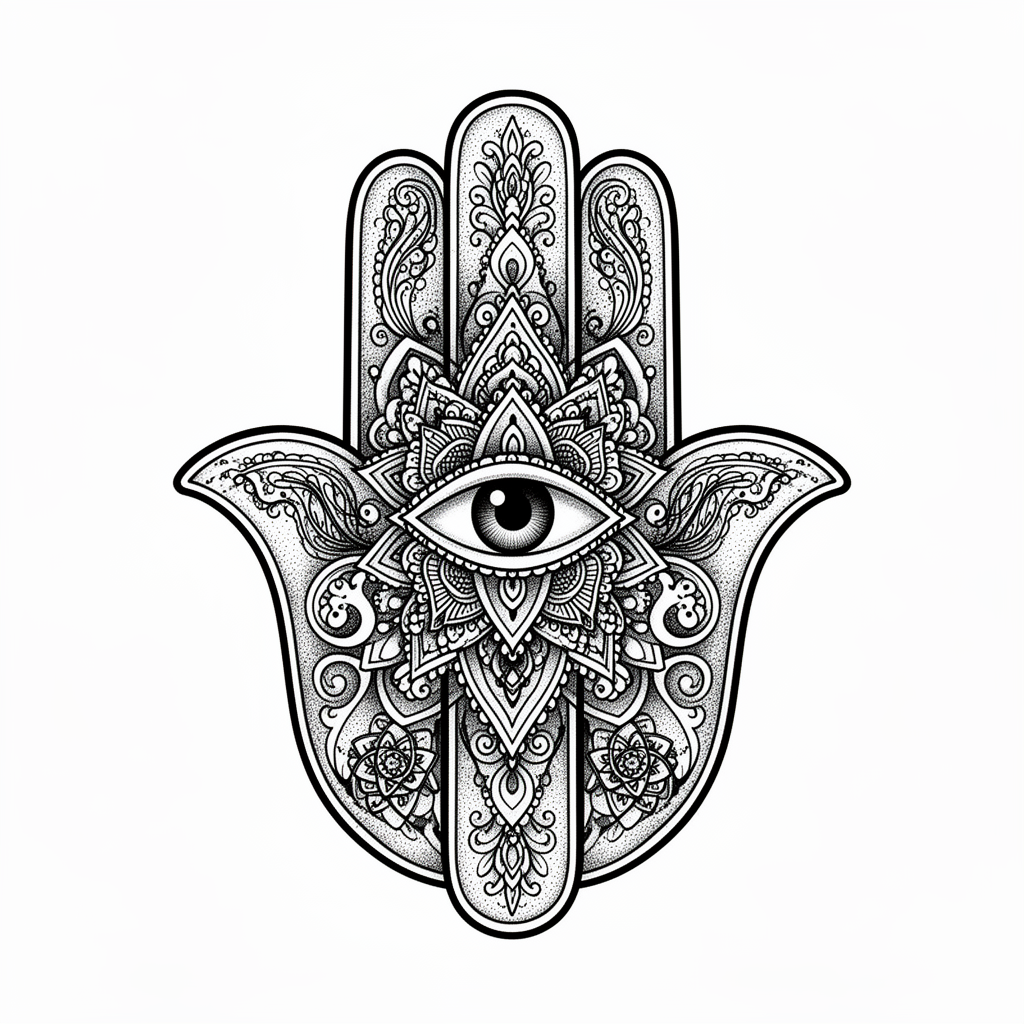
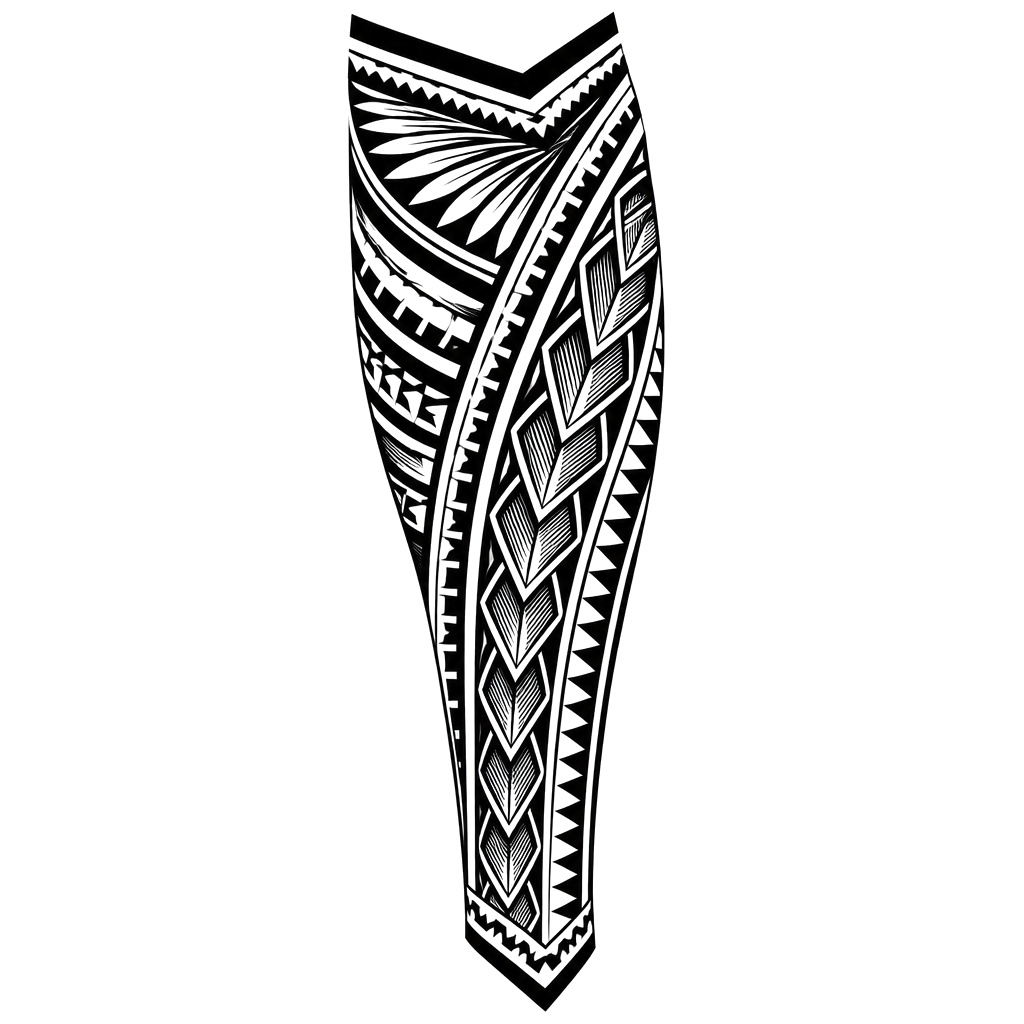
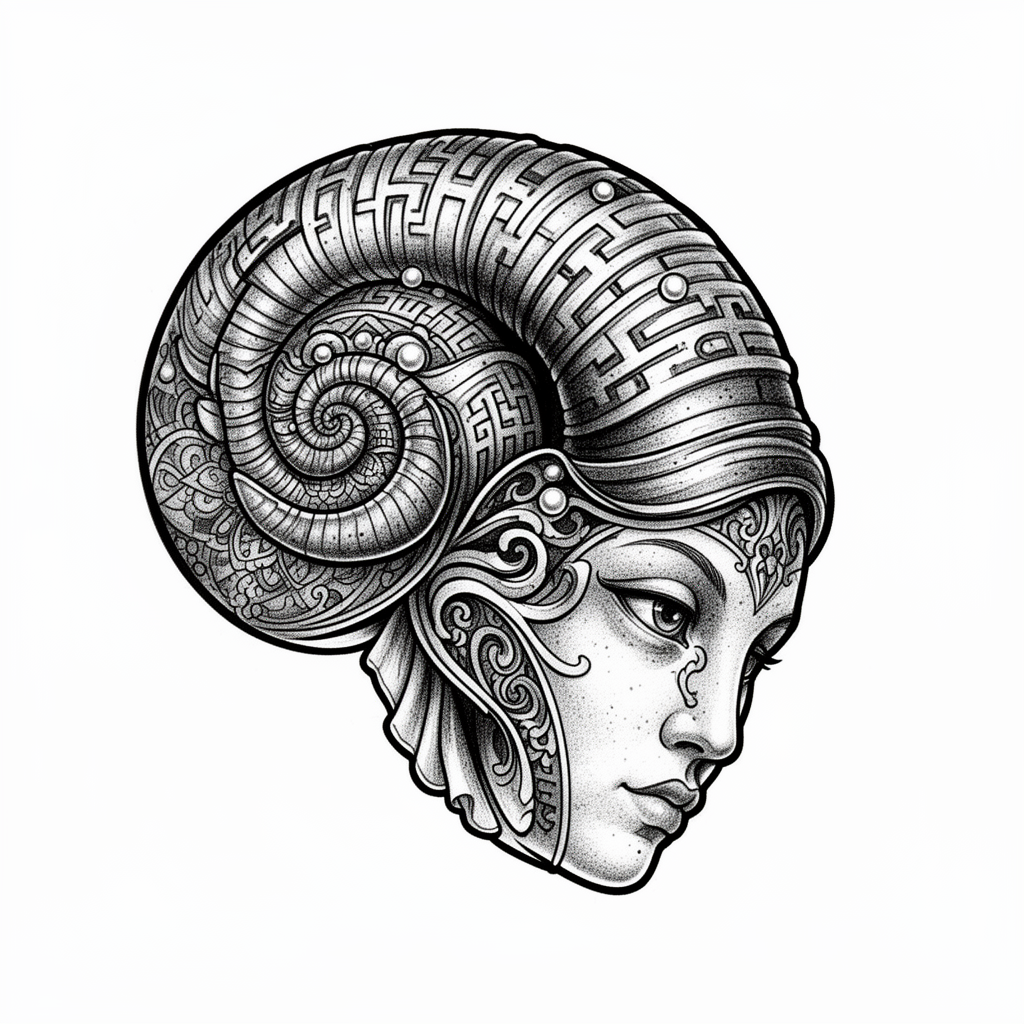
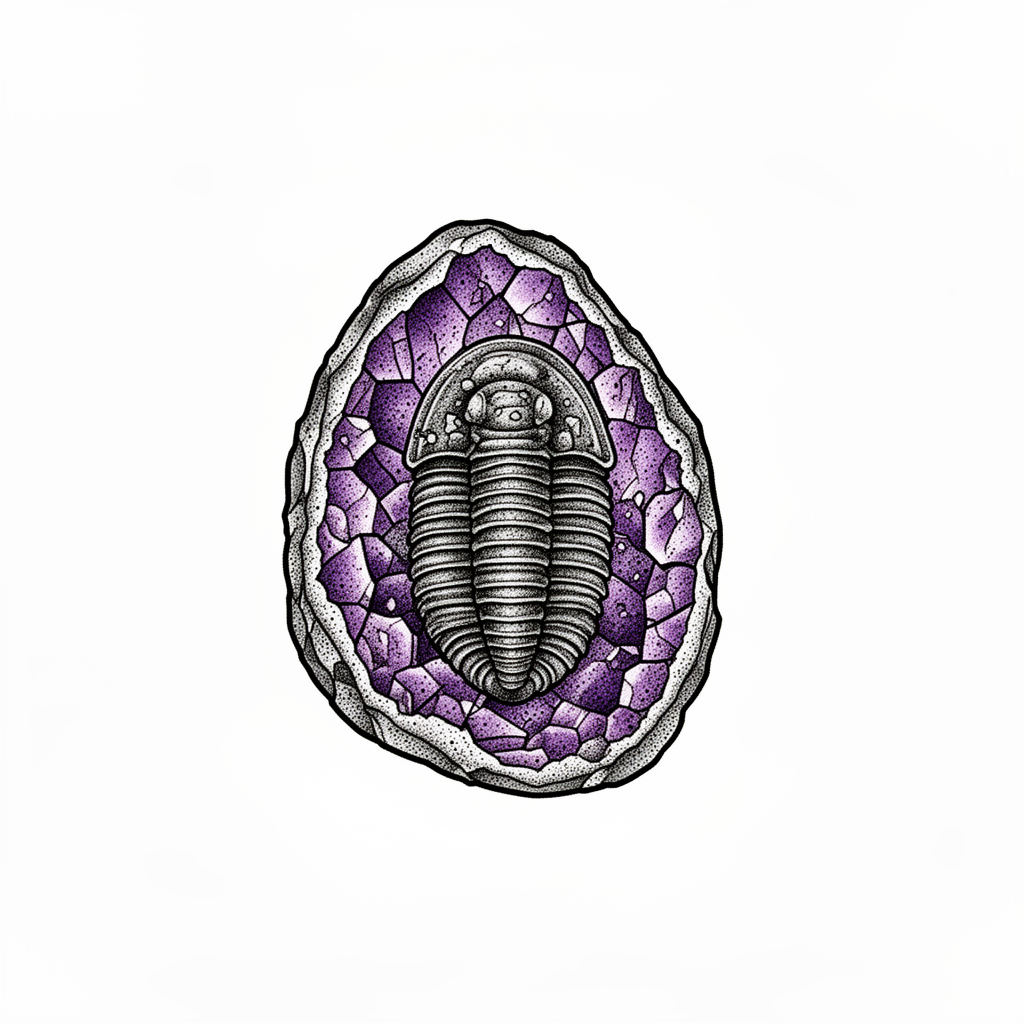
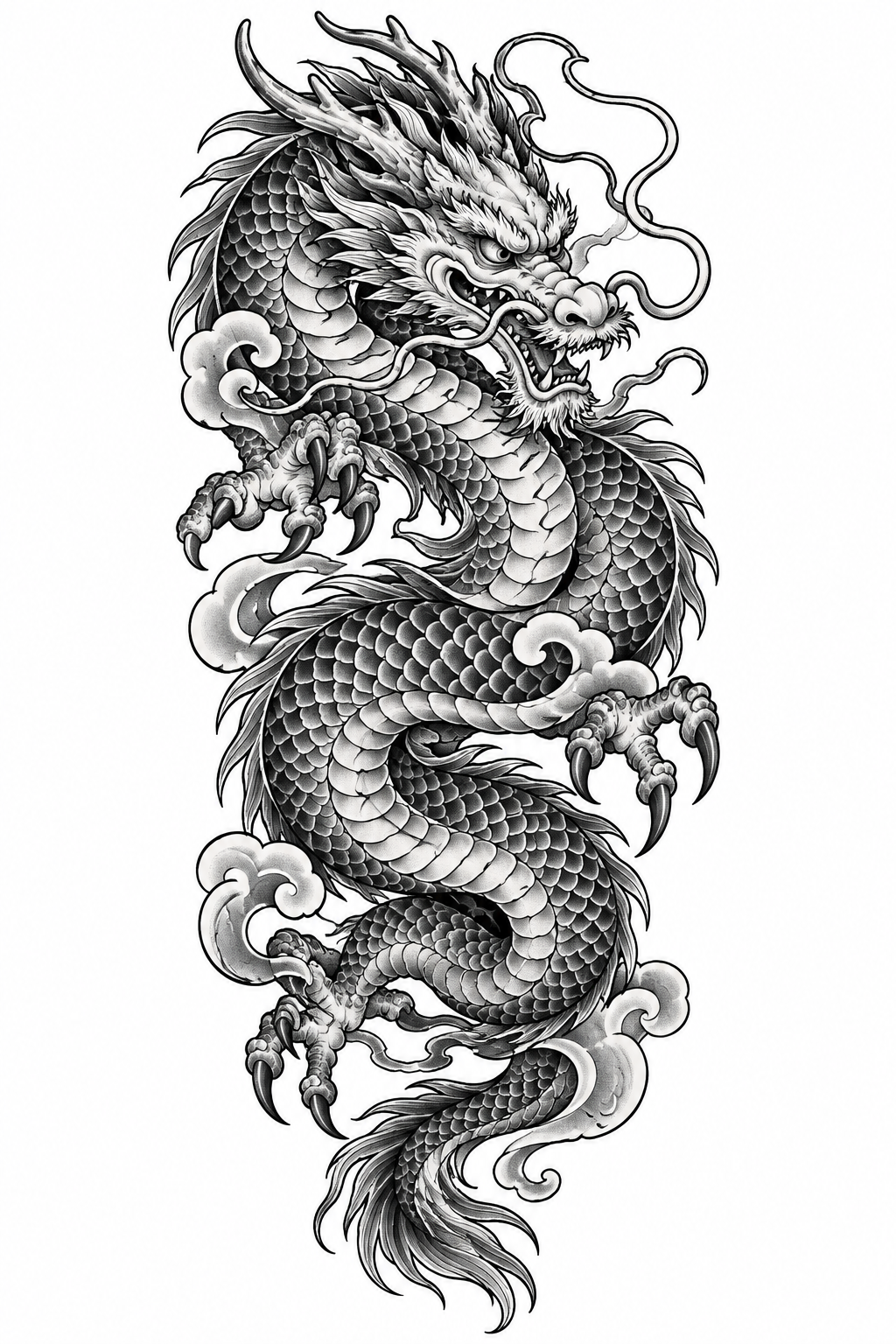
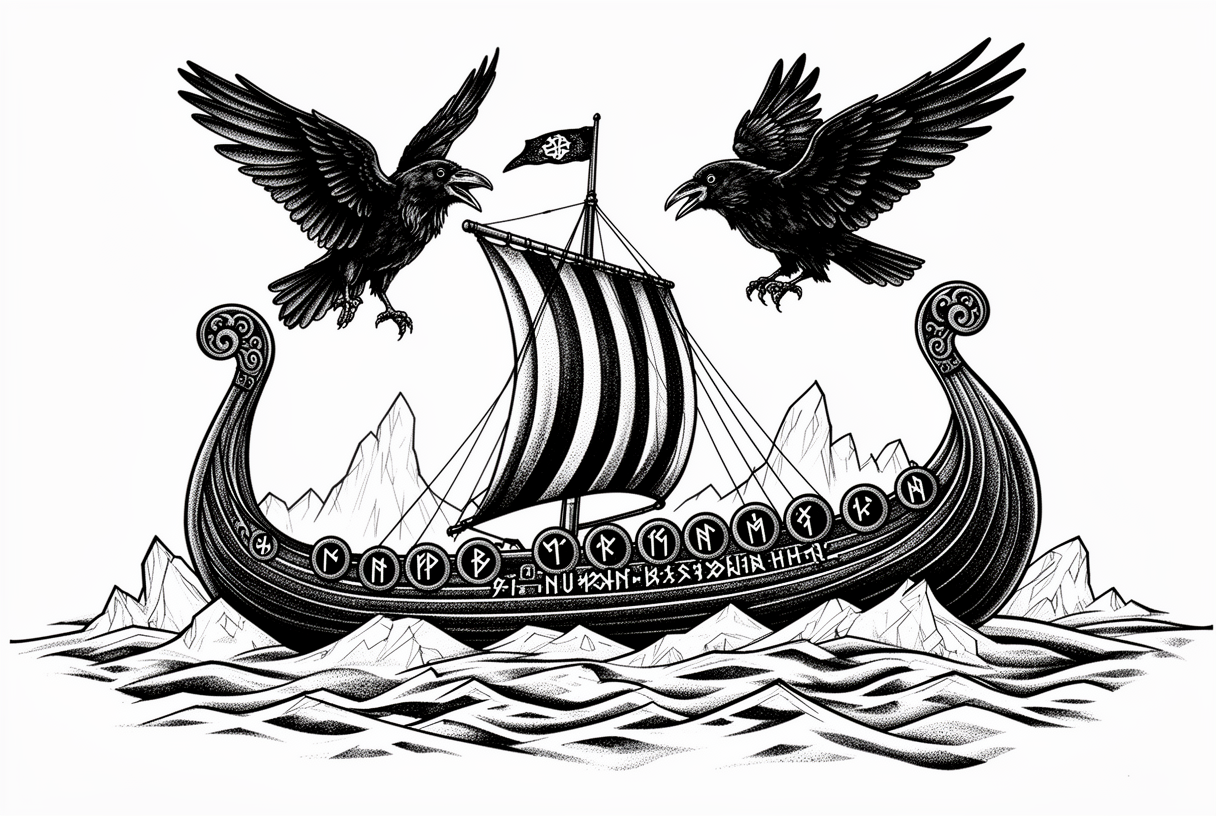
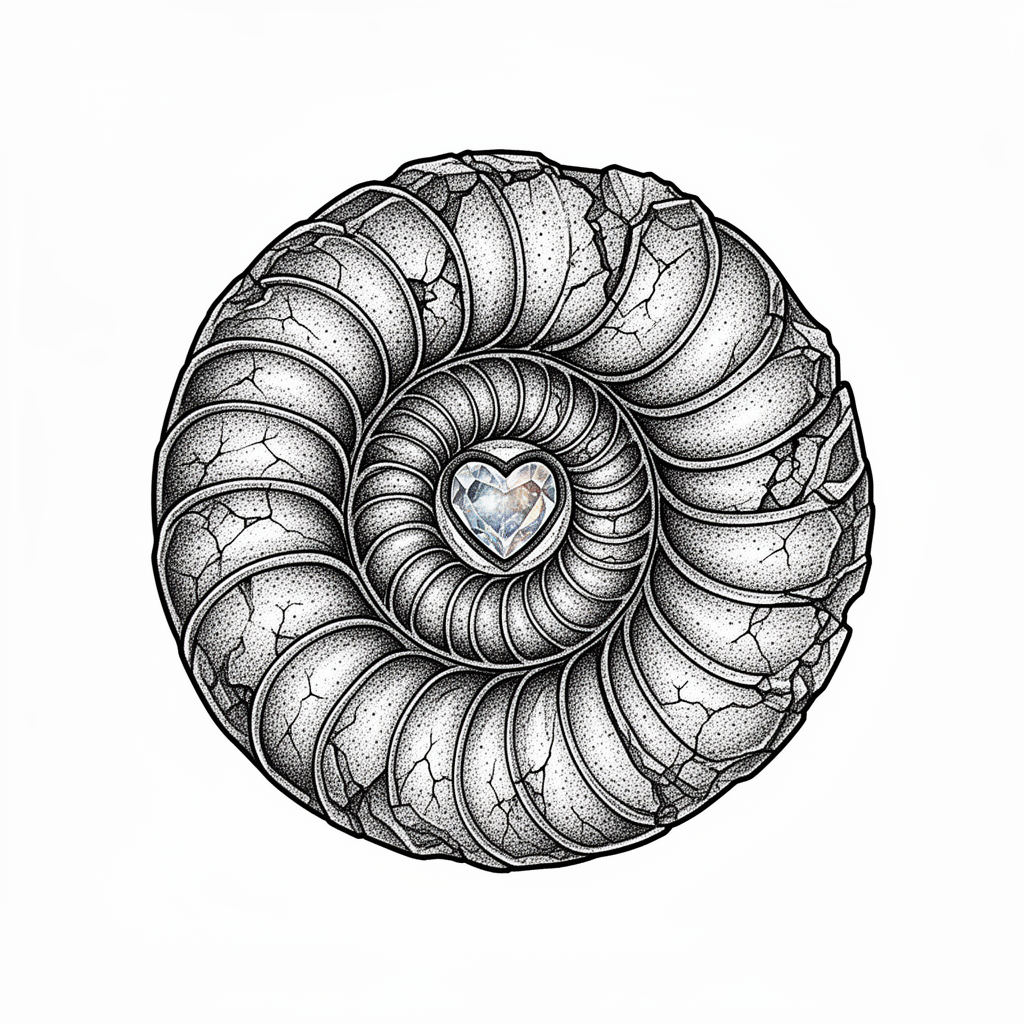
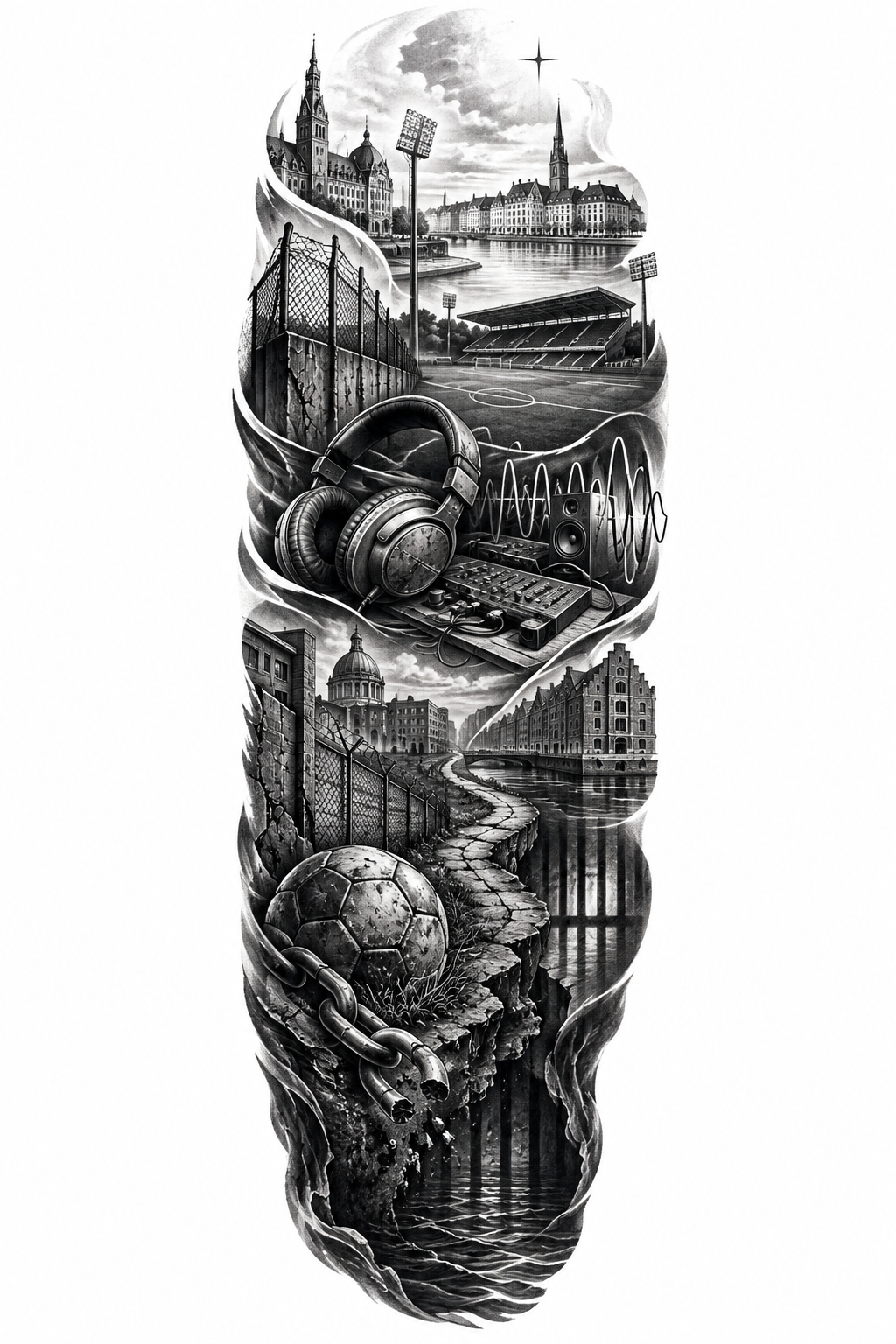
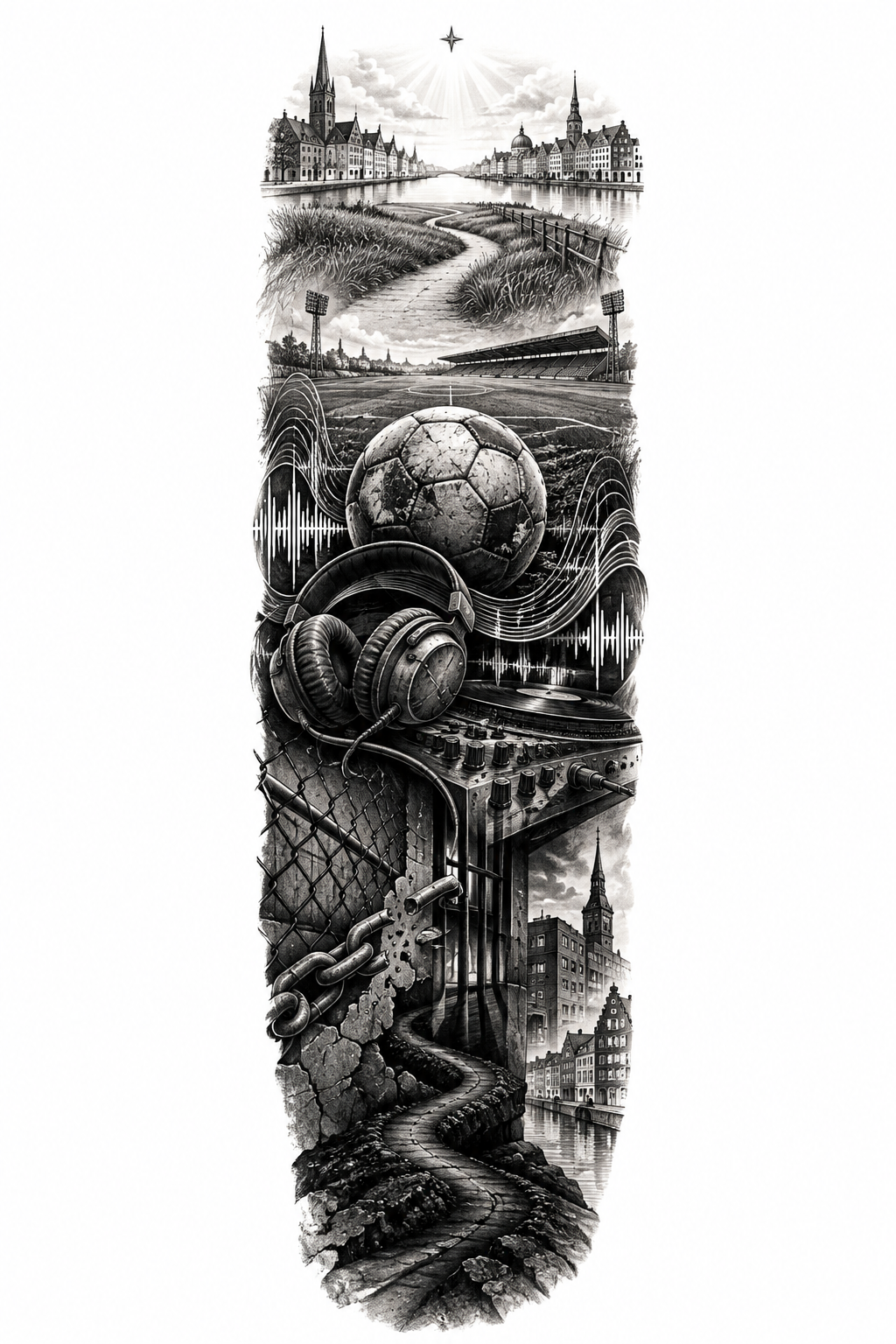
Knee tattoo designs from the community


Related placements
Knee tattoo FAQ
- What's the pain like for a Knee tattoo?
- As general guidance, the knee is very painful, around 5 out of 5. The kneecap is thin skin directly over bone with no padding, so the needle's vibration carries straight through. The sides and the soft hollow behind the knee are more bearable than the cap itself.
- How long until a Knee tattoo is fully healed?
- Healing takes three to five weeks and tends to be slow and uneven. The joint bends constantly, tugging at scabs, and the spot sits low with sluggish circulation. Resting the leg straighter early on and avoiding kneeling and deep squats gives it the best chance to settle.
- What size works best for a Knee tattoo?
- Small and medium designs suit the knee best. A contained, centered piece around the kneecap limits time over the worst of the bone and works with the joint rather than against it. Sprawling detail is harder to place and harder to heal here.
- Which styles work well for a Knee tattoo?
- Dotwork, Geometric, and Blackwork hold up best on the knee. Bold structure and radiating symmetry survive the joint's movement where fine shading would scatter. Ornamental motifs also frame the circular kneecap beautifully.
- How visible is a Knee tattoo?
- Knee visibility is medium. It shows in shorts and stays hidden under trousers. Most people who choose it, though, are after a bold statement centerpiece rather than something easy to conceal.
- Is a Knee tattoo a smart first tattoo?
- The knee is generally not recommended as a first tattoo. The very high pain, slow healing, and tendency for ink to scatter make it demanding even for experienced collectors. A softer, more forgiving spot is a kinder place to start.