Tattoo Placement
Leg Tattoos
A practical guide to Leg tattoos: how the spot wears a design, what sizes fit, how much it hurts, how long it heals, the styles that flatter it and real community designs.
About Leg tattoos
The leg, taken as a whole, is the most ambitious canvas the body offers — the full limb running from hip to ankle, the home of leg sleeves and sprawling multi-session masterpieces. Rather than a single texture, it is a landscape of contrasts: the soft, padded thigh up top, the muscular curve of the calf, the bony ridge of the shin, and the tender ankle below. That variety is its strength, giving an artist an enormous vertical field to tell a story across — a Japanese body suit panel, a blackwork botanical column, or a realism narrative that flows the length of the limb. Designs travel naturally up and down the leg, wrapping its changing shape session by session. People who commit to a full leg are usually building something over many sittings, planning the composition as a whole. Visibility sits in the medium range: shorts reveal it, trousers conceal it. It is the choice for collectors who think big and want a single connected piece rather than scattered tattoos.
Leg at a glance
| Sizes that fit | Medium, Large |
|---|---|
| Pain level | Mild |
| Healing time | 3–5 weeks |
| Visibility | Sometimes visible |
Pain and healing vary by person — this is general guidance, not medical advice.
Size and pain for Leg tattoos
Medium and large work defines the leg as a placement — this is where sleeves and full-length compositions live, so scale is the whole point. Pain is best described as mild on average, around a 2 out of 5, but that figure hides enormous variation by zone. The soft thigh barely registers, the calf muscle is moderate, and the shin and ankle bite hard where skin meets bone with no padding. A leg sleeve is really a tour through every pain level the body has to offer, which is partly why it unfolds across multiple sessions rather than one marathon. Most people find the comfortable stretches outnumber the rough ones, and breaking the work into stages keeps any single sitting tolerable. Planning the layout so detailed focal points land on the forgiving thigh and calf helps the whole experience.
Healing a Leg tattoo
Budget three to five weeks per section, and remember that a full leg heals in stages rather than all at once. As a lower limb it sits well below the heart, so swelling and fluid pooling are routine, especially around the ankle and calf after a day upright. Trousers and socks rub the length of the leg constantly, and that friction is the main threat to fresh sections, so loose clothing and elevating the leg when resting both matter. Because the work spans many appointments, different zones will be at different healing stages at once. Keeping the whole limb clean, avoiding tight legwear, and not rushing back to hard exercise protect the investment.
Styles that suit the Leg
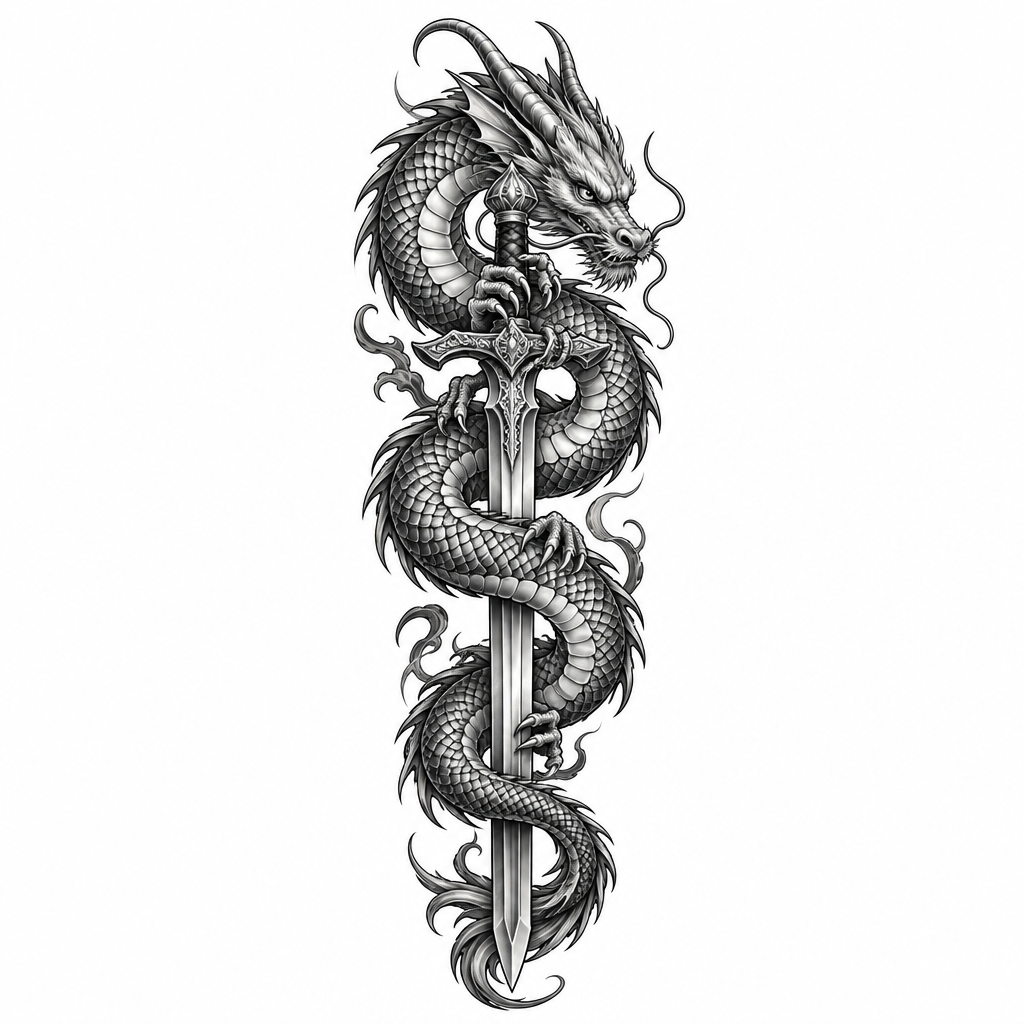
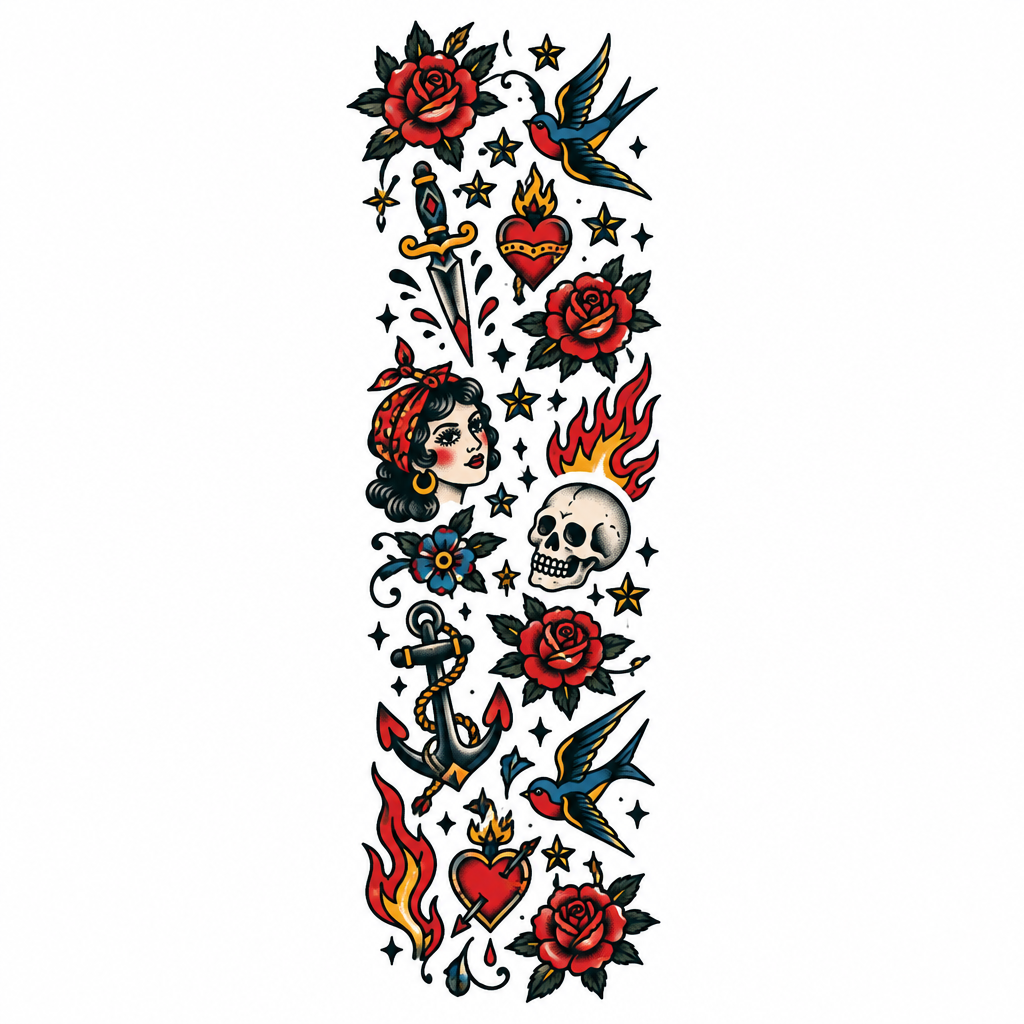
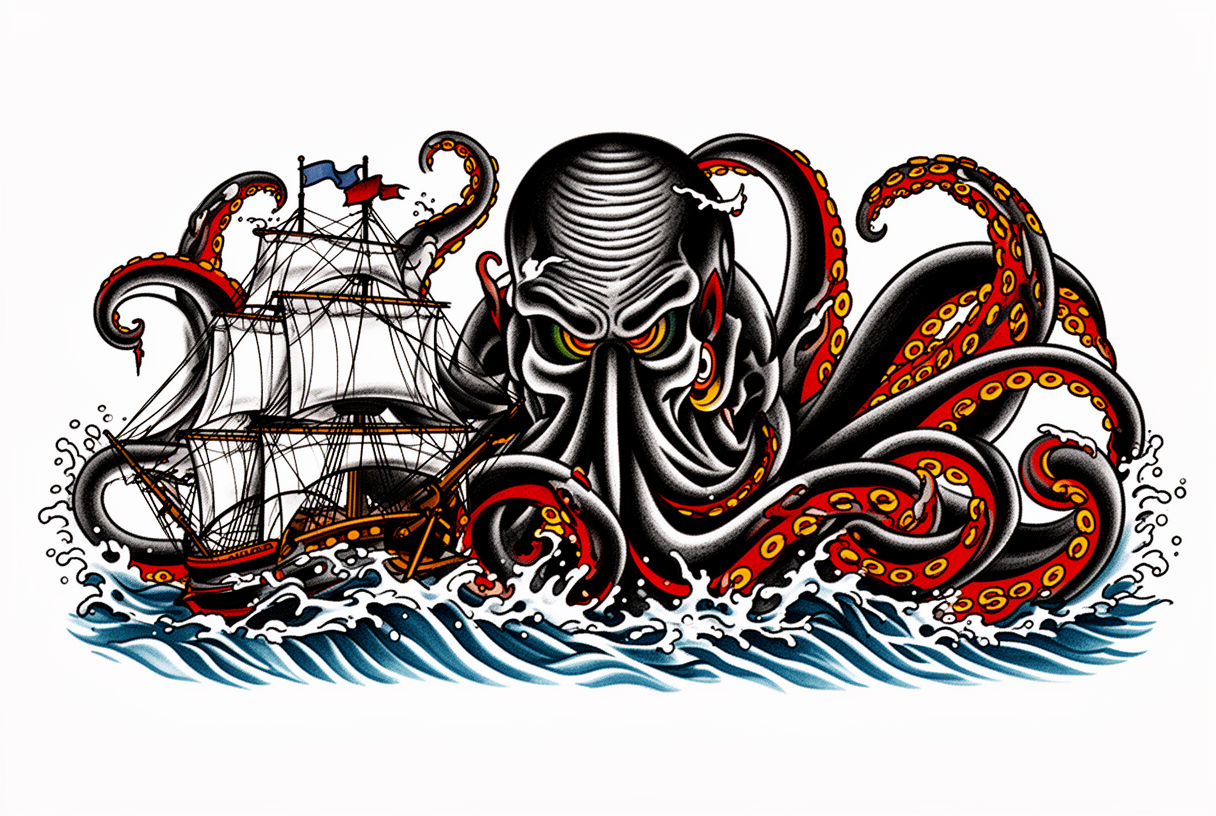
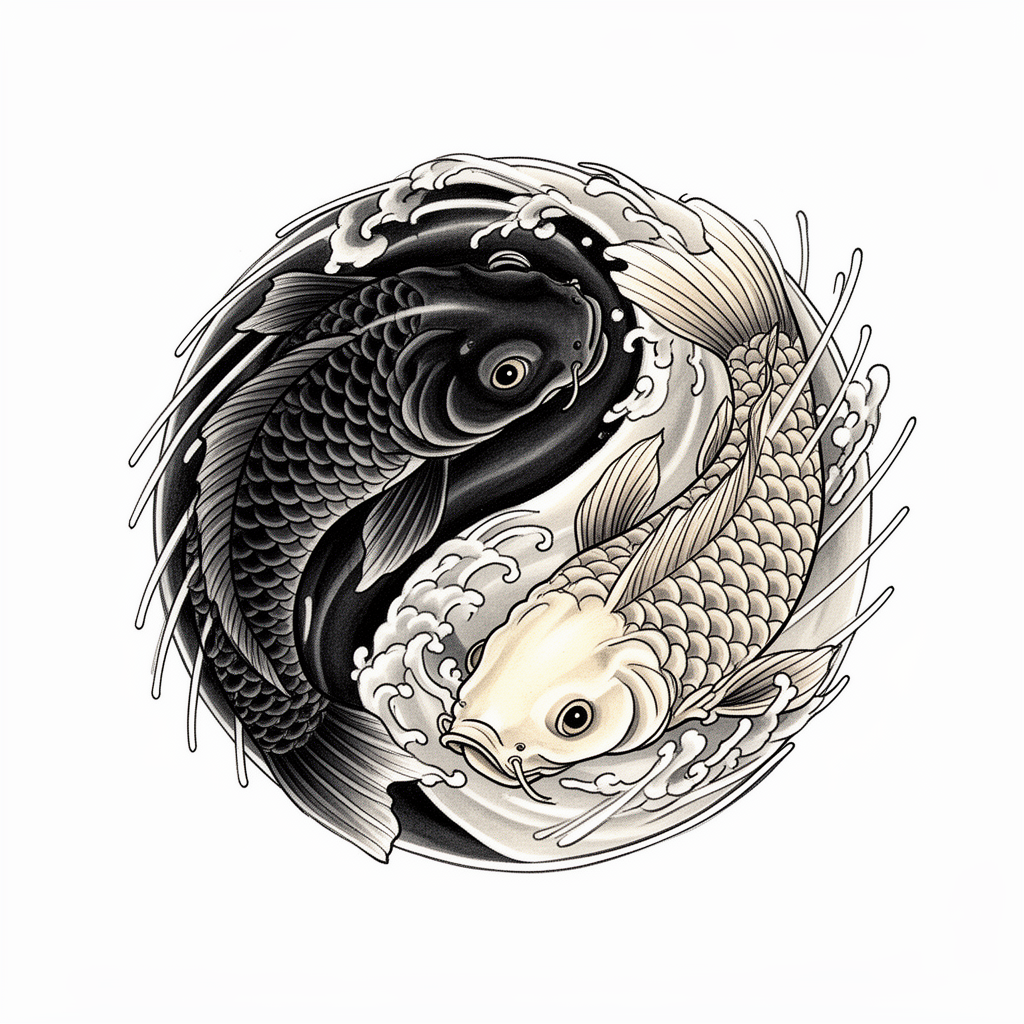
The leg's length and variety suit large, narrative styles that span the entire limb. Japanese work is the classic full-leg choice, its dragons, waves, and florals designed to flow from thigh to ankle as one connected composition. Blackwork carries bold structure across the whole field, holding together where finer work might fragment, while Realism uses the changing contours from thigh to shin to build genuine depth and scene. Traditional and Illustrative pieces stack boldly down the leg, each element reading clearly on its own yet contributing to an ambitious, connected sleeve that feels intentional from top to bottom.
AI prompt ideas for Leg tattoos
- “A full japanese leg sleeve tattoo flowing from thigh to ankle, a dragon among waves and chrysanthemums with bold outlines, wind bars, and saturated traditional color spanning the limb”
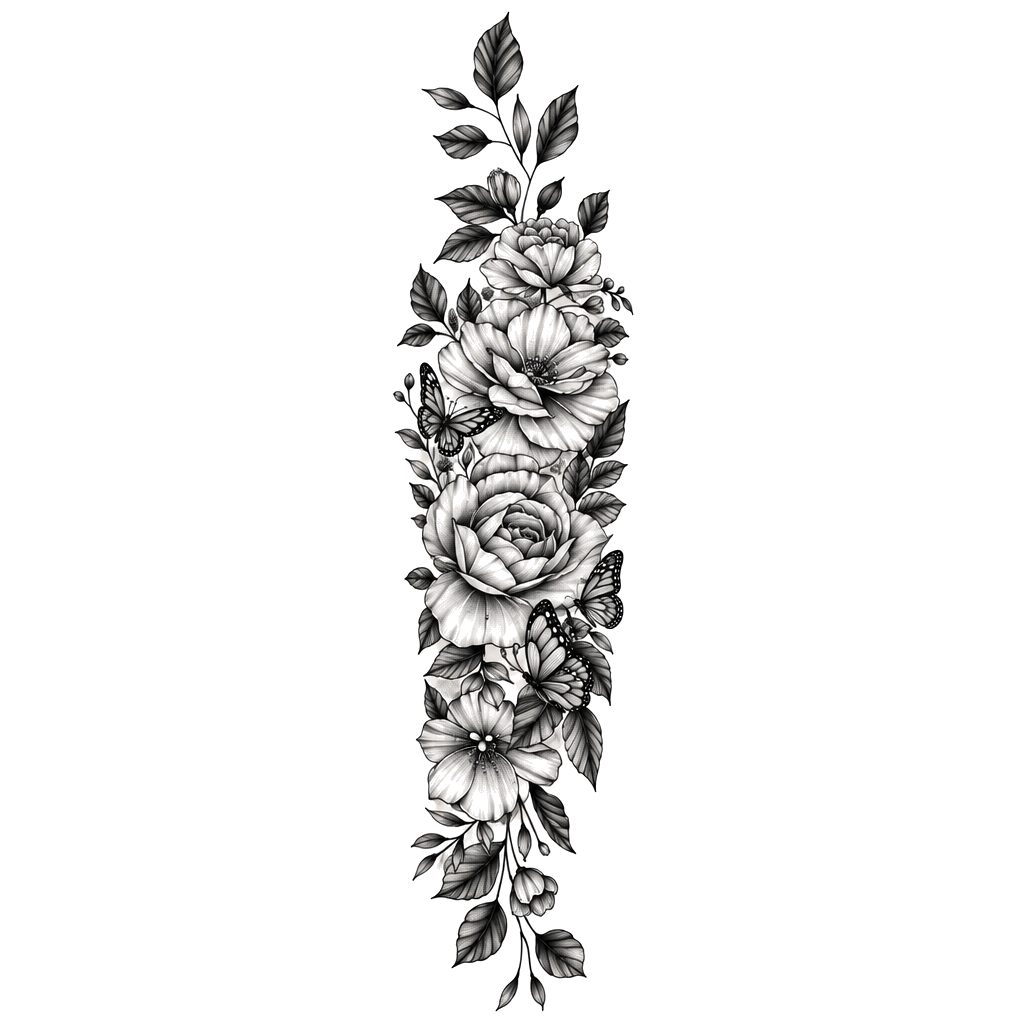
- “A blackwork leg sleeve tattoo of an interwoven botanical column running the length of the leg, dense solid black foliage and crisp negative space from thigh to ankle”
- “A realism leg tattoo telling a forest-and-river scene down the limb, layered tonal shading and depth using the changing contours from thigh to shin”
- “A traditional leg sleeve tattoo stacking bold classic icons down the leg, eagles, roses, and daggers with heavy black linework and saturated fill from knee to ankle”
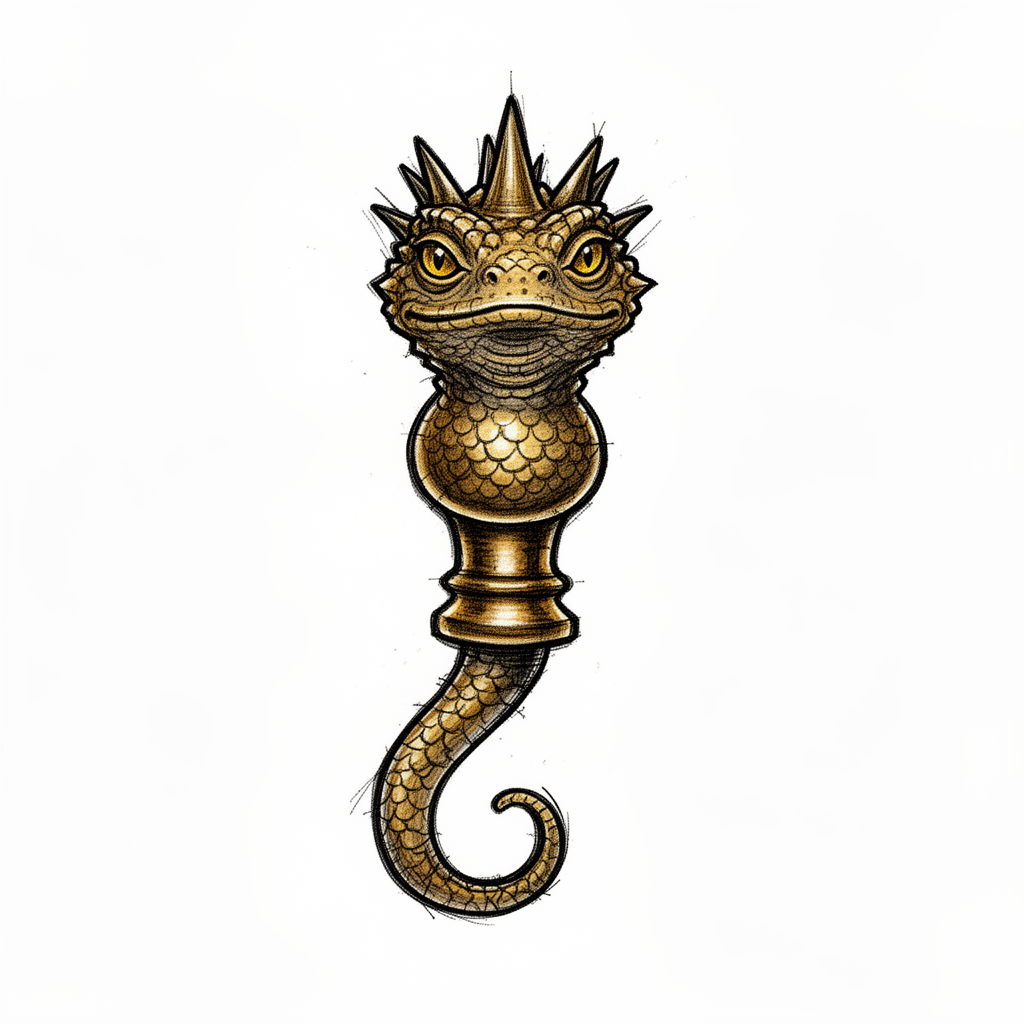
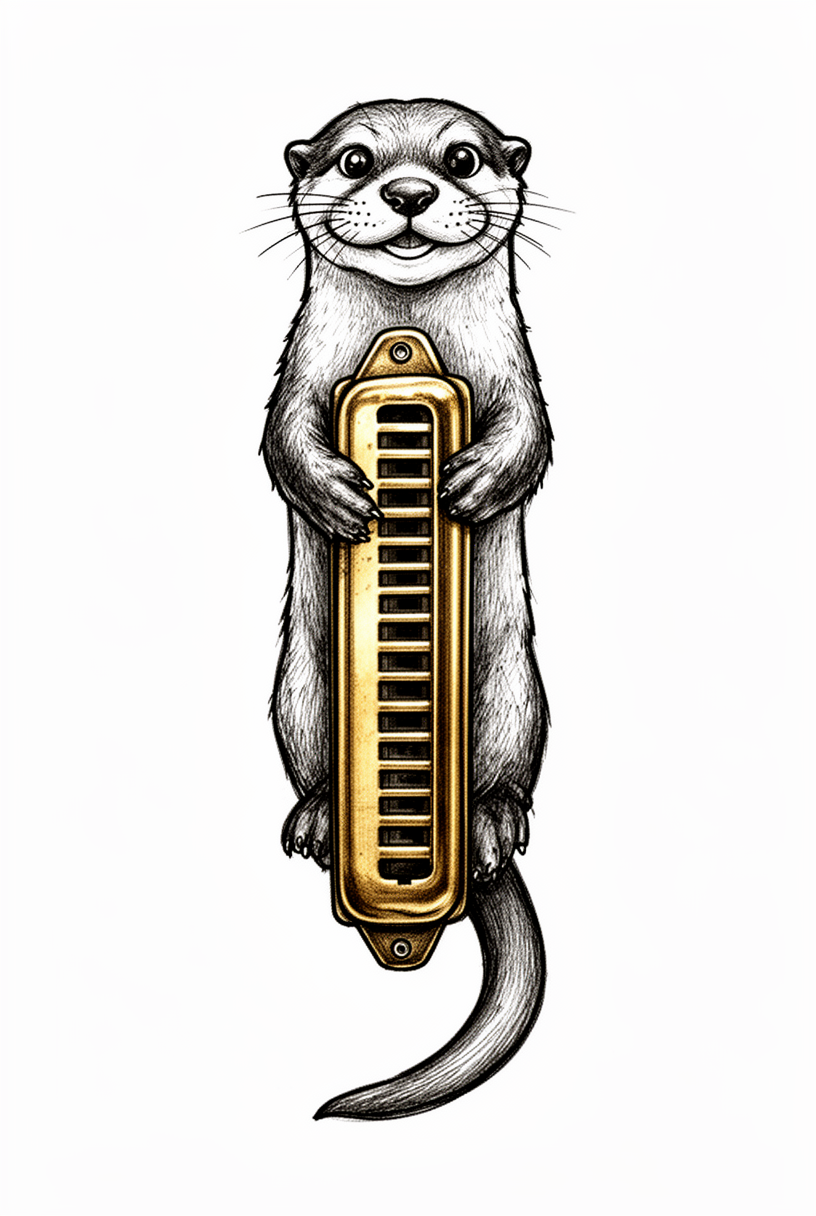
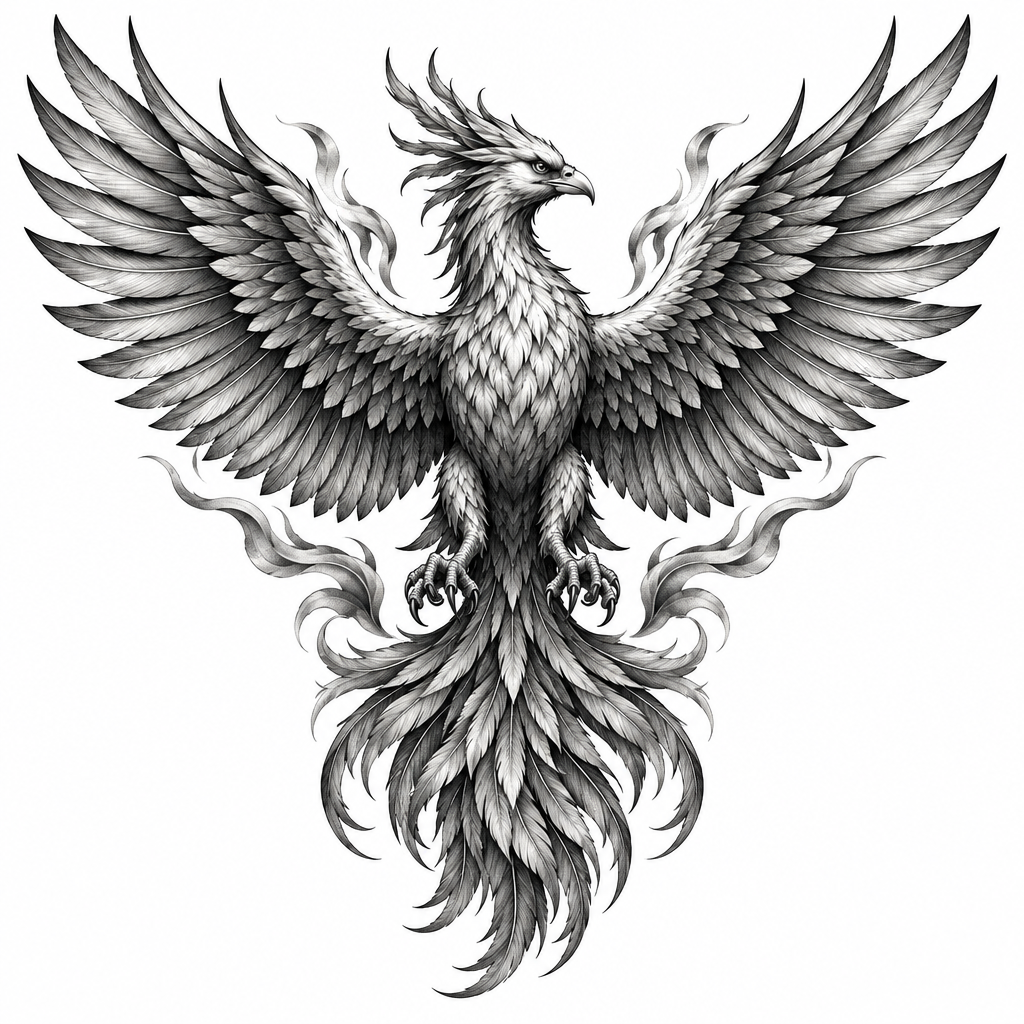
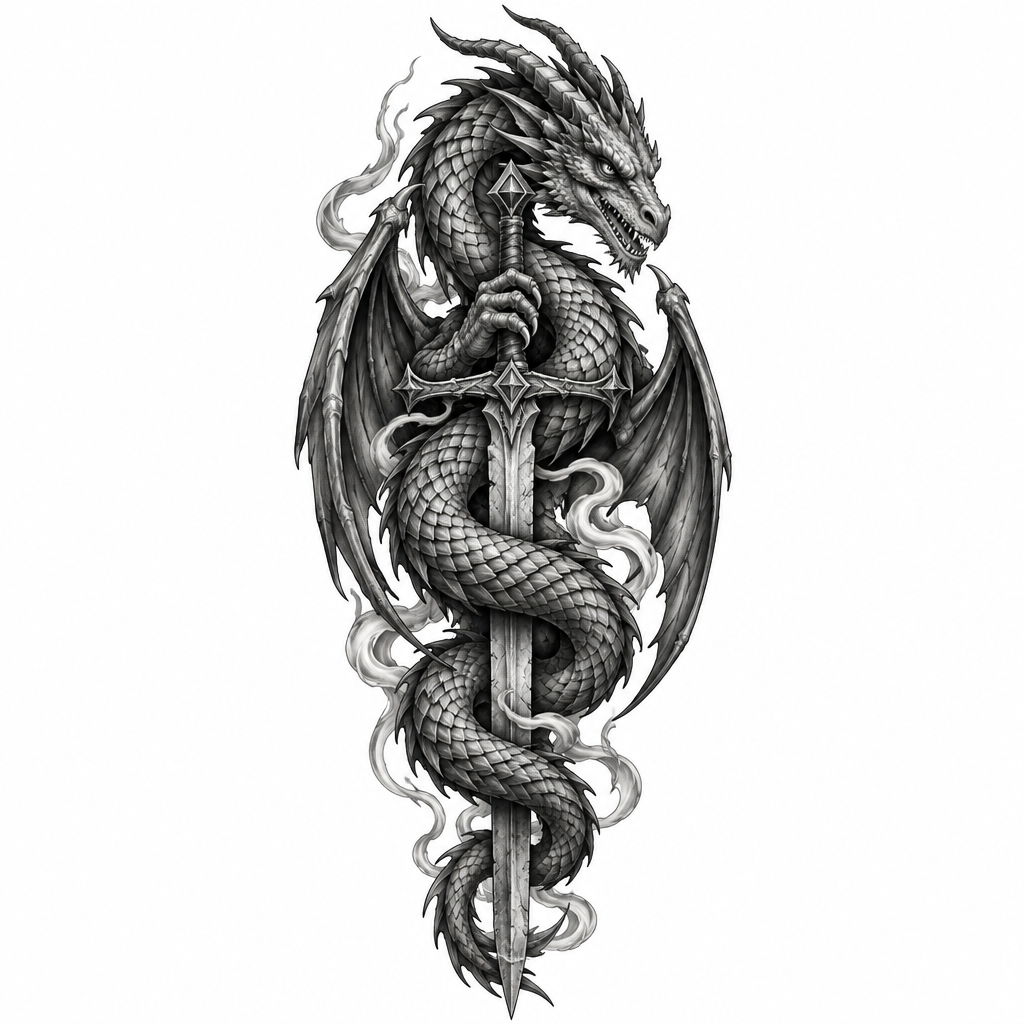
Leg tattoo designs from the community
Related placements
Leg tattoo FAQ
- What's the pain like for a Leg tattoo?
- As general guidance, average leg pain is mild, around 2 out of 5, but it varies sharply by zone. The soft thigh barely registers, the calf is moderate, and the shin and ankle bite hard where skin sits over bone. A full sleeve passes through every level.
- How long until a Leg tattoo is fully healed?
- A full leg heals in stages, with each section taking roughly three to five weeks. The lower limb swells and pools fluid since it sits below the heart, and trousers and socks rub constantly. Loose clothing, elevation, and patience between sessions all help.
- What size works best for a Leg tattoo?
- Medium and large work suits the leg, which is the natural home of sleeves and full-length compositions. Scale is the point here. Planning the whole limb as one connected piece across multiple sessions makes the most of the enormous vertical canvas.
- Which styles work well for a Leg tattoo?
- Japanese, Blackwork, and Realism are favorites for full-leg work, since they span the limb as connected narratives. Traditional and Illustrative pieces also stack boldly down the leg, each element reading clearly within an ambitious sleeve.
- How visible is a Leg tattoo?
- Leg visibility is medium. Shorts reveal the work and trousers conceal it, so a full leg can be shown or hidden depending on the day. Most people who commit to one are building a statement piece rather than prioritizing concealment.
- Is a Leg tattoo a smart first tattoo?
- A single panel on the soft thigh or calf makes a fine first tattoo, but a full leg sleeve is a major commitment best approached after some experience. Starting with one forgiving section lets you build toward the larger composition over time.