Tattoo Placement
Spine Tattoos
A practical guide to Spine tattoos: how the spot wears a design, what sizes fit, how much it hurts, how long it heals, the styles that flatter it and real community designs.
About Spine tattoos
The spine reads as a single vertical line down the center of the back, tracing the ridge of vertebrae from the nape toward the waist. Skin here is thin and stretched directly over bone, with the bumpy processes of each vertebra sitting close to the surface, so the surface is firm rather than fleshy and follows a column the eye instantly recognizes as the body's axis. Designs naturally flow top to bottom: vertical script, a string of symbols spaced like beads, or a symmetrical ornamental piece that mirrors itself across the central ridge. People drawn here tend to want something private and deliberate, a piece that nods to backbone and resilience. Because clothing covers the whole back, a spine tattoo stays easily hidden under almost anything, surfacing only with a low back or an open garment. Keeping a long vertical perfectly straight along a curving, moving column is the real challenge, and a skilled hand plans for that.
Spine at a glance
| Sizes that fit | Medium, Large |
|---|---|
| Pain level | Very high |
| Healing time | 3–5 weeks |
| Visibility | Easily hidden |
Pain and healing vary by person — this is general guidance, not medical advice.
Size and pain for Spine tattoos
Medium to large pieces suit the spine best, since the column gives length to fill with a word, a phrase, or a tall ornamental motif that needs room to breathe. Be honest: this is one of the more intense placements, sitting at the very high end of the pain scale. The reason is structural. The needle works over thin skin pulled tight across hard vertebrae with almost no fat to cushion it, and the bone amplifies the vibration so the sensation can feel sharp and rattling rather than dull. The center of the back also sits near sensitive nerve pathways, which adds to the intensity. Longer sessions are common because precise vertical work cannot be rushed, so pacing and breaks matter. None of this is meant to scare anyone off; plenty of people sit it well, and the line of a finished spine piece tends to feel worth the effort.
Healing a Spine tattoo
Expect roughly three to five weeks for the surface to settle, with deeper comfort arriving later. The back is awkward to reach, so aftercare often means asking for help or using a mirror to apply ointment evenly along the length of the line. The biggest practical nuisances are clothing and sleep. Shirt seams and chair backs rub directly across the healing column, and lying flat puts pressure right on it, so many people sleep on their side or stomach for the first stretch. Loose tops reduce friction, and a fresh piece should be kept clean and unscratched as it flakes. Sweat from exercise can irritate the line, so easing back into workouts that arch or stretch the back is sensible.
Styles that suit the Spine
The spine flatters anything built on a vertical axis. Fine Line work and Lettering are naturals, since a slim word or phrase can run cleanly down the column without fighting the body's curve. Ornamental and Dotwork pieces shine when they mirror left to right across the central ridge, turning the vertebrae into a built-in line of symmetry. Geometric designs also sit well, stacking repeating shapes down the spine like vertebrae of their own. The key is respecting the line: styles that stay narrow and balanced read as intentional, while busy, wide compositions tend to lose their structure on such a slim canvas.
AI prompt ideas for Spine tattoos
- “A delicate fine line spine tattoo of a slender botanical vine running vertically down the vertebrae, thin elegant linework, balanced and symmetrical”
- “An ornamental spine tattoo with a symmetrical mandala-inspired column mirrored across the central ridge, dotwork shading, fine detail”
- “A minimalist lettering spine tattoo of a short vertical phrase in clean serif type, evenly spaced down the backbone”
- “A geometric spine tattoo of stacked repeating diamond shapes descending the vertebrae, crisp dotwork texture, precise alignment”
Spine tattoo designs from the community
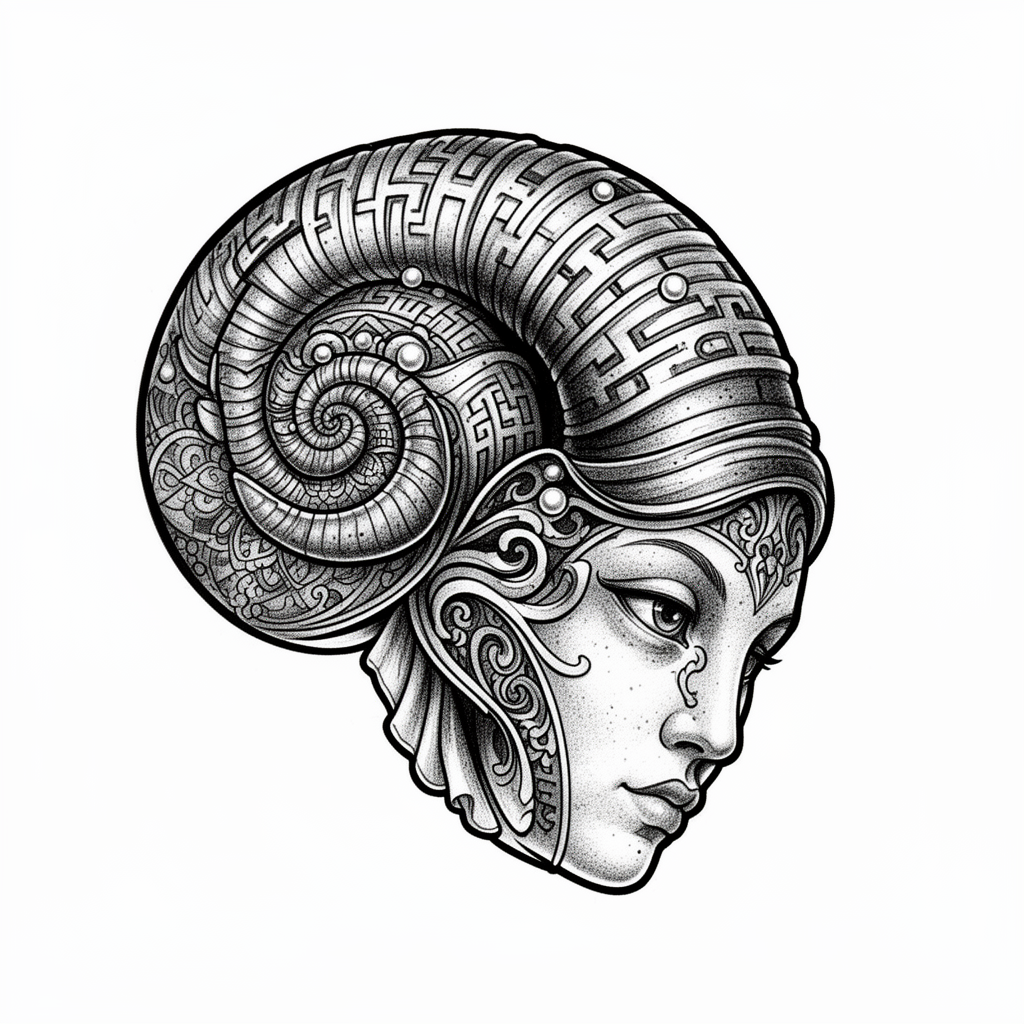
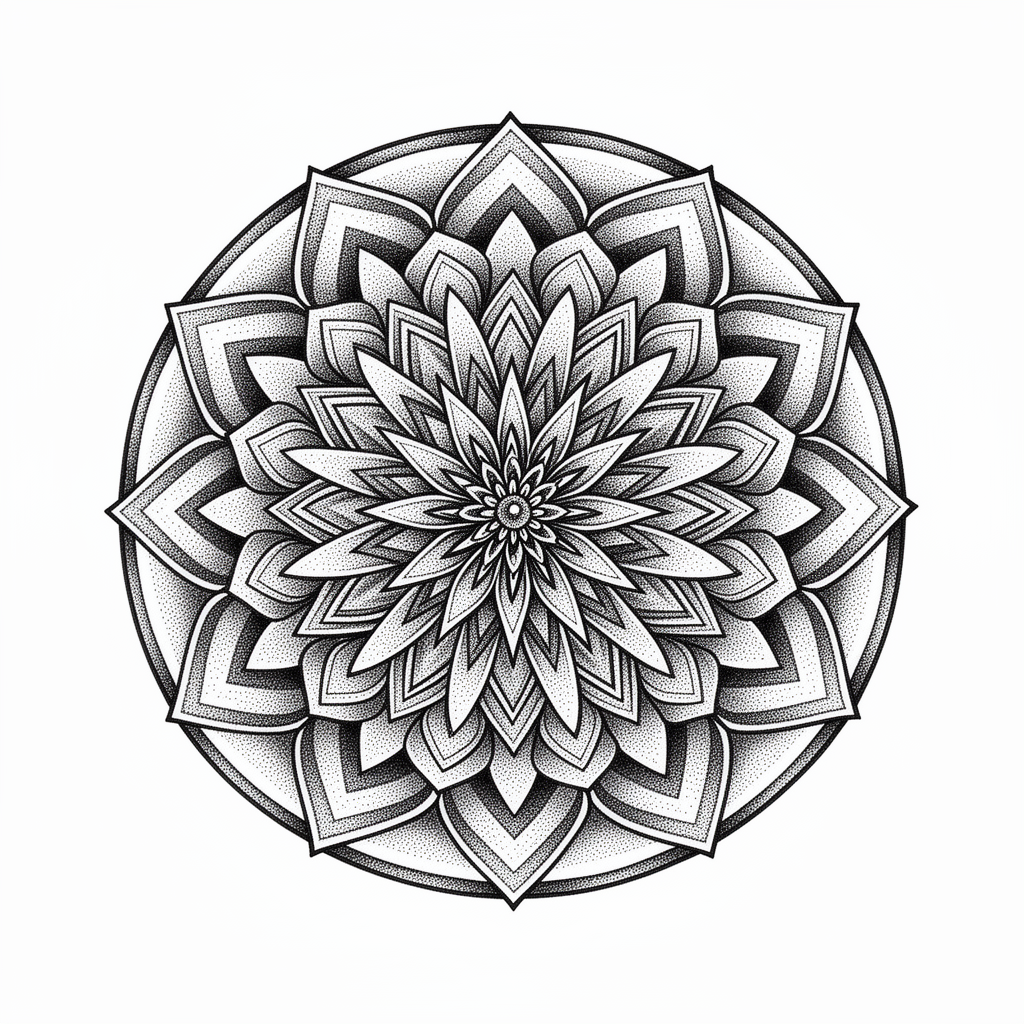
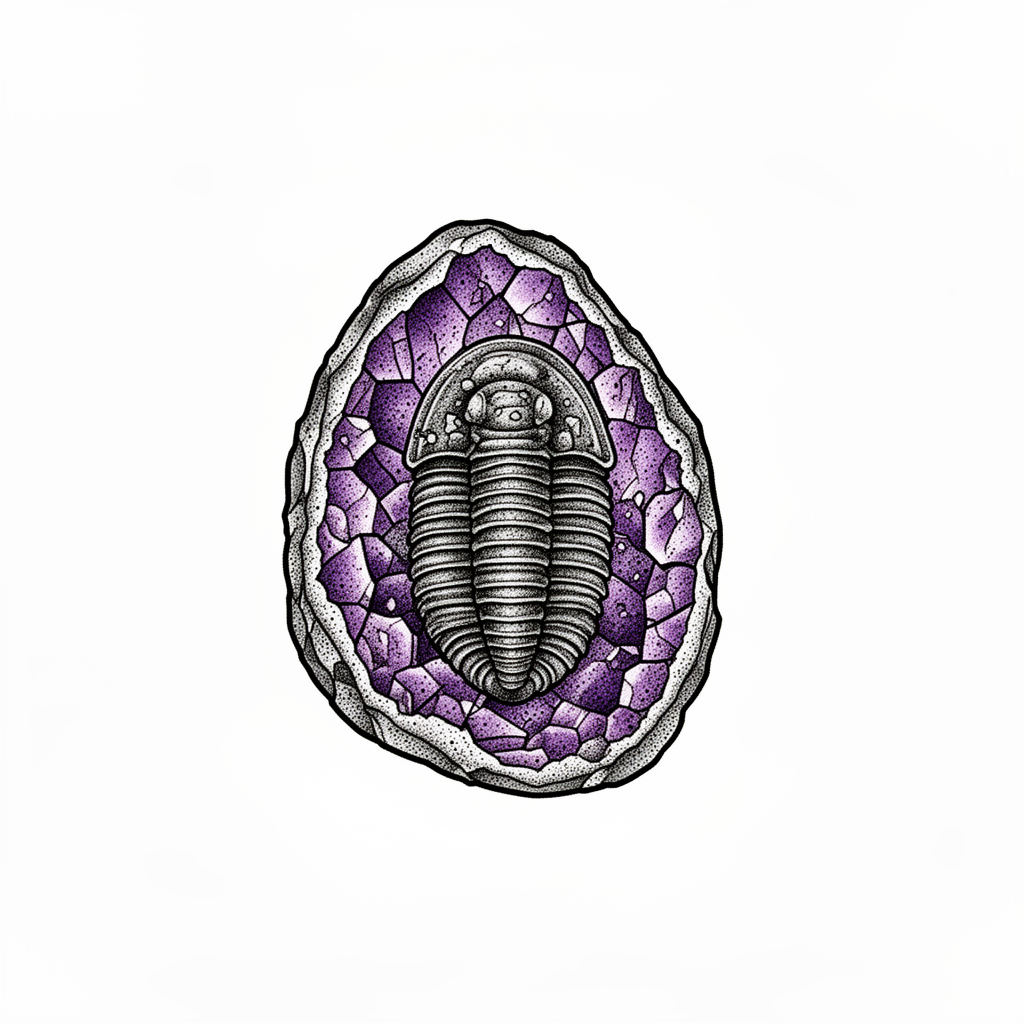
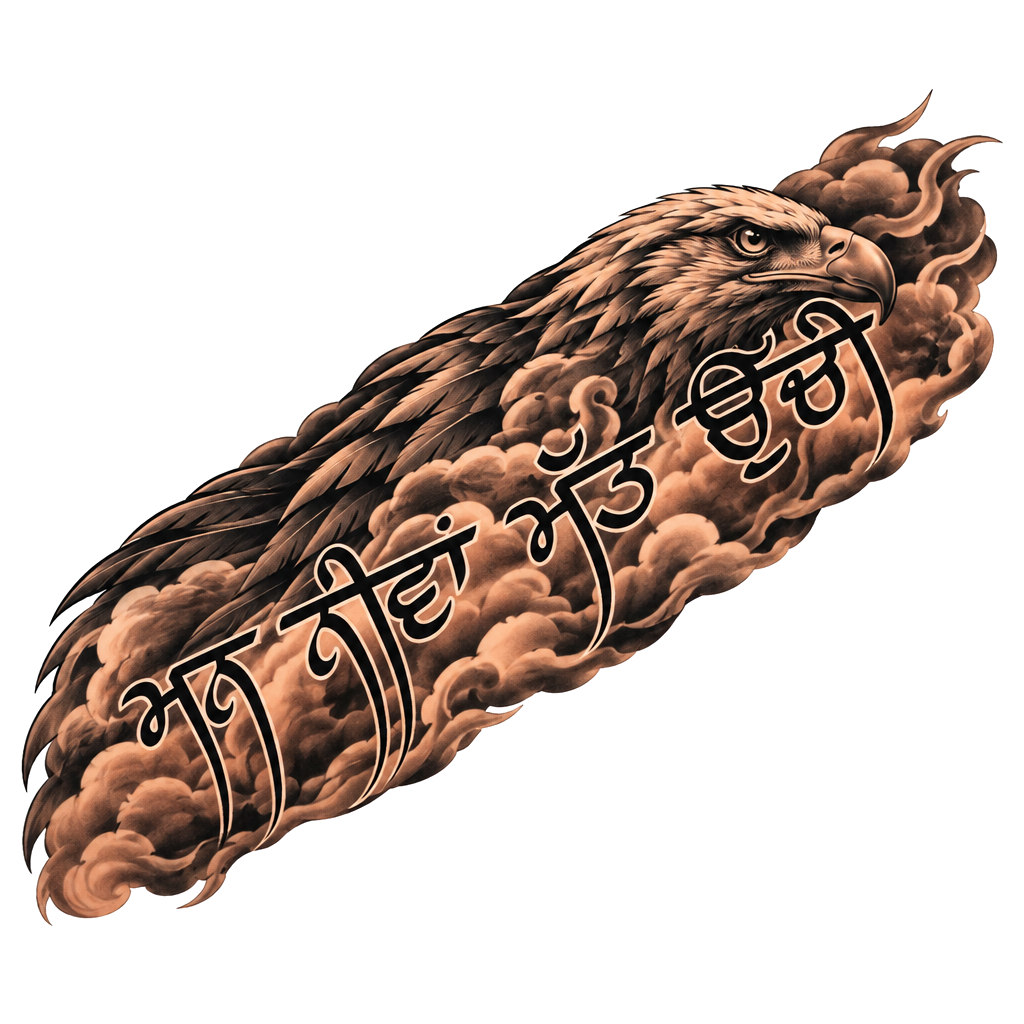
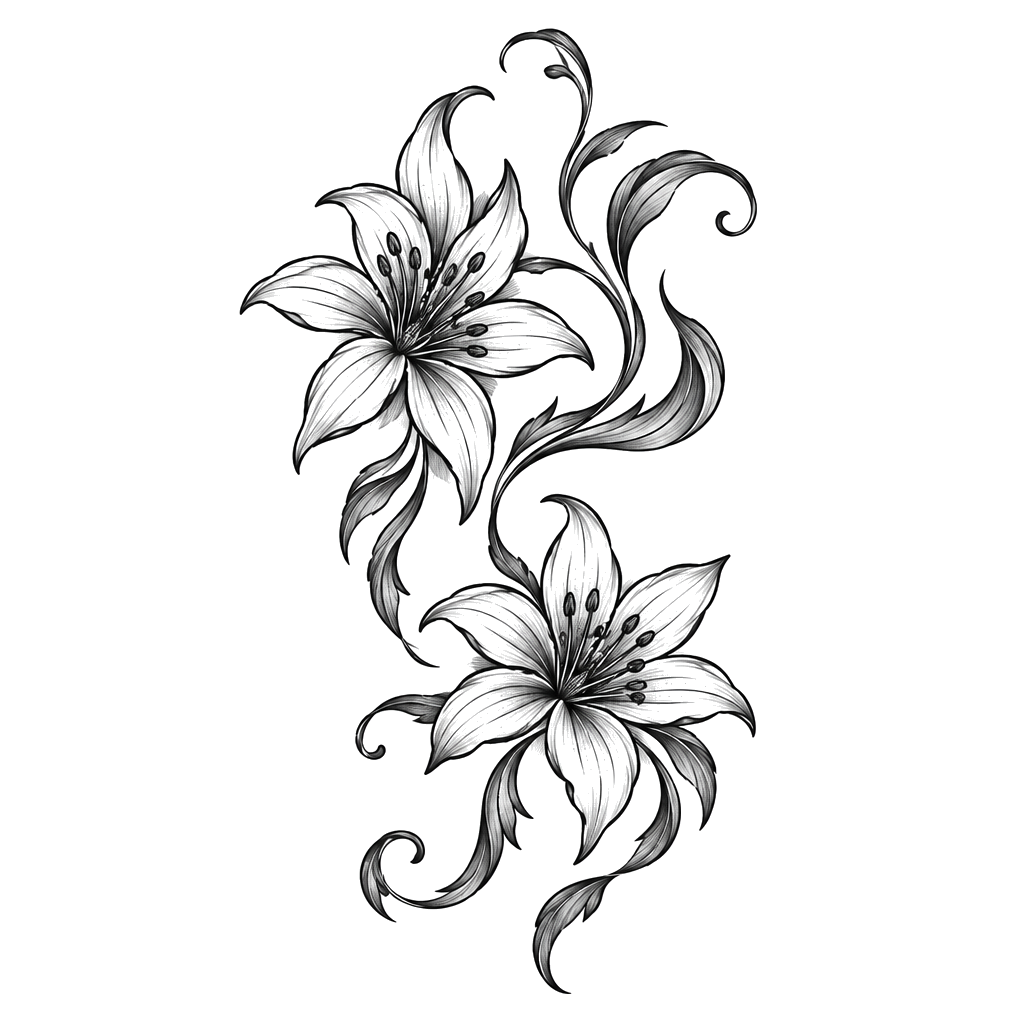
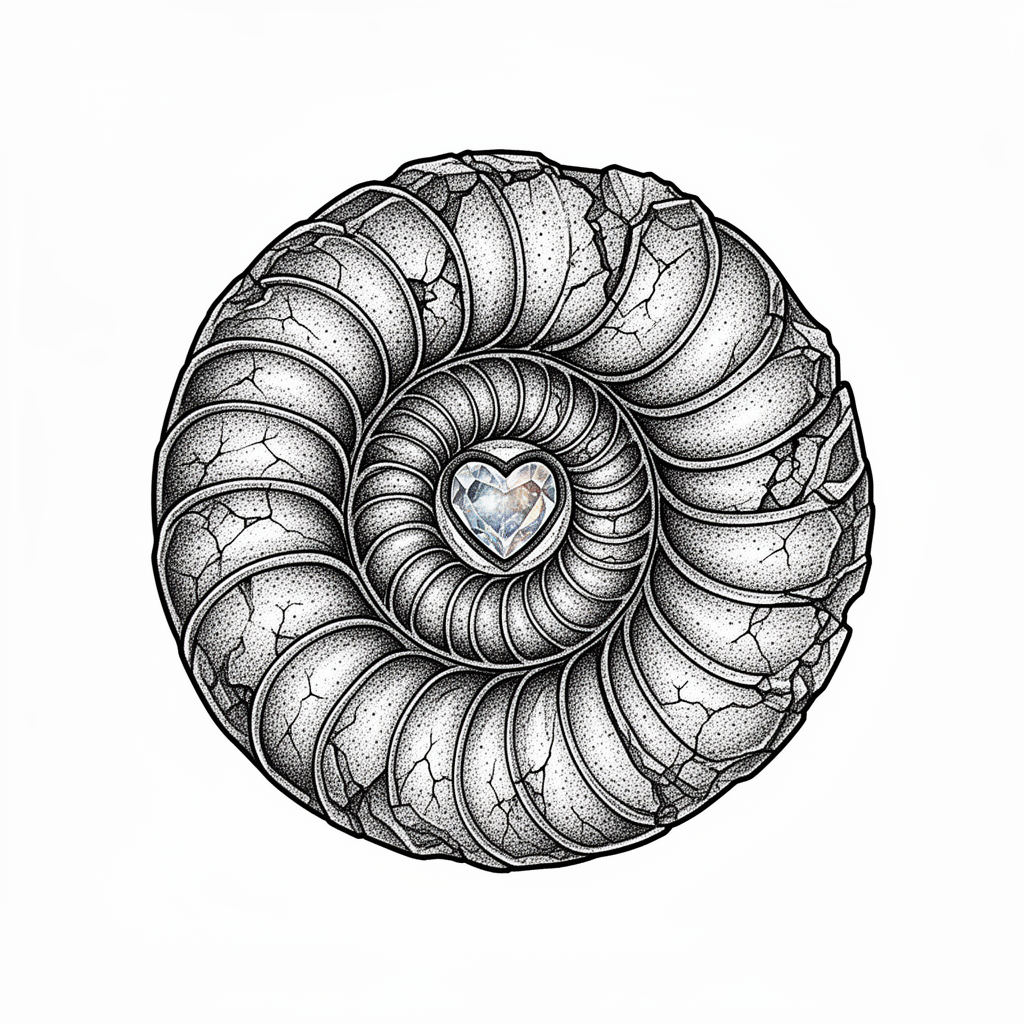
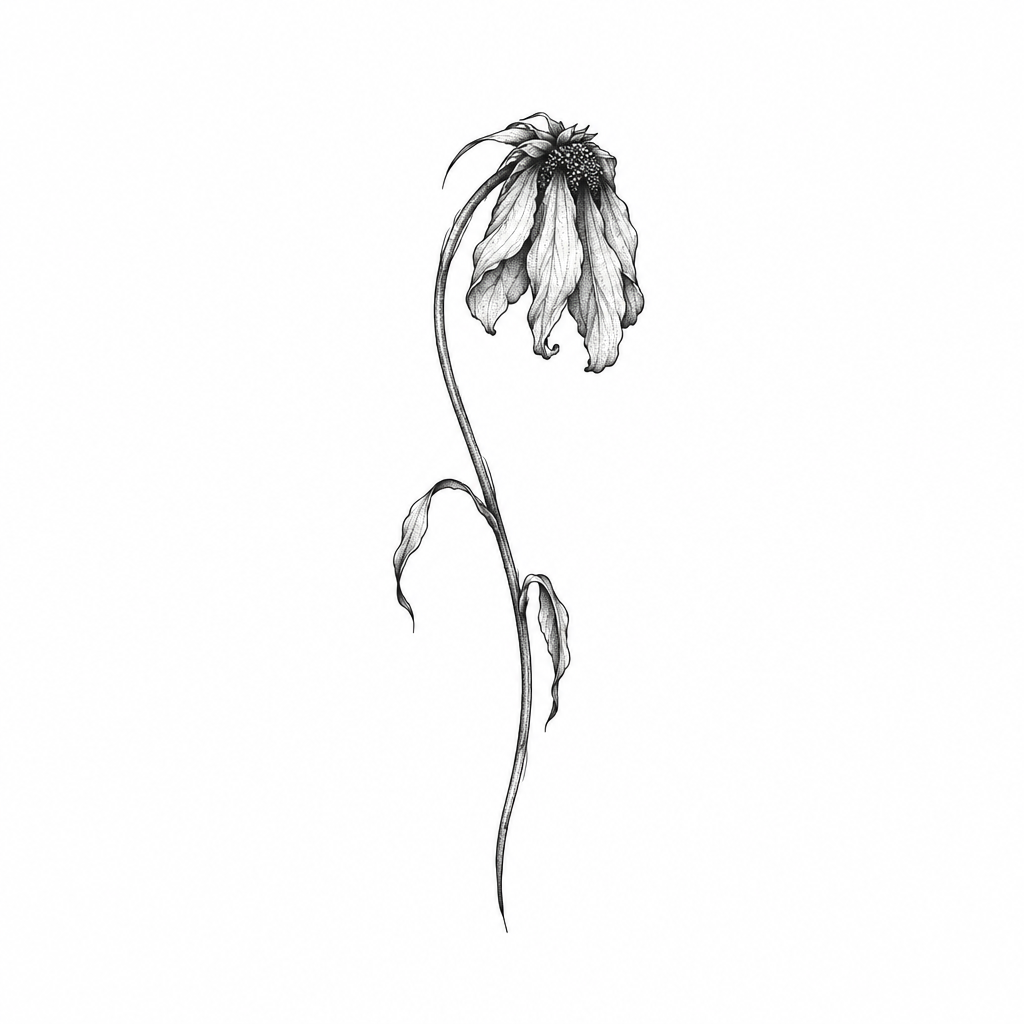
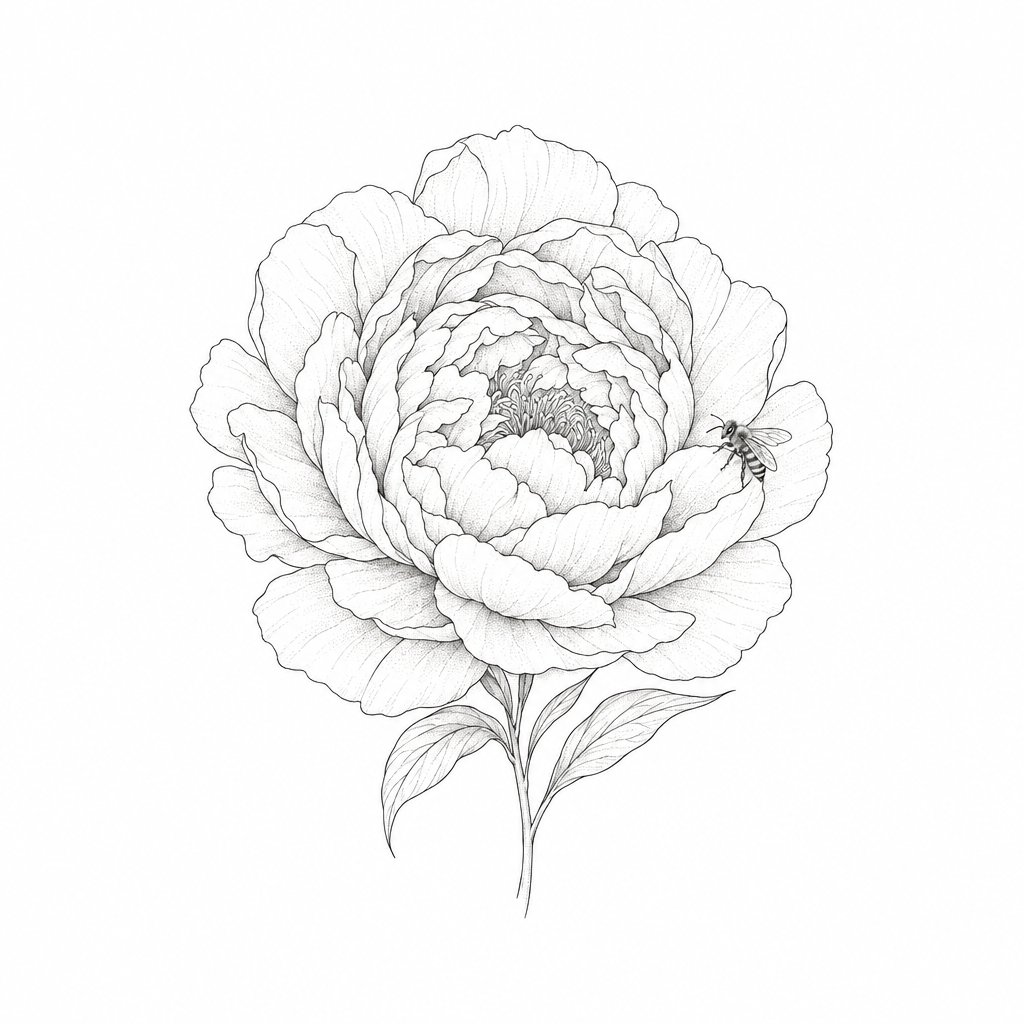
Related placements
Spine tattoo FAQ
- Is a Spine tattoo painful?
- As general guidance, the spine is considered one of the more intense placements because the skin is thin and stretched over bone with little padding. Many people describe a sharp, rattling sensation, especially over the vertebrae. Breaks and a steady pace help a lot, and individual tolerance varies widely.
- What's the healing time for a Spine tattoo?
- Surface healing usually takes about three to five weeks, with full settling a bit longer. Clothing seams and chair backs rub the line, so loose tops help, and sleeping on the side or stomach avoids direct pressure. Keep it clean and let it flake without scratching.
- How big can a Spine tattoo be?
- Medium to large pieces work best because the spine offers a long vertical canvas to fill. A word, phrase, or tall ornamental motif uses the length well. Very tiny designs can look lost on such a long, narrow column.
- What styles look best on the Spine?
- Fine Line, Lettering, Ornamental, Dotwork, and Geometric all suit the spine. Vertical scripts and symmetrical mirrored pieces read especially well because they follow the body's central axis. Narrow, balanced compositions hold up better than wide busy ones.
- Can a Spine tattoo be covered up?
- A spine tattoo is easy to hide since nearly all clothing covers the back. It only shows with a low-backed or open garment. This makes it a discreet choice for people who want a private piece.
- Should your first tattoo go on the Spine?
- It can be a first tattoo, but it is a demanding spot, so going in informed helps. Many people start somewhere less intense, though a determined first-timer who paces the session and follows aftercare can absolutely manage the spine.