Tattoo Placement
Back Tattoos
A practical guide to Back tattoos: how the spot wears a design, what sizes fit, how much it hurts, how long it heals, the styles that flatter it and real community designs.
About Back tattoos
The back is the single largest flat canvas the body provides, an expansive plane stretching from the shoulders down to the lower spine and out across both shoulder blades. Nowhere else offers this much uninterrupted room, which is why the back is the home of the full back piece, the most ambitious kind of tattoo many people ever undertake. Across the broad muscle there is a generous layer of padding, and the surface stays relatively flat and stable compared with the moving torso below. The major landmarks are the bony ridge of the spine down the centre and the shoulder blades framing the upper corners. Large, narrative designs flow naturally here, mirroring across the spine or building a single sweeping scene from neck to waist. People drawn to the back tend to want a major statement piece, often built over many sessions, and they value that it stays entirely hidden beneath any clothing.
Back at a glance
| Sizes that fit | Large |
|---|---|
| Pain level | Moderate |
| Healing time | 3–6 weeks |
| Visibility | Easily hidden |
Pain and healing vary by person — this is general guidance, not medical advice.
Size and pain for Back tattoos
The back is the natural home of large work, and a full back piece can fill the whole plane with a single composition. Across the broad muscle the sensation usually stays in a comfortable moderate band, around three out of five, since the padding over the back muscles softens the needle considerably. Discomfort climbs over the bony zones: the ridge of the spine down the centre and the edges of the shoulder blades have far less cushioning, so passes over those areas feel sharper and more vibrating. The lower back near the waist can also be more sensitive for some people. Most find the back one of the more forgiving large-scale placements, and because the work spans many sessions, each individual sitting tackles a manageable section rather than the whole expanse at once.
Healing a Back tattoo
Because back pieces are large and often built over many sittings, the overall journey is long, with each session settling over roughly three to six weeks. The back is awkward to tend to since you cannot easily reach or see it, so having a mirror or a helping hand for aftercare makes a real difference. Clothing matters too: shirt collars at the top, bra straps and bands across the upper and mid back, and waistbands at the base all press on a healing piece. Loose, soft tops help, and sleeping on your front or side keeps pressure off. Keep each healing section clean and dry, avoid swimming and baths, and let the flaking shed on its own.
Styles that suit the Back
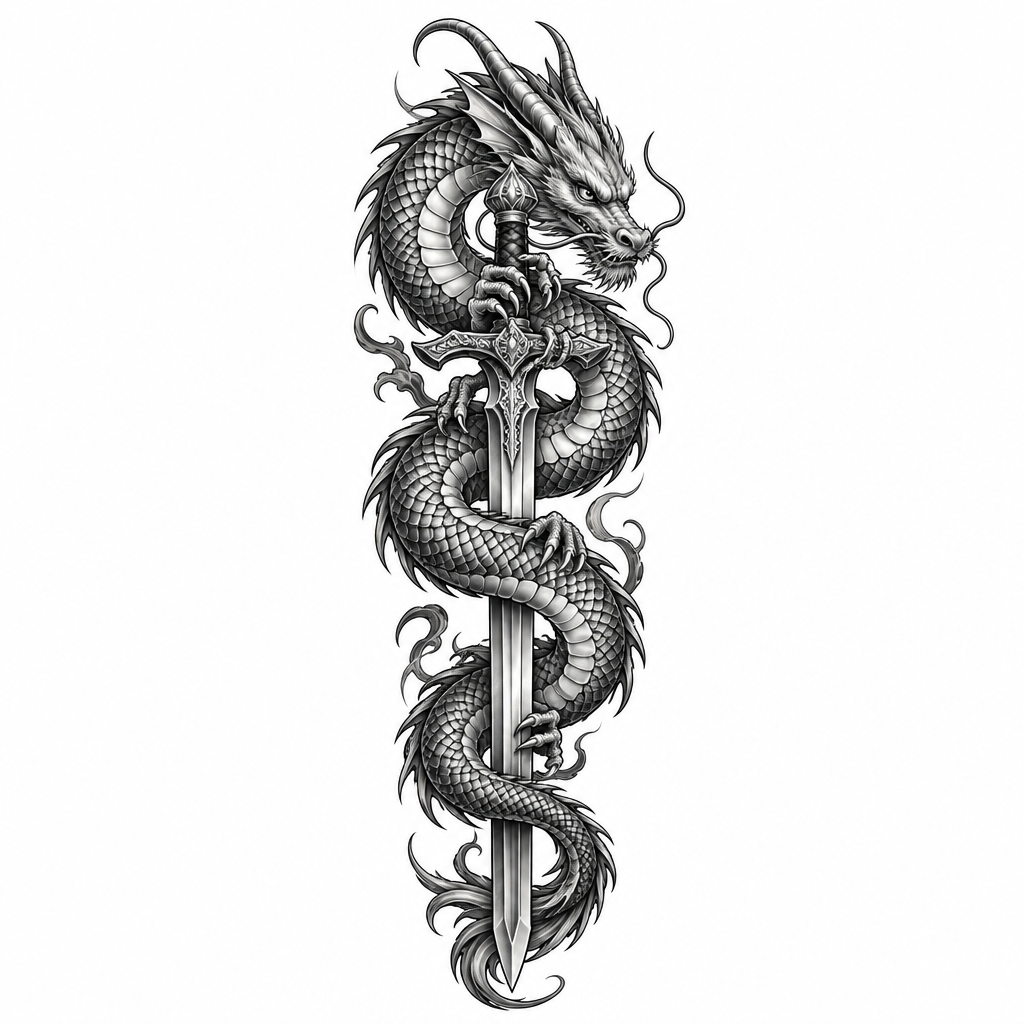
The back's vast flat plane is built for ambitious, narrative styles. Japanese work is the classic choice, with full back pieces of dragons, koi, and crashing waves filling the whole canvas in flowing composition. Blackwork uses the scale for bold solid imagery and large-scale pattern that holds up beautifully over time. Realism suits a detailed scene or portrait given room to breathe across the muscle. Illustrative designs build storybook narratives, while Ornamental detail frames and adorns larger work. The flat, stable surface keeps every style crisp.
AI prompt ideas for Back tattoos
- “A full Japanese back piece of a coiling dragon among crashing waves and clouds, bold outlines and traditional shading filling the whole back”
- “A large Blackwork back tattoo of bold solid shapes and intricate large-scale patterning spanning both shoulder blades to the lower spine”
- “A Realism back scene of a detailed landscape with dramatic grayscale shading spread across the upper back”
- “An Illustrative back piece telling a storybook narrative, soft shading and flowing imagery running from neck to waist”
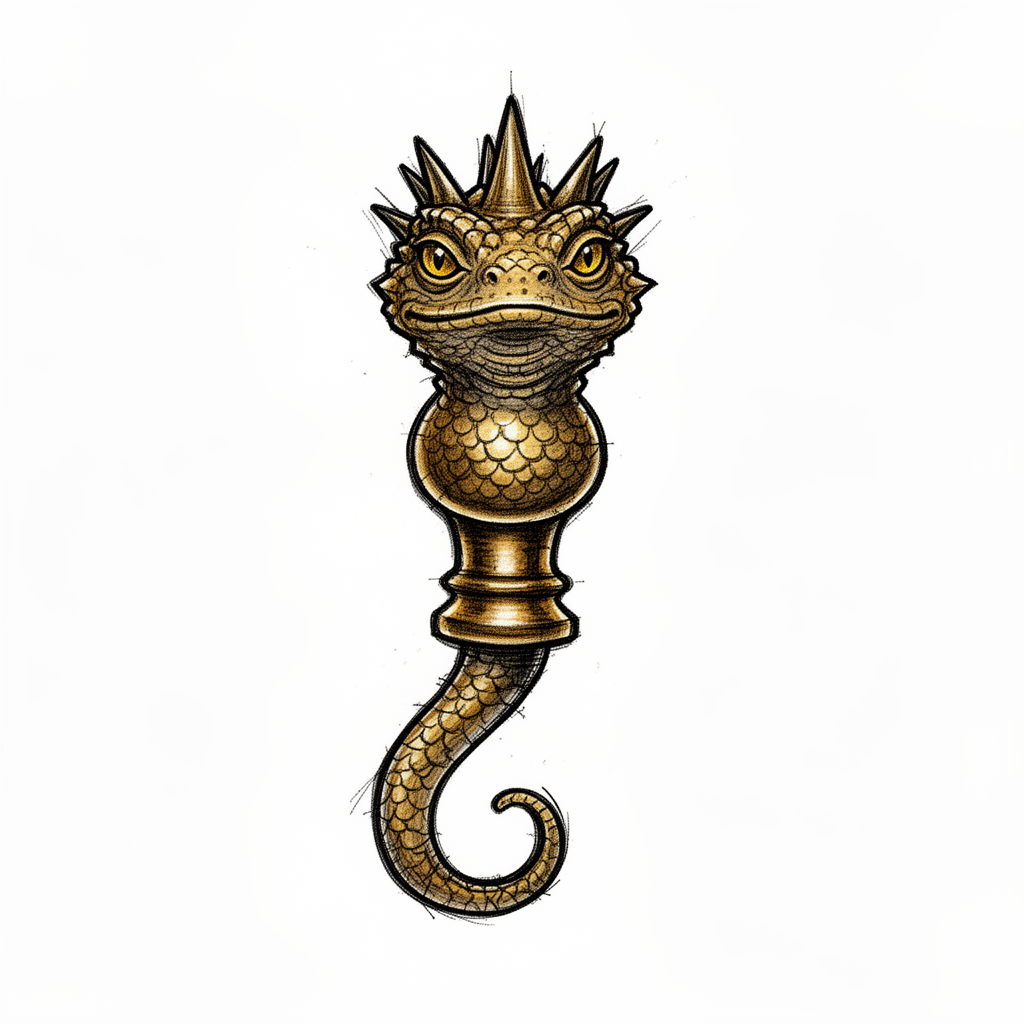
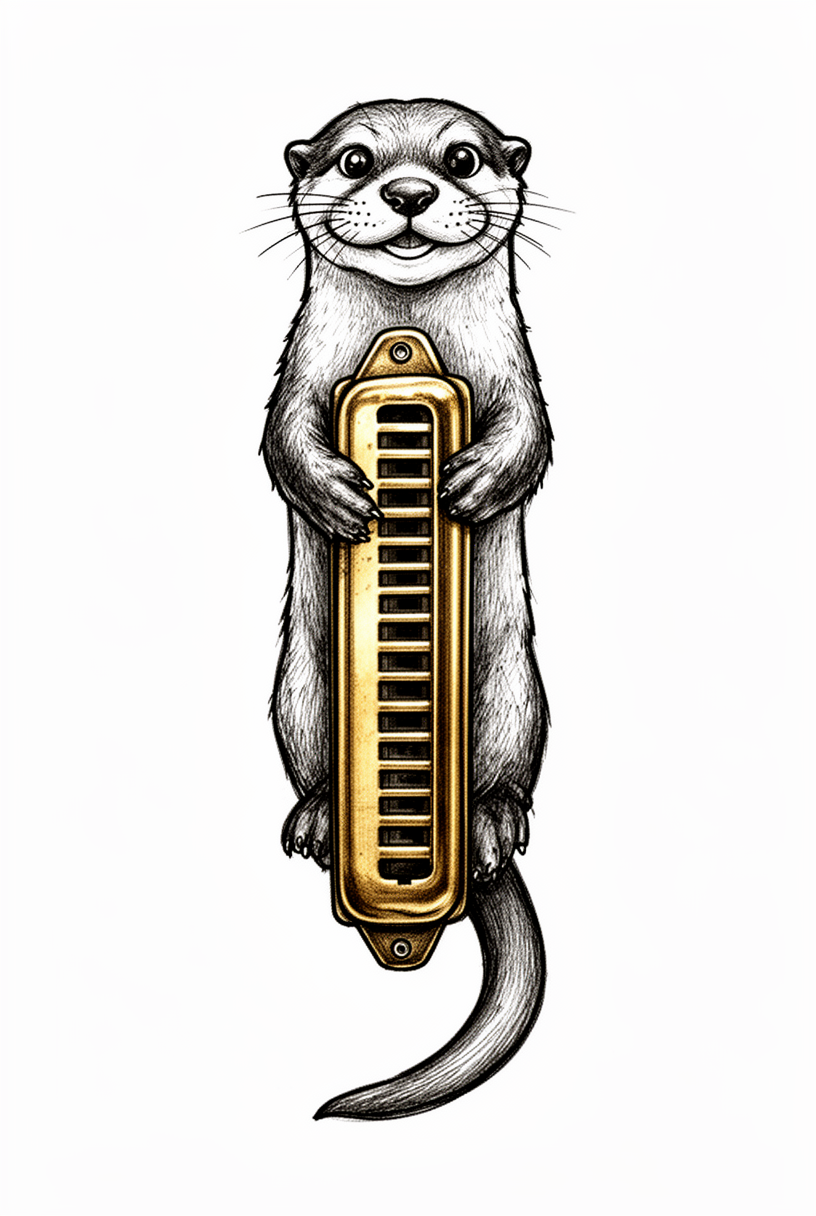
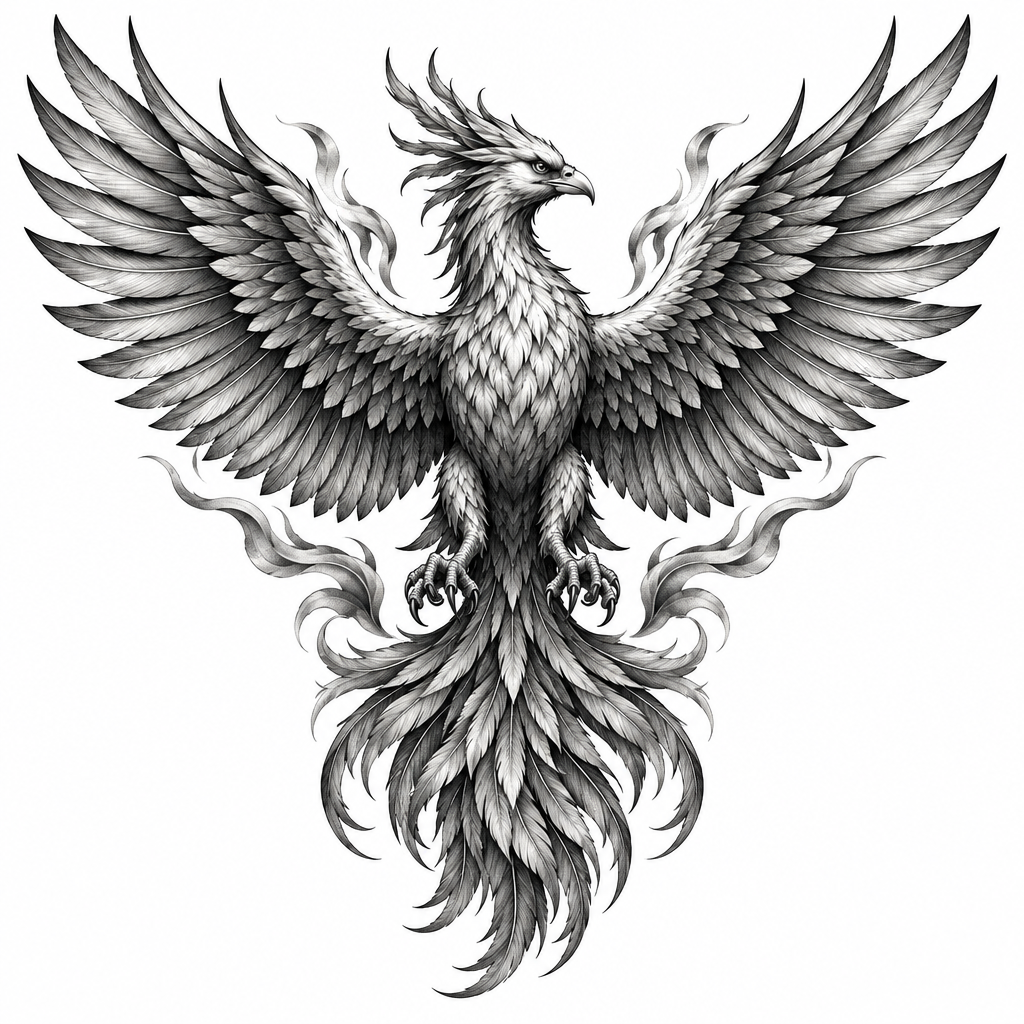
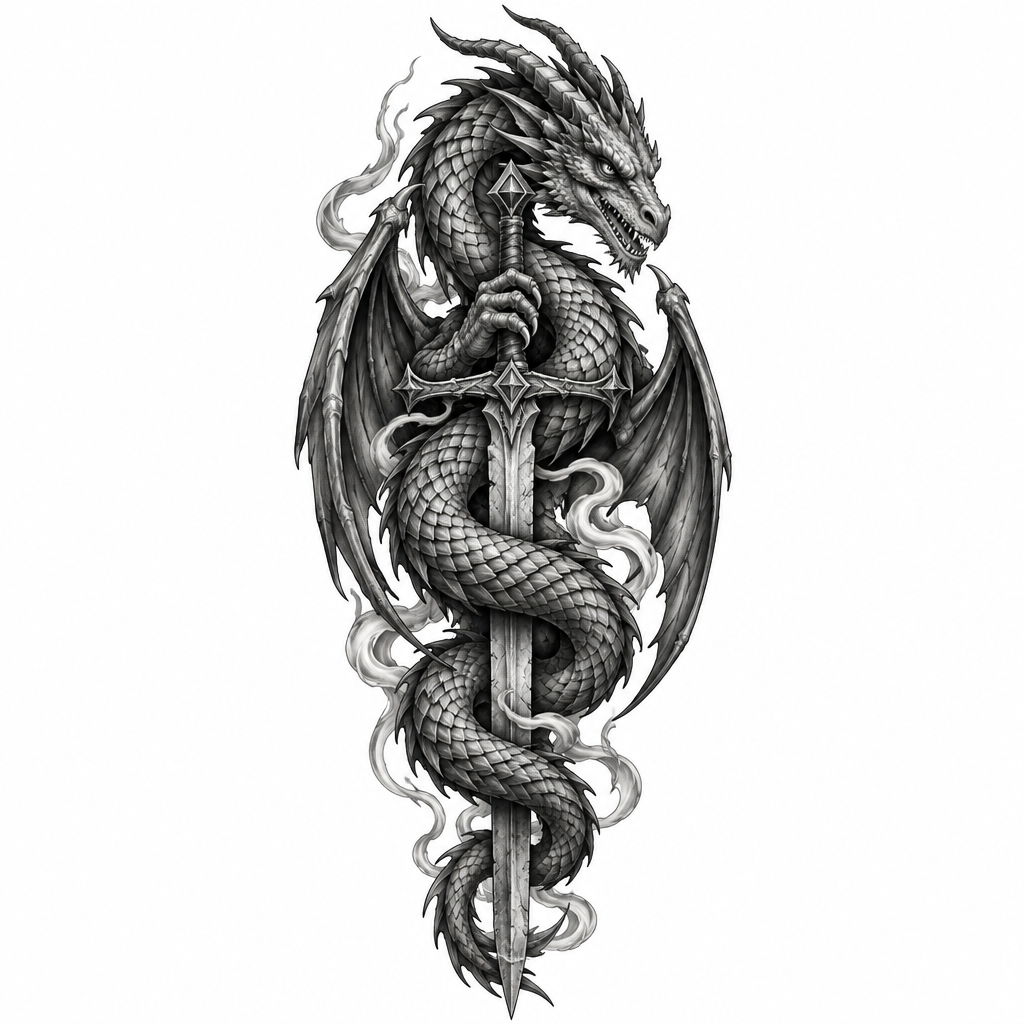
Back tattoo designs from the community
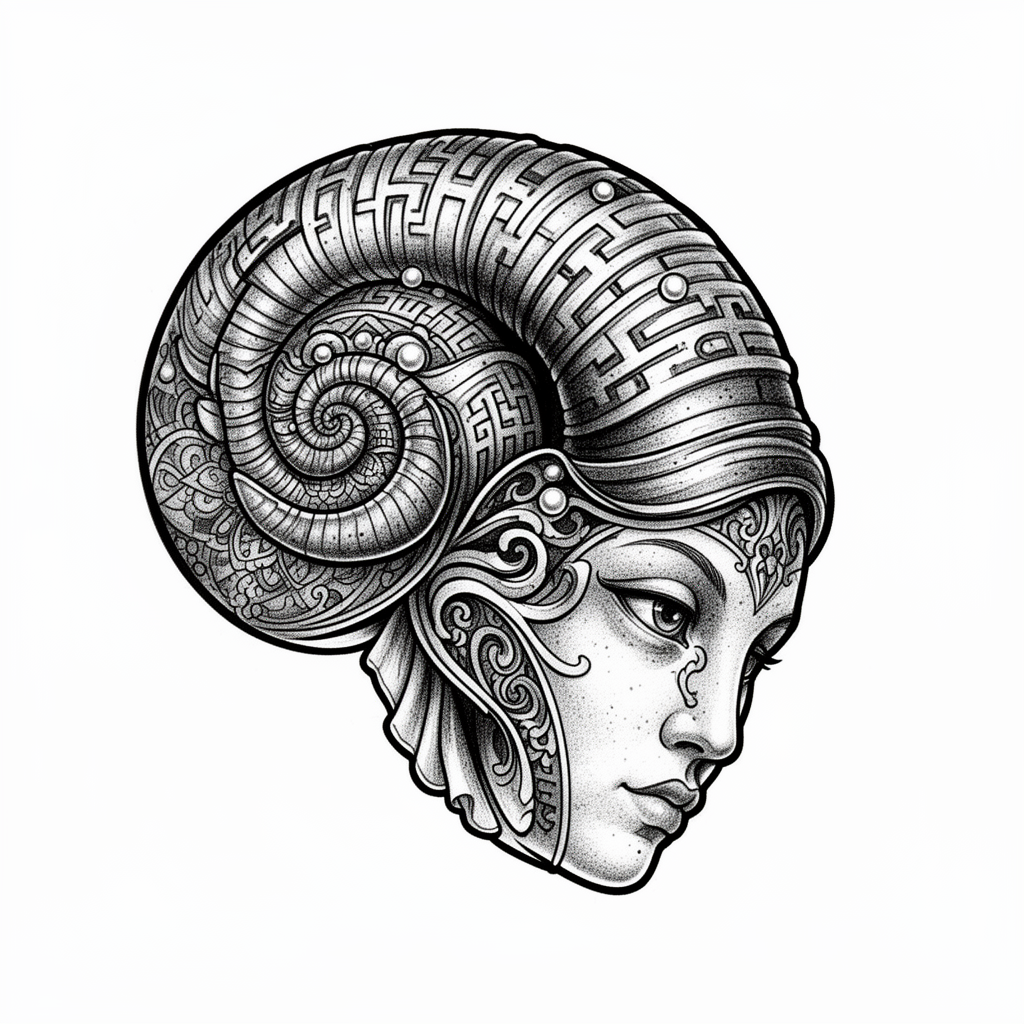
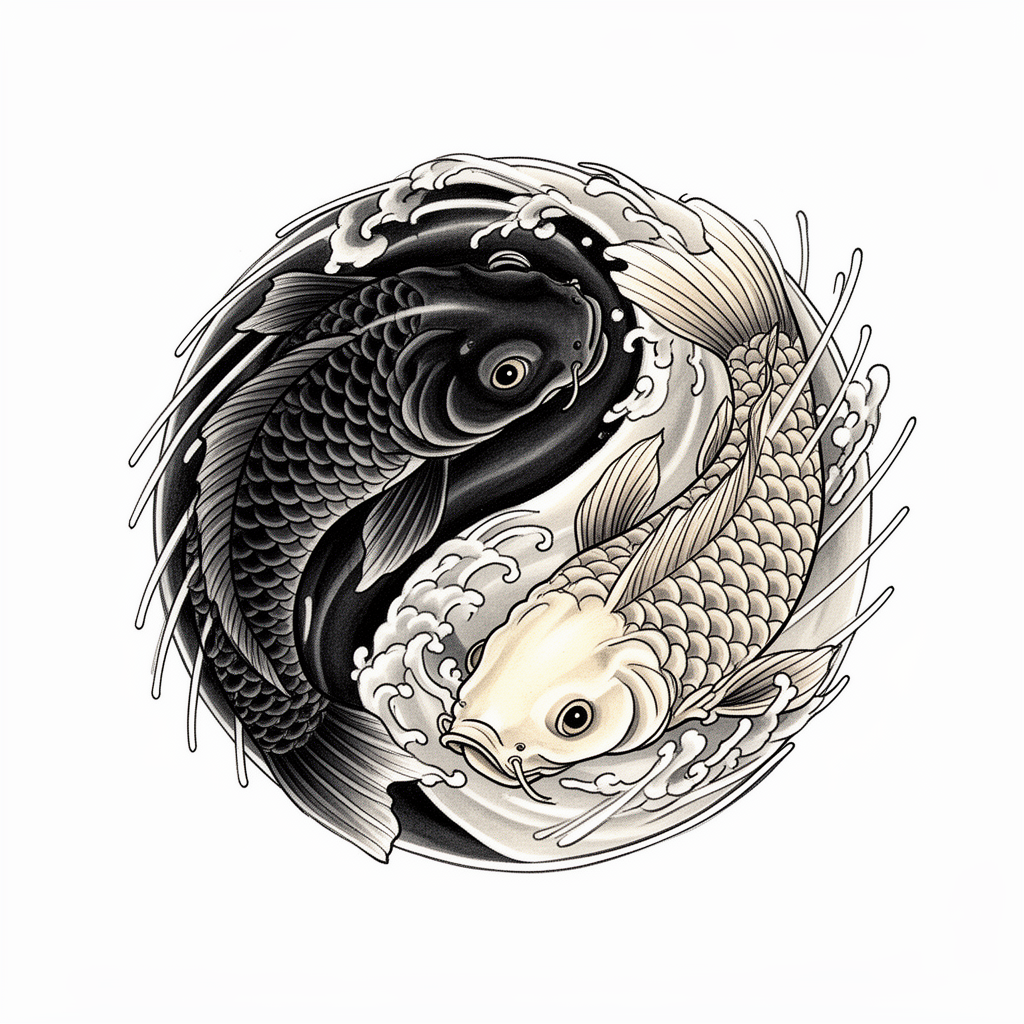
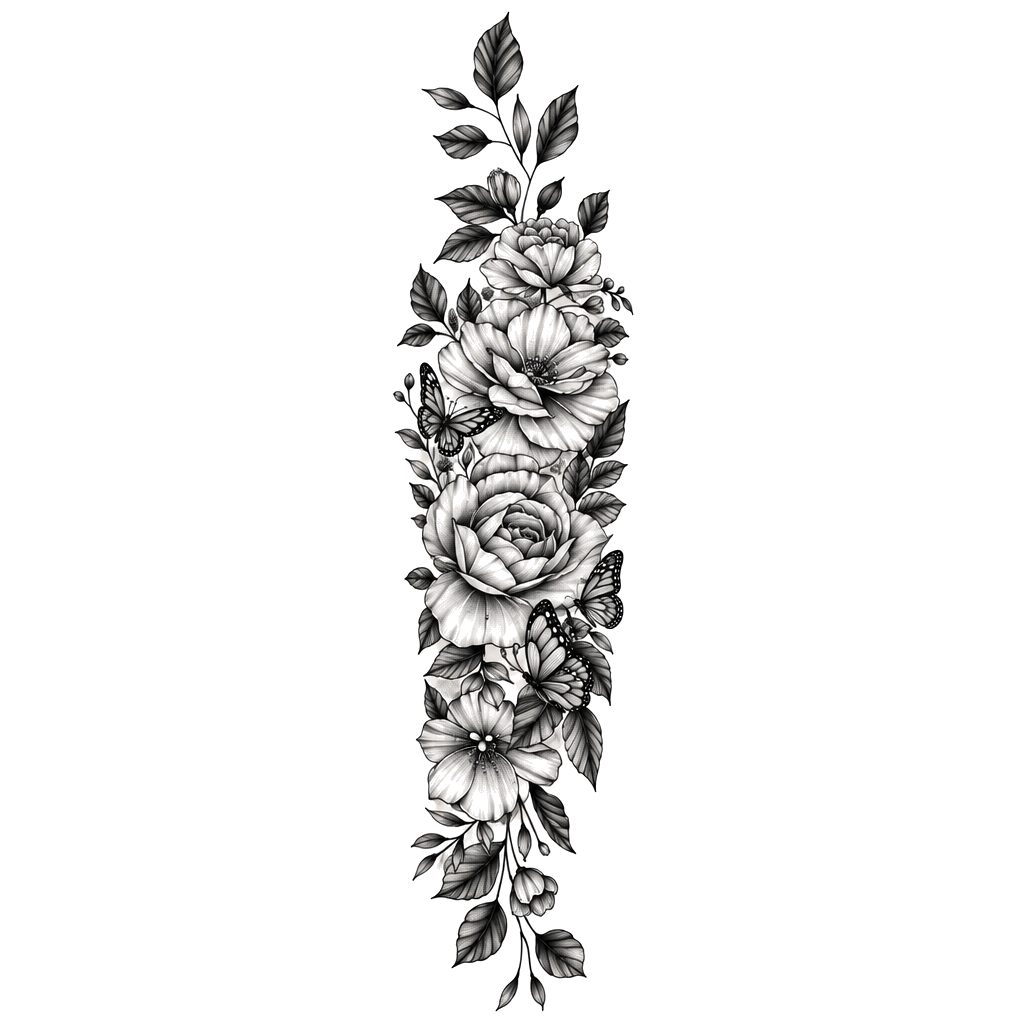
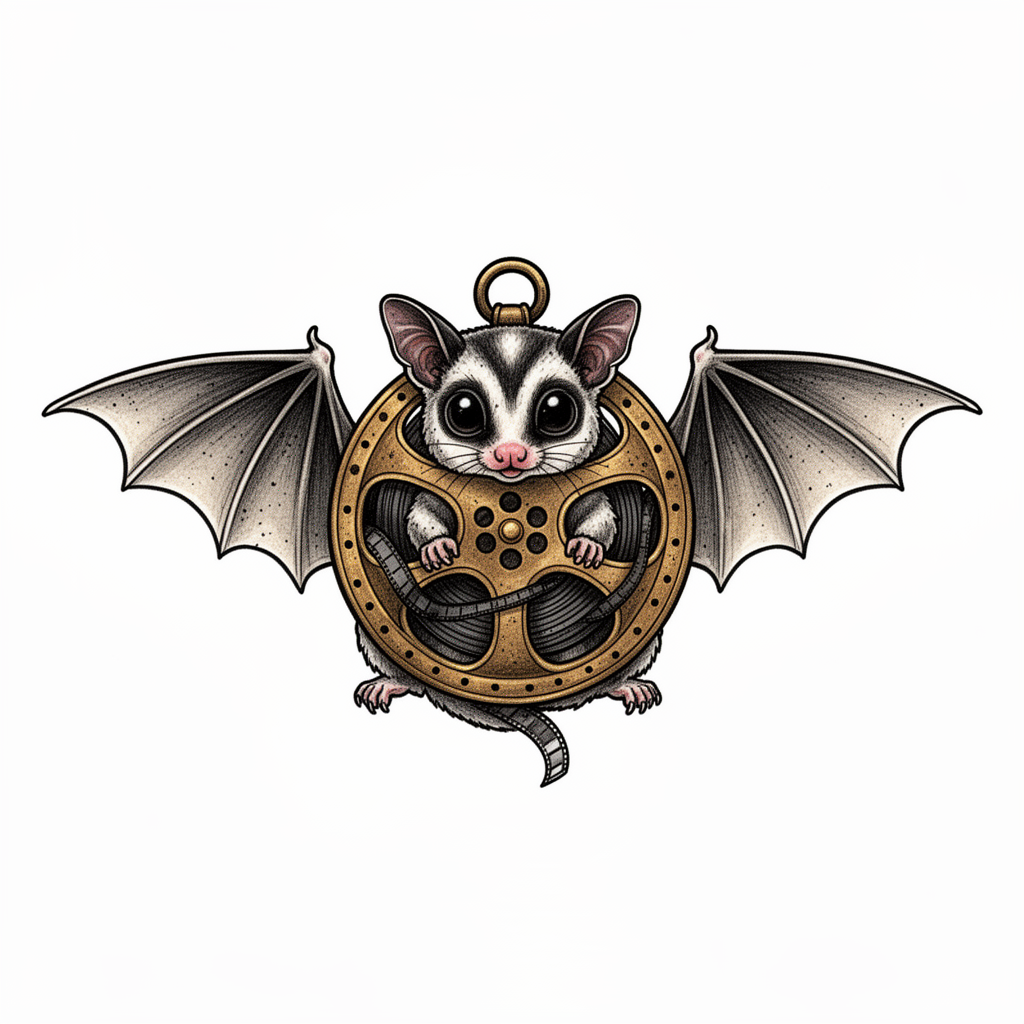
Related placements
Back tattoo FAQ
- Is a Back tattoo painful?
- Generally speaking, the back sits in a moderate band, around three out of five, because the broad back muscles cushion the needle well. The sharper moments come over the spine down the centre and the edges of the shoulder blades where there is less padding. Most people find it forgiving for such a large area.
- What's the healing time for a Back tattoo?
- Each back session settles over roughly three to six weeks, and a full piece built over many sittings is a long overall journey. The back is hard to reach, so a mirror or helper for aftercare helps a lot, and loose tops keep clothing off the area. This is general aftercare guidance, not medical advice.
- How big can a Back tattoo be?
- The back is built for large work above all, with the full back piece its signature. The vast flat plane suits sweeping single compositions and detailed narrative scenes. Small isolated tattoos can look lost unless placed deliberately, such as centred on the upper spine.
- What styles look best on the Back?
- Ambitious narrative styles flatter the back best. Japanese full back pieces are the classic choice, Blackwork fills the scale with bold imagery, and Realism suits a detailed scene with room to breathe. Illustrative and Ornamental work build and frame larger compositions.
- Can a Back tattoo be covered up?
- A back tattoo stays entirely hidden under any clothing, making it one of the most private placements despite its size. That privacy is part of why so many people choose the back for their most ambitious and personal work.
- Should your first tattoo go on the Back?
- A small first tattoo on the back, set on the cushioned muscle, can be a gentle introduction since the sensation stays moderate there. A full back piece is a major long-term commitment in time and cost, so most people build up to it. Going in rested and fed makes any first session easier.