Tattoo Placement
Lower Back Tattoos
A practical guide to Lower Back tattoos: how the spot wears a design, what sizes fit, how much it hurts, how long it heals, the styles that flatter it and real community designs.
About Lower Back tattoos
The lower back offers a broad, gently curved expanse just above the hips, framed by the dimples at the base of the spine and the soft rise of the glutes below. Unlike the bony spine itself, this area carries more padding over muscle, giving a smoother, more forgiving surface that spreads wide rather than running long. That width invites horizontal compositions: a symmetrical ornamental band, a sweeping illustrative scene, or a centered piece that fans out toward each hip. The natural inward curve of the lower back cradles a design so it appears to hug the body. People who choose it often want something that flows with the waistline and stays completely private day to day. Covered by every waistband and most tops, a lower back tattoo is genuinely easy to hide. The spot deserves to be treated as the elegant canvas it is, with modern ornamental and fine line work that leaves dated clichés firmly in the past.
Lower Back at a glance
| Sizes that fit | Medium, Large |
|---|---|
| Pain level | Moderate |
| Healing time | 3–5 weeks |
| Visibility | Easily hidden |
Pain and healing vary by person — this is general guidance, not medical advice.
Size and pain for Lower Back tattoos
Medium to large designs fit this canvas naturally, since the lower back rewards width with room for symmetrical bands or expansive illustrative pieces that would feel cramped almost anywhere else. On pain, this is a moderate placement, noticeably gentler than the spine right above it. The softer tissue over muscle cushions the needle, so the sensation tends toward a warm, scratchy ache rather than the sharp rattle of bone work. The area closest to the spine and over the hip bones can sharpen up, but the broad central flesh is among the more tolerable spots on the body. Larger pieces mean longer sessions, and fatigue rather than acute pain is usually the limiting factor, so pacing still helps. Overall most people find this a comfortable place to sit for substantial work.
Healing a Lower Back tattoo
Plan for about three to five weeks of surface healing, longer for a large piece. The defining factor here is the waistband. Trousers, jeans, and underwear all ride right across the lower back, and that constant rub is the main irritation while the tattoo flakes and settles. Loose, high-rise bottoms and soft fabrics reduce the friction, and choosing waistbands that sit above or below the fresh ink helps for the first couple of weeks. Sitting back in chairs presses on it too, so a bit of mindfulness there is useful. Otherwise it heals straightforwardly: keep it clean, moisturized lightly, and unscratched, and avoid soaking it in baths or pools until it has closed.
Styles that suit the Lower Back
The lower back is made for designs that travel sideways. Ornamental work flourishes here, with symmetrical filigree or mandala-style pieces fanning out from a central point across the curve. Fine Line and Geometric styles trace clean, modern arcs that follow the waistline beautifully. Blackwork brings bold contrast for a striking statement, while Illustrative scenes have the width to tell a small story across the hips. The throughline is horizontal balance: styles that spread and mirror suit the broad canvas far better than tall vertical motifs, which fight the spot's natural shape.
AI prompt ideas for Lower Back tattoos
- “An ornamental lower back tattoo of a symmetrical filigree band fanning across the curve above the hips, fine detailed linework, elegant and modern”
- “A fine line lower back tattoo of a sweeping floral arc that follows the waistline, delicate thin strokes, balanced composition”
- “A blackwork lower back tattoo with bold symmetrical geometric forms spreading toward each hip, strong negative space, clean edges”
- “An illustrative lower back tattoo of a flowing nature scene stretching horizontally across the area, soft shading, graceful movement”
Lower Back tattoo designs from the community
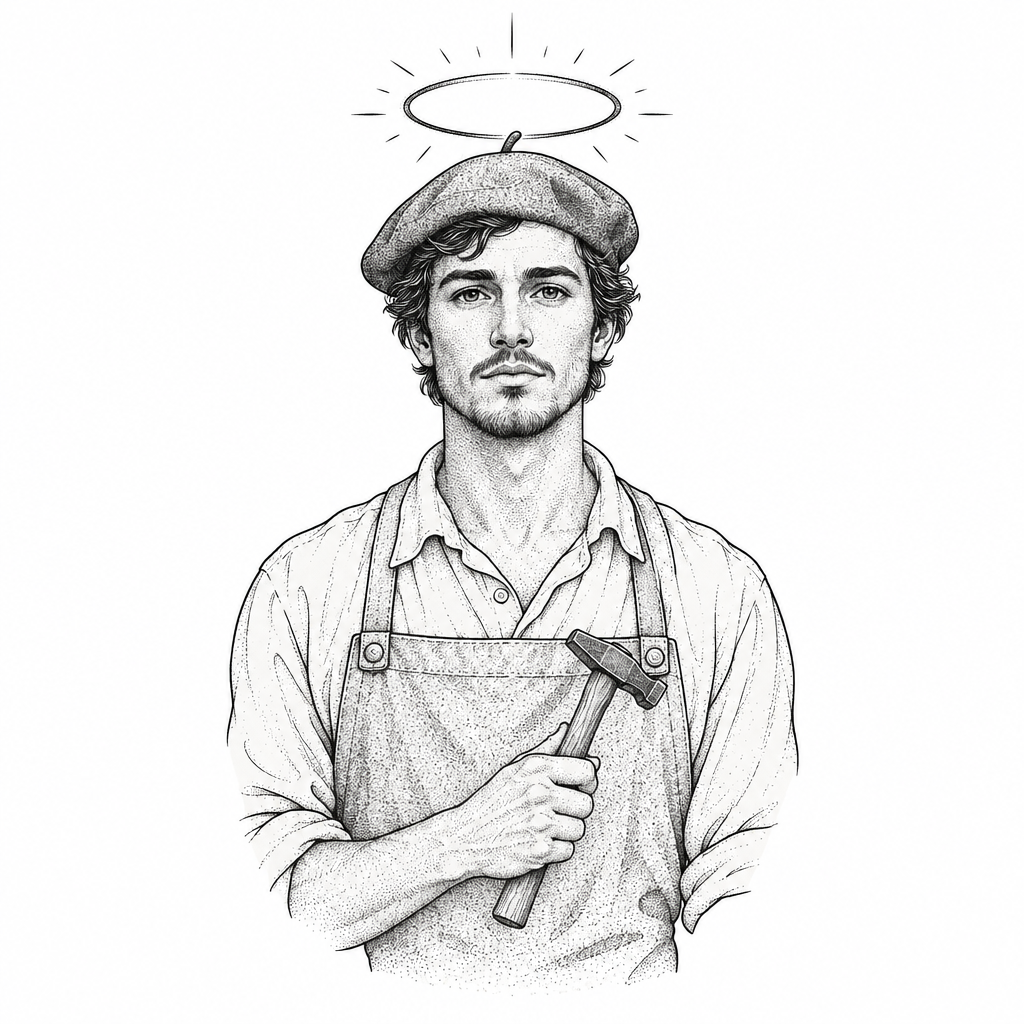
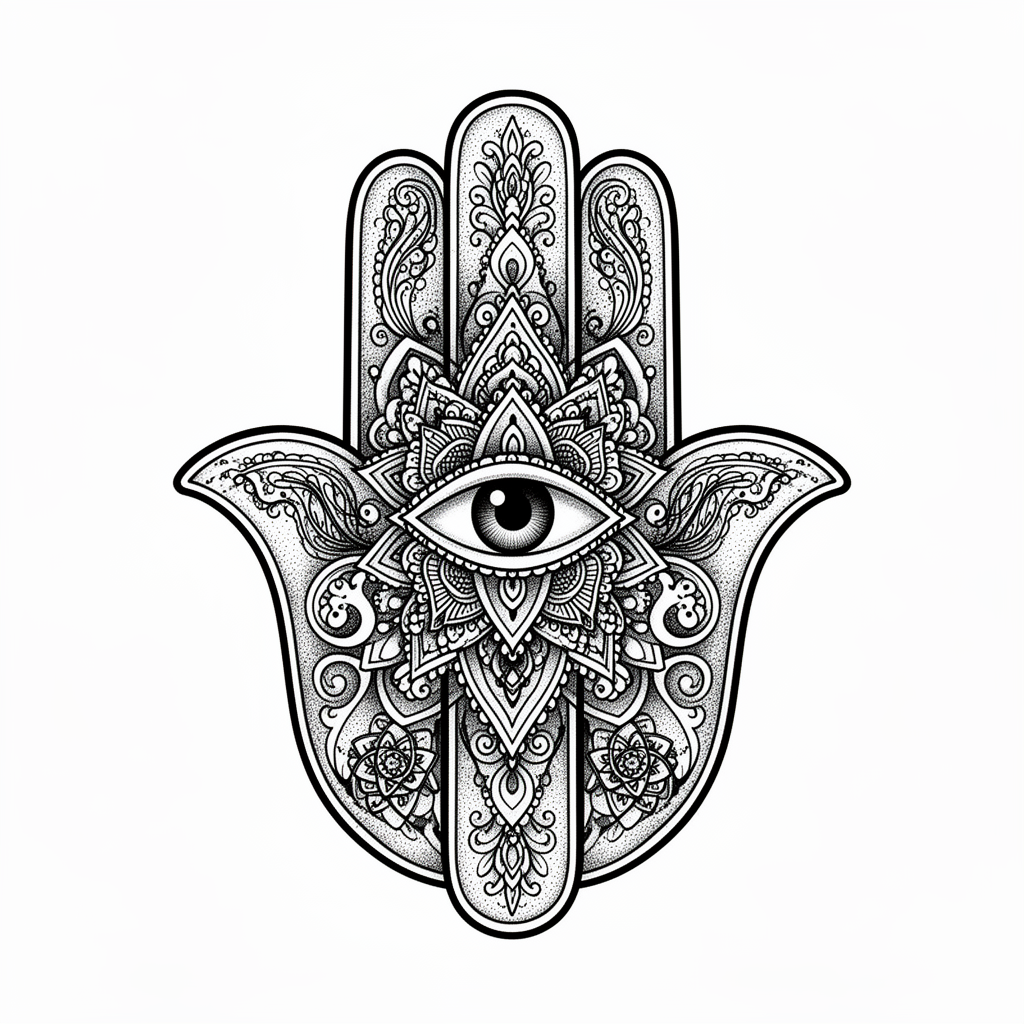
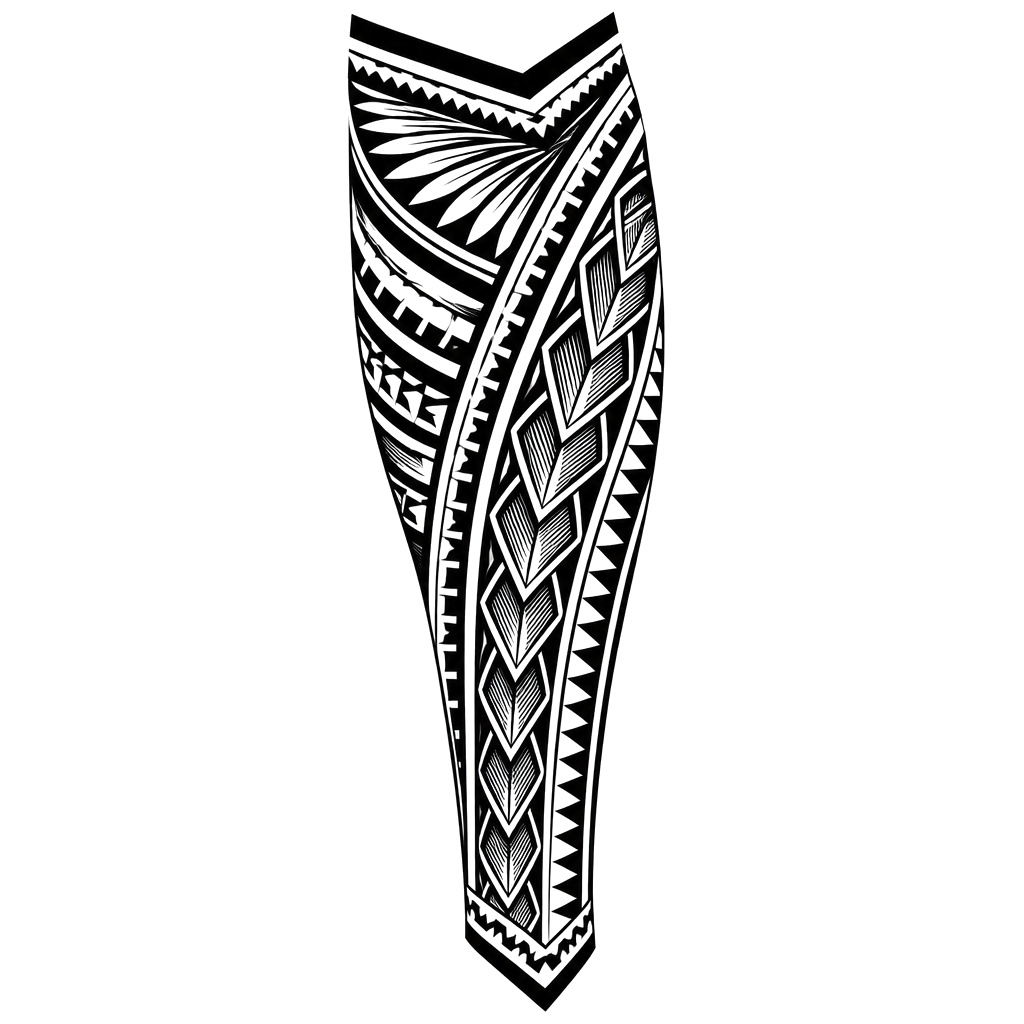
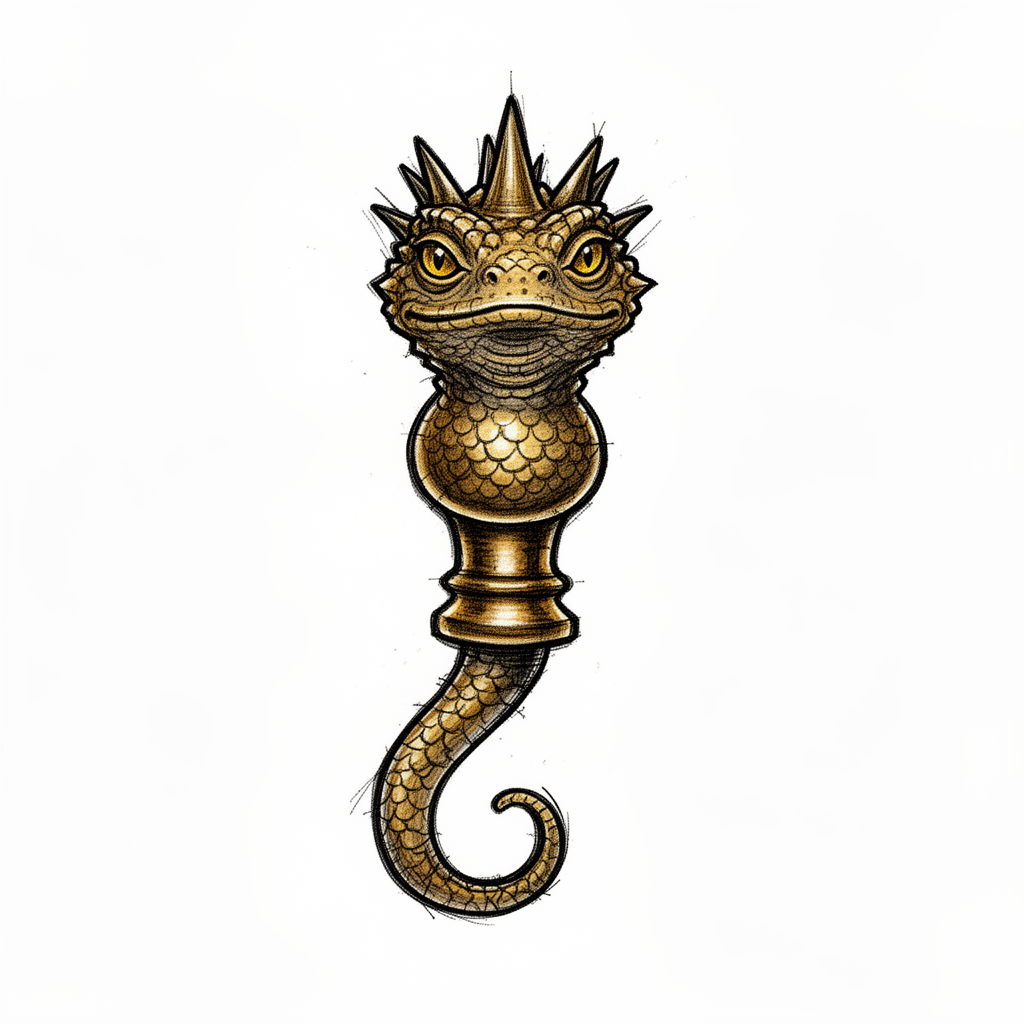
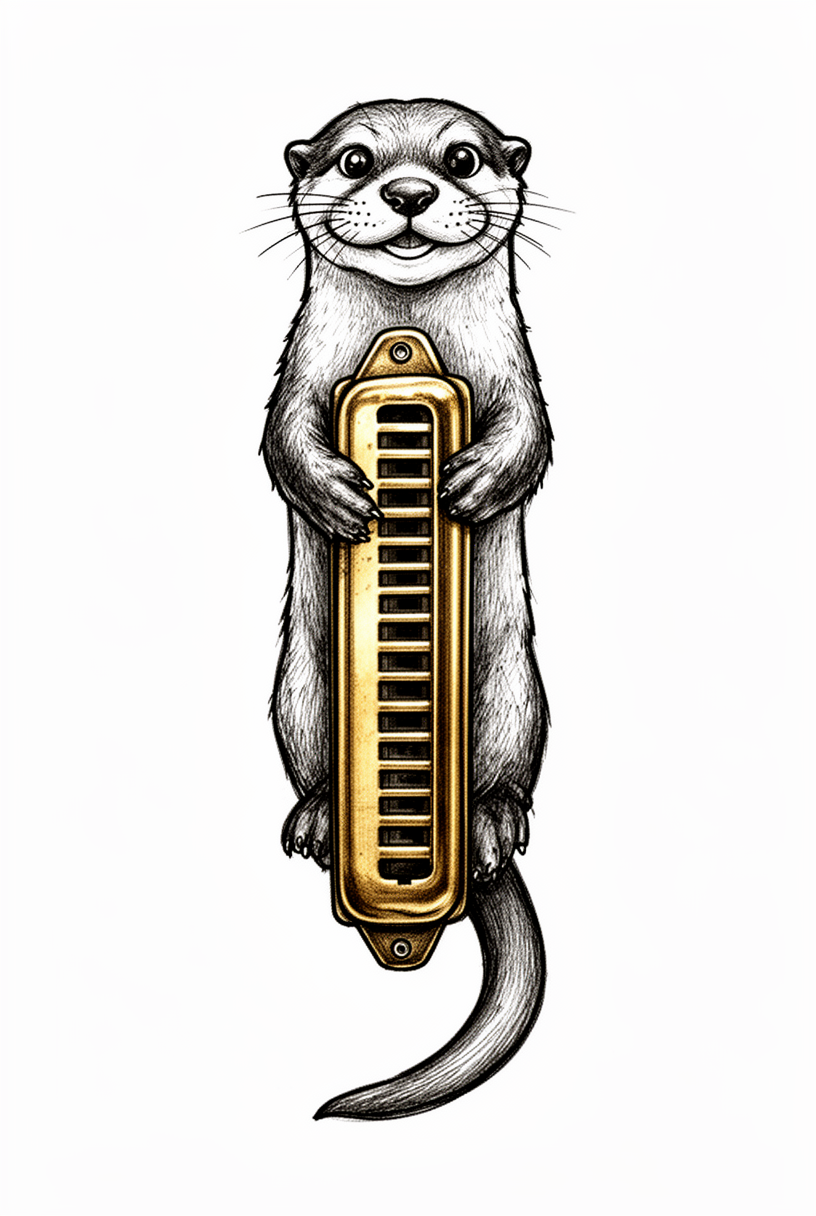
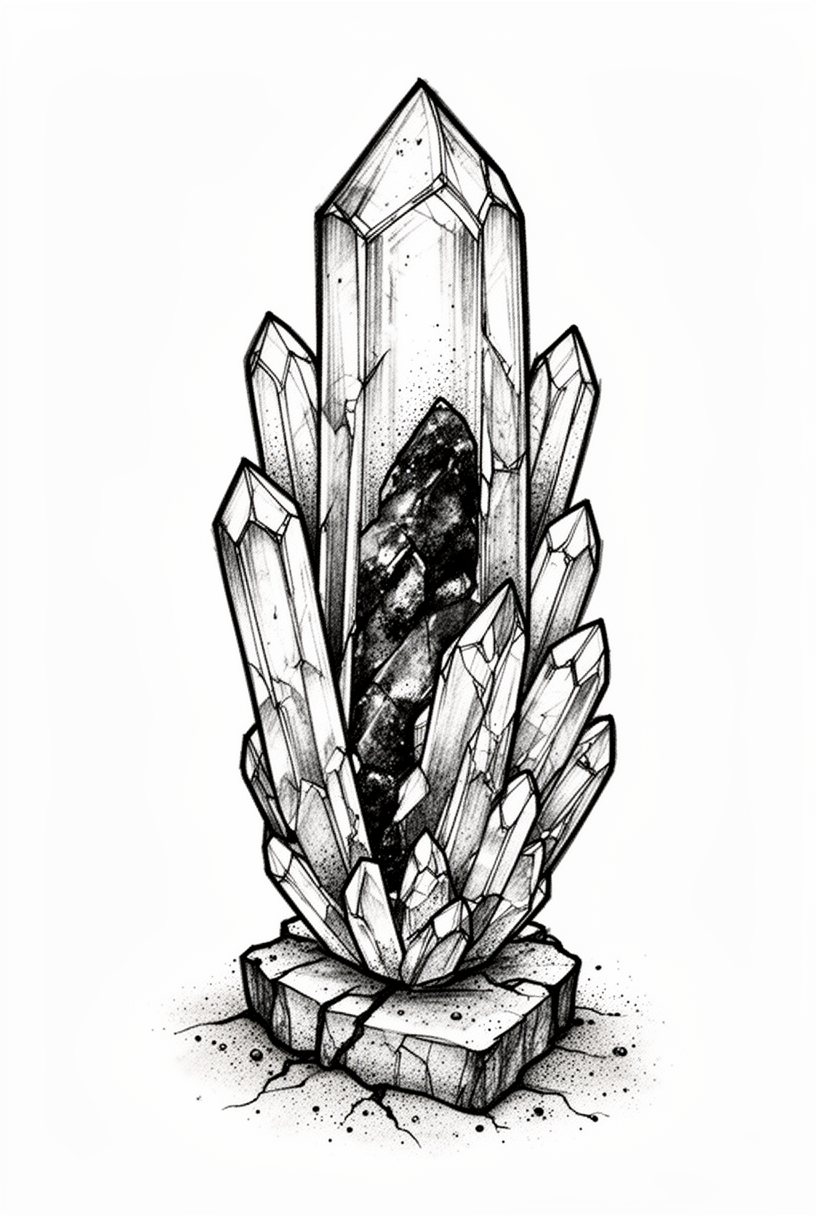
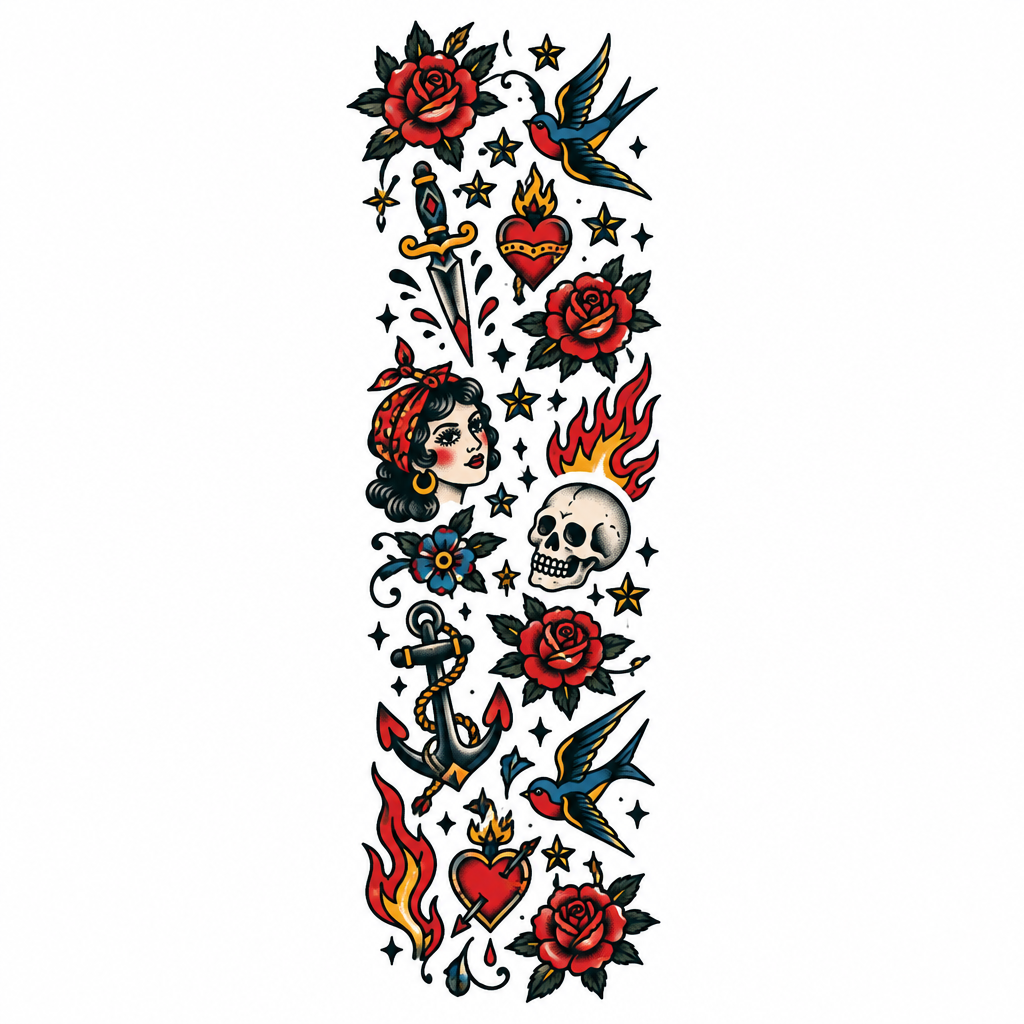
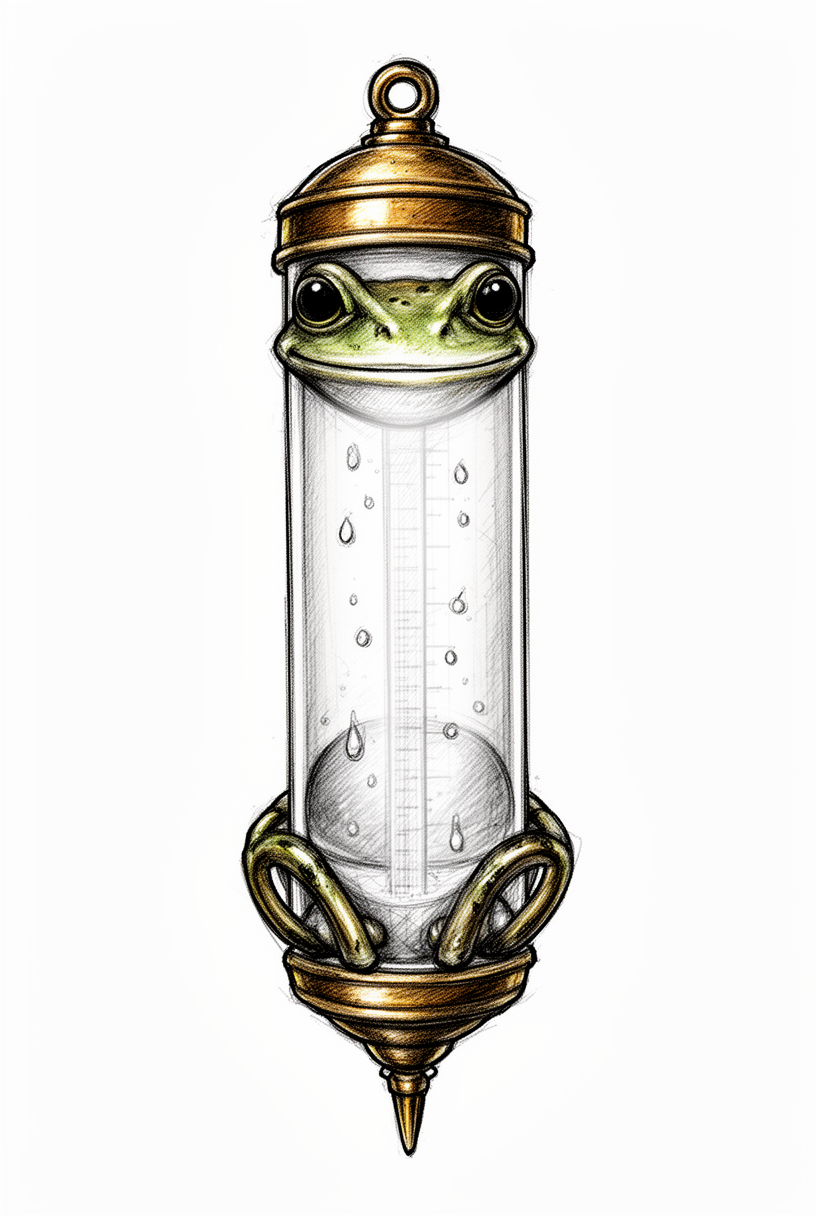
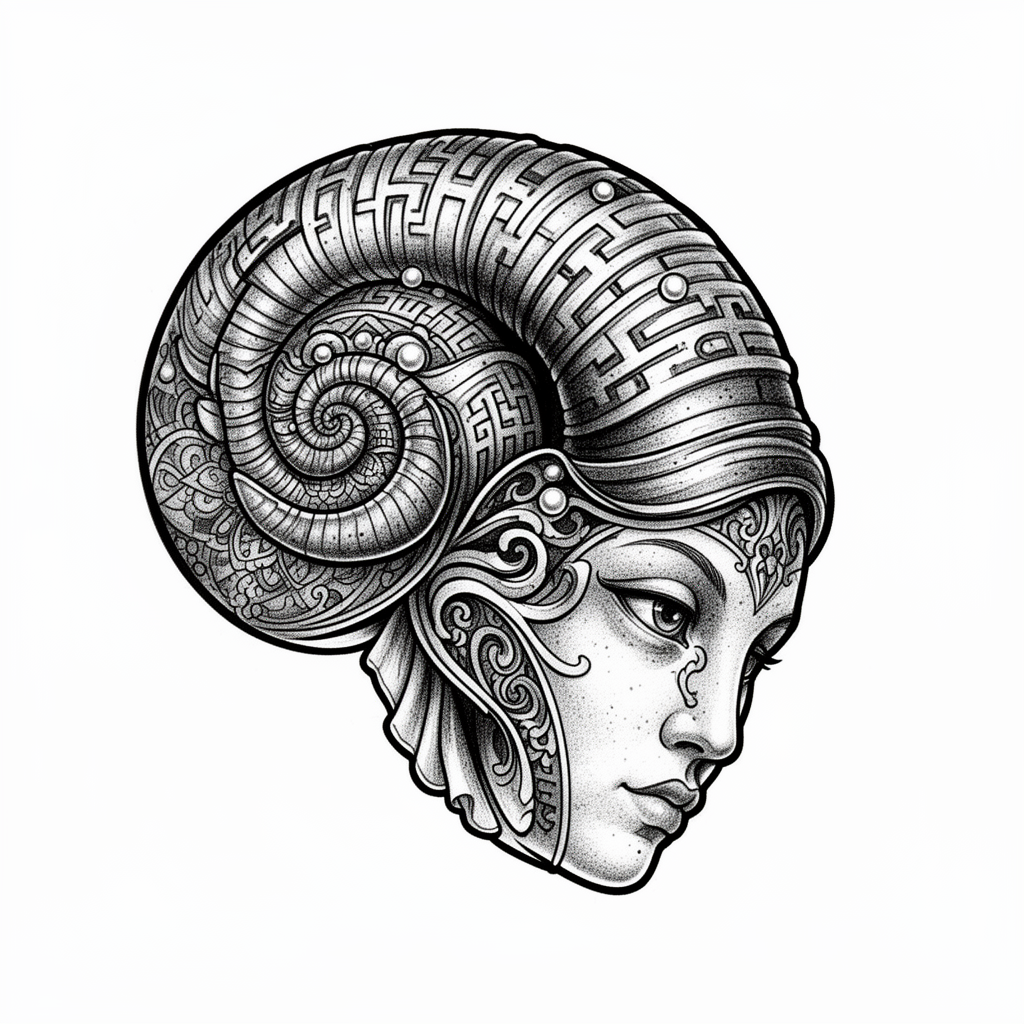
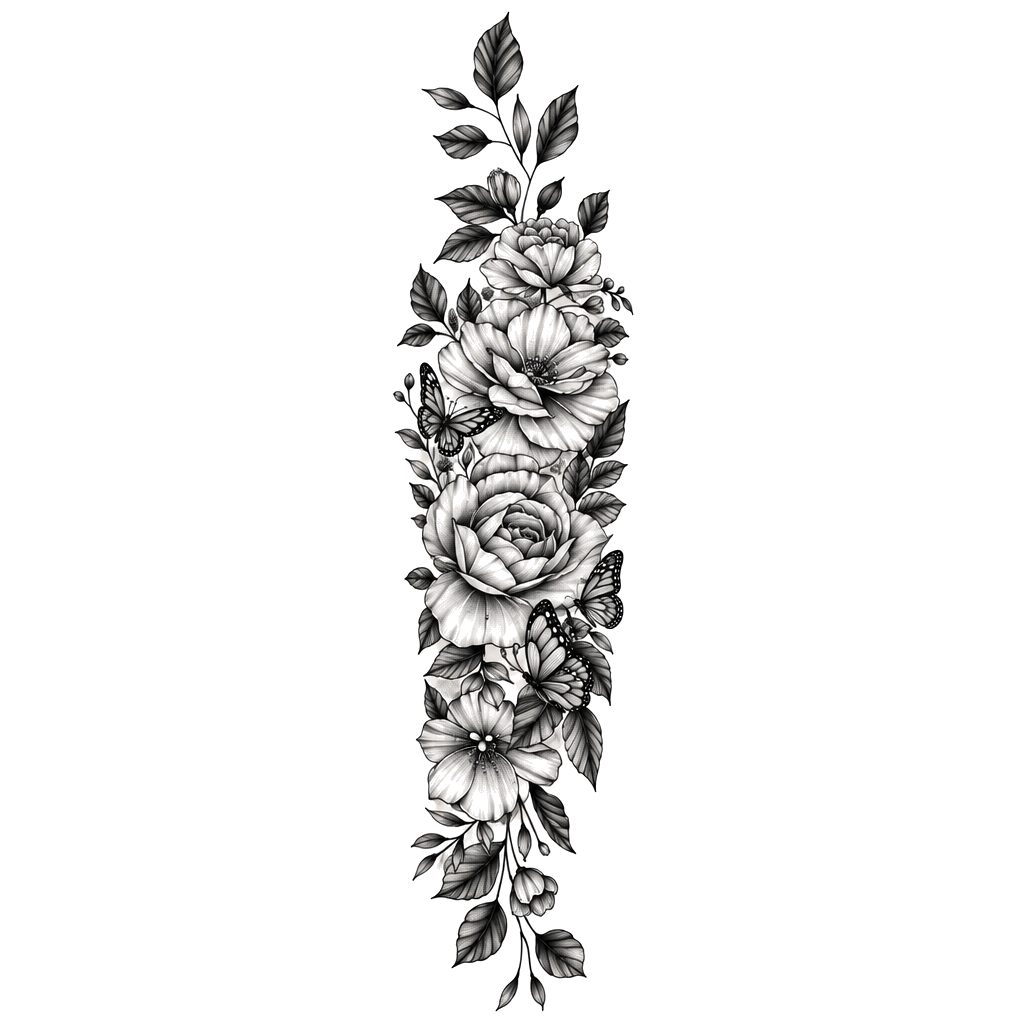
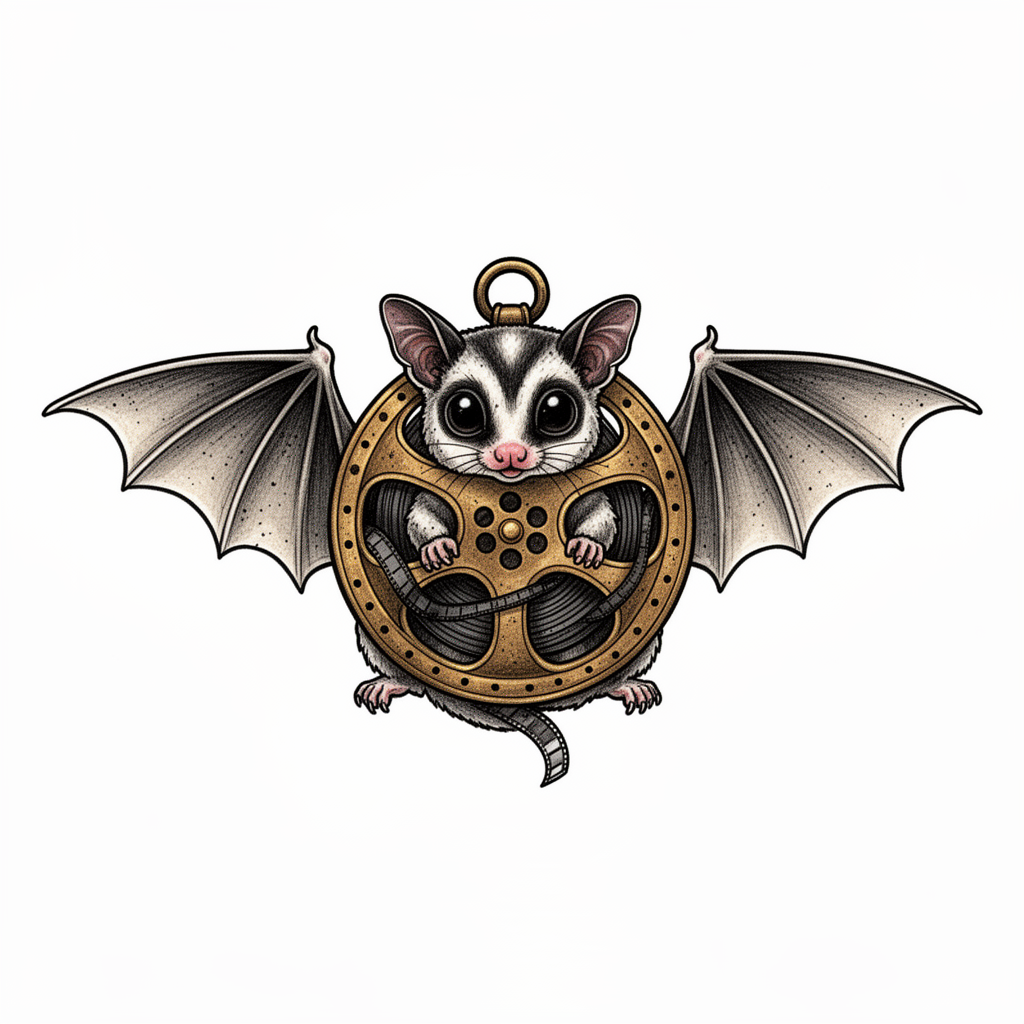
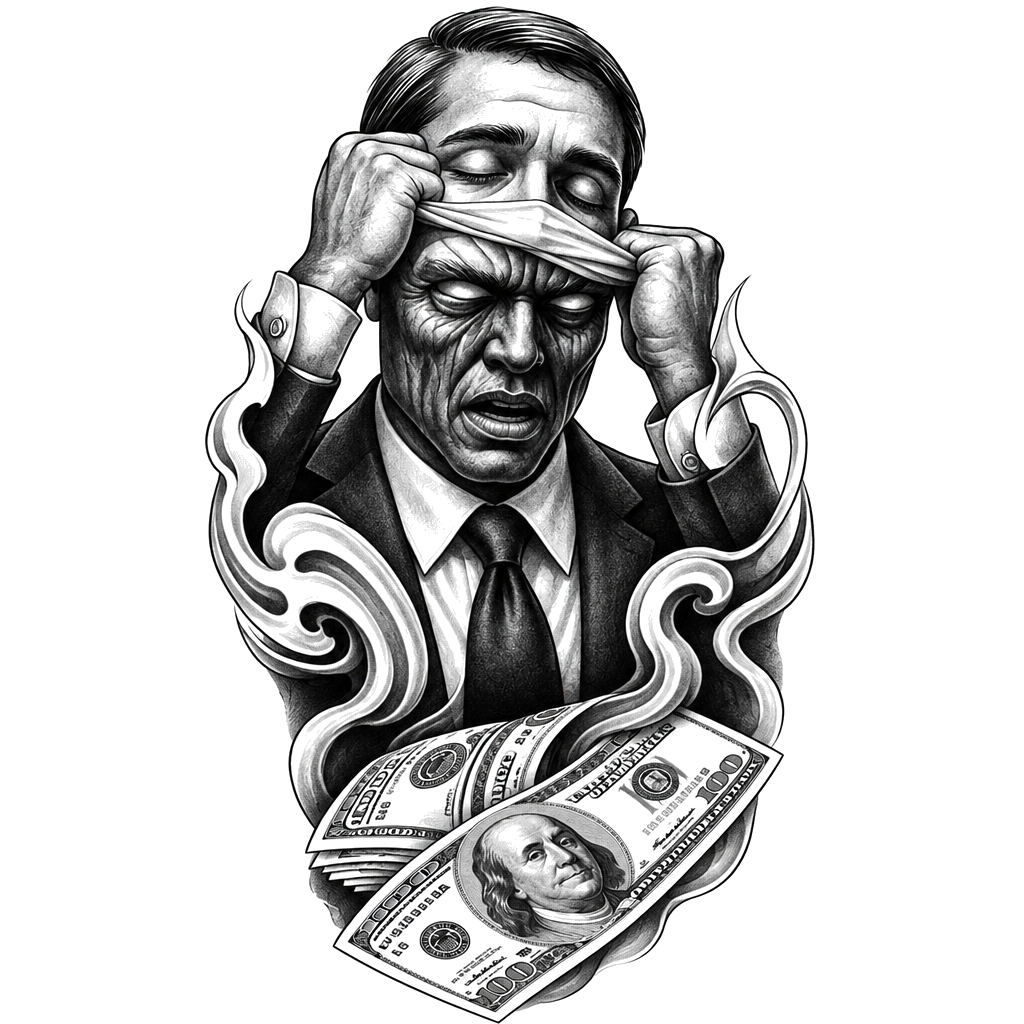
Related placements
Lower Back tattoo FAQ
- Is a Lower Back tattoo painful?
- As general guidance, the lower back is a moderate placement, easier than the bony spine above it thanks to the padding over muscle. Most people describe a warm, scratchy ache, with sharper spots near the spine and hip bones. Tolerance varies, but it is widely considered comfortable for longer work.
- What's the healing time for a Lower Back tattoo?
- Surface healing typically runs about three to five weeks, longer for large pieces. The main challenge is the waistband rubbing across the area, so loose, soft bottoms help during the first couple of weeks. Keep it clean and avoid soaking until it has fully closed.
- How big can a Lower Back tattoo be?
- Medium to large designs suit the lower back because its width gives plenty of room for horizontal and symmetrical compositions. Bands, mandalas, and illustrative scenes all use the space well. Small pieces work too but underuse the canvas.
- What styles look best on the Lower Back?
- Ornamental, Fine Line, Blackwork, Geometric, and Illustrative styles all flatter the lower back. Symmetrical and horizontal designs that follow the waistline read best. Modern ornamental work in particular makes the most of the spot.
- Can a Lower Back tattoo be covered up?
- A lower back tattoo is easy to conceal since every waistband and most tops cover it. It only appears with low bottoms or a cropped top. That makes it a very private placement.
- Should your first tattoo go on the Lower Back?
- Yes, the lower back can be a good first tattoo thanks to its moderate pain and forgiving padded surface. Just plan around waistband friction during healing. It is an accessible spot for someone new to getting tattooed.