Tattoo Placement
Stomach Tattoos
A practical guide to Stomach tattoos: how the spot wears a design, what sizes fit, how much it hurts, how long it heals, the styles that flatter it and real community designs.
About Stomach tattoos
The stomach gives an artist a soft, broad, and pliable canvas across the front of the torso, quite different in character from the bony spots that border it. The skin here is supple and stretchy, draped over the abdominal muscles with a comfortable layer beneath, so the surface gives slightly under the needle and moves easily as the body bends. That softness lets large ornamental and Japanese pieces flow across the belly and wrap toward the hips, filling space with sweeping imagery. It is worth knowing that the area can shift with changes in weight over time, since the skin naturally stretches and relaxes, so designs that flow rather than rely on rigid grids tend to age most gracefully. People who choose the stomach often want a large, fluid statement that ties into hip or rib work, and they value how completely it disappears beneath any top, staying entirely concealed whenever they wish.
Stomach at a glance
| Sizes that fit | Medium, Large |
|---|---|
| Pain level | High |
| Healing time | 3–5 weeks |
| Visibility | Easily hidden |
Pain and healing vary by person — this is general guidance, not medical advice.
Size and pain for Stomach tattoos
Medium and large designs make the most of the stomach's open expanse, so it suits sweeping ornamental panels and bold flowing imagery rather than small isolated pieces. Pain here is variable, generally landing around a high four out of five, and where the needle sits matters a great deal. The soft centre of the belly, with its cushion of tissue over muscle, is usually the more comfortable zone. The sensation sharpens noticeably as the work moves outward toward the hips and up toward the lower ribs, where the skin pulls tighter over bone and the padding thins. The stretchy surface also means the artist has to keep the skin taut, which adds a tugging feeling. It is demanding but spread across a large piece it stays workable.
Healing a Stomach tattoo
A stomach tattoo usually settles over about three to five weeks, with the heaviest flaking in the first one to two weeks. The central practical issue is the waistband: trousers, skirts, and underwear all sit right across the lower belly and can rub the fresh tattoo throughout the day. Loose, high-waisted or soft clothing that does not grip helps keep pressure off. Because the stomach flexes whenever you sit, bend, or twist, you may feel tightness as it heals, and the supple skin can crease in the early days. Keep the piece clean and dry, avoid swimming and long baths, and let any flakes fall away naturally without picking.
Styles that suit the Stomach
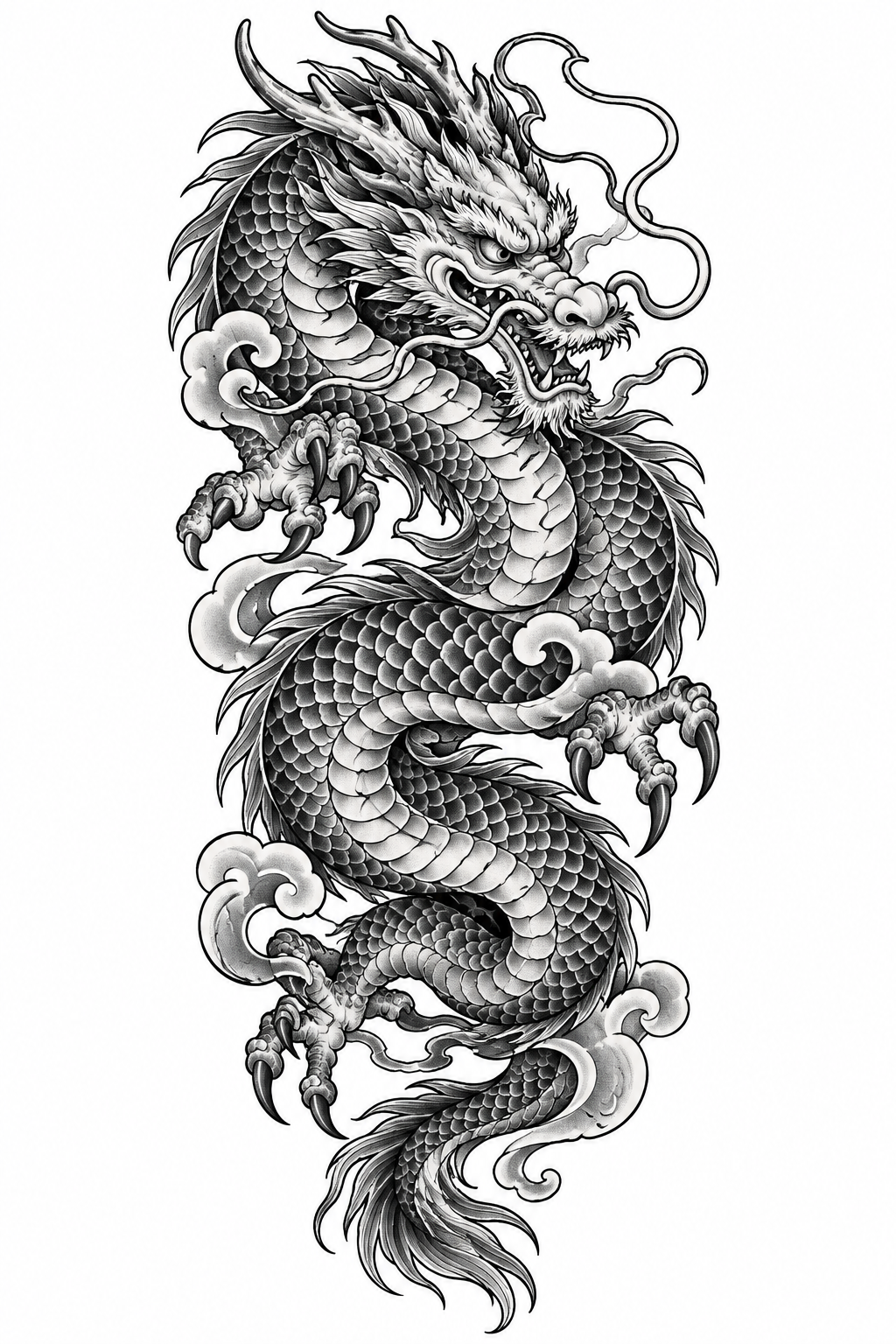
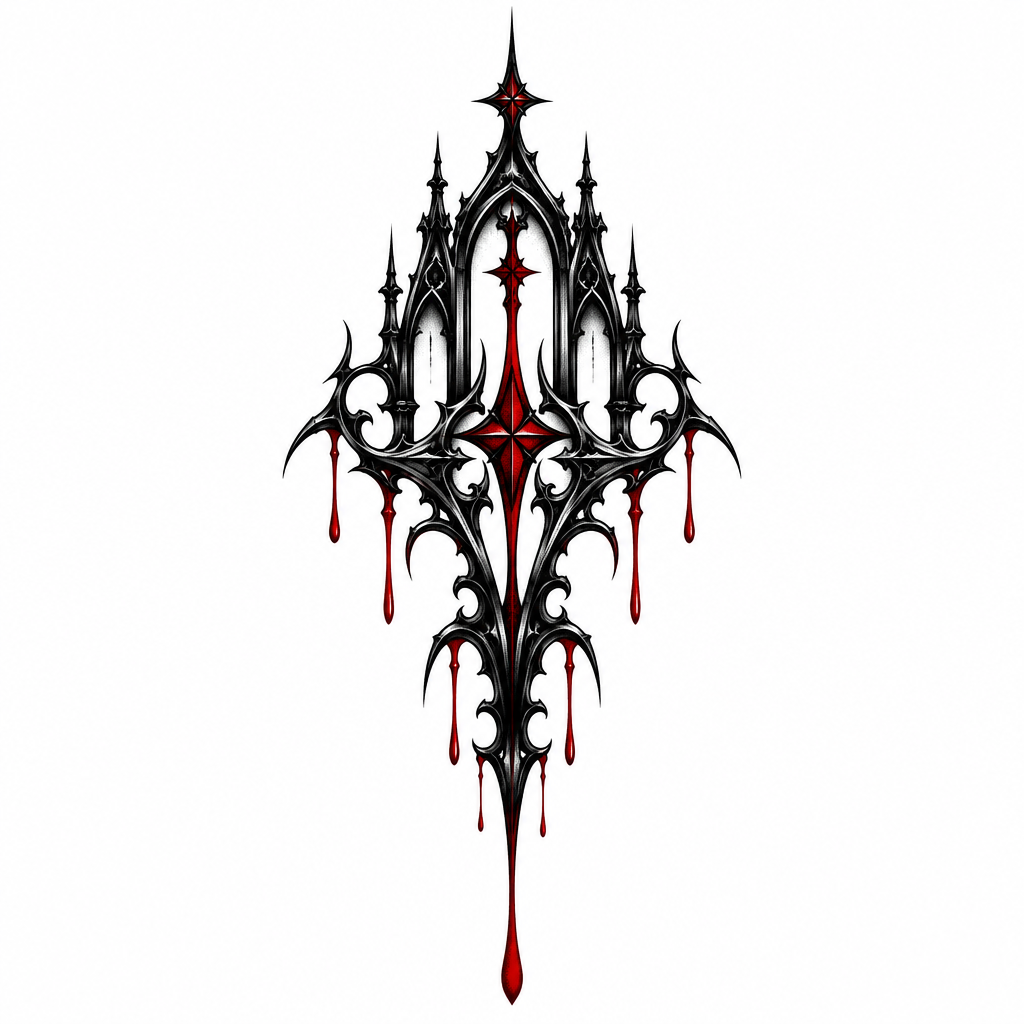
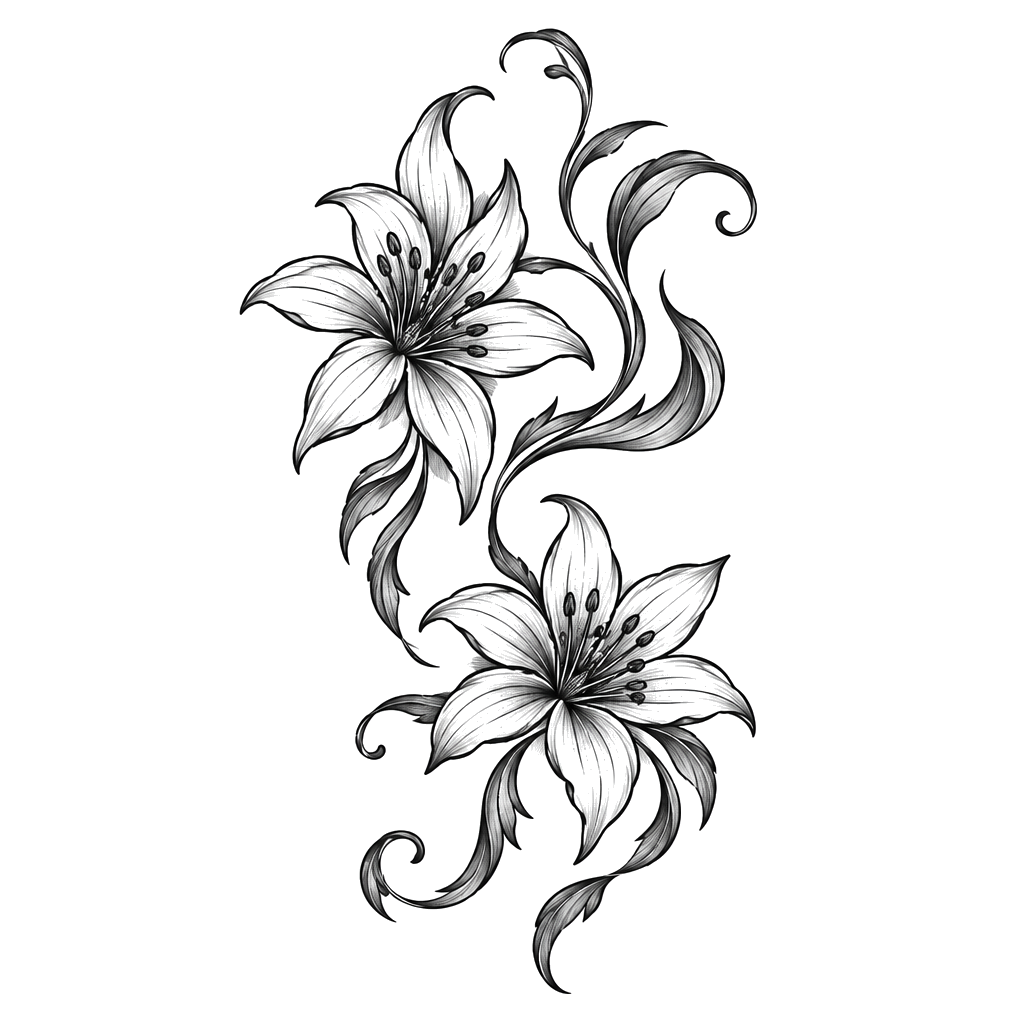
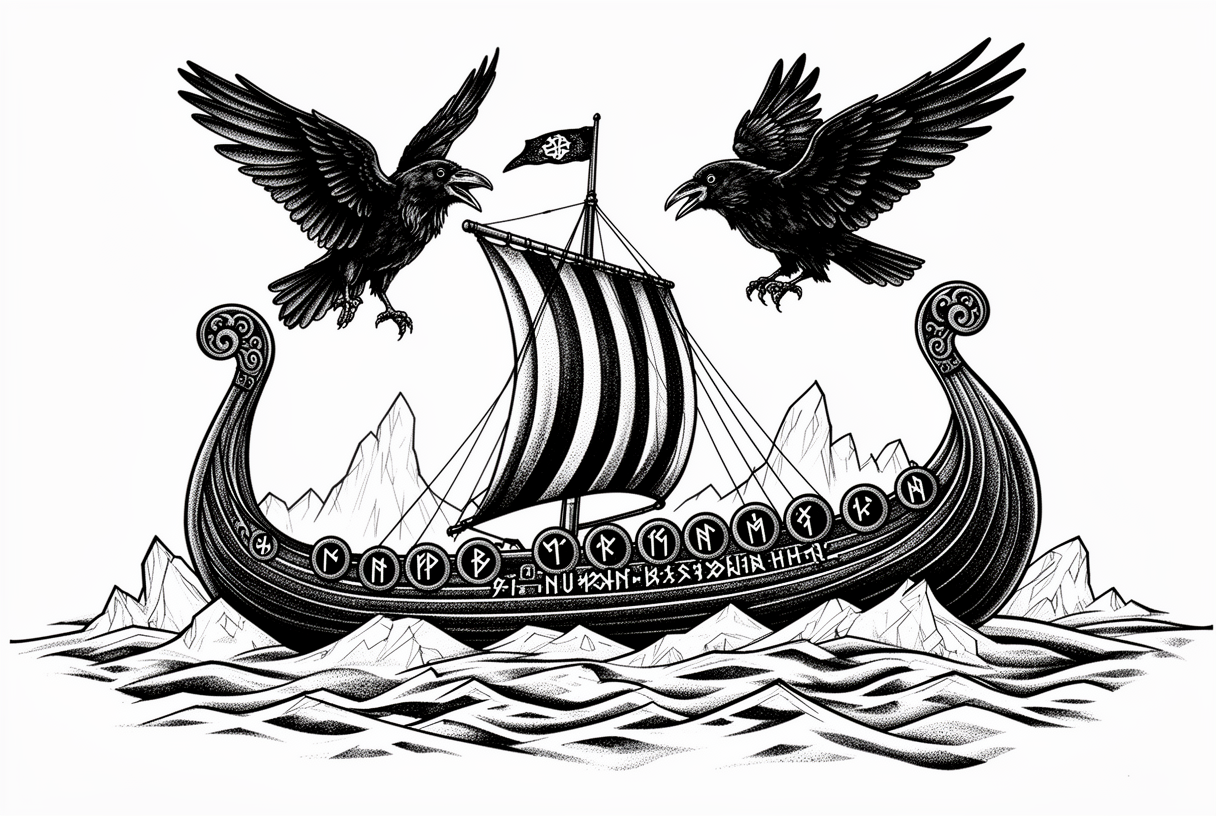
The stomach's broad, soft surface invites large flowing styles. Blackwork uses the open expanse for bold solid shapes and striking patterns that command the belly. Ornamental work drapes filigree and decorative detail that follows the body's curves toward the hips. Japanese pieces are a classic fit, with waves, koi, and florals sweeping across the abdomen as part of a larger body suit. Geometric designs can structure the space, while Fine Line adds delicate detail for softer compositions. Flowing styles age best on skin that naturally stretches.
AI prompt ideas for Stomach tattoos
- “A large Japanese stomach tattoo of koi and crashing waves sweeping across the abdomen toward the hips, bold outlines and traditional shading”
- “An Ornamental stomach piece of draping filigree and decorative motifs flowing across the belly and curving toward the hips”
- “A bold Blackwork stomach tattoo of solid geometric panels and negative-space patterning spread across the abdomen”
- “A Fine Line stomach design of delicate botanical strands and blossoms trailing softly across the lower belly”
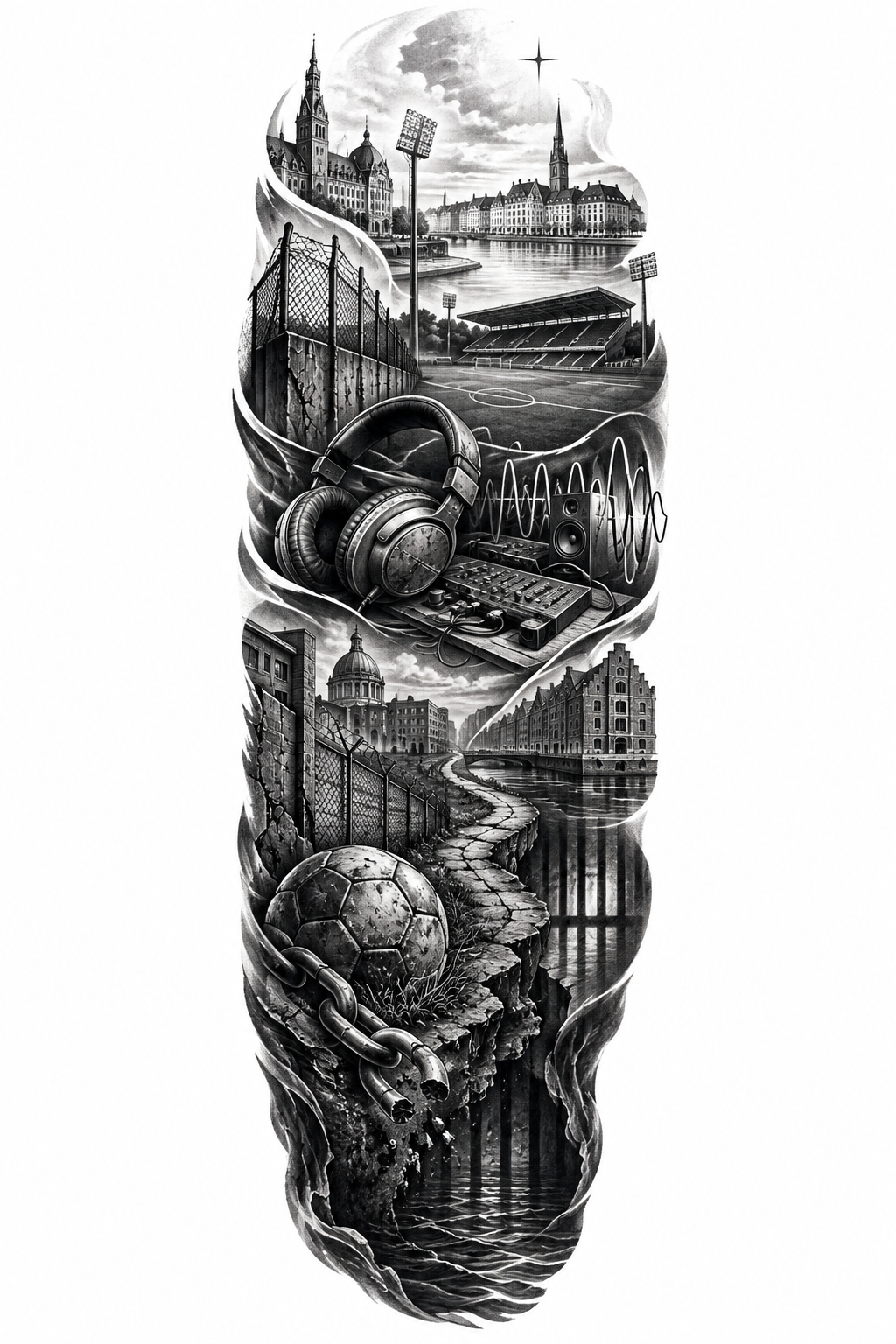
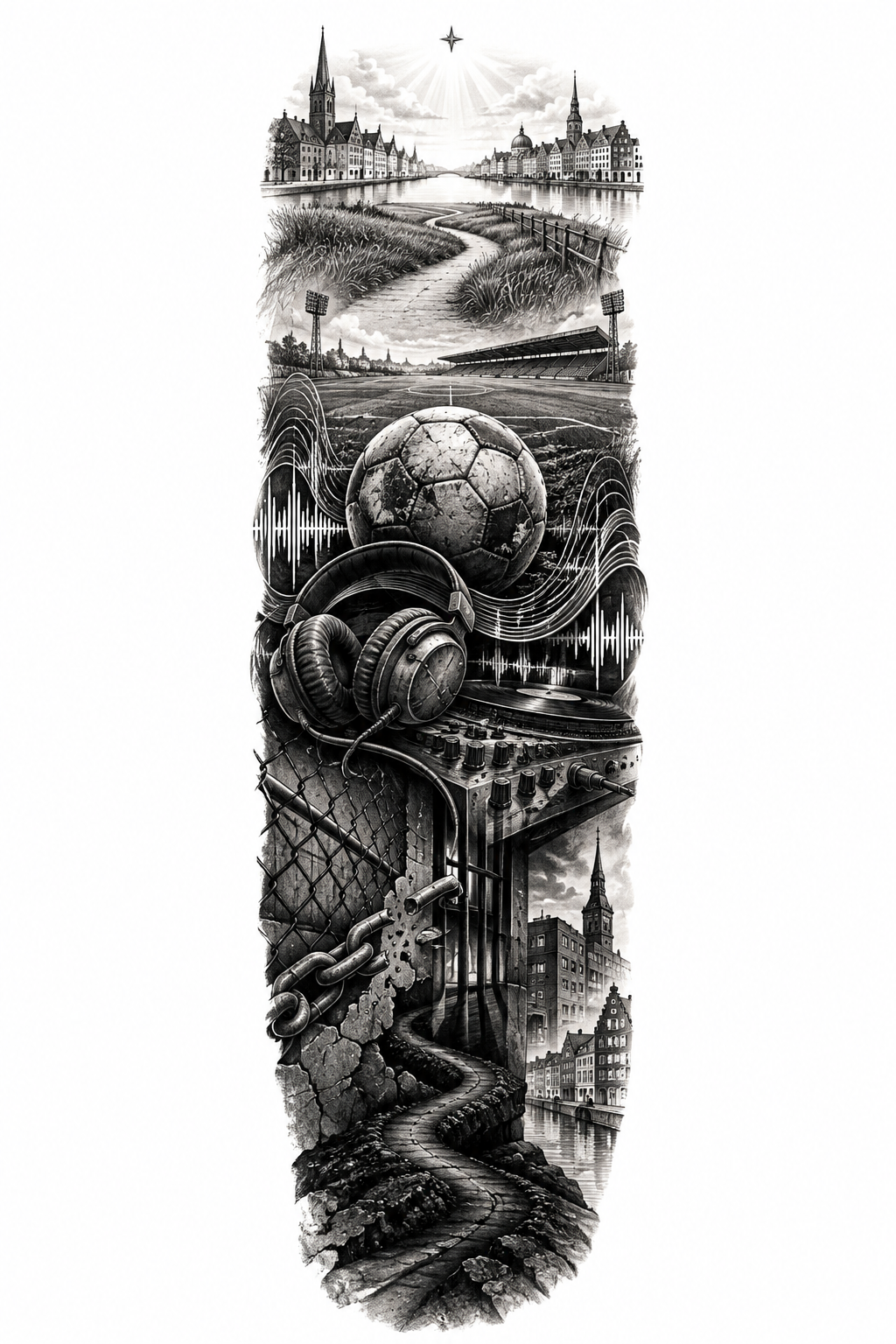
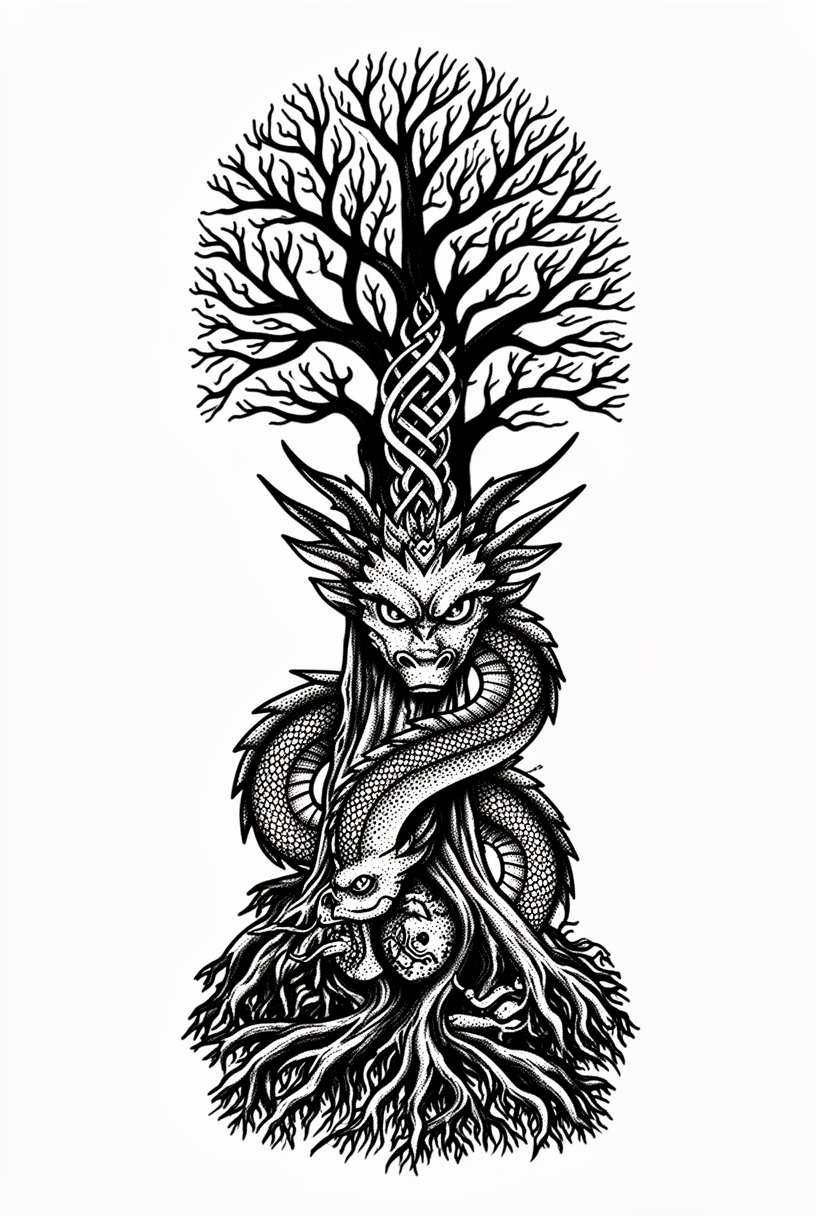
Stomach tattoo designs from the community
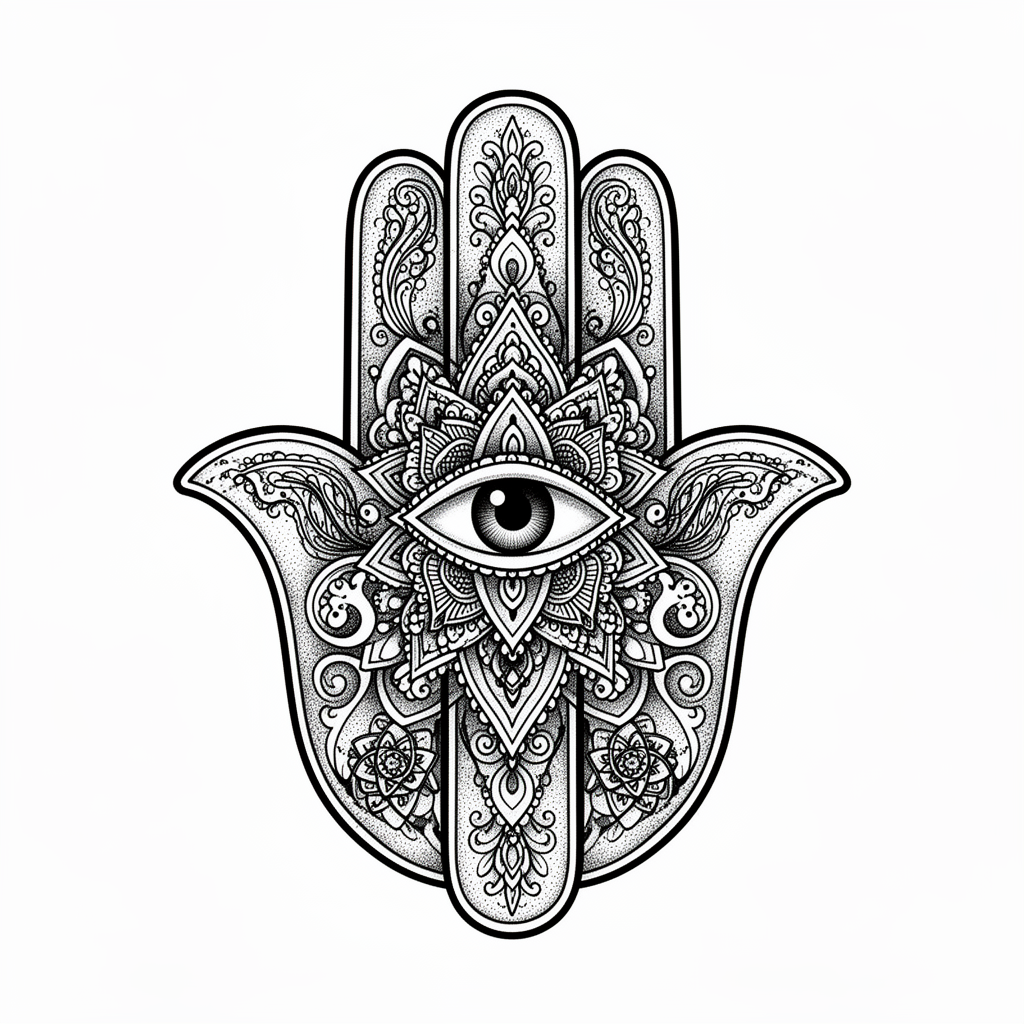
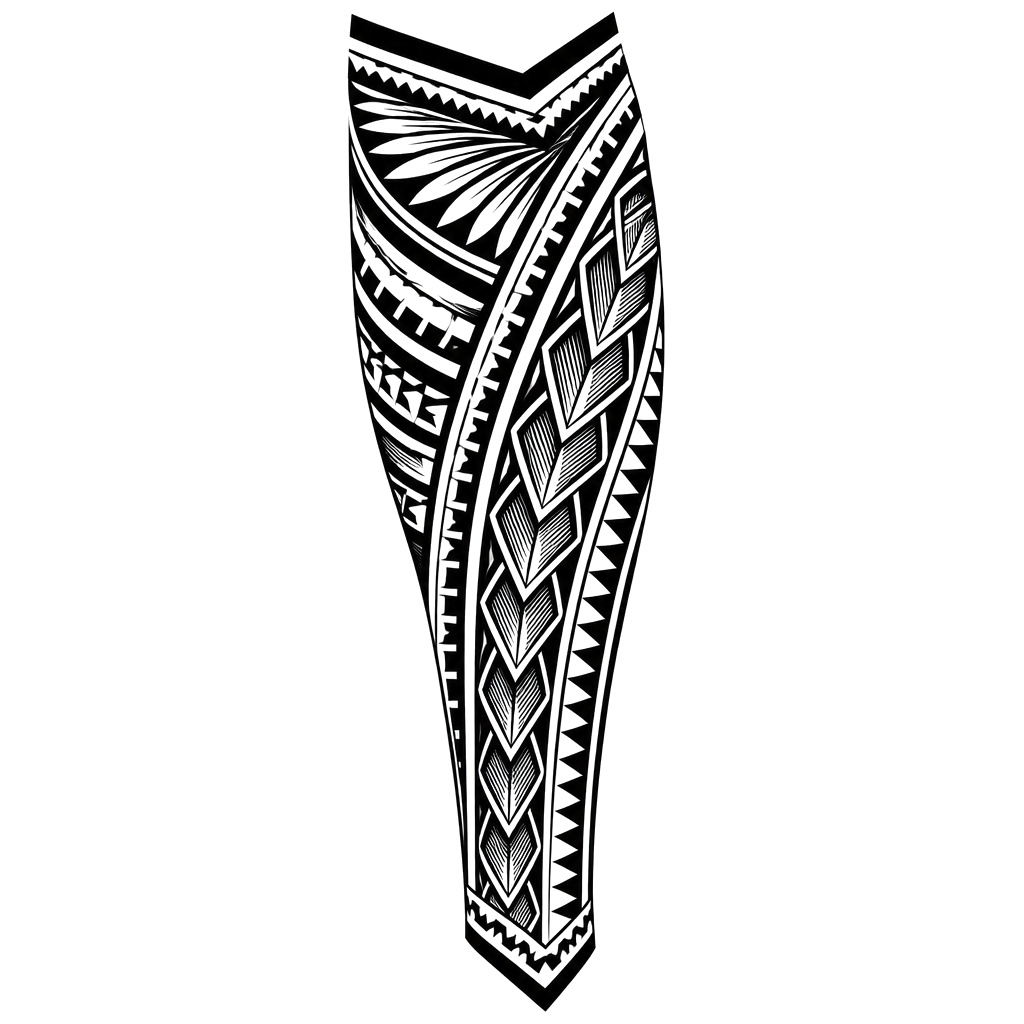
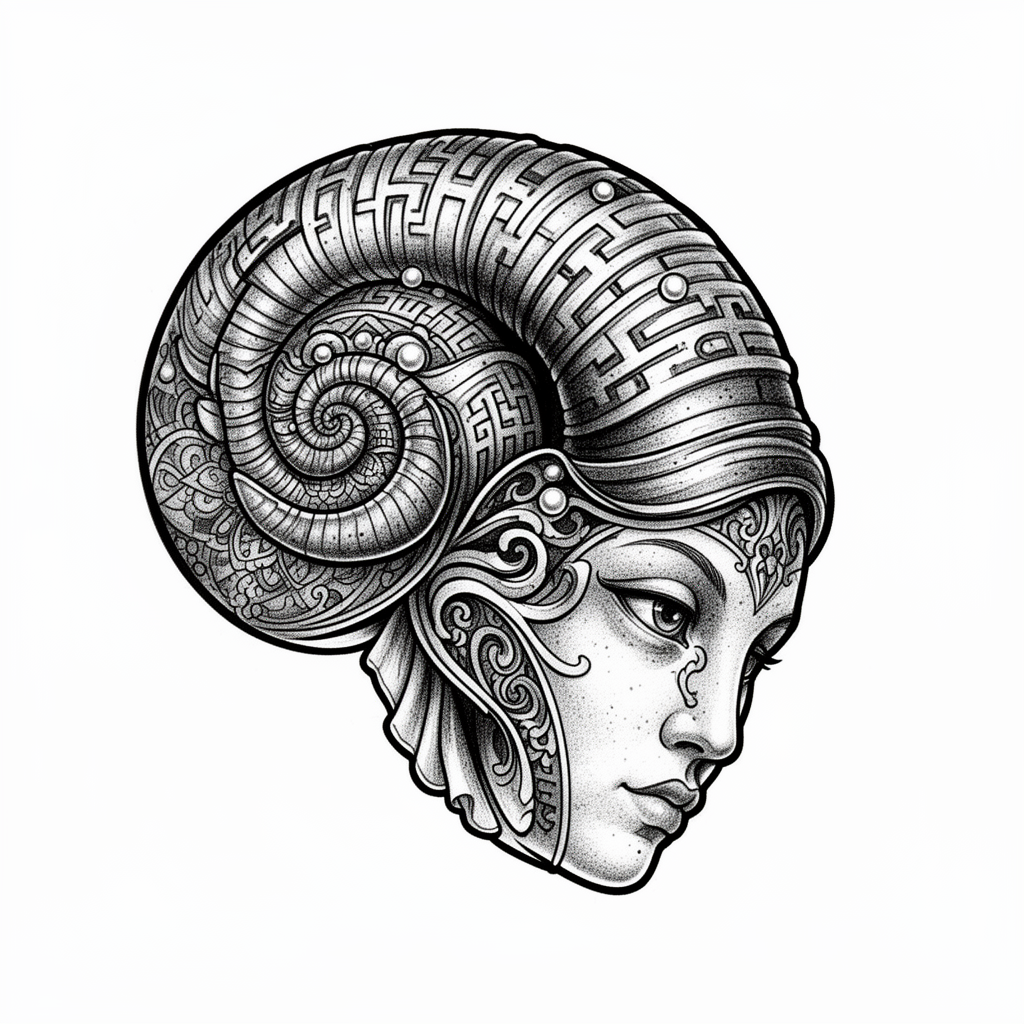
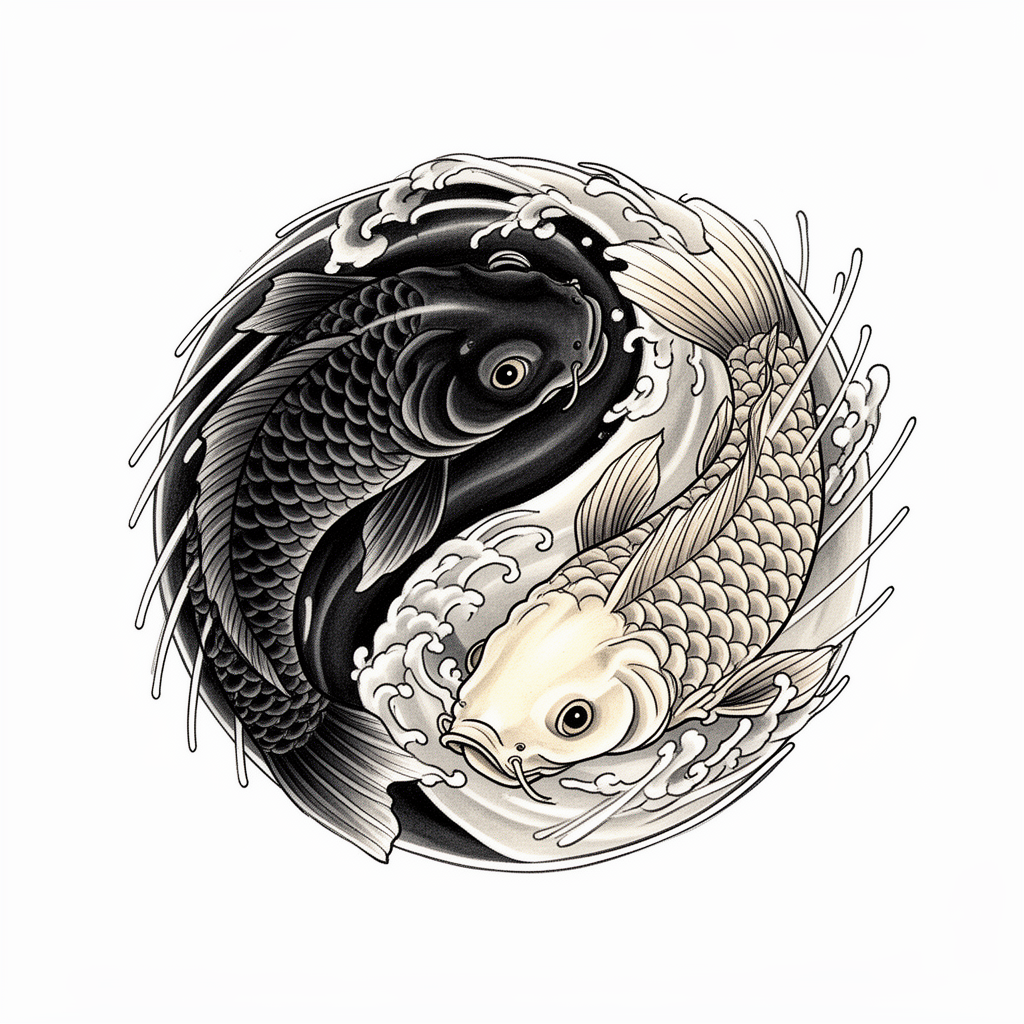

Related placements
Stomach tattoo FAQ
- Is a Stomach tattoo painful?
- As a general guide, the stomach sits around a high four out of five, but it varies by zone. The soft centre of the belly is usually the most comfortable area, while the sensation sharpens toward the hips and lower ribs where the skin tightens over bone. Keeping the skin taut adds a tugging feeling.
- What's the healing time for a Stomach tattoo?
- A stomach tattoo typically settles over three to five weeks, with the most flaking early on. The waistband rubbing across the lower belly is the main hurdle, so loose or high-waisted clothing helps. This is general aftercare guidance rather than medical advice.
- How big can a Stomach tattoo be?
- Medium and large designs suit the stomach best, since its open expanse is built for sweeping ornamental and Japanese pieces. Flowing imagery that wraps toward the hips uses the space beautifully. Small isolated motifs tend to look lost on so broad a canvas.
- What styles look best on the Stomach?
- Large flowing styles flatter the stomach most. Blackwork and Ornamental use the open surface for bold shapes and draping detail, while Japanese pieces sweep across the belly as part of larger work. Geometric and Fine Line add structure or softer detail.
- Can a Stomach tattoo be covered up?
- A stomach tattoo is completely hidden under any top, making it one of the most private placements available. It is a great option for people who want a large, fluid piece that stays out of sight in everyday and professional settings.
- Should your first tattoo go on the Stomach?
- The stomach can work as a first tattoo, especially a piece centred on the softer belly where the sensation stays gentler. The areas near the hips and ribs are more intense, so design placement matters. Going in rested and fed makes a first session more comfortable.