Tattoo Placement
Hip Tattoos
A practical guide to Hip tattoos: how the spot wears a design, what sizes fit, how much it hurts, how long it heals, the styles that flatter it and real community designs.
About Hip tattoos
The hip wraps around the side of the body where the curve of the pelvis meets the top of the thigh, a spot that combines a firm bony point with softer, flowing flesh just beside it. The hip bone itself sits close to the surface and gives the area its tender edge, while the surrounding tissue is supple and generous, creating a canvas that curves in three directions at once. That contour is the whole appeal: a design can sweep over the rise of the hip and spill down onto the thigh, following the body's natural lines so the tattoo appears to drape rather than sit flat. People who choose the hip often want a sensual, flowing piece that feels personal and intimate, kept entirely private under any waistband. Visibility is essentially nil in daily life, surfacing only with swimwear or when chosen, which makes it a favorite for those who want their ink for themselves first.
Hip at a glance
| Sizes that fit | Medium, Large |
|---|---|
| Pain level | High |
| Healing time | 3–5 weeks |
| Visibility | Easily hidden |
Pain and healing vary by person — this is general guidance, not medical advice.
Size and pain for Hip tattoos
Medium to large pieces are ideal, because the hip's sweeping curve and the adjacent thigh give a flowing design the room it needs to wrap and trail naturally. On pain, this is a high placement, though the experience varies across the area. Directly over the hip bone the skin is thin and the needle works near bone, producing a sharp, tender sensation, while the softer flesh just beside it is noticeably more forgiving with its layer of cushioning. Many people find the bony crest the most demanding stretch and the surrounding curve much easier. Because attractive hip pieces tend to be larger and flowing, sessions can run long, so the limiting factor is often endurance over time rather than any single sharp moment. Breaks help, and the result that hugs the body tends to reward the effort.
Healing a Hip tattoo
Expect roughly three to five weeks of surface healing, with larger flowing pieces settling over a bit longer. The defining factor is friction from clothing. Waistbands, jeans, and underwear all ride directly across the hip, and that rub is the main irritation as the tattoo flakes, so loose, soft bottoms and high or low waistbands that avoid the fresh ink help in the early weeks. Sitting and bending crease the area, which can tug a settling line, and the spot sees movement with every step. Keep it clean and lightly moisturized, let it flake without picking, and steer clear of soaking it in baths or pools until it has fully closed over.
Styles that suit the Hip
The hip flatters designs built to flow and curve. Fine Line and Ornamental styles trace the body's sweep gracefully, with filigree or slim botanical work draping over the rise and down the thigh. Illustrative and Watercolor pieces make the most of the soft, generous flesh, letting color and shading bloom across the contour. Blackwork brings bold, sculptural contrast that wraps the hip with confidence. The unifying principle is movement: styles that bend and trail with the body suit this curving canvas, while rigid, flat compositions lose the sense of drape that makes a hip tattoo special.
AI prompt ideas for Hip tattoos
- “A fine line hip tattoo of a trailing floral stem curving over the hip and down onto the thigh, delicate thin linework, graceful drape”
- “An ornamental hip tattoo of flowing filigree that wraps the curve of the hip, fine symmetrical detail, elegant movement”
- “A watercolor hip tattoo of soft blooming petals spilling across the hip onto the thigh, loose color washes, fluid and dreamy”
- “A blackwork hip tattoo of bold sculptural shapes wrapping the contour of the hip, strong negative space, confident sweeping forms”
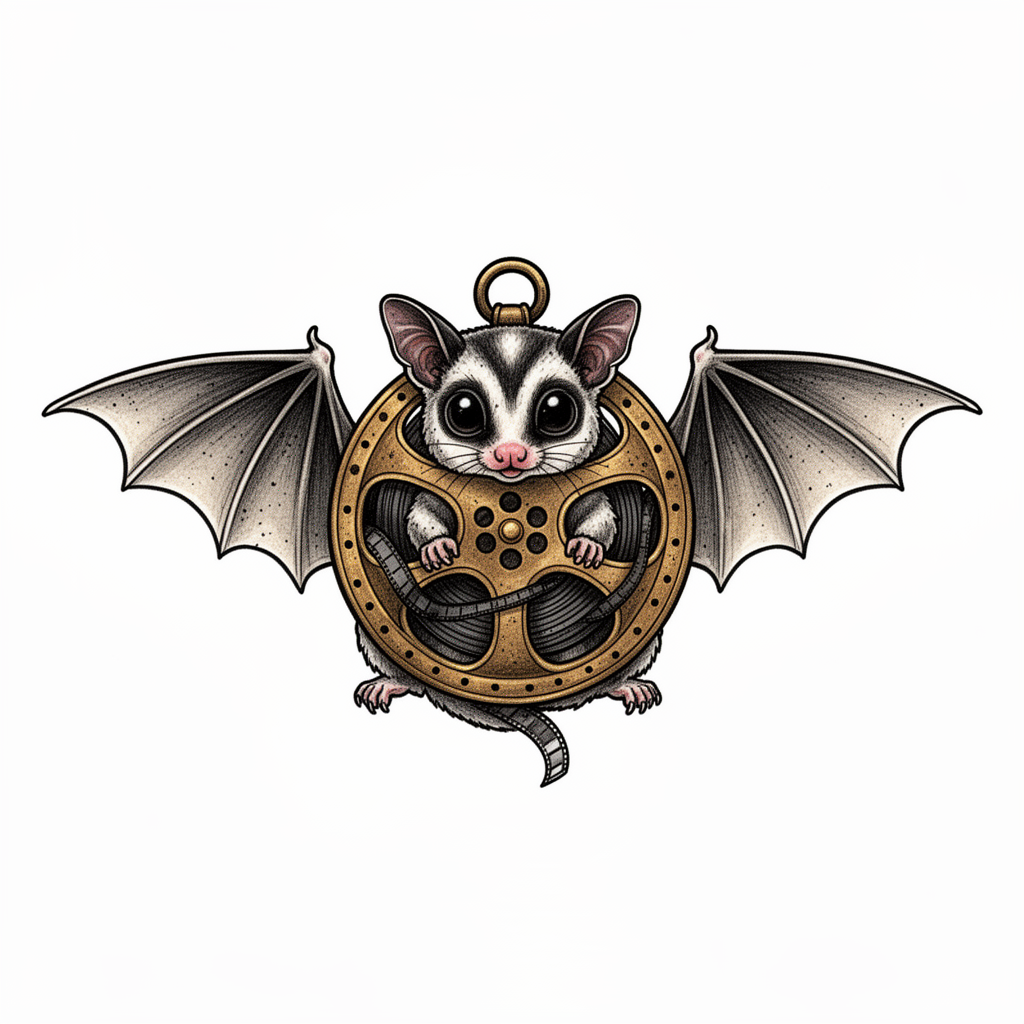
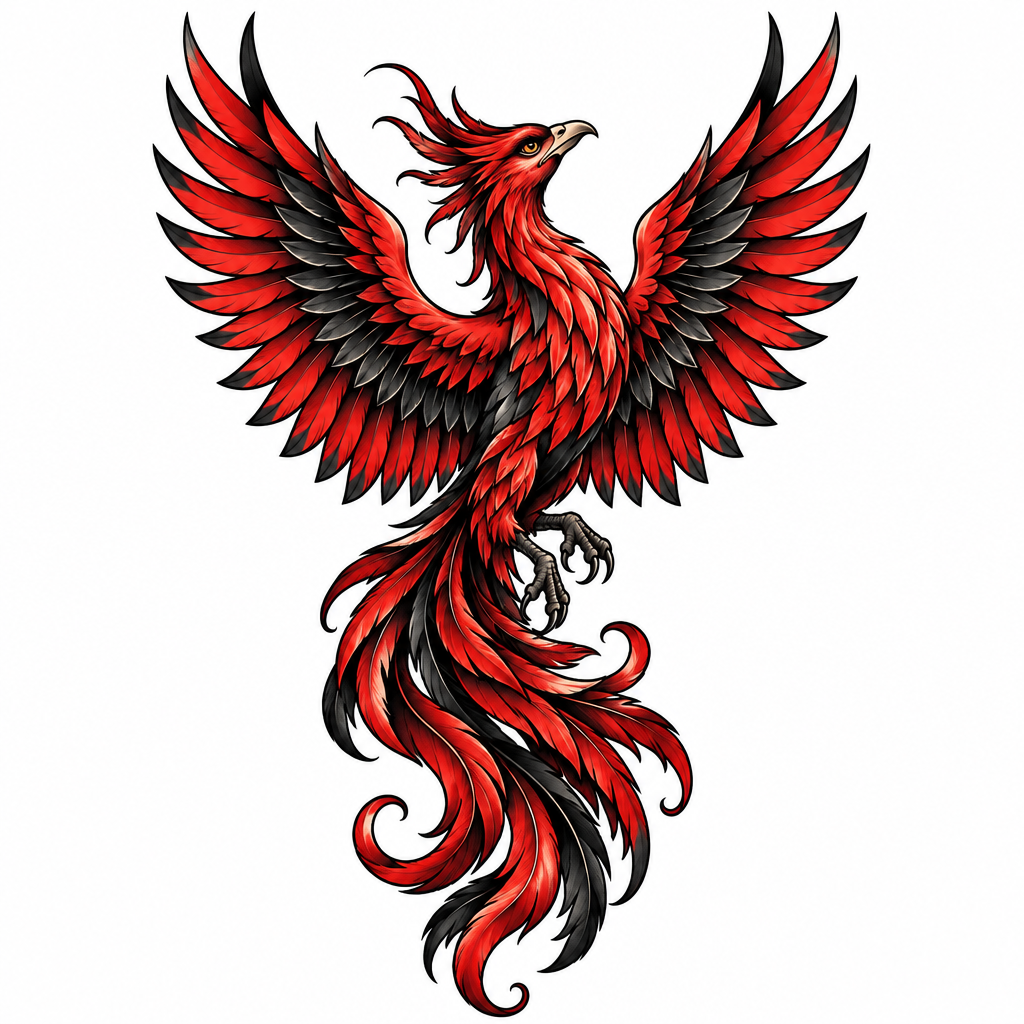
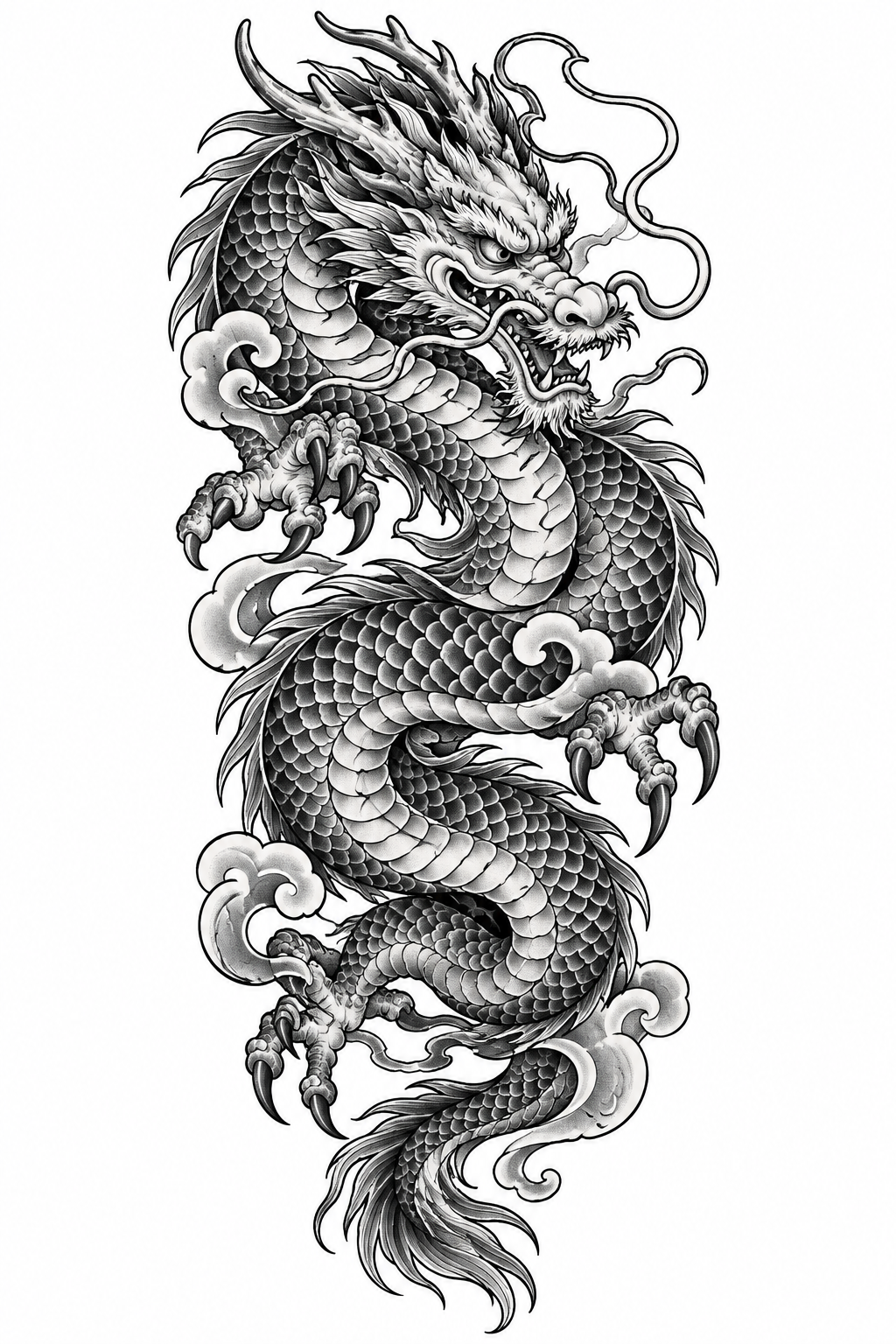
Hip tattoo designs from the community
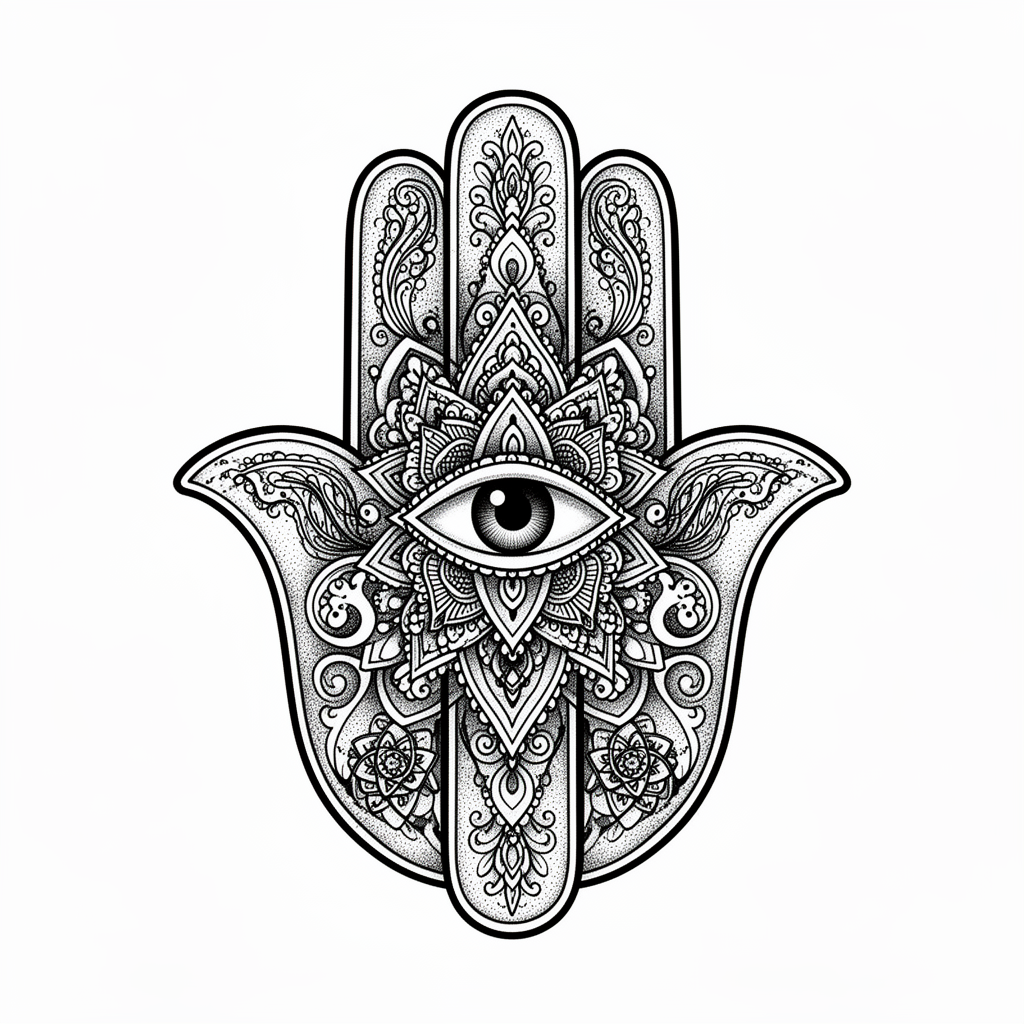
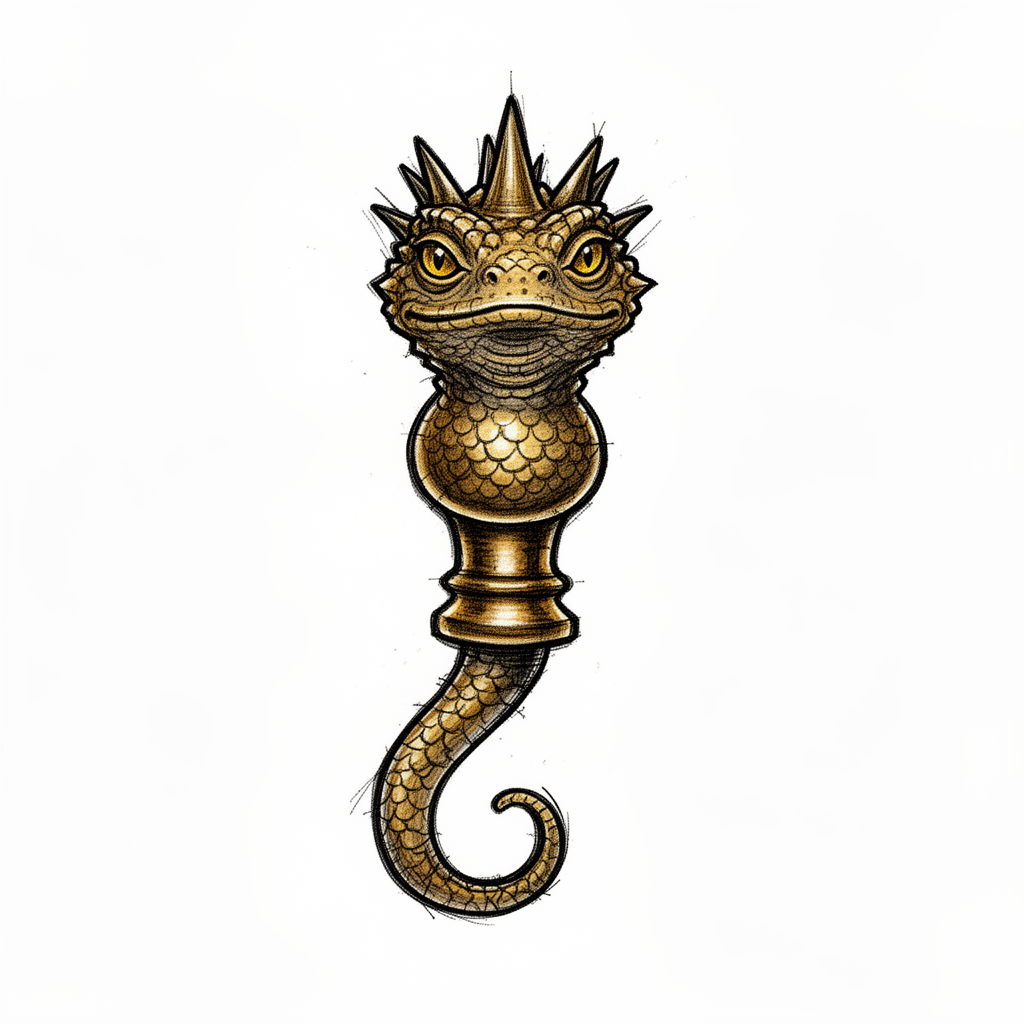
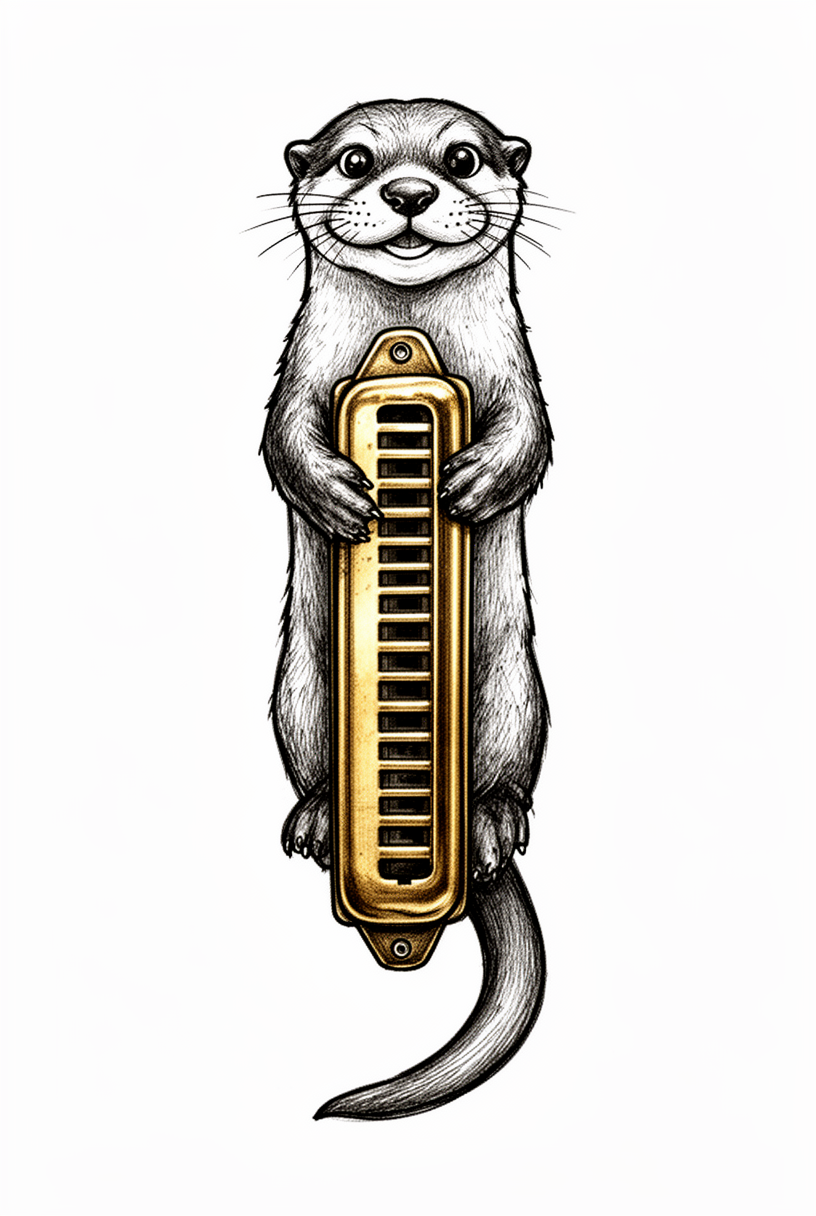
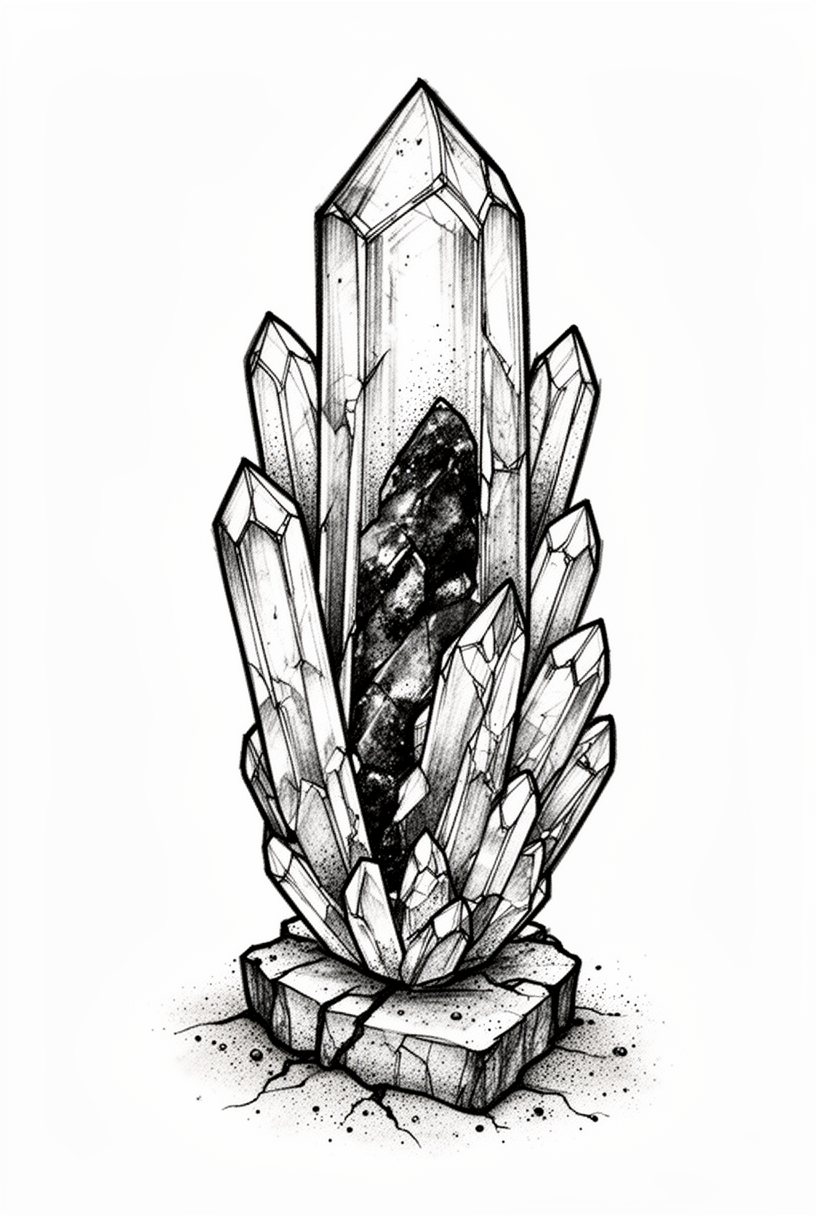
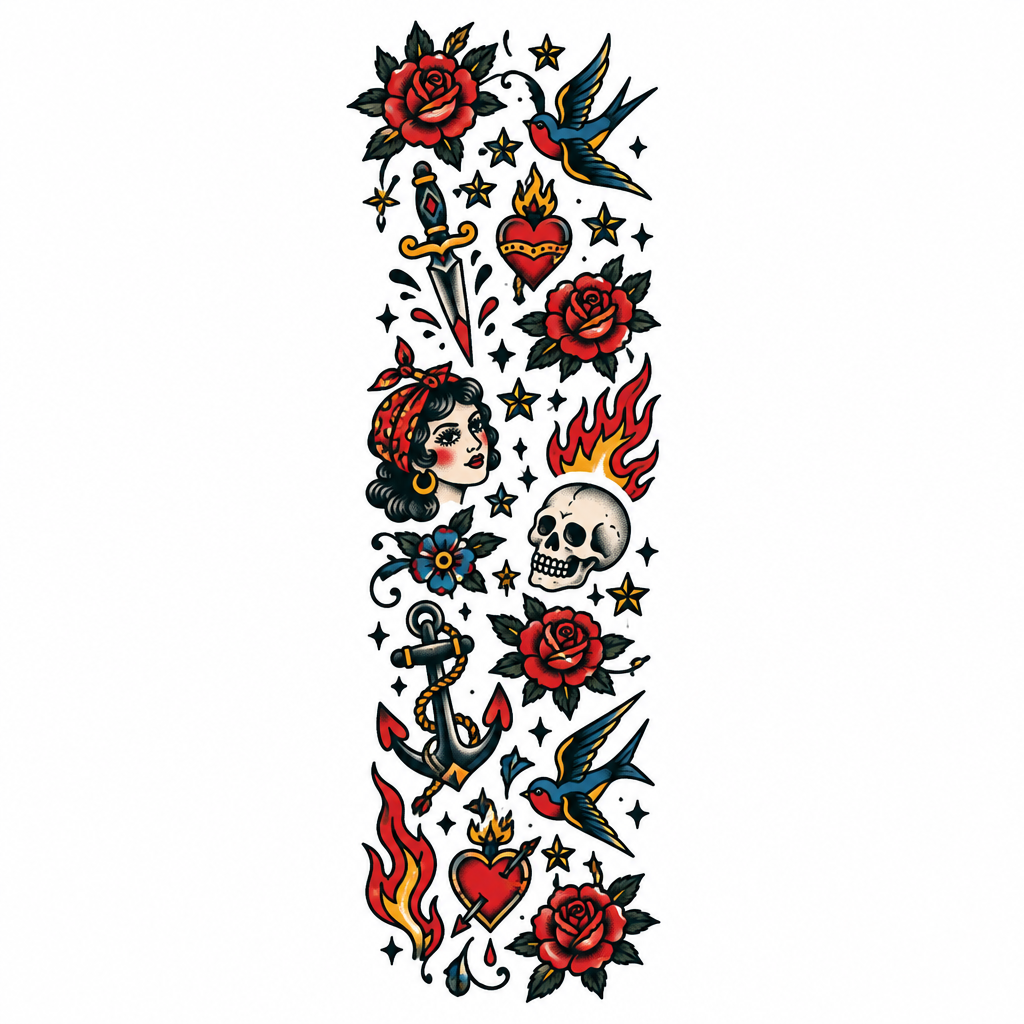
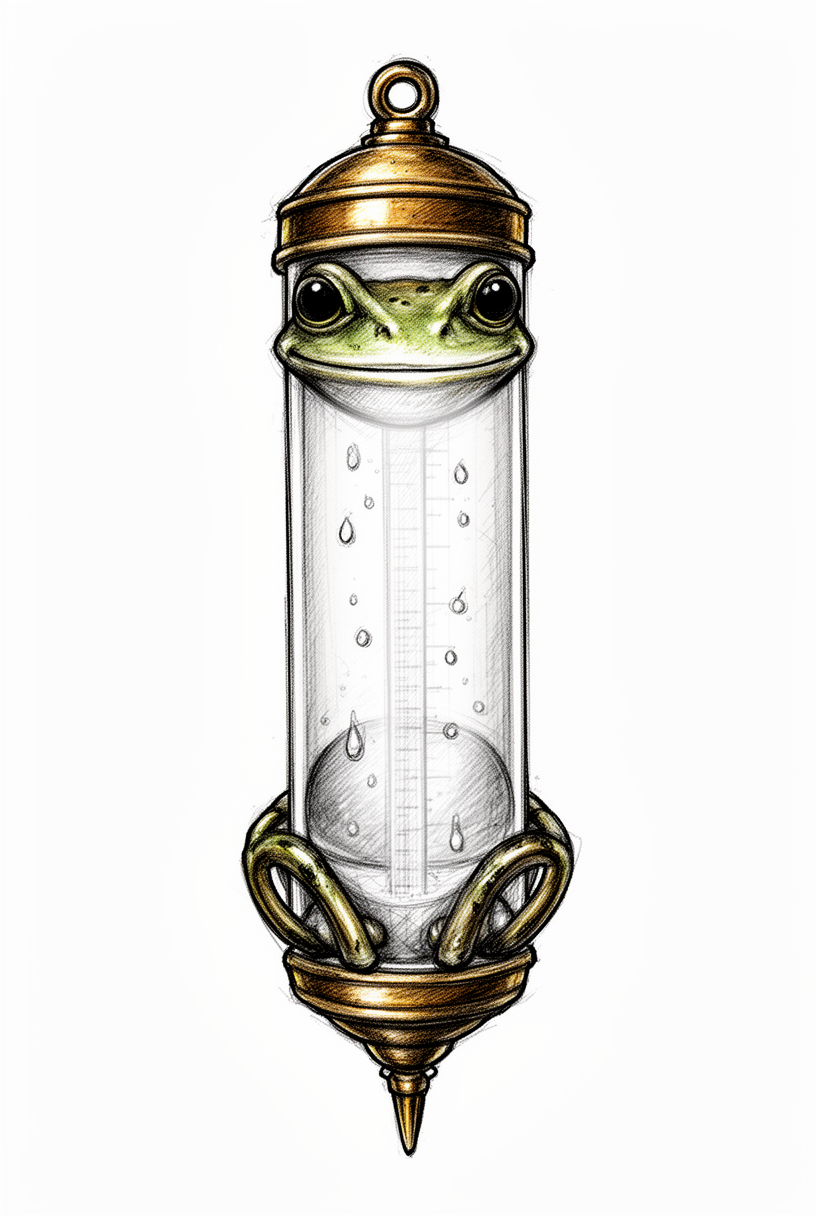
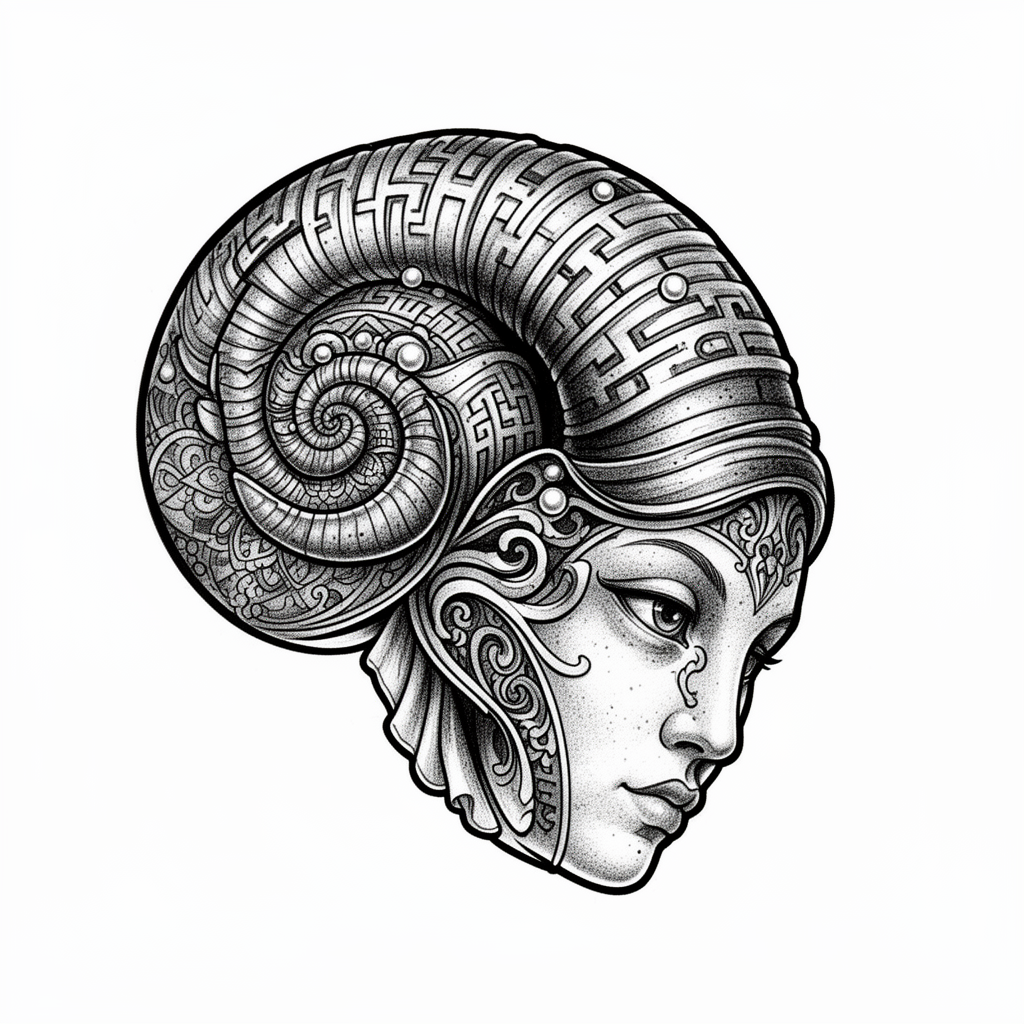
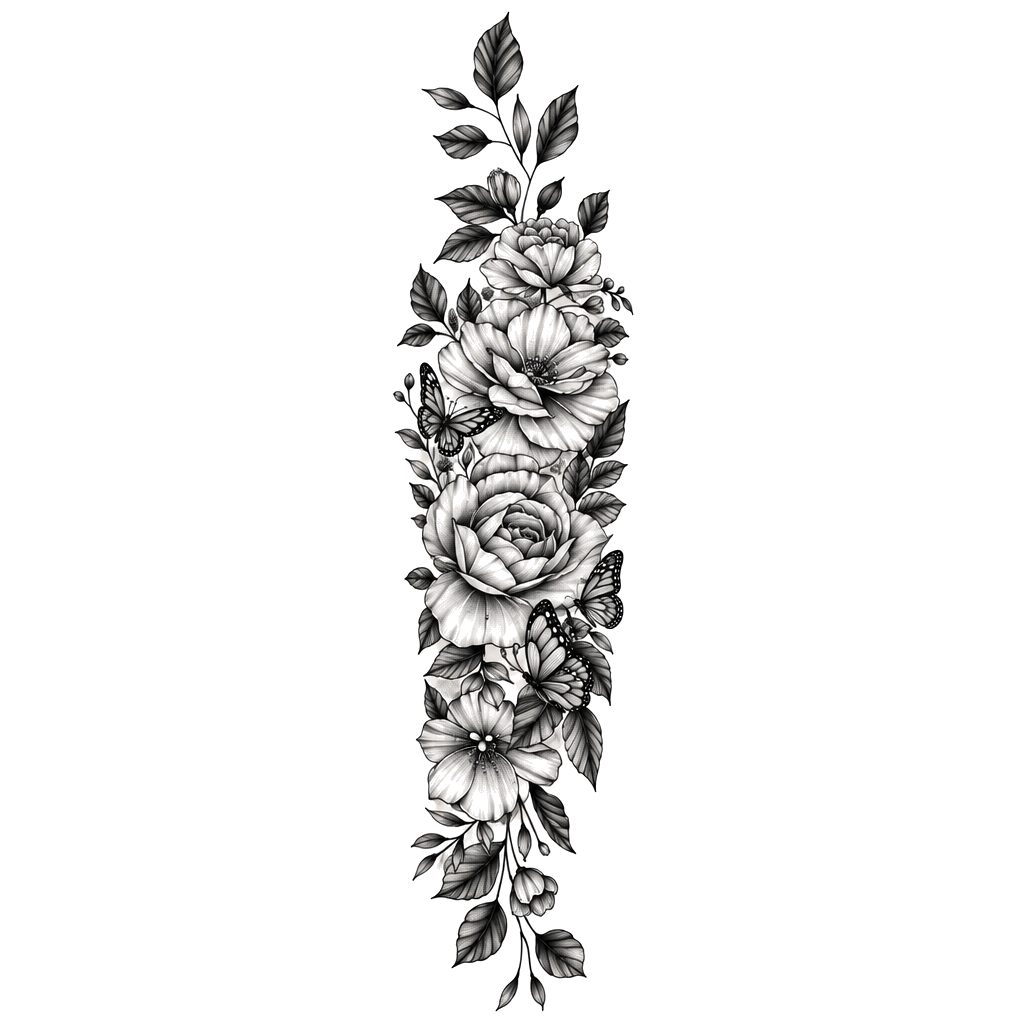

Related placements
Hip tattoo FAQ
- Is a Hip tattoo painful?
- As general guidance, the hip is a high-pain placement, sharpest directly over the hip bone where the skin is thin. The softer flesh beside the bone is more forgiving thanks to its cushioning. Tolerance varies, and breaks help over a longer flowing piece.
- What's the healing time for a Hip tattoo?
- Surface healing usually takes about three to five weeks, longer for large pieces. Waistbands and clothing rub across the hip, so loose, soft bottoms help in the early weeks. Keep it clean and avoid soaking it until it has fully closed.
- How big can a Hip tattoo be?
- Medium to large designs suit the hip best, since its curve and the adjacent thigh give a flowing piece room to wrap and trail. This lets a design drape with the body's lines. Small pieces work but underuse the natural canvas.
- What styles look best on the Hip?
- Fine Line, Ornamental, Blackwork, Illustrative, and Watercolor styles all flatter the hip. Flowing, curving designs that follow the body read best. Rigid flat compositions lose the sense of drape the spot offers.
- Can a Hip tattoo be covered up?
- A hip tattoo is very easy to hide, covered by every waistband in daily life. It surfaces only with swimwear or when chosen to be shown. That makes it a discreet, private placement.
- Should your first tattoo go on the Hip?
- It can be a first tattoo, especially if the design favors the softer flesh beside the bone. The crest of the hip bone is the more demanding stretch, so pacing helps. A flowing piece is a rewarding choice for a prepared newcomer.